September 10, 2026


Guide to Nature-Based Infrastructure in the Bay Area


Any talk of infrastructure usually brings to mind roads, bridges, pipelines, and potholes. It suggests big, bulky, costly, and grey. Visions of storm drains and culverts, cement mixers and backhoes, seawalls and tide gates dance before our eyes.


But in the San Francisco Bay Area, as the region confronts rising sea levels and wetter storms, this infrastructure is being reinvented. Engineers and scientists are using different materials and different designs to make grey infrastructure bluer and greener. To soften the hard edges with plants and more absorbent and moveable materials. To use oyster reefs and gravel beaches and humpbacked levees to make our shores more resilient to flooding. 


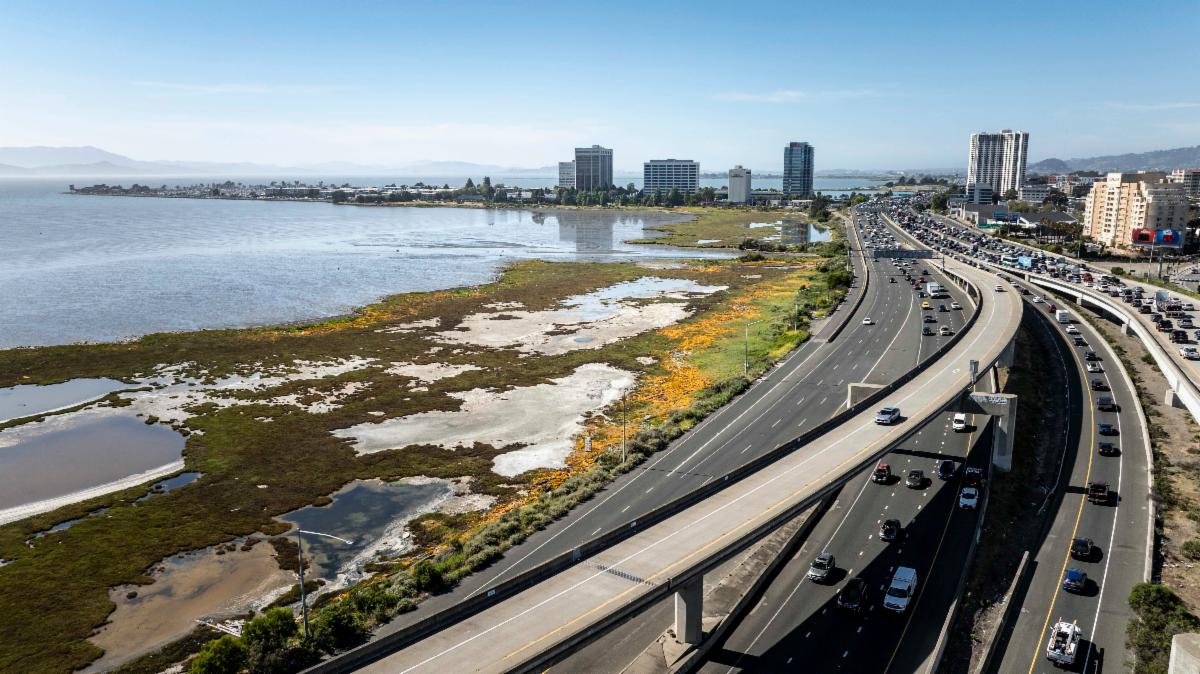
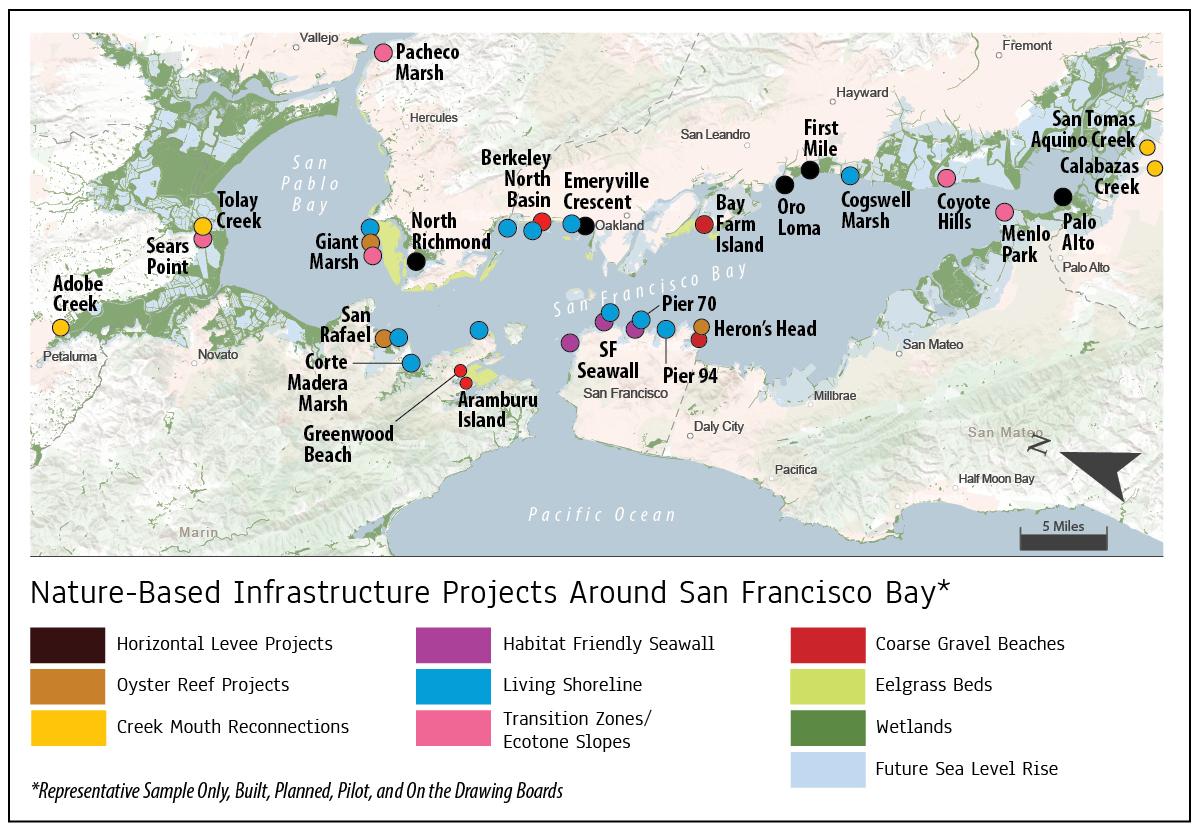
This “nature-based” infrastructure isn’t a new thing, but it’s trending. In this new guide, KneeDeep distills the basics about horizontal levees, living seawalls, gravel beaches, and more, and translates technicalities into an easy access guide to infrastructure resilient to change right here in our backyard. Photo: Karl Nielsen; Map: SFEI & Darren Campeau


KEEP READING

S U M M I T

Local Leaders Discuss How Nature Can Help California's Coast Weather Fire and Floods


Climate change is giving the upper hand to the winds, weather, and water we spend so much time trying to control.


In recent weeks, like a mass shooting, intense floods and wind took aim across our country and abroad, sweeping away our puny homes, felling trees, sending rocks and water caterwauling down canyons from Zion to Nepal, and hammering Long Beach with hurricane-strength waves here at home. And this right after a summer of fire and heat. 


"The fact is that a lot of our communities and infrastructure were never built with nature in mind, and as nature becomes more unstable from climate change, we're increasingly vulnerable," California Secretary of Natural Resources Wade Crowfoot said in an interview after a September 2 summit hosted by his agency and the Nature Conservancy at the Metro Center in San Francisco.  


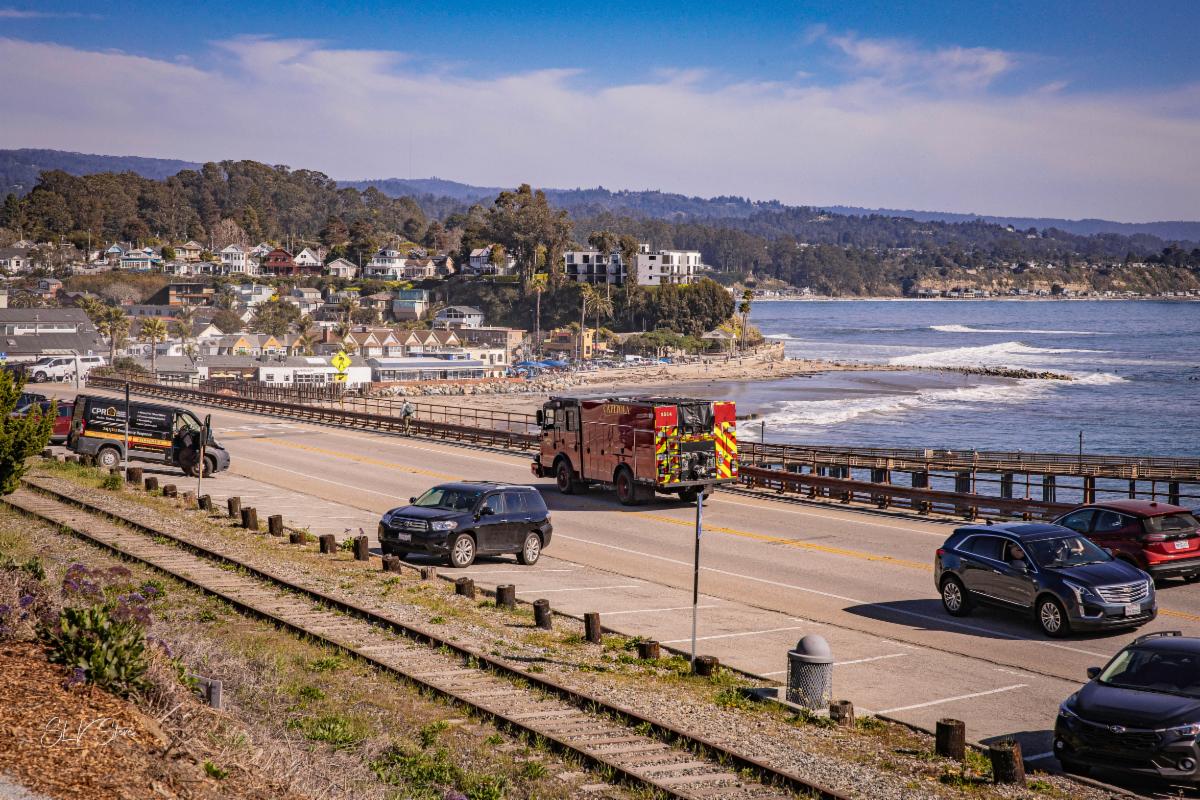
Attended by more than 100 Bay Area leaders in climate adaptation policy, funding, and project implementation, the summit sought to identify ways nature-based solutions can improve the resilience of the California coast to climate change. Photo: Steve Kuehl


KEEP READING


C H A T T E R

Check out KneeDeep's growing shortlist of climate adaptation and resilience specialists, resources, plans, organizations, and authorities for the San Francisco Bay Area.


  1. Disaster Preparedness by County
  2. How to Get Green Job Training
  3. Find Your Local Climate Action Group and more.


Help us fill out our hub. Send ideas and resources!


KEEP READING

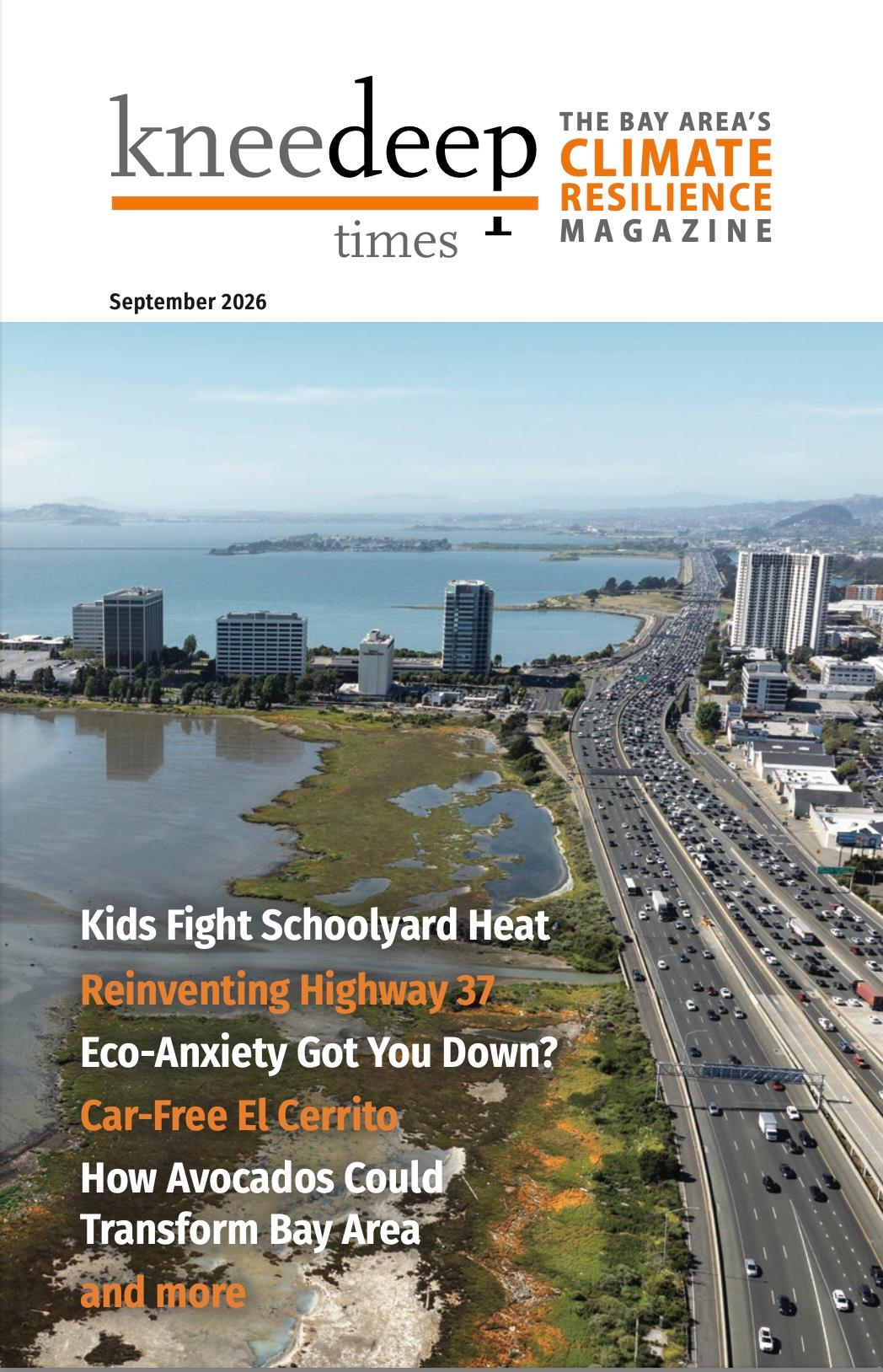
Our September 2026 paper zine is out! The zine offers nine stories in short form, an easy introduction to KneeDeep, and local climate resilience news for the casual reader or busy professional.


You can subscribe to our quarterly paper zine or get copies for your boards, teachers, community centers, and students.


Help us by placing zines in your free local library...


Email Editor to request


Subscribe


Share our stories, and follow us on your favorite platforms.

Facebook  Instagram  LinkedIn

Bluesky

KneeDeep Times shares stories from the frontlines of climate change resilience and adaptation action.

All stories are available for republication free of charge. See our guidelines.


Views expressed are independent of all funders and collaborators.


Managing Editor: Ariel Rubissow Okamoto

Assistant Editor: Duncan Agnew

Research & Social Media Editor: Isabella Eclipse

Art Director: Afsoon Razavi

Editor-in-Training Fellow: Meghan Crebbin-Coates


Send us your story ideas and subscribe us to your newsletter lists.

news-team@kneedeeptimes.org

KneeDeep Times | 73 Water Street | San Francisco, CA 94133 US