Volume 4, Issue 5 | November 20, 2025 | | Take a glimpse into just a few of the things we are thankful for at Mercaz Academy this season: everything from the educational philosophy that powers our classrooms to powering pinball at Jewish STEAM competitions, from appreciation for American history and culture to planning for our future growth. Make sure you read to the bottom for important dates! | |
🌟 Scholastic Spotlight 🌟
Inside Mercaz’s Small-Group Learning Model
| | |
Mercaz Academy’s educational philosophy centers on knowing the whole child. We know that learning is strongest when relationships are strong, when instruction is individualized, and when students feel confident, connected, and seen. Mercaz is set up with those goals in mind, beginning with one of our core teaching methods: the rotation-based small-group learning model.
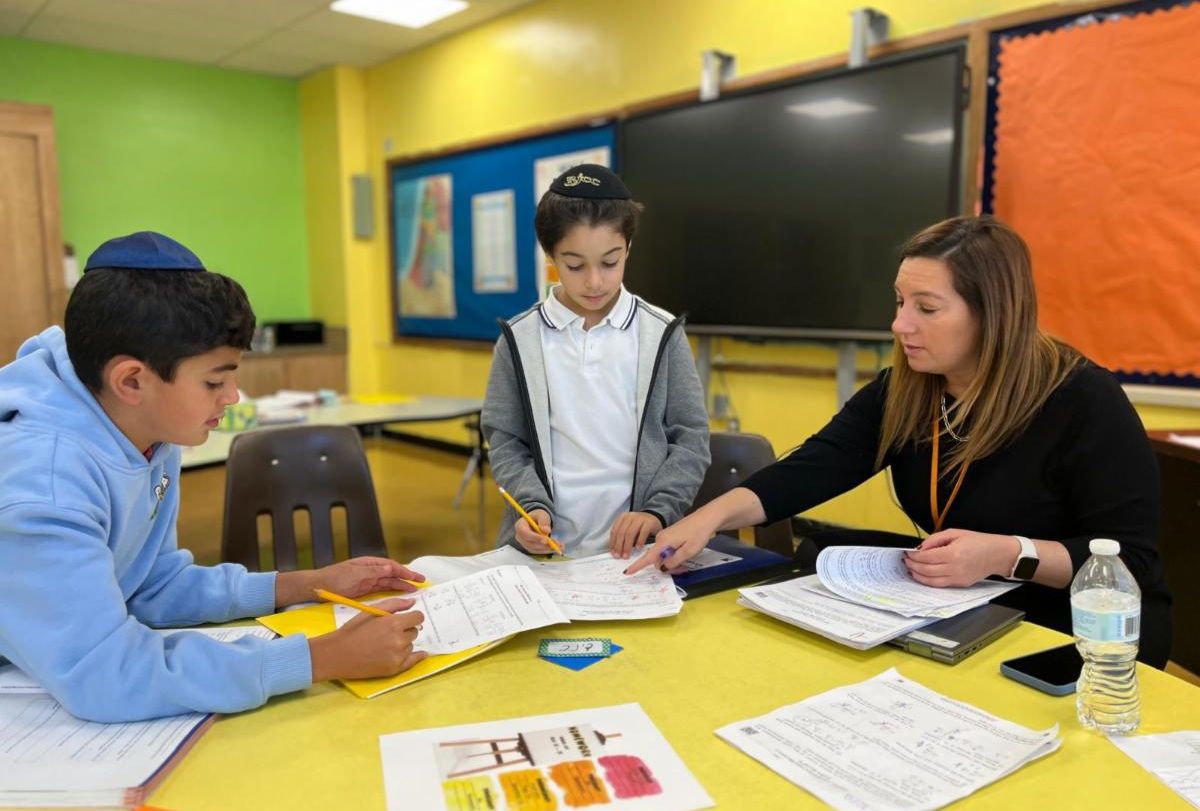
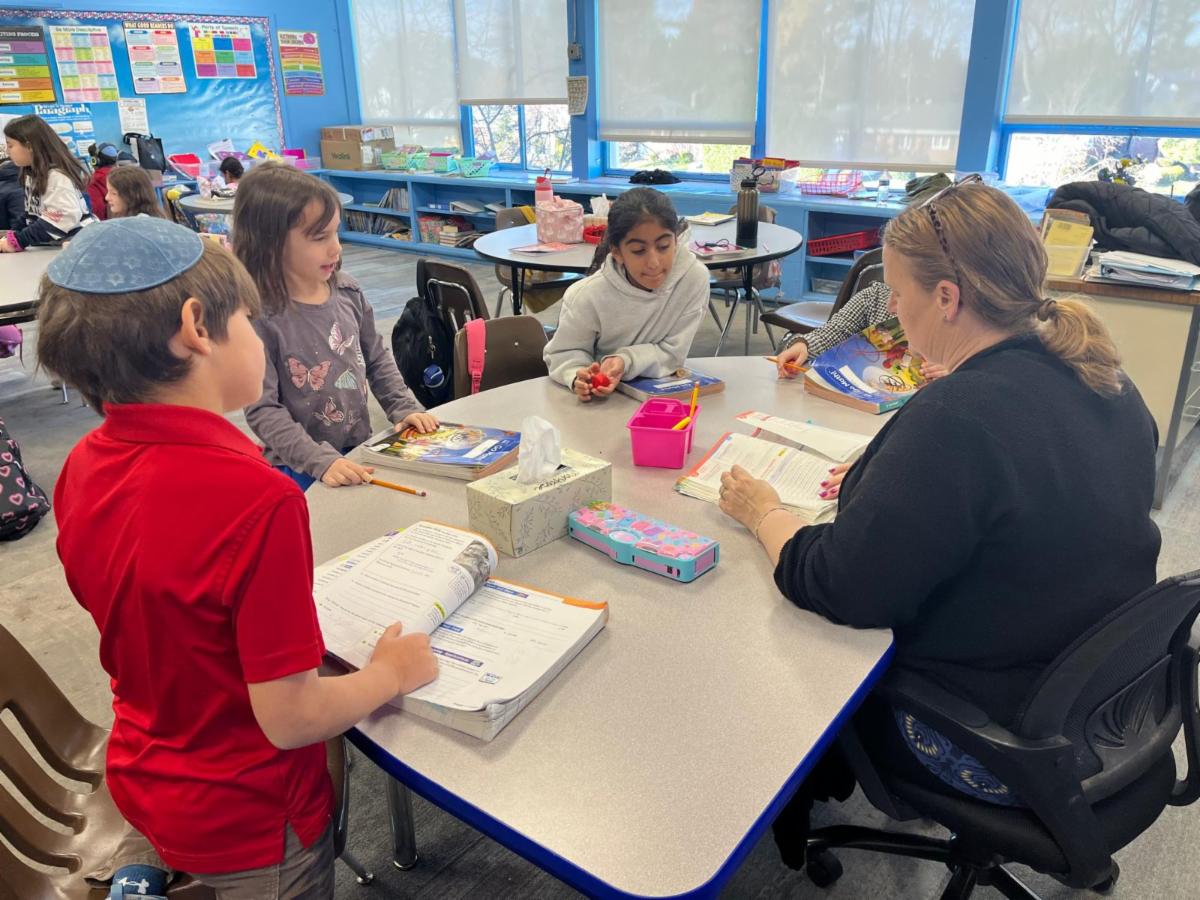
In contrast to the traditional frontal mode of teaching – where a teacher faces a class of 20–30 students seated in individual desks and delivers a 45-minute lesson with limited interaction – the small-group model divides the class into two to four intimate learning groups led by teachers, allowing targeted instruction that nurtures each child’s strengths, supports their challenges, and builds trust within the teacher–student relationship.
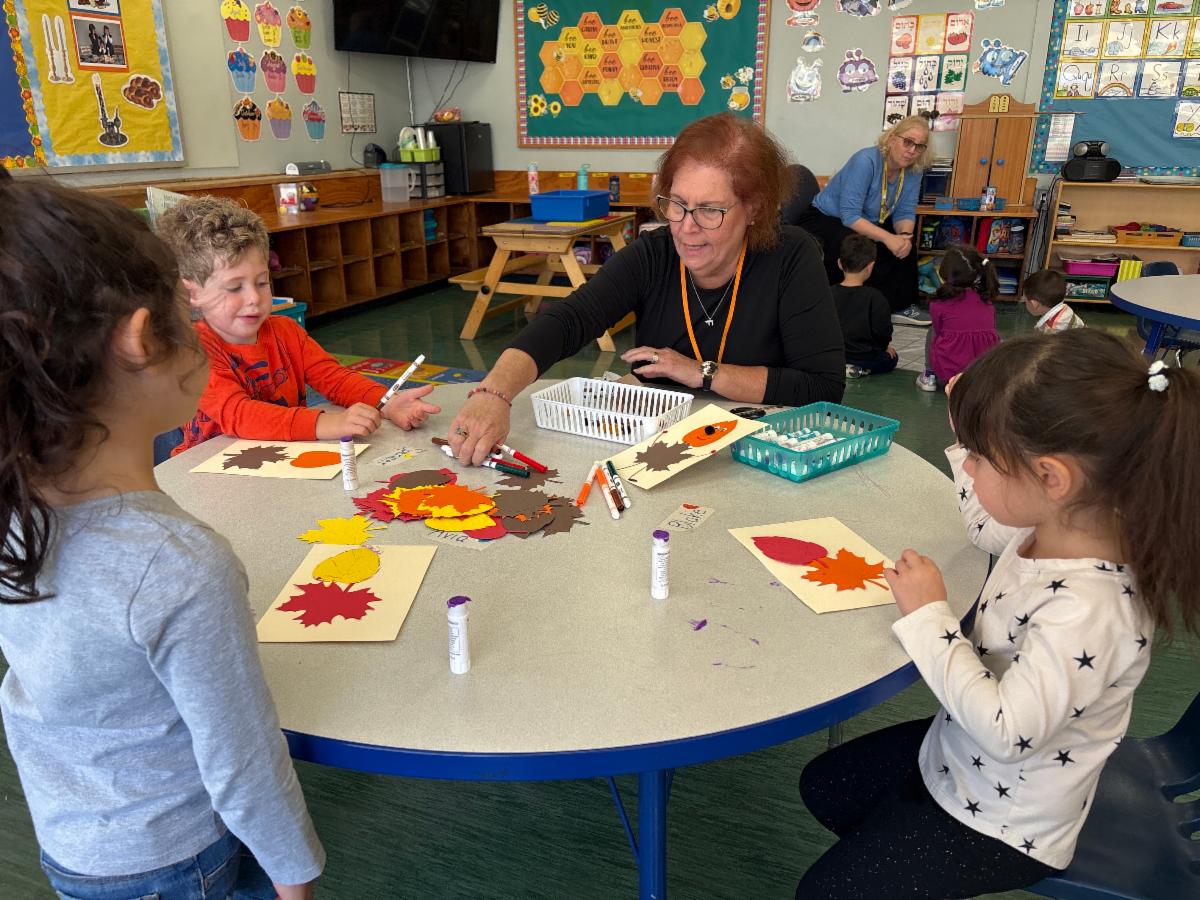
From our earliest learners through sixth grade, every grade and subject level uses the small group teaching model. In the ECC, a Judaics teacher, an ulpan teacher, and an assistant teacher might split the class into three groups to focus on three different crafts or activities, then switch those groups to the next project.
| | |
In the upper grades, students engage in self-led rotations during math and English lessons. Each class rotates through three stations: direct instruction with the classroom teacher; targeted review or enrichment with a support teacher; and a technology station powered by adaptive tools like i-Ready and Prodigy.
For 5th grade General Studies teacher Ms. Katherine Papaccioli, the rotation model has transformed instruction. “I like this model because you can truly differentiate depending on the subject,” she explains. “In English Language Arts, my groups are based on reading level. In math, they’re based on i-Ready data or classroom assessments. Every student gets what they need – support or enrichment – without getting lost in the back of a whole-class lesson.”
Movement is another important feature. “Every 15 minutes, students get up and switch stations. They need that. Even adults can’t sit for 45 minutes without moving. It helps students reset and refocus.”
| | |
Educational Technology Director Mrs. Lynda Last, who joins the upper classes as a support teacher to lead targeted review rotations and the younger students for tech rotations, notes that the short, concentrated blocks maximize learning. “It’s 15 minutes of intense work–not 45 minutes of zoning out. When you’re sitting with just a few students, they can’t fade into the background. And if they do, I’m right there to gently redirect.”
This closeness also builds trust. “We definitely get to know them better,” continues Mrs. Last. “It feels more relaxed. Some students won’t raise their hand in front of the whole class, but in a group of three or four, they’re more confident. They’ll ask questions and share answers because they feel safe.”
The small groups model is more than a standout feature of our school: it’s a reflection of Mercaz’s commitment to nurturing each individual child’s development and building a school community where students feel empowered and confident.
For teachers, this model reflects a major reason why they love working at Mercaz. As Ms. Papaccioli shares, “This is the only school where I’ve taught using this model, and I absolutely love it. Every student gets exactly what they need.”
| | 💻💡 Sixth-Graders Engineer Success at the
CIJE Pinball Hackathon | | |
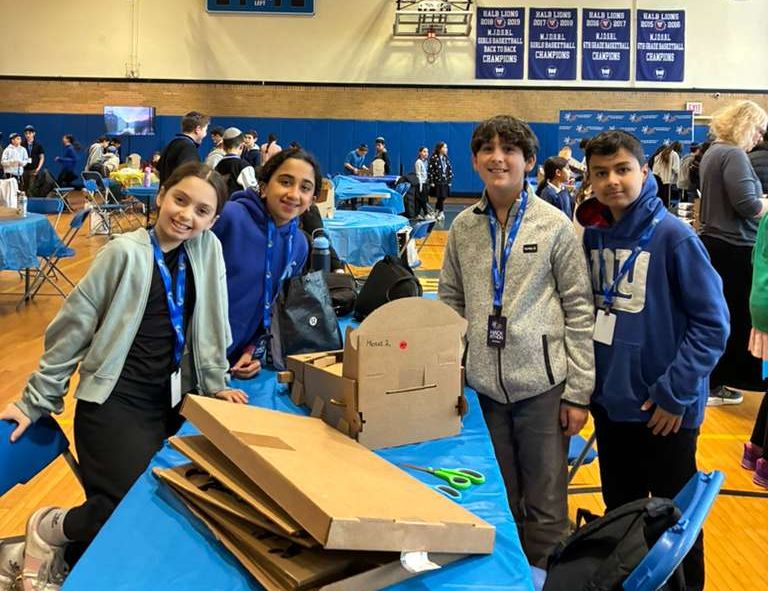
For the second year running, Mercaz sixth-graders brought creativity, engineering, and problem-solving skills to the Center for Initiatives in Jewish Education (CIJE) Pinball Hackathon, this year hosted at the Hebrew Academy of Long Beach on Thursday, November 20th.
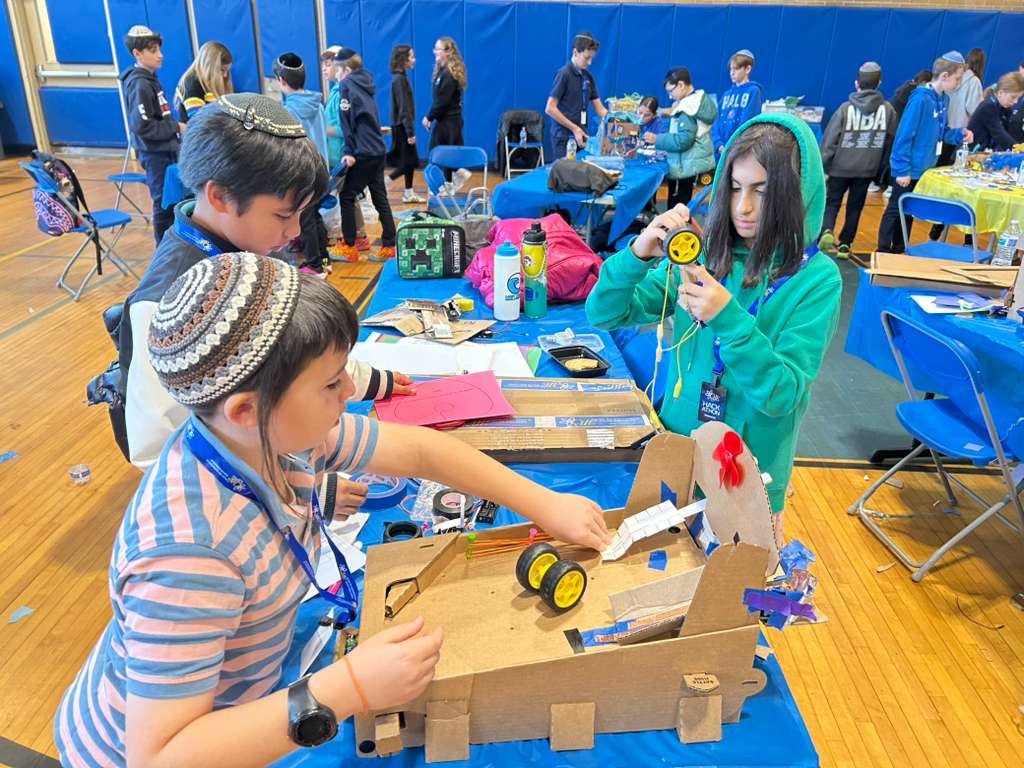
Six Jewish schools participated in this year’s competition, each sending sixth- and seventh-graders who worked in teams of 3-4 to explore mechanics and electronics by reimagining pinball with an engineering twist. CIJE mentors led three workshops providing the students with tools and ideas to modify their games. In Storyboarding and Game Design, the young engineers planned creative game strategies to reflect this year’s theme, Water in Israel. In Game Elements, they designed ramps, bumpers, and pits to enhance the story. And in Light, Sound and Motion, they learned how to build and incorporate circuits and switches for sensory effects.
| | |
The mood in the room was highly focused as our four Mercaz teams debated strategies, drew up plans, and made their modifications, zooming and forth across the room to the materials table for wires, cardboard, styrofoam, and hot glueas they focused in on their tasks. Students added their creative and engineering elements collaboratively, testing what worked and what didn’t, regrouping when original plans went awry, ultimately producing inventive, fully working pinball machines. Following construction, the participants walked around the room, chatting with kids from other schools and testing each others’ games.
One team from each school was chosen to present their pinball machine to all the attendees. The team from Mercaz explained how their design was inspired by the Dead Sea and the concept of floating. They pointed out a unique feature to their machine: a second “life”, or chance to play, is built into their game, along with a secret door that scores an extra 1,000 points.
"It was very fun. It was challenging, but everyone enjoyed it," sixth-grader Noa reported.
“The students really enjoyed themselves and worked very hard,” said Mrs. Lynda Last. “I’m proud of how they represented Mercaz.”
| |
🧪 Sixth Grade: Owning the Scientific Method
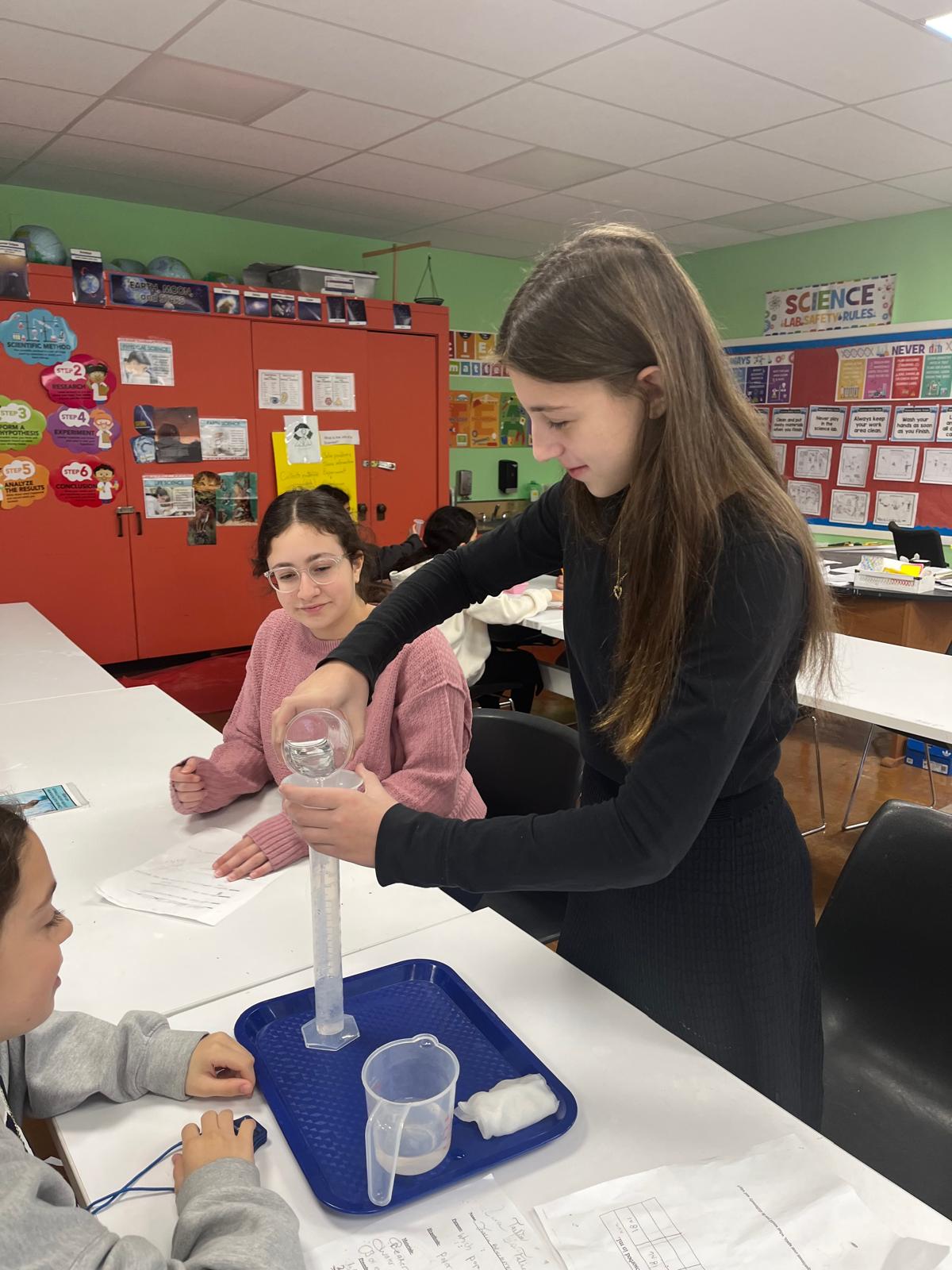
Sixth graders wrote their own experiments this week in a lesson designed to give them agency within the scientific method, the set of steps used by scientists to learn new information about the world. While the experiment itself was a relatively simple one – testing different brands of paper towels to see which best lived up to marketing claims about their absorbency – the real lesson was in creating and writing their own lab from beginning to end, starting with the question that prompts the experiment and advancing to research, forming a hypothesis, performing an experiment, analyzing the results and reaching a conclusion. The independent exercise teaches that science isn’t just about getting the “right” answer – it’s about curiosity, thoughtful planning, and evidence-based reasoning.This hands-on ownership helps them think like scientists, not just follow directions, as they seek an answer to the age-old question: Is Bounty truly the quicker-picker-upper?
| |
🦃 Second Grade: Exploring America's Roots from Tipis to Turkey
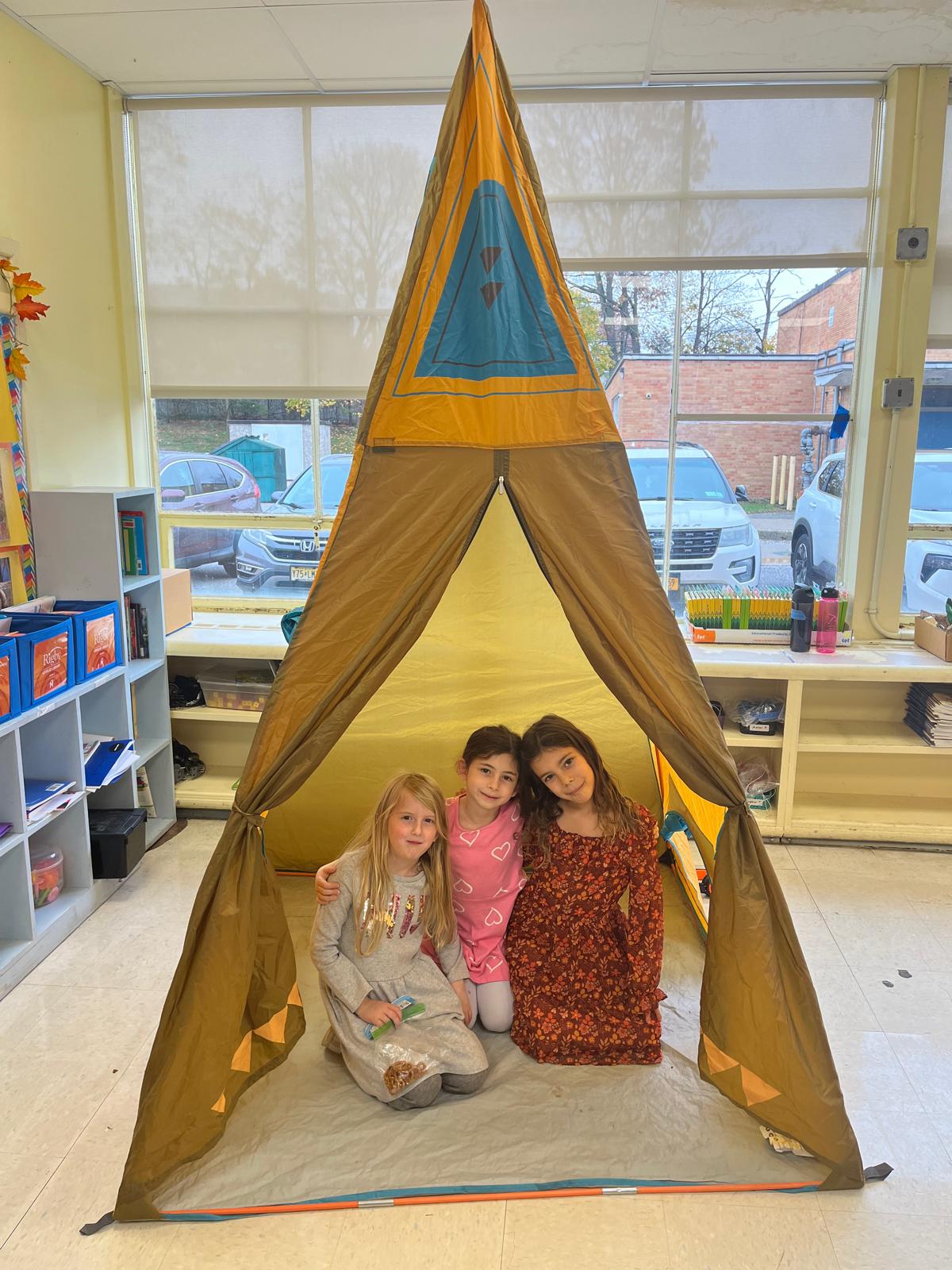
In preparation for next week’s Thanksgiving Feasts, second graders are exploring the world of the pilgrims and Native Americans, quite literally – with an in-classroom tipi! They've created dioramas depicting typical villages of different Native American cultural regions, such as the Southwest, the Arctic, and the Plains. They read The Pilgrims’ First Thanksgiving by Ann McGovern for historical context, and Molly’s Pilgrim by Barbara Cohen, which relates Thanksgiving to the modern Jewish American immigrant experience. And as their rhythmic rehearsals of the percussion song they’ll be performing at the Feasts, “People of the Drum”, reverberate through the hallways, we give thanks for our students’ creativity and enthusiasm for American history!
| |
New Teacher Feature:
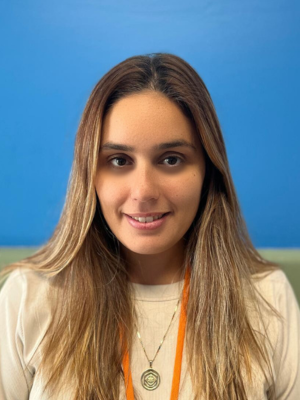
Meet Morah Lean Biton
Welcome (back) to Lean Biton, a former Mercaz substitute and now full-time ulpan teacher for our youngest learners! Born and raised in New York, Morah Lean spent ten years in Israel, earning her master’s degree in education in Tel Aviv and completing her teacher certification at Levinsky College. She has taught in schools both in Israel and here in New York and now shares her expertise with our Nursery Aleph, Nursery Bet, first- and second-graders.
Lean describes her classroom as a place of exploration, creativity, and joy, where students are exposed to Hebrew through songs, games, and hands-on activities. She particularly enjoys seeing her older students learn to connect letters to form words and sentences. “When they suddenly realize, ‘I can read this!’ – that light turning on is the best part,” she explains.
When she’s not teaching, Lean keeps busy with her three children (and their extracurriculars). She also indulges her artistic side through her small business creating custom gifts and goodie bags for holidays and special events. Lean loves being part of the Mercaz community, where familiar faces from her own Roslyn neighborhood make the school feel like a second home.
| | | |
🌳 Planting for the Future 🍑
| | |
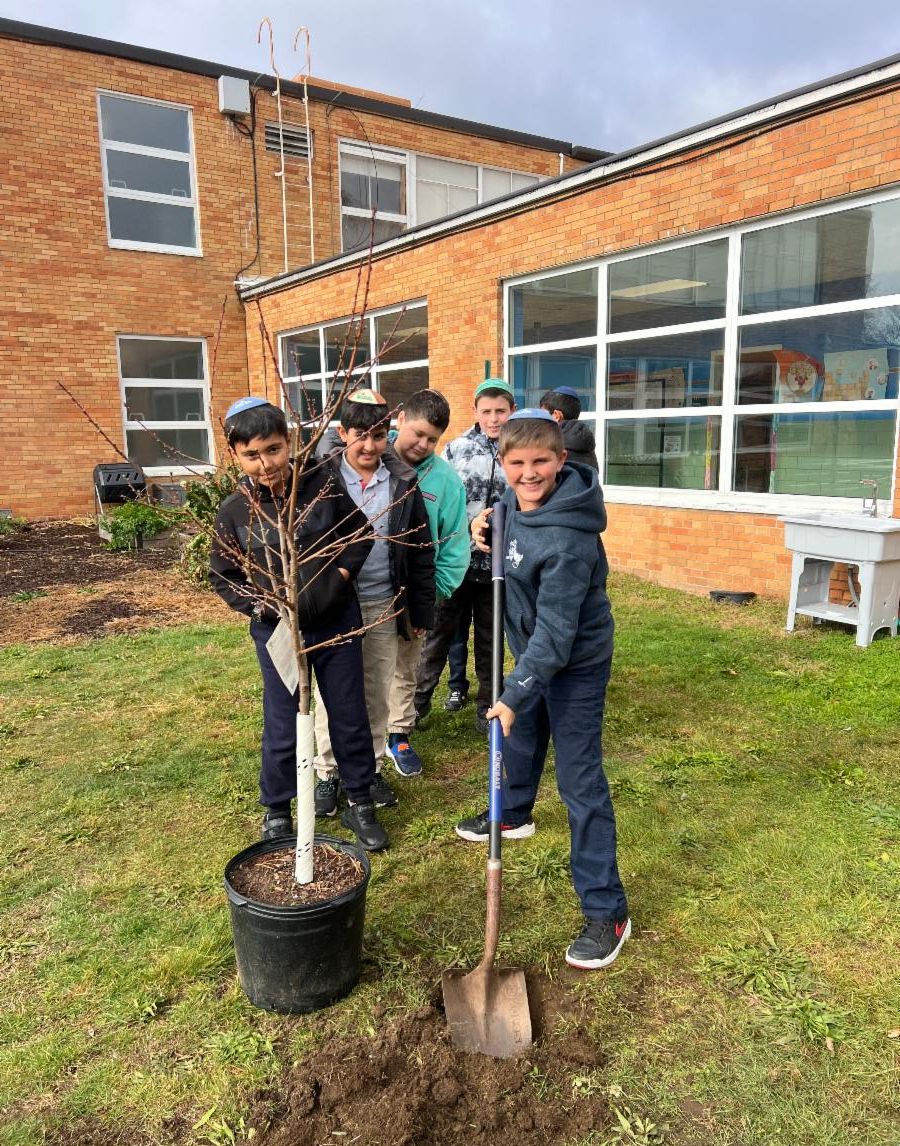
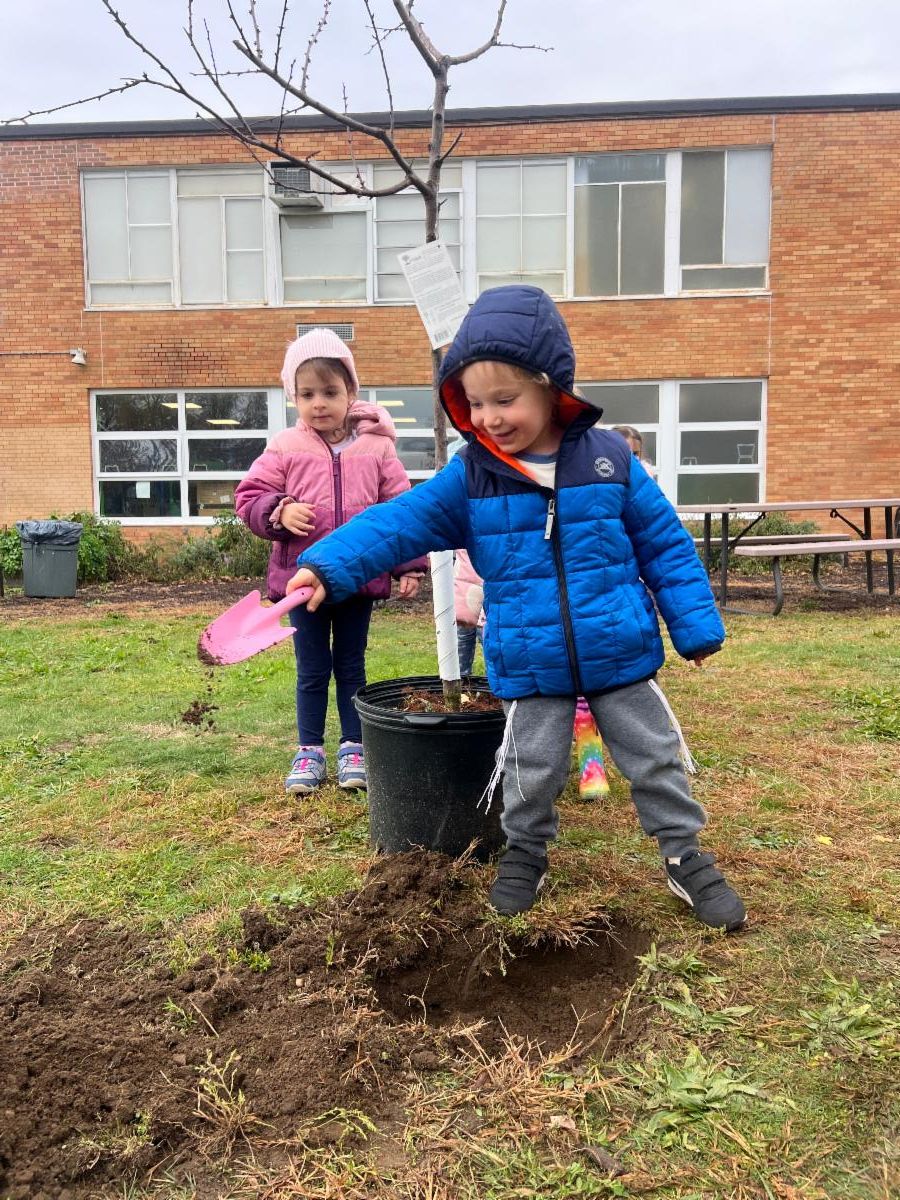
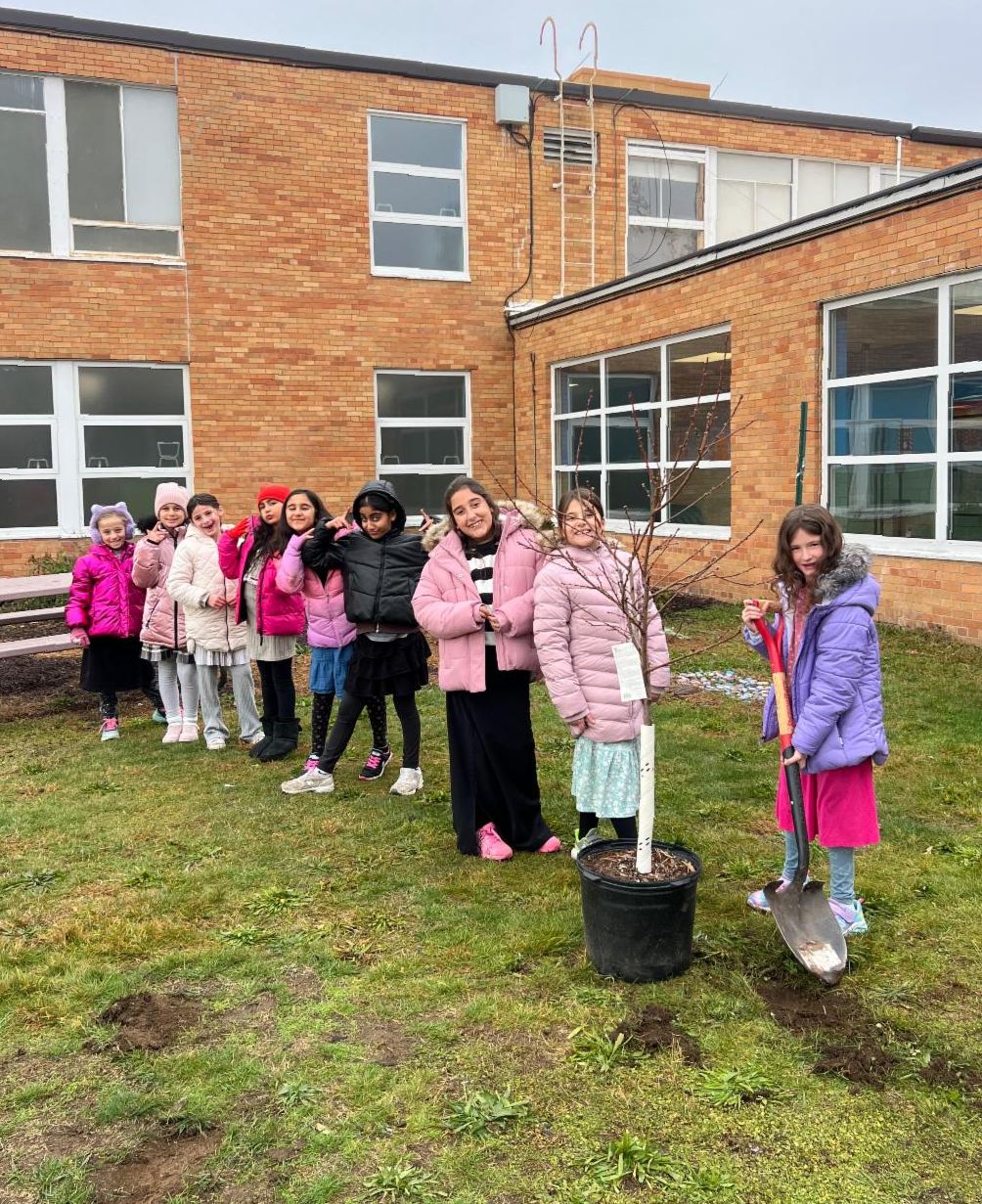
This week, students began a brand-new chapter in the GrowTorah garden by planting fruit trees! While until now we’ve grown vegetables, herbs, and flowers, this week we added a peach tree and an apricot tree that will one day provide fruit for our school community.
Students explored how tree roots grow underground just as wide as branches spread above, which means the trees need plenty of space to grow strong. This led into a discussion about the mitzvah of kilayim, the Torah’s teaching about not mixing species. The students learned that, while many kilayim rules apply only in Eretz Yisrael, some, including the crossbreeding of fruit trees, also apply here in America. They helped measure the correct distances to ensure the trees were planted properly for both healthy root growth and proper performance of the mitzvah.
Students were curious about what will happen as the trees grow, which opened a perfect opportunity to learn a beautiful Talmudic story about Choni, the Circle Maker, who, as an old man, planted a tree to benefit future generations — just as others years ago had planted for him. This sparked a meaningful conversation about thinking beyond ourselves, caring for our community, and building something today that will benefit others for years to come.
| | |
| |
Friday, November 21
Grandparent/Special Someone Day: Grades 1-6
Monday, November 24
Grandparent/Special Someone Day: ECC-K
Wednesday, November 26
Thanksgiving Feasts
Thursday, Nov. 27 - Friday, Nov. 28
Thanksgiving Break - No school
Monday, Dec. 1 - Wednesday, Dec. 3
Chanukah Boutique
Monday, December 1
Parent/Teacher Conferences (remote)
Tuesday, December 2
Picture Retakes
Monday, December 8
Pre-Chanukah Pajama Night
First Basketball Home Game
Tuesday, December 9
Robotics Field Trip: Grades 4 & 5
Wednesday, December 10
Robotics Field Trip: Grade 6
Basketball Home Game
Monday, December 15
Chanukah Break - No school
Monday, December 22
Chanukah Sparks Parent/Child Program: K & NB
Thursday, December 25
NO BUSING
Davening & Danish
Chag HaChumash
Thursday, January 1
No School
| | | | |