From the President Emeritus of the Bhutan Foundation | | |
Over the past forty years, Bhutan has become a place I return to not just as a visitor, but as someone reconnecting with an old friend. I have been fortunate to travel there many times but my most recent visit, after a gap of six years, was especially meaningful. It reminded me, in very personal ways, why the work of the Bhutan Foundation continues to matter so deeply.
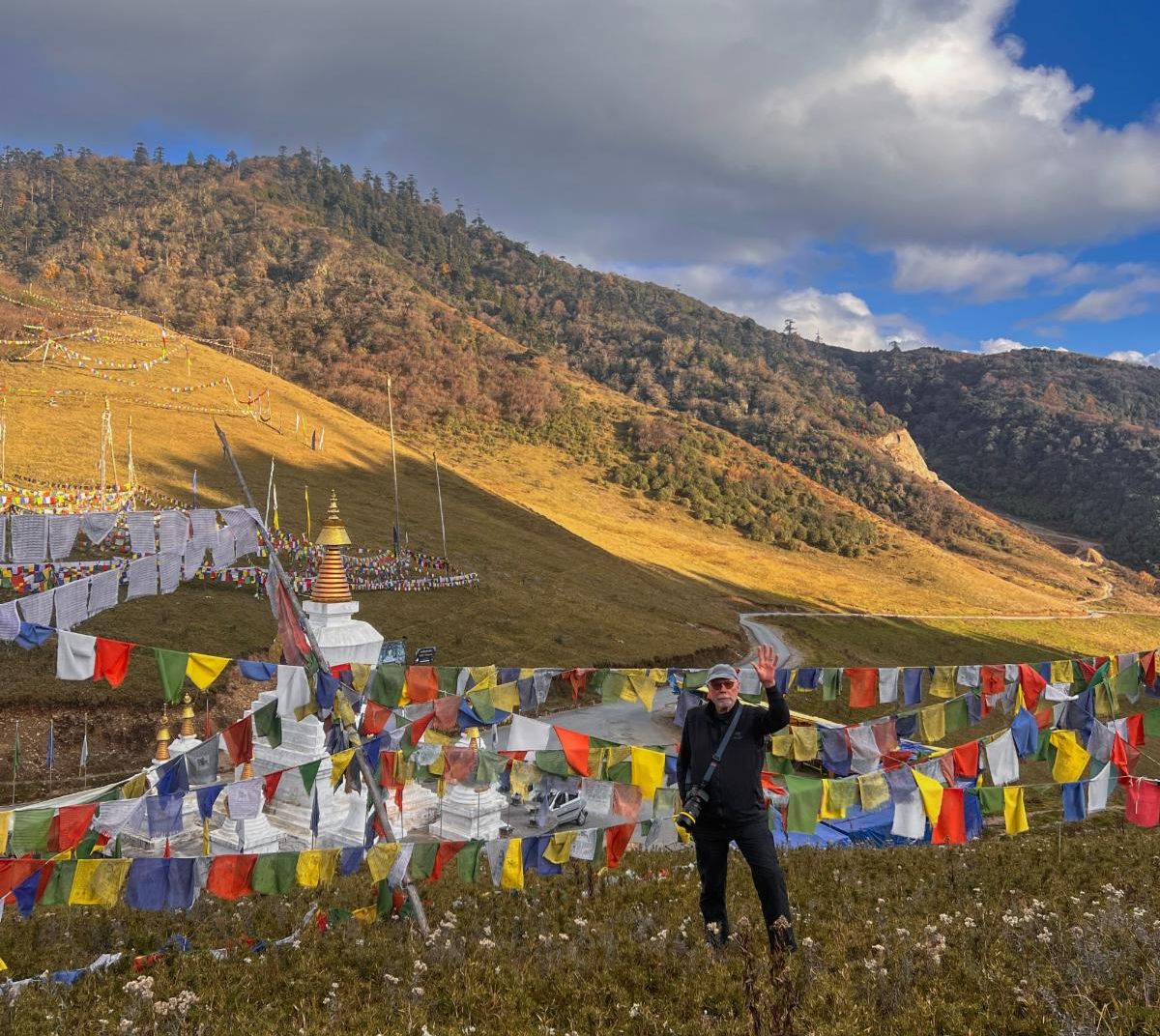
From November through December, I traveled across the country with the Bhutan Foundation team, beginning in Bhutan’s southern lowlands near the Indian border, gradually making my way north through temperate valleys and up into the high mountain passes. In the span of only 80 miles, the landscape changes completely - from lush subtropical forests at 450 feet to cool alpine terrain above 13,000 feet. I never tire of this journey. Each bend in the road reveals something new: a shifting forest canopy, a sudden opening to terraced fields, or the distant sound of prayer flags moving in the wind. Even from the valleys below, seeing Bhutan’s towering 24,000 ft peaks rise into the clouds is a humbling experience. It is impossible not to feel both small and deeply grateful in a place like this.
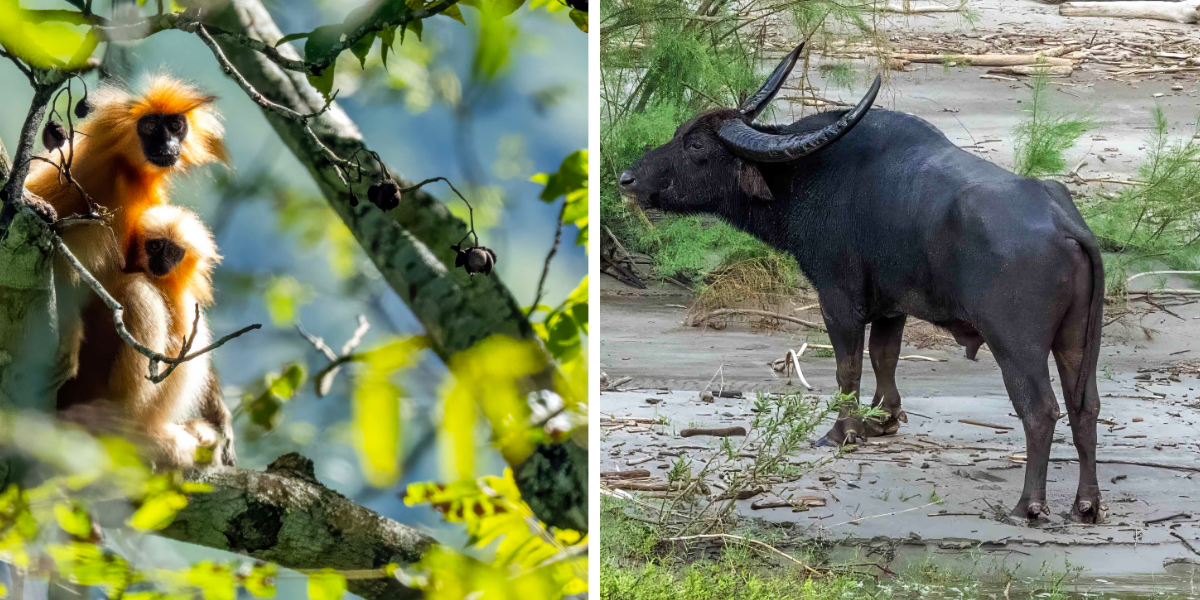
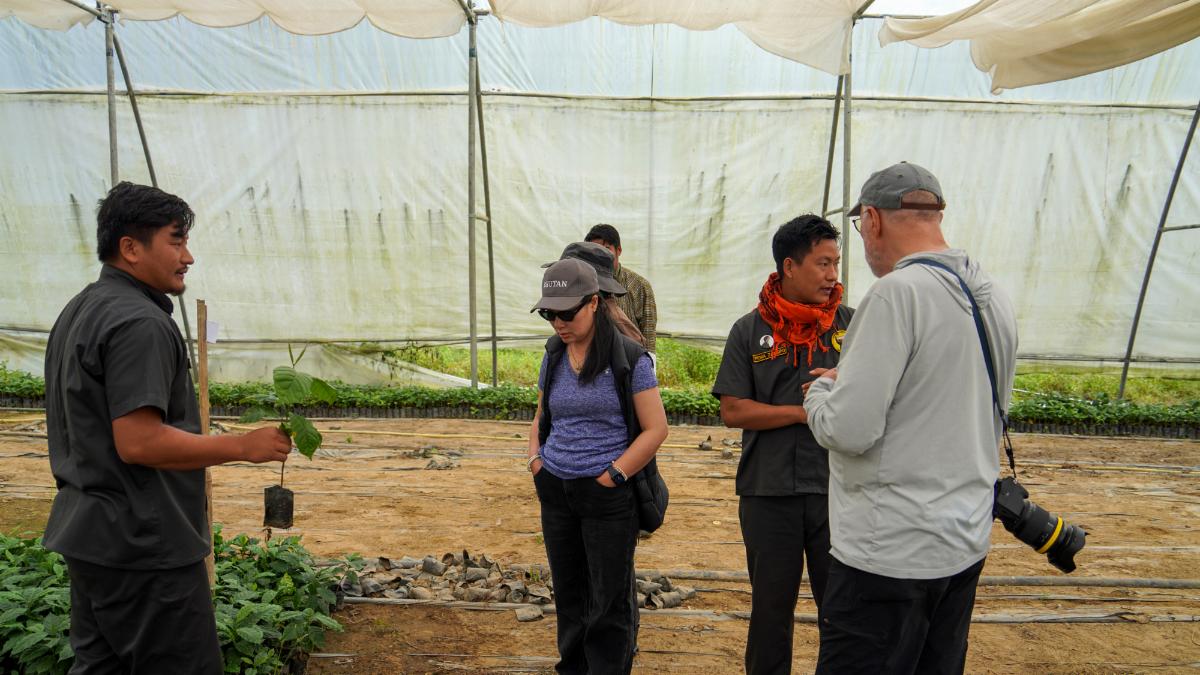
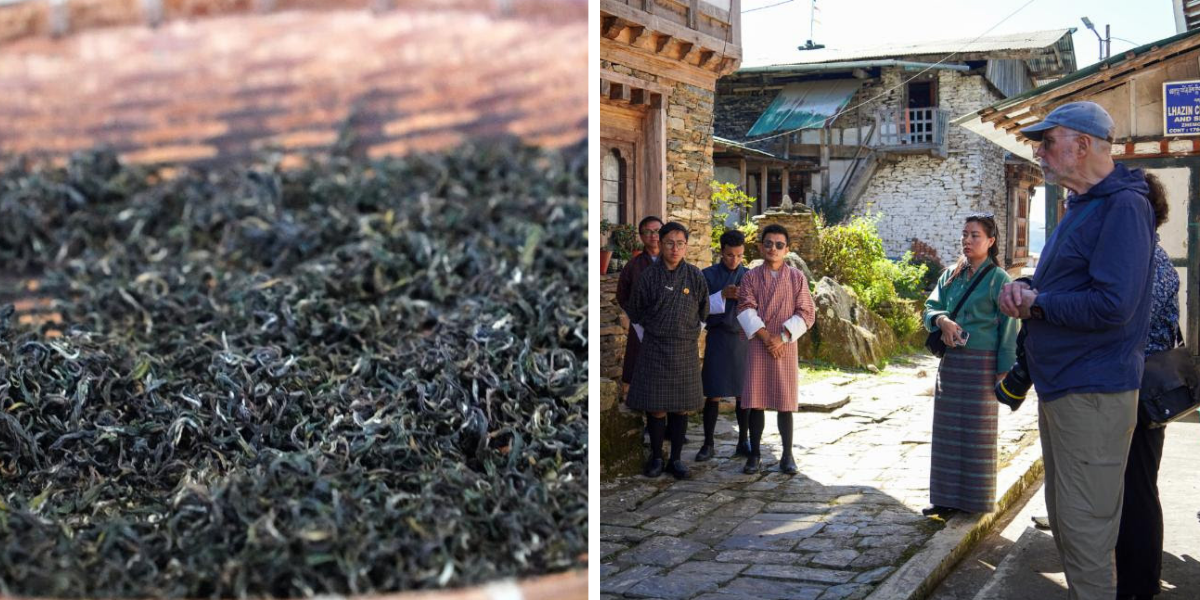
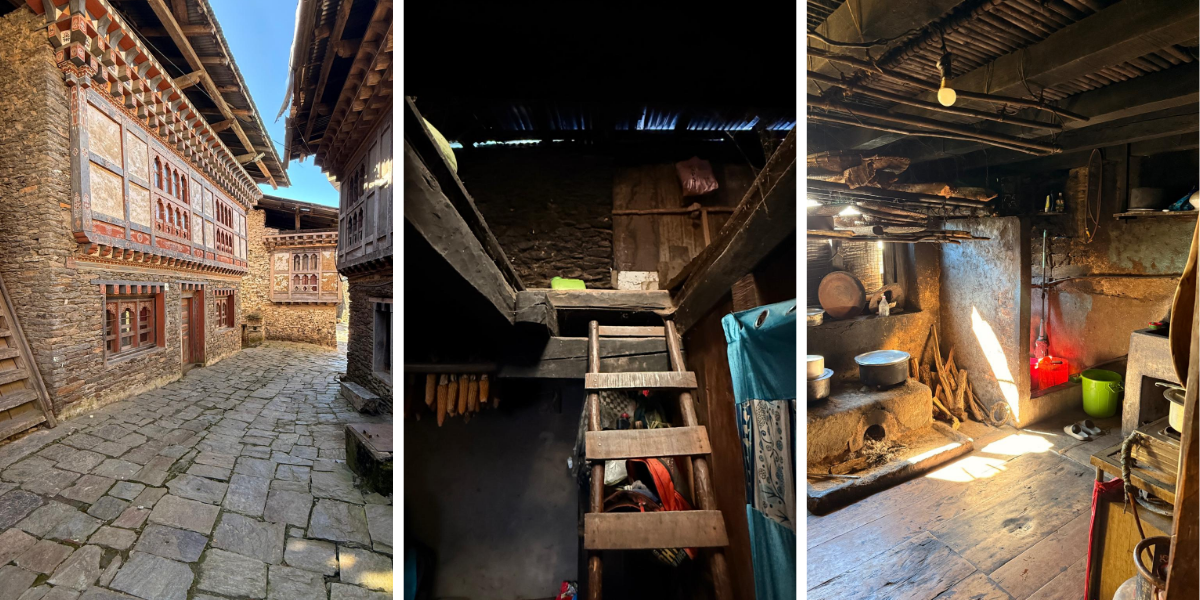
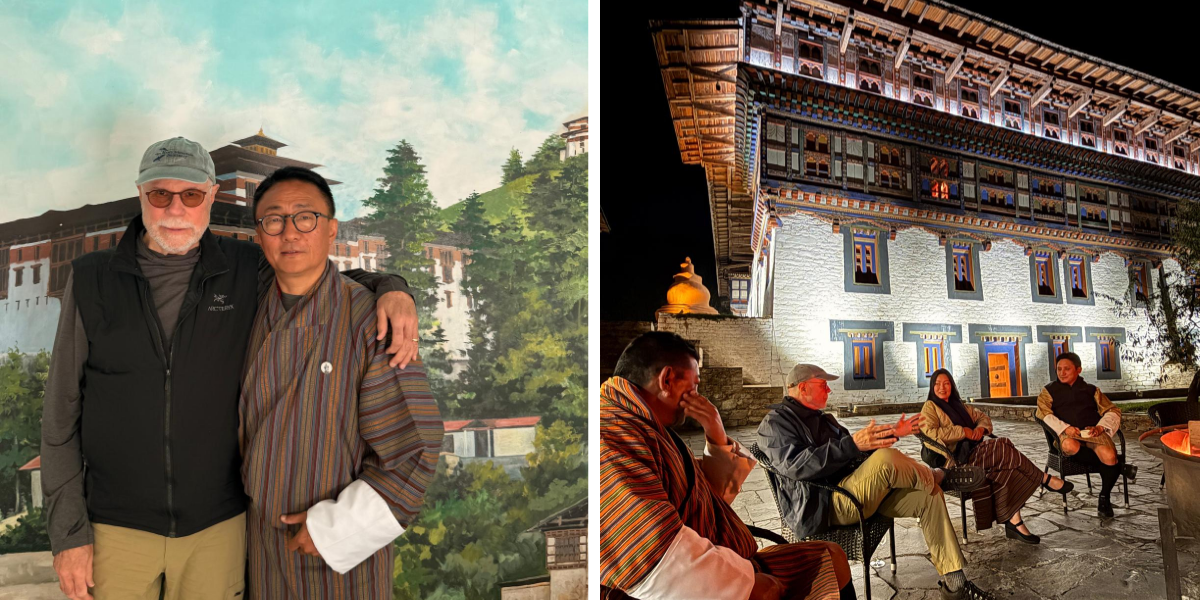
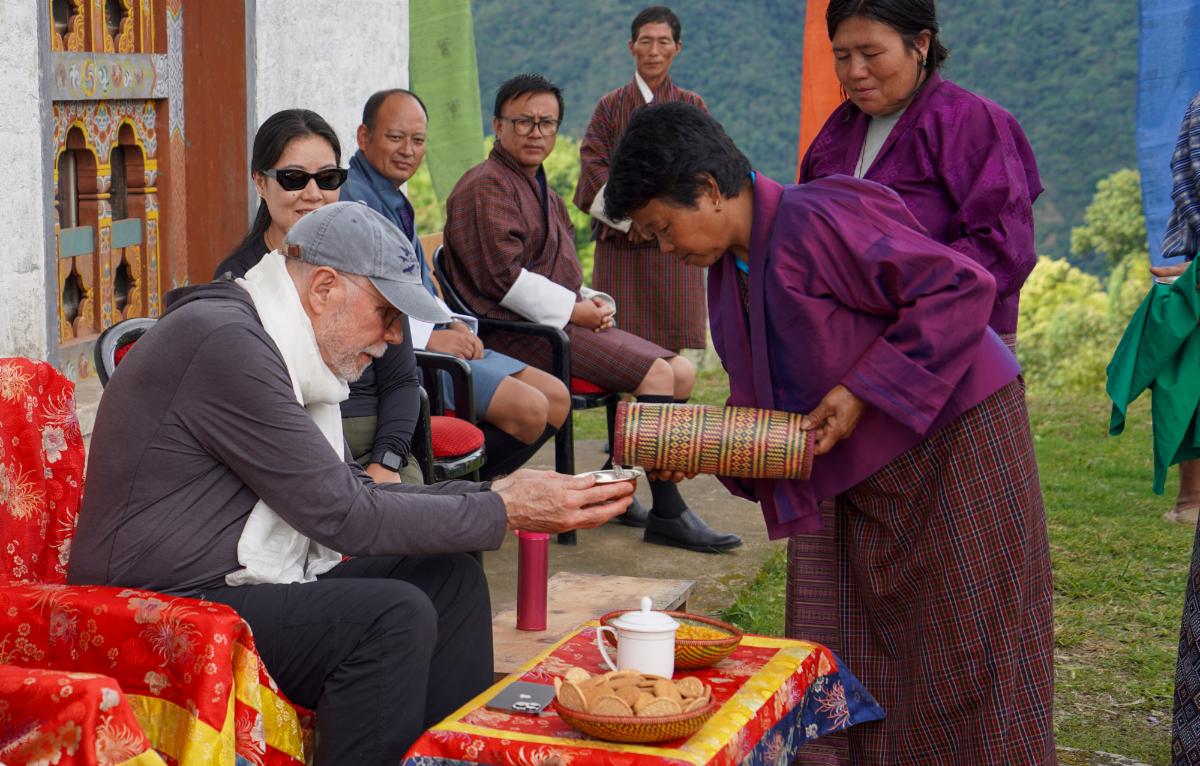
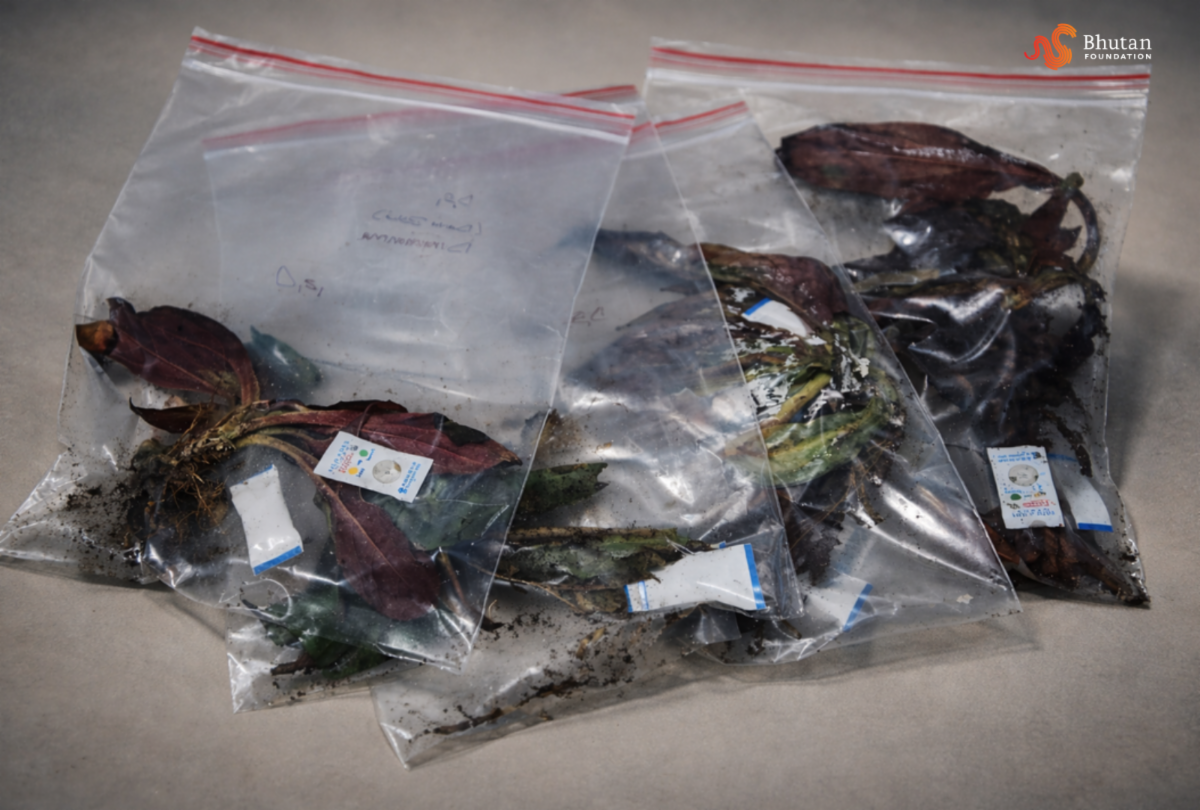
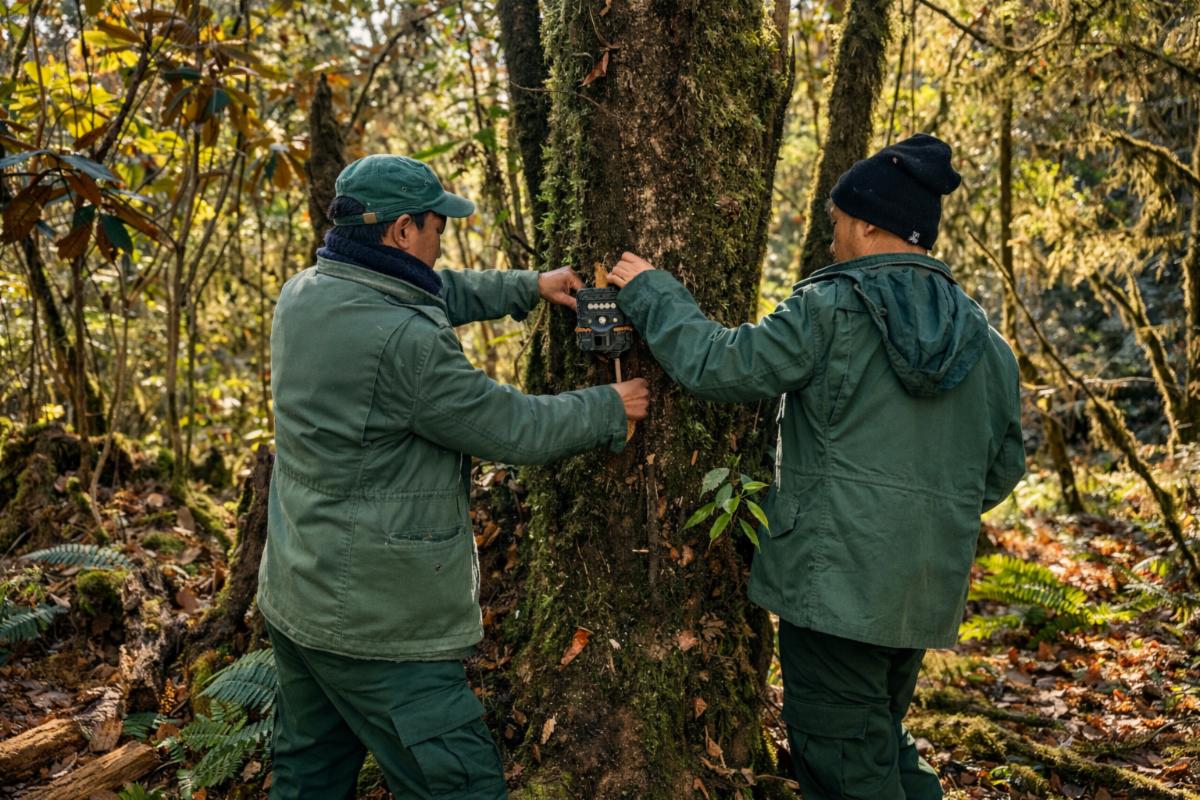
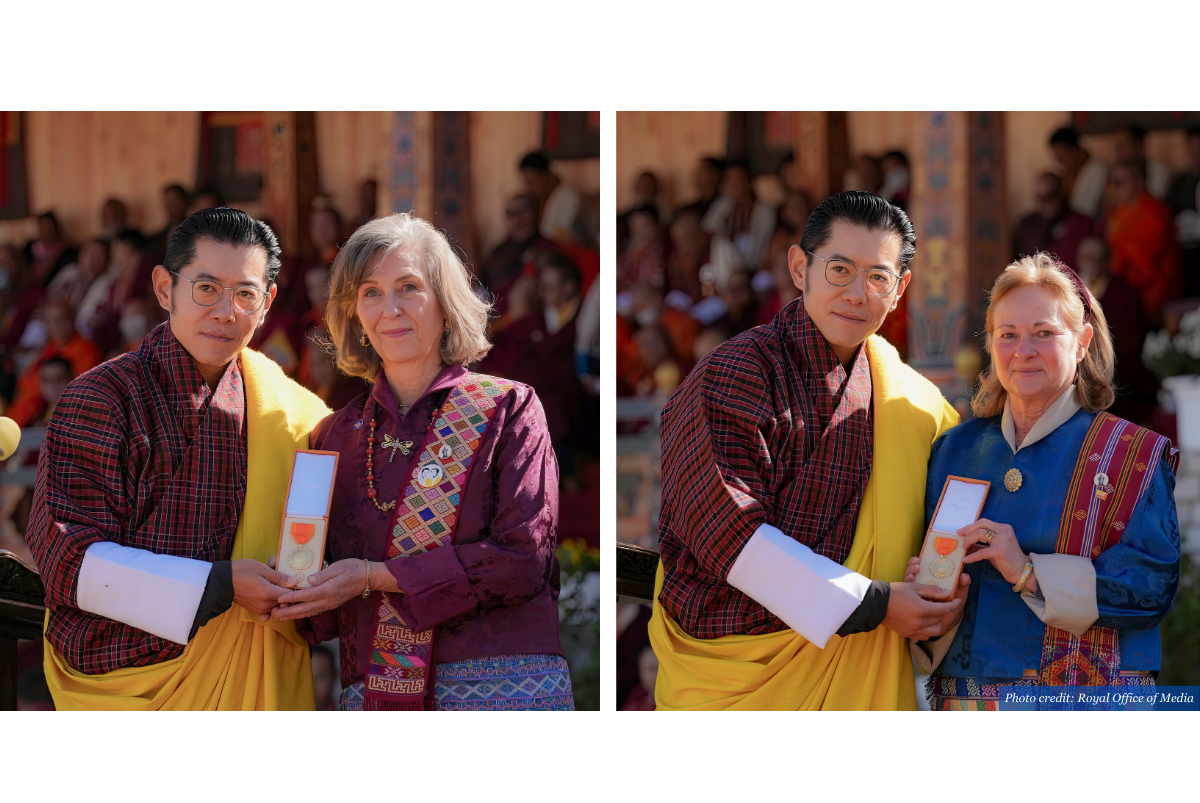
| | Golden Langur and wild Water Buffalo - endangered residents of Royal Manas National Park | | Our journey began in Royal Manas National Park, Bhutan’s oldest protected area and the country’s first national park, also where my earliest projects in Bhutan began. It remains a special place, where the forests feel ancient and alive in a way that is increasingly rare in the world. Standing there again, I was reminded that conservation in Bhutan is not an abstract ideal; it is a lived commitment, sustained through constant care, partnership, and trust. | | Meeting members of the Panbang Youth Cooperative | | Along the way, we visited several Bhutan Foundation supported projects, each of which brought the Foundation’s mission vividly to life. In Panbang, I met young educated people involved in the Panbang Youth Cooperative who are strengthening food security while generating employment in their community. | | Left: Dried tea leaves at Samcholing Tea Project. Right: A visit to Trong heritage village | | At the Samcholing Tea Project in Trongsa, I was struck by how the women's cooperative has created livelihoods rooted in dignity, sustainability, and long-term opportunity for rural families. In Bumthang, walking through the beautifully restored Wangduechhoeling Palace, I felt a deep sense of continuity, history preserved not as a museum piece, but as a living expression of Bhutan’s cultural identity. I was also encouraged by our visit to Trong Heritage Village in Zhemgang, which is seeking support. With thoughtful investment, places like Trong can become models for sustaining cultural heritage alongside economic opportunity. | | Views of traditional homes in Trong Heritage Village, Zhemgang | | Some of the most meaningful moments came from reconnecting with people. Catching up with old friends like Fritz Maurer felt like picking up conversations that had only just paused. Spending time with the Bhutan Foundation staff in Thimphu reminded me that behind every successful project is a small, dedicated team working thoughtfully and persistently, often far from the spotlight. I am always impressed by the energy and imagination of the Bhutan Foundation team. Tshewang, Norbu, Dawa, and their colleagues are always thinking of new ideas to benefit the people, habitats and wildlife of Bhutan. Their enthusiasm is contagious, grounded in a deep respect for Bhutan and its people. I was also inspired by meetings with local partners, whose intimate understanding of their communities and long-term commitment are invaluable. | | Left: Bruce and Tshewang Wangchuk (Executive Director) Right: Outside Wangduechhoeling Palace with Kuenga Lhendup (Wanduechhoeling Palace Executive Director), Norbu Dema (Country Director) and Bumthang Governor Dasho Ratna Gurung | | During this visit, I was deeply honored to once again have an audience with His Majesty the Fourth King of Bhutan, Her Majesty Gyalyum Tshering Yangdon Wangchuck and the Bhutan Foundation’s Co-chair, Her Majesty Gyalyum Tseyring Pem Wangchuck. These moments are always profoundly humbling. Bhutan is extraordinarily fortunate to have been guided by enlightened and compassionate leadership, and the vision of the Kings has shaped a country that places the well-being of its people, culture, and environment at the center of development. The work we are privileged to support through the Bhutan Foundation is possible because of this farsighted leadership, leadership that understands progress not only in economic terms, but in human and spiritual ones as well. | | Community members welcomed us with a customary offering of Tshogchhang | | |
This year marks the 40th anniversary of the Bhutan Foundation. For four decades, together with our partners and supporters, we have helped preserve cultural heritage, protect vital ecosystems, support good governance, and expand opportunities for communities across the country. None of this work would be possible without you! It is the result of enduring partnerships and the steady generosity of those who believe in Bhutan’s unique path.
As we reflect on how much we have accomplished together over the past four decades, I hope you will also look ahead with us. The work we support is thoughtful, patient, and deeply rooted in Bhutan’s values, but it depends on continued partnership and generosity. I hope you will continue to stand with the Bhutan Foundation, helping ensure that Bhutan’s people, culture, and natural world remain protected and thriving.
| | |
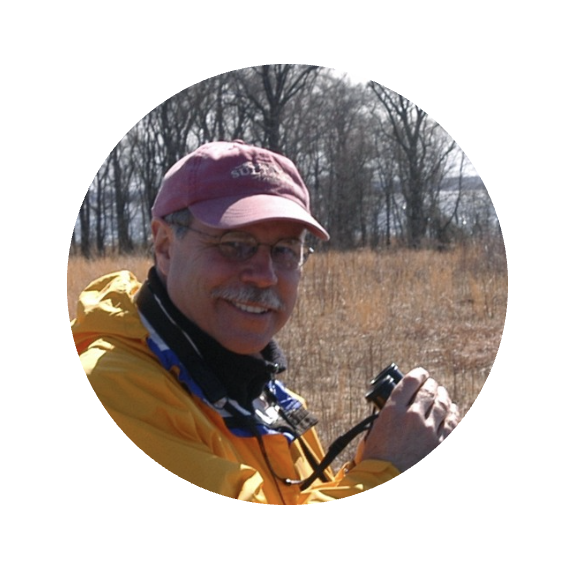
Dr. Bruce Bunting
President Emeritus
Bhutan Foundation
| | | | |