Volume 2 | No. 16 | September 23, 2026 | | | |
A Personal Update from Mainspring
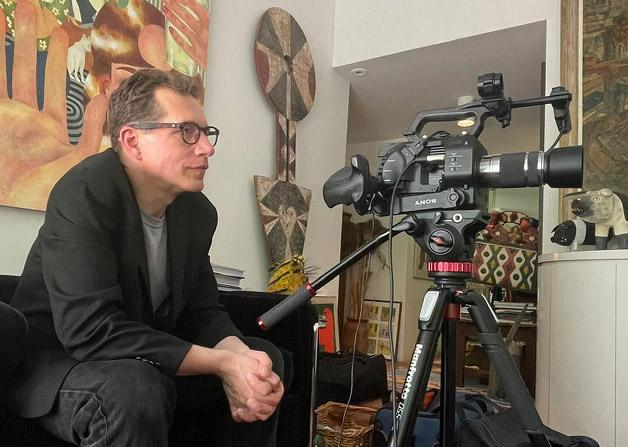
We owe our readers an apology for the recent gap in Mainspring Narrative Films’ newsletter. Our director, Jake Gorst, underwent a series of surgeries in July and August related to cancer, and his recovery has taken longer than we originally anticipated.
Thankfully, Jake is doing well, and we are very happy to share that he has been declared cancer free. Over the past several weeks, he has gradually been returning to work and preparing for the months ahead.
Production on Goldfinger Geller Rudolph is now set to resume in October, beginning with the final round of interviews. We are grateful for your patience, your continued interest in our work, and the many kind messages of support we have received. We look forward to sharing much more with you very soon.
| |
Googie at ADFF NY in October!
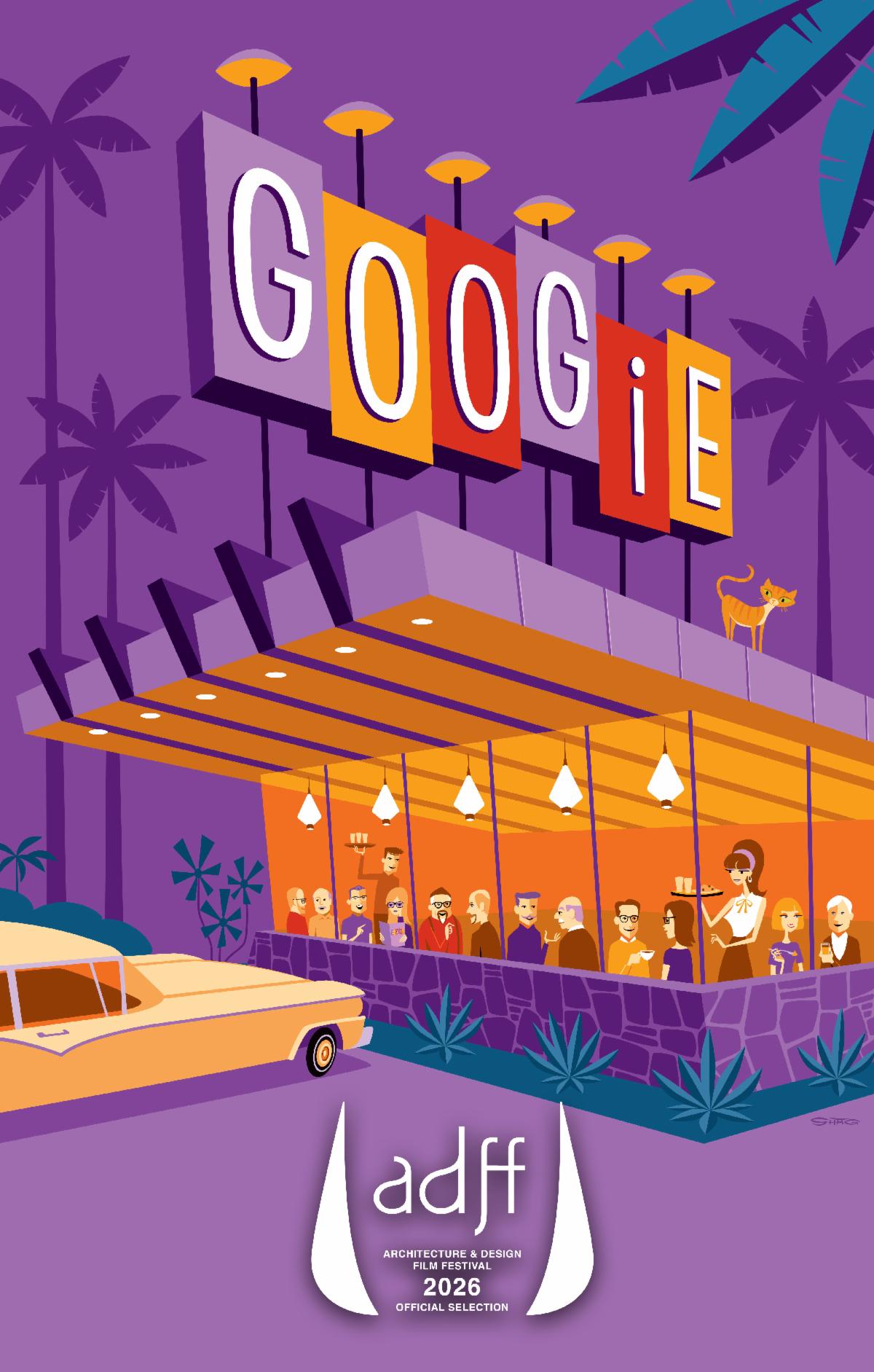
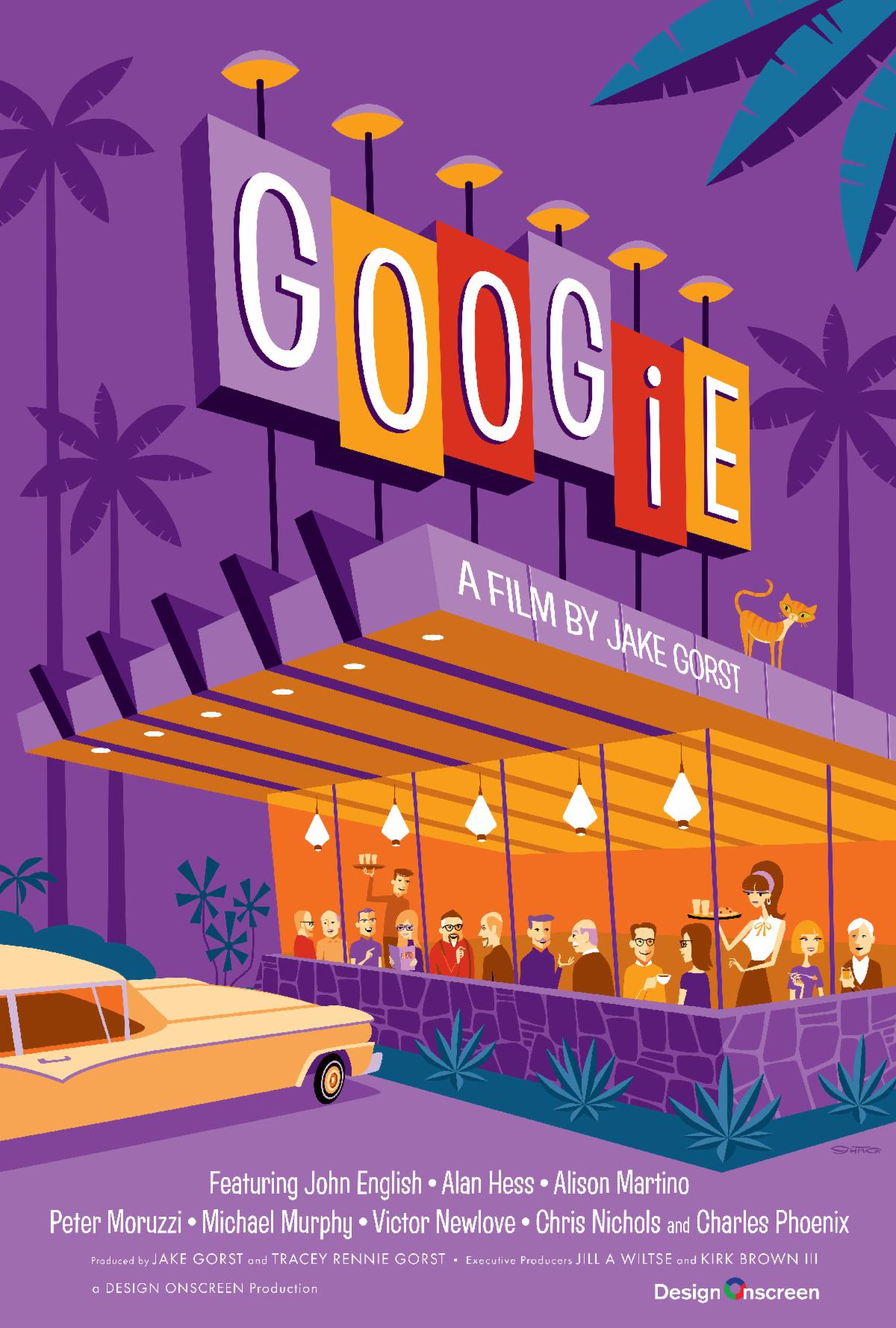
The Architecture & Design Film Festival is heading to New York City this October, and the Design Onscreen film Googie will be part of the program with three screenings on October 15, 16, and 17.
Festival founder Kyle Bergman describes the film this way: “Googie is Jake Gorst’s latest film focused on preserving and celebrating mid-century modernism. This time, he takes on Los Angeles in the 1950s, ’60s, and ’70s, exploring how car culture, cruising, and Space Age inspired roadside architecture that became known as Googie.”
Director Jake Gorst plans to attend all three screenings and take questions from the audience following each presentation. He is also working on the possibility of organizing a panel discussion to follow at least one of the screenings, bringing together additional voices to explore the history, influence, and continuing appeal of Googie architecture.
If the panel comes together, we will share full details in our next newsletter.
| | | | |
We Need Help!
Mainspring needs your support. As a nonprofit organization, we are sustained largely by voluntary donations, along with residual income from film screenings and streaming services. Right now, donations have slowed to a minimum, even as two major documentary projects are well into production.
Both films have made significant progress, but completing them will require additional funding. Editing, archival research, licensing, and other essential production work cannot move forward without support. We are asking everyone who values Mainspring’s films and mission to consider making a contribution today. Your donation will help us continue preserving important stories and bringing these documentaries to completion.
This need is urgent. Your support can help bring these important projects across the finish line and ensure that Mainspring’s work can continue. Use our PayPal donation link or any of the donation methods listed at the end of this newsletter.
| |
Completing the Interview Record
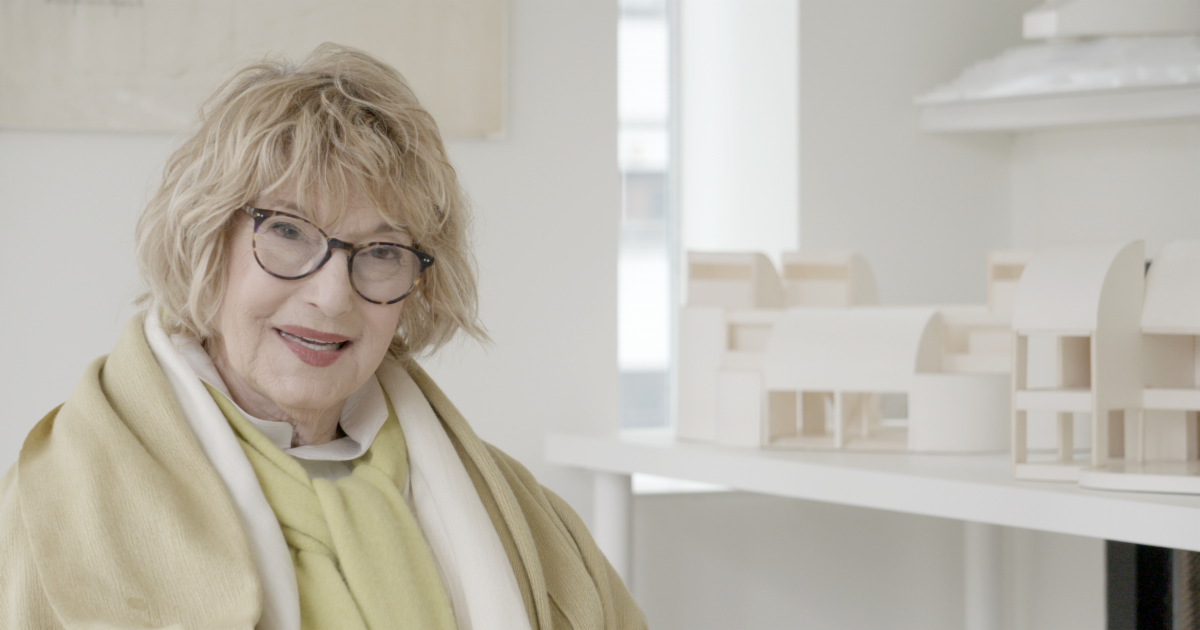
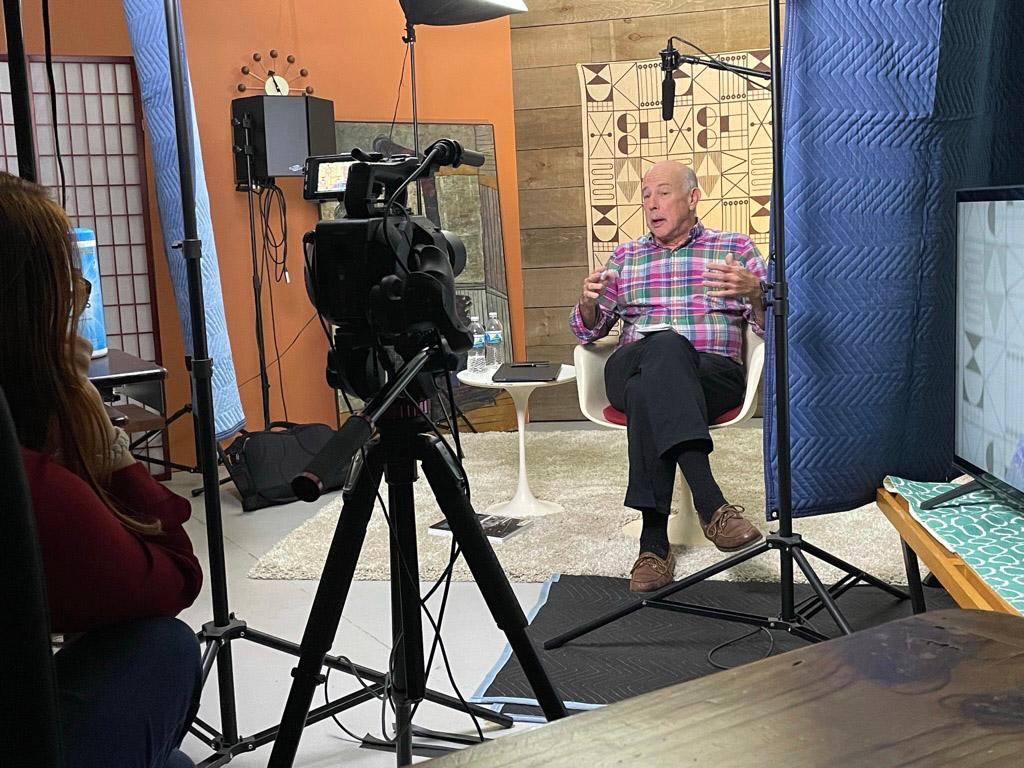
As mentioned earlier in this newsletter, production on Goldfinger Geller Rudolph will resume in October with the recording of the film’s final interviews. These conversations will help complete the personal and historical narrative, building upon years of research, archival work and previously recorded material.
Once the remaining interviews are finished, our attention will turn toward photographing the architecture itself. Much of that filming is planned for the spring, when longer days, better weather and the surrounding landscape will allow us to capture the buildings under the best possible conditions.
The film has been developing over many years, drawing upon interviews, photographs, home movies and archival discoveries. October’s work will bring together some of the final voices needed to tell the story before we return to the buildings themselves with our cameras next spring.
| | | | |
Googie & Curating Modernism at Newport Beach
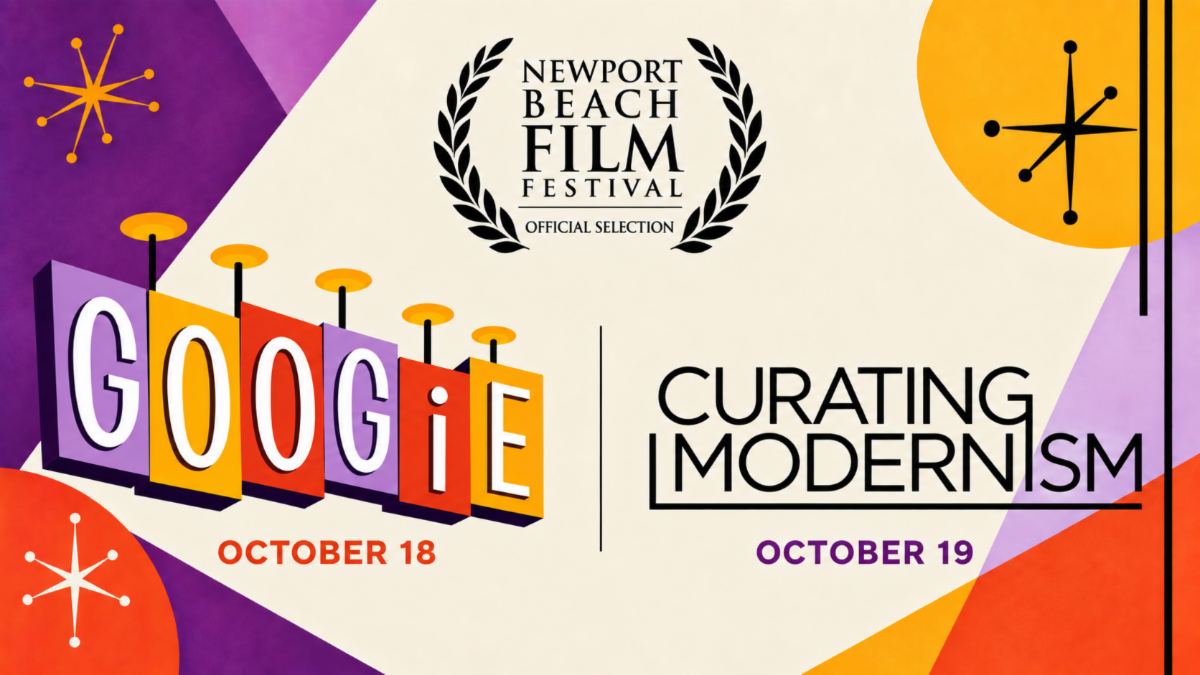
Two films connected with Mainspring will screen at the Newport Beach Film Festival this October, bringing modern architecture and preservation to Southern California audiences.
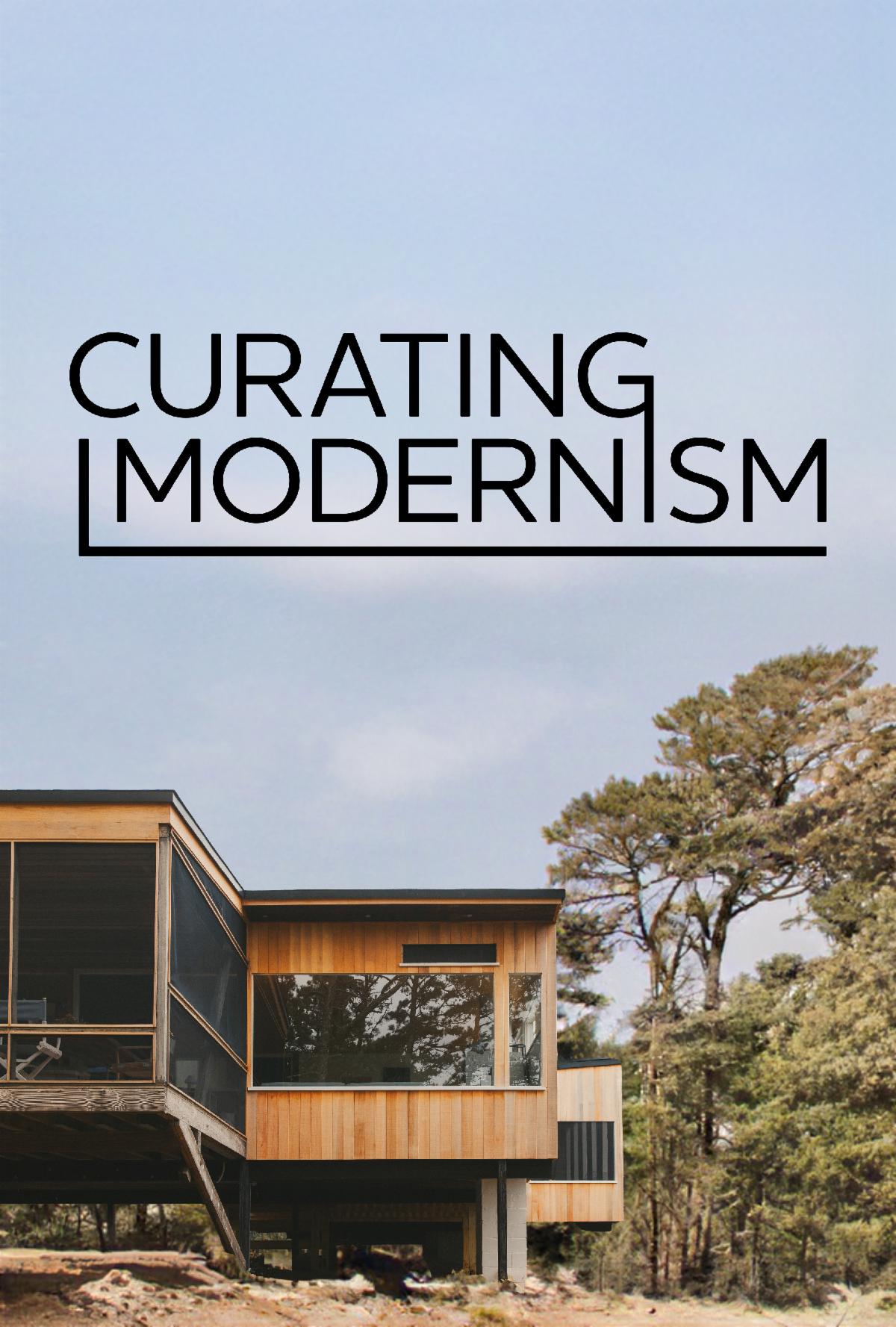
The Design Onscreen film Googie screens on October 18, followed by Mainspring’s Curating Modernism on October 19. Although the films approach modernism from different perspectives, both share a strong concern for the preservation of important architecture and the stories that surround it.
Googie explores the exuberant roadside architecture that grew out of postwar Los Angeles, while also examining preservation efforts that have helped save significant surviving examples. Curating Modernism looks at the challenges involved in recognizing, interpreting, and protecting modern architecture as cultural history.
Together, the films emphasize the importance of preserving modern architecture before it is lost and encouraging audiences to look more closely at buildings that are sometimes overlooked or misunderstood.
We are very pleased to see both films represented at Newport Beach this October.
| | |
Googie
September 24, 2026 7PM
London Public Library
Central Library
251 Dundas Street
London, Ontario, Canada N6A 6H9
October 9, 2026 17:00
October 11, 2026 15:15
Architecture Film Festival Rotterdam
Lantarenvenster Zaal/Cinema 5
Intro by Edward Dimendberg
October 15, 2026 6 PM TH 2
October 16, 2026 8:45 PM TH 2
October 17, 2026 2 PM TH 3
Architecture & Design Film Festival
Village East by Angelika
New York, New York
October 17, 2026 9 AM
Modernism Week - October
Palm Springs, California
October 18, 2026 5:30 PM
Newport Beach Film Festival
Triangle, Screen 3
1870 Harbor Blvd
Costa Mesa, CA 92627
November 4-8, 2026
Architecture & Design Film Festival
Toronto, Canada
More details and dates for other cities coming soon
November 10-15, 2026
Architecture & Design Film Festival
Vancouver, Canada
More details and dates for other cities coming soon
Curating Modernism
October 19, 2026 6:00 PM
Newport Beach Film Festival
The Lot, Screen 4
999 Newport Center Dr
Newport Beach, CA 92660
If you would like to sponsor an event please reach out to us at info@mainspringnarrative.org.
| | | | |
Urgent Need for Editing Storage
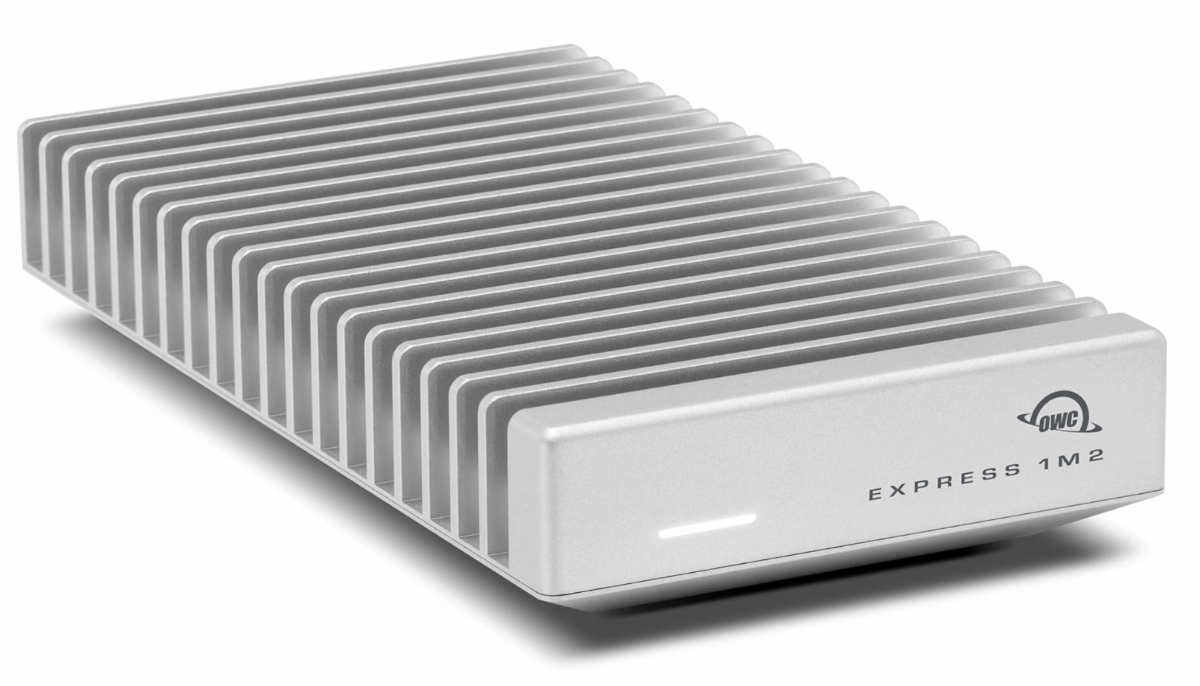
Editing today’s high-resolution documentary projects requires enormous amounts of fast, reliable storage. Mainspring currently needs additional high-capacity SSD drives to complete work on films already in production. Unfortunately, prices for these drives have risen considerably over the past year as demand from AI data centers has placed additional pressure on the storage market.
We understand that professional SSD storage is an investment. But anyone who would like to donate one or two drives to Mainspring will receive our sincere thanks and some meaningful benefits: your name in the film credits, a tax deduction to the fullest extent permitted by law, and an invitation as our guest to the debut screening of our next film.
We have placed two compatible 8TB OWC drives on our Amazon Wish List: the OWC Express 1M2 80G and OWC Envoy Ultra Thunderbolt 5.
Interested in donating another model? Please contact us first. Not every SSD is suitable for professional editing, and reliability is essential.
| |
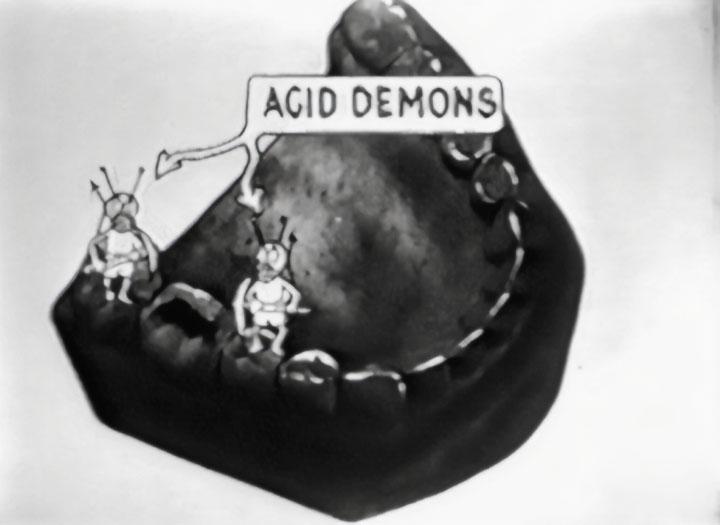
An early example of animation in educational filmmaking: Walt Disney’s Tommy Tucker’s Tooth (1922). Made in Kansas City before Disney moved to Hollywood, the short was commissioned by a local dentist to teach children about dental hygiene. | | |
Animation as an Educational Tool
Animation has played an important role in educational filmmaking for more than a century. By turning difficult ideas into clear visual sequences, animation can explain processes that are impossible, impractical, or too small to photograph directly. Scientific subjects have especially benefited from this approach, allowing viewers to see the workings of the human body, machinery, chemistry, or astronomy in ways live-action cameras cannot easily capture.
Animation also gives filmmakers control over pacing and emphasis. A complex idea can be slowed down, simplified, enlarged, or repeated until the point becomes understandable. It can also add humor and personality without sacrificing accuracy.
From classroom films and public information campaigns to museum installations and online explainers, animation remains one of the most flexible tools available for turning information into something memorable and accessible.
| | | | |
How the Movie Trailer Got Its Name
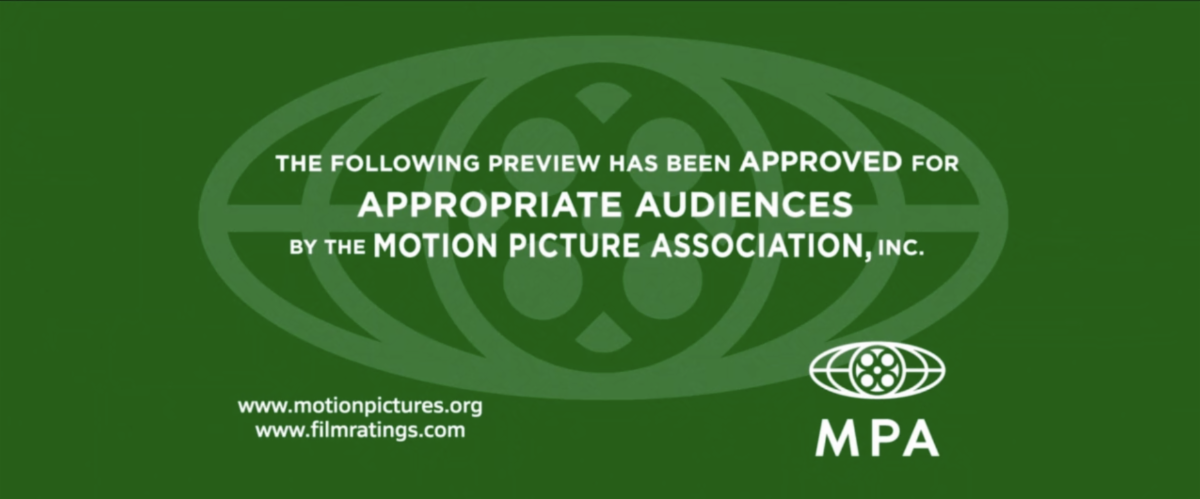
Why do we call a movie preview a “trailer” when it appears before the feature? The answer goes back to the early days of cinema. Some of the first promotional films were attached to the end of a program or film reel, literally trailing what audiences had just watched. By the 1910s, theaters were experimenting with short advertisements for upcoming attractions, including films and serials. There was one obvious problem: people often left when the main entertainment ended. Eventually, coming attractions moved to the beginning of the program, where audiences were guaranteed to see them. The location changed, but the name “trailer” remained.
| |  | |
The Rise of the Movie Palace
As motion pictures grew in popularity during the 1910s and 1920s, the places where people watched them became attractions in their own right. Great movie palaces offered enormous lobbies, chandeliers, murals, elaborate decoration, orchestras, pipe organs and auditoriums that sometimes seated thousands. They turned moviegoing into a glamorous cultural experience.
Their decline came after World War II. Television kept more people at home, while suburban growth shifted audiences away from downtown districts. Large theaters were also expensive to maintain and difficult to fill. By the 1960s and 1970s, smaller multiplexes proved more economical. Many movie palaces were demolished, divided into smaller theaters, or converted to other uses, leaving relatively few intact today.
| | |
Corsi: The Art of Transformation
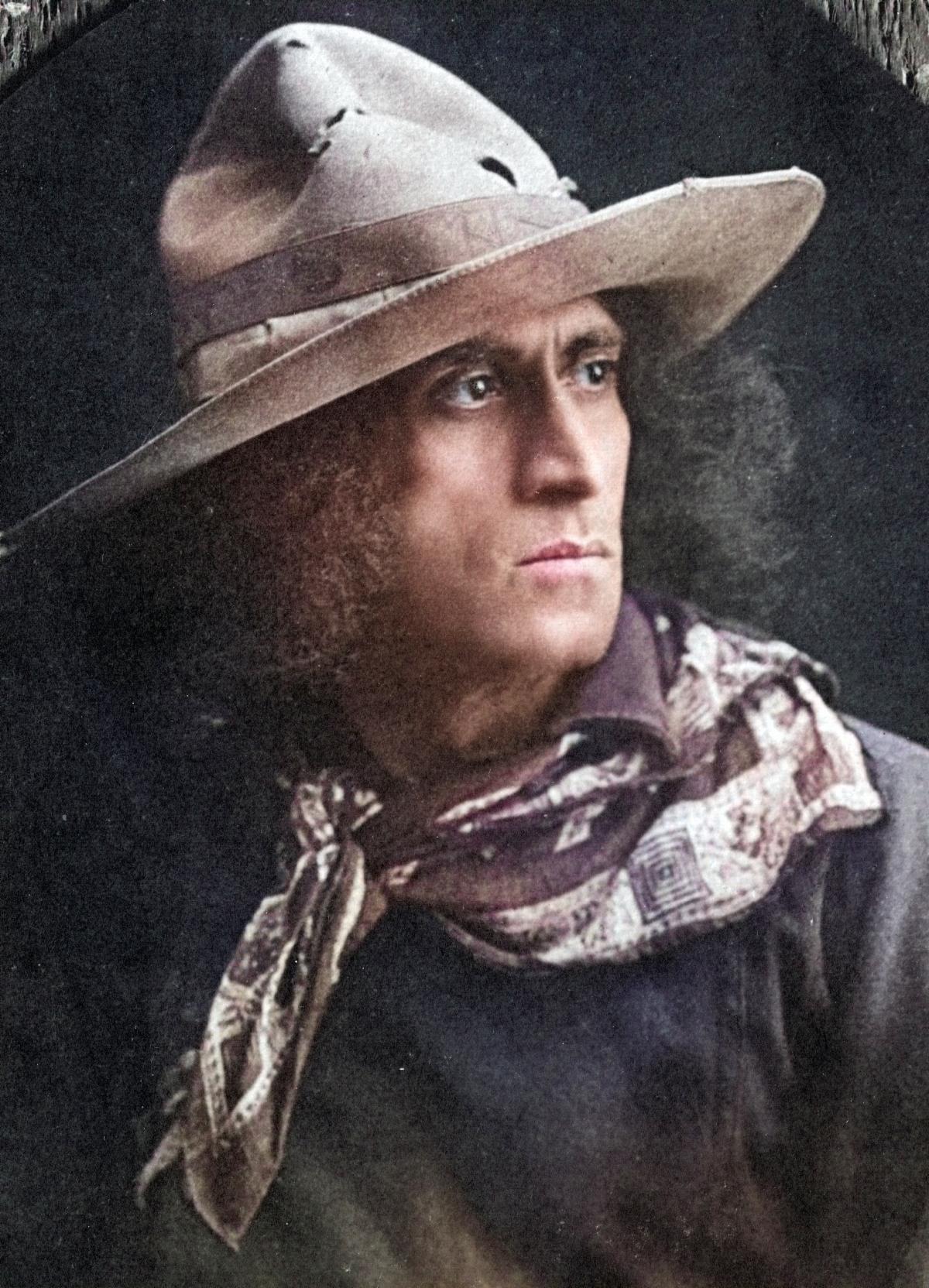
Antonio Corsi’s success as an artist’s model depended on more than appearance. He had an extraordinary ability to transform himself into whatever character an artist required.
Corsi assembled an extensive collection of costumes, fabrics, accessories, and props that allowed him to pose as figures drawn from history, literature, religion, and legend. Hundreds of surviving photographs show the remarkable range of identities he created. In one image he might appear as a Renaissance nobleman, while in another he becomes a soldier, a biblical figure, or an exotic traveler.
These costumes were working tools, helping artists visualize characters and historical settings with greater authenticity. They also reveal Corsi’s theatrical instincts and understanding of visual storytelling. His modeling was, in many ways, a form of performance, with Corsi helping to shape the finished artwork rather than simply posing for it.
Click here for more information about the upcoming Corsi film!
| | | Support the Power of Storytelling with Mainspring Narrative Films | | | | Mainspring Narrative Films is dedicated to preserving history, celebrating culture, and inspiring change through compelling documentary storytelling. As a 501(c)(3) nonprofit, our mission goes beyond filmmaking—we strive to educate, engage, and empower audiences while spotlighting stories that might otherwise go untold. | |
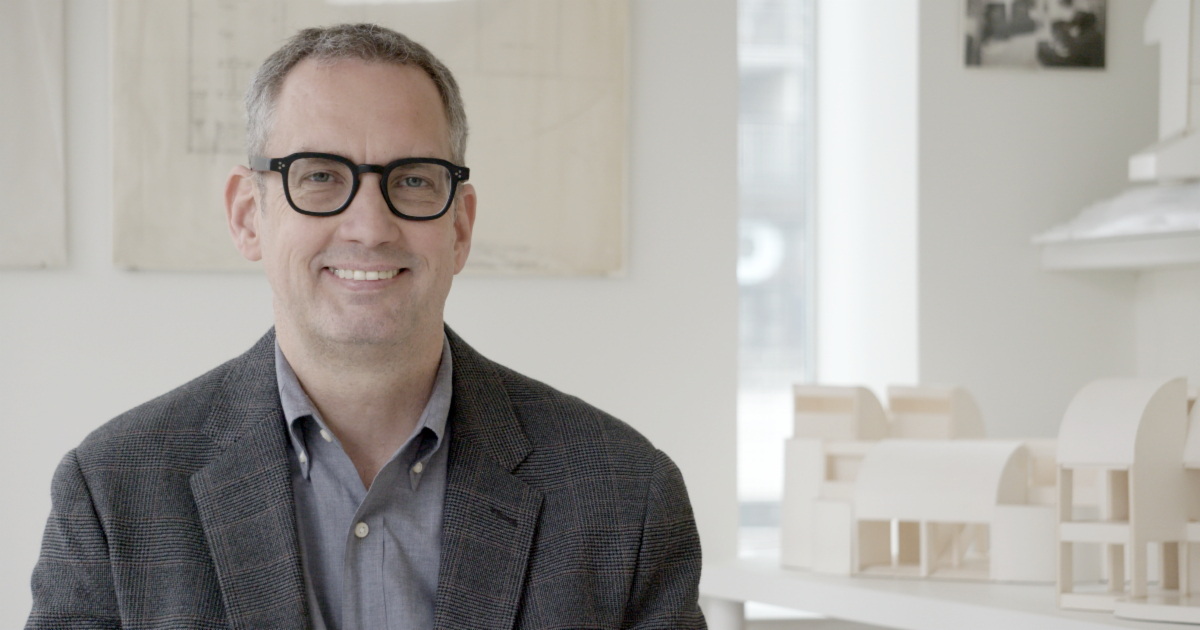
When you donate to Mainspring, you’re not just funding a film; you’re investing in the preservation of knowledge and heritage. Your support helps cover essential costs like research, production, and outreach, ensuring our films reach diverse audiences. It also allows us to take on unique projects, such as our recent exploration of modern architecture in New England, which bring overlooked topics to light.
By donating, you become a part of our mission to create meaningful change through stories that matter. Together, we can keep independent filmmaking alive and impactful. Join us in making a difference—your contribution truly counts.
| | Recent Supporters Include | | |
Devin Colman
The Community for Greater New Haven
Mark Davis and William Kopelk
Jamie Geller Dutra
Fidelity Charitable
Shelley and Ronald Friedman
Kristen Gates-McChristian
Hamptons20thCentury
Jim Hilby
Susan Horowitz
Thomas Lavash and Christopher Budd
Paul Lorton Jr.
Charles Mallory
James and Linda Mchenry
Tina Miller
Palm Springs Modernism Week
The William H. Pitt Foundation
George Smart
Peter Swanson and Robert Gregson
US Modernist
We are so grateful. Thank you!
| | | | |