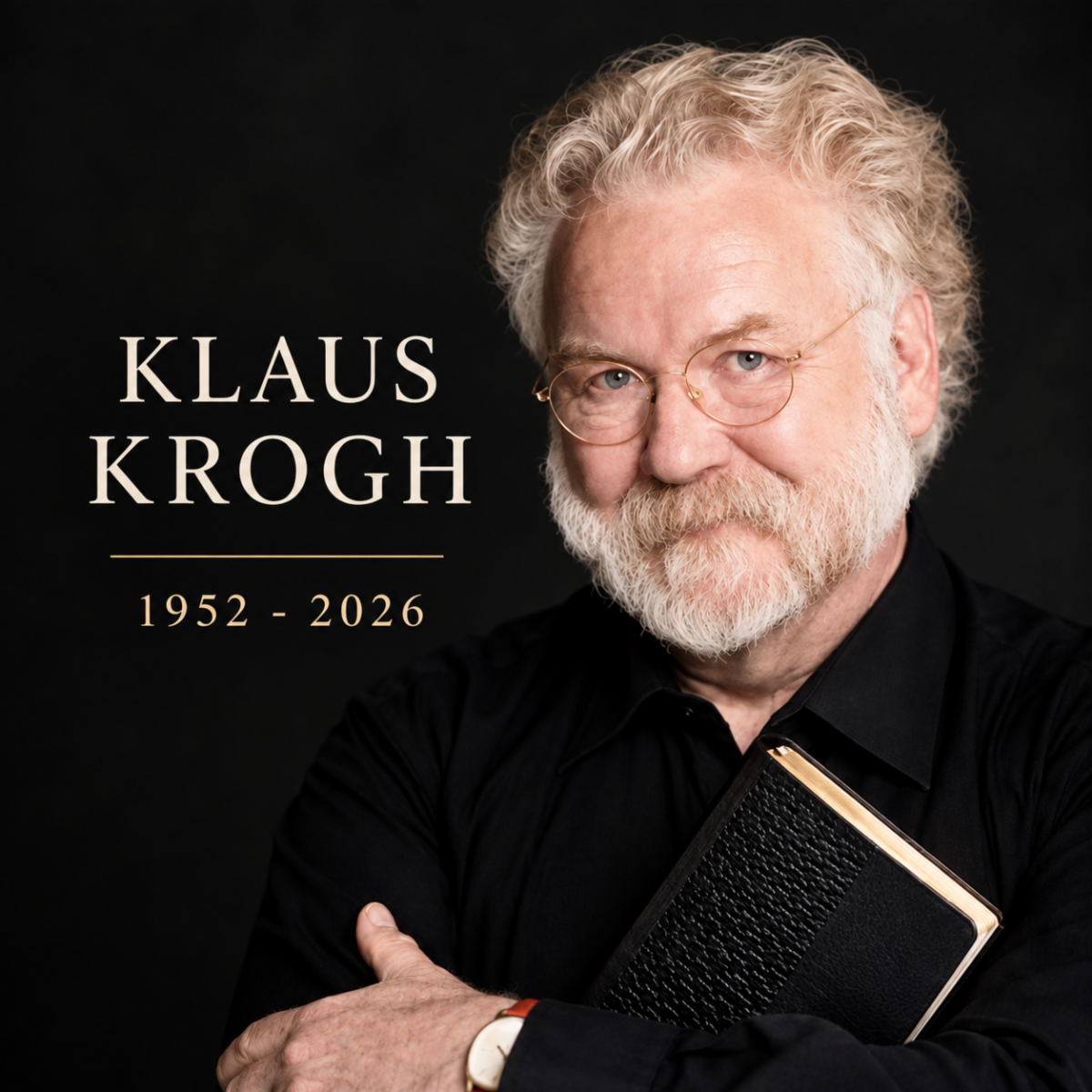
A Tribute to Klaus Krogh
By Sky Cline
As the owner of Schuyler Bibles, I feel compelled to pay tribute to Klaus Krogh—a pioneer, visionary, and force majeure in the world of Bible typesetting.
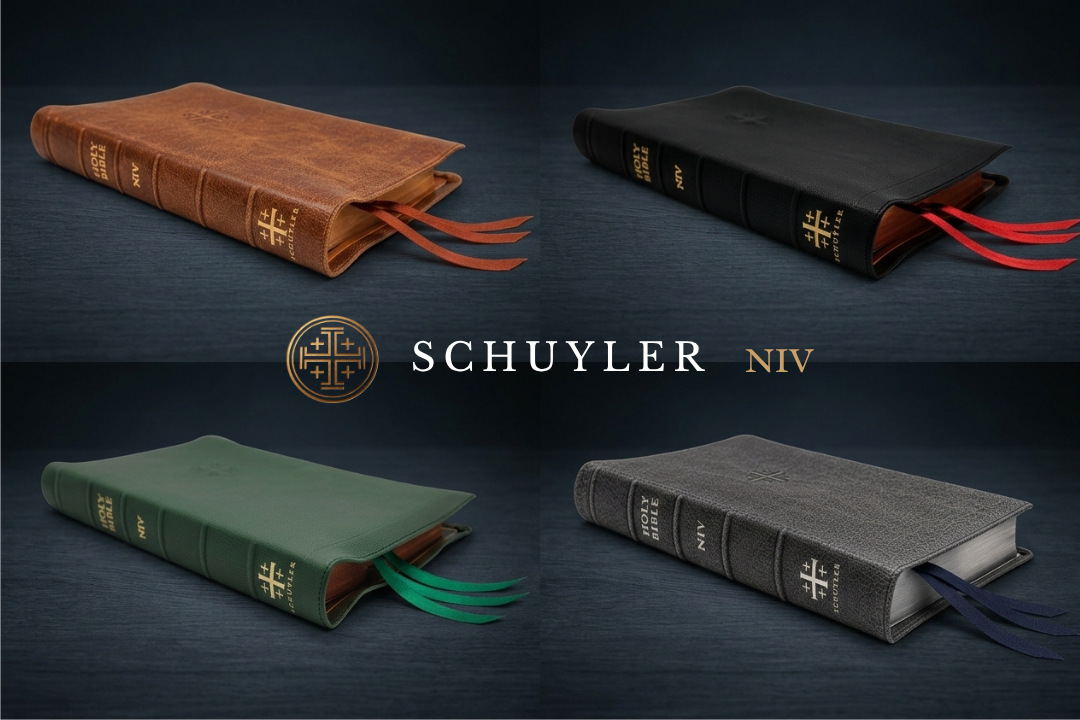
Alongside Mark Bertrand and Nicholas Gray, Klaus was arguably one of the three most instrumental figures in what we have come to call the Premium Bible Renaissance. Yet his influence extended far beyond the premium Bible market. He helped reshape the very heart and fabric of English Bible publishing. Every one of Schuyler’s settings—Quentel, Treveris, Stridon, and Canterbury/Casiodoro—was typeset by Klaus’s team in Denmark. His work has been integral to the identity and quality of Schuyler Bibles.
I first met Klaus through our mutual friend Jacco Klok (my colleague at Jongbloed) at a conference in Atlanta about fifteen years ago. To say Klaus was enthusiastic about typesetting would be a considerable understatement! We shared a deep passion for creating Bible settings that were not only beautiful but exceptionally legible.
Fifteen to twenty years ago, the landscape of Bible typesetting was, in many respects, dismal. Did Bibles have to look boring? Did they have to be difficult to read? Where was the imagination, creativity, and attention to the reading experience? Had the industry become so focused on electronic Bibles that it had neglected the beauty and craftsmanship of the printed page?
Klaus was determined to change that.
Klaus was miles ahead of the curve. He possessed the vision, charm, genius, and sheer determination to challenge—and ultimately transform—the American Bible publishing establishment. And he succeeded.
What made Klaus extraordinary was not simply his ability to produce settings that were both beautiful and eminently readable. Equally impressive was his ability to persuade entire publishing teams that his vision for typesetting could transform their products and, in many cases, their entire approach to Bible publishing. He could see what others had not yet imagined, and he had the conviction and persuasive ability to bring them along with him.
Klaus’s communication style was famously unfiltered. He was direct in diagnosing inadequate typesetting, just as he was direct in presenting his solutions. After listening to Klaus explain how a setting could be improved, it was difficult to see the problem—or the solution—any other way!
On several occasions, Schuyler’s proposed settings were initially declined by particular Bible committees. Whenever that happened, I would pick up the phone and call Klaus. More often than not, within 24 to 48 hours, I would receive good news.
“Sky, the publisher has changed their mind! We have been given approval to go forward.”
That was Klaus. He combined technical brilliance with an extraordinary ability to persuade, inspire confidence, and get things done. He was not simply a gifted typesetter; he was a force for change.
I am personally and profoundly grateful to Klaus and his team. As I recall from around 2011, that team included Klaus, Thomas, Andreas, Magnus, and Sandi. Together, they helped Schuyler realize its vision of producing what we believe to be the finest Bibles in the world.
Klaus, thank you for your friendship, your extraordinary God-given gifts, your vision, and your partnership with Schuyler. Your influence on our work—and on the wider world of English Bible publishing—will endure for generations.
We also pray for Sune, now serving as CEO, as he carries forward the remarkable legacy Klaus blazed. May that legacy of excellence, innovation, and craftsmanship continue to flourish.
Thank you, Klaus. Your work changed the landscape of Bible publishing, and we at Schuyler will always be grateful to have been part of that story.
|