Continuing our tradition of educating California's rental housing community to navigate a complex legal landscape and maximize the value of their properties.


Can California require private housing providers to participate in the federal Housing Choice Voucher (Section 8) program?


That's the question at the heart of a newly filed federal lawsuit. We explain what the case is really about, clear up some common misconceptions, and discuss what it could mean for California housing providers.


We also review what landlords and property managers should know under current law—and what could change if the lawsuit ultimately succeeds.


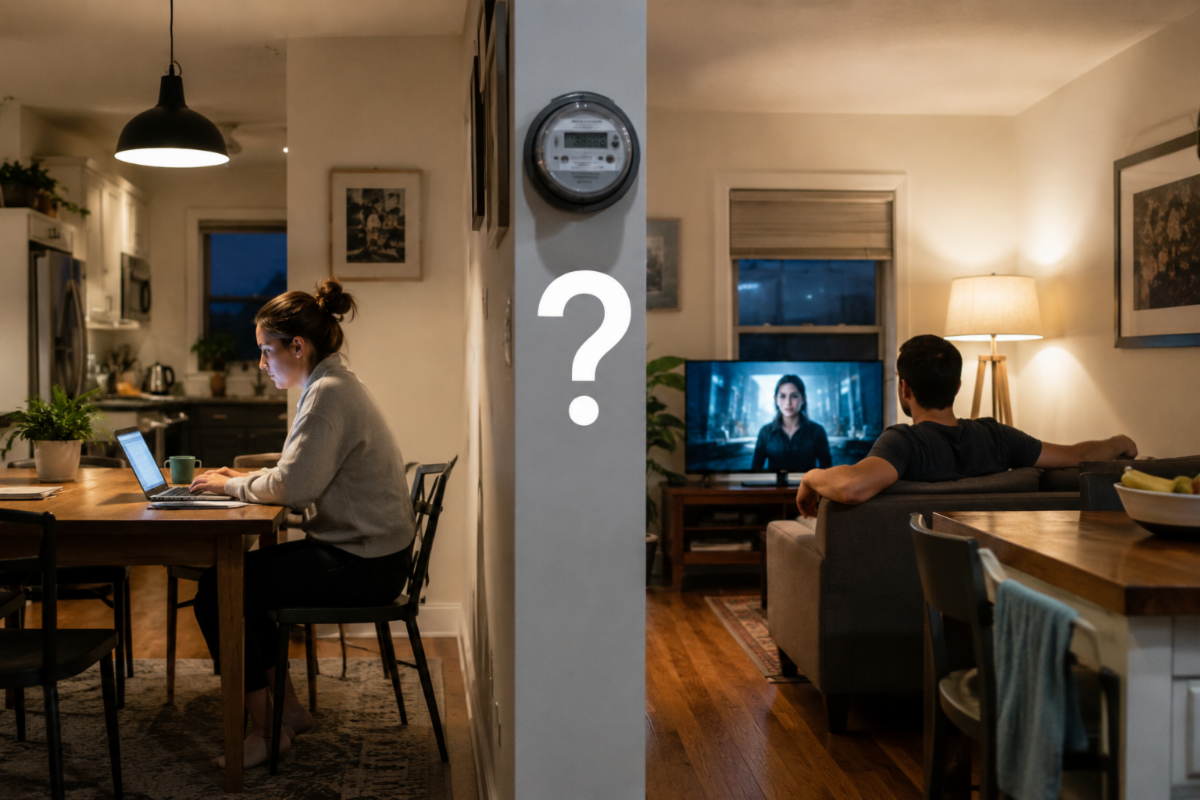
Can a landlord charge extra simply because a tenant works from home?


A Bay Area rental listing sparked that debate after imposing a monthly "work-from-home fee."


We examine the legal issues behind the controversy, discuss a tenant's right to occupy the premises, and explore more practical ways for housing providers to address rising utility costs without creating unnecessary legal risk.

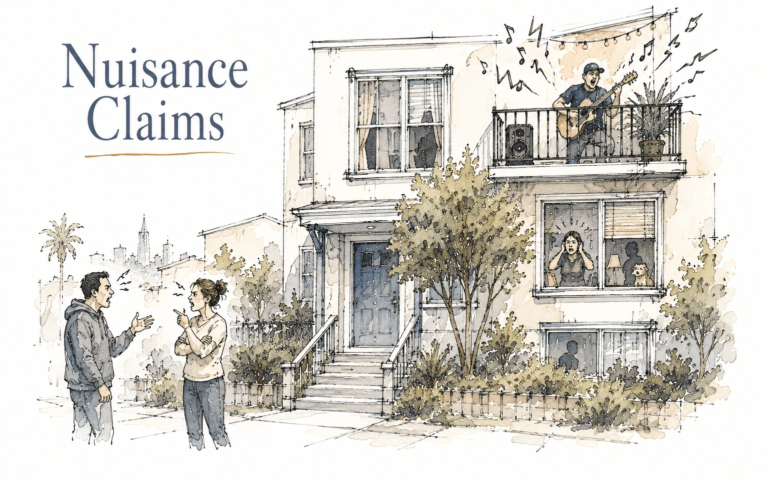
A special thanks to everyone who joined us for our recent webinar on nuisance claims. The discussion doesn't end there. We've assembled a few companion articles that explore many of the issues we touched on.

Not every difficult tenant is a nuisance, but every nuisance starts somewhere

Learn where the law draws the line between ordinary lease violations and conduct that may justify legal action. Not every disturbance rises to the level of a legal nuisance, but repeated misconduct often changes the analysis. Successful nuisance claims are built on documented patterns—not isolated frustrations.


The most expensive mistake is often waiting too long

Small problems rarely stay small in rental housing. Whether it's unpaid rent, lease violations, unauthorized occupants, or nuisance complaints, delaying action can limit your options and increase the cost of resolving the issue. Knowing when to act is just as important as knowing how.


When a missing package becomes your problem

Package theft is frustrating for everyone, but a housing provider's legal responsibility isn't always clear. Learn where liability begins, what practical steps can reduce risk, and how thoughtful property management can help protect both residents and owners.


When an Airbnb Guest Won't Leave


What happens when a short-term guest refuses to check out?


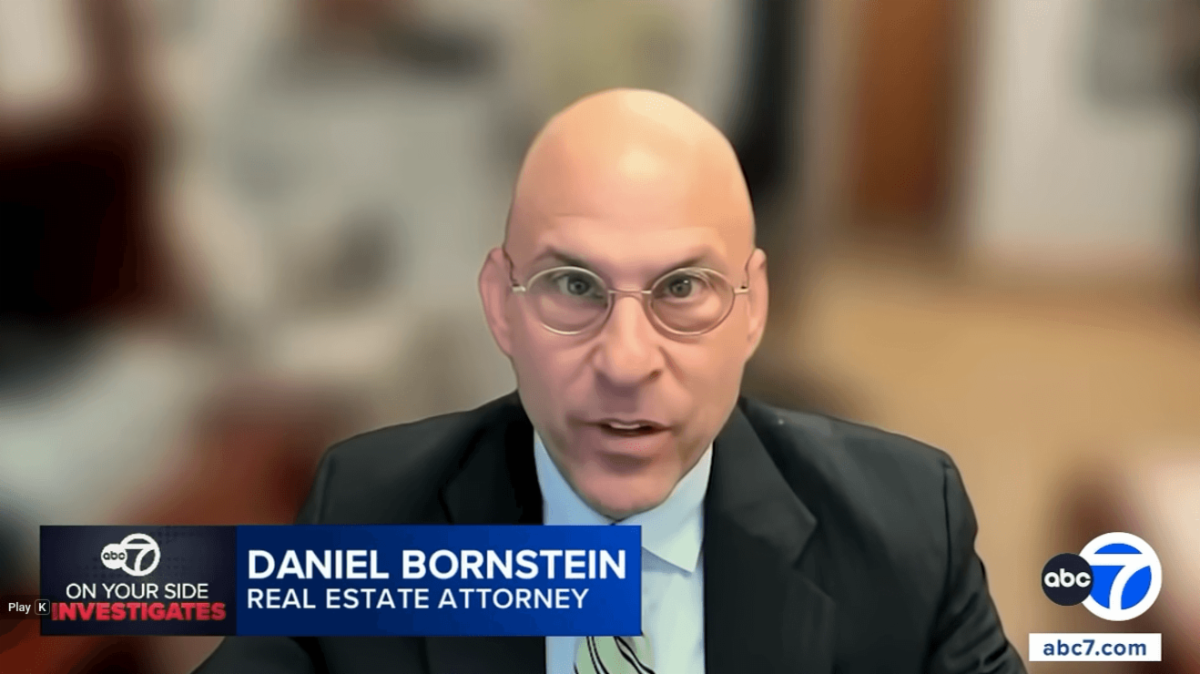
After a Hermosa Beach homeowner found herself unable to remove an Airbnb guest who overstayed, ABC7 Los Angeles interviewed Bornstein Law to explain why some guests may acquire legal tenancy rights after 30 days.


In this discussion, we review what hosts should know before accepting a reservation, why the 30-day threshold matters, and practical steps that can help reduce the risk of an overstay turning into a formal eviction.

Is a landlord-tenant issue bothering you? Let's set up a time to discuss your options.

daniel@bornstein.law.


X Share This Email
LinkedIn Share This Email