This summer I had the pleasure of visiting Greenland and learning a bit about the territory’s health system and one intrepid midwife who made a mark on its political history.


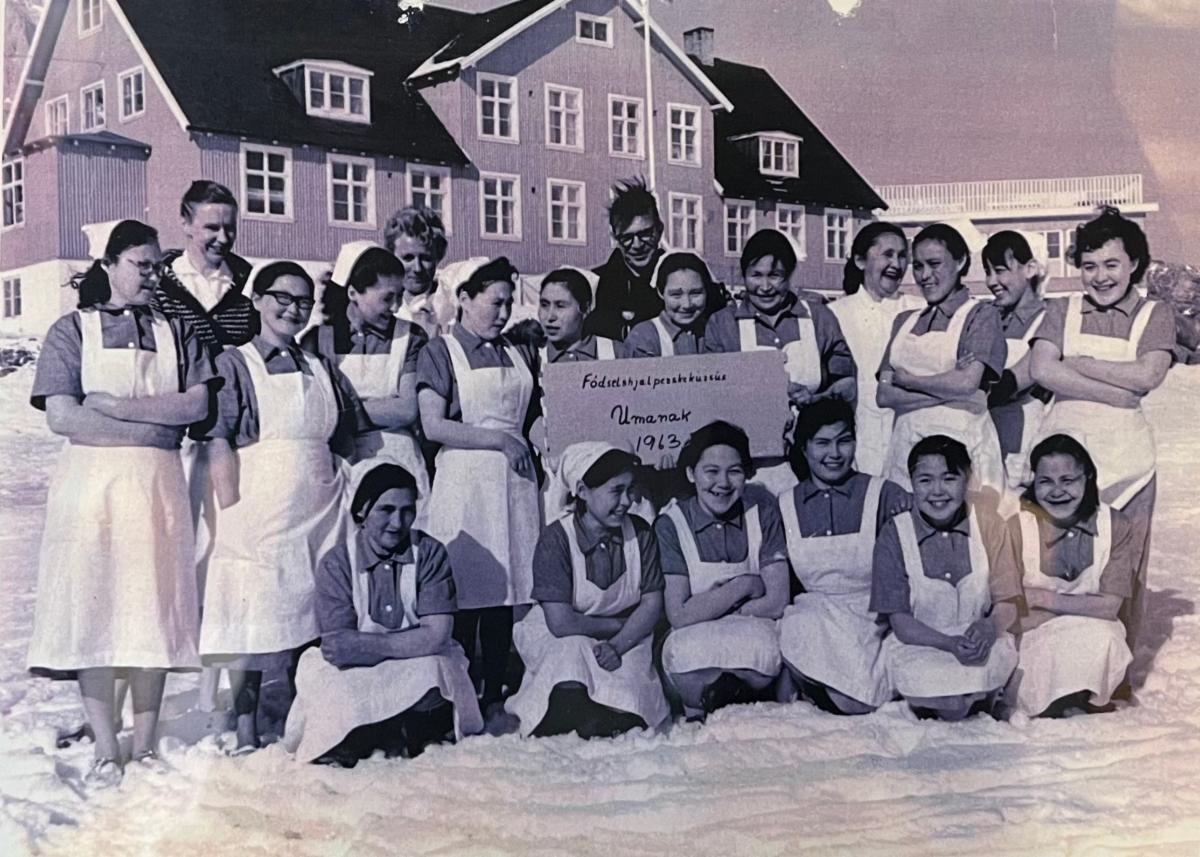
The yellow building in this photo is the hospital in Uummannaq, the town where Elisabeth Johansen, the first Greenlander to train as a midwife, was born. Despite limited secondary education and knowledge of Danish, she set off for Denmark in 1925 at age 18 and returned home five years later to practice. That meant much more than caring for mothers and babies. She also assisted during surgeries and served as the hospital’s housekeeper, cook, and interpreter. 


In 1959, her career took another turn when she became the first woman elected to the Greenland Provincial Council, the country’s highest political body at the time. During her 16 years on the council, she fought policies aimed at relocating rural families to apartment complexes in larger towns, and she was the only council member to vote against the birthright policy, which allowed Danes living in Greenland to be paid higher wages than Greenlanders for performing the same work. According to the Uummannaq Museum, she is remembered today as both a role model for women and as the “only man” to stand up to the birthright policy.

I found this photo in a display outside the hospital. I can't say for sure, but I believe Johansen is the woman in the back row dressed all in white and laughing.


Below you’ll find links to stories on how nurses and physicians fared in the latest U.S. elections, revelations about the tobacco industry's role in shaping our diets, and some provocative questions about AI's impact on health care.


Wishing a happy Thanksgiving to all,

P.S. Click the link now to receive future copies of this newsletter. I promise not to share your email address with anyone —ever — and you will be able to unsubscribe at any time.

In Other News

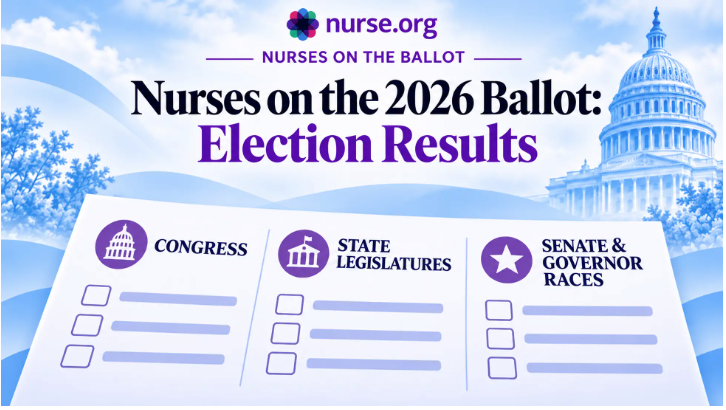
Here in the United States, at least 18 nurses won seats in their state legislatures for the first time this November, and last week another nurse, Representative Lauren Underwood, became the highest ranking Black woman in congressional history when she was elected vice chair of the House Democratic Caucus. Physicians also did well in the midterms, retaining a total of 20 seats in the House and Senate. I'll be watching to see how these health professionals bring their practice experience to bear in health care debates in the new Congress. Meanwhile, any nurses considering a run for office can find inspiration and resources on the Healing Politics website.

If you missed it this summer, the American Journal of Public Health published a special issue on ultraprocessed foods. It is free to read and packed with original research and commentary. I was surprised to learn about the tobacco industry's role in degrading the American diet. By purchasing popular food and beverage brands and reformulating their products to promote overconsumption, tobacco companies worked behind the scenes to hook Americans on junk foods. Curious about the oral health implications of ultraprocessed foods? See Rick Valachovic’s post in the prOHmotion blog.

In an age of rampant misinformation, it’s reassuring to note that trust in health professionals remains high. Many of these trusted messengers are engaged in efforts to deliver evidence-based health information to the public. This is the mission of the Coalition for Trust in Health and Science, an organization I discovered while reporting on new sources of credible health information earlier this year for the American Journal of Nursing. The Coalition's website contains a wealth of resources for building trust in health care. Check it out!

As AI's influence on health care continues to grow, questions about its impact are also evolving.


  • What will happen when providers’ AI agents and insurers’ AI agents do battle over medical claims?
  • Will AI narrow or widen the gap between people with and without access to care?
  • Will AI be the disruptive innovation that finally lowers the cost of care?


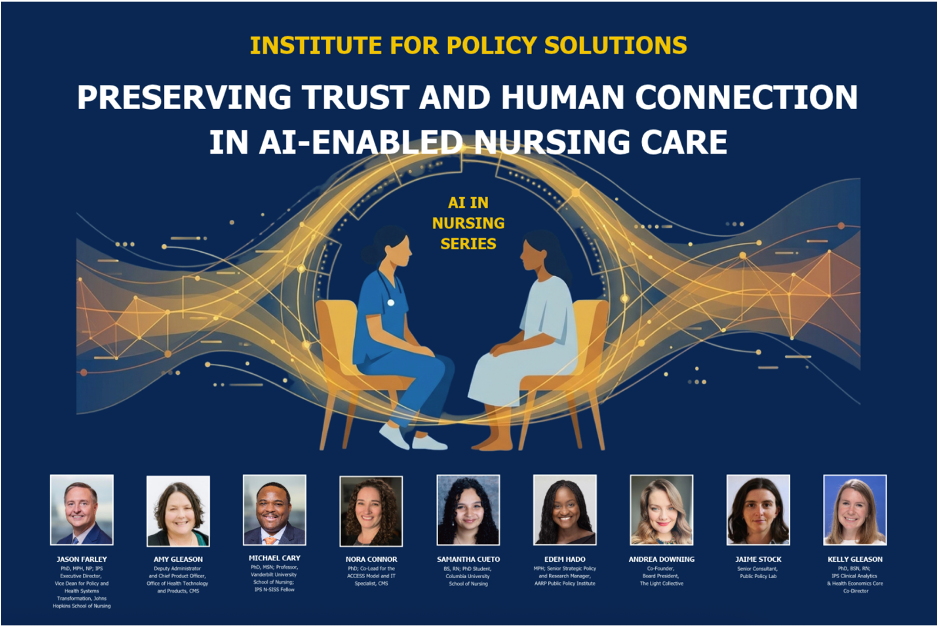
These questions were raised at an Association of Health Care Journalists meeting I attended earlier this month. One of the presenters was Jason Farley, who directs the Institute for Policy Solutions at Johns Hopkins School of Nursing. He’ll be speaking again on December 1 at a two-day institute convening on AI-enabled nursing care. I look forward to hearing more thought-provoking discussion on this topic then. If you’d like to join me, use the link above. Virtual attendance is free.


Website Our Services Contact

LinkedIn