|
Dear Friends,
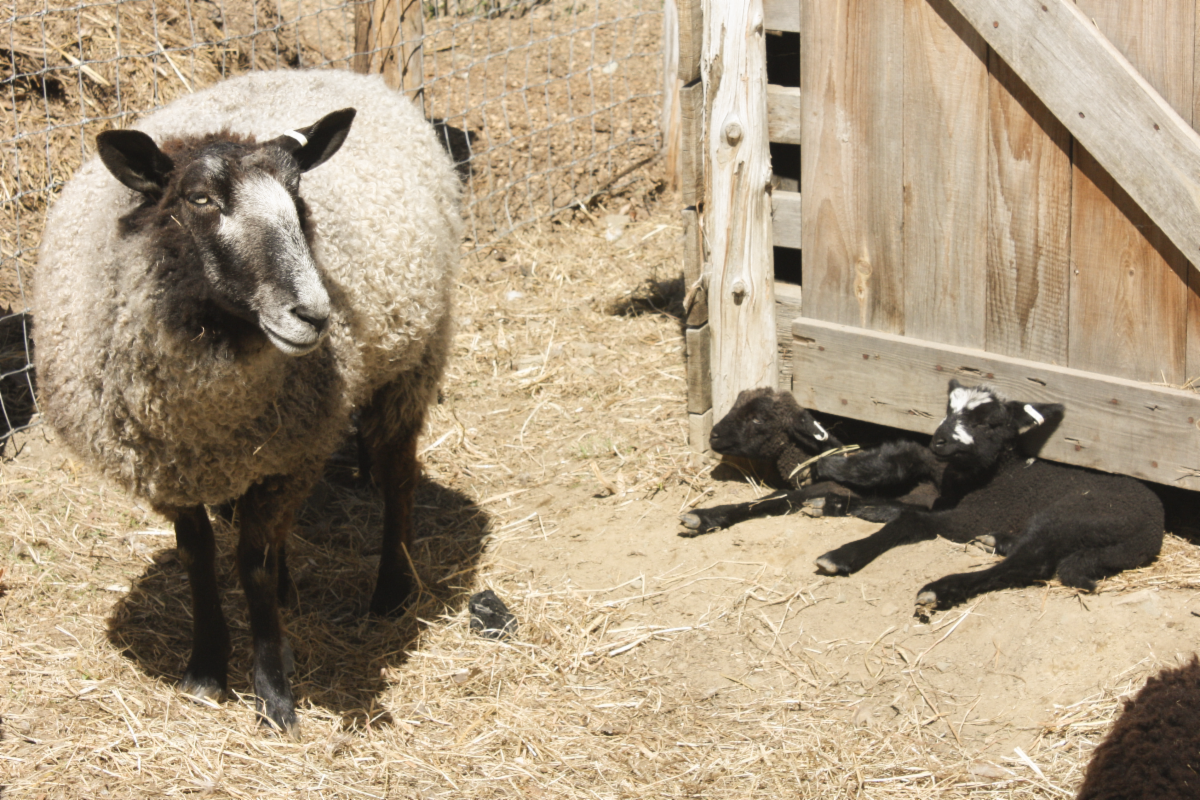
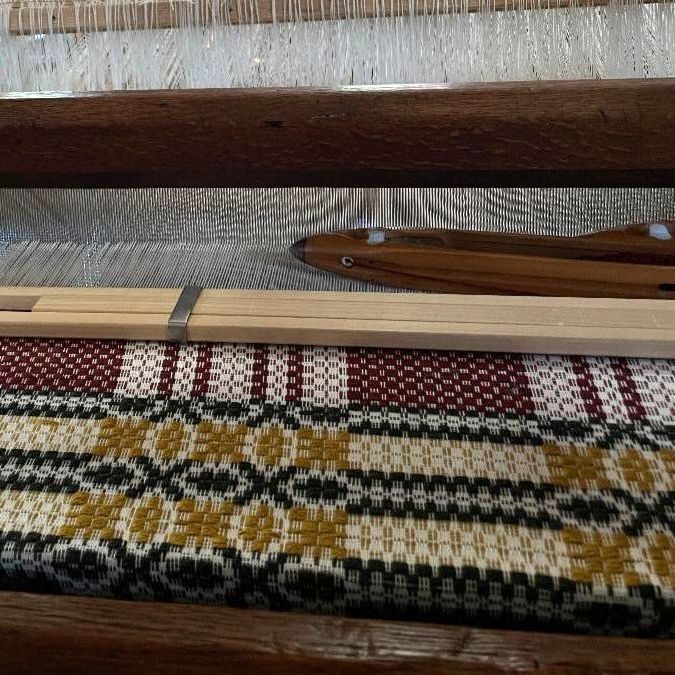
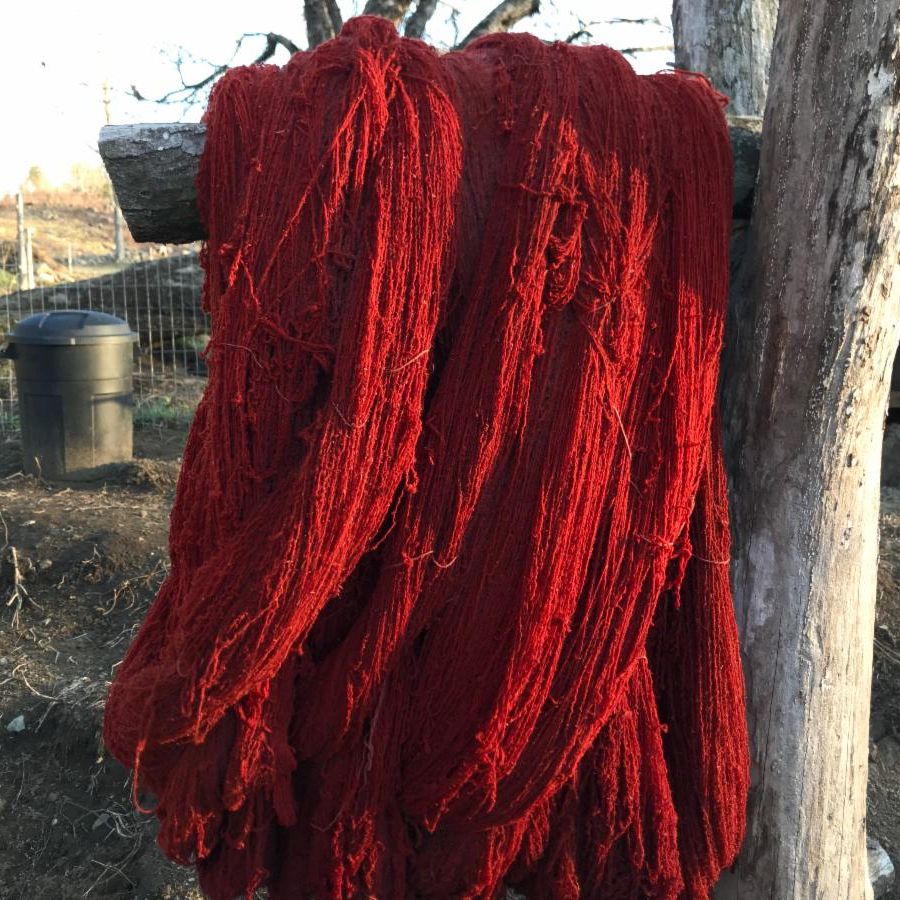
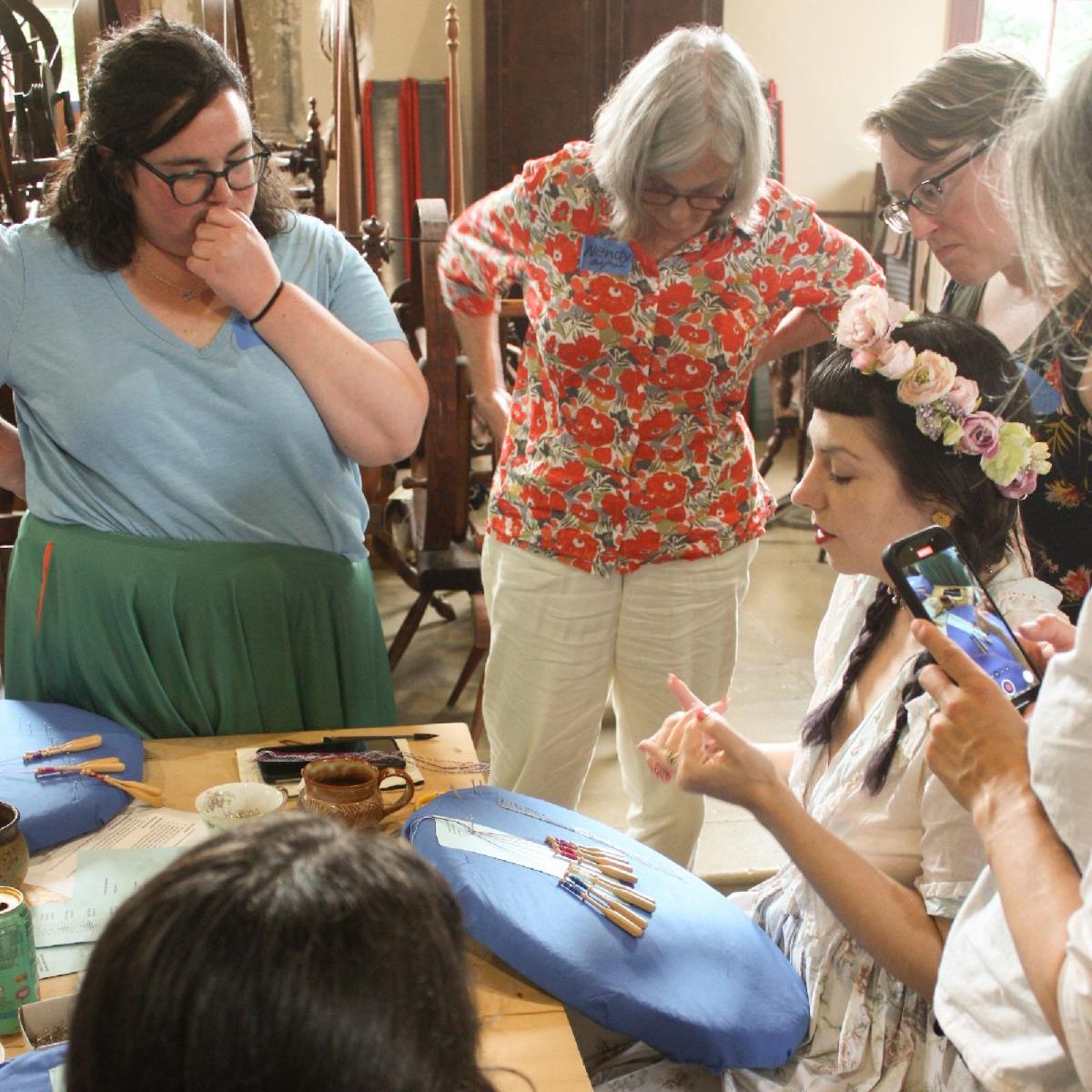
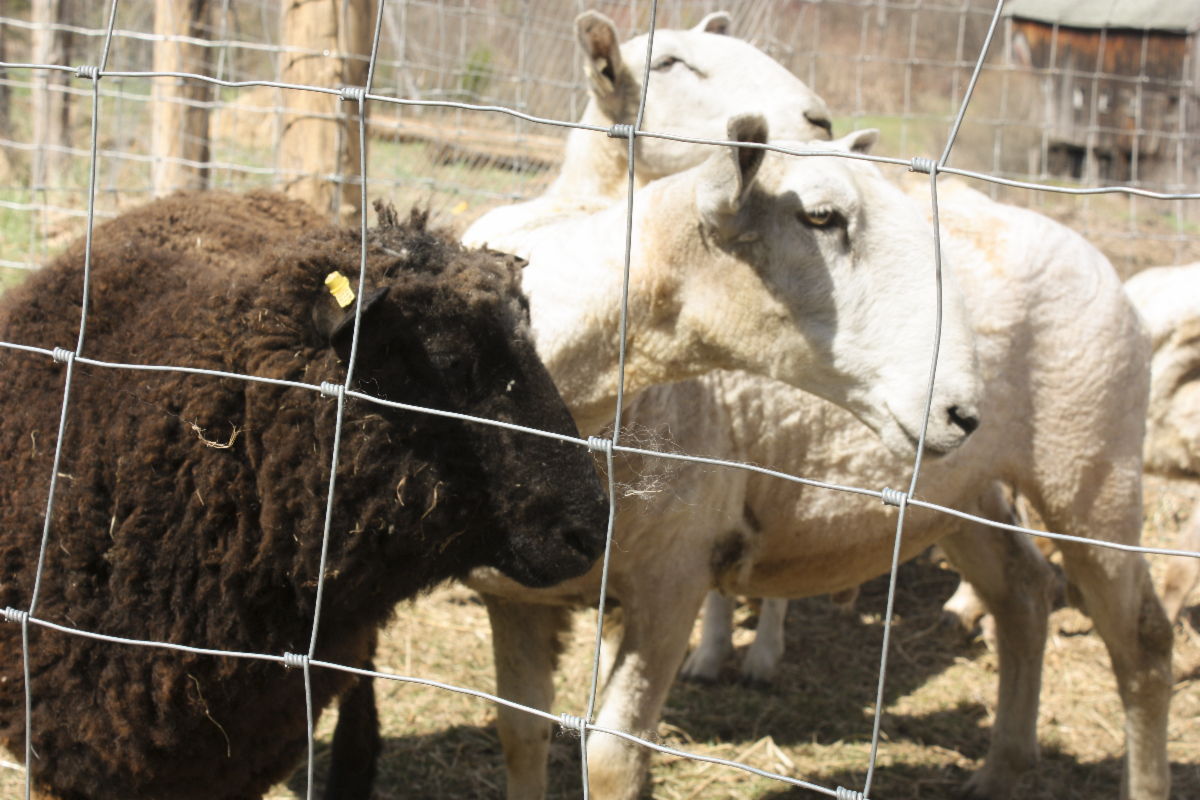
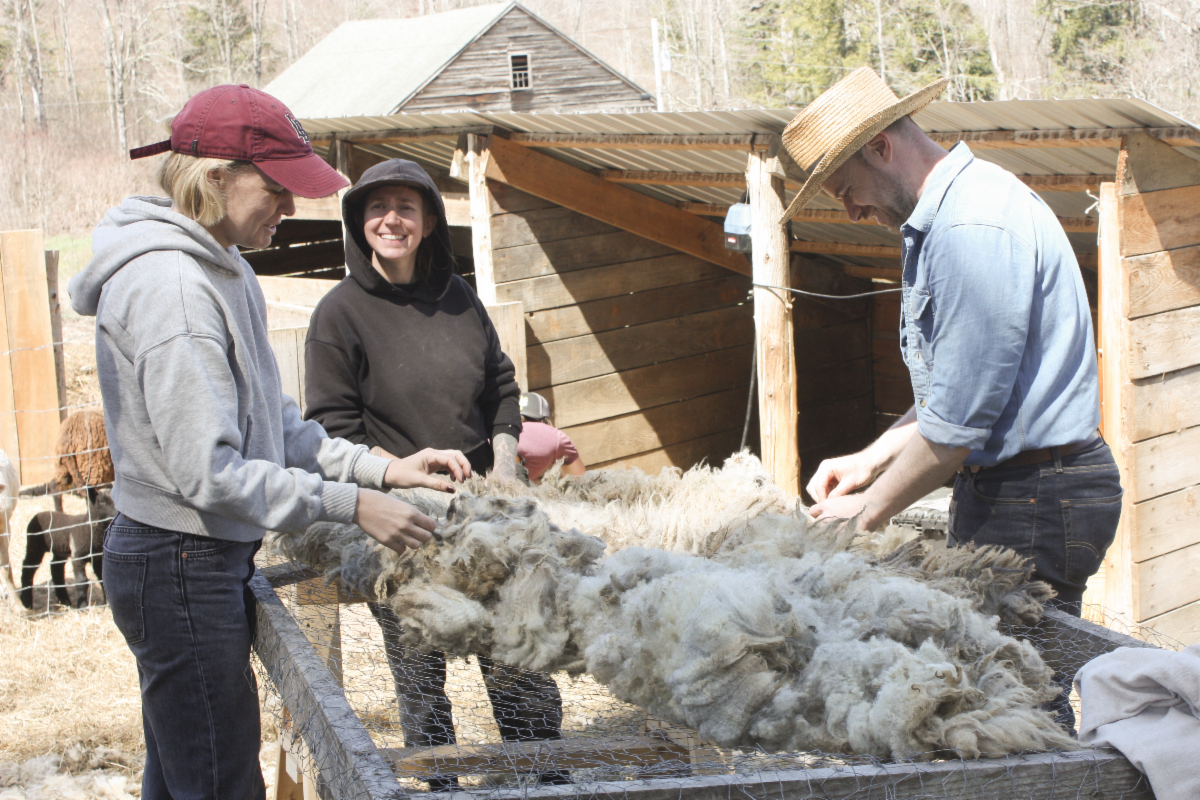
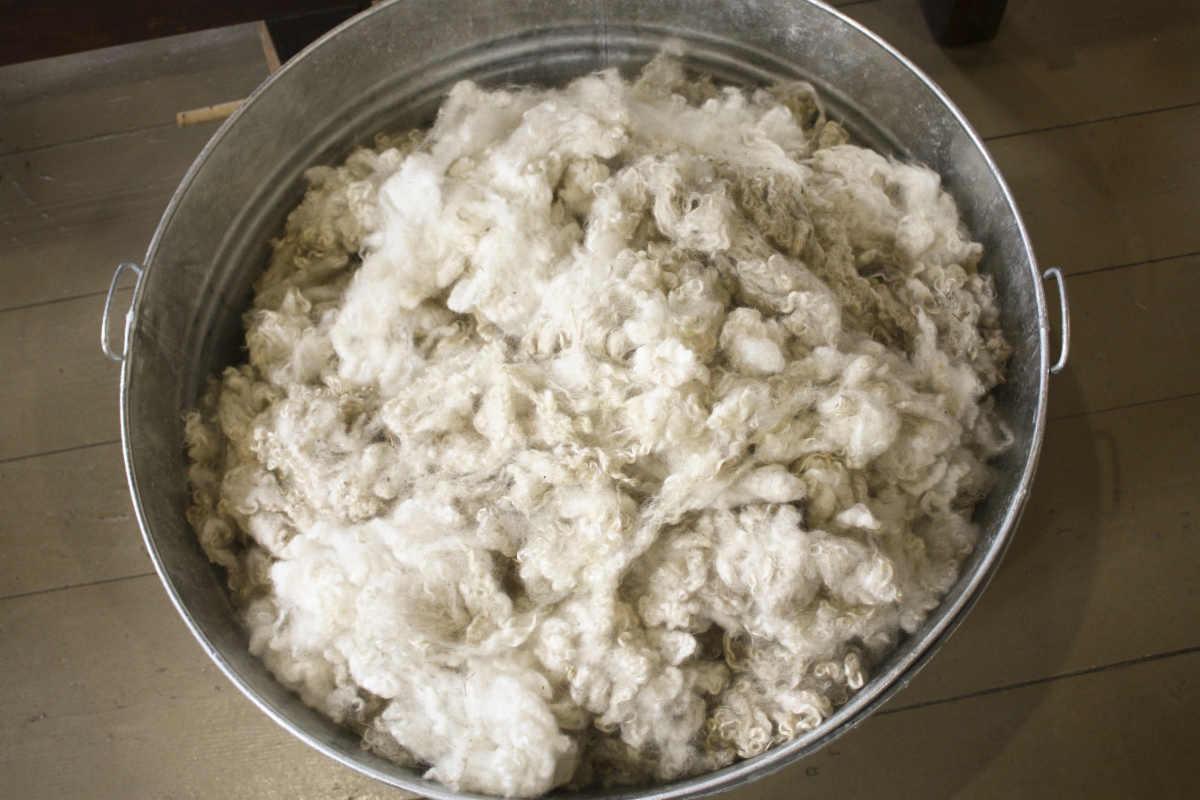
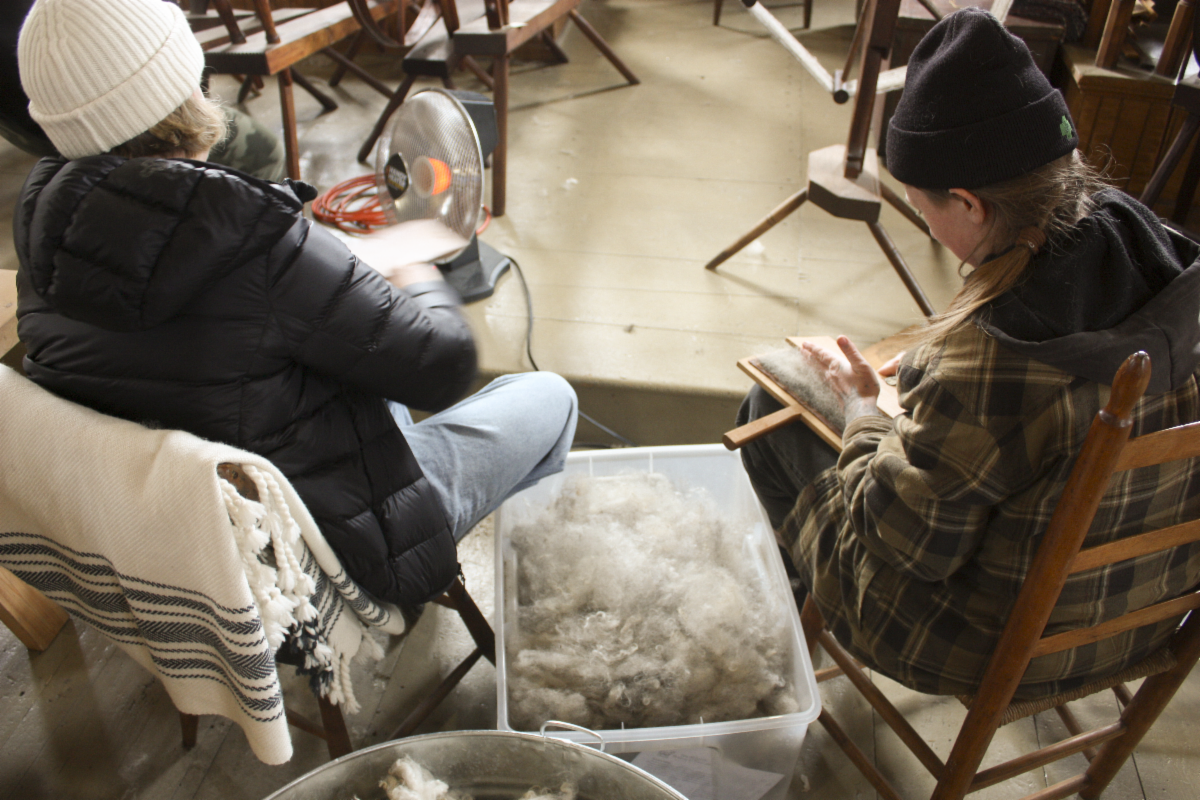
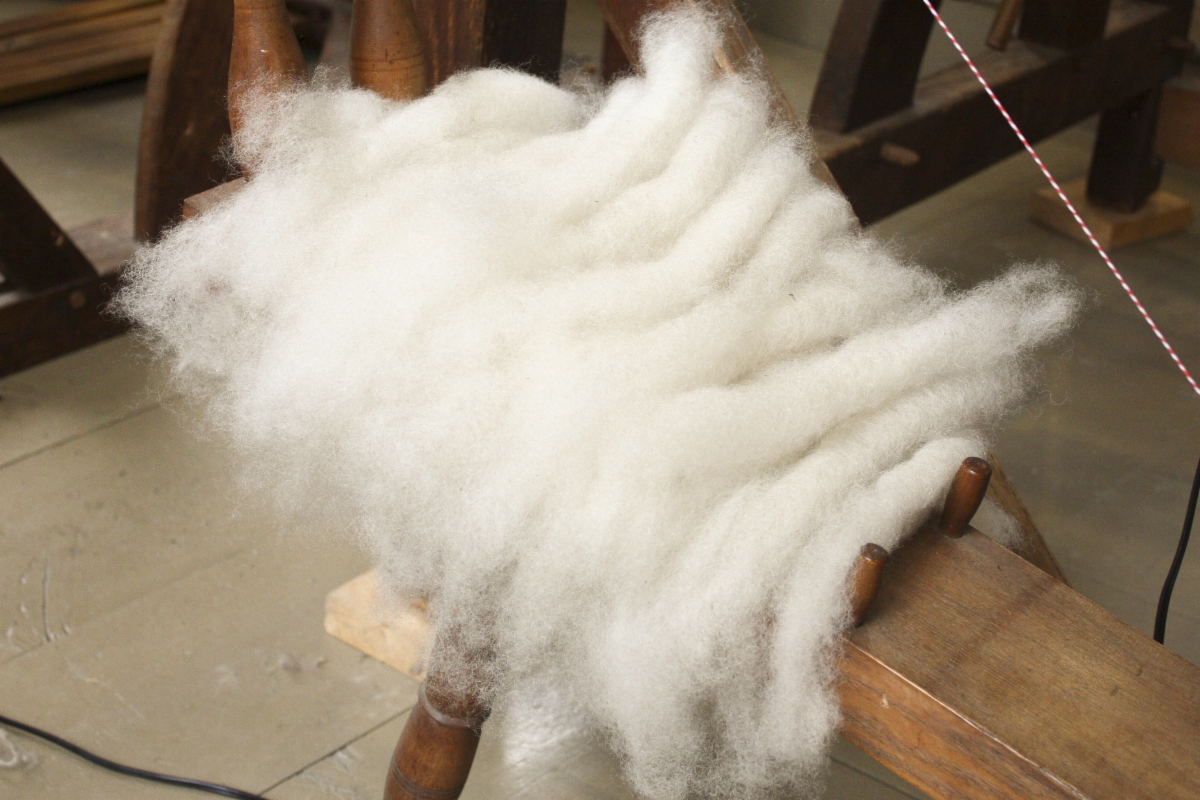
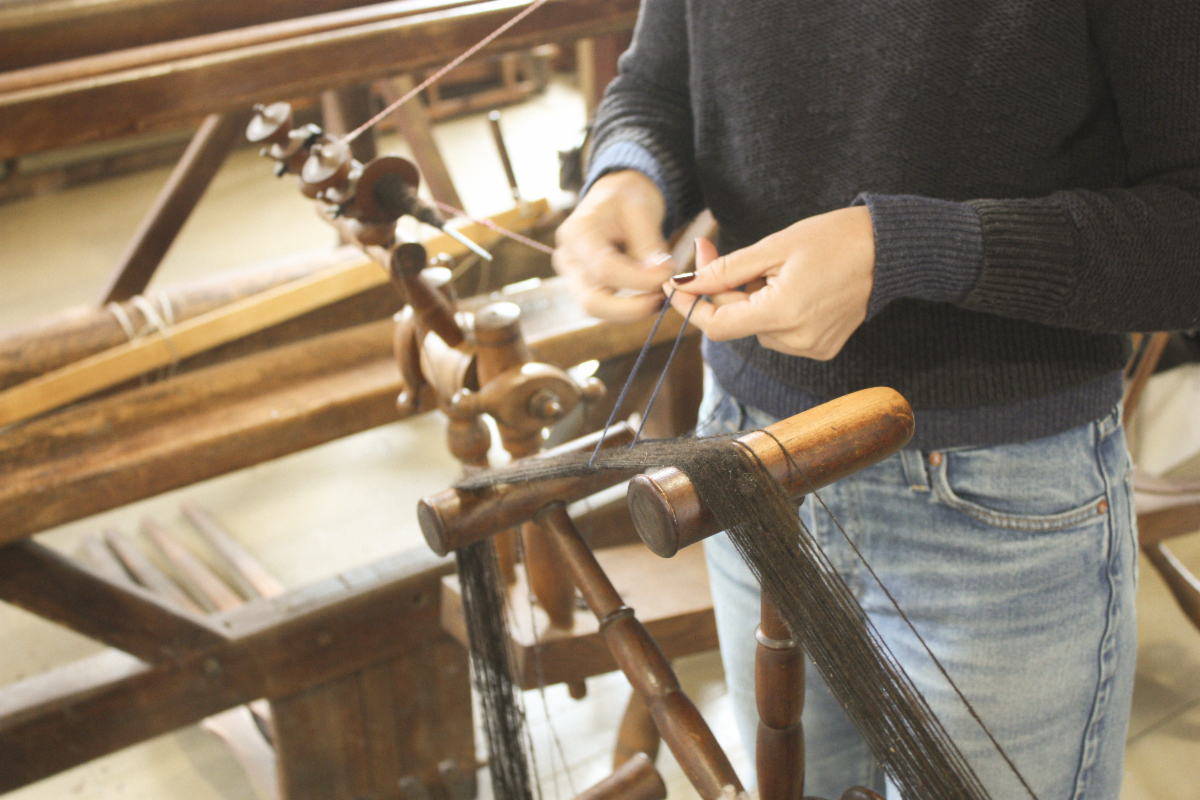
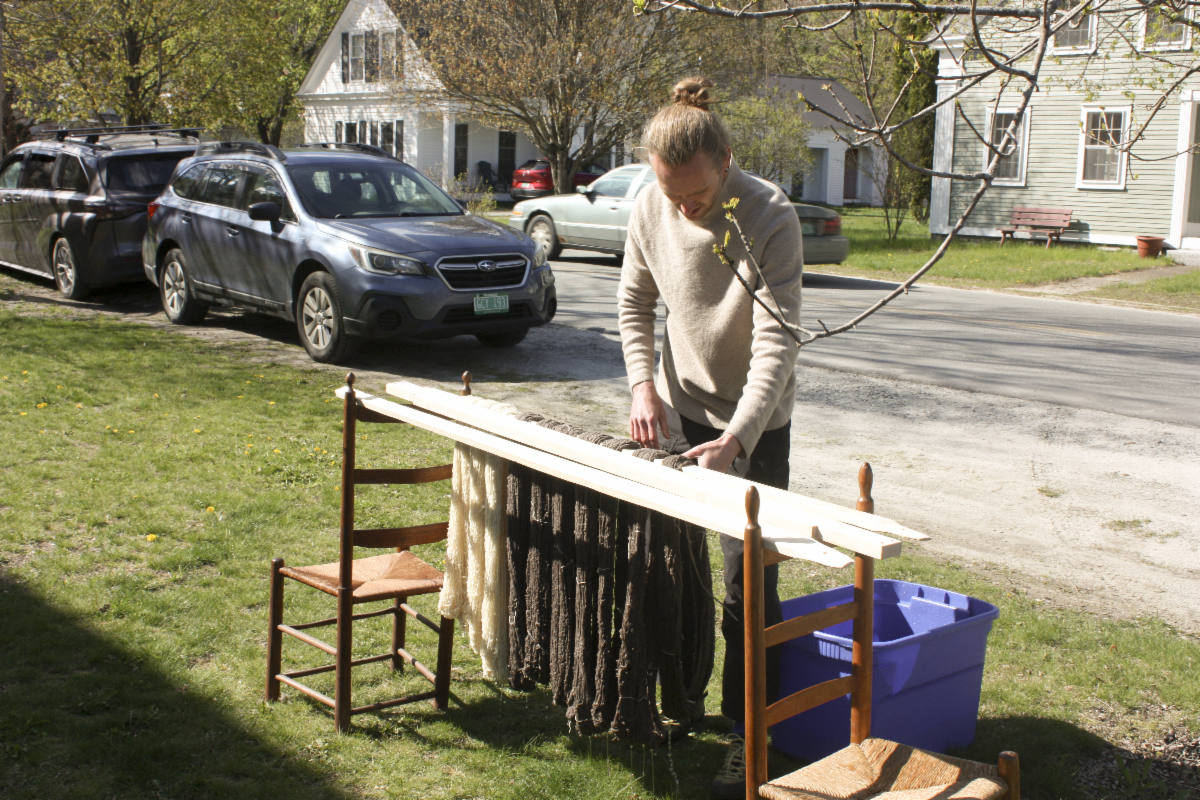
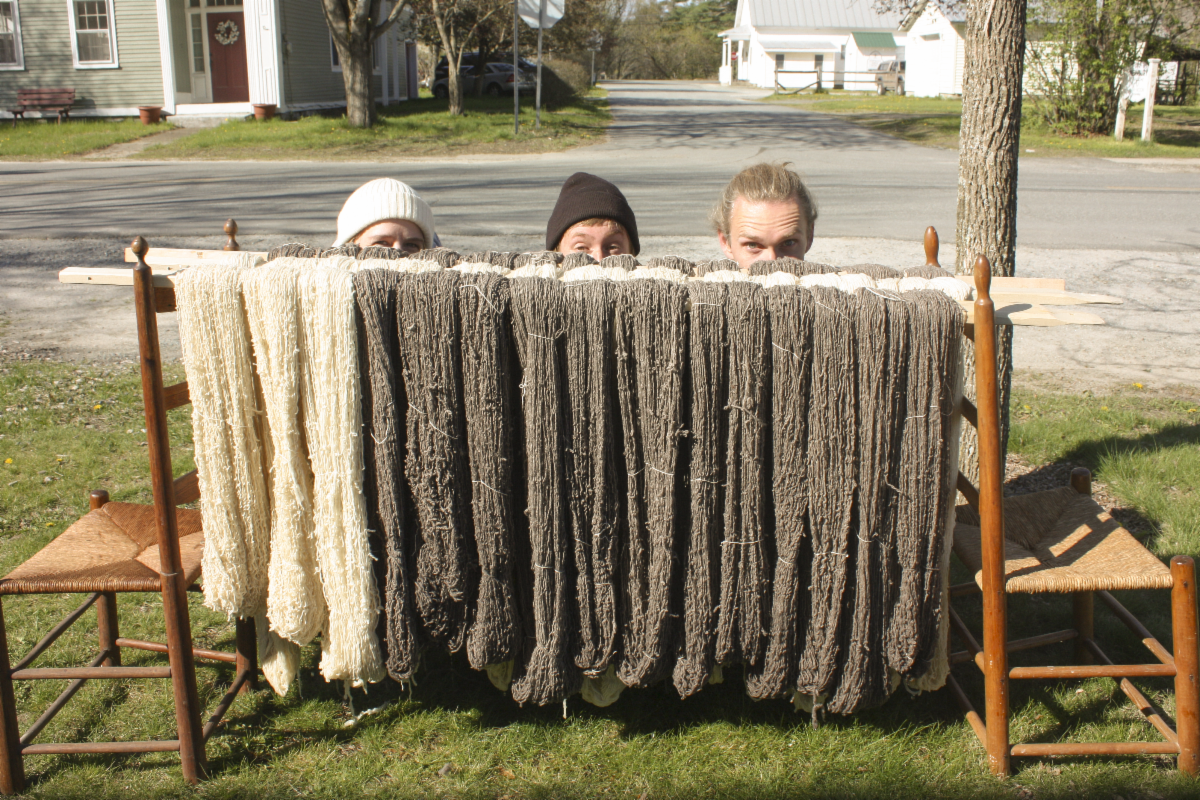
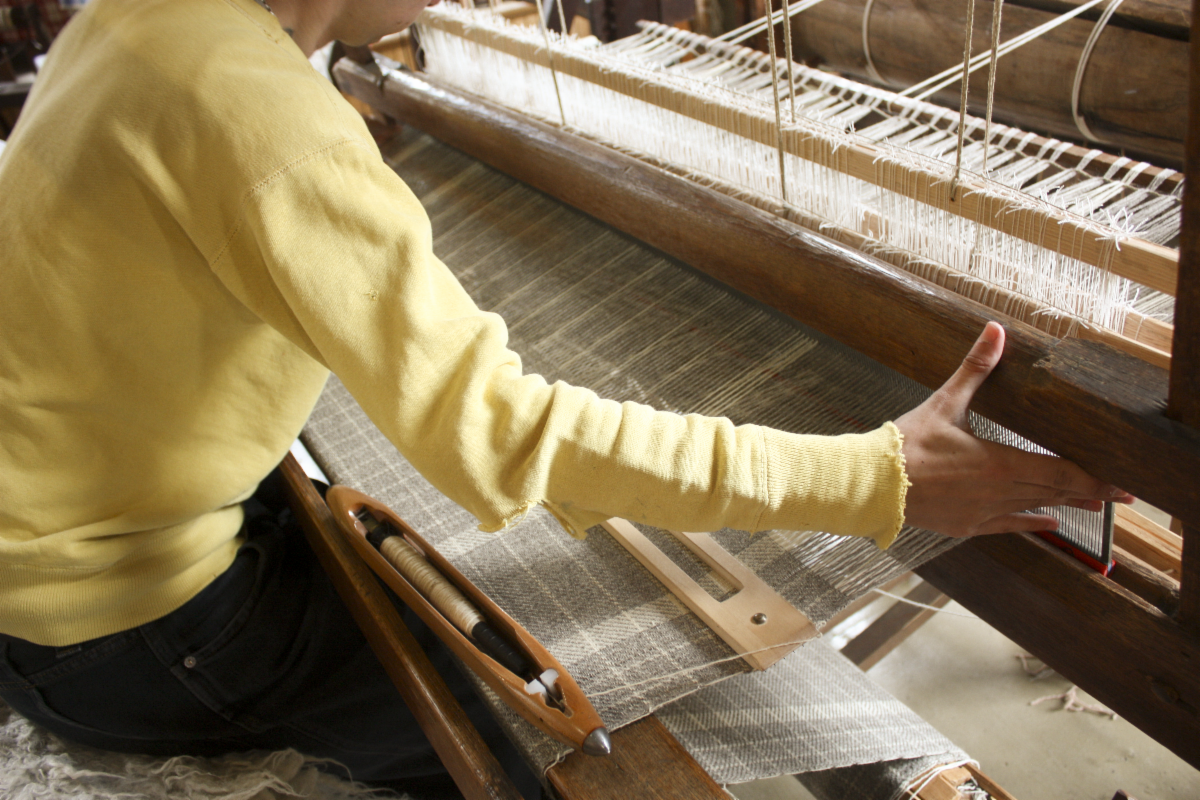
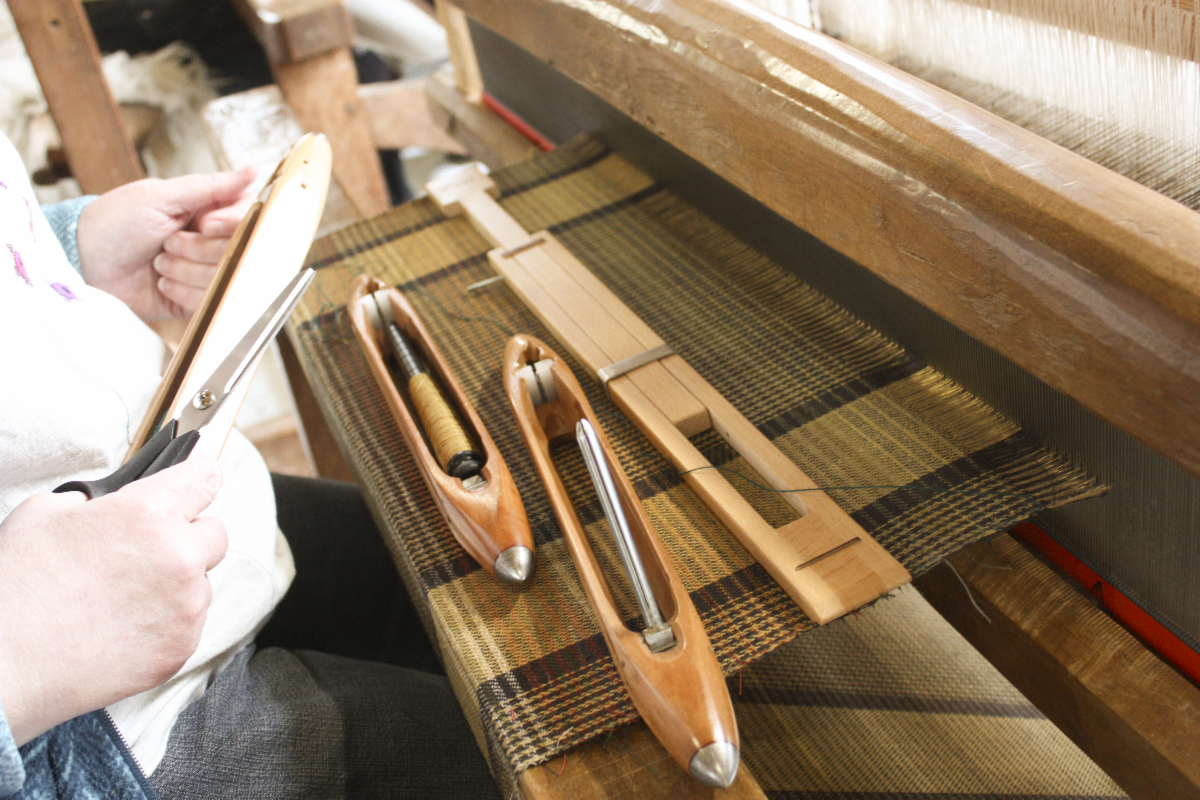
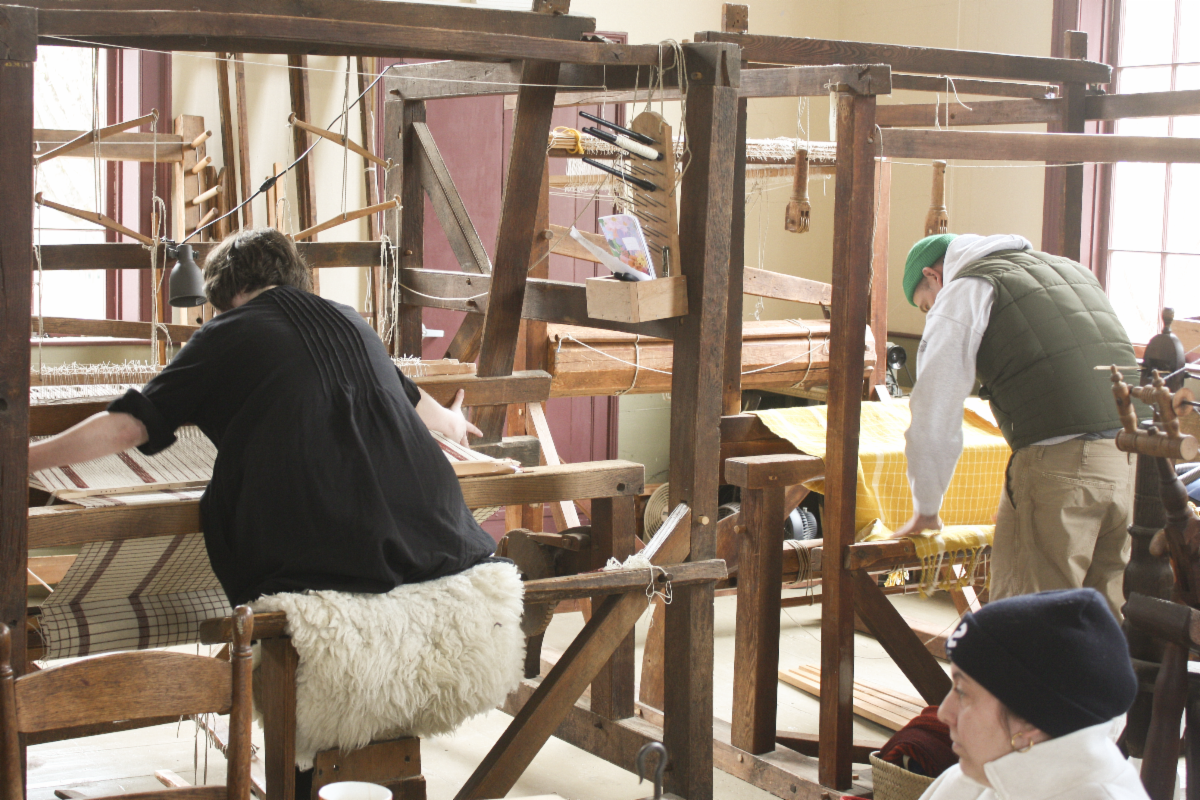
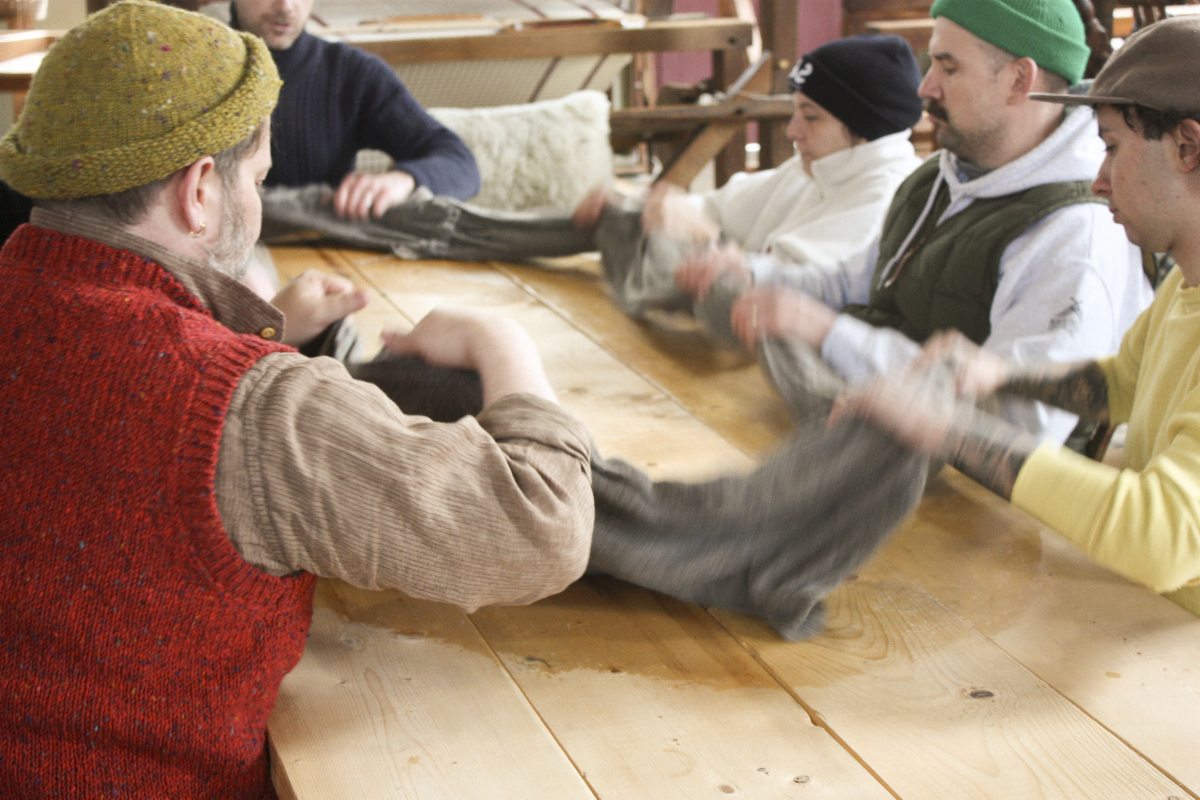
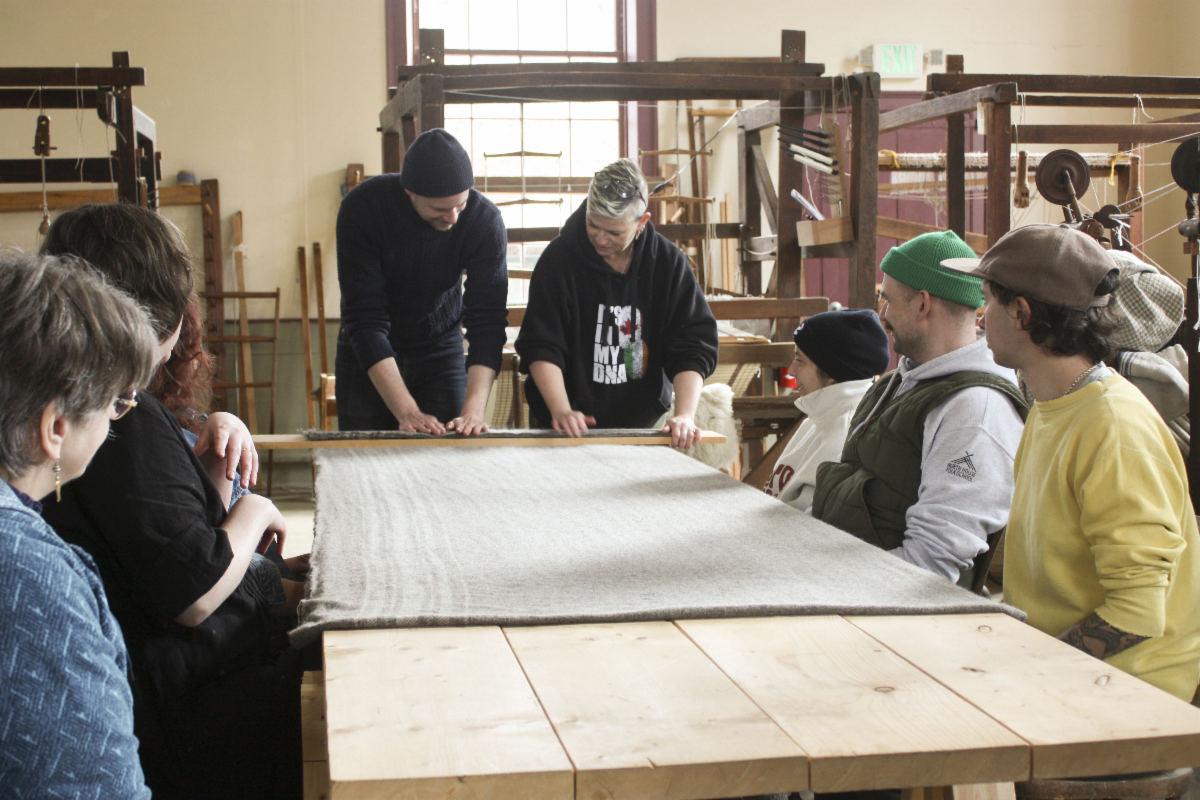
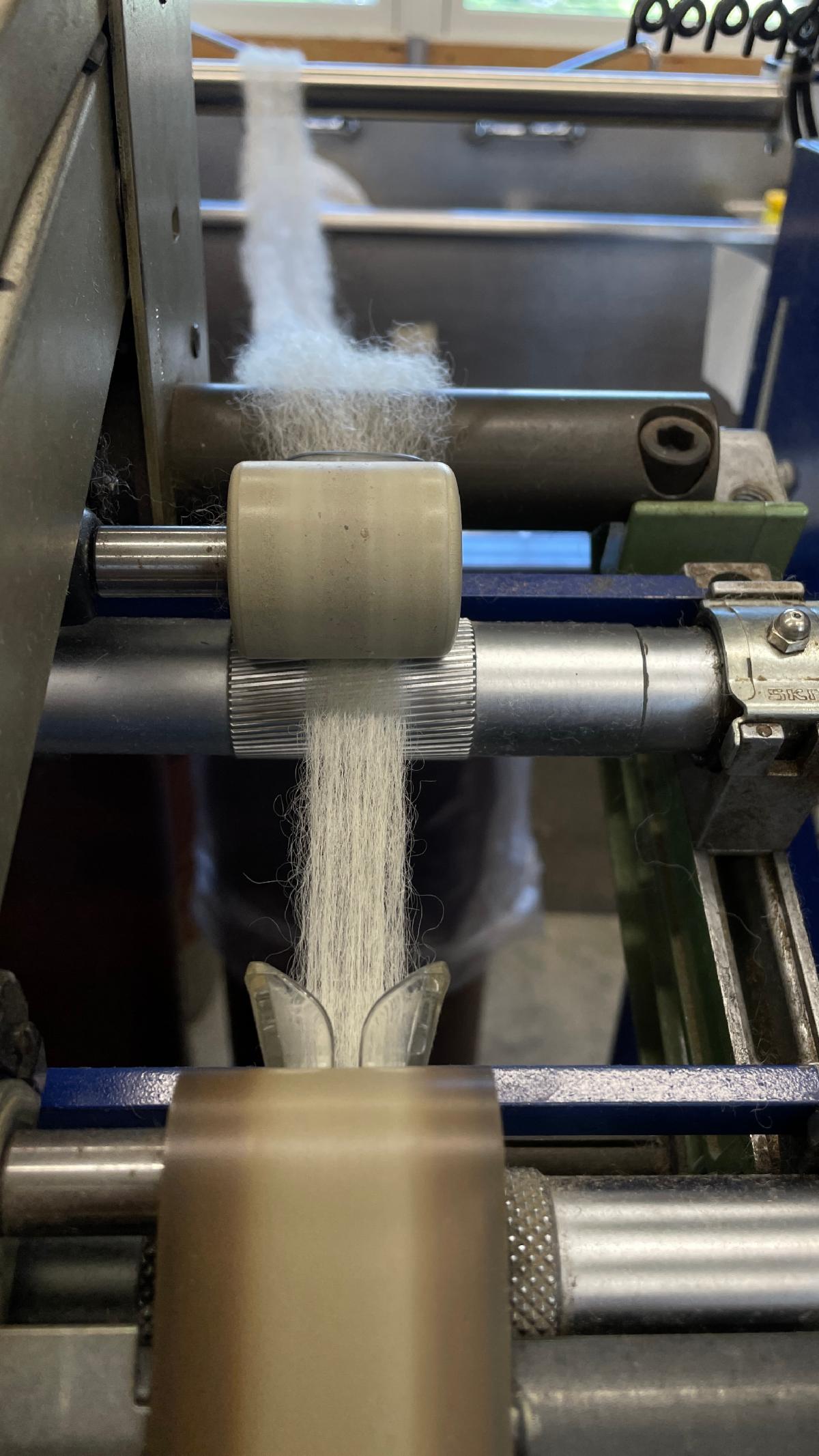
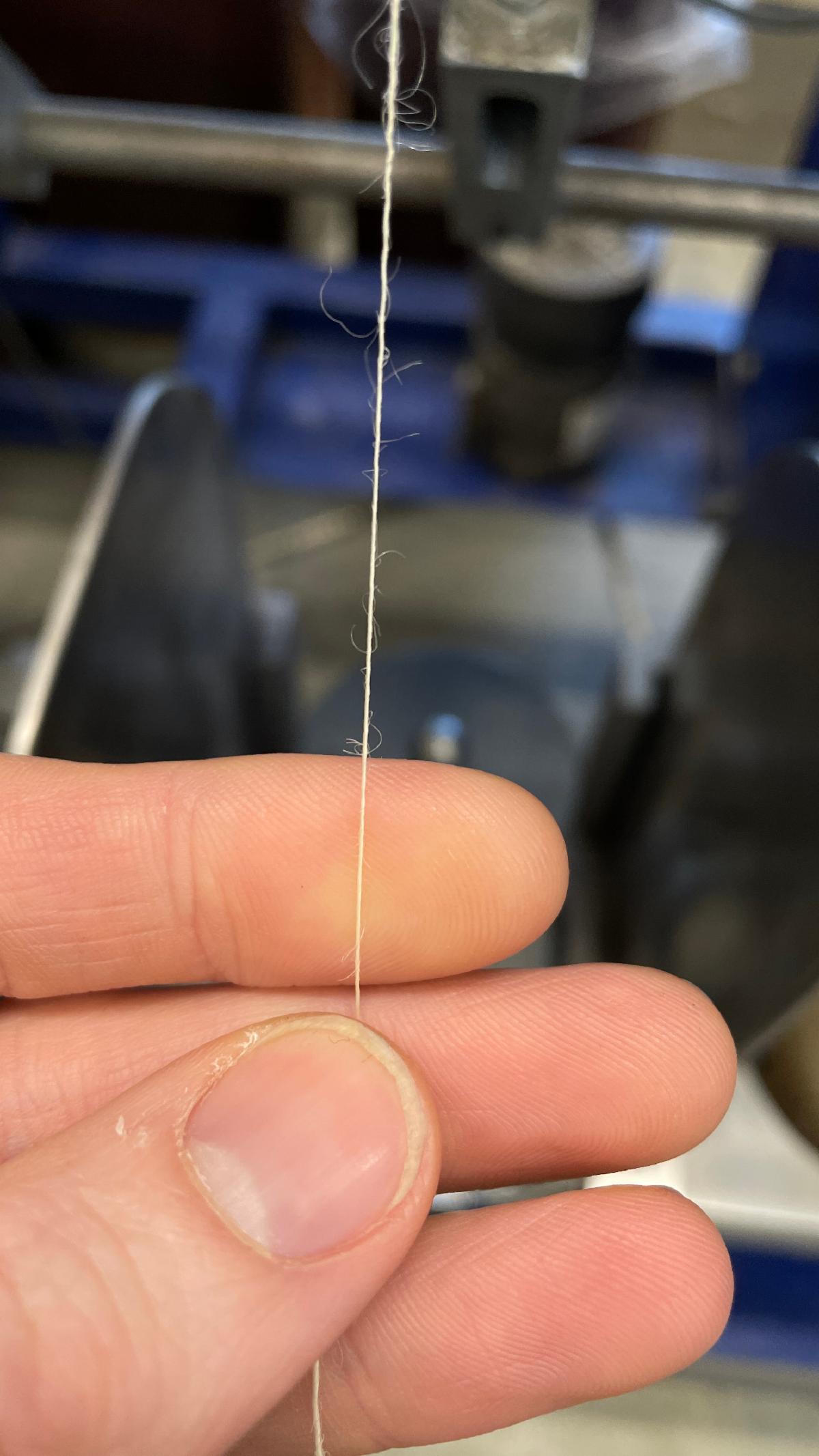
Shear, scour, pick, card, spin, weave, full, repeat. The ancient process of turning wool into cloth is as much a spring ritual as daffodils and lilacs. For several years now, Fleece to Fulling, our class that begins with sheep shearing and ends in a handspun blanket, has marked the start of our teaching season. It's no accident that we begin the year where all textiles begin, in the natural world, transforming raw fibers into finished cloth.
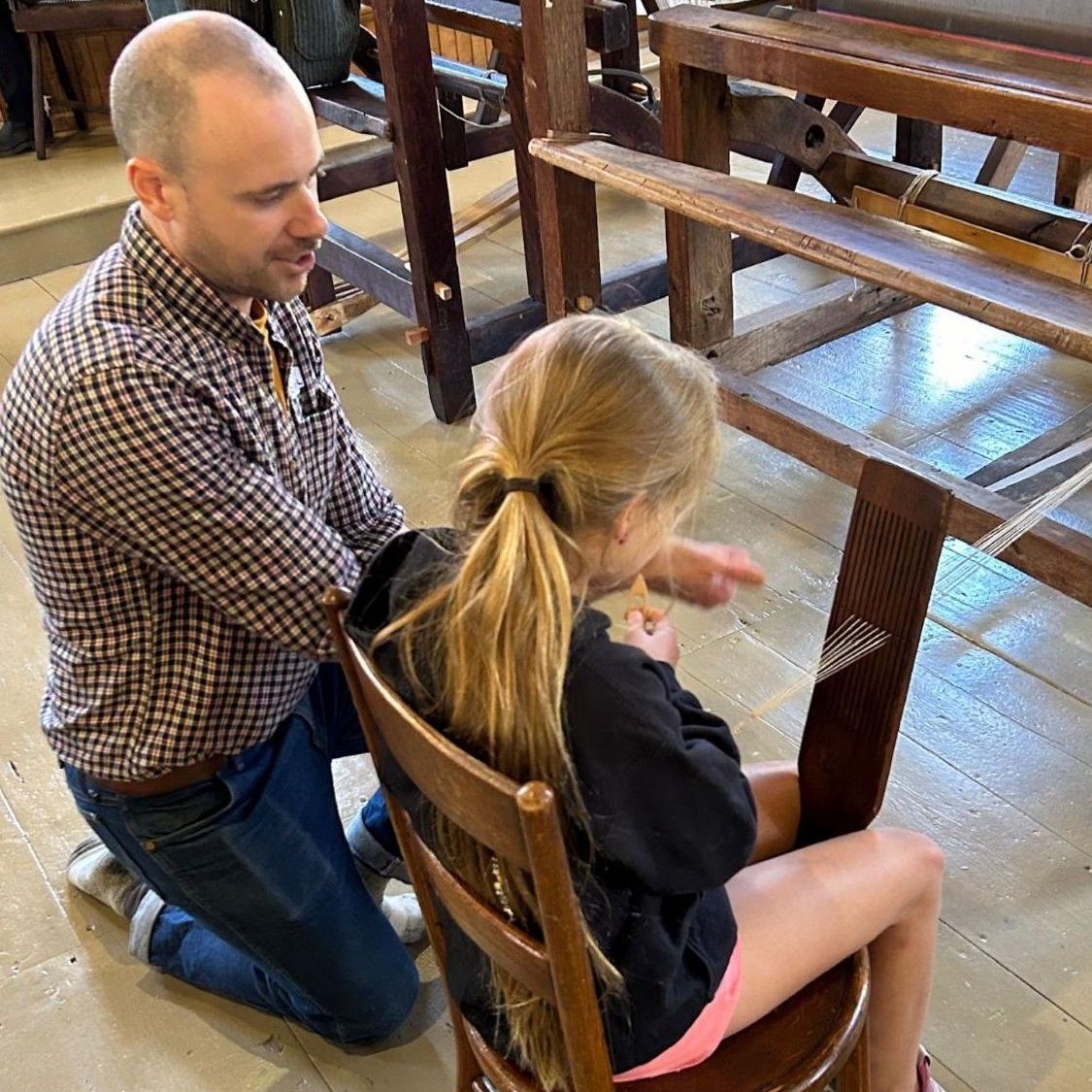
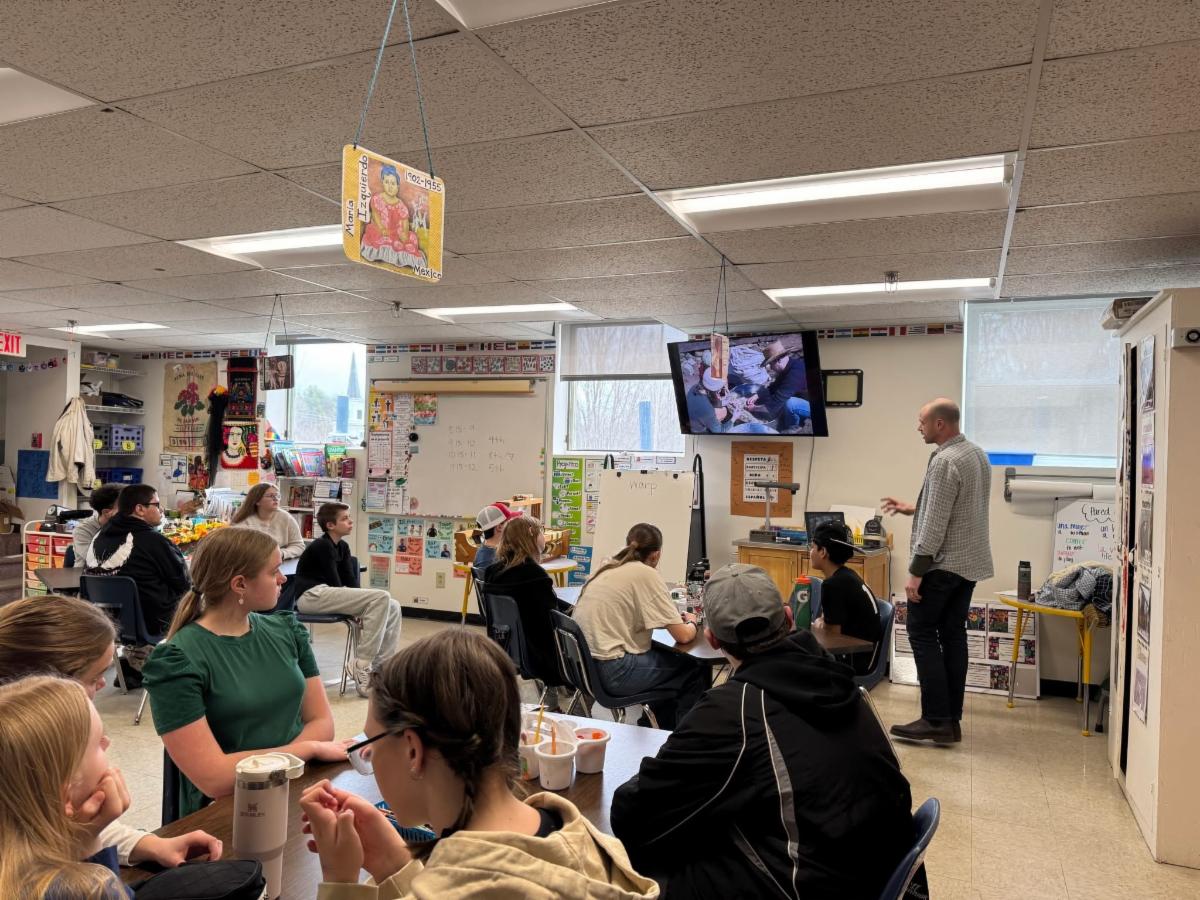
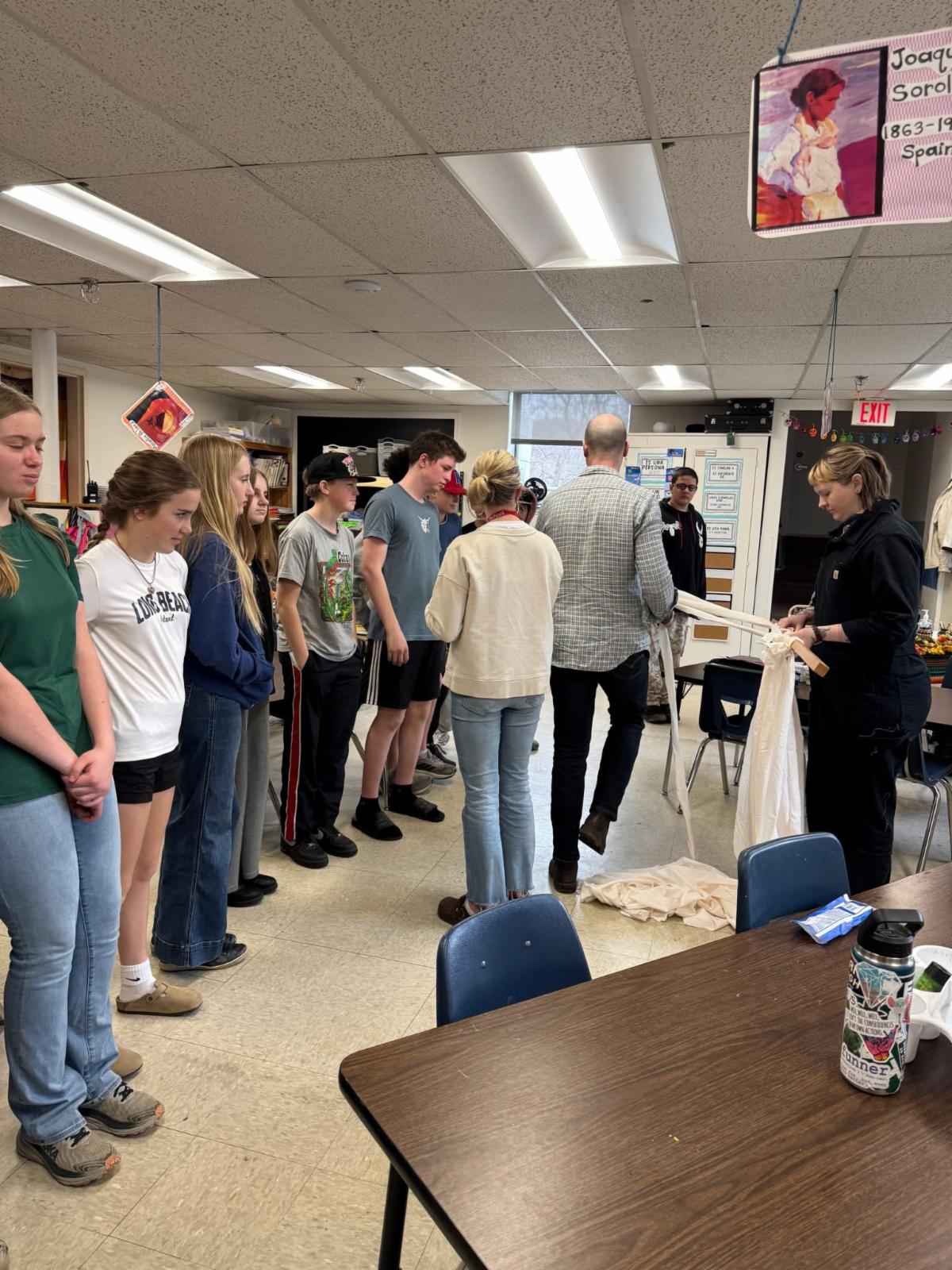
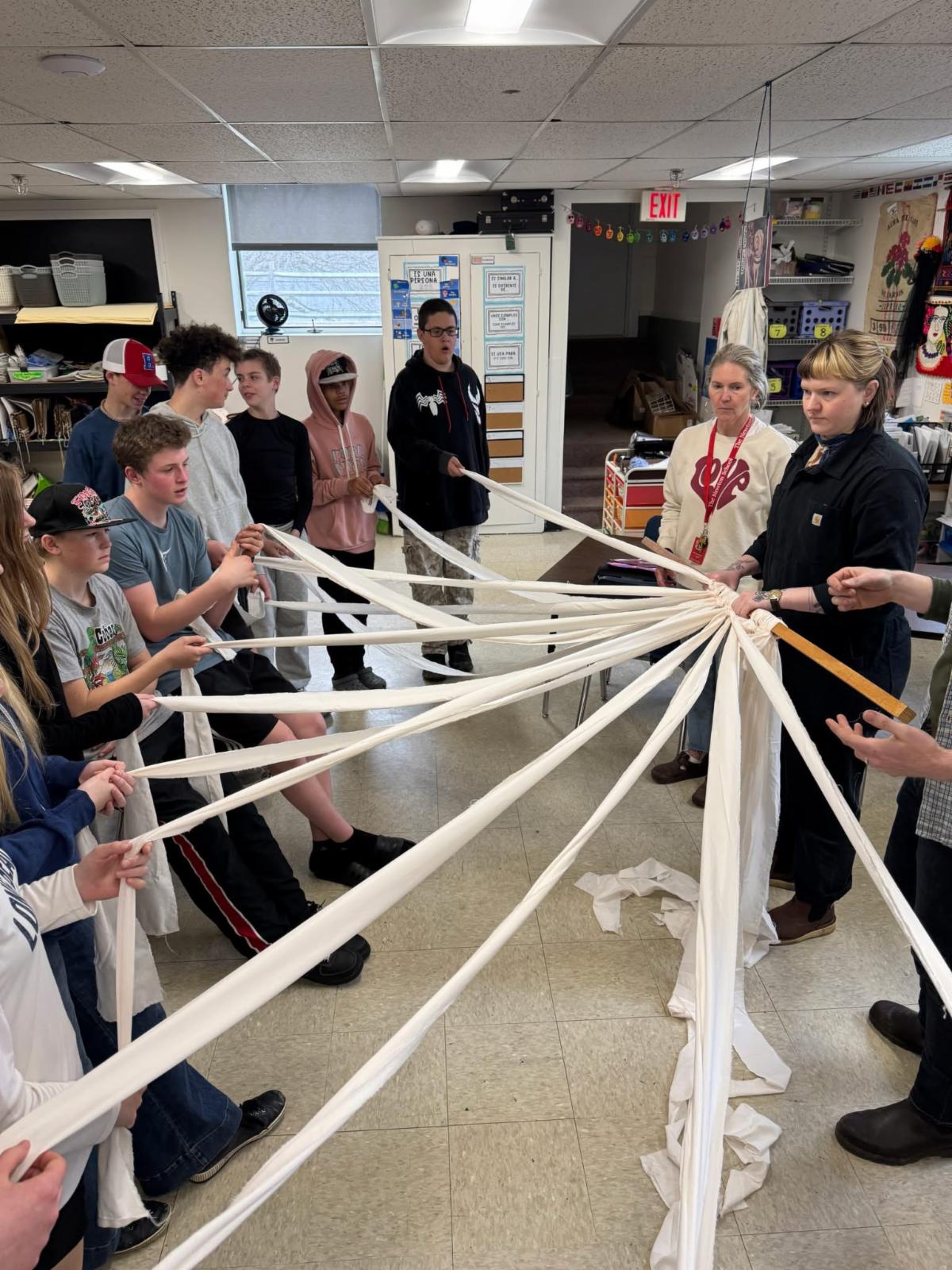
Before our hands were greased with lanolin, we took the show on the road with our first in-school programs. Kindergarten–eighth grade classes at two elementary schools learned about the history of wool in Vermont and did their own hands-on weaving. Giving kids an opportunity to work with their hands is essential for the future of the weaving school and our craft. Though our time with each class was brief, there's no telling what curiosity might ignite from our visit.
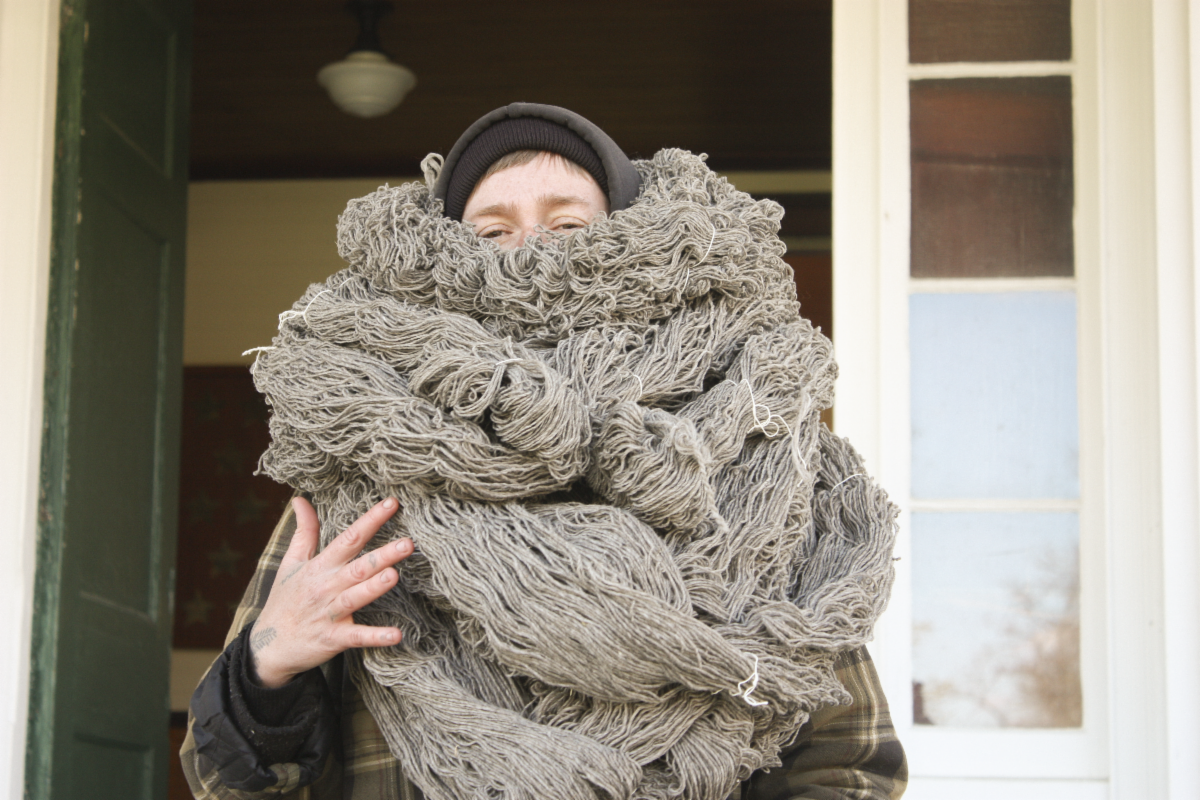
As a teaching institution we don't do a whole lot of making ourselves, but this year we're embarking on an ambitious project to recreate an early-American flag to mark the nation's semiquincentennial. The wool for the bunting was grown on Newbury soil, and when complete, the flag will be a literal piece of this particular spot. Textiles have moved globally for centuries, but have also been deeply integral to specific locales, and our flag will be exactly that.
With gratitude on behalf of the team,
Justin Squizzero
Director
|