|
The Dorchester Reporter
How Wu's urban forest can succeed
By Bill Walczak, Reporter Columnist
Mayor Michelle Wu’s “Vision for Boston’s Urban Forest” is an impressive document. The plan, at 237 pages, has specific goals, cites best practices from other cities, and has a system of evaluation toward the goal of increasing the City’s tree canopy.
Mayors Menino and Walsh also had ambitious plans to increase the canopy, neither of which came to fruition. In fact, the tree canopy has decreased over the past 30 years. But with the level of both detail and excitement behind it, the Wu plan might succeed.
The document, which refers to trees as “critical city infrastructure,” calls attention to why we need to increase the canopy: the public health impact in filtering pollution, mitigating heat in the summer (there can be a ten-degree difference between neighborhoods with tree cover and neighborhoods without), reducing the need for air conditioning, lessening flooding after storms, and the canopy’s impact on both physical and mental health.
The plan also points out that most of the tree canopy is on privately owned land and suggests an ordinance that would preserve and increase shade trees on private land. It describes the inequity of some neighborhoods having much greater tree coverage than other neighborhoods, and how those inequities will be addressed. It’s a far reaching, comprehensive plan.
The Vision for Boston’s Urban Forest comes with additional staffing and money, a laundry list of policy changes it seeks to implement, and lots of ideas on how things need to change, but its success will be determined by what actually happens.
In that vein, I have a list of suggestions for consideration:
* The plan calls for reorganizing urban forest management and moving to pro-active maintenance. This needs to start with the Parks Department. As a 50 year resident of Boston, I’ve seen parks get major capital improvements, with little maintenance to follow, with the result that the parks deteriorate until the next capital improvement, 20-30 years later. Every park in the city needs a pro-active, publicly accessible maintenance plan beyond trash pickup.
* My experience with Savin Hill Park is that whatever maintenance occurs in the upper five acres, including removal of dead trees, is from the neighborhood cleanup. Simple things, like getting the grass cut, can be difficult to impossible to sustain regularly. We should do an assessment of what every park needs, and staff accordingly. The Parks Department has been starved of sufficient staffing for many years.
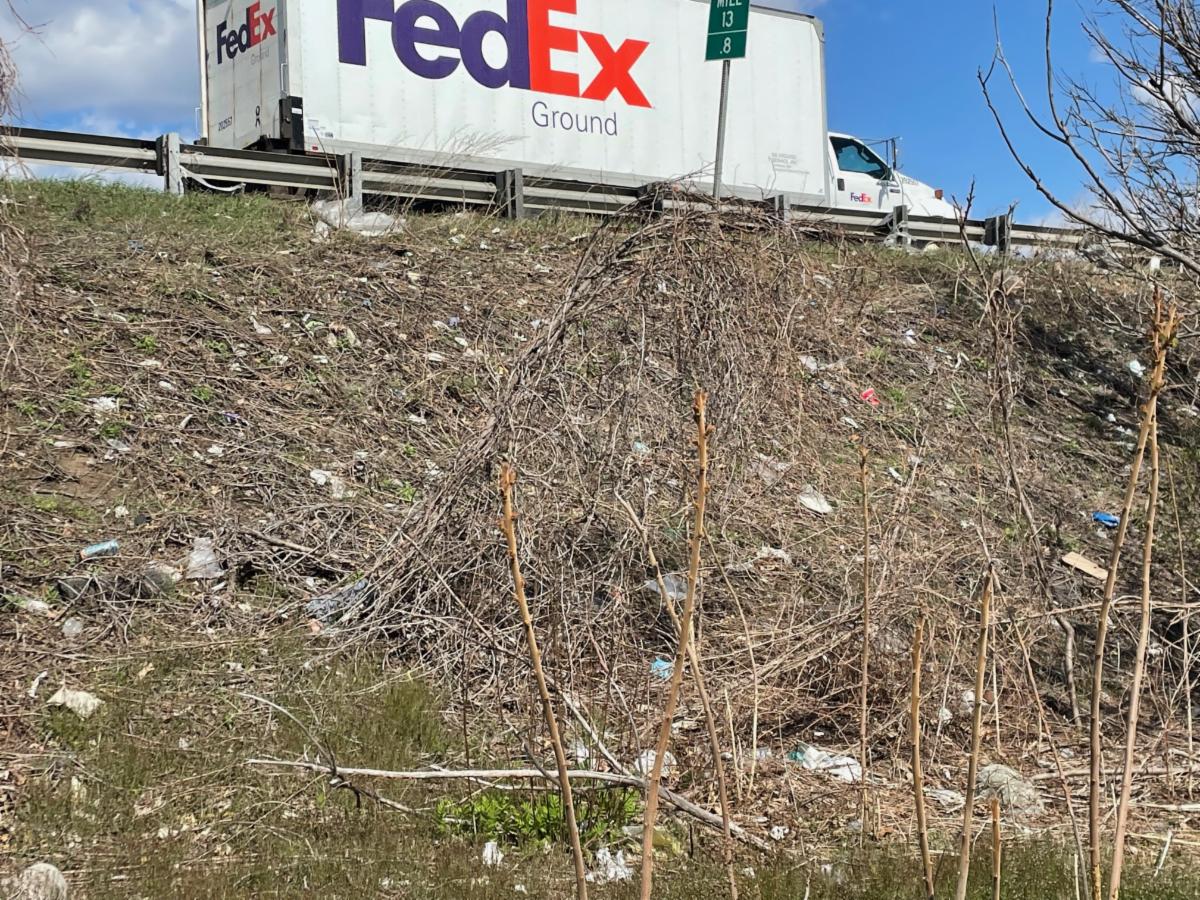
* Parks Department changes should also include how the Parks Commission approves development next to parks. The development along Alpine Way in Savin Hill went right up to the edge of the park, including cutting tree roots and a big chunk of the puddingstone that makes up the hill, yet the Parks Commission did not require the developers to improve the adjacent section of the park, which is filled with dead trees, over-grown vegetation and glass. All opportunities to maintain park land should be utilized.
* It will be important that other city departments fall in line with the Urban Forest Plan. The Inspectional Services Department and Zoning Board of Appeal need to change how development occurs to ensure the maintenance and/or addition of as many shade trees as possible. Too often, developers clear cut lots to make for easier construction. This needs to stop.
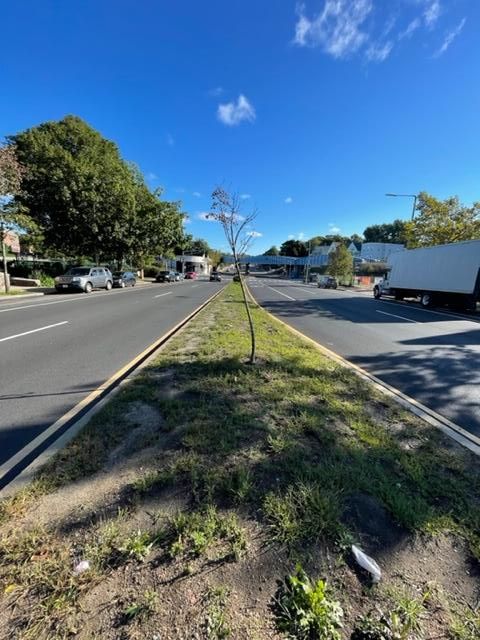
* Street trees are another major part of the plan. How we add street trees needs to be re-conceptualized if we’re going to see a significant increase in the city's supply. Dorchester Avenue comes to mind. The Dorchester Avenue Vision Committee came up with a plan to add 42 trees along Dorchester Avenue between Columbia Road and Freeport Street, which would require the addition of about 30 tree pits. The plan had nearly 900 signatories on the petition that called on city government to plant the trees. One Wu Administration official told me a month ago that Dorchester Avenue could not have additional tree pits, because “Public Works won’t allow it.” Our main streets should have trees on both public and private property that make them both beautiful and shady. As stated in the Urban Forest Plan, all departments need to cooperate in improving the canopy.
* Another opportunity for tree placement would be to complete the Emerald Necklace, which Olmsted planned to go from Franklin Park to Boston Harbor via Columbia Road. Columbia Road was supposed to be a parkway like the Arborway in Jamaica Plain, but the city never finished the plan. It’s time.
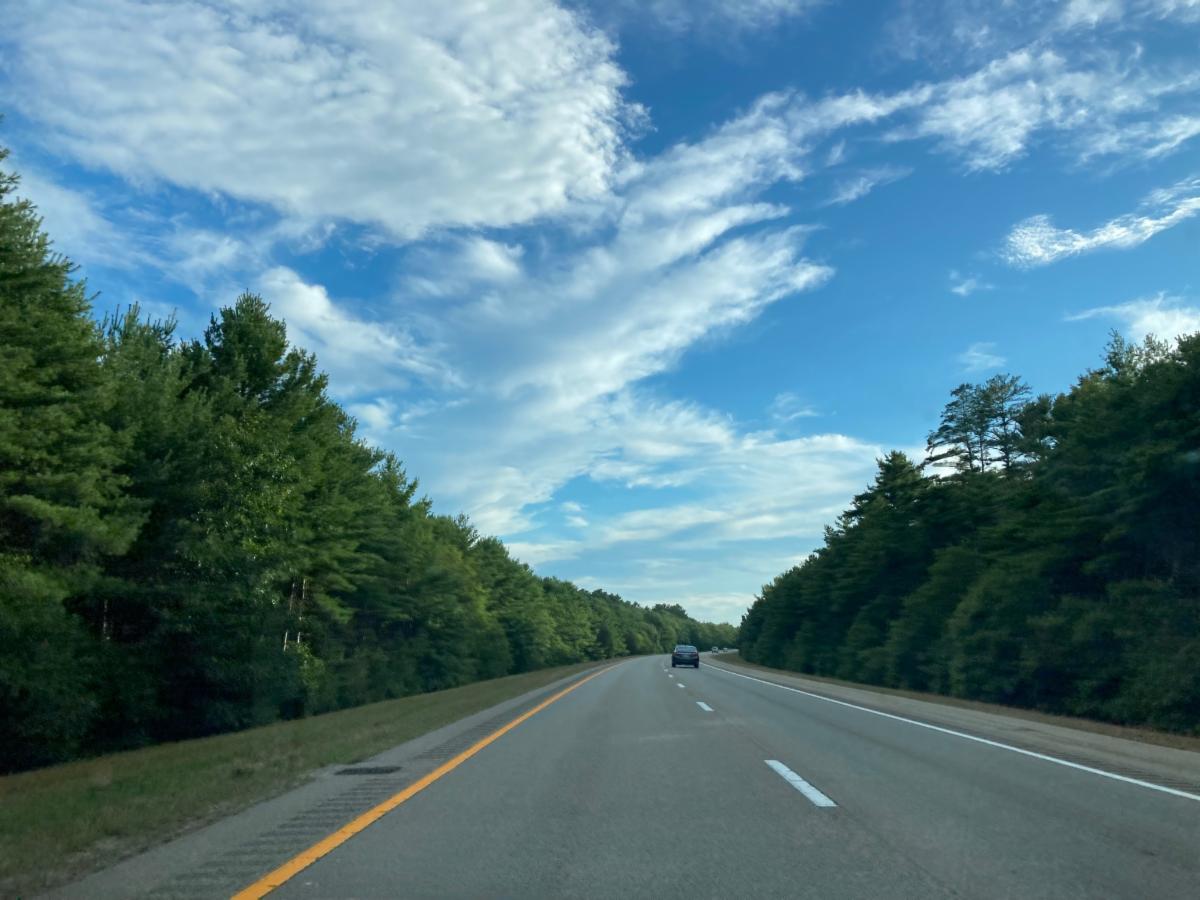
* The Wu Administration also needs to take on the state's highway department on the impact of urban highways on the health of Boston’s residents. The nearly always-jammed Southeast Expressway is a major source of pollution, which affects brain development in children, and the health of adults and elders. Studies have shown that planting evergreens along highways filters out pollution, yet the state Highway Department sees their highways which run through Boston only in terms of service to vehicles. State officials need to add public health to the Highway Department’s mission and come up with a plan to plant a wall of evergreen trees along the highways that go through Boston’s neighborhoods. Unlike the Southeast Expressway, when you drive to the Cape, most of your ride is through thick forest.
* The administration should also prevail on the new governor to ensure that the rebuilding of the parkways that go through the city (such as Morrissey Boulevard and Soldiers’ Field Road) are reclaimed as parkways, which were intended to have trees and other foliage, and be for pedestrians and bicycles as well as cars.
* Finally, the Urban Forest Plan calls for the creation of new space for trees. There are opportunities to return lost tree space to Franklin Park and preserve tree space in Hyde Park. Olmsted’s Franklin Park lost 13 acres in creating the Shattuck Hospital in 1949; that precious green space will come available when the hospital is demolished in 2024. In Hyde Park, 24 acres of trees known as Crane’s Ledge need protection from development.
Reclaiming the Shattuck land has been controversial but has the support of both former Governors Dukakis and Weld, and most park and open space advocates, who have identified alternative sites for the proposed development serving the homeless. Regarding Crane’s Ledge, ten acres are planned for development into an apartment complex. The Wu Administration has requested a change in design that would preserve more trees. Should Crane’s Ledge not be preserved, it would take a heck of a lot of street trees to replace the 24 acres of trees.
The heat experienced in the summer of 2022 should result in support for the Vision for Boston’s Urban Forest. This is just one part, but a major part, of what Boston needs to do to ensure that the city is livable for future generations.
|