Every day, individuals of the human race are forced to redeem with a surplus of love
one of the wrongdoings of racism.
Giacomo Debenedetti
|
|
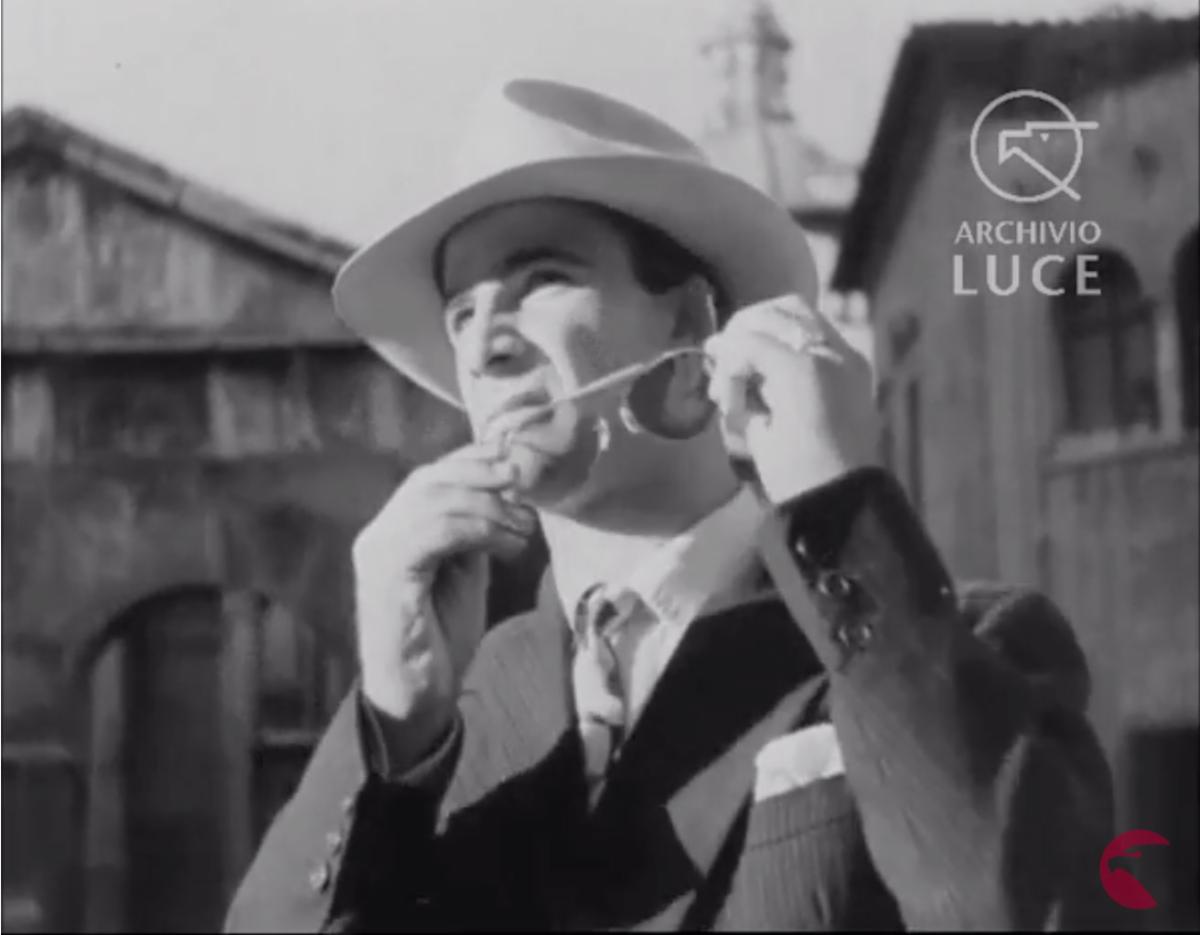
Israele a Roma, a film by Romolo Marcellini, 1948 |
|
January 31, 6:00 pm
THREE MEMOIRS OF FIUME
Caty Lager, Nora Tausz Ronai, Tatiana and Andra Bucci.
NYU Casa Italiana Zerilli Marimò
24 West 12th Street
From the library of Centro Primo Levi, we will read excerpts from the memoirs of Jewish women who grew up in Fiume and became victims of the Fascist persecution. Each had a different story. Dominique Kirchner Reill (University of Miami), Andra and Tatiana Bucci, Nora Tausz Ronai, Marsha Fink. Moderated by Natalia Indrimi.
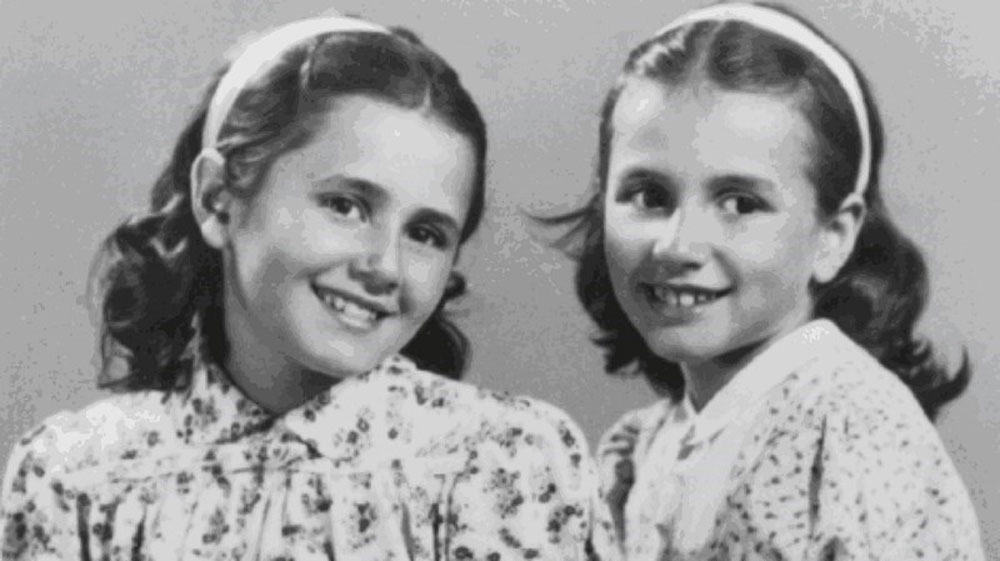
After the promulgation of the Racial Laws, Caty Lager and her cousins were taken by an aunt to the United States. She had trained since childhood to become a pianist and a dancer and found a safe haven in a sewing factory in the Bronx. Nora Tausz Ronai witnessed her father’s arrest in 1940. He was freed thanks to the intervention of a powerful friend and the claim that the family had converted to Catholicism. After struggling with many impediments, the Tausz family managed to get tickets and visas to reach Brazil. For Andra and Tatiana Bucci, their father’s Catholic religion was not considered sufficient to protect them when six and four year old were denounced and deported to Auschwitz with their mother. Against all odds, they survived and were reunited with their parents.
Fiume (today, Rijeka, Croatia) was a theater to the birth of fascism, the rise of nationalism, and the fall of empires after World War I. In 1919 the multicultural former Habsburg city was occupied by the paramilitary forces of the extremist poet-soldier Gabriele D’Annunzio. Many local Italians supported the effort, nurtured by a long-lasting nationalistic tale. After a period of turmoil and short-lived independence, between 1922 and 1924, the Fascist Regime led a full-fledged coup d’état and annexed the city. Thousands of Fiumani who identified as Croatians, Slovene, Hungarians became victims of legislative, political, and physical persecution. It was here that the first Fascist laboratory of ethnic cleansing took form. The Racial Laws left the entire Jewish community stateless and subject to immediate expulsion. The Laws were applied with unmatched violence. Many departed. Others managed to buy time foraging a predatory police department emboldened by its special status in a military zone. In 1940, when entering the war, the government ordered the immediate arrest of all foreign Jews who had remained in the country. Fiume’s Jewish men were arrested swiftly and en mass, including the elders and the sick, to be deported to various concentration camps in the peninsula. In 1943 the Germans occupied the region, maintaining the Italian civil administration in place. About 80% of the Jews who had remained in the city were deported with the pervasive collaboration of civilians and the local authorities.
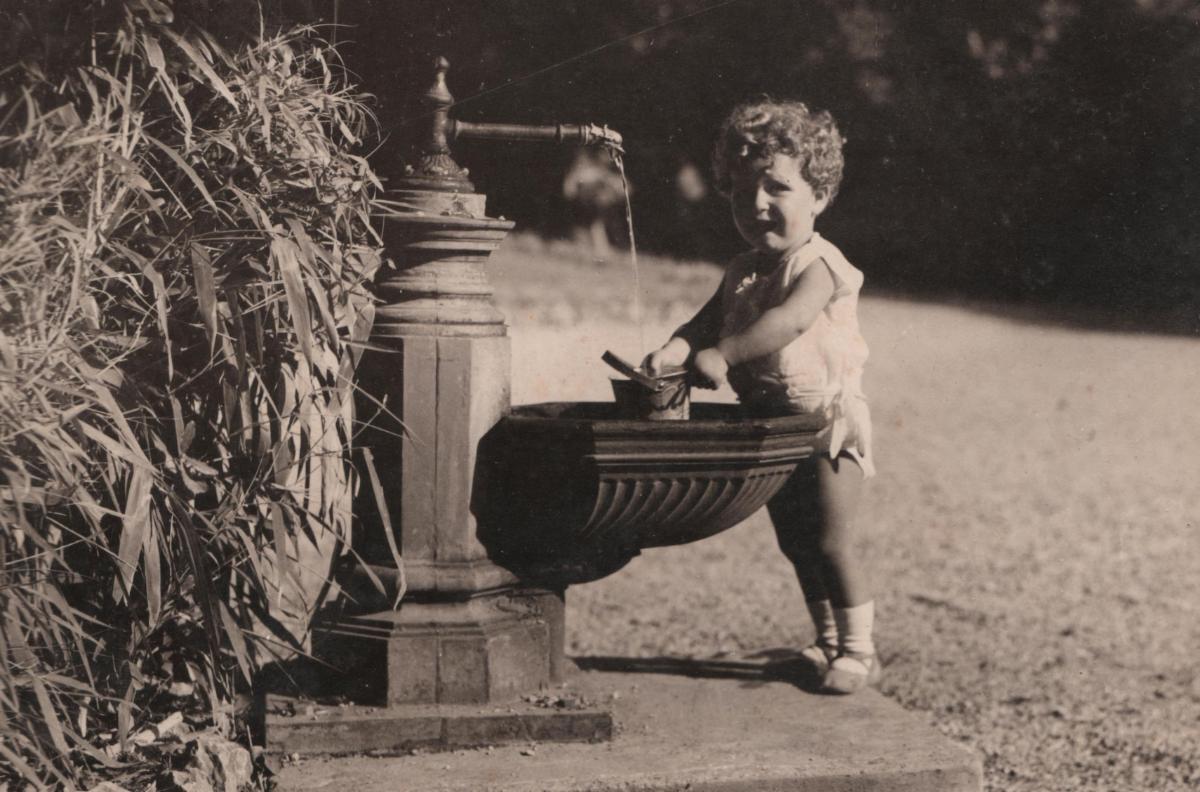
Image: Nora Tausz, photo by Edoardo Tausz, 1928 ca.
|
|
February 1, 5:30 pm
WHEN THE PAST WAS PRESENT
An early post-war representation of the deportation of the Jews of Rome.
Center for Italian Modern Art
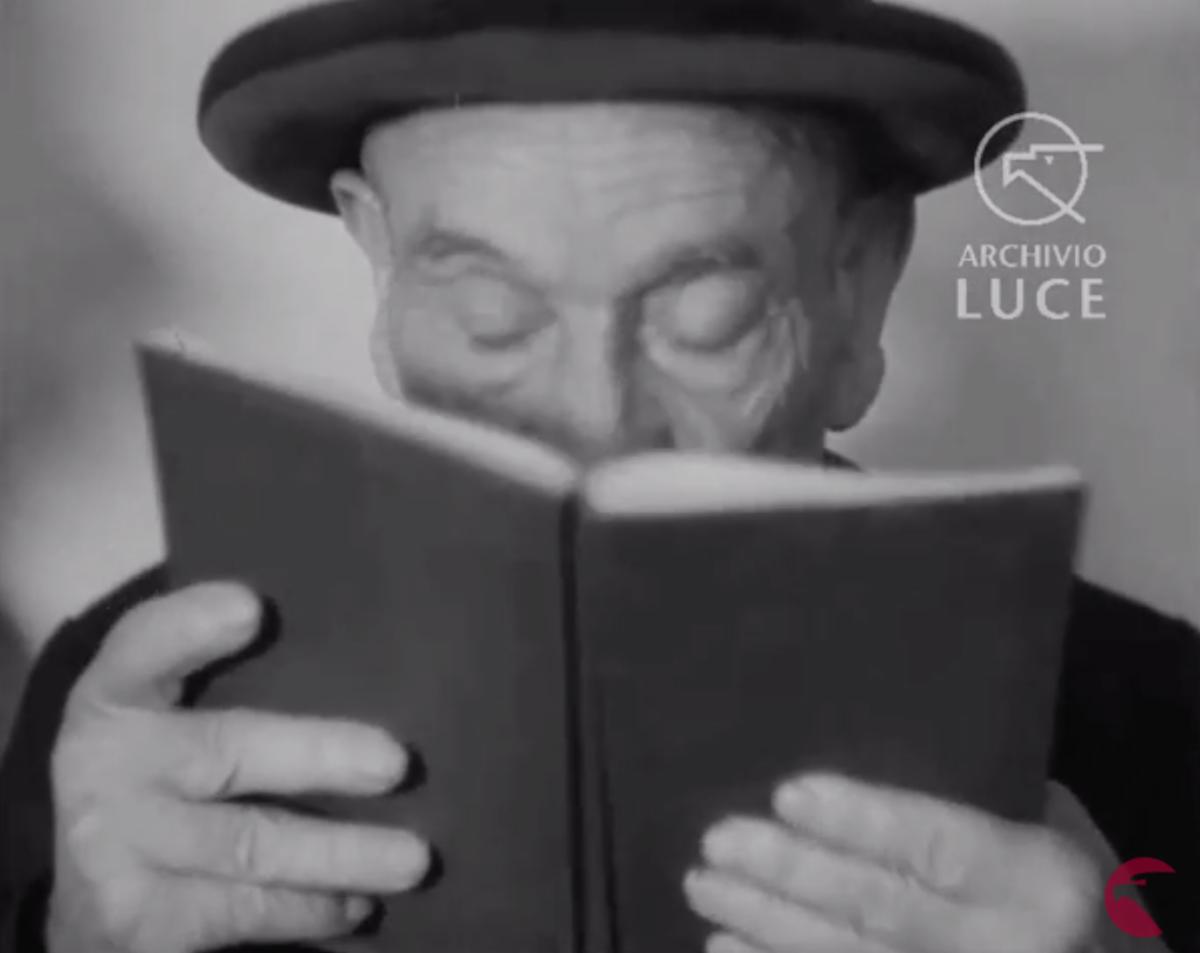
Ruth Ben Ghiat (New York University), Alexander Stille (Columbia University), Raffaele Bedarida (Cooper Union), and Natalia Indrimi (Centro Primo Levi NY) will present the film and propose some hypotheses on its history and production.
A group of scholars will discuss a little-known 1948 short film, one of the earliest public recollections of the deportation of the Jews of Rome, the exile, and the birth of the State of Israel. A particular set of circumstances makes the film intriguingly enigmatic. It was directed by Romolo Marcellini, a star of colonial cinema who, after the war, found his way into the film industry promoted by the American Office of Strategic Services and aimed at portraying the rebirth of a nation. The script is by Luigi Barzini Jr., a scion of a prominent family that loomed large in the Italian press since the Belle Epoque. Barzini Jr. graduated from Columbia University when the institution’s leadership flirted with the Regime. He went on to be the correspondent of Corriere della Sera in Fascist Italy. His father, Luigi Barzini Sr., was a senator and remained on Mussolini’s side during the Italian Social Republic, becoming director of Italy’s leading press agency, Agenzia Stefani. After the war, Luigi Barzini Jr., with clearance from the Allied authorities, founded the press agency Libera Stampa and continued his career as a screenwriter and one of the editors of the prestigious media group La Settimana Incom. The context that originated this film is unknown. Undoubtedly someone guided the director and the writer through the recent memories of Roman Jews. Someone who knew well not only the story and the wounds, but also the streets, places, and religious rituals. Someone who helped mediate between the small Italian Jewish world brutally betrayed by its own country and a new republic that reluctantly had to come to terms with the sight of its recent past.
|
|
Always Remember your Name
Ruth Franklin on Andra and Tatiana Bucci's memoir.
By all rights, this book should not exist. The survival of anyone imprisoned in the vast death factory of Auschwitz is unusual enough. But the survival of a child is another matter entirely. Those tall or strong enough to pass—“eighteen,” prisoners whisper to new arrivals in Imre Kertész’s autobiographical novel Fate lessness, “tell them you’re eighteen”—were treated as adults, laboring and suffering alongside the general population of prisoners. But almost all young children, as Tatiana and Andra Bucci acknowledge in their astonishing memoir, were murdered by the Nazis immediately upon arrival. Read
|
|
Centro Primo Levi is the recipient of the endowment fund established by the Viterbi Family in memory of Achille and Maria Viterbi. CPL's activities are supported by Lily Safra, Jeffrey Keil & Danielle Pinet, Sarah Wolf Hallac and Toby Wolf, Robert S. and Ellen Kapito, Peter S. and Mary Kalikow, Claude Ghez, Joseph and Diane Steinberg, Alan and Caryn Viterbi, Ezra K. Zilkha z'l, Andrew and Joan Milano, Leonard Groopman and Yasmine Ergas, Lice Ghilardi, Bruce Slovin and Francesca Slovin z'l, Georgette Bennett and Leonard Polonsky, Ira and Andrea Jolles, Alan Berro, Isabelle Levy and Nugi Jakobishvili.
|
|
DONATE TODAY Centro Primo Levi is a 501 (C)(3) non-profit organization
|
|
|
|
|
|
|