An ILI Project Profile
The building capacity for ASD project is a 2.5-year NSF AISL pilot project. The project is a partnership between ILI, Southwest Autism Research & Resource Center (SARRC), Arizona SciTech, and 4 science centers in Phoenix, Arizona. The project seeks to increase true inclusion for individuals on the autism spectrum. We hope to improve their participation, integration, and STEM learning. The project has four major strands. Strand one professional learning research, led by ILI. Strand 2, research with families who have a child on the spectrum, led by SARRC. Strand 3 professional inclusion training, led by SARRC. Strand 4 a landscape study on the communication of inclusive offerings at museums nationwide, led by ILI. Each stand has had a busy and successful year! Below are a few examples of the activities we’ve been up to and what we are learning.
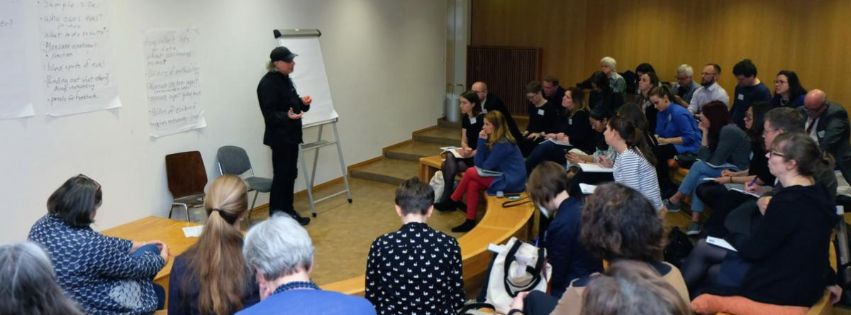
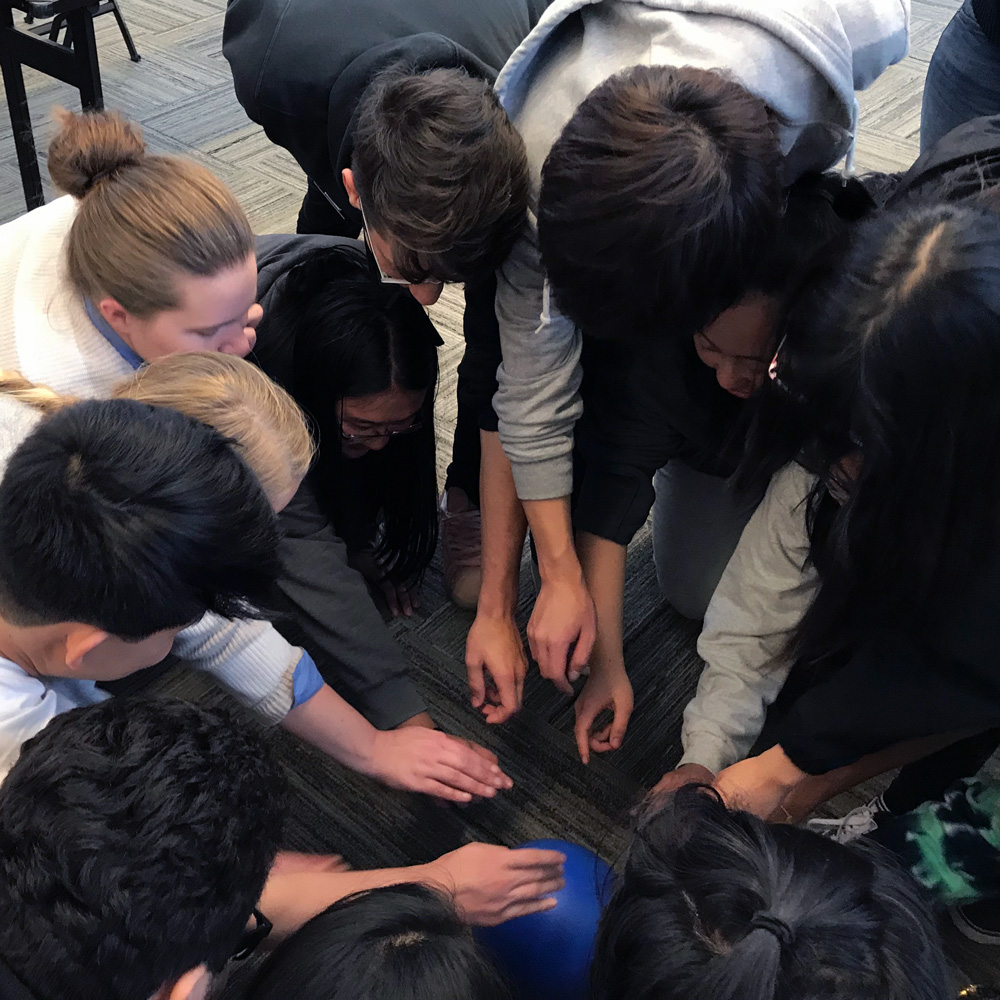
As part of the professional learning research, we led the 4 museums in a 2-day workshop in January. Day 1 of the workshop included a “Project Charette” - with Guest Facilitator Beth Redmond Jones. Each museum presented its inclusion project concept and received feedback and suggestions from the entire group and the project advisory committee.
The professional learning training the museums received included weekly, hands-on consultation sessions at each museum focused on the implementation of inclusive practices. A total of 315 consultation hours were conducted across the four museum locations, ranging from 52- 104 hours.
Survey data was collected from parents of children (ages 11-18) with ASD that visited an ISE between 2016-2019 (n=93). 38% of youth experienced a negative interaction with staff or other visitors. Following the training staff received and institutional project implementation, we are selecting 20 families to visit our museum partners, to understand the effectiveness of our approach: 1) the community attitudes survey, and 2) the data collected from families after they visit the control museum.
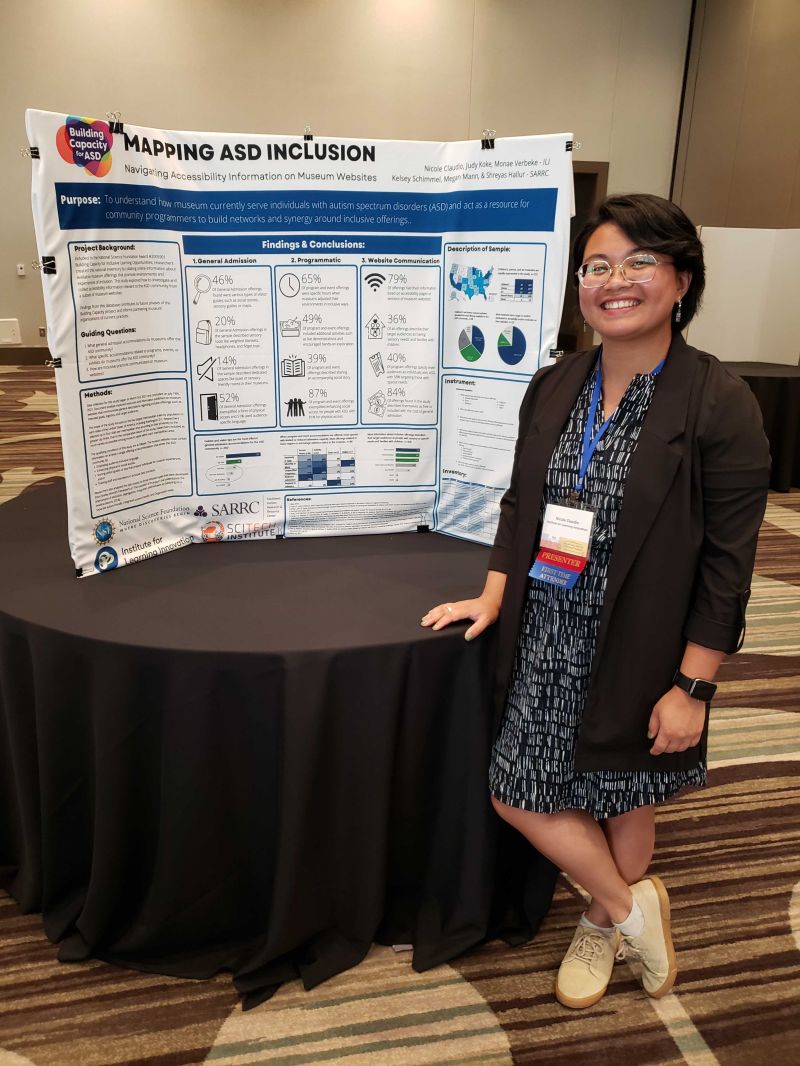
The National Inventory captured a snapshot of how 200 museums currently communicate their accessibility offerings on their websites. The process to locate information about accessibility offerings at each museum we investigated has been challenging but interesting. This was affected by factors such as differing website layouts, differing ‘headings’ or categories under which accessibility information was presented (ex: Programs, Access, Family, Visit Us), and inconsistent maintenance of website information.
We anticipate that this project will prepare staff for both engaging with and supporting neurodiverse individuals and will encourage ISLs to commit to more inclusive, accessible STEM learning activities and exhibits that improve STEM learning outcomes for these and all individuals. Furthermore, it is hypothesized that participation in ISL will help to build interpersonal skills critical to successful interactions in society, STEM education, and careers for individuals with ASD. These efforts will be extended to additional ISLs and audiences in Phase II of the longitudinal study, paving the way for broader engagement across various types of ISL institutions.
|