|
Please share a bit of your story and how your cultural background shapes your experience in the autism community.
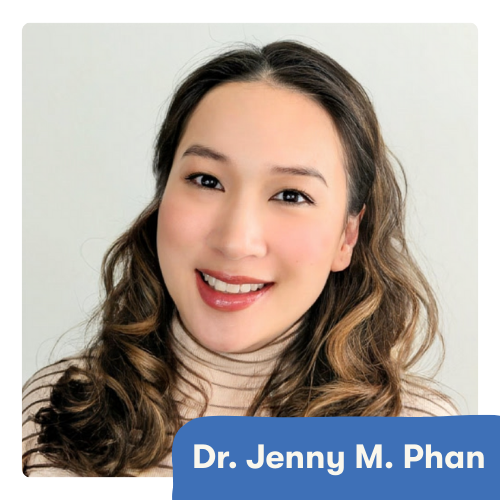
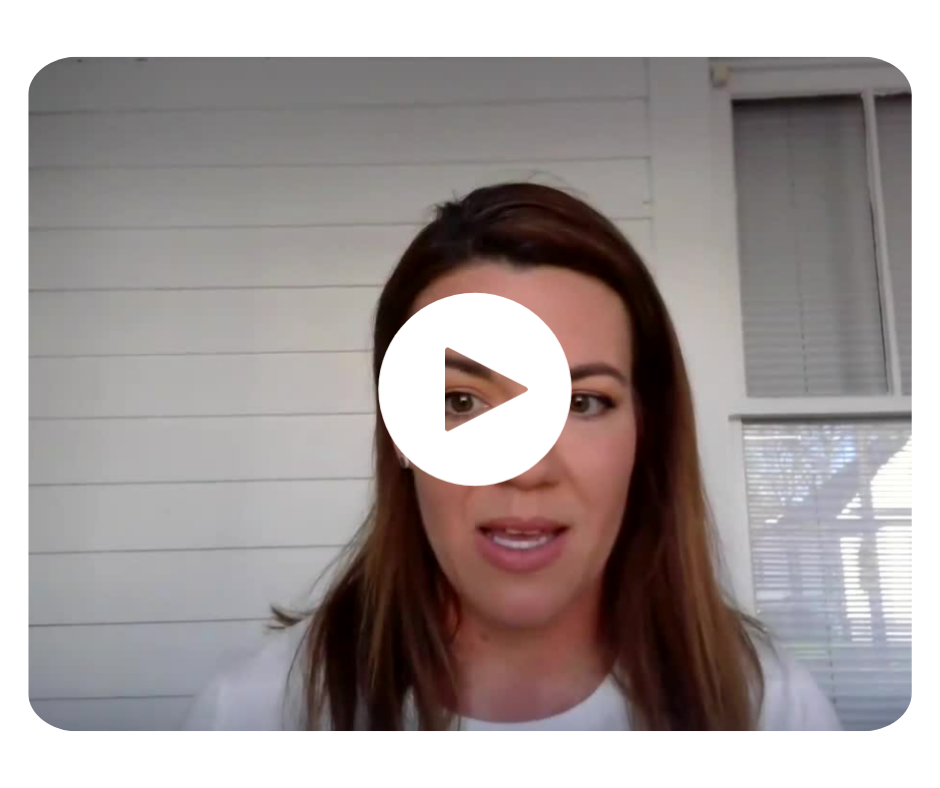
Dr. Phan: I am an Asian American autistic woman of Vietnamese descent who was diagnosed later in life, after becoming a developmental scientist and a mother to autistic children. Growing up in a low-income refugee family, where mental health and disabilities were highly stigmatized, I masked my struggles and internalized stress, often mistaken for shyness or perfectionism. It wasn’t until I became a parent and researcher that I recognized my neurodivergence, and now I work to bridge that gap for others in our community.
What are some common misconceptions or stigmas within the AANHPI community?
Deep-rooted stigmas around disability persist in many AANHPI cultures, including harmful beliefs that autism is caused by poor parenting, personal failure, or something to be hidden. These misconceptions — often tied to historical trauma, misinformation, and limited access to culturally responsive education — can delay support, especially for girls and women. Language barriers, system mistrust, and pressure to prioritize academic success over mental health further complicate access to care for autistic AANHPI individuals and their families.
What would you tell other AANHPI families navigating an autism diagnosis for the first time?
You are not alone, and your child’s diagnosis is not a disease. It's a different way of experiencing the world, and there's strength in that difference. It's okay to grieve, ask questions, and advocate fiercely. But remember: your child is the same person they were before the diagnosis. Reaching out for help is not a sign of weakness; it’s a powerful act of love and shows admirable strength. Surround yourself with people and professionals who see your child’s full humanity, and don’t be afraid to bring your cultural values into the conversation. The road ahead may be unfamiliar, but it doesn’t have to be traveled in isolation.
|