Latest news


Improving diabetes outcomes in community health centers


Learning collaborative brings together 9 Federally Qualified Health Centers in Washington to boost patient-centered diabetes care 

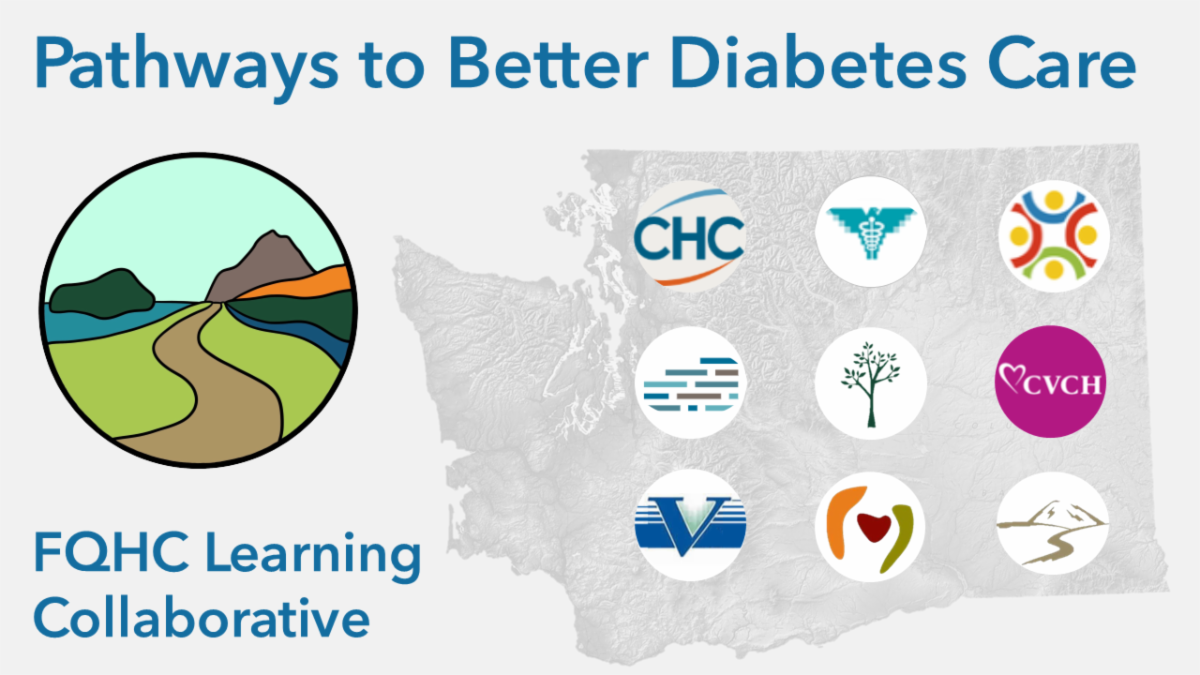
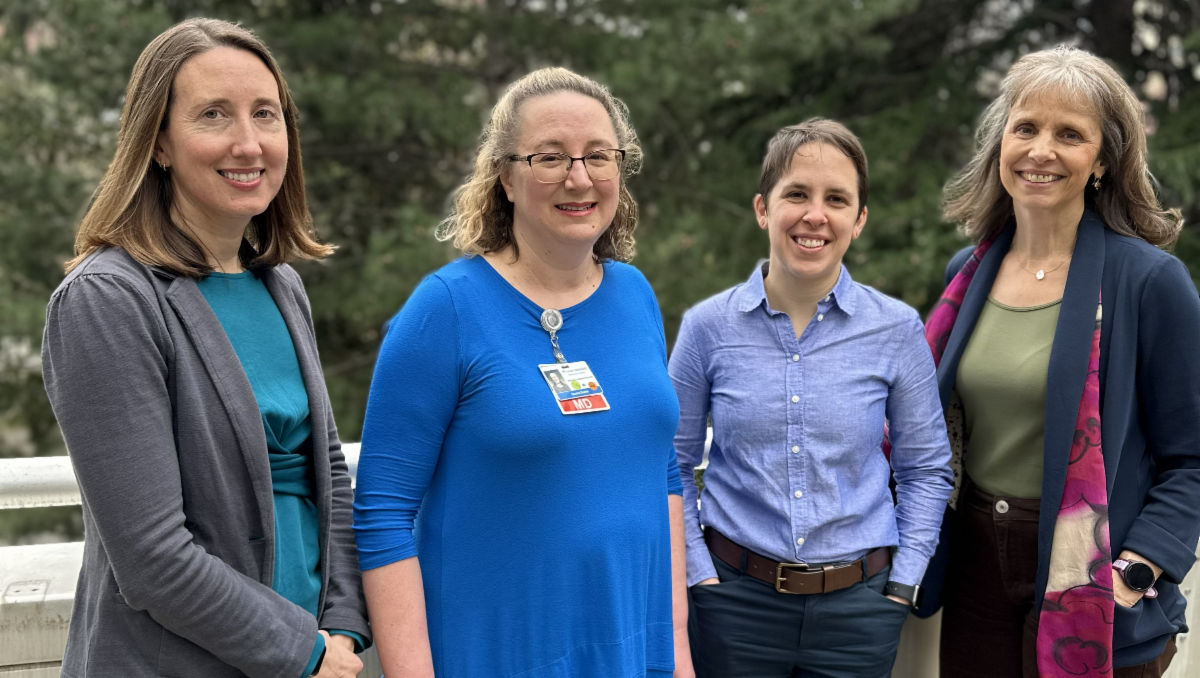
The ACT Center is partnering with the Washington Association for Community Health (WACH) to lead a learning collaborative that is engaging Federally Qualified Health Centers (FQHCs) in a 15-month effort to improve diabetes care and outcomes. Launched in January, Pathways to Better Diabetes Care brings together 9 FQHCs from across Washington state to share best practices, learn from experts, and test new evidence-based approaches to diabetes care. In this Q&A, team members from WACH and the ACT Center talk about how the collaborative came together, how the participating health centers are engaging, and what they hope to learn and achieve together.


Closing the gap in recognizing cognitive impairment


How Kaiser Permanente Washington is leveraging research to improve dementia screening, diagnosis, and care 

Underdiagnosis of dementia is a common problem nationwide: About half of people living with dementia don’t know they have it because they haven’t been diagnosed. Kim Painter, Kaiser Permanente Washington's special populations medical director, recognized this problem and engaged the ACT Center in a Learning Health System (LHS) Program project that will leverage the research and expertise of Kaiser Permanente Washington physician scientist Sascha Dublin. This new ACT Center partnership is focused on implementing a practical, sustainable approach to ensuring all older patients who might benefit from a dementia assessment are offered screening and follow-up support.


Lessening the impact of wildfires on people with asthma 


Meagan Brown and Raj Sundar co-lead wildfires-asthma project via a fellowship grant from UW Center for Health and the Global Environment

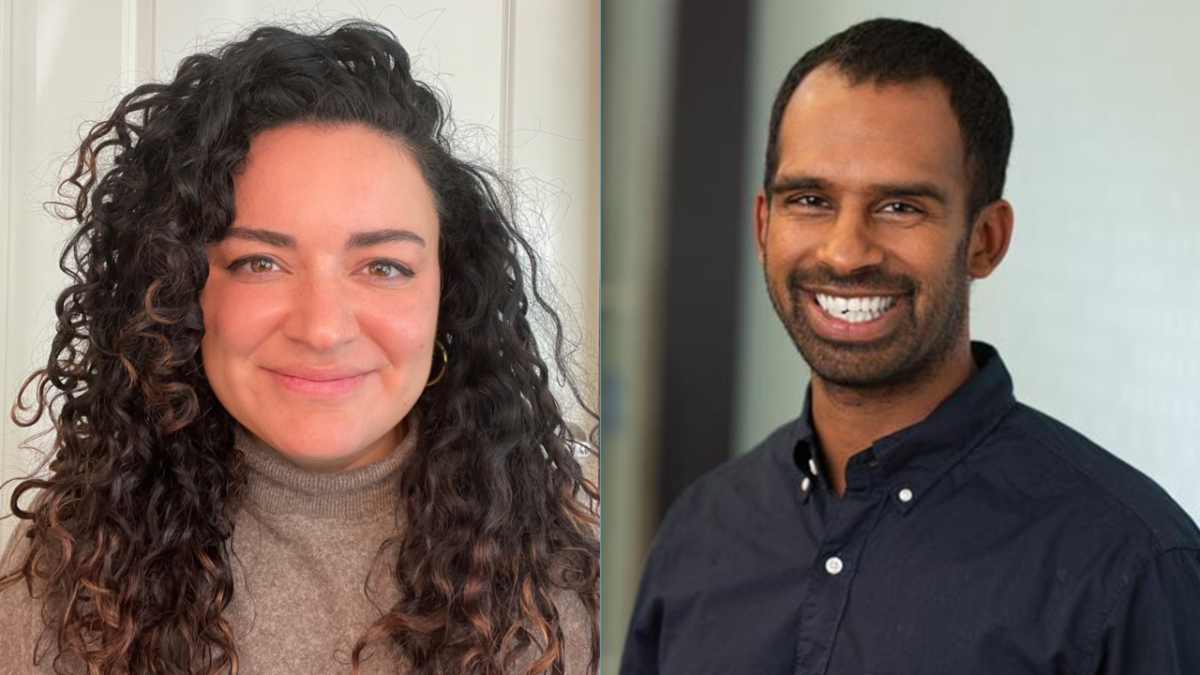
The effects of climate change — such as increasing wildfires — can intensify the impact of social needs and worsen chronic illnesses such as asthma among people who may already be facing housing insecurity, barriers to accessing health care, or lack of knowledge about steps they can take to try to stay healthy. Thanks to a $65,000 fellowship grant from the University of Washington, ACT Center social health researcher Meagan Brown and Kaiser Permanente Washington physician Raj Sundar are working together to create easy-to-use tools to help primary care teams talk with members about practical ways to keep their asthma from getting worse when wildfires strike.


Learning Health System Program spotlight


Bringing evidence-based treatment to more Kaiser Permanente Washington members with substance use disorder (SUD)


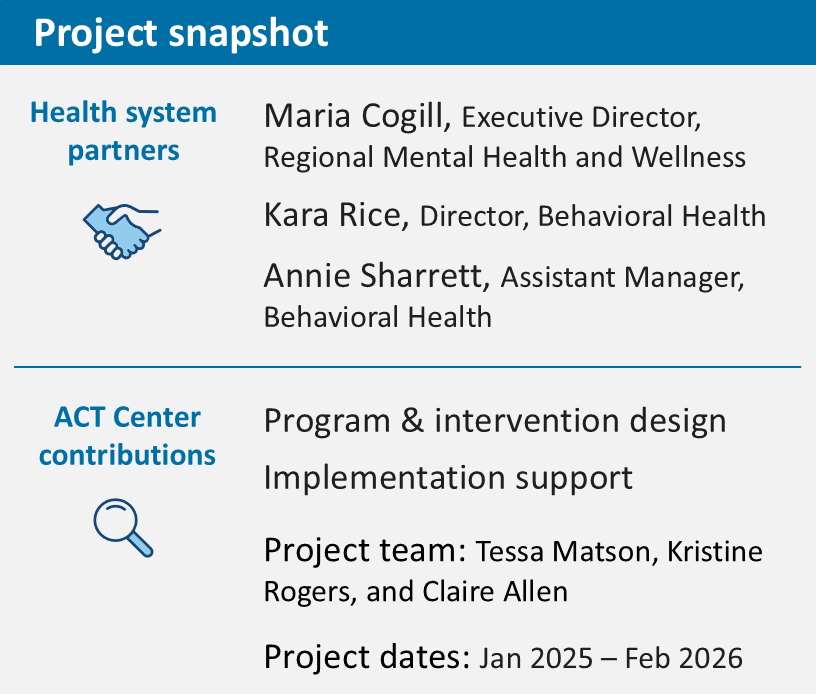
How the ACT Center partnered with Mental Health and Wellness leaders to improve initiation and engagement in SUD treatment

The objective

Substance use disorder (SUD) affects 17% of adults in the United States and is a leading cause of preventable death and disability. Despite effective, evidence-based options, only 4% of people with SUD receive treatment. In partnership with the ACT Center, Kaiser Permanente Washington leaders in Mental Health and Wellness (MHW) are aiming to close this gap through a new, proactive approach to connecting patients with SUD to treatment. In addition to improving member experience, the team prioritized improving HEDIS quality metrics related to SUD treatment.


The work

ACT Center experts in SUD and clinical implementation worked with MHW leaders to:

  • Map evidence-based workflows to support outreach and follow-up with 4 high-priority patient populations
  • Build and implement an Epic registry for identifying priority patients, following up with them, and tracking their progress
  • Provide training and implementation support for the registry, including creating huddle cards, job aids, and non-stigmatizing scripts to facilitate outreach to patients
  • Develop Epic reports for MHW leaders to track and monitor program outcomes


What we learned

To align program goals with HEDIS metrics, the team started by better defining the intervention approach and determining what operational and technical supports were needed. Historical data highlighted key gaps in follow-up care — particularly after emergency department visits — and identified opportunities to improve timely treatment initiation. At the same time, changes in addiction service delivery at Kaiser Permanente Washington made it more urgent to build a coordinated, system-wide approach to connecting patients to care. 


What we've done to improve clinical care 

The team launched a new Behavioral Health Outreach Team supported by the standardized workflows, Epic registry, and real-time reporting tools co-developed with the ACT Center. This gives Kaiser Permanente Washington a sustainable, evidence-based infrastructure for delivering more timely, coordinated, and patient-centered SUD care — laying the foundation for ongoing improvements in treatment initiation and engagement. 


People & programs


News from KP's Social Needs Network for Evaluation and Translation

Kaiser Permanente's Social Needs Network for Evaluation and Translation (SONNET) brings together researchers and operational leaders to help address the social needs of members in all 8 Kaiser Permanente regions. Led by ACT Center team member Meagan Brown and funded by the Kaiser Permanente Office of Community and Social Health, SONNET taps into enterprise-wide research capabilities to inform regional and systemwide efforts to assist members who want help with social needs. Learn more in this recent story: Get to know SONNET. 


New SONNET research combines family-based diabetes support with social care navigation


SONNET recently launched an externally funded study to address disparities in diabetes outcomes among Native Hawaiian and Pacific Islander communities. With $880K from the National Institute of Diabetes and Digestive and Kidney Diseases, the study will explore family-based diabetes self-management education in conjunction with member support via community health worker–led social care navigation. Read the full story: Hoʻokele: Advancing diabetes equity through family, navigation, and ceremony.

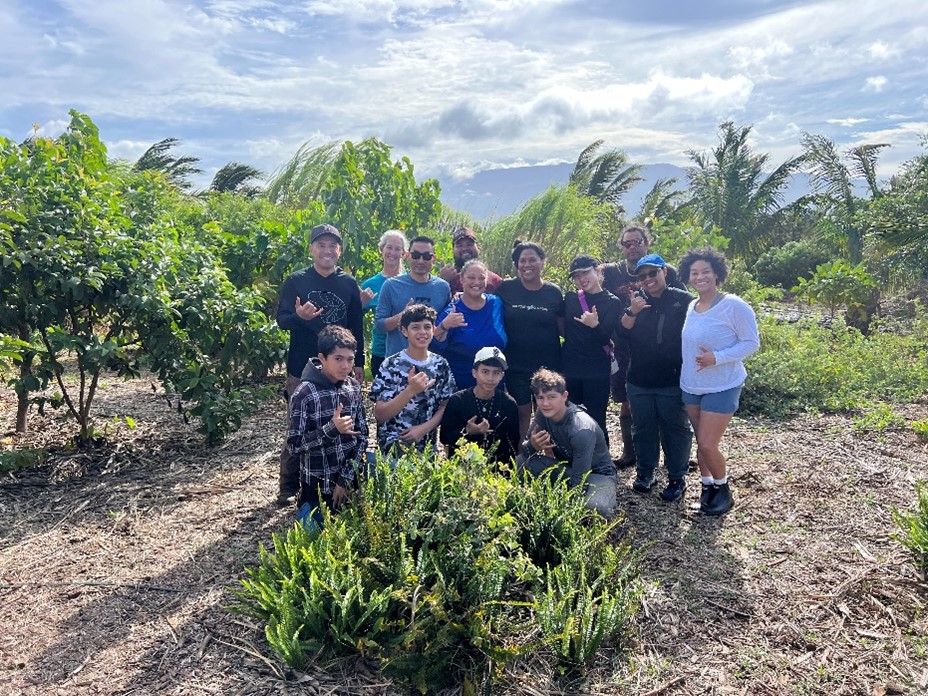
Hoʻokele research team and community partners, in a traditional medicine farm in the shadow of Haleakalā on Maui


Stay in touch


We'd love to hear what you're working on! Email us at act-center@kp.org.


Did you miss our last newsletter? Read the previous issue.


Follow us on LinkedIn or share this email with your network:

LinkedIn
LinkedIn Share This Email


We at the Center for Accelerating Care Transformation would like to acknowledge that we are on the ancestral lands and traditional territories of the Puget Sound Coast Salish People.


© 2026 Center for Accelerating Care Transformation (ACT Center)


Masthead photography and design by Robert Frazier.