|
The fight to protect America's historic preservation laws is moving to the next stage, and Arizona's preservation community needs to make its voice heard.
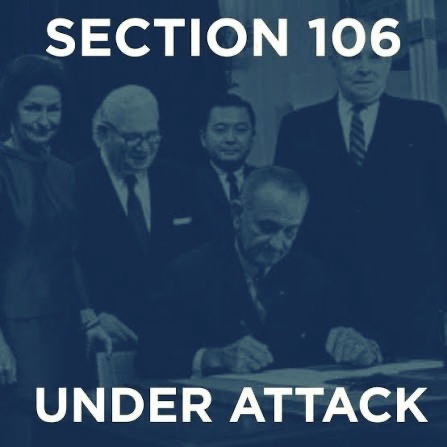
On November 19, the U.S. Senate voted 62–33 to pass the Bipartisan American Affordability and Jobs Act (BAAJA), a sweeping energy permitting reform bill that includes significant changes to the National Historic Preservation Act (NHPA). Despite an unprecedented effort by preservation advocates to remove the damaging historic preservation provisions, the Senate passed the legislation without considering the proposed amendments. This is a serious setback for historic preservation. But the fight is not over.
The legislation now moves to the U.S. House of Representatives, which is scheduled to return from its Thanksgiving recess on December 1. The House could act quickly. Arizona's nine members of Congress need to hear from their constituents before that happens.
Where Arizona's Senators Stand
Arizona's two U.S. senators took different positions on the final legislation.
Senator Mark Kelly voted against BAAJA. Kelly also supported Senator Adam Schiff's (D-CA) amendment to remove the historic preservation provisions from the bill. His opposition deserves recognition and thanks from Arizona's preservation community.
Senator Ruben Gallego voted in favor of BAAJA, despite expressing reservations about the legislation. Gallego supported the Schiff amendment, which sought to eliminate Title III's historic preservation provisions. However, he ultimately voted for the final bill. According to reporting in The New York Times, Gallego expressed frustration that the legislation could have been substantially improved. He also criticized political maneuvering that prevented consideration of amendments addressing concerns raised by Native American tribes and preservation advocates.
The distinction matters. Supporting an amendment to protect preservation is important, but the final vote determines whether the legislation advances. BAAJA passed with Gallego's support. The Senate debate demonstrated that preservation concerns have gained considerable attention. Senator Schiff's amendment attracted 37 cosponsors. That is significant progress, and we need to build on it in the House.
Why Should Arizona Care?
Arizona's historic places are more than buildings and landmarks. They tell the story of our communities, our diverse cultural heritage, and the people who shaped this state. From historic downtowns and Route 66 communities to archaeological sites, historic neighborhoods, ranches, mining towns, and places important to Tribal Nations, Arizona has an extraordinary historic and cultural legacy.
The National Historic Preservation Act provides an essential framework for identifying and protecting these resources when federal projects are proposed.
BAAJA's Title III would substantially weaken that framework. Among its potential consequences are:
-
Reduced preservation review. The legislation would exempt broad categories of federally funded projects from established historic preservation review requirements.
-
Weakened public participation. Communities could lose meaningful opportunities to participate in decisions affecting historic places.
-
Less state and Tribal consultation. The role of State Historic Preservation Offices and Tribal Historic Preservation Offices would be diminished.
-
Greater risk to historic resources. Projects could move forward without adequate consideration of their effects on historic buildings, archaeological sites, cultural landscapes, and other important resources.
These changes could have lasting consequences for Arizona. They also risk creating more conflict and costly delays by excluding the very people and organizations with the knowledge needed to identify potential problems early.
The National Historic Preservation Act has served the country for 60 years. We should be strengthening its protections, not dismantling them in the name of permitting reform.
Now is the Time to Contact Your Arizona Representative
The focus of our advocacy now shifts to the U.S. House of Representatives. We are asking Arizona preservation advocates, historical societies, museums, neighborhood organizations, local governments, preservation professionals, and concerned citizens to contact their members of Congress. Ask your Representative to OPPOSE BAAJA in its current form and vote NO if the legislation comes to the House floor.
Here are three things you can do today:
1. Call your Representative. Call the U.S. Capitol switchboard at 202-224-3121. Ask to be connected to your Representative's office. Identify yourself as a constituent and explain why protecting historic preservation matters to you and your community.
Suggested talking points (personalize as you see fit): "Hello, my name is [NAME], and I am a constituent from [CITY/TOWN], Arizona. I am calling to urge Representative [NAME] to oppose the Bipartisan American Affordability and Jobs Act (BAAJA). Although permitting reform may be a worthwhile goal, this legislation goes too far. Its historic preservation provisions would weaken the National Historic Preservation Act, diminish public participation, and reduce meaningful consultation with state and Tribal preservation offices.
Arizona has an extraordinary collection of historic buildings, archaeological resources, cultural landscapes, and places important to Tribal Nations. These resources deserve thoughtful consideration when federal projects are proposed. Please stand up for Arizona's historic places and vote NO on BAAJA in its current form. Thank you."
2. Send an email to your Representative. Preservation Action has prepared an online advocacy letter that you can personalize and send directly to your Representative. Send your letter to Congress here.
You can also contact your Representative directly through their congressional website. Find Your Arizona Representative here.
3. Share this action alert. Forward this message to your organization's members, board members, preservation partners, local historical societies, museums, elected officials, and community leaders. Encourage them to make their own calls and send their own messages. Individual voices matter. The combined voices of Arizona's preservation community can make a difference.
Arizona's Historic Places Need Your Voice
The Senate vote was disappointing, but it also demonstrated that historic preservation is an important part of the national conversation about permitting reform. We should not allow the urgency of energy development and infrastructure improvements to come at the expense of the laws and processes that protect our nation's cultural heritage.
Arizona has much to lose if these provisions become law. Our historic downtowns, archaeological resources, historic neighborhoods, and Tribal cultural sites deserve better. The House is the next opportunity to stop this legislation. Contact your Representative today.
Our historic places cannot speak for themselves. We must speak for them.
|