|
AFWA Invasive Species Committee
Invasive Species Quarterly
Newsletter
Resources for Fish & Wildlife Managers
Q2 - April – June 2026
| | |
This quarterly update highlights key science, policy developments, and news from April through June 2026 to support fish and wildlife managers addressing invasive species challenges. As always, please email me with questions or items for the next issue.
Melanie Steinkamp msteinkamp@fishwildlife.org
| | |
2026 AFWA Annual Awards - Nominations Due July 1
Please consider nominating an outstanding individual, team, or partner who have made exceptional contributions to fish and wildlife conservation. Award recipients will be honored at the 2026 AFWA Annual Meeting and featured in the Annual Report.
Nominations are due July 1, 2026. Learn more about the awards program and nomination criteria here and submit nominations to Patricia Allen at pallen@fishwildlife.org.
| | |
📚 New Publications— Q2 2026
Peer-reviewed articles and reports of note. Open Access and subscription-required items are indicated where known.
| |
Note: some papers were published in 2025 but have recently received attention in the news and are therefore included here:
Invasive golden oyster mushrooms are disrupting native fungal communities as they spread throughout North America
Veerabahu, A., Banik, M.T., Lindner, D.L., Pringle, A., Jusino, M.A. (2025). Current Biology 35(16): 3994–4002. | USFS Research page: research.fs.usda.gov
Researchers from the University of Wisconsin–Madison found that the golden oyster mushroom (Pleurotus citrinopileatus), an edible fungus introduced from eastern Asia for commercial cultivation, has escaped into North American forests and spread rapidly since around 2010. Field surveys in Wisconsin showed that wood colonized by the species had significantly different fungal community composition and lower fungal species richness than uncolonized wood. Using community science observations, the researchers documented the mushroom in 25 U.S. states and one Canadian province and projected that climate change could expand the areas suitable for its establishment.
Drift and dispersion of silver carp (Hypophthalmichthys molitrix) eggs and larvae for hypothetical spawning scenarios in the Upper Mississippi River
LeRoy, J.Z. et al. Scientific Reports 16, Article 14421 (2026).
https://doi.org/10.1038/s41598-026-14421 | Open Access
Using the USGS Fluvial Egg Drift Simulator (FluEgg), researchers modeled 450 hypothetical silver carp spawning scenarios across Pools 1–10 of the Upper Mississippi River—a reach where adult invasive carp have been detected but reproduction has not yet been confirmed. Key findings for managers: eggs spawned upstream of Lake Pepin (Pool 4) are likely to settle in the lake before hatching under a wide range of flow and temperature conditions, potentially increasing egg mortality. Eggs that survive passage through Lake Pepin generally reach gas bladder inflation within the study area, except under lower temperatures and higher flows. In contrast, larvae originating downstream of Lake Pepin typically drift out of the study area before reaching gas bladder inflation, except under warmer temperatures and lower flows.
Invasive carps vs. native fish: a first-pass trait-based index for assessing competition threats
Miranda, L.E. & Angulo-Valencia, M.A. Frontiers in Freshwater Science 4: 1764296 (2026).
Using dietary and habitat trait data for native fish species in Tennessee River reservoirs accessible to bighead and silver carp, researchers developed a first-pass index to assess the degree of overlap and the threat of competition between invasive carps and native fishes. The tool provides managers with a rapid method to prioritize which native species warrant the closest monitoring as invasive carp continue to expand their range.
The golden mussel Limnoperna fortunei (Dunker, 1857) arrived in North America
Morais, P. Diversity 18(5): 246 (2026). https://doi.org/10.3390/d18050246 | Open Access
Following the first North American detection of golden mussels (Limnoperna fortunei) in Stockton, California, in October 2024, the invasion front advanced approximately 707 km south to Sweetwater Reservoir in San Diego County by April 2026, closely tracking California's major water delivery systems. The paper documents the species' introduction and rapid spread, highlights key invasive traits, assesses potential ecological and infrastructure impacts in California, including risks to the Sacramento-San Joaquin Delta, which supports endangered species and supplies water to 30 million people and 790,000 hectares of farmland, and proposes an innovation-driven management framework. Ballast water is identified as the most likely introduction pathway.
Regional simulation modeling framework for evaluating invasive annual grass management across the sagebrush biome
Orning, E.K. et al. Biological Conservation (2026). https://doi.org/10.1016/j.biocon.2026.111720 | Subscription Required
Researchers co-developed a spatially explicit simulation model with natural resource managers to evaluate large-scale management strategies for invasive annual grasses across the sagebrush biome. The model found that targeting areas with moderate-to-high invasive grass cover reduced full conversion of sagebrush habitat, but core sagebrush areas remained vulnerable to invasive grass establishment, increased wildfire risk, and habitat degradation even under baseline management scenarios. The framework provides a platform for evaluating alternative management strategies and can help managers prioritize conservation investments and develop long-term plans across broad landscapes.
Invasive annual grass relationships to environment and grazing vary with species identity
Dennis, R. et al. Biological Invasions (2026). https://doi.org/10.1007/s10530-025-03719-w | Subscription Required
A large-scale field survey of grazed public lands across the Northern Great Basin found that the four major invasive annual grasses - cheatgrass, Japanese brome, medusahead, and ventenata - differ substantially in how they respond to fire history, elevation, climate, and grazing pressure. Cheatgrass was widespread across nearly all site conditions, while the other three species showed more distinct responses to environmental and management-related factors.
Annual grass invasion is transforming the sagebrush biome's songbird communities
Hobart, B.K., et al. Frontiers in Ecology and the Environment 24: e70024 (2026). https://doi.org/10.1002/fee.70024 | Subscription Required
Using long-term bird monitoring data across the sagebrush biome, researchers found that although local songbird diversity often increased in areas invaded by annual grasses, those gains masked broader shifts in bird community composition across the region. The study found that invasive grass expansion favored habitat generalists over specialists and identified priority areas for conserving sensitive songbird species.
Density estimates of endangered endemic rodents suggest broader impacts of invasive Burmese pythons following a category 4 hurricane in the Florida Keys
Sayers, S.M. et al. Biological Diversity (2026). https://onlinelibrary.wiley.com/doi/10.1002/bod2.70027 | Open Access
A long-term study of two endangered rodent subspecies, the Key Largo woodrat (Neotoma floridana smalli) and Key Largo cotton mouse (Peromyscus gossypinus allapaticola), documented different population trends from 2017 to 2024. Woodrat populations declined following Hurricane Irma and increasing detections of invasive Burmese pythons, while cotton mouse populations increased over the same period. The findings highlight that native species can respond very differently to multiple environmental stressors, including invasive predators and extreme weather events.
Double agents: invasive Burmese pythons (Python bivittatus) and Argentine black and white tegus (Salvator merianae) as potential seed dispersers in South Florida
Figueroa, A. et al. Journal of Zoology (2025). https://doi.org/10.1111/jzo.70082 | Open Access
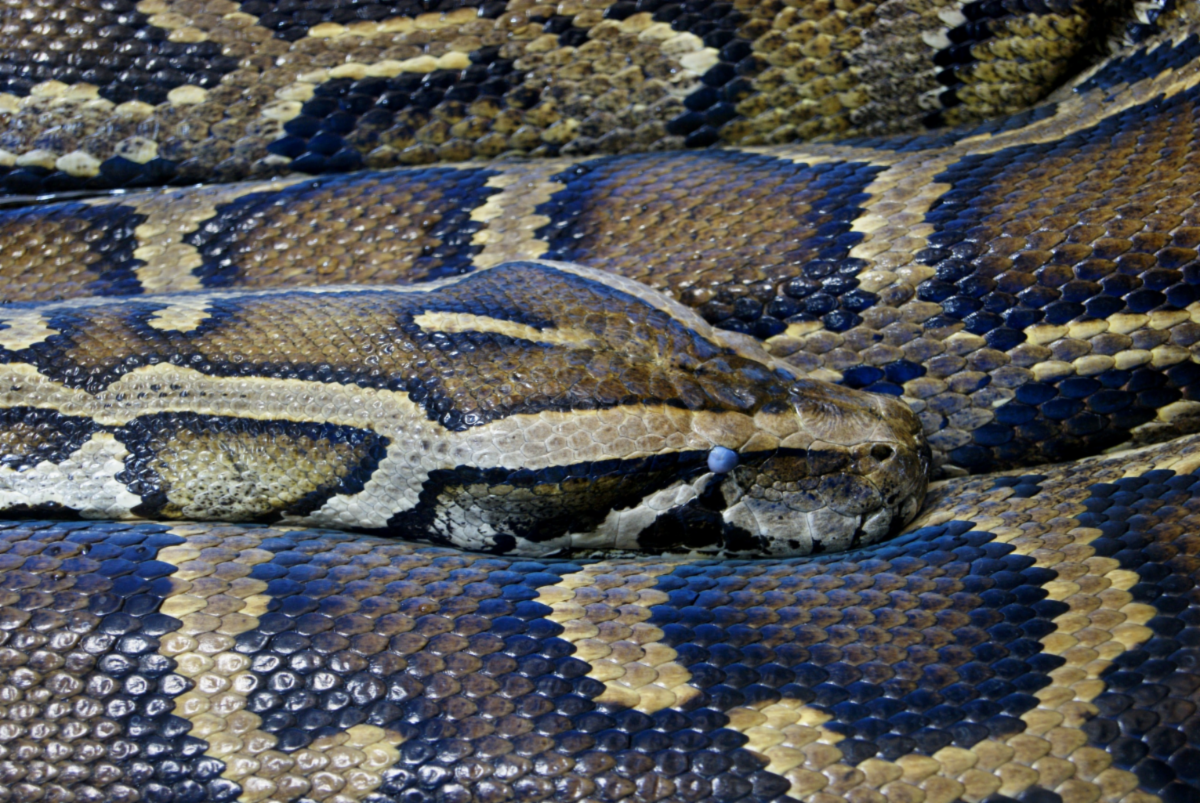
Researchers from the University of Florida and the USGS, using field data from the Conservancy of Southwest Florida's python team, examined how invasive Burmese pythons and Argentine black-and-white tegus may be altering seed dispersal in the Greater Everglades. Experimental results showed that some seeds, including cabbage palm, survived passage through python digestive tracts and were capable of germinating, supporting the idea that pythons can act as secondary seed dispersers after consuming fruit-eating prey. Together with evidence that both invasive reptiles interact with a wide diversity of plant species, the study suggests they may be reshaping seed dispersal networks in the Greater Everglades.
Recent USGS-authored publications
-
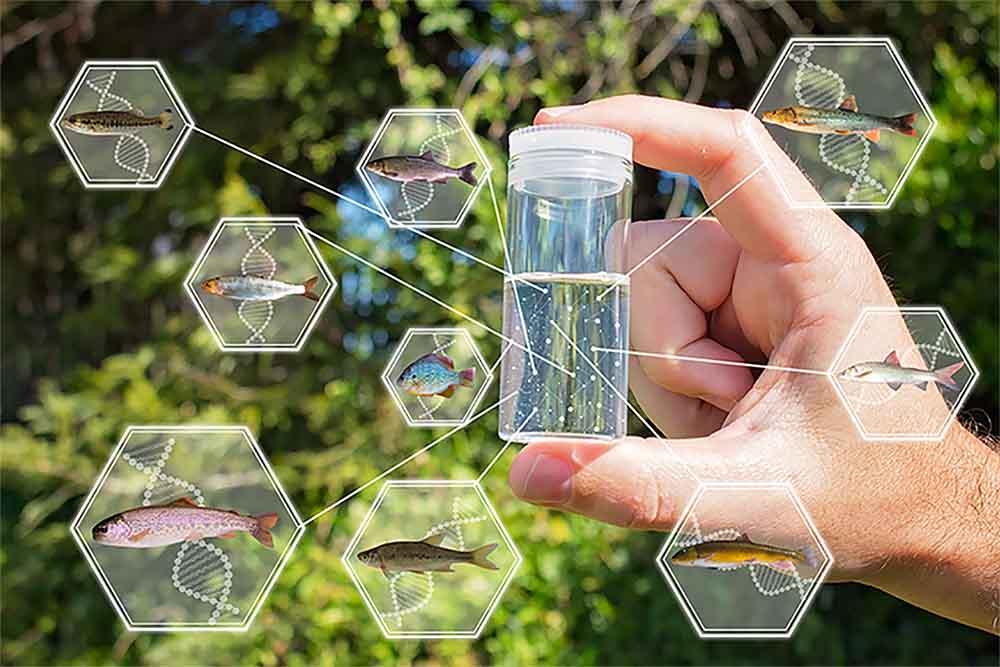
Bright spot in eDNA monitoring: early detection of invasive New Zealand mudsnails (Potamopyrgus antipodarum) prompted effective rapid response for fish hatchery — Slobodian et al., Environmental DNA (2026). Note: to date, the first published case of eDNA monitoring being used for early detection and successful rapid response for complete removal of an invasive species in a fish hatchery — USGS (2026)
-
Efficiency of down-looking cameras for detecting round goby (Neogobius melanostomus) over varying substrates in laboratory microcosms — USGS (2026)
-
Evaluating ichthyoplankton sampling as an effective method for early detection of novel aquatic invasive species in large bays of western Lake Erie — USGS (2026)
-
On the importance of ichthyoplankton monitoring for invasive grass carp control in the Laurentian Great Lakes — USGS (2026)
-
Silver carp (Hypophthalmichthys molitrix) broad movement patterns and dispersal dynamics in the upper Mississippi River — USGS (2026)
-
Open water control of invasive mussels using benthic mats — Part 1, short-term infusion of carbon dioxide under a mat — USGS (2026)
-
Characterizing the annual cycle of steroid hormones in males from an invasive vertebrate (Python bivittatus) of management concern — USGS 2026 / ScienceDirect
-
Demographic responses to experimental manipulation of an enclosed population of invasive brown treesnakes (Boiga irregularis) — USGS (2026)
-
Not so fatal attraction: captive female Burmese python lures do not improve wild python detection — USGS (2026)
-
Is it assisted migration, conservation translocation, managed relocation, or another term? Best practices for clear communication when using translocation terminology — USGS (2026) / ResearchGate
Full citations and links available at usgs.gov/programs/biological-threats-and-invasive-species-research-program/science/invasive-species or by contacting Paul Heimowitz (pheimowitz@usgs.gov).
| |
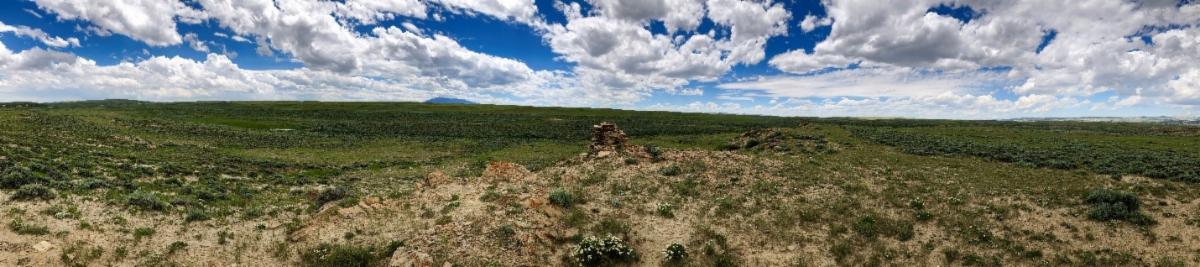
| Landscape view of encroaching invasive annual grasses. Photo by Janet Prevéy (USGS) | |
🏛️ Federal Policy & Budget Watch
| |
Brandon Road invasive carp barrier: management shifted to Michigan, funding status uncertain
April 2026 | WBEZ / Chicago Sun-Times
The Trump administration announced that oversight of the Brandon Road Interbasin Project will shift from the U.S. Army Corps of Engineers' Rock Island District to its Detroit District, citing disagreements with Illinois over project commitments. The proposed barrier system at Brandon Road includes multiple technologies intended to prevent invasive carp from entering the Great Lakes through the Chicago-area waterway system. Separate Department of the Interior grants totaling $13.6 million for invasive carp control activities in Illinois remain on hold pending federal review. State officials and members of Congress continue to urge the administration to resume progress on the project.
Source: WBEZ Chicago
DOI releases invasive species strategic plan accomplishments report; new plan in development
February / June 2026 | U.S. Department of the Interior
The Department of the Interior (DOI) released its Invasive Species Accomplishments Report, 2021–2025 in February 2026. The report summarizes implementation of DOI's five-year invasive species strategy and highlights collaborative work with federal and non-federal partners to address invasive species across public lands and waters.
The DOI is now developing the next plan. In support of the John D. Dingell, Jr. Conservation, Management, and Recreation Act (2019), DOI will host virtual listening sessions in July for State and Territory Government Agencies, County Officials, Federally Recognized Indian Tribes, Alaska Native Corporations, and the Native Hawaiian Community to gather input on the next plan. A draft revised plan is expected to be posted in the Federal Register for public comment this fall. For more information, contact Hilary Smith, DOI Senior Advisor for Invasive Species, at hilary_smith@ios.doi.gov.
Source: DOI Accomplishments Report
State Boating Act — House companion bill introduced
May 2026 | U.S. House of Representatives
Representatives Blake Moore (R-UT) and Jen Kiggans (R-VA) introduced the House companion to the Senate's State Boating Act (S.3985), previously highlighted in the Q1 newsletter. The legislation would clarify states' authority to collect boating-related registration fees that support aquatic invasive species prevention, boating safety, search and rescue, and other waterway protection programs. The bill has bipartisan support and is endorsed by the Association of Fish and Wildlife Agencies, the Atlantic States Marine Fisheries Commission, and ConservAmerica. No committee action has been reported in either chamber since the House bill was introduced.
Source: Rep. Blake Moore's Office
| |
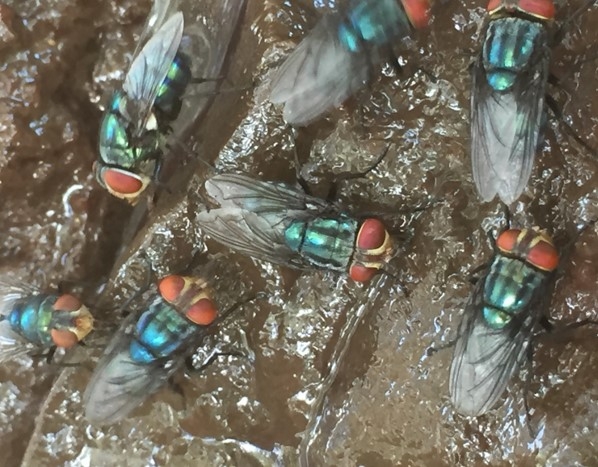
New World screwworm detected in Texas — first U.S. animal case in 60 years
June 3, 2026 | USDA \ USGS
USDA APHIS confirmed the first U.S. case of New World screwworm (Cochliomyia hominivorax) in roughly six decades after larvae were identified in a 3-week-old calf in Zavala County, Texas. Subsequent federal updates reported additional infections in cattle, a goat, and a dog in Texas and New Mexico, reflecting the northward spread of the parasite after its reestablishment in Central America and Mexico. New World screwworm was eliminated from the United States in 1966 through a sterile insect release program but has continued expanding its range since reappearing in Panama in 2023.
Federal and state agencies are implementing an eradication strategy that includes quarantine and animal movement restrictions within the affected area, intensive surveillance, and continued releases of sterile flies by both aircraft and ground-based systems. The U.S. Geological Survey is supporting Department of the Interior preparedness efforts, including development of a rapid environmental DNA (eDNA) field test.
Sources: USDA APHIS \ USGS NWHC \ USGS Biological Threats & Invasive Species Program
Track current detections at: screwworm.gov.
Unknown pathogen detected in salamanders in the U.S. pet trade
February 2026 | PARC
An unidentified pathogen affecting salamanders in the U.S. pet trade was reported by the Partnership for Amphibian and Reptile Conservation (PARC) in early 2026, raising concerns among wildlife health and invasive species managers. Diagnostic testing ruled out Batrachochytrium salamandrivorans (Bsal), Batrachochytrium dendrobatidis (Bd), and Ranavirus. Scientists suspect the disease may be caused by an unidentified fungus, virus, or bacterium that could have originated outside North America. Researchers are also investigating whether apparently healthy salamanders can carry and transmit the pathogen.
The U.S. Geological Survey, in collaboration with wildlife specialists, state agencies, and disease scientists, is developing a rapid risk assessment to evaluate potential risks to wild amphibians while research continues to identify the pathogen, develop diagnostic tools, and assess susceptibility. Sick and exposed salamanders have been quarantined, and current information indicates the outbreak remains limited in scope. The research team expects to have an improved understanding of the pathogen by summer 2026.
Sources: PARC Pathogen Alert
New Jersey Invasive Species Management Act signed into law
January 20, 2026 | NJ Audubon
Governor Phil Murphy signed the New Jersey Invasive Species Management Act on January 20, 2026, establishing a coordinated statewide framework for invasive species management and creating a permanent New Jersey Invasive Species Council. The law authorizes regulation of the sale, distribution, importation, exportation, and propagation of designated invasive species. The legislation follows more than two decades of legislative efforts and addresses invasive species estimated to cost New Jersey agriculture approximately $290 million annually. In June 2026, Governor Mikie Sherrill announced appointments to the Council, including representatives from the New Jersey Nursery and Landscape Association.
Source: NJ Audubon
New York Invasive Species Awareness Week; $18.5M appropriated for management June 8, 2026 | NYSDEC
New York DEC announced the state's 13th Annual Invasive Species Awareness Week, which began June 8. The state's FY 2026–27 budget includes $18.5 million for invasive species management as part of the record $450 million Environmental Protection Fund.
Source: NYSDEC
Elm zigzag sawfly — first Michigan detection
June 23, 2026 | Michigan Department of Agriculture and Rural Development
Michigan confirmed its first detection of elm zigzag sawfly (Aproceros leucopoda) in St. Clair County. Native to Asia and first detected in the United States in Virginia in 2021, the invasive insect creates distinctive zigzag feeding patterns on elm leaves. Although healthy elms often recover from a single defoliation event, repeated infestations can weaken trees. The species can spread quickly because females reproduce without mating. The detection was reported through the Midwest Invasive Species Information Network (MISIN).
Source: Michigan.gov/invasives
Michigan announces first biological control release for mile-a-minute weed
June 4, 2026 | Michigan DNR
The Barry, Calhoun, Kalamazoo Cooperative Invasive Species Management Area (BCK CISMA) announced plans for Michigan's first release of the mile-a-minute weevil (Rhinoncomimus latipes) as a biological control agent for invasive mile-a-minute weed (Persicaria perfoliata), which is currently limited to Calhoun County. Host-specificity testing by USDA APHIS demonstrated that the weevil reproduces only on mile-a-minute weed, where it reduces plant growth and seed production. Since 2020, BCK CISMA has surveyed more than 34,000 acres and treated infestations as part of Michigan's early detection and rapid response effort.
Source: Michigan.gov/invasives
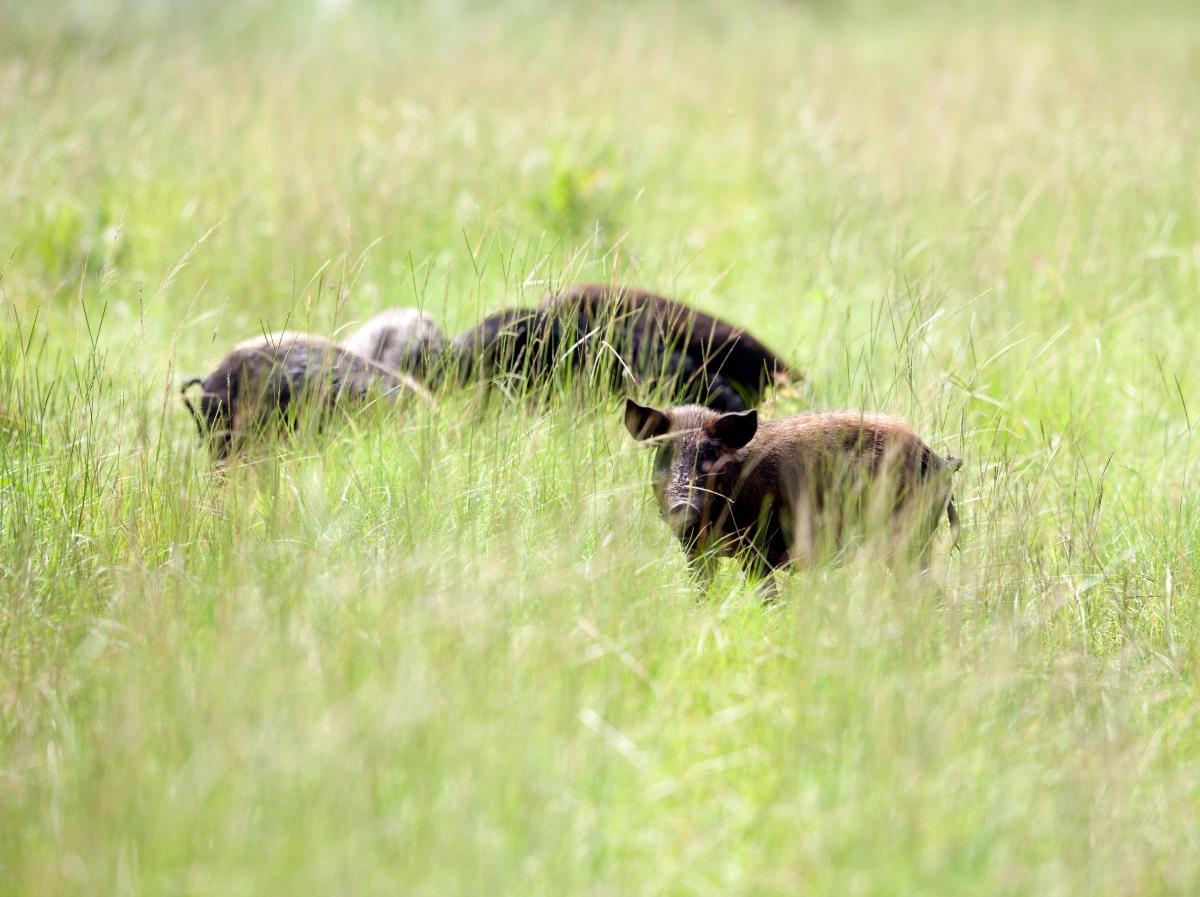
More than 1,800 feral swine eradicated from Land Between the Lakes
June 2026 | WPSD Local 6
USDA APHIS removed more than 1,800 invasive wild pigs from the Land Between the Lakes National Recreation Area during 2026. Land Between the Lakes officials attributed the increase in removals to expanded aerial operations, including additional helicopter flight time and forward-looking infrared imaging, which improved the efficiency of detecting and removing feral swine.
Source: WPSD Local 6
| |
USGS Invasive Species Program — Updates
USGS is actively supporting several high-priority invasive species responses this quarter:
New World screwworm: USGS is providing support for the interagency response to New World screwworm detections in the United States, including continued development of a LAMP (loop-mediated isothermal amplification) assay to rapidly detect NWS eDNA in the field.
Golden mussel: USGS is collaborating with the California Department of Fish and Wildlife, U.S. Fish and Wildlife Service, and others to enhance coordination of golden mussel science, including plans for a research workshop building on a 2022 meeting focused on dreissenid mussels.
Invasive carp — new genetic test: In early June, USGS scientists demonstrated a new genetic test capable of identifying grass carp eggs in under 30 minutes. Immediate, in-field identification of grass carp eggs allows teams to quickly determine whether spawning is occurring and confirm egg species, increasing efficiency of adult removal operations. Previously, egg samples had to be shipped to a laboratory for identification.
Invasive carp — sonar surveillance: USGS researchers recently met with the U.S. Army Corps of Engineers at Lock and Dam 5 on the Upper Mississippi River to discuss adding Live Imaging Sonar Surveillance Arrays (LISSA) to continuously detect and quantify fish activity in the auxiliary lock chamber. Similar LISSA arrays, co-developed by USGS and USACE, are installed and undergoing testing in the approach channel for the Brandon Road Lock and Dam in the Des Plaines River to enhance deterrent system performance and operational decision-making.
More information is available at usgs.gov/programs/biological-threats-and-invasive-species-research-program or by contacting Paul Heimowitz, Invasive Species Program Manager (pheimowitz@usgs.gov).
USFWS Updates
Lake Mattamuskeet carp removal project concludes; technical report available:
The carp removal project at Lake Mattamuskeet concluded at the end of February 2026, and the U.S. Fish and Wildlife Service has released both a Project Summary and Technical Report. The report found that 96% of sampled carp were more than 10 years old, fish were generally in poor condition, and reproduction has been minimal in recent years. Population estimates indicate invasive common carp are now below the ecological threshold and are not currently considered a major driver of lake health.
Source: USFWS Technical Report
Invasive Carp Regional Coordinating Committee
Chicago Area Waterway System monitoring:
No silver or bighead carp were captured or observed during the Spring Seasonal Intensive Monitoring effort conducted in May 2026 in the Chicago Area Waterway System.
Source: Invasive Carp Regional Coordinating Committee
Illinois River milestone:
The State of Illinois' invasive carp management program is nearly reaching the 50-million-pound mark for invasive carp removed from the Illinois River over the last 15 years, with more than 7 million pounds removed in 2025 through two separate mass removal projects.
Source: Invasive Carp Regional Coordinating Committee
Image: https://www.aphis.usda.gov/animals/animal-health/livestock-and-poultry-disease/stop-screwworm
| | |
AFWA FERAL SWINE WORKING GROUP Update:
The AFWA Feral Swine Working Group (AFWA FSWG) is now hosting virtual meetings to increase member participation and improve overall effectiveness of the working group. Virtual meetings will be held on the third Wednesdays in January, April, August, and November.
The AFWA FSWG is seeking input on ways to strengthen collaboration and cooperation among national and regional working groups. Ideas include developing a comprehensive national/international contact list of wild pig and feral swine professionals and organizations to promote communication as well as holding joint meetings with regional working groups such as MAFWA FSWG and SEAFWA WHWG. Additional suggestions are welcome.
Visit our Website
Image: Feral Hogs in a field, Big Lake https://www.fws.gov/media/feral-hogs-field
| |
🎥 Webinars and Events
Recordings may be available through the hosting organization's website or YouTube channel. Check the links below for availability.
| | |
Upcoming
Practical approaches to managing Amur honeysuckle
July 15, 2026 | 1:00–2:00 PM CDT | NAISMA | Free
Kaleb Baker of the Illinois Nature Preserves Commission will present a practitioner-focused webinar translating recent research into practical, on-the-ground management guidance for Amur honeysuckle (Lonicera maackii). The webinar will cover species identification, ecological impacts, management options, and field implementation challenges, while highlighting findings from studies of seasonal basal bark herbicide treatments, prescribed fire, and soil responses to herbicide applications.
Register: naisma.org/events
Upcoming
Urban forest resilience: tools for invasive pest risk and preparedness
August 19, 2026 | 1:00–2:30 PM CDT | NAISMA
Urban forests are on the front lines of invasive pest threats and climate uncertainty. This webinar features two practical tools that help communities assess risk, strengthen preparedness, and respond strategically to emerging forest pests.
Register: naisma.org/events
Upcoming
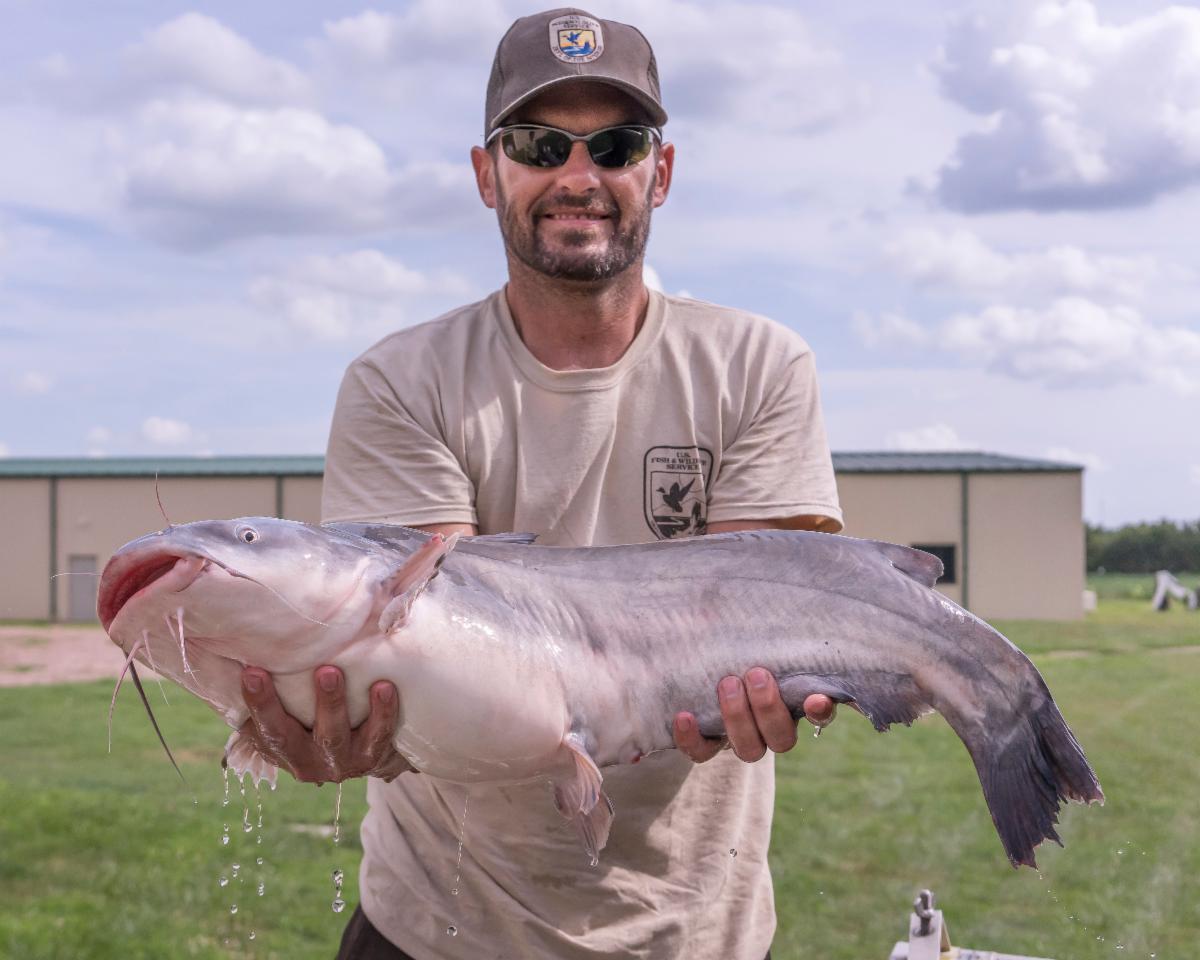
Managing invasive blue catfish in the Chesapeake Bay
September 16, 2026 | 1:00–2:00 PM CDT | NAISMA | Free
Branson Williams of the Maryland Department of Natural Resources will provide an update on blue catfish (Ictalurus furcatus) management in the Chesapeake Bay watershed, including current monitoring and research efforts using electrofishing to assess populations and improve abundance estimates.
Register: naisma.org/events
| |
Recorded
USFS R&D: Invasive species in eastern forests — six-part webinar series
May 2026 | U.S. Forest Service Research & Development | Free
A six-part research-grounded series covering extent and impact of invasive species in eastern forests, with sessions on invasive plant rapid adaptation, hemlock woolly adelgid biocontrol, emerald ash borer management, spongy moth economics, and emerging threats including Asian needle ant and beech leaf disease.
Recordings may be available at research.fs.usda.gov/nrs/invasivespecieseasternforests.
Ongoing
Invasive Species Centre (Canada) — Monthly Webinar Series (Ongoing)
Monthly | Free registration via email list
The Invasive Species Centre collaborates with experts to discuss different management, prevention, and monitoring topics each month. Past recordings cover Asian carp management, biological control of invasive plants, and more. invasivespeciescentre.ca
Image: A Blue catfish, now invasive in Chesapeake Bay, Sam Stukel/USFWS, Public Domain
| | 📅 Upcoming Events & Conferences | | 🎓 Training & Professional Development | |
North American Invasive Species Management Association Academy (formerly InvasivesU) — Online Learning Platform
Ongoing
NAISMA has rebranded its InvasivesU platform as NAISMA Academy, offering a growing library of self-paced online courses, workshops, and certificate programs developed by leading invasive species experts. New content is continually added to reflect emerging threats, technologies, and best practices. NAISMA members receive exclusive discounts on most courses. Current offerings include:
- Foundations of Invasive Species Management - Certificate course providing a well-rounded basis in invasive species prevention and management
- Terrestrial Invasive Plant Management - Certificate course with in-depth coverage of noxious weed prevention and management
- Forest Pest and Pathogen Short Course
- New - February 2026 - Self-paced introduction to forest invasive species, pathways of spread, early detection, and management using real-world case studies
- Biological Control Short Course - Science, application, and regulation of classical weed biocontrol
- NAISMA Mapping Standards Short Course - Implementing NAISMA's invasive species mapping data standards
- Certified Weed Free Products Inspector Certification - For professionals certifying forage, gravel, mulch, or compost to WFP international standards
NAISMA Academy: academy.naisma.org
Monthly NAISMA Webinars — Free webinars featuring emerging invasive species issues, management case studies, communication strategies, and new tools for practitioners. Upcoming topics include invasive shrubs, aquatic invasive species, urban forest pest preparedness, and invasive fish management
Naisma Events: https://naisma.org/events/
| | 🗂️ Key Journals & Ongoing Resources | |
-
NeoBiota (Open Access) — Recent articles on silver carp, Burmese pythons, invasive bees, and alien plant management: neobiota.pensoft.net
-
Biological Invasions (Springer) — Active "Management Innovations and Insights in Invasion Science" collection with new articles (ongoing) link.springer.com/journal/10530
-
Management of Biological Invasions — Part of the INVASIVESNET open-access journal group: invasivesnet.org
-
ScienceDaily Invasive Species Feed — Daily aggregation of new invasive species research and news: sciencedaily.com
-
NAISMA Events Calendar — For current webinar listings and recordings: naisma.org/events
-
USGS Biological Threats & Invasive Species Research Program: usgs.gov
| | |
Invasive Species Committee — Quarterly Newsletter
Q2 2026 | April - June
This newsletter is distributed to fish and wildlife managers working on invasive species challenges and decision-making. To submit items for the next edition or update your subscription, contact Melanie Steinkamp
| | | | |