|
The more capable AI becomes, the more interesting the question becomes:
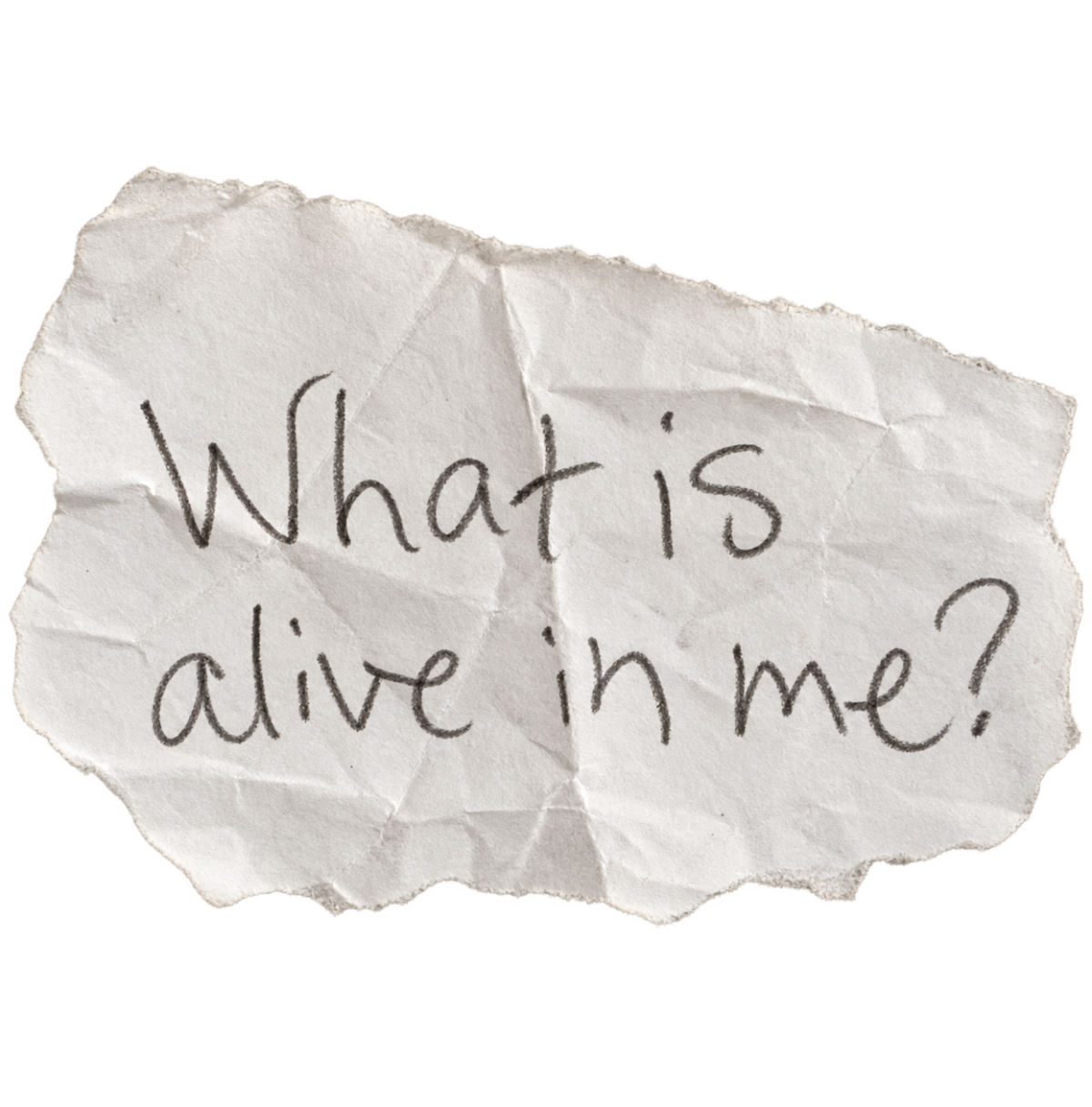
What should I protect—and enjoy—while I delight in AI capacities?
I still want to laugh out loud with another person.
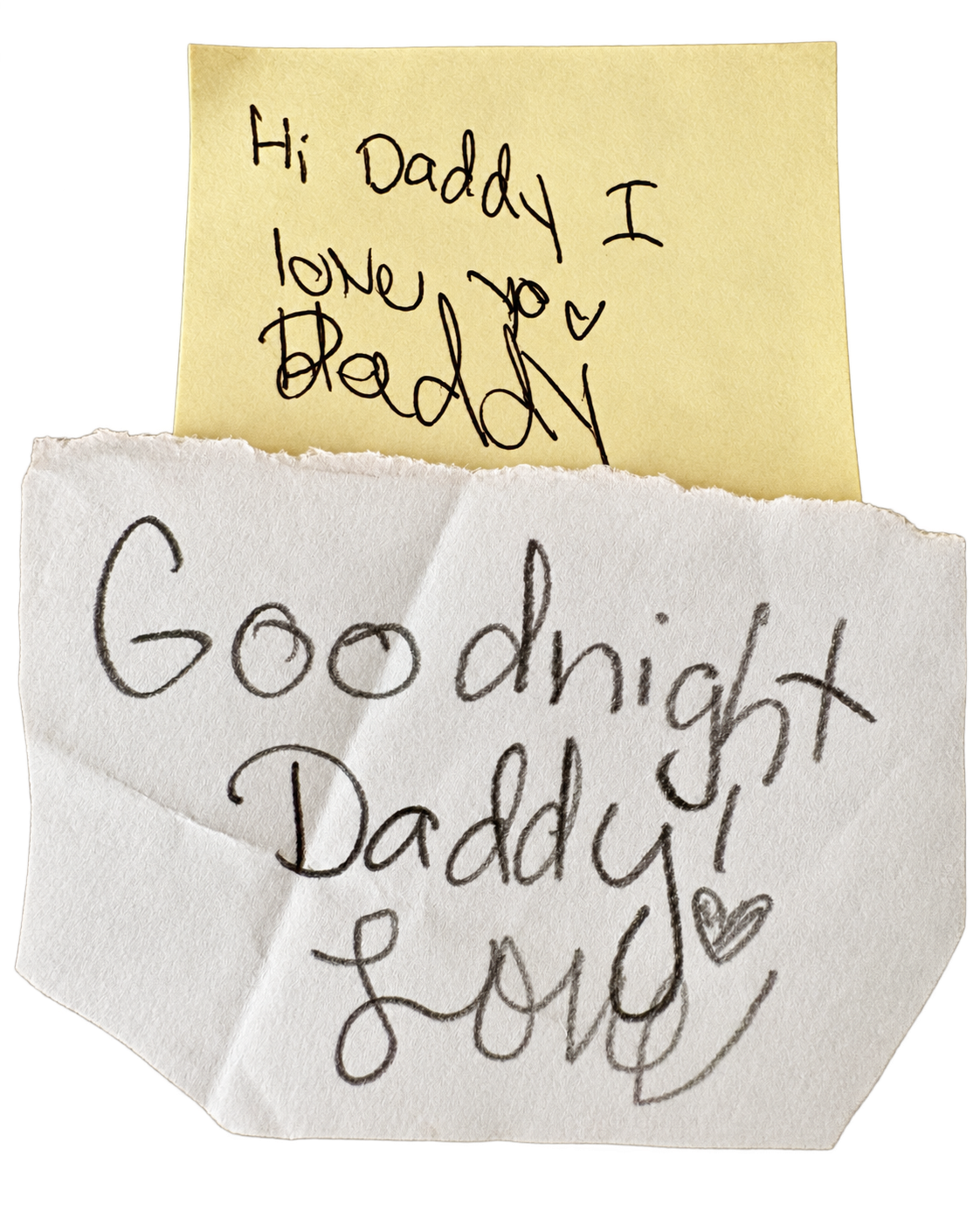
If AI helps me get my work done faster, I want some of that reclaimed space for walking among trees. Making music with someone. Noticing my daughter's expression. Sitting beside a person who is suffering. Even working through the awkwardness of a disagreement.
So perhaps one question for the AI era is not simply:
“What can this technology do for me?”
It is also:
“What do I want to keep doing because doing it changes me?”
This extends to the nervous system.
AI can reduce cognitive burden enormously. But it can also create a world in which information, stimulation, possibility, and responsiveness feel nearly limitless.
The human nervous system is not limitless.
Using AI skillfully, then, cannot only mean extracting maximum capability from it.
It may also mean knowing when to get off the interface.
When to wonder, wander, and maunder – a word my friend Beth once gave me.
When to call someone rather than generate an answer.
When to tolerate not knowing.
When to be with another person without optimizing the interaction.
This is where AI becomes a force function for wellbeing.
It forces us to distinguish between capacity and aliveness.
Between convenience and nourishment.
Between what technology can amplify and what human beings still need to practice.
The challenge ahead is not merely to make AI more human.
It is to become clearer about what we mean by being human—and to get better at the practice of staying well as a human.
Perhaps this can be one of AI's gifts to us.
Using it may not generate wellbeing for us.
But it is forcing us to decide what is worth protecting, practicing, and enjoying.
Be well,
Siddharth
Greenleaf Integrative
|