The Collective Spirit and Unifying Voice of our Nation's Tribal Colleges and Universities | |
Welcome & Congratulations! | |
AIHEC welcomes Tara Dalley as the new Executive Assistant and Event Coordinator. We are also please to announce that Erykah Wilkerson has been promoted within AIHEC to the position of Program Coordinator for Native Student Success. | |
Dr. Tomi Kay Philips Takes the Helm of Sitting Bull College as New President | |
|
|
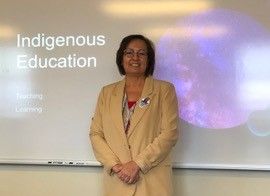
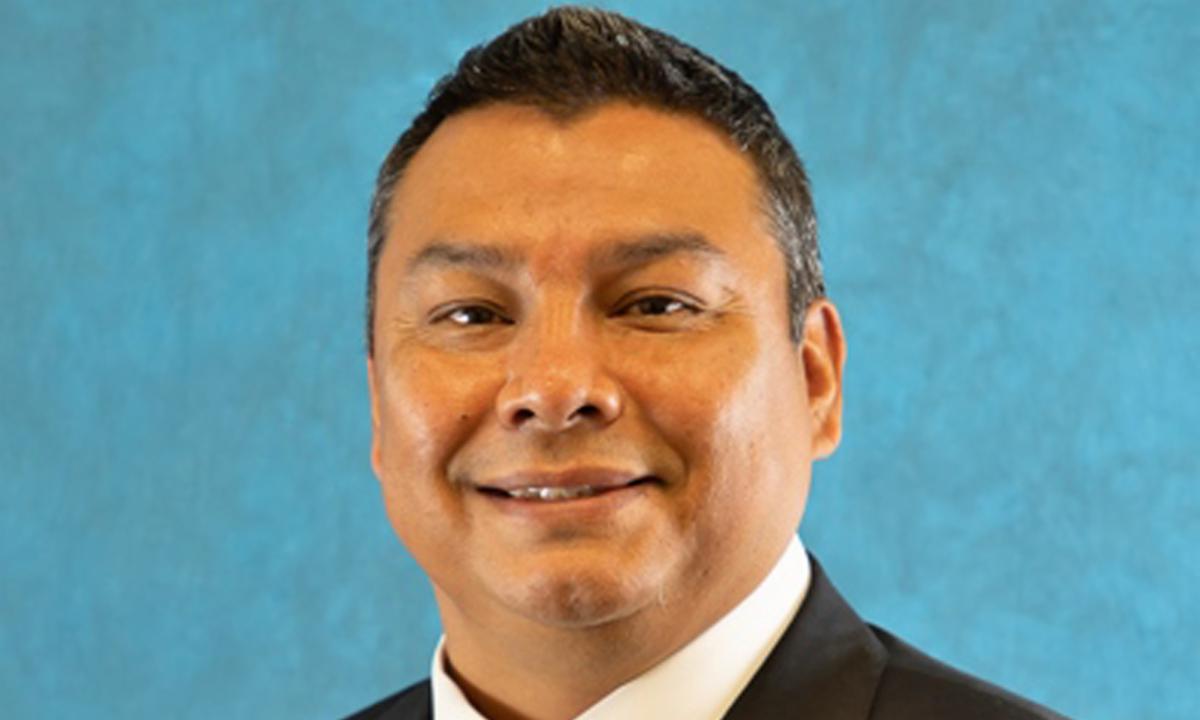
The Sitting Bull College Board of Trustees is pleased to announce Dr. Tomi Kay Phillips has been named the new President of Sitting Bull College (SBC).
Dr. Phillips will take the helm on January 1, 2024. She will begin a mentoring period on August 1, 2023 with current president, Dr. Laurel Vermillion until Dr. Vermillion’s retirement on January 1, 2024.
Sitting Bull College is currently celebrating its 50th Anniversary as an education institution serving the higher education needs of the Standing Rock Nation. This is a critical time, as Sitting Bull College is currently renewing its accreditation with a visit from the Higher Learning Commission scheduled for October of 2023.
Dr. Laurel Vermillion will be retiring as the SBC president on January 1, 2024. Laurel’s future plans include working with K-12 schools and teachers on Standing Rock to provide mentoring and support. Being an educator for many years, Laurel is concerned that the K-12 teachers coming to the Standing Rock schools need cultural awareness and education about the Lakota/Dakota way of life, native students, native families, and the communities on Standing Rock. Laurel also plans to support the Tribal Colleges and Universities (TCUs) by continuing to serve on several Advisory Boards. Laurel will miss the SBC Family immensely, but she is confident the great work will continue for SBC with the strong leadership from Dr. Tomi Kay.
Dr. Philips is an US Army Veteran, and a Bush Fellow. She has a Bachelor of Science in Elementary Education from the University of Mary and a Master of Science in Education Leadership from the University of North Dakota. She received her doctorate in Educational Leadership and Administration from the University of Mary.
Dr. Tomi Kay’s Lakota name is Cante Wakan Win. She is Hunkpapa and Minnecoujou Lakota. Her mother is Maxine Claymore Phillips and her father is the late Duane Phillips. Paternal grandparents are John Lends His Horses Phillips and Emma Brush Horn Phillips. Her maternal grandparents are Sam Claymore and Leona Many Wounds Claymore.
Dr. Phillips’ life partner is John Montclair and she has two daughters, Sondi and Regan, three sons, Trevor, Sam, and Alex and one grandson, Cruz Montclair.
Sitting Bull College’s new president has lived on Standing Rock for the majority of her life. She is an educator with over 28 years of experience with 18 of those years as an administrator. Dr. Phillips has worked in the capacity of teacher, mentor, director, and administrator. Her teaching experience include teaching in an inner-city school system, in rural public and tribal schools. Her administrator experience includes working in the public-school system, BIE and Tribal Grant school system, and a private school on Standing Rock.
After these many years as a teacher and school administrator, Dr. Phillips said she understood fully the importance of how education can offer more choices for not only children but the citizens of Standing Rock. She plans to be a voice for education at Sitting Bull College for the Standing Rock Nation. She wants our children to see people who look like them be successful and inspire them to do well in whatever they choose in life.
| | |
|
Department of Education Announces New Grant Opportunities for Tribal Colleges and Universities | |
|
The Department of Education announced this week that it is launching two grant opportunities that will provide nearly $100 million to expand research infrastructure and increase completion and retention rates in Tribal Colleges and Universities (TCUs), Historically Black Colleges and Universities (HBCUs), and Minority-Serving Institutions (MSIs).
The Research and Development Infrastructure Grant Program (RDI) will provide $50 Million to implement transformational research infrastructure. For TCUs, the funds will support an increase in research activities, undergraduate research opportunities, faculty development, and more. Applications for this program are due Monday, October 2, 2023.
The Postsecondary Student Success Grant (PSSG) Program will provide $45 million to fund evidence-based strategies that result in improved student outcomes for underserved students. Applications for this program are due Monday, September 25, 2023.
| | |
|
Small Business Administration Funding Opportunity | |
|
The Small Business Administration is providing funding via the Tribal College Small Business Achievement Grant Program for up to four (4) Tribal Colleges and Universities that will provide entrepreneurial development services to American Indian communities. This funding opportunity will focus on supplying services to economically disadvantaged entrepreneurs in rural geographical locations. The deadline for applications has been extended to Saturday, August 12, 2023 at 11:59 PM EST.
For more information, visit the Small Business Administration here .
| |
EVENTS & WEBINARS TO CHECK OUT | |
|
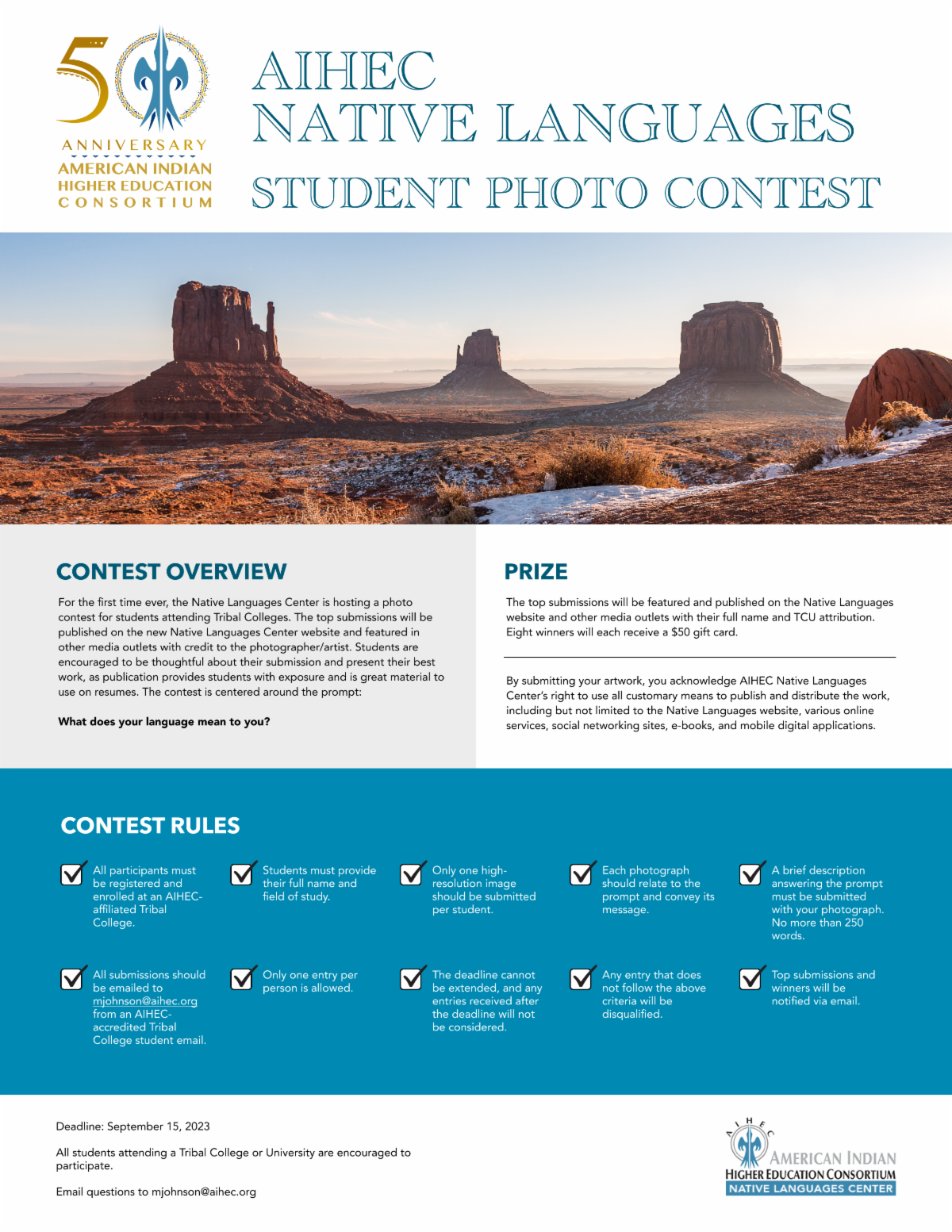
The 2nd Annual TCU Native Languages Summit
October 27-29, 2023
Mystic Lake Casino Hotel
Prior Lake, MN
Registration and conference information will be available soon.
For questions or information, please contact Mary Johnson at mjohnson@aihec.org
| |
The Emergency Medicine Rural and Indigenous Communities (emRIC) Conference | |
|
The conference is free 2 day gathering September 27-28, 2023 in Rapid City, SD (both in-person and virtual options for joining are available) to empower our communities to not only provide excellent emergency medical care, but to do so in a manner that honors and respects the historical and cultural context of the communities they serve. This year, the Great Plains emRIC 2023 gathering hopes to bring together community leaders, nurses, administrators, medics, physicians, pharmacists, pre-health students, and all who are interested, to share our stories, culture, history, language, smiles and good humor, learn from one another and to discuss opportunities rural Emergency Departments have to better serve rural and Indigenous communities – with follow-up virtual ECHO clinics to continue learning, knowledge sharing and support. CE will be provided.
To learn more and register, please visit: https://www.em-ric.org/registration-rapidcity
We look forward to collaborating with each of you and your care teams to improve emergency care for Indigenous and rural communities through education, advocacy, and collaboration. If you have any questions or comments, please contact echo@npaihb.org.
| | |
|
Taking Control of Native Healing
| |
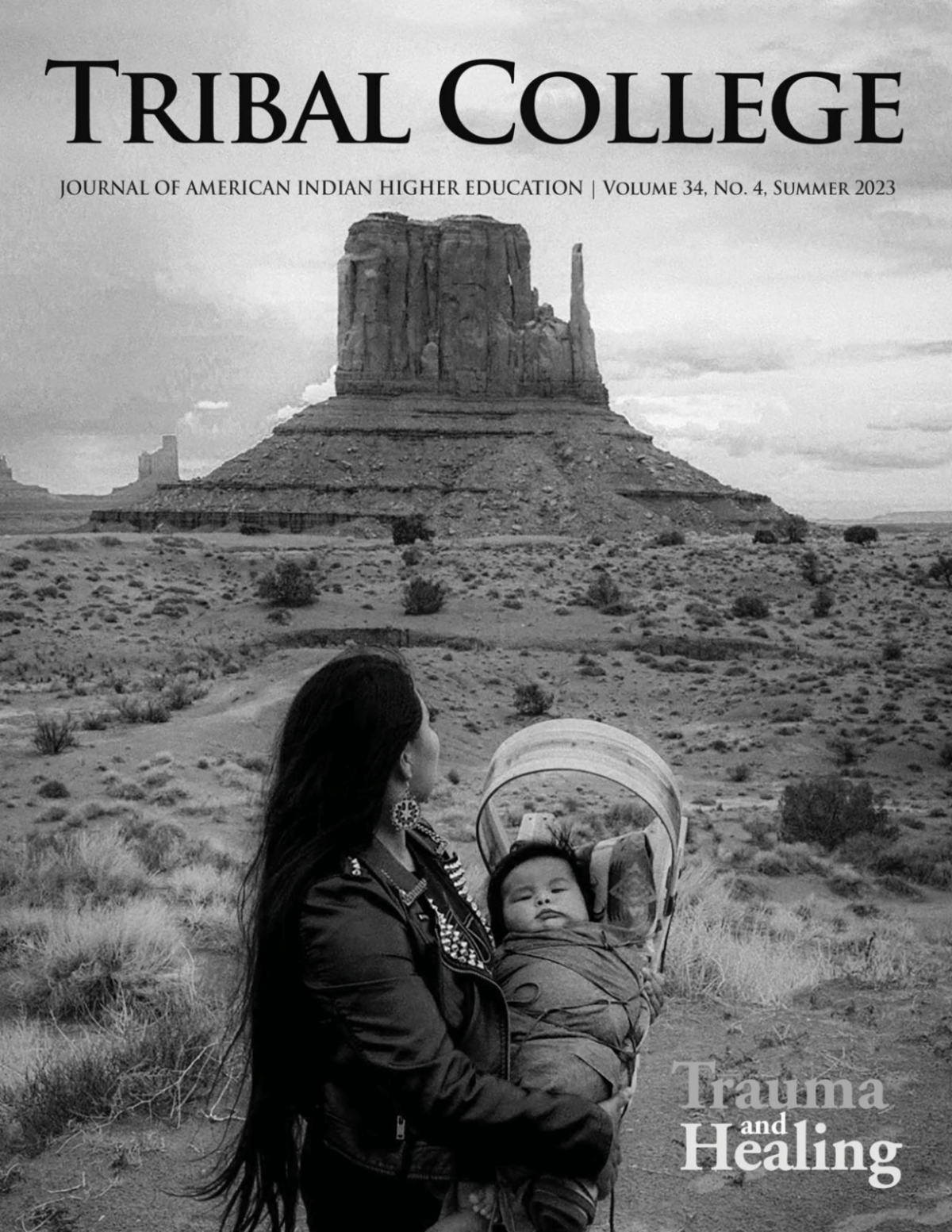
Introducing this issue on trauma and healing, the College of the Muscogee Nation president and TCJ advisory board chair discusses the leadership role of tribal colleges and universities. | | |
|
Wilbert Fish Cultivates Blackfeet Traditions of Healing | |
The son and grandson of healers, Wilbert Fish’s work brings back “those things that made (Blackfeet) prosper” as he and his collaborators unlock the economic potential of native medicinal plants. | |
|
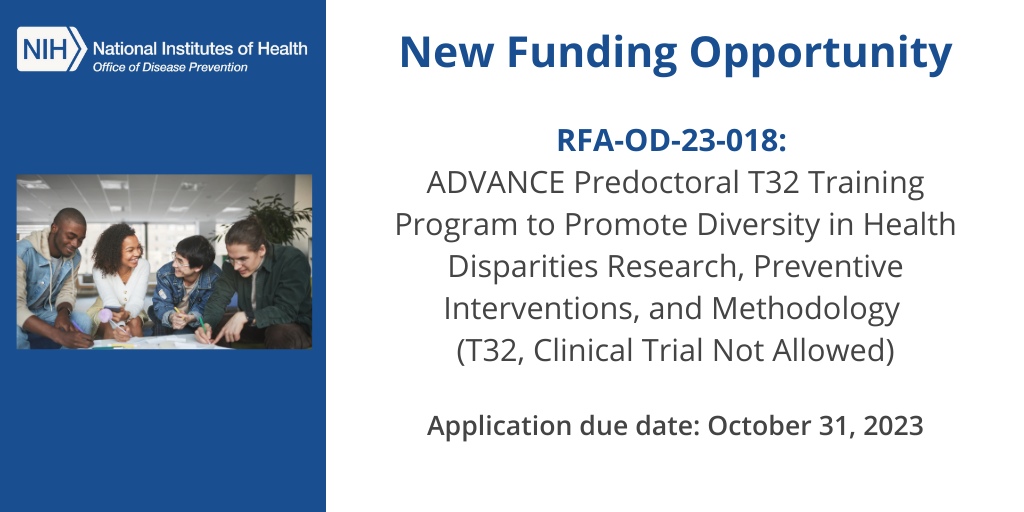
New Funding Opportunity: ADVANCE Predoctoral T32 Training Program to Promote Prevention Workforce Diversity
Help diversify the prevention workforce with a predoctoral research training program!
The National Institutes of Health (NIH) Office of Disease Prevention (ODP) and participating Institutes, Centers, and Offices are inviting applications to develop ADVANCE T32 programs to train predoctoral scholars from diverse backgrounds in all three of the following areas:
· Health disparities/health equity research
· Development and implementation of multi-level preventive interventions
· Methods for the design and analysis of studies to evaluate multi-level preventive interventions
The funding opportunity (RFA-OD-23-018) encourages institutions to diversify the trainee applicant pool by recruiting potential candidates from diverse backgrounds, including groups that are underrepresented in the biomedical, clinical, behavioral, and social sciences.
Applications are due October 31, 2023.
This funding opportunity was developed by the ODP-coordinated Advancing Prevention Research for Health Equity (ADVANCE) initiative, an NIH-wide effort to develop and evaluate preventive interventions that address health disparities.
| |
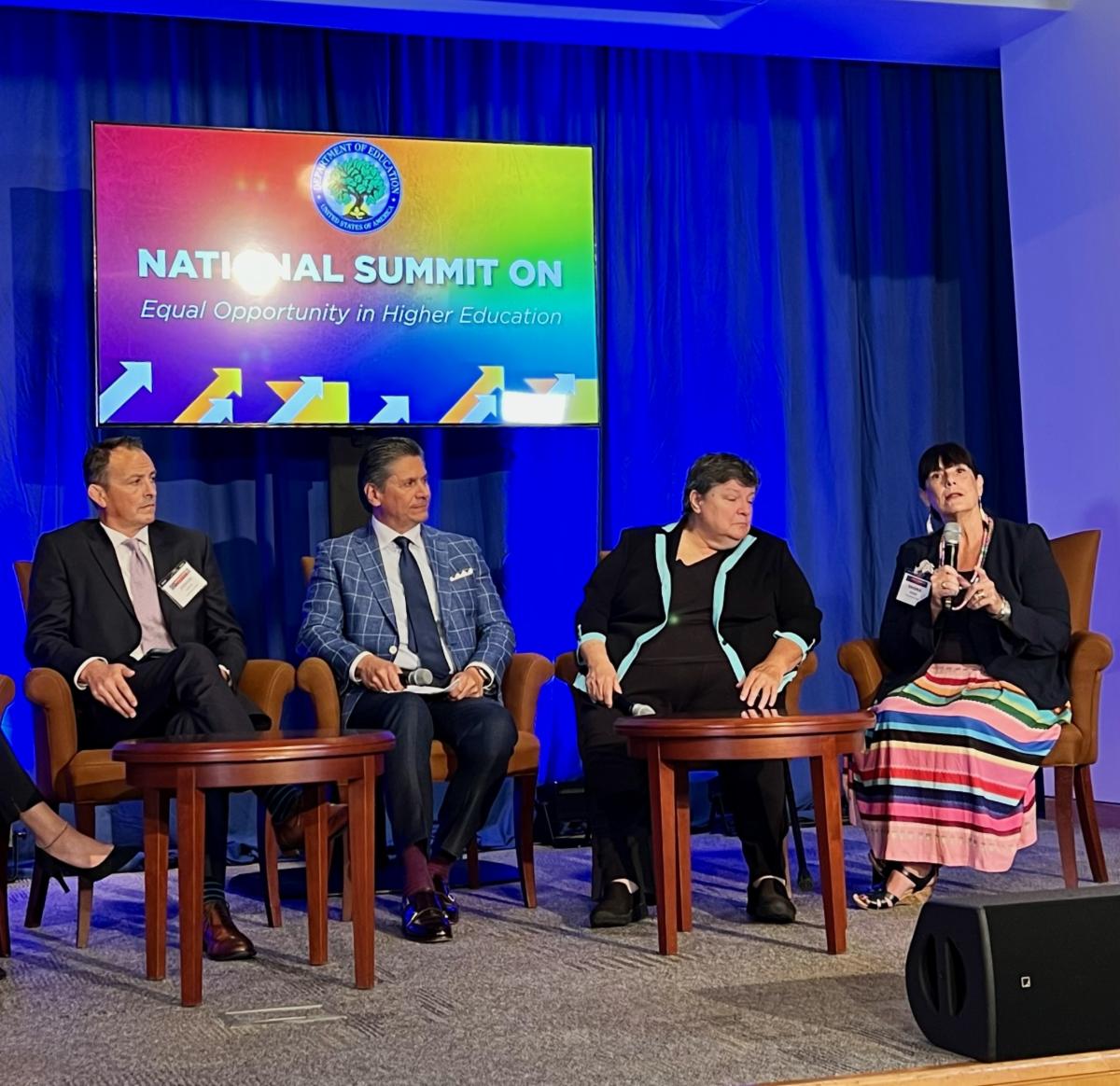
President Sandra Boham of Salish Kootenai College spoke at the National Summit on Equal Opportunity in Higher Education this past Wednesday. She let attendees to the event know that, "TCUs were founded to address inequity, promote economic mobility, and rebuild our Tribal Nations." | |
The 2023 Farm Bill Must Address Inequities in the Land-Grant University System | |
|
Nearing 25th Anniversary, Little Priest Tribal College is Growing, Open to All | | |
|
Tribal Climate Resilience Annual Awards Program
| |
|
On July 19, 2023, the Department of the Interior announced the Fiscal Year 2023 BIA TCR Annual Awards Program investment in Tribal communities (press release). TCR will make available approximately $120 million in funding for Tribes and tribal organizations to address the unique impacts of climate change affecting vulnerable tribal communities. This is by far the largest amount of annual funding made available in the history of the Bureau of Indian Affairs’ Tribal Climate Resilience Annual Awards Program.
Award categories and requirements have changed. Please review the 2023 TCR Annual Awards solicitation.
For the FY 2023 Tribal Climate Annual Awards Program, applications can be submitted online via the TCR Annual Awards Program Application Portal. Learn how from our How to Apply guide.
For help submitting your annual award application, a Grant Writing Workshop covering the fundamentals of writing a competitive funding proposal is available on July 26, 2023.
An Informational Webinar will be hosted on August 2, 2023 by the Institute for Tribal Environmental Professionals (ITEP) Tribes and Climate Change Program. The webinar will be recorded and archived on the Institute for Tribal Environmental Professionals (ITEP) website. Following the webinar, TCR will update the slides with new questions asked during the webinar.
For questions regarding the TCR Annual Awards Program, see our Contact Guide for who to contact in your region.
| |
2023-2024 Native Agriculture & Food Systems Scholarship | |
|
The Native Agriculture and Food Systems Scholarships encourage more Native American, Alaska Native, and Native Hawaiian college students to enter agriculture and food systems fields so that they can better assist their communities with their food systems efforts.
First Nations will award 20 to 25 $1,000 to $1,500 scholarships for the 2023-2024 academic school year to Native college students majoring in agriculture and agriculture-related fields, including but not limited to, agribusiness management, agri-science technologies, agronomy, animal husbandry, aquaponics, environmental studies, fisheries and wildlife, food production and safety, food-related policy and legislation, food science and technology, horticulture, irrigation science, and sustainable agriculture or food systems.
Scholarship Award Timeline
- Application Open: Monday, July 10, 2023
- Application Close: Thursday, August 10, 2023, 5 PM MT
- Applicant Notifications: September 25-29, 2023
- Scholars Awarded: November 2023
For more information, visit https://www.firstnations.org/rfps/native-agriculture-food-systems-scholarship-23-24/
| |
|
FCC ADOPTS ORDER GIVING TCU LIBRARIES ACCESS TO E-RATE PROGRAM FUNDING
Seeks Comment on Further Simplifying E-Rate Rules for All Program Applicants
| |
|
WASHINGTON, July 20, 2023—The Federal Communications Commission today adopted an order allowing Tribal College and University libraries to participate in the federal E-rate program, following AIHEC’s advocacy on this issue for several years, and providing Tribal libraries and other E-Rate participants enhanced access to funding so they can obtain affordable, high-speed broadband services and equipment to connect students and library patrons with online learning opportunities. The E-Rate program began in 1996 as a federal effort to provide funds to libraries and schools for basic internet connections. Over the years, the FCC has updated the program from connecting libraries and schools to covering services like installing Wi-Fi throughout the building, and in 2022, the Commission amended its definition of library to include Tribal libraries, clarifying that Tribal libraries are eligible to participate in the program.
ATALM is hosting a webinar with FCC staff on Thursday, August 10 at 2 pm EST to learn more about these rule changes and how your library may be able to participate in the E-Rate program. The FCC also seeks comment on how to further simplify and streamline the E-Rate application process. Rule changes that will be discussed during the webinar include:
- Grants E-Rate eligibility to Tribal college or university (TCU) libraries that also serve as public libraries, making TCU libraries the first and only college or university libraries to be eligible for E-Rate;
- Creates a brand-new competitive bidding exemption for all libraries seeking up to $3,600 a year in funding for category two equipment and services that provide broadband connectivity within the library;
- Increases access to funding by raising the maximum discount rate for category two equipment and services up to 90% as well as more than doubling the minimum five-year funding budget from $25,000 to $55,000; and
- Provides guidance and simplification on cost allocation to libraries that either share space with ineligible entities or offer ineligible service.
The link to register for the webinar may be found here. Note that there is an area on the registration form where you may pose questions or suggestions to be addressed during the webinar. A recording of the webinar will be sent to all registrants.
| |
|
Biden-Harris Administration Release State-by-State Data for Student Loan Forgiveness as a Result of Fixes to Income-Driven Repayment Plans
| |
|
|
Last week the Department of Education began to notify more than 804,000 borrowers that their Federal Student loans will be discharged in the coming weeks. These discharges result from the Biden-Harris administration ensuring all borrowers have an accurate count of the qualifying monthly payments towards forgiveness under the income-driven repayment (IDR) plans. The administration found many inaccuracies in the count of qualifying payments that were made which should have moved borrowers closer to forgiveness, however, they were not accurately accounted for.
The Department released state-by-state data on the number of borrowers who are eligible for automatic loan relief due to the account adjustments that were made to the IDR plans. The eligible borrowers include individuals who have acquired the equivalent of either 20 or 25 years of qualifying months. To see the state-by-state breakdown, please visit the Department of Education.
| |
The CHIPS and Science Act of 2022 was created by the Biden-Harris Administration to implement an industrial strategy to revitalize domestic manufacturing, create good-paying jobs, strengthen American supply chains, and accelerate the industries of the future. On July 6, 2023, the Department of Commerce formalized the creation of a “CHIPS Partner List,” which allows entities to share their contact information and services that are relevant to the CHIPS incentives program. The list includes educational and workforce training providers; childcare providers; organizations that engage or support minority-owned, women-owned, and veteran-owned businesses; community-based organizations; labor unions; and others. | |
Strengthening Community Colleges Training Grants Program | |
|
|
Important Information for TCUs on Dept. of Labor “Strengthening Community College Training Grants!”: For the latest information about Dept. of Labor’s Strengthening Community Colleges Training Grants, click here. This opportunity is specifically for 2-year colleges to develop and implement job training programs (including short term certificate programs) in “in-demand” industries, with a focus on ensure equitable participation in the labor force by individuals from underserved communities, including Tribal communities.
In addition to the Strengthening Community College Training program website, you can go directly to the forecast for FOA-ETA-23-15, the fourth round (SCC4) on grants.gov. We anticipate that the FOA will be issued in August, and proposals will be due 90 days later. The purpose of the forecast is to let potential applicants know about the grant opportunity so they can begin planning and collaborating with prospective partners. Interested parties may also find information about current SCC grants useful.
In the last round, DoL awarded 15 multi-year grants of $1.5-5.75 million. As mentioned above, the goal is to increase community colleges' capacity and responsiveness to meet employers' skill development needs and equitably support students in obtaining good jobs in in-demand industries. Partnerships with industry (including public entities) is required. Applicants should focus on tested strategies designed to build further evidence on the effectiveness of sector-based career pathways programs in promoting positive employment outcomes. These strategies will also address identified equity gaps to increase full access to educational and economic opportunities–particularly for individuals from historically underserved communities.
To date, DoL has made three rounds of grants to community colleges around the country, but no TCUs have received an award. We encourage you to investigate this program and consider applying. DoL is anxious to receive TCU applications! If you have immediate questions, send your questions to the forecast. At this time there is limited information that may be shared with the public as this FOA is currently under development. DoL encourages prospective applicants and interested parties to use the grants.gov subscription option to register for future updates provided for this particular FOA.
| |
The Office of Indian Education would like to clarify that Tribally Controlled Universities (TCUs) are eligible and encouraged to apply for the Native American Teacher Retention Initiative (NATRI). In the original list of eligible applicants, TCUs were not specifically listed but they are eligible to apply. The Department of Education is updating the form and will post a Correction Notice. You may find the update and funding announcement here. | |
|
U.S. Department of Agriculture: Tribal Advisory Committee
On Wednesday, June 28, 2023, the U.S. Department of Agriculture announced that they are creating a Tribal advisory committee and they are accepting nominations for membership until Monday, August 14, 2023. One of the main tasks of this committee is to provide advice and guidance to the Secretary of Agriculture on matters related to Tribal and Indian affairs.
The USDA encourages nominations from federally recognized Tribes, Alaska Native Corporations, Tribal organizations, or National/Regional organizations that deal with tribal food and agriculture issues. Memberships will be approved by the Secretary of Agriculture and the Chair and Ranking Member of the House Committee on Agriculture; Senate Committee on Agriculture, Nutrition, and Forestry; and Senate Committee on Indian Affairs.
For more information, please visit the Federal Reserve website.
| |
|
Dental Therapy Funding Announcement
The National Indian Health Board (NIHB) announced it is accepting applications for three Dental Therapy opportunities through the Tribal Oral Health Initiative at NIHB.
Applications are due Monday, August 14, 2023, at 11:59 PM EDT. Completed applications should be submitted to Brett Weber (bweber@nihb.org) with their corresponding grant code. Each project will provide funding for nine months, from September 1, 2023, to May 31, 2024.
Please follow the links below for information about each funding opportunity:
· Tribal Colleges and Universities Implementation Activities or Feasibility Study for Dental Therapy Training
· Tribes and Tribal Organizations Implementation of Dental Health Aide Therapy
· Tribes and Tribal Organizations Education and Outreach Programs for Dental Health Aide Therapy
For more information contact, Brett Weber, Environmental Health Programs Director, at bweber@nihb.org.
| |
|
The U.S. Department of Agriculture’s (USDA) Animal and Plant Health Inspection Service (APHIS) invites stakeholders to submit suggestions for fiscal year (FY) 2024 Plant Protection Act Section 7721 (PPA 7721) funding to protect American agriculture and natural resources. The open period for submitting suggestions for Plant Pest and Disease Management and Disaster Prevention Program funding runs from June 14 through Aug. 9, 2023. APHIS will provide $75 million in plant protection funding for these projects, including at least $7.5 million for projects under the National Clean Plant Network. APHIS will set aside up to $4 million in funding to support Tribes, Tribal organizations and universities as well as other minority-affiliated organizations.
This year APHIS applications are moving from Metastorm to the new ServiceNow platform. ServiceNow users must first obtain an e-Authentication account. Then they will be able to access the PPA 7721 suggestion page in ServiceNow simply by clicking on ServiceNow. APHIS will offer virtual training webinars on ServiceNow in the coming weeks.
Under the PPA 7721’s Plant Pest and Disease Management and Disaster Prevention Program, APHIS provides funding to its partners to help them safeguard against, detect, and respond to invasive plant pests and diseases. Climate change has increased the level of plant pest infestations and disease infection, allowed pests to produce more generations each year, and extended the suitable habitat for plant pests.
APHIS worked with other governmental and non-governmental stakeholders, industry organizations, the National Plant Board, State departments of agriculture, and Tribal organizations to develop the FY 2024 Implementation Plan. The plan outlines six strategic goal areas for funding projects:
- enhancing plant pest/disease analysis and survey.
- targeting domestic inspection activities at vulnerable points in the safeguarding continuum.
- enhancing and strengthening pest identification and technology.
- safeguarding nursery production.
- conducting targeted outreach and education; and
- enhancing mitigation and rapid response capabilities.
Those interested in submitting funding suggestions should visit www.aphis.usda.gov/ppa-projects for resources and guidance, including the FY 2024 Implementation Plan, answers to frequently asked questions, templates, help session webinar schedule, and more.
The FY 2024 Implementation Plan also lists the priorities for projects supporting PPA 7721’s National Clean Plant Network (NCPN). The NCPN is a network of clean plant centers for diagnostic and pathogen elimination services to produce clean propagative plant material and maintain blocks of pathogen-tested plant material in sites throughout the United States. NCPN program priorities include:
- promoting the introduction, diagnosis, treatment, maintenance, and distribution of clean plant materials for commercial development;
- optimizing the implementation of new methods and best practices while increasing the awareness of the importance, availability, and use of clean plants; and
- building partnerships with research, extension, regulatory, and industry stakeholders to enhance clean plant center services and capacity.
The open period to apply for NCPN program funding runs from June 14 through Sept. 6, 2023. Funding is available for land-grant universities, non-land-grant colleges of agriculture, State agricultural experiment stations, State and Federal agencies, and non-governmental organizations. Proposals focused on specialty crops have funding priority.
Visit www.aphis.usda.gov/ppa-projects to learn more about the NCPN program.
To receive email updates, subscribe to the Plant Protection Act 7721 topic in the APHIS Stakeholder Registry
| |
National Institutes of Health (NIH) STrengthening Research Opportunities for NIH Grants (STRONG): Structured Institutional Needs Assessment and Action Plan Development for Resource Limited Institutions (RLIs) | |
|
This just-released grant provides institutions like TCUs with funding to conduct needs assessment and develop action plans related to biomedical research (and other research), including developing an Office of Sponsored Programs!
There are key dates and activities listed in the PAR. NIH could benefit from learning more about their infrastructure needs and plans at TCUs, and we strongly urge you to apply if your institution is interested in doing more work with NIH. This is very important. For more information, click here: https://grants.nih.gov/grants/guide/pa-files/PAR-23-144.html
Letters of Intent are due August 18, 2023 and applications are due September 18, 2023. If your college currently has an NIH grant or other research grant, you should apply for this funding.
NIH will conduct a Technical Assistance Webinar for prospective applicants on July 21 from 2-3:30 pm EST. Please join the webinar using this link: https://nih.zoomgov.com/j/1614627302?pwd=RmVXc0RjWjV2WTZsUzd1WmFSWU1NZz09&from=addon
| | | | |