A Life That Still Teaches:
Honoring Dr. Bernard LaFayette, Jr.
By Lenice C. Emanuel, MLA
| |
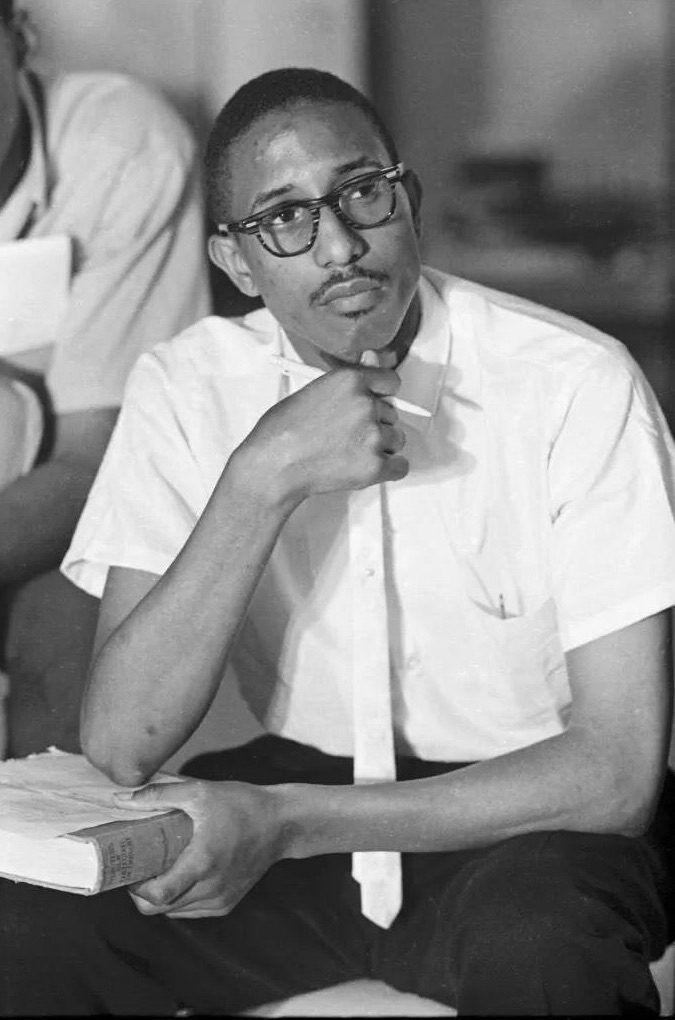
There are some people whose presence changes you—not just in the moment, but in the way you move through the world long after they’ve gone. Dr. Bernard LaFayette Jr. was that kind of person. Our hearts were shattered when we learned of his passing on March 5, 2026. Even in that moment of loss, what remained was a deep sense of gratitude—for his life, his leadership, and the time we were blessed to share with him.
I first met Dr. LaFayette in 2014 during my tenure with YWCA Tampa Bay. He was introduced to me by Gwendolyn Reese—a longtime activist, mentor, and friend—who believed he would be a powerful voice for what would become our second Community Conversation. We were intentional about creating space for voices that could bring not just perspective, but an informed and grounded approach to racial justice and healing.
We held that conversation at the Carter G. Woodson African American Museum—a place that carries the weight of history and the responsibility of truth-telling. It was the right setting for someone like Dr. LaFayette, whose life’s work has been rooted in both.
From the very beginning, I was in awe.
My father often spoke about his connection to the Civil Rights Movement, including being part of Bloody Sunday and other radical activism that resulted in him being tracked by the FBI. So to sit across from someone who was not just present, but an architect of that movement—someone who helped shape the Selma to Montgomery marches—felt surreal. It was as if history itself had entered the room. Read More
| | |
Watch our tribute to Dr. Bernard LaFayette, Jr., which includes his contribution to our documentary, The Way Forward.
Our gratitude for his life and legacy abounds.
| | |
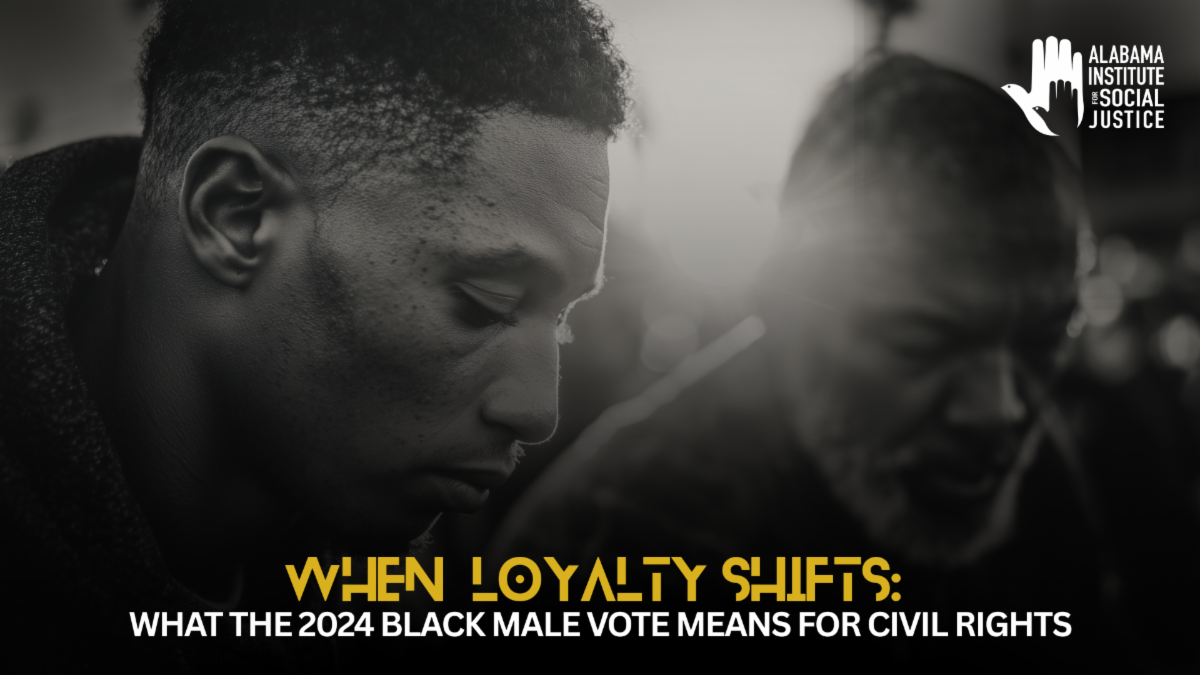
Since the New Deal and the civil‑rights realignments of the 1960s, Black Americans have been the most reliable Democratic voting bloc. That alignment was sustained by Democratic civil‑rights leadership, targeted policy work on housing, voting access, welfare, and anti‑discrimination, and deep ties to Black civic institutions, churches, and HBCUs. In 2024 that long‑standing pattern showed a meaningful change: surveys and exit polls recorded substantially higher support for the Republican presidential nominee among Black voters than in 2020, concentrated especially among younger and working‑class Black men (these surveys and exit polls put that number at between 1.8 million and 2.2 million votes for the Republican Party in the 2024 Presidential Campaign). This shift does not erase Democratic majorities among Black voters, but it reframes political leverage and raises urgent questions for civil‑rights and social‑justice advocates.
The immediate dynamics are clear. National surveys show the Republican share of the Black vote rose meaningfully in 2024, roughly doubling in some measures, with the largest gains among Black men. Analysts attribute the movement to a mix of economic insecurity, public‑safety concerns, gender and generational differences, turnout and compositional effects, and messaging that resonated with specific cohorts. The political consequence is a more contested Black electorate and a new set of organizing and policy priorities for those who defend civil rights. Read More
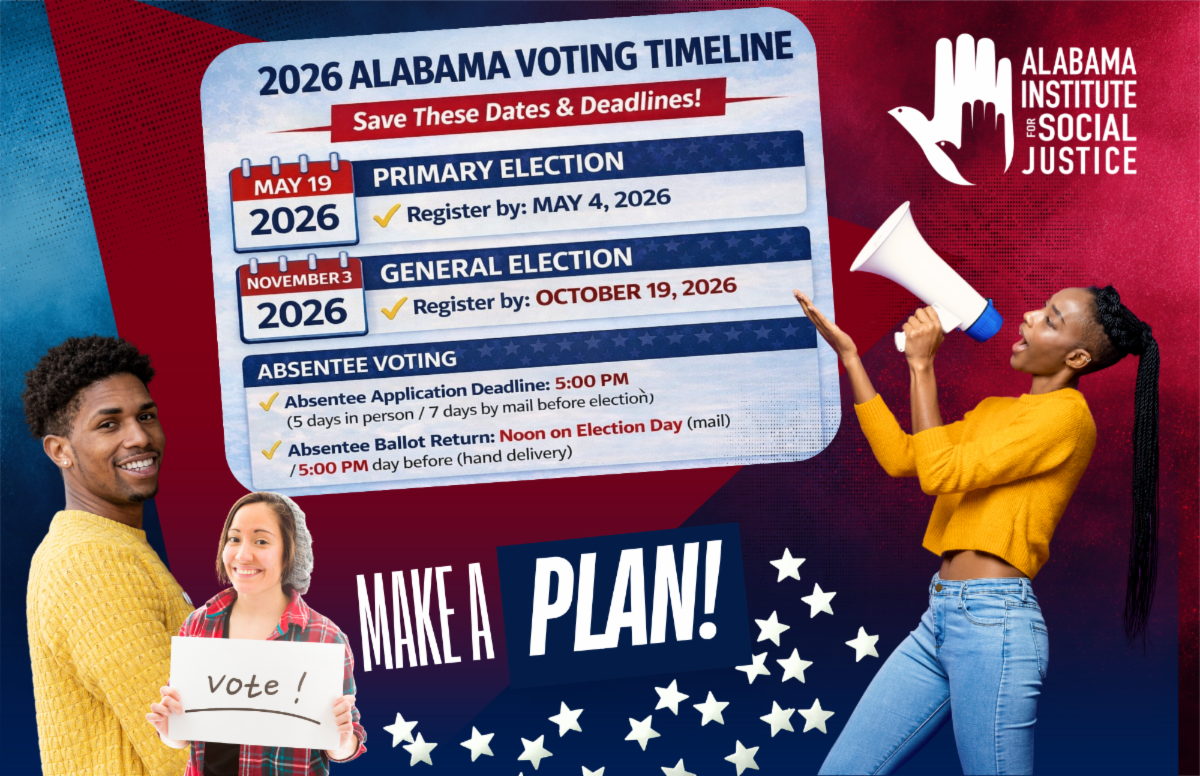
| ARE YOU PREPARED TO VOTE? | | |
REMINDERS:
-
May 19, 2026 – Primary Election
-
June 16, 2026 – Primary Runoff (if required)
-
November 3, 2026 – General Election
| | | |
From Conversation to Coordination:
Building Power Ahead of the Midterms
| | |
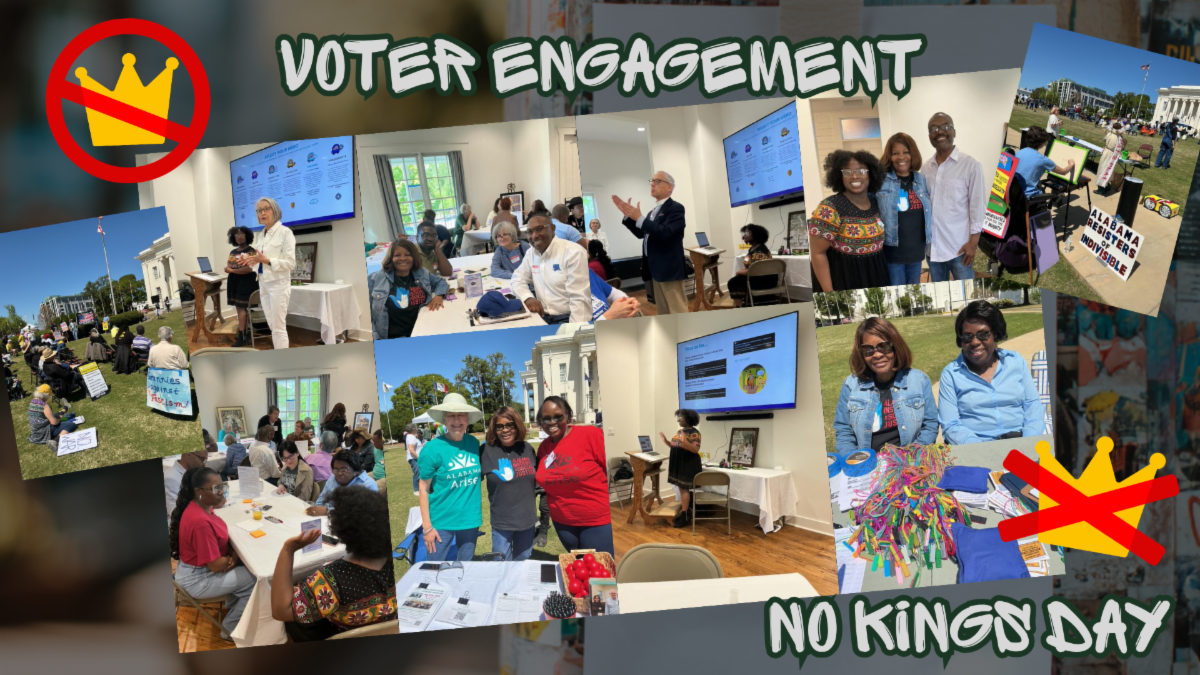
AISJ extends sincere thanks to Amy Hastings of the League of Women Voters for hosting a thoughtful and well-coordinated breakfast workshop that brought together organizations across Greater Montgomery committed to strengthening Get Out The Vote (GOTV) efforts. We also appreciate Rector Larry Yarborough of Church of the Good Shepherd for opening the DuBose Parish Hall for this important convening.
The gathering marked the kickoff of No Kings Day 3 and reflected a clear shift from conversation to coordination. With support from Eddie Compton and the Election Center, and leadership from AISJ’s voter engagement organizer Janice Carter, participants aligned around a more targeted approach—mapping communities by precinct, focusing on areas with low voter turnout, and organizing with greater precision.
The work centered on mobilizing volunteers, building trust within communities, and grounding engagement in the real issues people are facing. Rather than broad outreach, the emphasis was on relationship-driven strategies that connect lived experiences to civic participation in meaningful ways.
Participants were energized by Tyra Robinson of Good People Vote, whose message reinforced the importance of investing in people, creativity, and purpose-driven organizing. What took place was more than a meeting—it was a step toward building stronger infrastructure for civic engagement. As the midterm election season approaches, the focus remains not just on turnout, but on sustaining trust-based, meaningful engagement that strengthens communities over time. More Photos
| | |
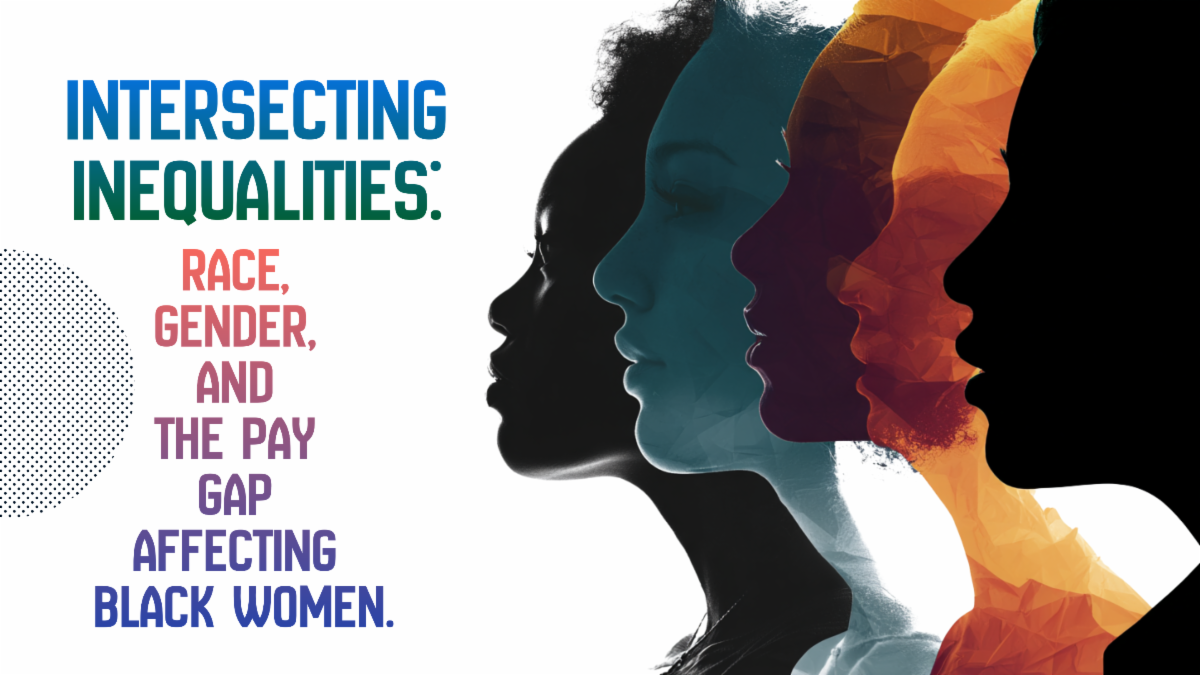
Equal pay is often framed as a binary issue, men versus women, but that simplification masks deeper, intersecting inequalities. In the United States, Black women experience some of the most persistent and consequential pay disparities, earning substantially less than white men, white women, and often less than Black men in comparable positions.
The scale of the gap is stark and measurable: recent analyses show that Black women on average earn roughly 63 cents for every dollar earned by non‑Hispanic white men (National Women’s Law Center, 2023). By comparison, white women typically earn in the high‑70s to low‑80s range and Hispanic women in the mid‑50s to mid‑60s, reflecting wide variation across race and ethnicity (American Association of University Women, 2024-2026, AAUW and the Institute for Women’s Policy Research, 2024, IWPR). These disparities persist even after accounting for education and experience and are visible in government data on median weekly earnings, where Black women remain below their white peers (Bureau of Labor Statistics). The effect is cumulative: research by AAUW and IWPR finds that the lifetime earnings losses associated with persistent pay gaps translate into substantially smaller retirement savings and long‑term wealth for Black women, amounts that can total hundreds of thousands of dollars over a career, thereby reinforcing racial wealth gaps across generations. These statistics underscore the urgency of examining the historical and structural causes that sustain such gaps.
Understanding these disparities requires tracing a through-line from historical exclusion to contemporary structural barriers. Only by linking past injustices to present mechanisms can we craft remedies powerful enough to close the gap. Read More
| | |
|
Day Without Child Care
(DWOCC) 2026
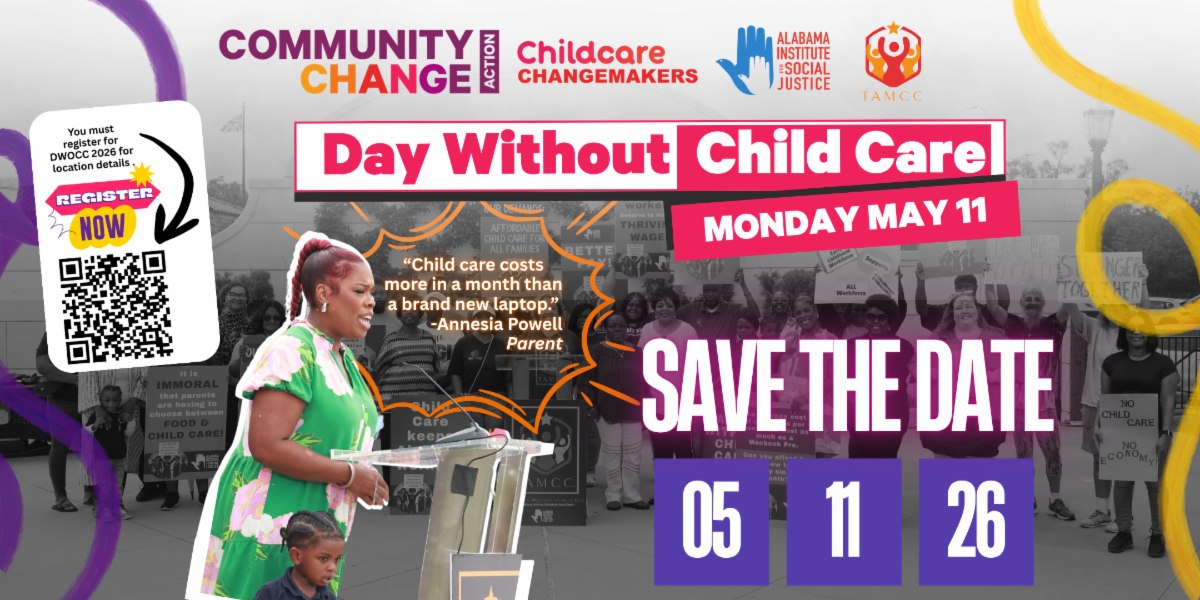
We are one month out from our annual Day Without Child Care, where we will stand in solidarity with hundreds of providers, parents, and advocates on Monday, May 11, 2026. Please make plans to join us. You will need to REGISTER to receive additional details regarding the event location and all the activities for this exciting day. Use the QR code to the left of simply click here to register.
| | |
|
"Southern Swing Tour"
hosted by
Dr. Kalisha Dessources Figures
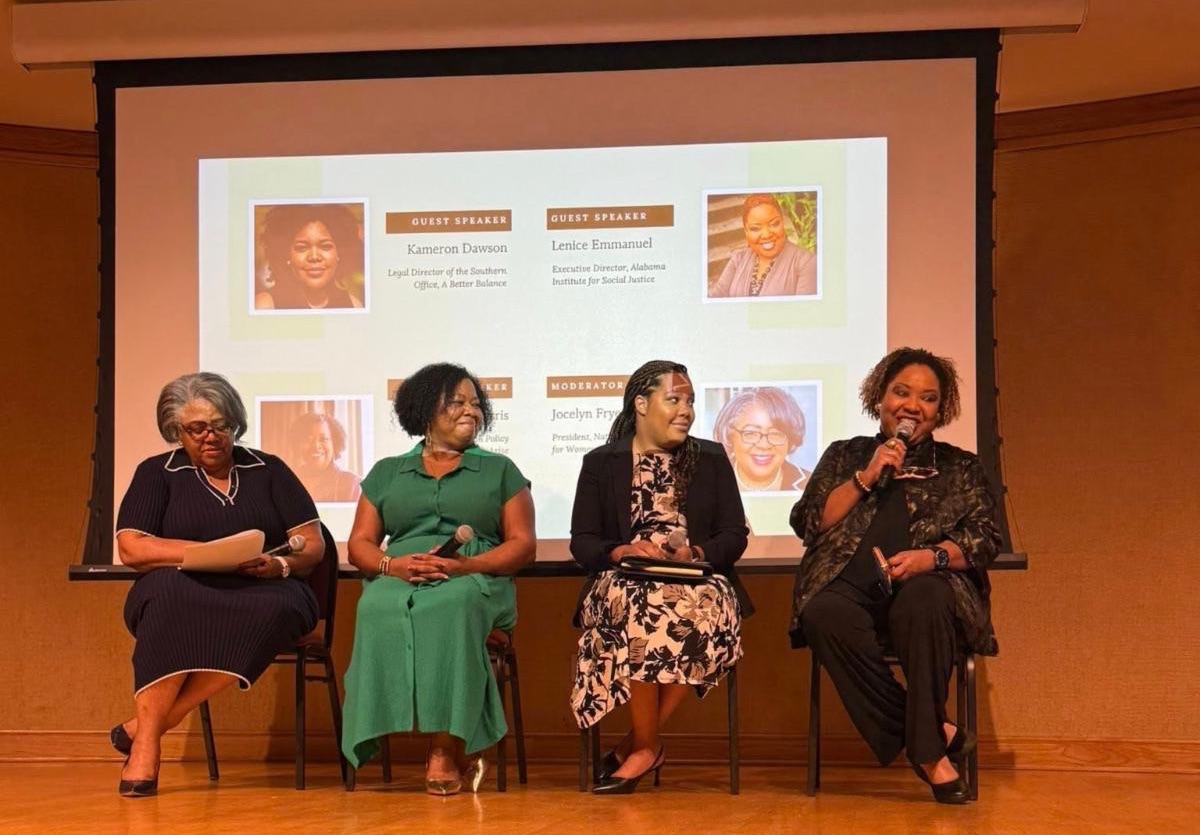
AISJ joined a distinguished panel at the Birmingham Civil Rights Institute to reflect on Alabama’s recent paid parental leave win for public school employees—an important step forward that signals growing recognition of care as essential infrastructure. The tour was aptly named “Southern Swing”—a multi-state journey that quite literally swung through key Southern cities, connecting advocates, communities, and movement leaders across the region in a shared effort to advance care, health, and economic justice. Launched in Memphis, the tour made its way through Birmingham, Tuscaloosa, and Jackson before concluding in New Orleans—creating space in each city for intentional dialogue, local site visits, and opportunities to ground the work in the history and ongoing realities of the civil rights movement.
In conversation with Jennifer Harris of Alabama Arise and Kameron Dawson of A Better Balance—and facilitated by Jocelyn Frye of National Partnership for Women & Families—the panel both celebrated progress and challenged the limits of current policy. While the new law offers meaningful support for some workers, Emanuel underscored a persistent gap: too many—particularly Black women and those in low-wage and care economy roles—remain excluded from these protections.
| | |
The conversation made clear that paid leave cannot stand alone. Supporting families requires a more complete approach—one that also ensures access to affordable, reliable child care when parents return to work. Together, these are not separate issues, but interconnected pillars of a functioning care infrastructure that allows families to remain stable, engaged, and economically secure.
AISJ is grateful to Dr. Kalisha Dessources Figures for the invitation to participate in this Ford Foundation-supported tour, and to Robyn Hyden of Alabama Arise. It was especially meaningful to be in community with leaders from across Alabama and the country—including child care provider Carmen Coleman of Carmen’s Childcare Inc.—all committed to advancing a more equitable future for families.
AISJ is proud to be part of shaping that future—where care is not treated as an afterthought, but as the foundation it has always been. More Photos
| |
Fair Housing and the Housing Shortage
The Daily Drum, Harold Fisher
| | | |
As housing costs rise and availability shrinks, more families are being pushed further from stability. What was once simply “finding a place to live” has become an ongoing challenge shaped by rising mortgage rates, limited supply, and long-standing inequities in the system.
In recognition of Fair Housing Month, leaders across the country are calling for real solutions to what many now describe as a housing crisis. AISJ joined Glenn Harris of Race Forward and Cesiah Guadarrama Trejo of 9to5 Colorado for a conversation focused on advancing equity and expanding access to housing that works for everyone. Because fair housing isn’t just about access—it’s about ensuring every family has a real opportunity to thrive.
| | | | |