ALI Hosts 3rd Annual Summit: Meeting the Challenges
of a New World Disorder
ALI gathered with members of Congress and thought leaders from the business, think tank and civil society for its third annual Summit to discuss the challenges facing of American global leadership. Several key themes emerged, including: the significant decline in America's competitive advantage and soft power resulting from the tariffs and cuts in foreign assistance; globalization is continuing without the U.S.; China is benefitting from America's global absence; and tariffs, R&D cuts and reductions in immigration are hurting America's technology ecosystem.
There was agreement on the rebuilding a meaningful consensus on America’s role in the global economy, and the need for ALI to lead this effort. ALI will be launching a program to develop such an agenda, which will be reflected in our work going forward.
| | |
The Tariff Reckoning: Can Globalization Survive?
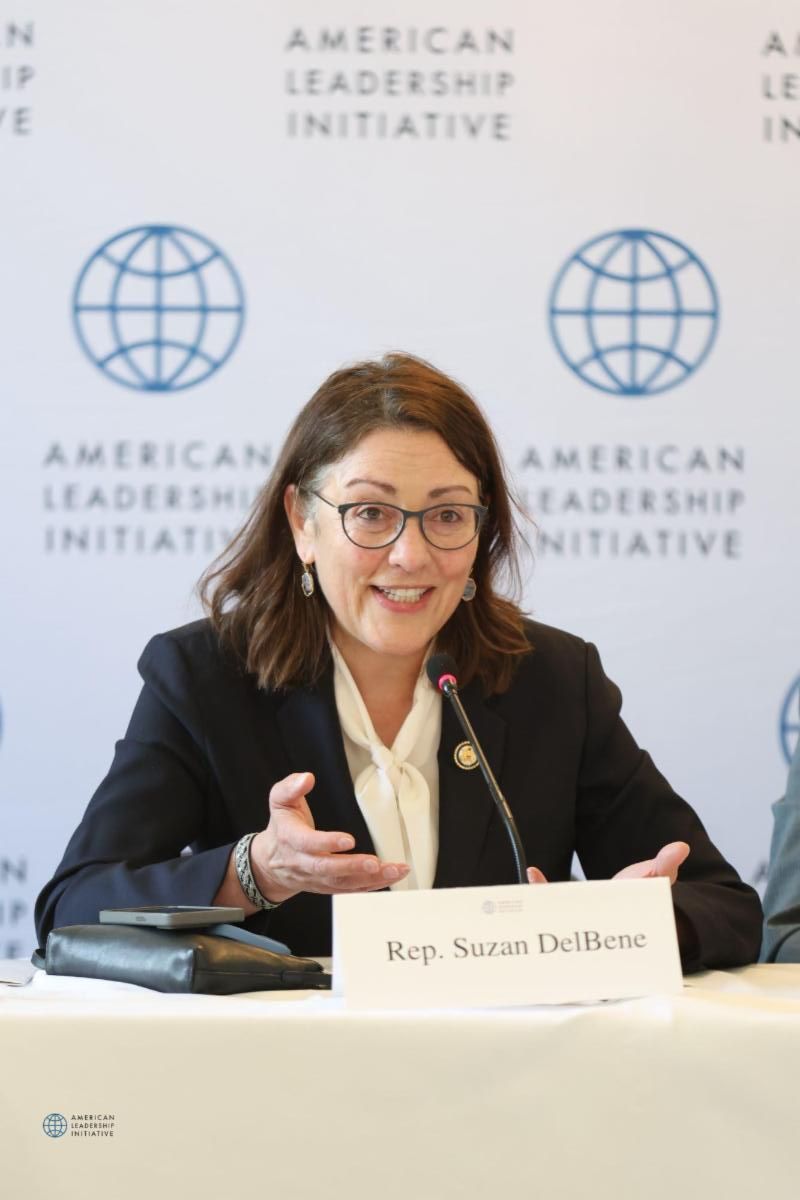
The group discussed the negative impact of the tariffs on the U.S., and how the U.S. turn towards protectionism evolved- blaming both the inadequate compensation for workers and communities who were hurt by trade agreements, and China’s accession to the WTO without the rules to address its state-run economy. The U.S. needs better workforce training for the U.S. to rebuild a trade consensus.
The speakers urged the business community to be more vocal regarding the impact of the tariffs. Neither the Administration nor the Hill are hearing from the business community, and its voice is important. There was a great deal of conversation regarding the need to build an agenda for a new trade paradigm as we move towards 2029.
Speakers: Rep. Suzan DelBene (WA-1), Rep. Val Hoyle (OR-4), Peter Harrel, Carnegie Endowment, Amb. Demetrios Marantis, Marantis Global, and Moderator, David Lynch, The Washington Post
| | |
Impact of the Executive Orders on Technology Leadership and Economic Security
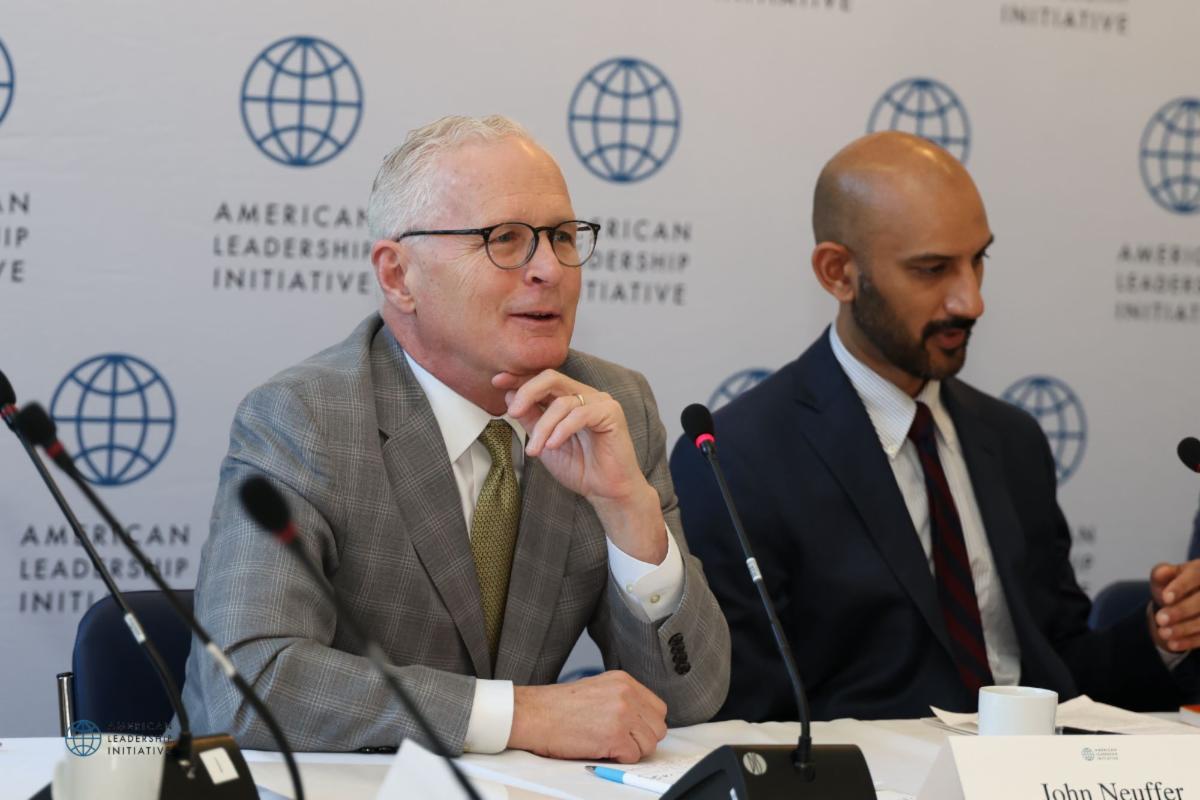
Participants highlighted the fact that America’s tech strength has stemmed from its research institutions, university eco-system, deep liquid capital markets and the fact that it has been the number one attractive destination for highly skilled students, researchers and entrepreneurs. The slashing of research funding combined with immigration limits are an “own goal” that is undermining U.S. technology leadership.
While it is important to onshore critical technologies, the tariffs make it difficult to import inputs. U.S. technology success hinges on working with partners and allies.
Speakers: John Neuffer, Semiconductor Industry Association, Vivek Chilukuri, Center for a New American Security, Josh Meltzer, Brookings Institution, and Moderator, Emily Wilkins, CNBC
| |
Navigating the China Challenge and American Global Competitiveness
Despite recent overtures to lower tariffs, the overall perception is that any potential agreement is unlikely to solve the fundamental issues between the two countries.
China has been shifting its reliance, especially regarding its tech supply chain, away from the U.S. since the first Trump Administration and they are prepared to weather tariffs. The current tariffs will push them to speed up concentrating their supply chain in China.
The U.S. needs to rethink its longer-term relationship with China. While some decoupling will continue, it is in the U.S. interest to limit that decoupling and continue to trade and have ongoing dialogues with China, including on global issues, like climate.
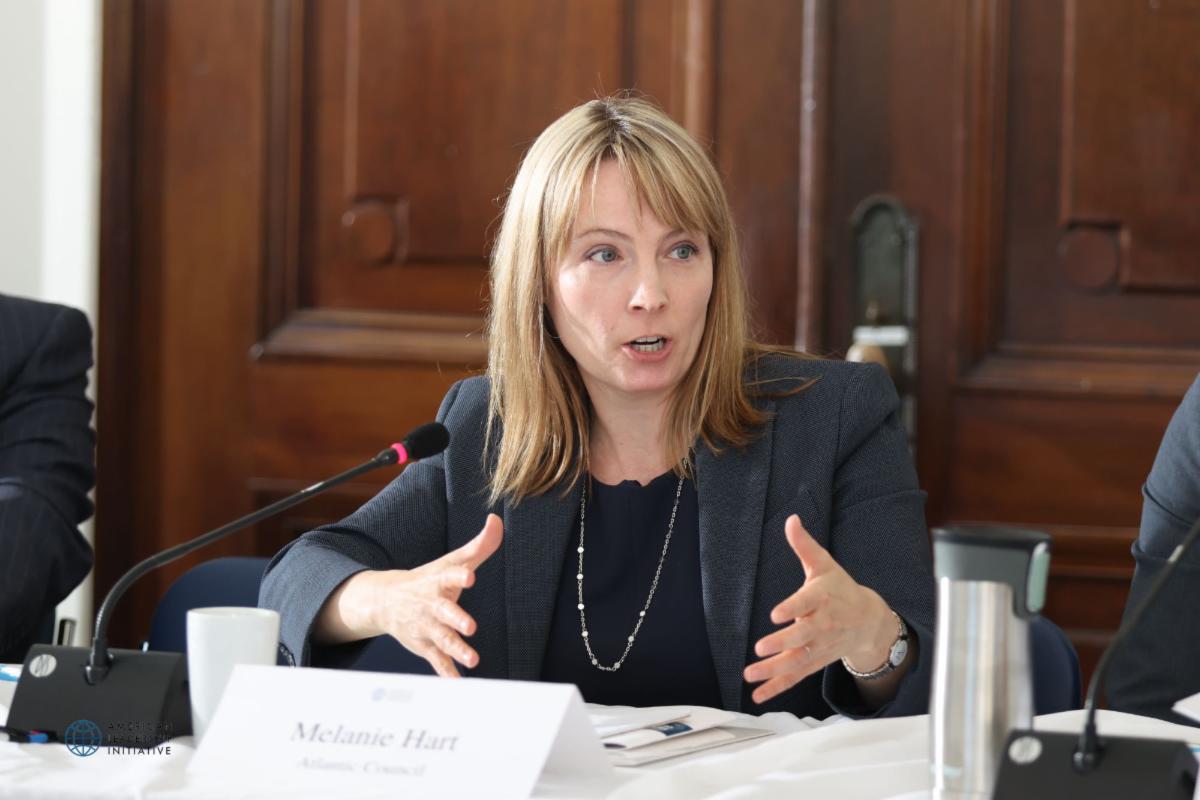
Speakers: Melanie Hart, Atlantic Council, Bonnie Glaser, German Marshall Fund, Elizabeth Economy, The Hoover Institution, and Moderator, Myron Brilliant, ALI
| | |
Securing America: Tariffs, Foreign Aid Cuts, and the National Security Equation
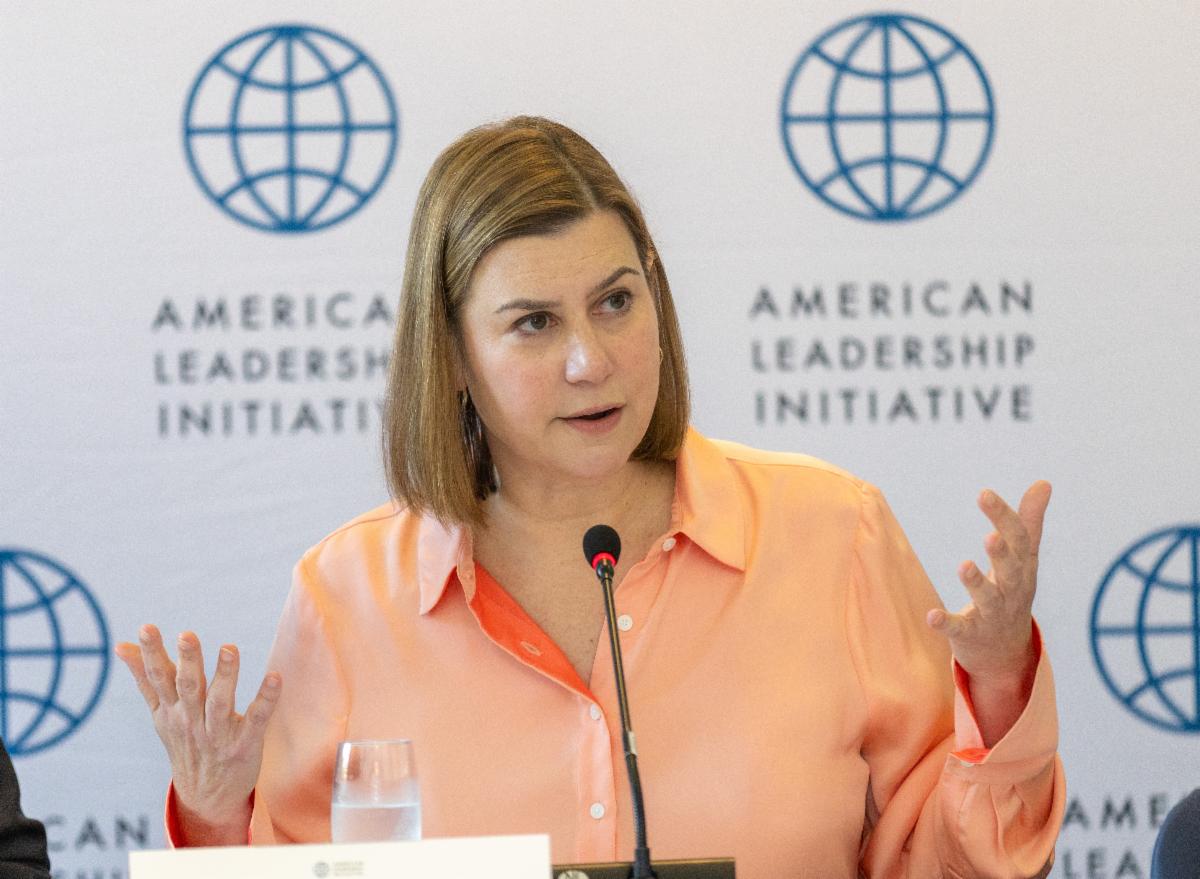
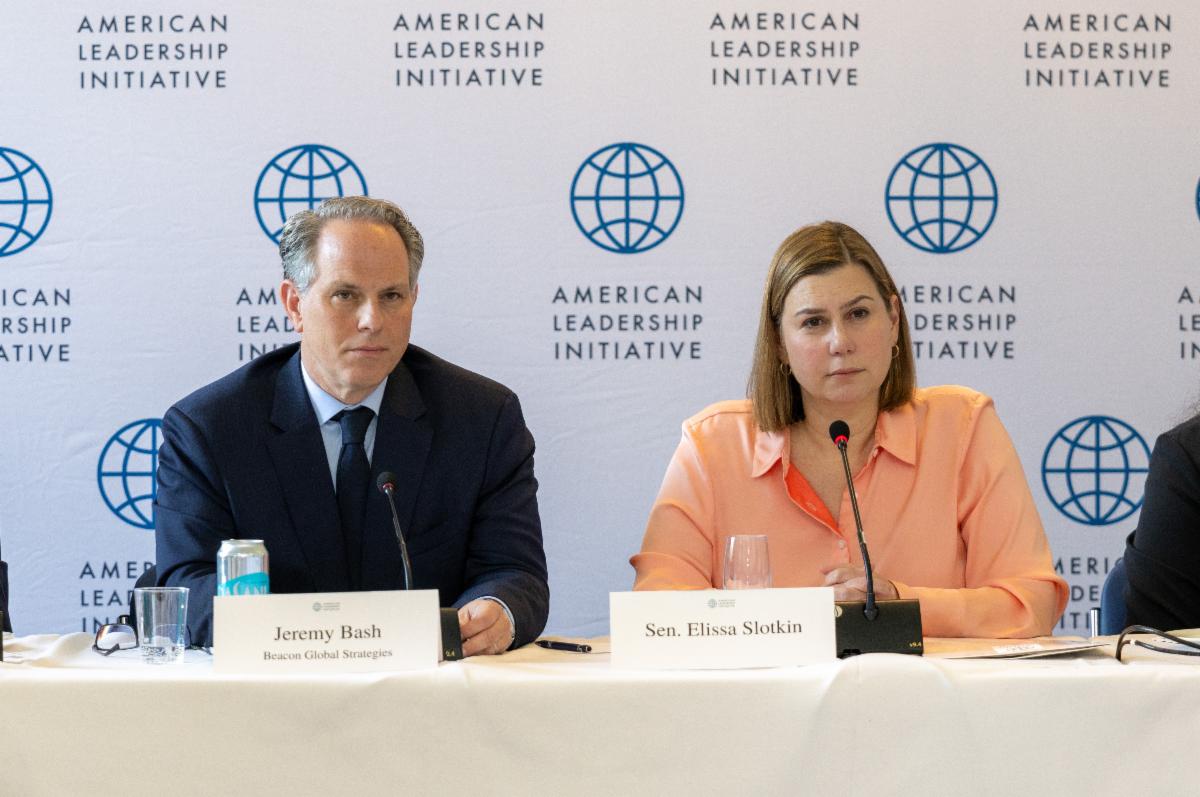
Senator Slotkin led a candid, on-the-record conversation on how economic policy choices are redefining American power and security.
She said that many of her constituents support the tariffs, which reflects a desire for major change, amid the frustrations about the shrinking middle class. She said that Democrats need to propose an agenda that represents the big change Americans are looking for, keeping the middle class at the center.
Speakers: Sen. Elissa Slotkin (D-Mich), Jeremy Bash, Beacon Global Strategies
| | |
"Beijing has warned countries against signing trade deals with the US that threaten Chinese interests, fearing that President Donald Trump will use bilateral negotiations with America’s commerce partners to pressure them to cut China out of supply chains."
| | |
"The dramatic escalation and then reduction in tariff levels over the past few weeks may appear to be a return to the status quo. It is not. Instead, it is a reminder that trade patterns are entering a period of continued high uncertainty, with higher costs ahead. The economic damage from abrupt policy shifts has been and will be severe, with firms and foreign partners now considering options that would not have been on the table for discussion in December 2024."
| | |
"The overall impact of higher tariffs on auto manufacturing in the U.S. is unclear, with potential to be net negative. Higher U.S. tariffs create an incentive for car manufacturers to avoid the tariff by manufacturing more in the U.S. When it comes to Canada and Mexico, the new auto tariff on non-U.S. content is inconsistent with existing USMCA ROOs, which instead counts production within North America as counting toward the RVC requirement. However, this tariff could also have various negative impacts on auto manufacturing in the U.S. For one, tariffs will increase the cost of manufacturing automobiles in the U.S., which could lead to less innovation, more costly cars, and lower sales"
| |
Find more information on Meeting the Challenges of a New World Disorder
| | |
Providing a new vision for American global leadership | | | | | |