February 11, 2026

ALI Perspective

We are in the midst of a technological revolution. The advancement of American technology and AI leadership is the cornerstone of future economic growth and security. Ensuring that growth is inclusive and sustainable must be a priority.


Investment decisions made today in science, research and development (R&D), technology, and targeted industrial policy will determine whether the United States maintains its position as the world's pre-eminent technology power and is able to ensure economic opportunity and security for middle and working-class Americans. If we cede this crucial advantage to China, maintaining an inclusive, sustainable, secure, and democratic future will be more challenging.


While the U.S. government is slashing spending on basic science and R&D in government agencies, labs, and universities, China is investing in key technologies at unprecedented levels. China now leads in 57 of 64 critical technologies, while the U.S. leads in only 7, and graduates more than four times as many STEM students as the U.S. annually.


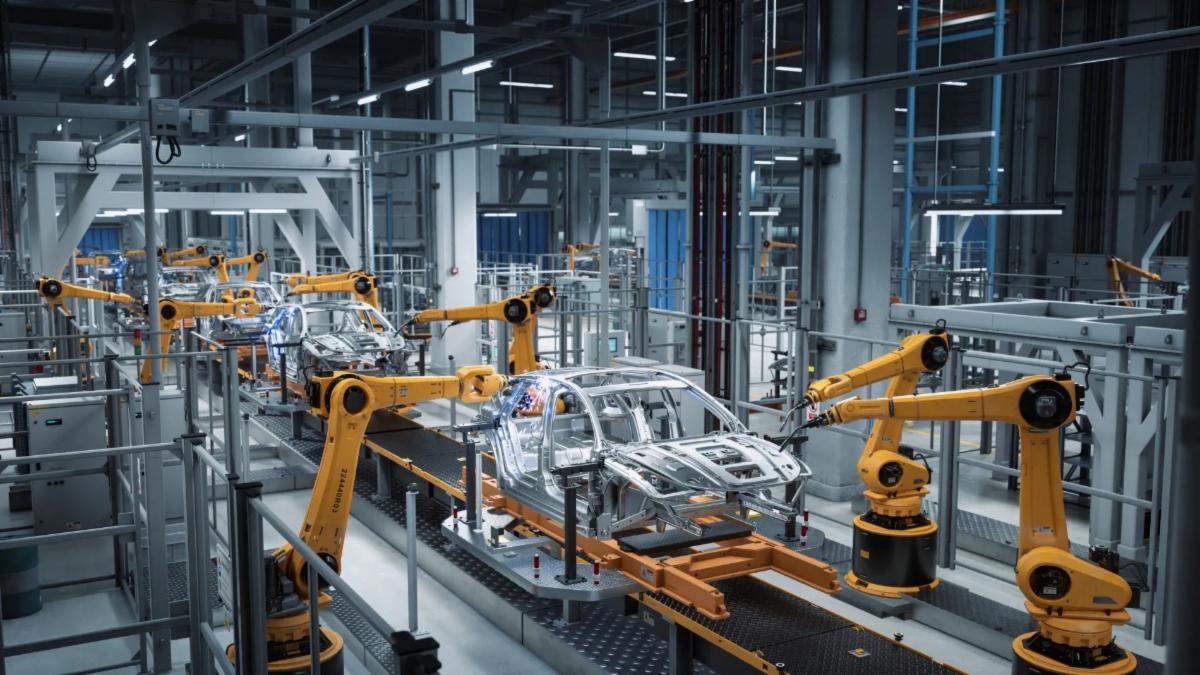
In order to prepare for fast moving technological change, then America must double down on science to spur technology innovation, industrial policy, and manufacturing to secure key supply chains. Preparing our workers is critical through upgrading education, upskilling our workforce, and putting in place the necessary supports to help workers and families transition to an AI-enabled future.


American technology leadership also means setting international standards and building governance frameworks that reflect our democratic values and embed individual human rights, while enabling rapid innovation at scale. The U.S. must start by developing a national governance agenda that we can advance globally.


ALI is developing an agenda to “Reassert U.S. Tech and AI Leadership” that will advance inclusive and sustainable economic growth for the middle class, and ensure a more prosperous, secure, and democratic future.

ICYMI

Reasserting U.S. Technology and AI Leadership

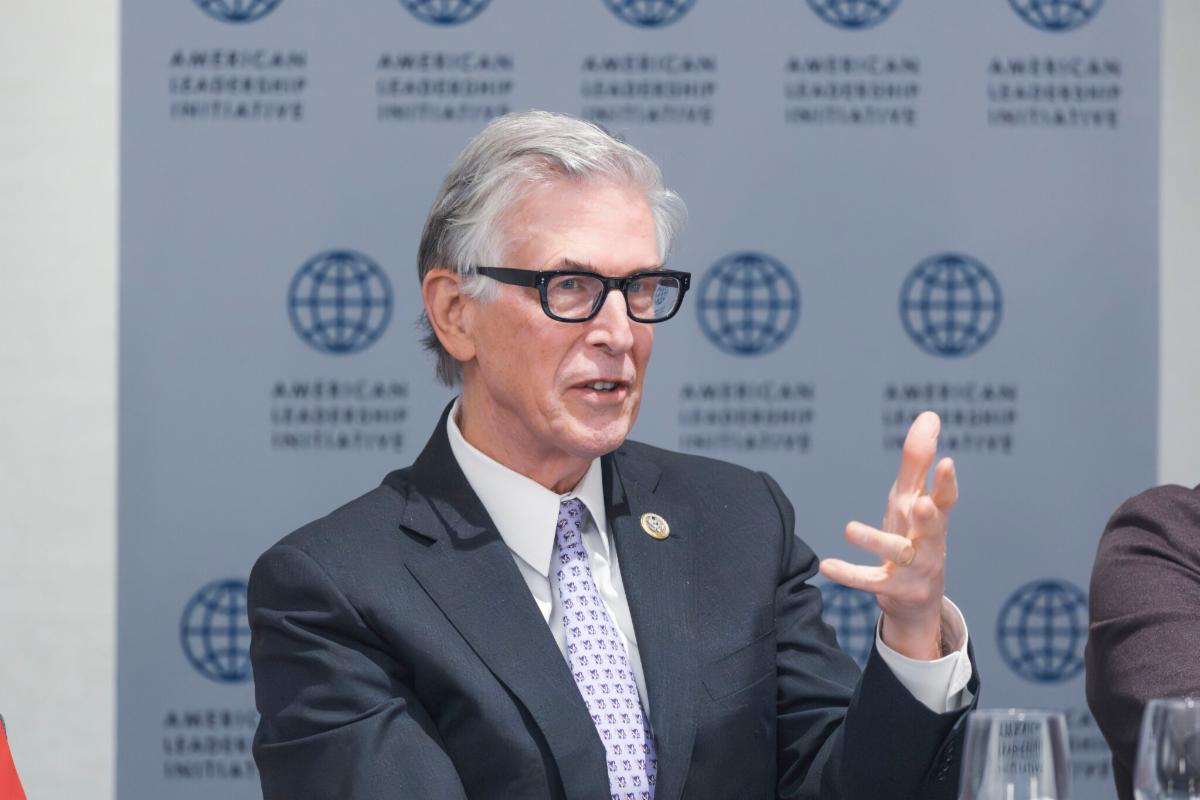
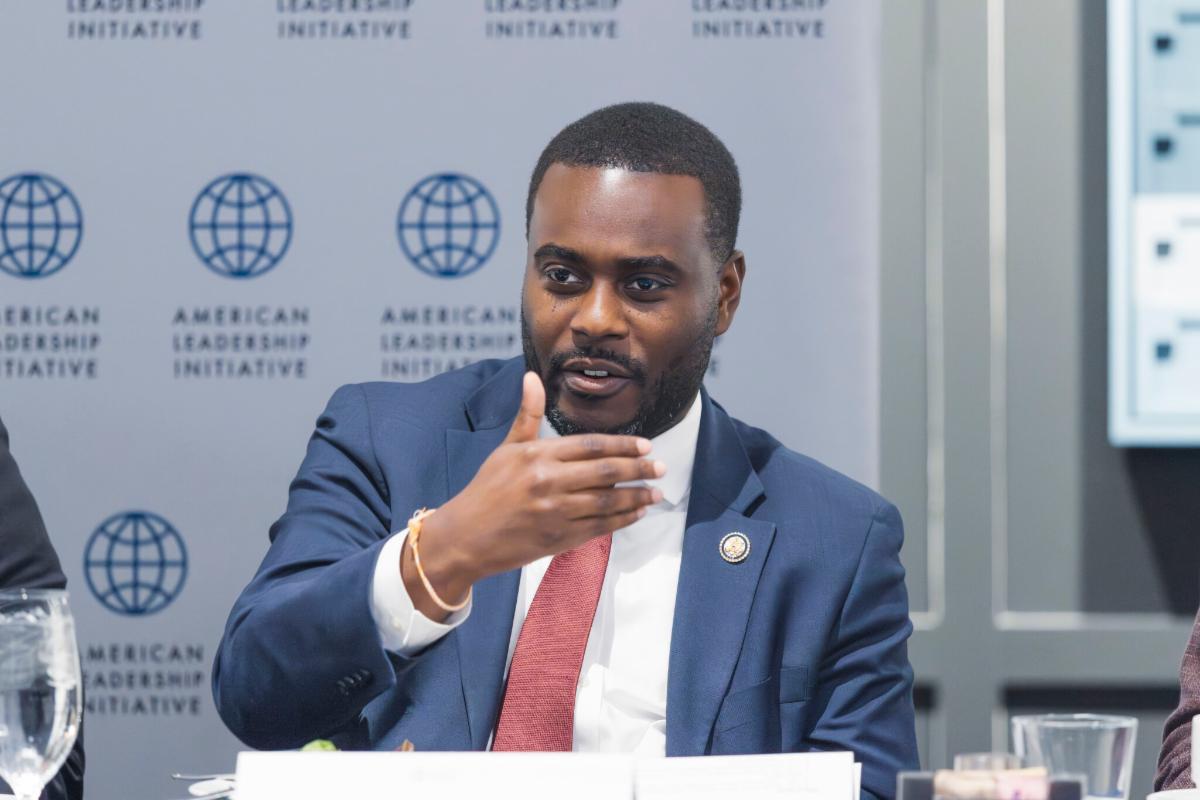
ALI hosted a conversation with Reps. Beyer, Amo, and Friedman discussing "Reasserting U.S. Technology and AI Leadership". Participants, including thought leaders from the business, think tank, and civil society communities discussed the urgent need to reinvest in R&D and education at all levels--both to compete with China and to prepare for our AI future. Discussants noted the need for the U.S. to have a federal AI governance model that addresses privacy, deep fakes, and other issues of concern.


Members expressed concern regarding the potential job losses from AI and the need for the government to develop policies that address unemployment and the economic transition before there is significant backlash against the technology. 

A New Trade Agenda

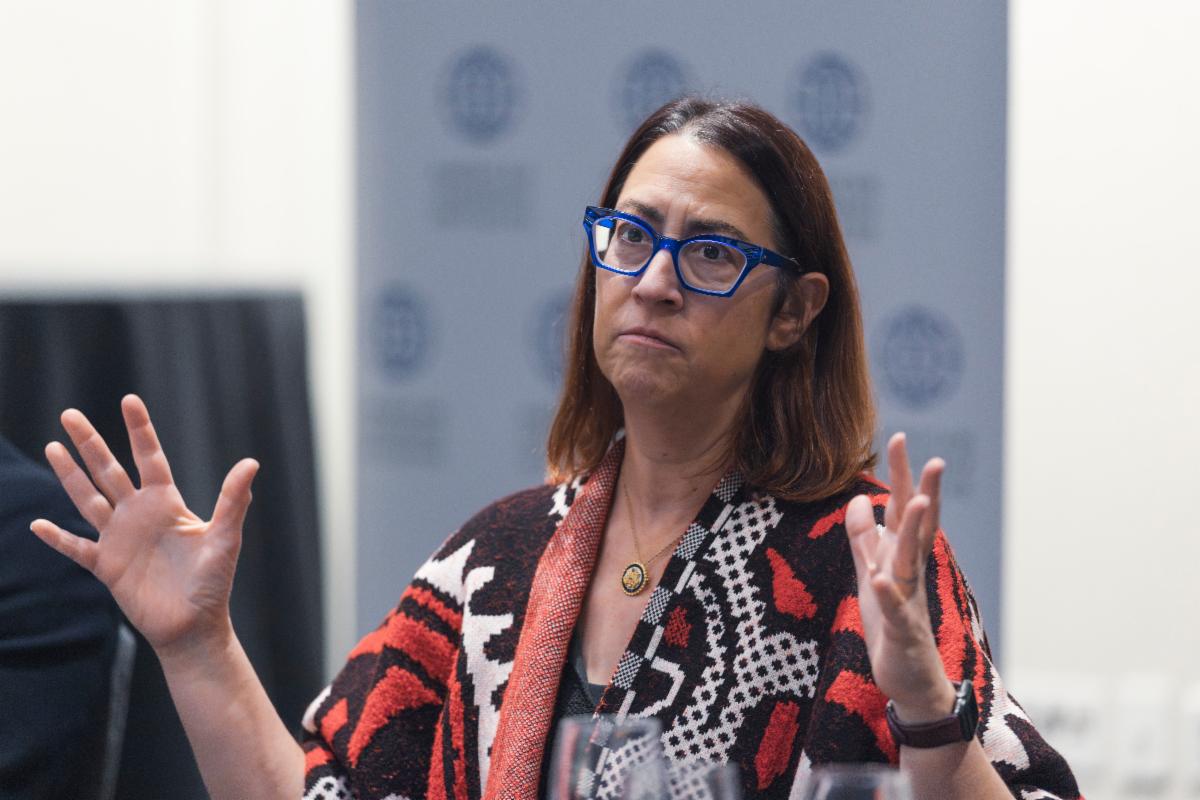
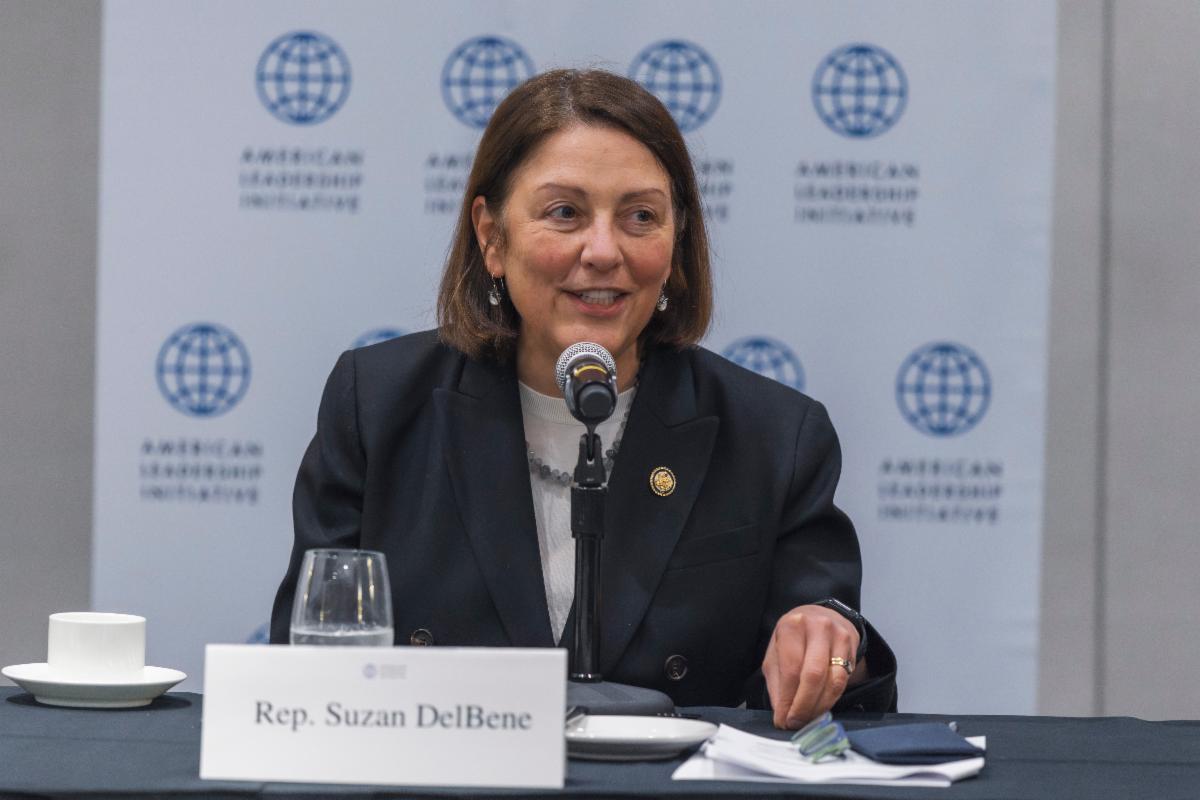
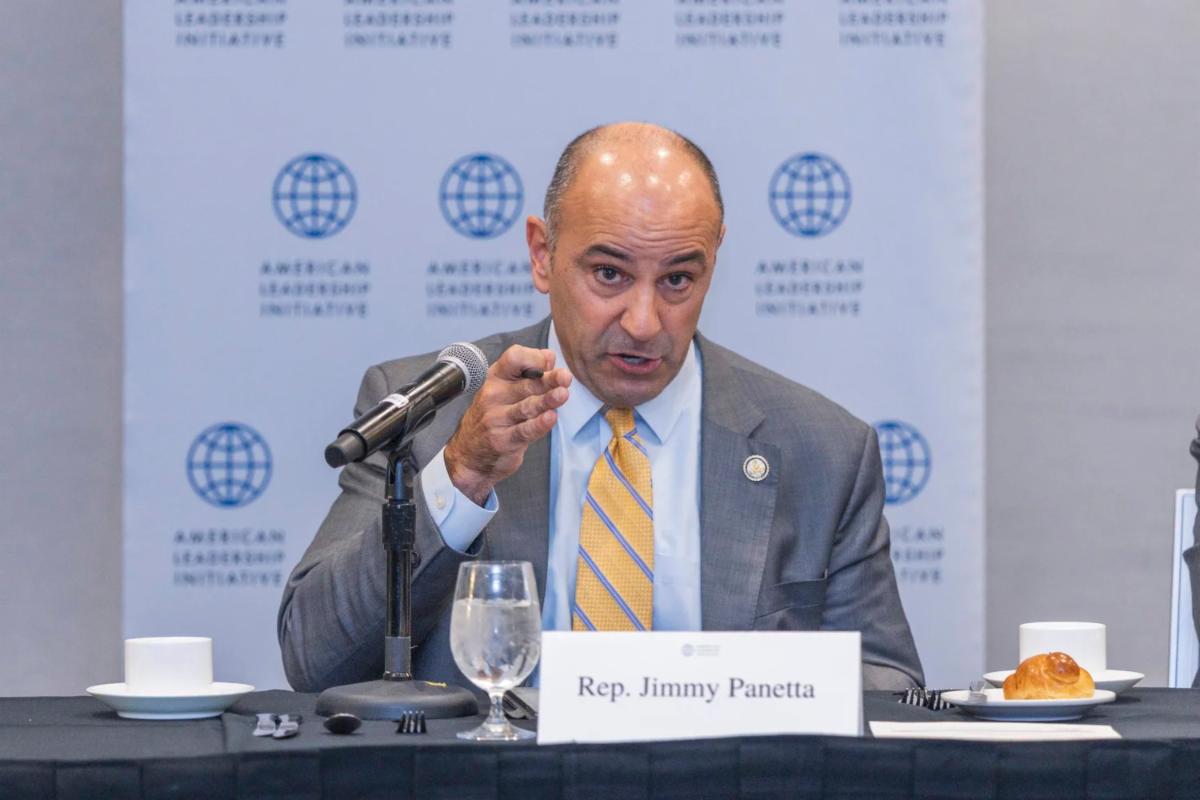
ALI convened Reps. DelBene, Panetta and Hoyle together with other stakeholders to discuss a new tariff agenda that opposes the current chaotic and volatile tariff policy. The new tariff agenda should have affordability as a guiding principle, especially when deciding what tariffs to eliminate unilaterally, such as foodstuffs and other household items. The group discussed the importance of creating guardrails for many of the tariff statutes to prevent abuse by the Executive Branch. These could include limiting their scope, incorporating sunset provisions, and improving oversight and monitoring.


The participants discussed using tariffs for strategic goals, including addressing unfair trade practices, protecting national security, advancing development policy (as in the case of AGOA), and facilitating climate policy, as in the case of carbon border adjustment mechanisms. It was agreed that coordinating tariffs vis-à-vis China with allies is critical to addressing national security.

ALI Statement

American Leadership initiative Responds to the Administration's Decision to withdraw from 60+ UN and Multilateral Organizations

Coming Up

  • In March, ALI will host a conversation with Rep. Greg Stanton and other Congress members, along with leading thought leaders and stakeholders on North American Trade Relations and Renewing USMCA.
  • Other events planned for the Spring include an embassy dinner and a program on the Revitalize America project. --stay tuned for upcoming details!

What We're Reading

Brookings: Not Your Grandfather's Factory: Why Tariffs Won't Help Midwest Manufacturing

"With some low-skill, low-productivity exceptions (such as meatpacking), manufacturing jobs today are high tech and—relative to other jobs—higher paying. This change can be seen in the dramatic shift over the past 20 years in the occupational mix of people working directly in manufacturing. As the economy recovered from the 2007-08 Great Recession, the share of production occupations fell dramatically, while management, business, and financial operations as well as architecture and engineering occupations saw employment share increases."

CSIS: Tech Edge: A Living Playbook for America's Technology Long Game

"America is in a strategic bind: China deploys mercantile and malign tools, including below-cost dumping that bankrupts Western competitors, forced technology transfer, coercive licensing, predatory investment, and patient state capital that can tolerate prolonged periods of losses to capture entire supply chains. It is also producing genuine innovations—including world-first inventions—with increasing frequency. Meanwhile, America relies primarily on historical strengths—such as capital markets, universities, and the rule of law—without adequate tools to counter China’s practices. Export controls and tariffs address symptoms but cannot substitute for building domestic and allied capacity."

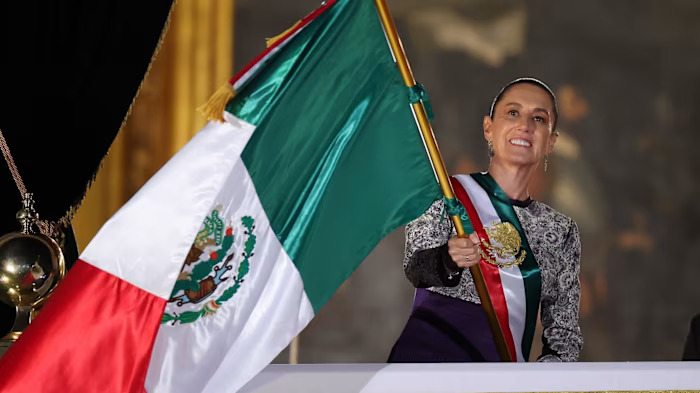
Hinrich Foundation: Mexico's Shift Toward Protectionism: The Impact of New Tariffs

"Mexico enacted sweeping tariff reforms effective since 1 January, raising import duties from 5% to 50% on including 1,400 product lines against non-FTA partners. While these permanent changes aim to strengthen domestic manufacturing, boost fiscal revenues, and align Mexico more closely with US trade priorities, they pose a risk to Mexico’s broader trade relationships."

 
Providing a new vision for American global leadership
Follow us!
Linkedin  Twitter