June 24, 2025

ALI Perspective


As American Leadership Initiative (ALI) develops new trade and economic strategies for the United States, we are building on the strong foundation of our work in recent years.  We are departing from both the current counterproductive disruptions that undermine American interests and values, as well as traditional strategies in place from the end of World War II to 2017. The latter were long overdue for change based on radically changed international and domestic conditions.


Over the previous couple of decades, we saw traditional trade agreements expand to include provisions on environmental and labor regulations. Under this Administration, we have seen an increasing range of items fall into trade negotiations. Tellingly, the agreement with the UK is called the U.S.-UK Economic Prosperity Deal, indicating the broader swath of issues covered. The framework includes a section on Strengthening Alignment and Collaboration on Economic Security, which includes “coordinating to address non-market policies of third countries,” and cooperating on use of “investment security measures, export controls, and ICT vendor security.” 


The China framework agreement is even broader, including China’s agreement to issue critical mineral licenses, a loosening of U.S. export controls on certain technologies, and reopening U.S. visa access allowing Chinese students to study in the U.S.


As ALI launches its new initiative, Rebuilding American Economic Leadership, we will be examining how new economic agreements can be crafted to support U.S. economic and national security, as well as support our labor and environmental goals.

ICYMI

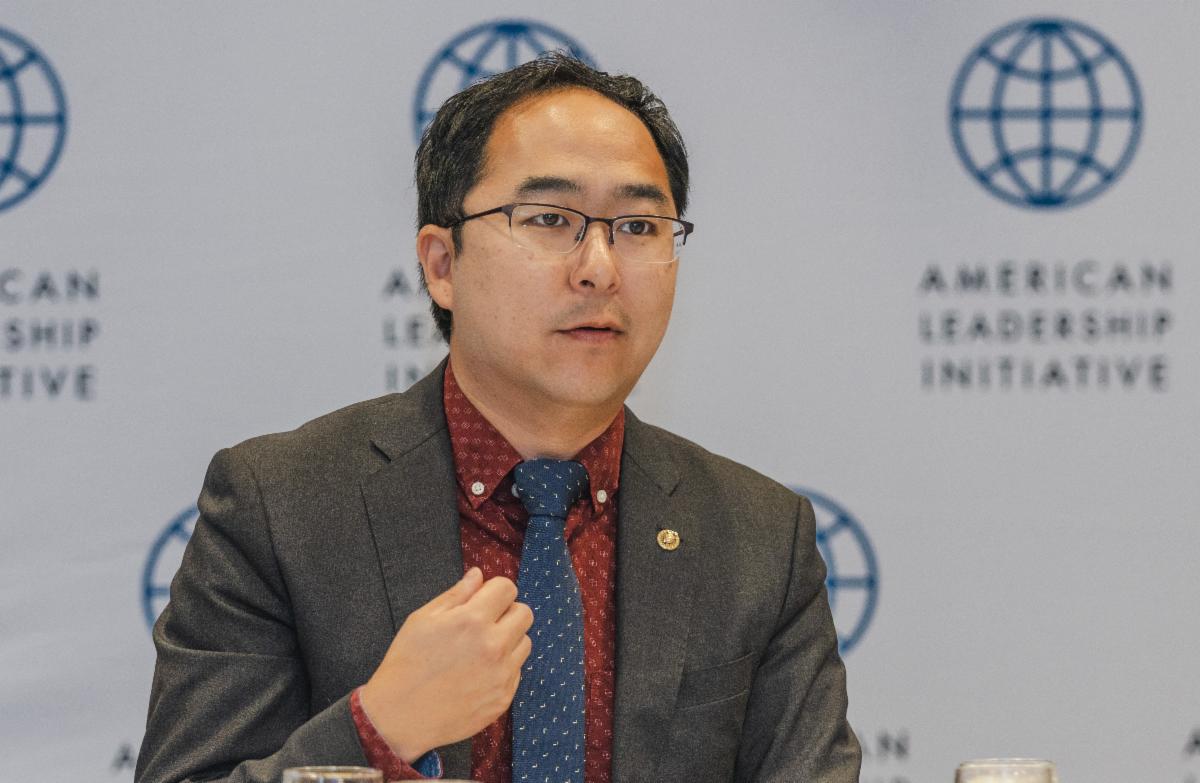
ALI hosted a robust conversation with Sen. Andy Kim (NJ) to discuss "Developing a New Agenda for American Economic and National Security."


Senator Kim emphasized that both Democrats and Republicans must work together to help everyday Americans understand the importance of international trade, relationships with allies, and innovation in maintaining U.S. competitiveness and global leadership.


The group agreed that maintaining American global leadership is the right lens to discuss the importance of global economic engagement. For the U.S. to succeed, we must not bifurcate issues into domestic and international silos. Both are important and impact the challenges we face with China and other adversaries.


ALI will be working with elected officials and other key stakeholders in the months ahead to develop a concrete agenda to rebuild American economic leadership. 

ALI in The News

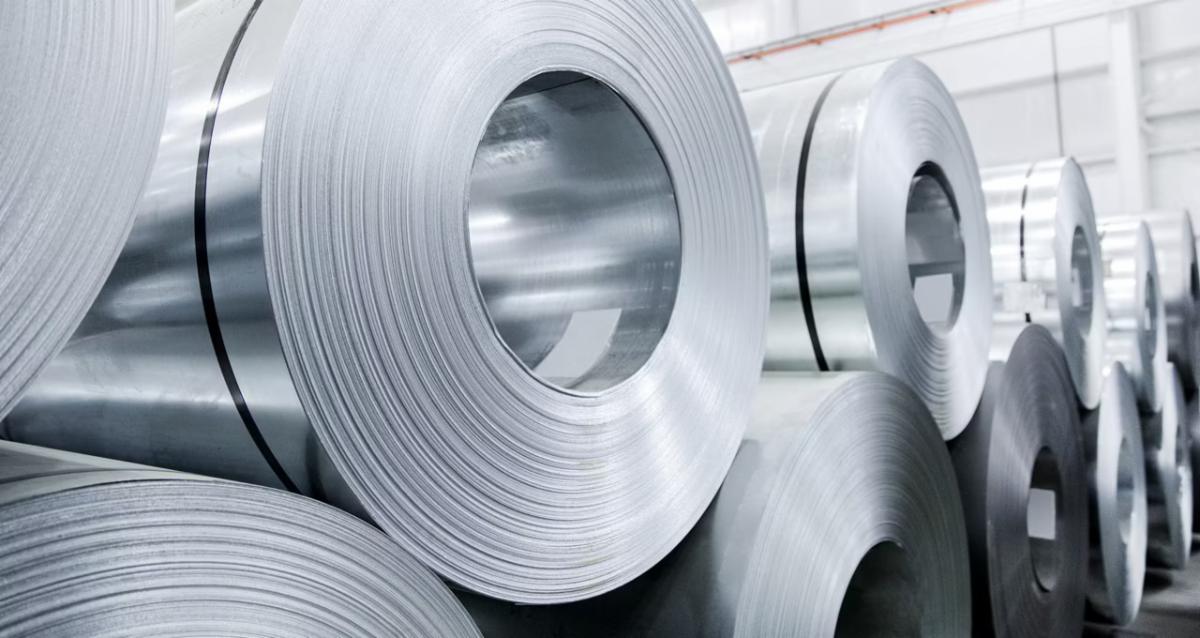
S&P Global: North American Aluminum Sector Blindsided by Tariff Volatility, Trade Flow Uncertainty


"Beyond hurting US manufacturing, tariffs are really destroying trust in the US as a trade partner,” Orit Frenkel, CEO of the American Leadership Initiative, a non-partisan think tank, told Platts. “That, to me, is the major damage. Tariffs have gone up at an incredible pace, and we are treating our allies very badly. So, there's a lack of trust, which I think is going to take a long time to repair.”

ALI's Recent Publications

A Win-Win: Pushing the EU Digital Agenda Towards Innovation


We Can't Afford to Diminish the Dollar


Coming Up

ALI's agenda for the summer focuses on launching our new project, Rebuilding American Economic Leadership--stay tuned for more details. Additionally, we have the following programs:

  • Discussion with global Ambassadors on the impact of U.S. trade policy on our allies.
  • Conversation with Congressional Chiefs and Committee Staff

What We're Reading

RAND: Testing Self-Reliance: What the Trade War Reveals About China's Vulnerabilities and Power

"The trade war has reshaped the U.S.-China economic relationship, with America's relative position weakening over time. While Washington retains meaningful leverage over Beijing, especially via technology controls, that influence is diminishing as China reduces its vulnerabilities."

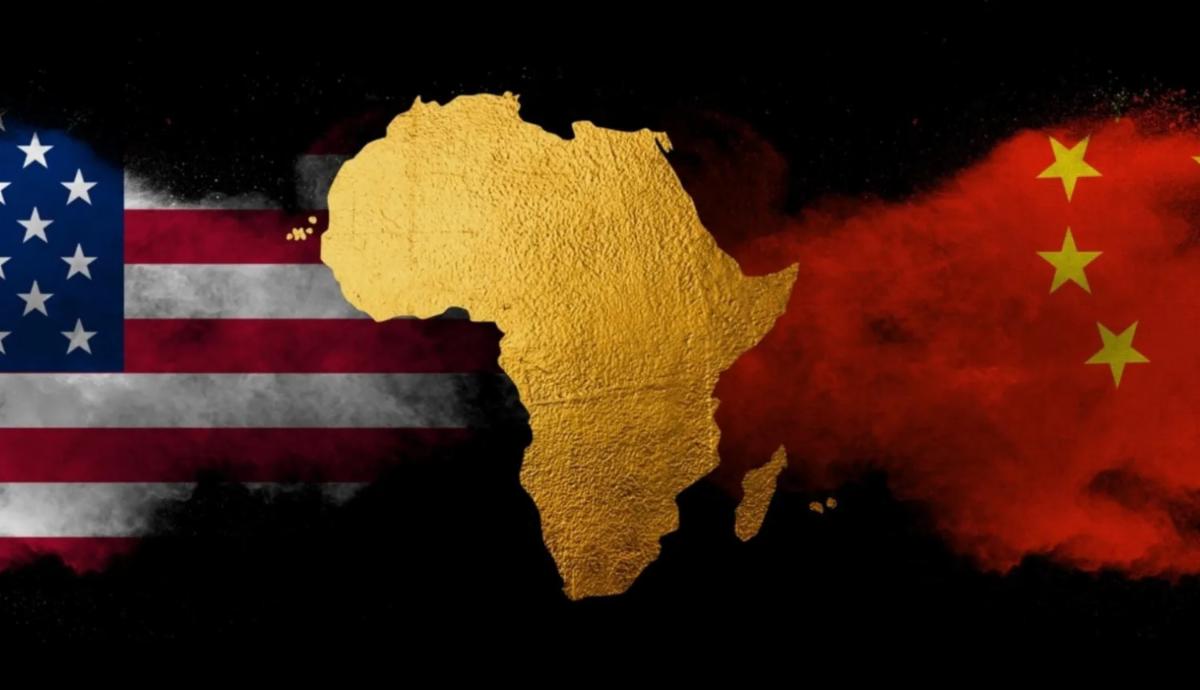
Brookings: A New U.S.-Africa Blueprint for Trump Amid China's Rise


"Yet Trump’s stated goals of bringing industrialization back to the U.S. means that a U.S.-Africa trade deal like AGOA might actually be in the administration’s best interests, given over half of African exports to the U.S. were mineral fuels and precious stones in 2023. The U.S. should also support the implementation of the African Continental Free Trade Area (AfCFTA), which will give U.S. investors access to opportunities within one of the largest free trade areas in the world. "

American Enterprise: How a Pivot on US Tariffs Could Deliver a Better Outcome on Trade

"Instead, the president should seek authorization from Congress to negotiate trade deals and convene countries in a Trump Round of global trade negotiations to reduce tariffs and nontariff barriers on a most-favored-nation basis. The trade negotiations would take place on a more secure legal footing, given the critical role Congress is supposed to play in trade policy under the US Constitution and the ongoing litigation. Moreover, such a new trade round could be the most effective way to address the challenges presented by China’s export of manufacturing overcapacity. Success here could be a signature achievement for Trump’s international economic diplomacy and deliver a reformed trading system that works for the US and the world."

 
Providing a new vision for American global leadership
Follow us!
Linkedin  Twitter