March 30, 2026

ALI Perspective

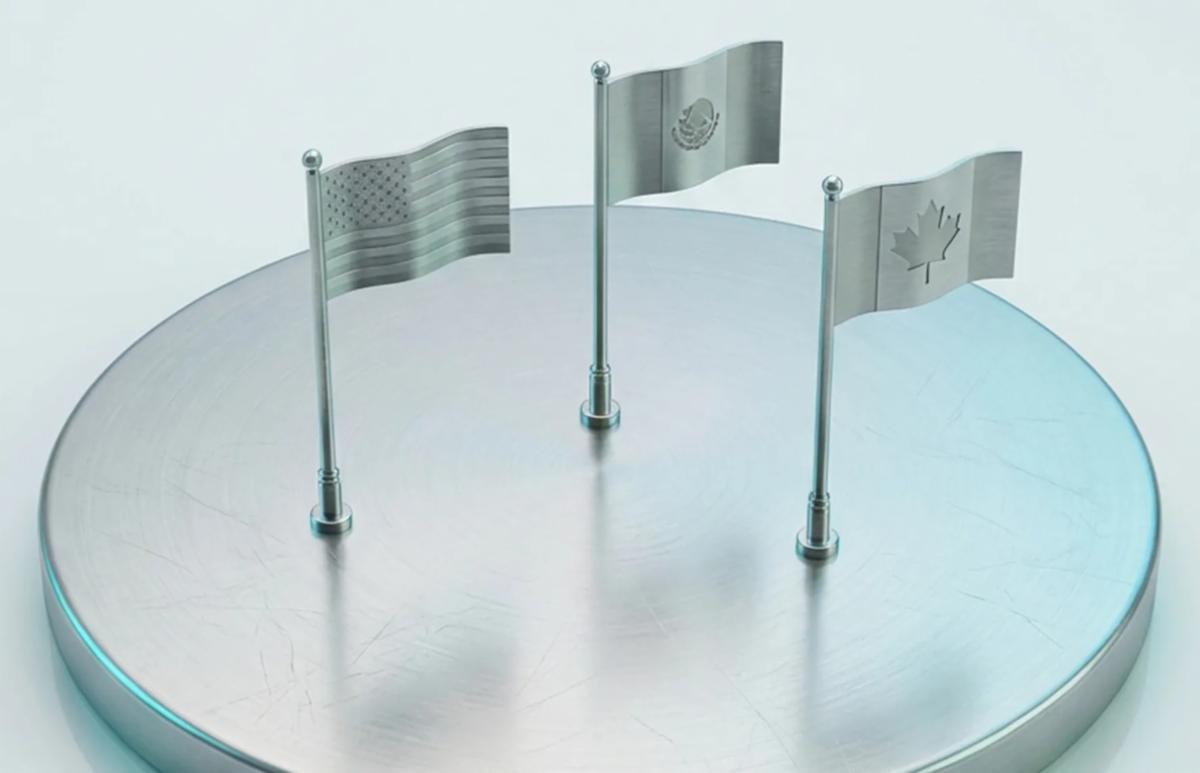
The Iran War Sharpens the Need for USMCA


The Iran war has reinforced America’s need for North American supply-chain security and makes walking away or watering down USMCA more costly. Recent trade agreements have increased their scope to cover economic security, and the war highlights the need to see USMCA as a way to strengthen U.S. economic security.


The USMCA review should be viewed as an opportunity to advance greater regional self-sufficiency in energy, critical minerals, and industrial inputs. Besides oil and gas constraints from the Persian Gulf, it's also the key waterway that delivers helium (needed for chips), fertilizer (food) and other industrial inputs. Even before the war, critical mineral processing was expected to be one of the central issues in the review. 


North American agriculture, which is deeply integrated across the three USMCA countries depends on fertilizer inputs from Gulf exports, adding inflationary pressure on all three economies. America gets about 30% of its fertilizer inputs from the Gulf and now it will have to seek this from elsewhere-- Canada is the number one producer of potash, a key ingredient in fertilizer.


And, of course, China is an ally of Iran's, heightening the moves already underway to shift supply chains out of China to North America and other global allies and partners. Securing new supply chains and solidifying North America’s economic security is only possible, however, with a full renewal of USMCA. If the July 1 deadline passes without renewal and the agreement lapses into an annual review, it will create an environment of uncertainty, putting a damper on new business investments. Businesses will be reluctant to make major supply chains shift with the insecurity of annual renewal hanging over the agreement.


The Administration must seize the opportunity of USMCA renewal to intensify the integration between the U.S. and its neighbors to create a stronger, more secure economic alliance for the 21st century

Coming Up

Managing AI Data Center Issues

ALI Webinar

Monday, April 13

TIME: 2-3pm ET


Darrell West


Senior Fellow, Governance Studies, Center for Technology Innovation (CTI)


Brookings Institution


Brianne Miller


Senior Director, Government Affairs and Lead, Community First AI Infrastructure Initiative


Microsoft


Janet Egan


Senior Fellow and Deputy Director, Technology and National Secuirty Program


Center for a New American Security


Ewelina Czapla


Technical Infrastructure Cloud Government Affairs and Public Policy Manager


Google


Revitalize America's Launch

May 19th, 2026

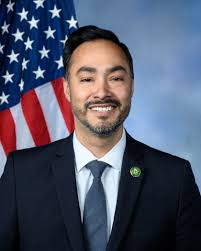
ALI as will gather with Congressman Joaquin Castro (TX-20), other members of Congress, and other thought leaders to launch our Revitalize America Project on May 19. The Revitalize America project is developing a new vision of American economic leadership as we head towards the midterm election and 2028. This project has for workstreams, Reimagine Trade and Economic Alliances, Reassert U.S. Tech and AI Leadership, Renew Smart Power and Rebuild the Workforce. 

ICYMI

ALI Dinner on Renewing USMCA

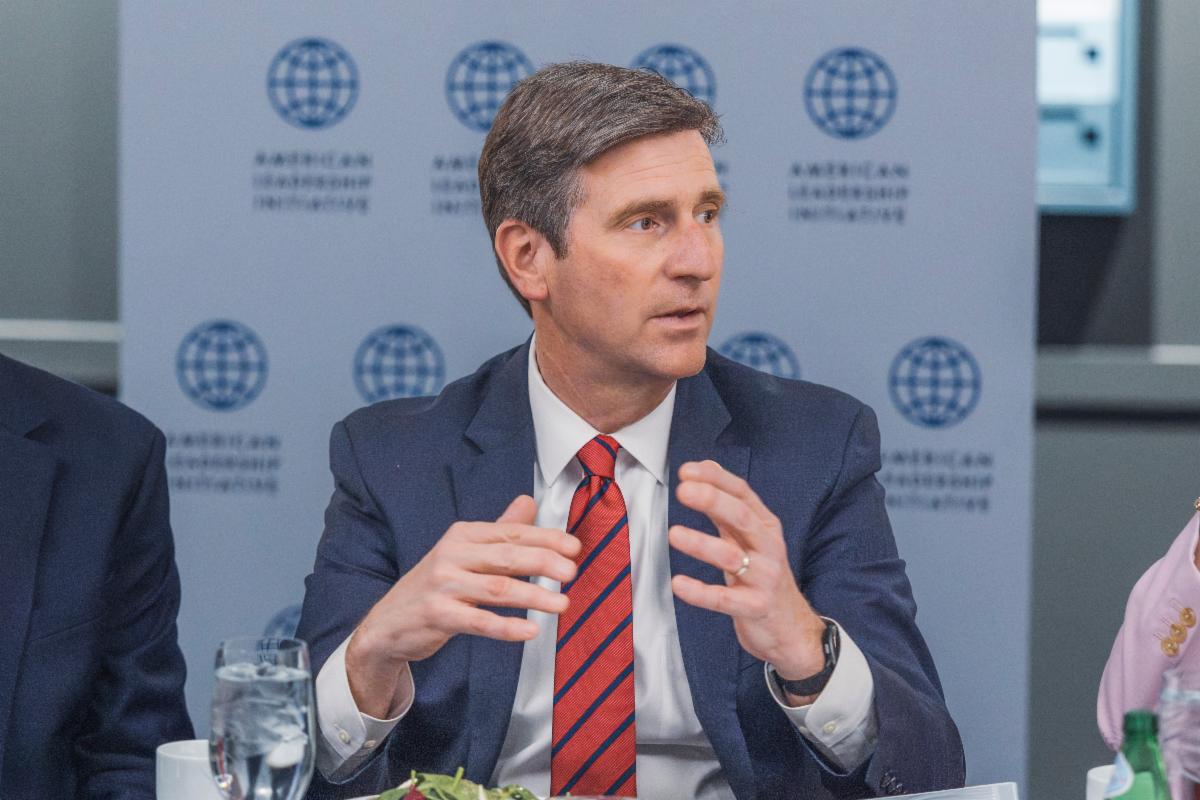
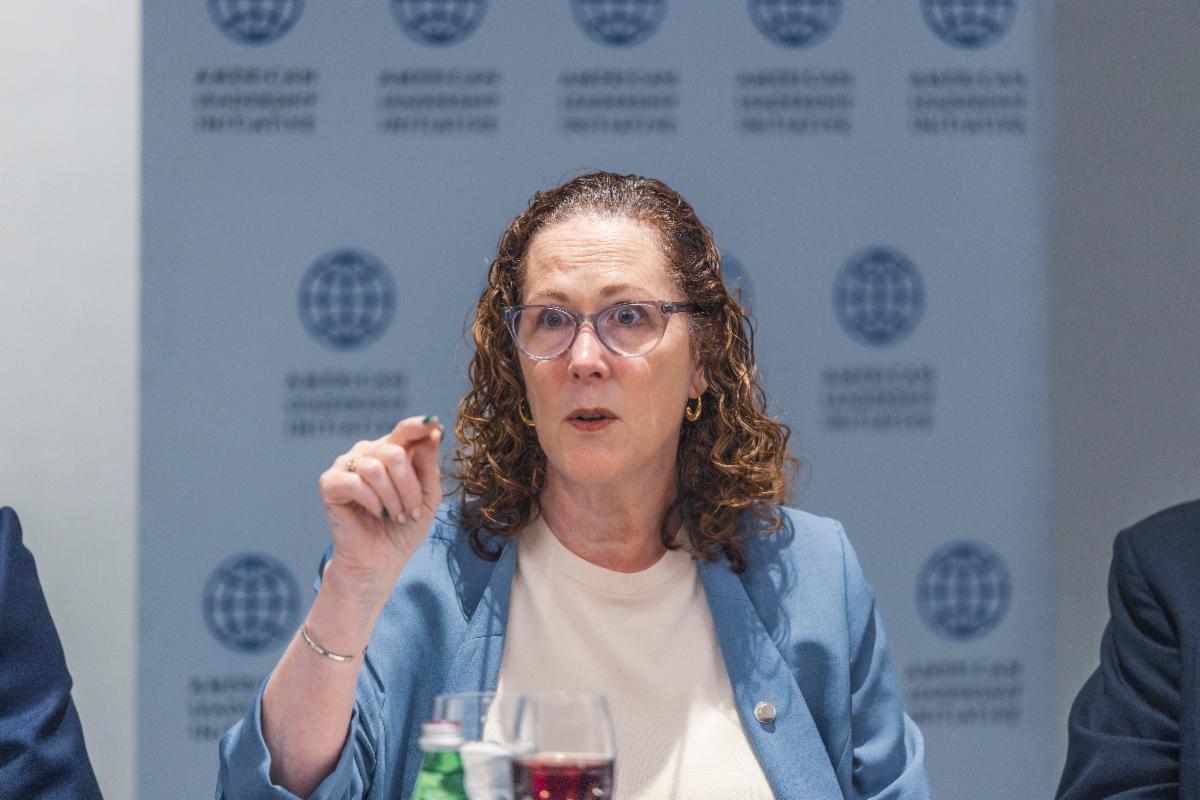
ALI hosted a robust conversation on Renewing USMCA, featuring Rep. Greg Stanton (AZ-4) and Rep. Val Hoyle (OR-4), as well as stakeholders from the business and think tank communities. Looking ahead to the July 1 review deadline, participants explored potential outcomes, with many anticipating that the three countries may not reach agreement in time, triggering a shift to annual reviews. Looking ahead to the July 1 review deadline, participants explored potential outcomes, with many anticipating that the three countries may not reach agreement in time, triggering a shift to annual reviews.

This uncertainty comes at a moment when regional economic blocs are becoming increasingly important in global competition. Without strong North American cooperation, the region risks falling behind. Speakers also warned that continued U.S. friction with key partners could push both Canada and Mexico closer to China, ultimately weakening American leadership.

What We're Reading

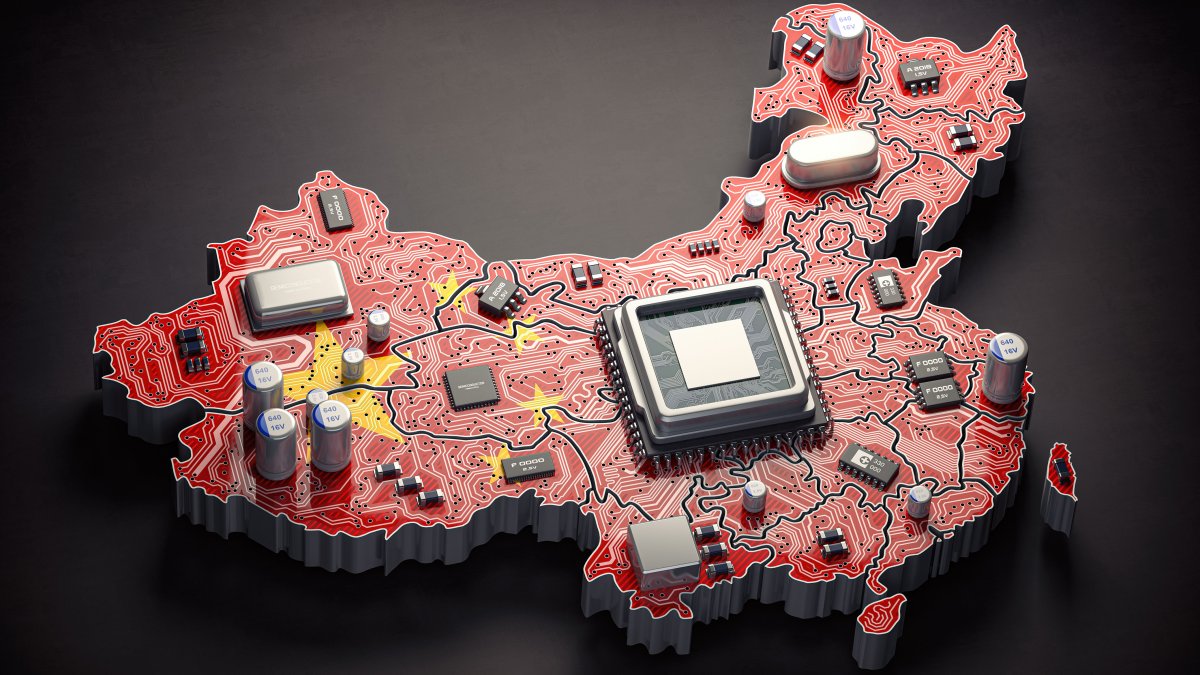
CSIS: China's Localization Drive in Semiconductors Gains Impetus from Allied Chip Export Controls

"U.S. and allied export controls on advanced semiconductor technologies, imposed beginning in 2022, were designed to constrain China’s AI and high-end chip development. While progress on these goals has been limited, the controls have clearly accelerated Beijing’s long-standing drive for semiconductor self-reliance...Collectively, these developments suggest that export controls, while limiting China’s short-term access to frontier technologies, are inadvertently catalyzing a more unified, urgent, and technologically ambitious push toward semiconductor autonomy."

Brookings: Metro Monitor 2026: The Relationship Between Immigration and Regional Economic Performance Over the Past Decade

"Through this analysis, we find that the claim that mass deportations advance economic well-being—for native-born workers or for regions overall—is not supported by the data, nor an extensive research literature behind it. Instead, anti-immigration policy poses a material risk to the economic growth potential of the nation’s largest metropolitan economies, and risks dampening or reversing the significant economic progress that these regions have achieved over the past decade."

Brookings: USMCA has Strengthened Economic Integration in North America

"The USMCA compliance of Mexican and Canadian exports to the U.S. rose substantially in 2025—from less than one-half to almost 80% of trade value—as higher U.S. tariff rates for non-USMCA goods incentivized greater use of the trade agreement.1 Mexico continues to grow its lead as the top source of imports into the U.S., with Canada ranking second. And in 2025, Mexico closed in on Canada as the United States’ top export market."

 
Providing a new vision for American global leadership
Follow us!
Linkedin  Twitter