|
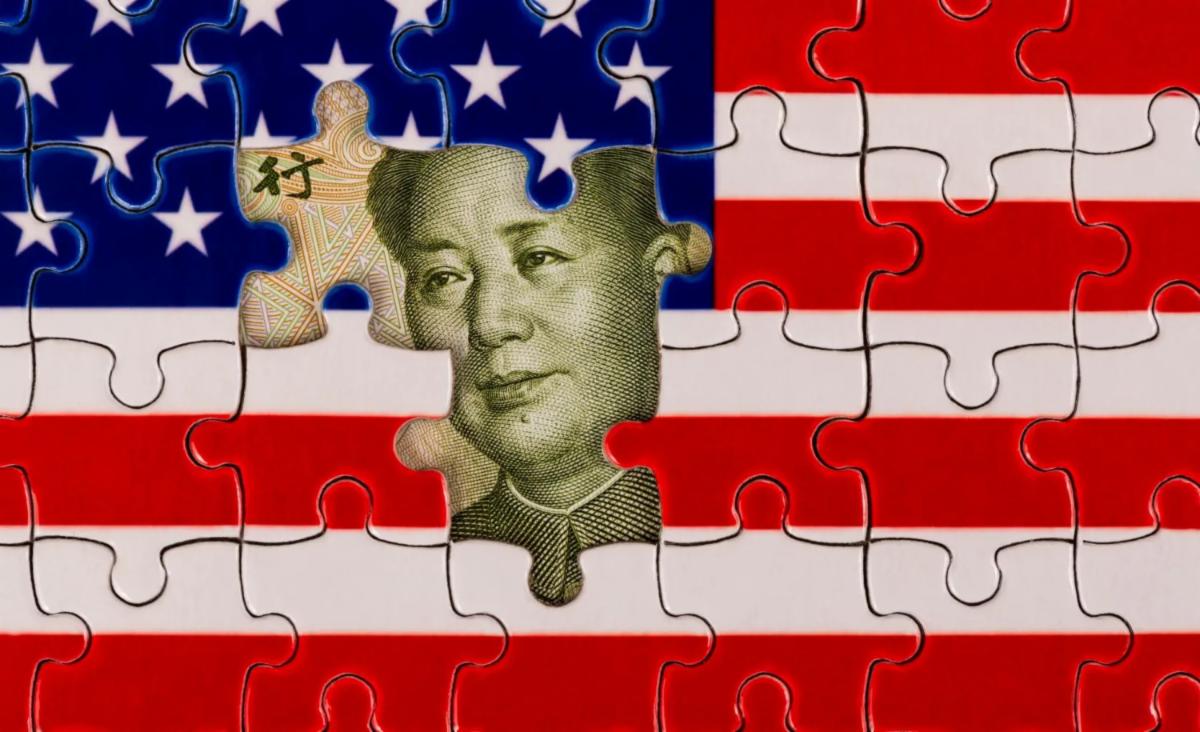
Last week, the President announced tariffs on pharmaceuticals, trucks, kitchen cabinets, and upholstered furniture, and promised to implement a 100% tariff on semiconductors made abroad. While there are caveats and carve-outs, these tariffs will nonetheless cause significant rippling effects throughout the economy.
In September, the Department of Commerce also initiated two new Section 232 investigations targeting robotics, industrial machinery, personal protective equipment, medical consumables, and medical equipment, which will likely pave the way to additional tariffs.
According to The Budget Lab at Yale, the average U.S. tariff in August rose to approximately 17.7%, the highest since 1934, representing a 15.3 percentage point increase from pre-2025 levels. This level will only increase once the new tariffs are implemented. Tariffs are effectively a tax on working Americans and are expected to increase consumer prices by approximately 1.8% in the short term, equating to a loss of about $2,600 per household, in addition to resulting in lower GDP growth and job losses.
The full impact of these tariffs will continue to unfold over the next year, reshaping the American economy, increasing prices, and causing job losses. American Leadership Initiative’s new project, Revitalize America, is designed to confront these challenges head-on and develop a new vision for American economic leadership through reimagining trade and economic alliances for the 21st century.
|