|
While there is disagreement regarding the degree to which AI will affect different jobs, two things are clear- first that we are on the precipice of a new technological revolution that will impact the American workforce, and second that there is not yet a plan to support and transition our workforce.
The U.S. would do well to learn from other countries who are already preparing their workforce. Singapore is arguably the furthest along and has built a public reskilling architecture that assumes AI-driven disruption will be a permanent condition rather than a one-time shock. The government has committed $1 billion to a National AI Strategy that trains workers across all sectors and gives citizens six months of free access to premium AI subscriptions when they enroll in qualifying AI courses.
Ireland's National Artificial Intelligence Strategy sets out a pathway devoted to "AI Education, Skills and Talent," giving specific steps on how to prepare the workforce for disruptions from AI. The strategy includes a range of digital upskilling and reskilling initiatives with ministers explicitly stating that AI is more likely to complement workers' roles than replace them.
A decade ago, Finland launched a lifelong learning system, which has now upgraded to integrate all types of AI skills for stronger labor mobility support as well as AI-powered vocational education and training-- including a free, self-paced, introductory course built by the University of Helsinki.
The public is understandably concerned about this coming transition, and this concern will escalate as AI usage spreads. The U.S. public and private sectors should learn from international best practices and work together to develop a roadmap that upskills and trains American workers and students to succeed in the new economy.
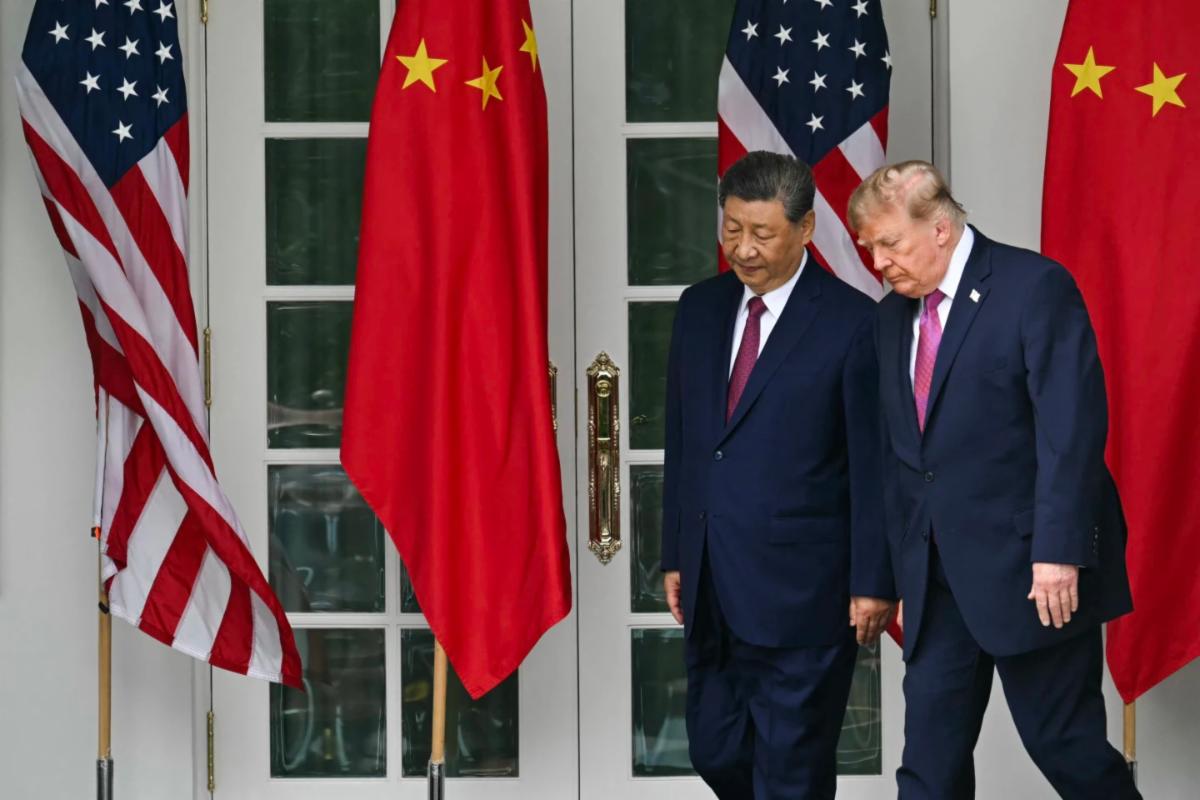
| | ALI Conversation: Unpacking the Trump-Xi Summit | | |
Dr. Melanie Hart
Sr. Director, Global China Hub
Atlantic Council
| | |
Wendy Cutler
Sr. Vice President
Asia Society Policy Institute
| | |
Jonathan Fritz
Sr. Fellow for China Policy
Center for American Progress
| | ALI will host an important conversation with leading China experts to unpack the Trump-Xi Summit and discuss where the U.S.- China relationship is headed, in terms of trade, technology, and the geostrategic relationship. | | ALI Conversation: Developing a Comprehensive AI Agenda | | |
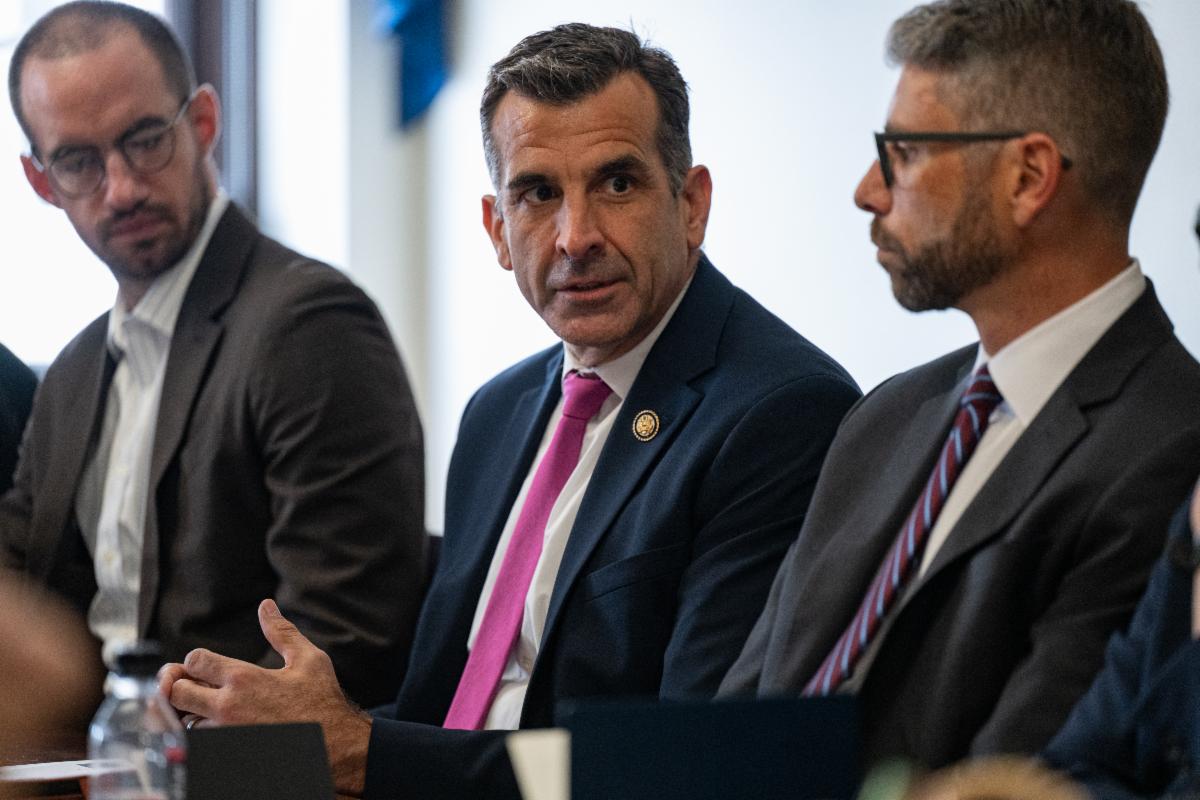
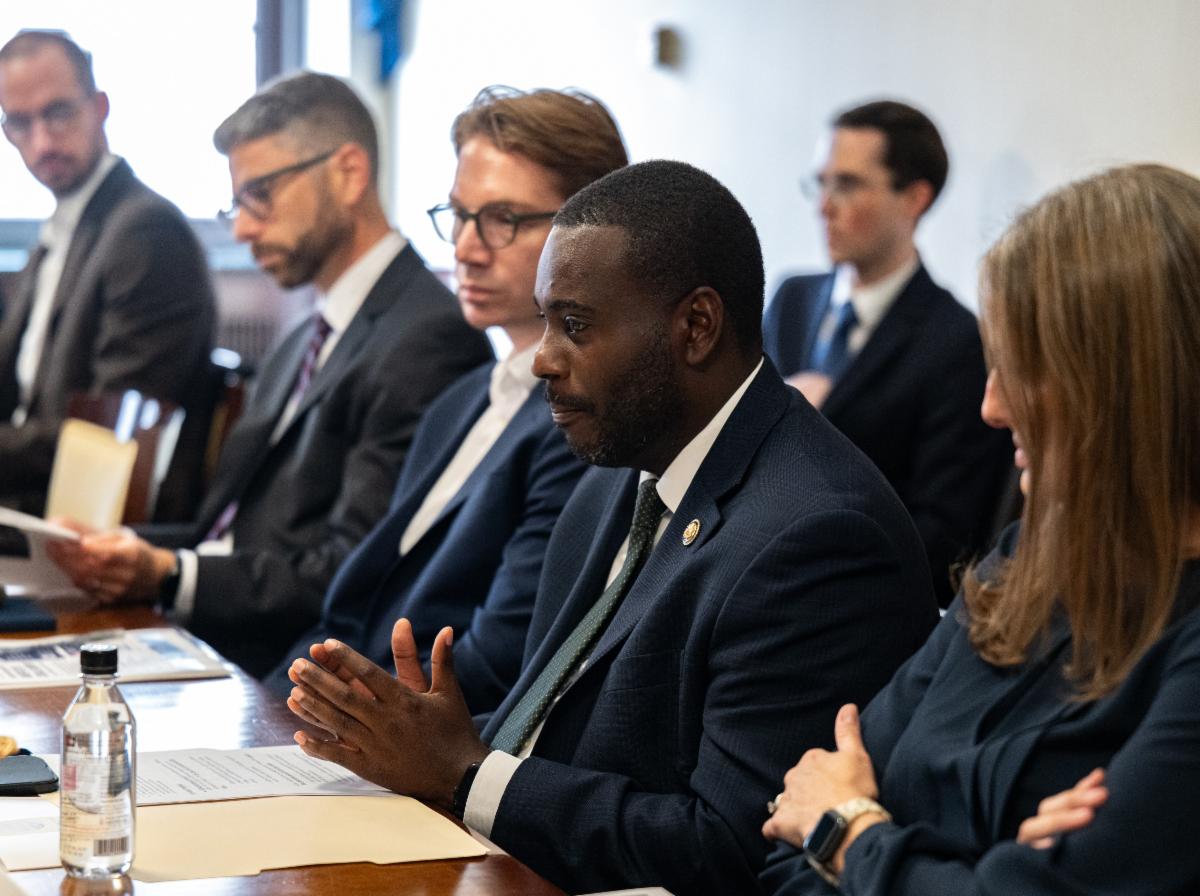
ALI recently convened a discussion on the future of U.S. AI policy, bringing together Reps. Sam Liccardo and Gabe Amo and leaders from the technology, business, and NGO communities. The conversation focused on maintaining U.S. AI leadership while addressing safety, privacy, workforce readiness, data center development, and competition with China. Participants emphasized the need for clear national standards, meaningful human oversight, AI literacy, and stronger coordination with allies.
| |
The discussion also explored how Congress, industry, and local communities can work together to responsibly develop AI governance and ensure that its benefits are broadly shared.
| | ALI Conversation: Future of Transatlantic Relations | | |
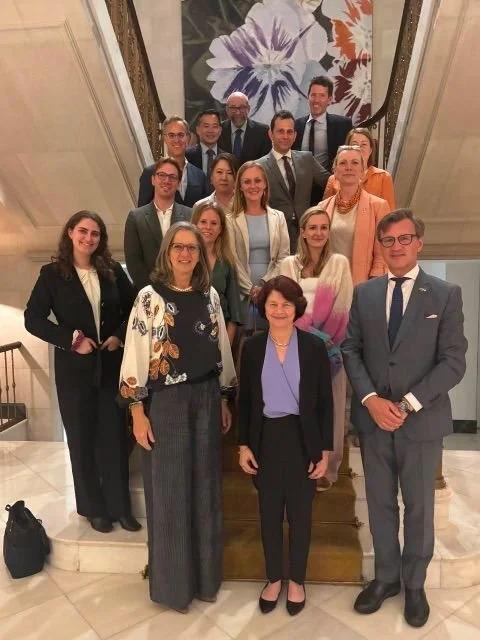
In July, ALI convened with policymakers, diplomats, and business leaders at the residence of Dutch Ambassador Birgitta Tazelaar in Washington, DC to discuss the Future of Transatlantic Relations. The conversation underscored growing tensions driven by trade disputes, tariffs, and broader geopolitical uncertainty, alongside declining European trust in the United States.
Participants emphasized that despite these challenges, the U.S.–Europe partnership remains critical, particularly in addressing shared priorities such as China, supply chain resilience, and security cooperation. Speakers highlighted the need to rebuild trust through more predictable policies, stronger communication, and closer coordination—especially on trade and innovation.
The discussion concluded with a focus on opportunities for renewed private and public collaboration, including joint efforts in technology, critical minerals, and investment, and a shared recognition that strengthening the partnership will be key to sustaining a resilient transatlantic alliance.
| | |
ALI’s has launched our Substack, a place where bold ideas for American global leadership take shape. We publish sharp, timely takes on trade, technology, economic security, and foreign policy--with a focus on how the U.S. can compete, lead, while delivering at home. With diverse voices and practical thinking, ALI is helping drive the conversation forward.
| | |
"The United States and China will eventually need to reach such a negotiated agreement to ensure neither country fields an AI model that poses a danger to public safety. The current situation has drawn parallels with Cold War arms control negotiations, given that the United States and the Soviet Union found ways to reduce nuclear risks even while in vigorous competition. "
| | |
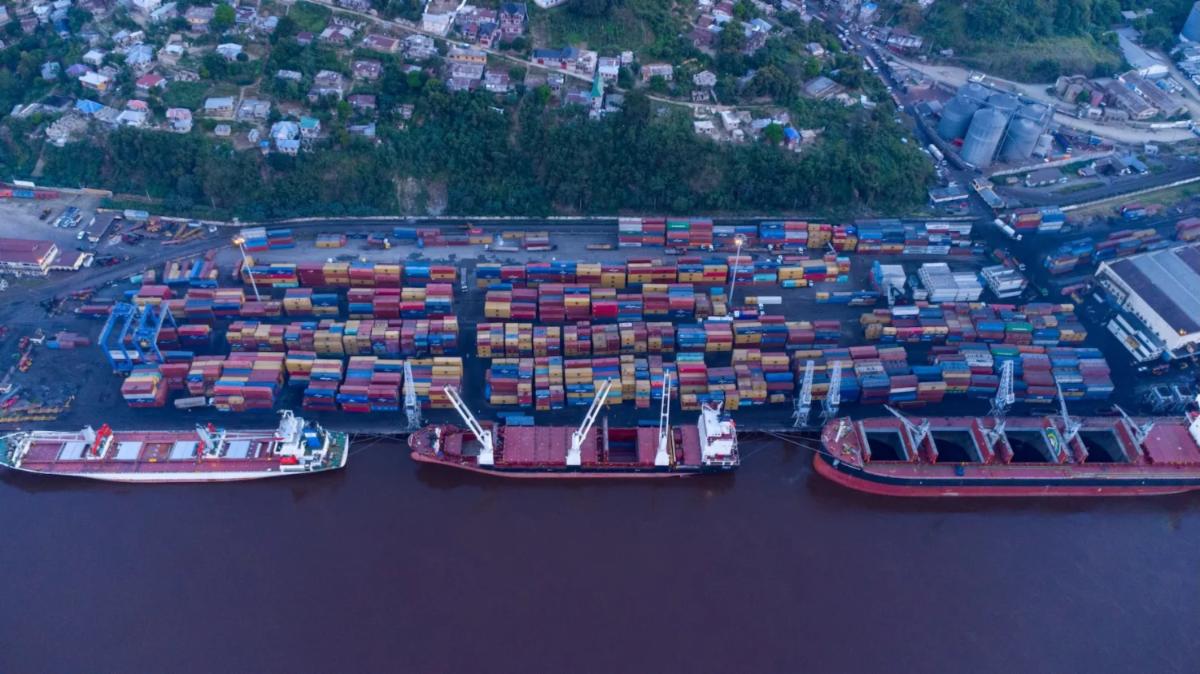
"By extending the legislation for only two years, however, Congress avoided a critical question: how to modernize AGOA...The governments, businesses, workers, trade associations, and civil-society organizations that helped secure the extension must now remain engaged in shaping what follows in 2028. The modernization of AGOA should build on Africa’s preferential access to the U.S. market by transforming the U.S.-Africa commercial relationship into a mutually beneficial relationship based on investment, regional integration, digital trade, industrial development, and more reciprocal commercial relations."
| | |
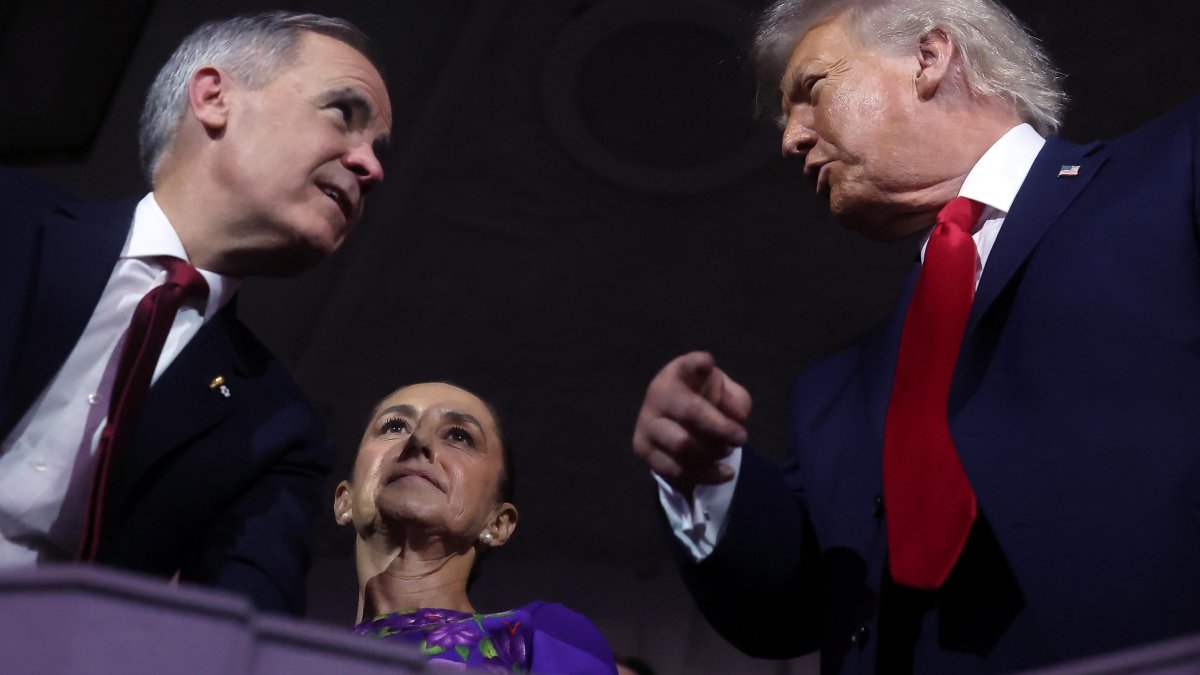
"On July 1, 2026, the White House let the clock start on the United States-Mexico-Canada Agreement (USMCA) by declining to renew the deal for another 16 years. The agreement did not expire; instead, it entered a phase of annual reviews that could run until 2036, when the agreement would lapse for good if the three governments never agree to extend it. With U.S.-Canada trade talks now in collapse, Mexico is the only USMCA track still moving. What Mexico concedes for tariff relief in a stopgap deal could become the baseline for Canada, and for the harder USMCA fight still to come."
| | |
Providing a new vision for American global leadership | | | | | |