April 30, 2026

ALI Perspective

The U.S. must urgently get back to the negotiating table to set new standards and norms for digital trade, and AI governance. There is still a window for the U.S. to lead, but it is closing as other countries negotiate agreements without us in a fast-paced, rapidly changing technology landscape. The U.S. is losing the opportunity to set norms and standards that encompass American values, protect its workers, and give American companies a leg up in the global marketplace. 


Over the past year and a half, as the Administration has moved away from our traditional allies, democratic values, and the existing global order, our closest partners have been building trade and technology rules without the U.S. The EU has negotiated trade agreements with Mercosur and India and is strengthening its trading relationship with the CPTPP countries. Other partners are moving forward as well - the UK concluded an FTA with Korea, and Canada is expecting to conclude an FTA with ASEAN this year. 


Countries are making real, tangible progress on new digital agreements -- the EU and the CPTPP countries are negotiating a digital trade deal, Korea has joined the Digital Economy Partnership Agreement, and new digital trade language is embedded in most of these new trade accords.


As new agreements and frameworks move ahead without the U.S., American firms face growing risks and disadvantages from preferential arrangements they are not included in, fragmented regulatory standards, and their reduced influence over digital trade and AI governance. U.S. absence opens the door to other countries advancing their own governance models, which could compromise U.S. economic security and usher in more punitive rules that impede innovation and hamper democracy.


Coming Up

Developing a New Consensus on U.S. Leadership in Trade & Tech


May 19th, 2026

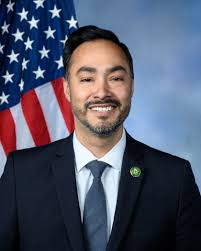
Rep. Joaquin Castro (TX-20)

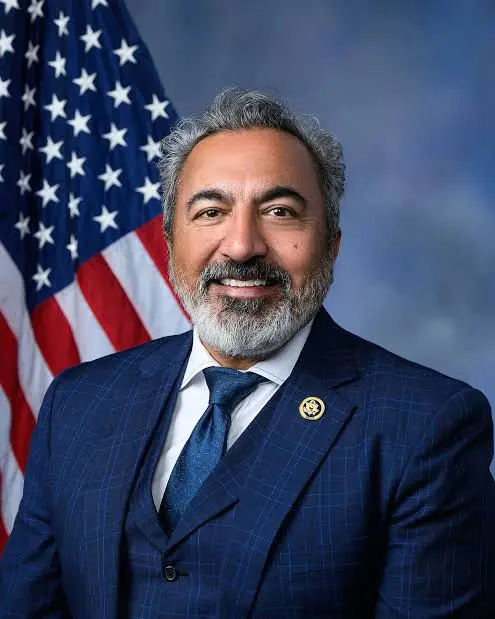
Rep. Ami Bera

(CA-6)

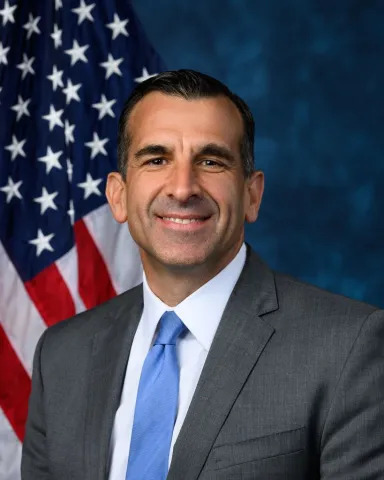
Rep. Sam Liccardo

(CA-26)

ALI will gather with Reps. Joaquin Castro (TX-20), Ami Bera (CA-6), and Sam Liccardo (CA-16) with Amb. Demetrios Marantis (former Acting USTR), Dr. Melanie Hart (former China Advisor to Secy Raimondo), Vivek Chilukuri (CNAS), and Nicholas Bramble (Google) along with other members of Congress, and stakeholders to host a deep dive conversation on how to chart a new path for U.S. trade and tech leadership.

ICYMI

ALI Webinar on "The AI Data Center Challenge: Balancing Growth, Communities, and Sustainability"

ALI convened leading experts to tackle The AI Data Center Challenge: Balancing Growth, Communities, and Sustainability. Darrell West (Brookings Institution), Janet Egan (Center for a New American Security), Brianne Miller (Microsoft), and Ewelina Czapla (Google) underscored a central reality: data centers are essential to U.S. leadership in AI.


Panelists highlighted Community Benefit Agreements as a key tool to address public concerns--ensuring transparency, accountability, and clear local benefits.


As Janet Egan emphasized, compute power is the defining edge in AI. More data centers mean stronger models, faster innovation, and a critical advantage over China.


AI infrastructure must scale responsibly--strengthening communities through grid resilience and expanded transmission invested in by corporations like Microsoft and Google.


ALI is driving that balance--championing transparency, smart regulation, and democratic values to ensure the U.S. leads in AI the right way.


What We're Reading

NYTimes: Nearly Half of the World is Bearing the Brunt of Global Disorder. Don't Expect Richer Countries to get a Pass

"Richer and more powerful countries do have a role to play in helping poorer countries, but doling out aid is not the answer. Reinforcing global institutions and the rules-based order governing international commerce will help everyone, but low-income countries in particular. Reining in budget deficits and ensuring financial stability will help reduce economic volatility. By doing the right things, richer countries could help themselves as well as their poorer counterparts."

McKinsey: The Race Takes off in the Next Big Arenas of Competition

"Based on the markers of these 12 arenas over the last two decades, MGI identified 18 future arenas—industries showing early indications of the same potential to reshape the global economy over the next two decades. Some represent entirely new domains of competition, such as shared autonomous vehicles and space. Others, like semiconductors and e-commerce, reflect the ongoing evolution of earlier arenas as technology resets and investment cycles intensify. Throughout this report, we refer to all 18 as “future arenas,” likely to lead in growth and dynamism to 2040...Together, these 18 future arenas could generate $29 trillion to $48 trillion in revenues by 2040."

German Marshall Fund: Trade Explainer: EU-CPTPP Cooperation and the Search for New Coalitions

"Yet, the gathering was not totally devoid of announcements. Ministers from the EU and the Comprehensive and Progressive Agreement for Trans-Pacific Partnership (CPTPP) agreed to accelerate work toward a digital trade agreement, confirming a growing conviction among middle powers that meaningful rulemaking on trade—especially digital trade—will increasingly take place outside the WTO’s consensus machinery."

 
Providing a new vision for American global leadership
Follow us!
Linkedin  Twitter