|
Prairie to Peak - December 2025
ALS Society of Alberta
| | 2025: A YEAR OF PROGRESS, CARE, AND COMMUNITY | | |
|
As we come to the close of the year, I want to take a moment to thank you for being part of the ALS Society of Alberta community. The strength, honesty, and care I see every day continue to shape who we are and how we show up for one another.
At the heart of our work is our commitment to supporting Albertans living with ALS, PLS, and Kennedy’s Disease and those who walk alongside them. Through our Client Services team, we have the privilege and responsibility of offering practical support, guidance, equipment, and a steady point of connection during an incredibly challenging time. Being able to support individuals and families in this way is at the core of why we exist.
In 2025, we heard clearly from people across Alberta's ALS community that there was a desire for deeper connection. In response, we created more opportunities to come together, to learn from one another, and to feel less alone. Those moments of connection matter, they inspire hope and they continue to guide our work.
Looking ahead to 2026, there is so much to be proud of and excited about. We will be celebrating the 40th year of the ALS Society of Alberta, a milestone that reflects decades of commitment to client services, advocacy, and research. We will also be sharing exciting news about the 30th anniversary of our Walks, which have brought communities together across the province and helped fuel both services and research.
The ALS Society of Alberta plays a vital role in this province in supporting people living with ALS, their families and loved ones, and it also supports important research through the Alberta ALS Research Network (AARN). In 2025, AARN focused on supporting existing Alberta-based research projects and student research trainees working on ALS at Alberta universities. In 2026, the ALS Society of Alberta and AARN will continue to advocate for greater access to drug trials, more opportunities for people to participate in research, and accessible information sessions that help people stay informed and engaged.
I am deeply grateful for our incredible Board of Directors whose leadership and care help guide this organization, and for our amazing staff, whose compassion and dedication show up every day for the people we serve.
Thank you for your trust, your support, and your belief in this work. It is an honour to walk alongside you, and I look forward to what we will continue to build together in the year ahead.
Sincerely,
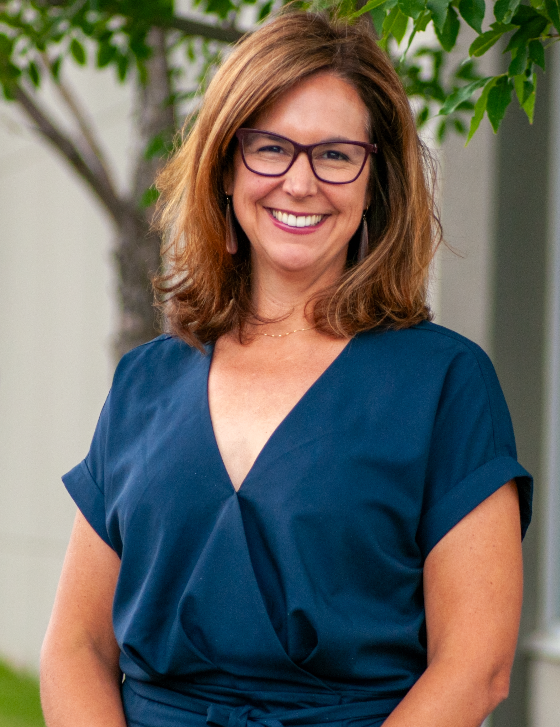
Leslie Ring Adams
Executive Director
| | | |
2025 Snapshot
Your support helped us continue delivering essential programs and services across Alberta, while strengthening advocacy, awareness, and research efforts.
This year, together, we:
- Supported individuals and families through critical moments after diagnosis and beyond
- Delivered and expanded access to equipment and assistive technologies
- Advanced ALS research and collaboration through AARN
- Brought communities together through events, campaigns, and shared stories
| |
Supporting Albertans Living with ALS
At the heart of everything we do are the people and families living with and affected by ALS.Through major events, community-led fundraisers, workplace campaigns, and monthly giving, supporters helped ensure reliable funding for programs and services that matter.
In 2025, our team worked closely with clients across the province to provide individualized support. From equipment loans and communication tools to navigation, education, and connection.
As our clients’ needs evolve, so does our approach, guided by compassion, flexibility, and respect for each person’s journey.
| |
Caregiver Support & Education
Through initiatives such as Compass for ALS Caregiver sessions, the Caregiver Book Club, and community meetups across Alberta, we created opportunities for education, connection, and peer support in recognition and support of the essential role caregivers play and the unique challenges they face.
| |
Volunteer Power!
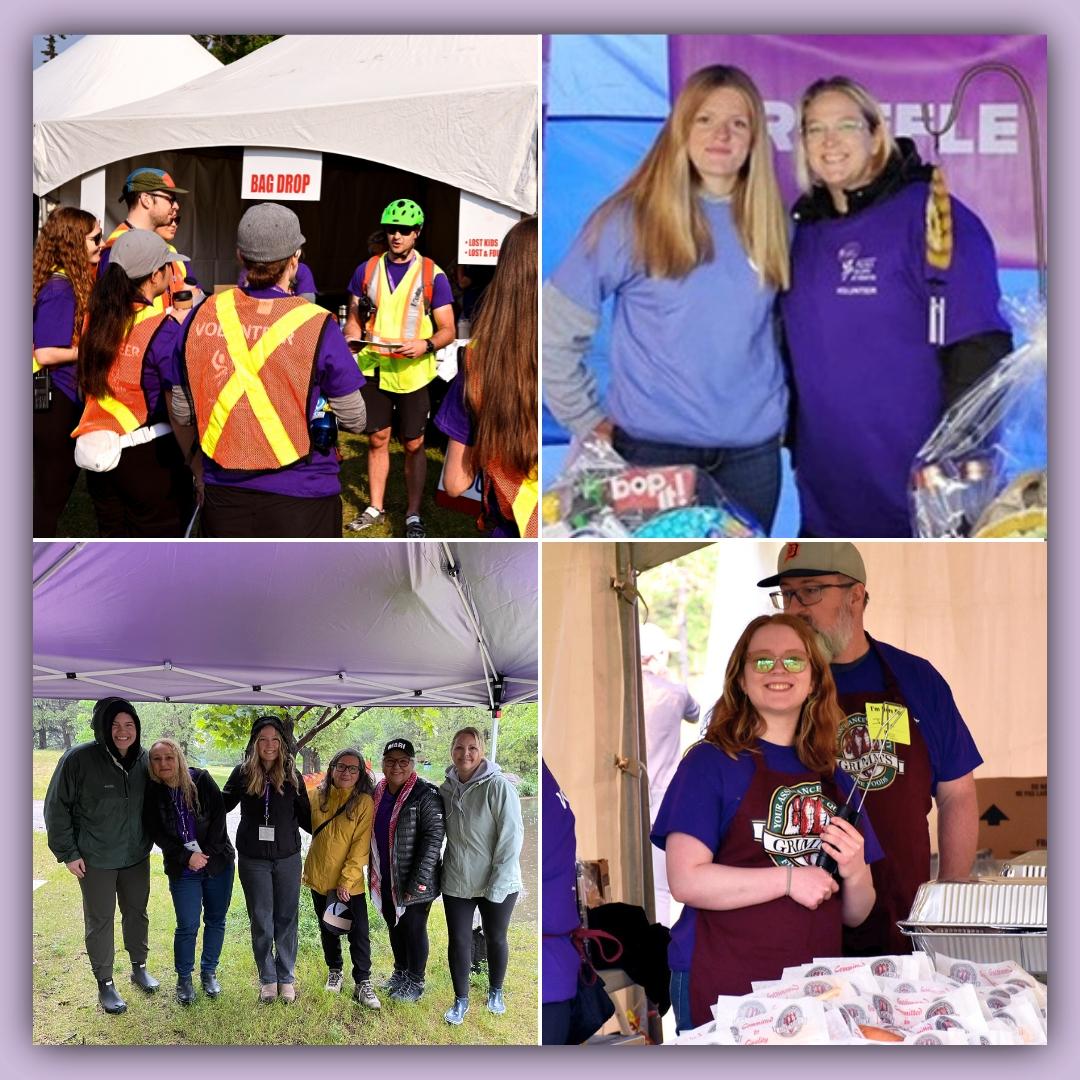
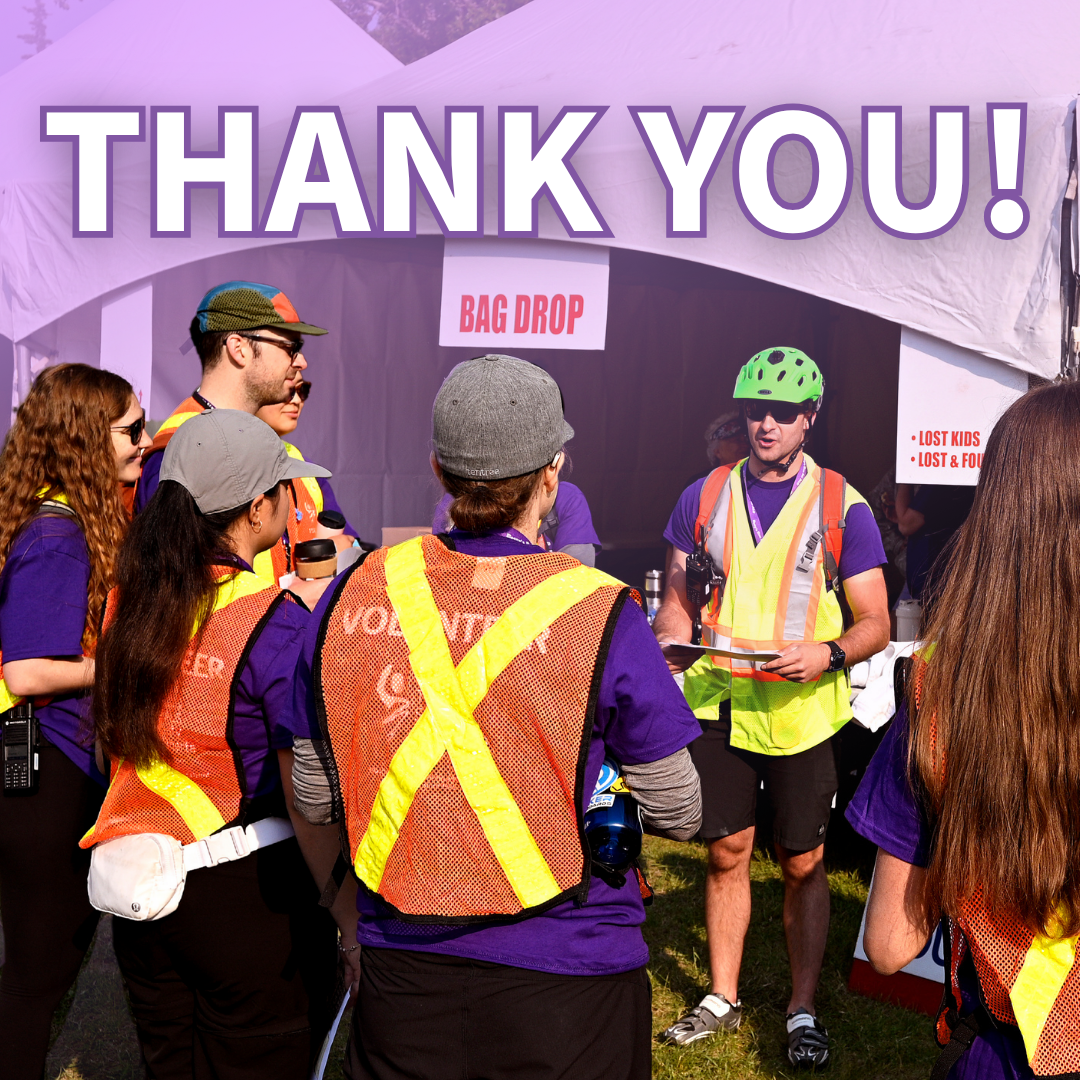
Volunteers played a critical role in making our work possible. From two successful casino fundraisers (which rely entirely on volunteer participation) to event support, fundraising, and community outreach, volunteers showed up with generosity and care. These efforts directly supported ALS programs and services across Alberta.
| |
Community, Fundraising & What's Ahead
This year, Albertans showed up again in powerful ways and the last few months of 2025 were no exception!
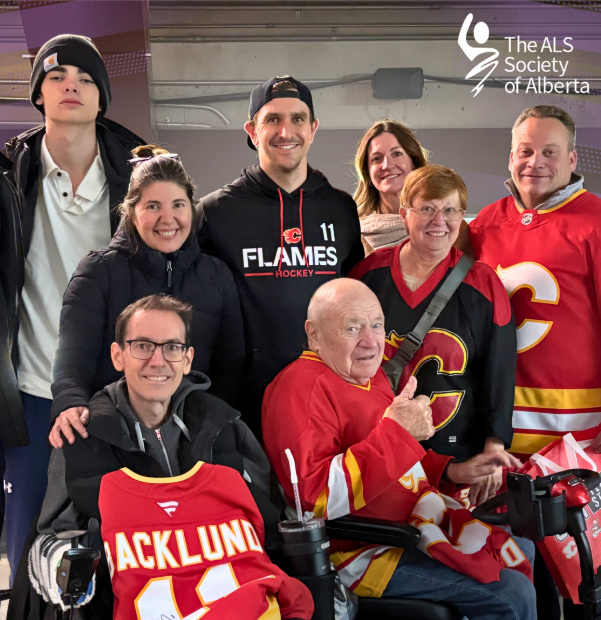
- The Calgary Flames along with the Backlund family showed meaningful leadership and generosity, helping raise awareness and funds while showing strong support for the ALS community.
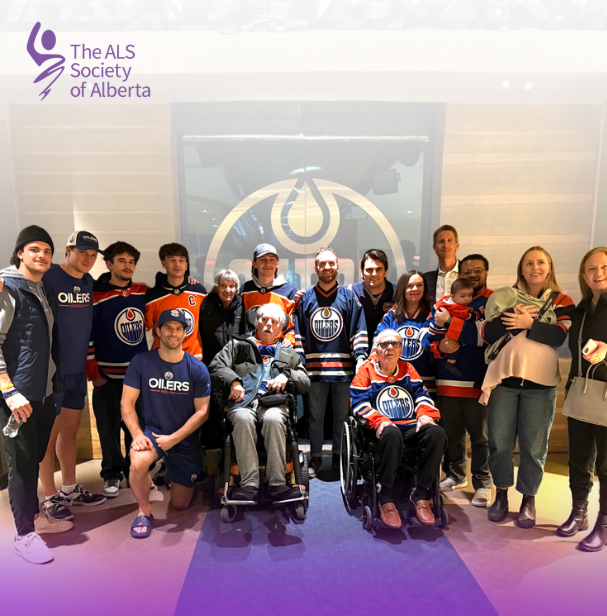
- The Edmonton Oilers 50/50 and game-day events provided significant fundraising support and unforgettable experiences for families living with ALS.
- Our partnership with Parachutes for Pets continued to support individuals and families navigating ALS by helping ensure beloved pets could remain part of the home during times of change.
- Throughout the year, community-led fundraisers, third-party events, and local initiatives added up to a powerful collective impact.
| | | |
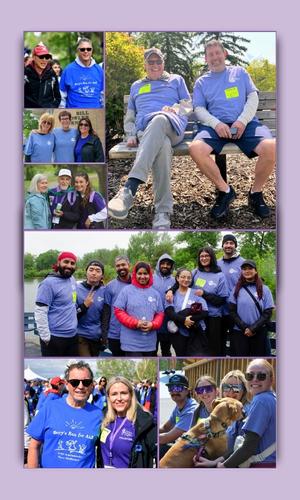
As we look ahead, we’re preparing for a major announcement in early 2026 about what’s next for Betty’s Run for ALS and Walk Together for ALS including a refreshed approach that reflects the growth of these events and the community behind them. We’re excited to share more soon and grateful to everyone who has helped build these events into what they are today. |
Giving Back, Together
Giving Tuesday 2025 showed the powerful role community generosity plays in building the future of ALS research in Alberta. Support for the AARN is helping create conditions for new research, stronger collaboration, and discoveries that will inform care and treatment in the years ahead.
| | | | |
Research, Innovation & Looking Ahead
A major milestone in 2025 was the continued growth and visibility of the Alberta ALS Research Network (AARN). This initiative strengthened collaboration between researchers, clinicians, and the ALS community, helping position Alberta as a leader in ALS research and innovation while keeping people living with ALS at the centre of that work.
| | | |
Awareness, Storytelling, & Connection
In 2025, we also focused on creating space for voices and experiences to be shared. The AARN storytelling event brought together members of the ALS community to connect, reflect, and honour lived experience which reinforces the importance of visibility, dignity, and shared understanding.
| | |
In November, we hosted a research webinar with AARN, featuring Dr. Yana Yunusova, her graduate students, and Dr. Gord Jewett whose research is made possible through the Jennifer Prest Bulbar ALS Fund.
The session shared recent research on speech and communication changes in ALS, highlighting innovations that support earlier diagnosis, improved care, and quality of life. A live Q&A allowed participants to engage directly with the research and its real-world impact.
| | |
|
We wish you moments of rest, connection, and reflection this holiday season. Whether you are celebrating, remembering, or simply taking time to pause, please know that your support has helped make this year meaningful for countless Albertans living with and affected by ALS.
The year ahead will bring new opportunities, strengthened infrastructure, and important updates across our organization. We look forward to sharing those developments with you in future newsletters and community updates.
Thank you for being part of our community.
| | | | WAYS TO SUPPORT ALBERTA'S ALS COMMUNITY | | |
| |
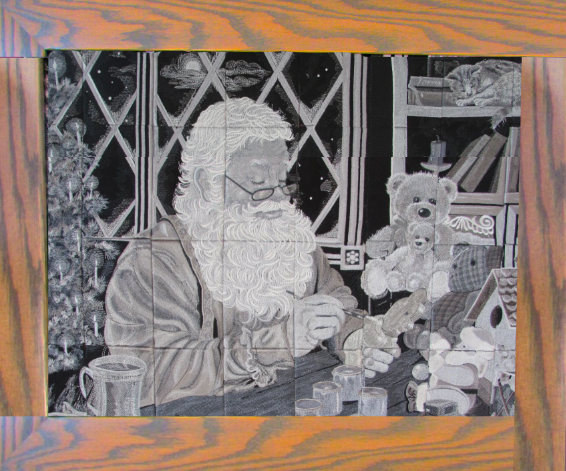
Santa's Workshop - Needlepoint Quilt Auction
Looking for a meaningful holiday statement piece? “Santa’s Workshop” is a one-of-a-kind, handmade Christmas quilt donated by Cheryl Brown in loving memory of her mother and sister. Created by her mother, Judy, this framed 38.5” x 31.5” quilt features 32 beautifully detailed blocks that capture the magic of the season.
| | | |
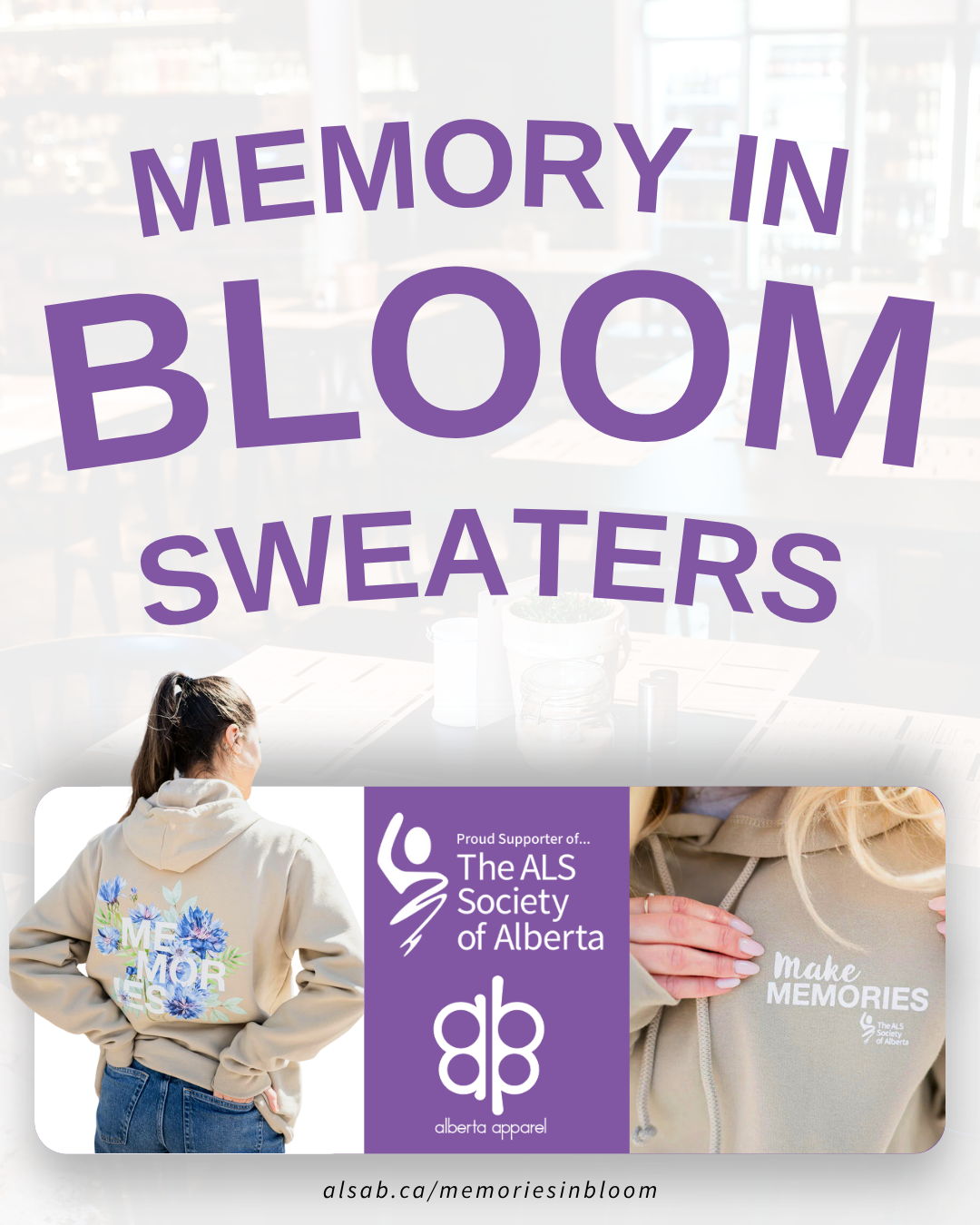
Memory in Bloom Hoodie
Earlier this year, the ALS Society of Alberta, CAA, Ranger Creative, and Alberta Apparel collaborated with Frida and Mikael Backlund on an amazing, and stylish initiative to raise funds for the ALS Society of Alberta. As the year comes to a close - limited quantities still remain. Purchase your Memory in Bloom Hoodie in support of the ALS Society of Alberta for yourself, or as a wonderful holiday gift with deep meaning!
| | | | |
Quonset Days 2025
Calling all last-minute shoppers: Weekend passes to Quonset Days are the PERFECT gift! Memories to last a lifetime while supporting The ALS Society of Alberta, AND you don't need to leave the house! Head to www.quonsetdays.com to purchase!
| | | | | AARN - ALBERTA ALS RESEARCH NETWORK | | |
Fund Matching Awards
AARN is proud to announce an open call to support fund-matching awards.
AARN Fund Matching Awards will support ALS researchers in Alberta applying for large-scale grants that require the researcher to raise funds that the awarding institution will then match.
| |  |
What is AARN?
The Alberta ALS Research Network (AARN) is a pioneering initiative aimed at uniting top-tier researchers from the University of Alberta and the University of Calgary to accelerate the search for effective treatments and ultimately a cure for ALS.
This initiative, made possible through the generous donations from Alberta's ALS community, represents a significant investment of $1.1 million over two years into innovative ALS research right here in Alberta.
| | | |
In 2025, AARN strengthened research initiatives through Mitacs fund matching, supporting ALS research. This investment helps advance ALS research capacity in Alberta, supporting emerging researchers and contributing to work focused on improving understanding, care, and future outcomes for people living with ALS.
AARN is proud to announce four Research Trainee Awards funded in 2025, with three more projects currently undergoing peer review. Thanks to matching funds from Mitacs (a Canadian nonprofit), these awards total $90,000 in support of ALS research happening at the University of Alberta and the University of Calgary.
Projects funded so far are:
- $15,000 toward University of Calgary graduate student Jaya Bansal’s work studying the brain’s cleaning system (glymphatic system), which acts to filter and remove toxic substances, how impairment in this system might contribute to the damage caused by ALS and whether that impairment could serve as a biomarker for ALS.
- $30,000 toward University of Calgary graduate student Isabel Rea’s work studying sex differences in ALS, specifically focusing on microbiome-derived signals that could trigger different immune and metabolic responses in the gut-brain axis of male vs. female mice with ALS.
- $15,000 toward University of Calgary undergraduate student Andy Bura’s work on how immune cells in the blood of ALS patients have altered gene expression compared to healthy participants, with a focus on how biological sex contributes to these changes. Using advanced single-cell RNA sequencing technology to study gene expression in ALS patients and healthy controls, this work hopes to identify specific immune cell pathways that may contribute to ALS progression, as well as differences between males and females with the disease.
- $30,000 toward University of Alberta graduate student Maddison Charlton’s work on misfolded TDP-43 and the hypothesis, based on similar evidence in dementia patients with misfolded TDP-43, that different shapes of TDP-43 in ALS correlate with a faster rate of disease progression. The study will test this hypothesis by isolating TDP-43 from the brains of patients who died from different types of ALS, measuring the properties of those TDP-43 clumps and looking for correlations between those properties and rates of decline.
| | TREATMENTS, RESEARCH, AND CLINICAL TRIALS | | |
Treatments
In March 2025 Health Canada approved QALSODY (Tofersen) for the treatment of SOD1 ALS under a Notice of Compliance with Conditions (NOC/c). The medication is available to eligible individuals through Health Canada's Special Access Program (SAP). QALSODY is the first therapy indicated in Canada to target a genetic cause of ALS.
QALSODY is one of just three Health Canada approved ALS treatment options in the country along with Radicava Oral Suspension and Rilutek.
-
UPDATE: Canada’s Drug Agency (CDA) has released its final reimbursement recommendations for the treatment of adults living with ALS associated with a confirmed SOD1 gene mutation. This recommendation represents an important step forward for the ALS community, acknowledging the urgent need for therapies that address the underlying genetic cause of SOD1-ALS.
|
Clinical Trials in Alberta
Exciting research is underway across Alberta and beyond, with several clinical trials actively exploring new treatment options for ALS. These studies represent hope.
Each one brings us closer to better understanding, managing, and ultimately ending this disease. Below is a snapshot of currently active trials, including those recruiting participants and those already in progress.
Whether you're a person living with ALS, a caregiver, or someone passionate about advancing research, staying informed helps us all move forward together.
| | |
The ASTRALS study is testing a new drug called VHB937 to see if it can slow the progression of early-stage ALS.
This Phase II clinical trial includes people who developed ALS symptoms within the past two years.
Participants are randomly assigned to receive either VHB937 or a placebo for 40 weeks, followed by an open-label phase where everyone can take the study drug. Researchers will look at:
- How long before participants need permanent breathing support.
- How daily function changes over time, using the ALS Functional Rating Scale-Revised (ALSFRS-R).
- What side effects occur and how safe the treatment is overall.
| | | |
CAPTURE ALS is a long-term research project collecting health data, brain imaging, and biological samples to create a detailed biological picture of ALS.
People living with ALS, related conditions, and healthy volunteers will visit research sites several times over a year. During visits, participants may:
- Complete neurological and speech assessments and ALS-specific questionnaires.
- Undergo MRI scans.
- Provide blood, saliva, and optional spinal-fluid samples.
- Working with other national and international ALS initiatives, to openly share data to contribute to the global effort to find a cure.
| | | |
Novel MRI Biomarkers for ALS Progression
This research study is developing new MRI-based tools to measure how ALS affects the brain over time.
While a standard MRI often looks normal in ALS, advanced MRI techniques can detect subtle changes in brain structure, wiring, and chemistry, helping researchers identify reliable biomarkers of progression of diseases like ALS.
Each participant will have three MRI scans over eight months, along with neurological and memory tests.
These scans may help doctors track ALS more accurately in the future and speed up how new treatments are tested.
| | | |
LUMINA: Testing the Safety of AMX0114 for ALS
The LUMINA study is evaluating how safe and tolerable a new drug called AMX0114 is for adults living with ALS.
AMX0114 is given through an injection into the spinal fluid (a lumbar puncture). Researchers will monitor for any side effects, including serious or dose-related reactions, and track participants’ overall health through lab tests, vital signs, neurological exams, and ECGs.
The study will also look for biological markers in blood and spinal fluid (signs of nerve damage or inflammation) to see how AMX0114 may affect the disease process. This is an early-phase trial designed to ensure the treatment is safe before moving to larger studies.
| | | |
ALN-SOD: A First-in-Human Study for People with SOD1-Related ALS
The ALN-SOD study is the first human trial testing an experimental drug designed for people with a genetic form of ALS caused by a change in the SOD1 gene (known as SOD1-ALS). Researchers aim to learn:
- How safe and tolerable the drug is.
- How much of it appears in the blood and spinal fluid.
- Whether the body develops antibodies against it.
- What effects it may have on biological markers and ALS symptoms.
The study will help determine safe dosing and how the drug behaves in the body before larger studies are conducted.
| | | | | |