|
Dear AME Community,
We hope you are staying well as summer begins and the weather warms up. Each year, summer brings us new opportunities for discovery, collaboration, and growth.
In this issue, we take a special look at stress, changemaking, and human rights. The insights and approaches explored apply broadly across many forms of changemaking and social impact efforts.
Read on for new AME publications, staff spotlights, retreat opportunities, and the latest happenings from our Center!
Warmly,
Drs. Elissa Epel and Aric Prather
| | | Join Elissa for an Upcoming Retreat! | | |
Spirit Rock Retreat: Summer Aliveness
July 11, 2026
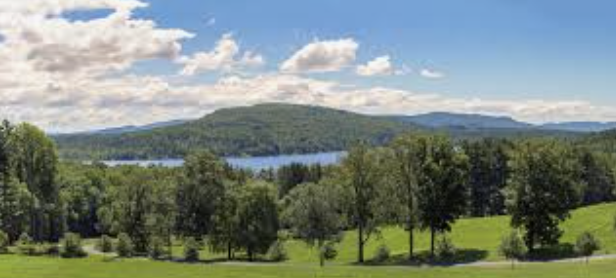
Blending contemplative practice with contemporary science, this day-long workshop with Drs. Eve Ekman and Elissa Epel explores how emotional awareness supports resilience, vitality, and meaningful connection.
Details here.
| | |
Kripalu Retreat: Deep Rest, Rejuvenation, and Resilience
July 23 - 26, 2026
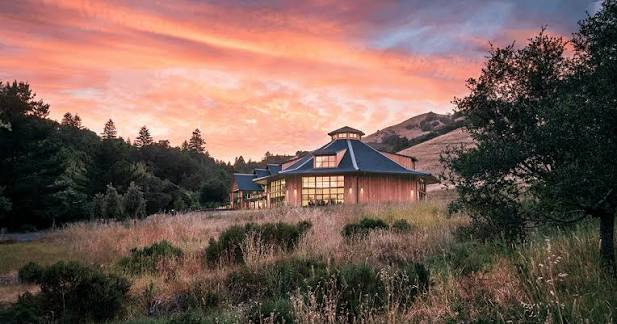
Join Dr. Elissa Epel and Nichol Chase for a program designed to deepen your expertise in the science, art, and practice of deep rest, rejuvenation, and resilience from stress.
More here.
| | Highlights from the Oslo Freedom Forum: Resilience for Changemakers | |
The Human Rights Foundation has launched a new Resilience Program led by Jhanisse Vaca Daza, a prominent leader of Bolivia’s freedom movement, and with Gayle Karen Young, a pioneer in fostering flourishing and sustainable social change. The program recognizes a critical reality: leaders of movements in repressive environments often face ongoing stress, trauma, and multiple forms of repression. While remaining deeply committed to their missions, they can greatly benefit from evidence-based resilience training and support.
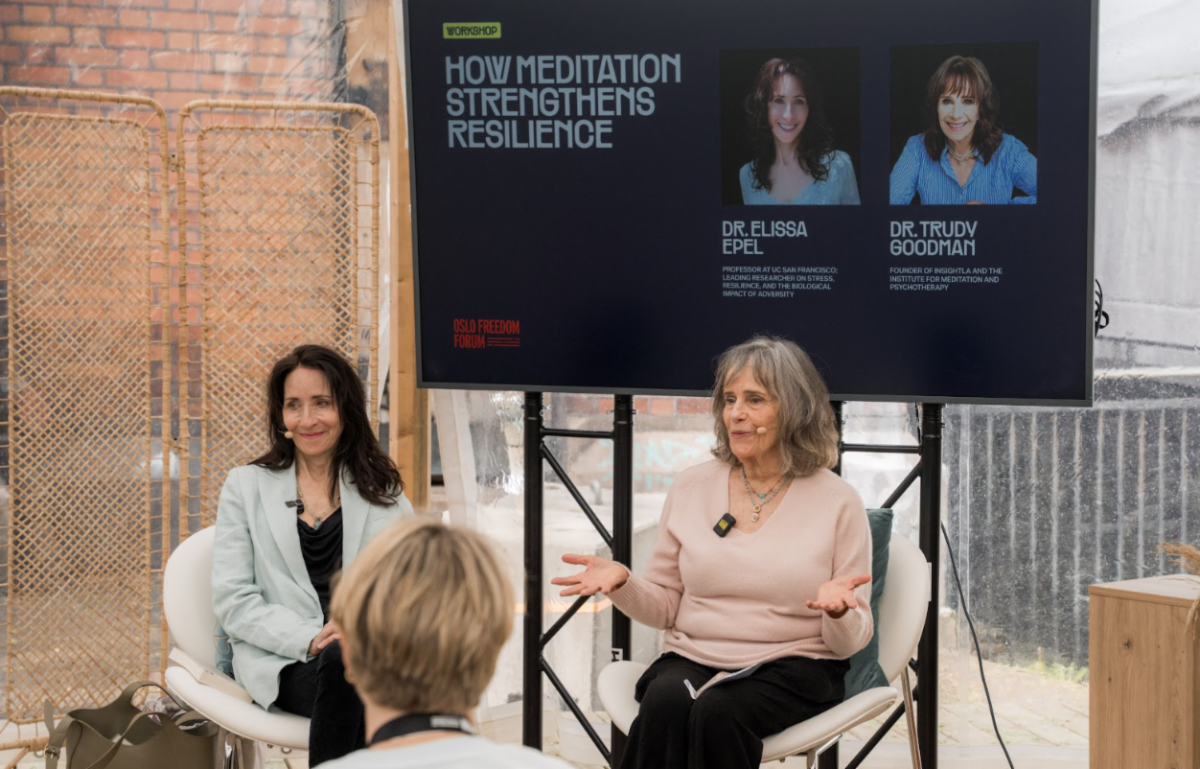
At this year’s Oslo Freedom Forum in Norway, Elissa joined Trudy Goodman (InsightLA), Annette Knopp (Blue Spirit), Vanina Waizmann (Human Rights Foundation), and Jack Kornfield (Spirit Rock) to lead resilience training sessions for leaders from around the world.
Watch Elissa and Trudy discuss the role of meditation in strengthening our resilience here. Additional videos featuring many of these inspiring leaders are now available on the Oslo Freedom Forum website here. You can also learn more about Jhanisse’s leadership and impact in Bolivia here.
We are especially excited that with the support of the Human Rights Foundation, we are launching a study of the impact of an intensive one-week resilience retreat on the mental health, well-being, and strengths of global human rights leaders. We look forward to contributing new insights into how resilience practices can support those working on the front lines of social change.
| | | Highlights from the 2026 UC Eco-Resilience Class | |
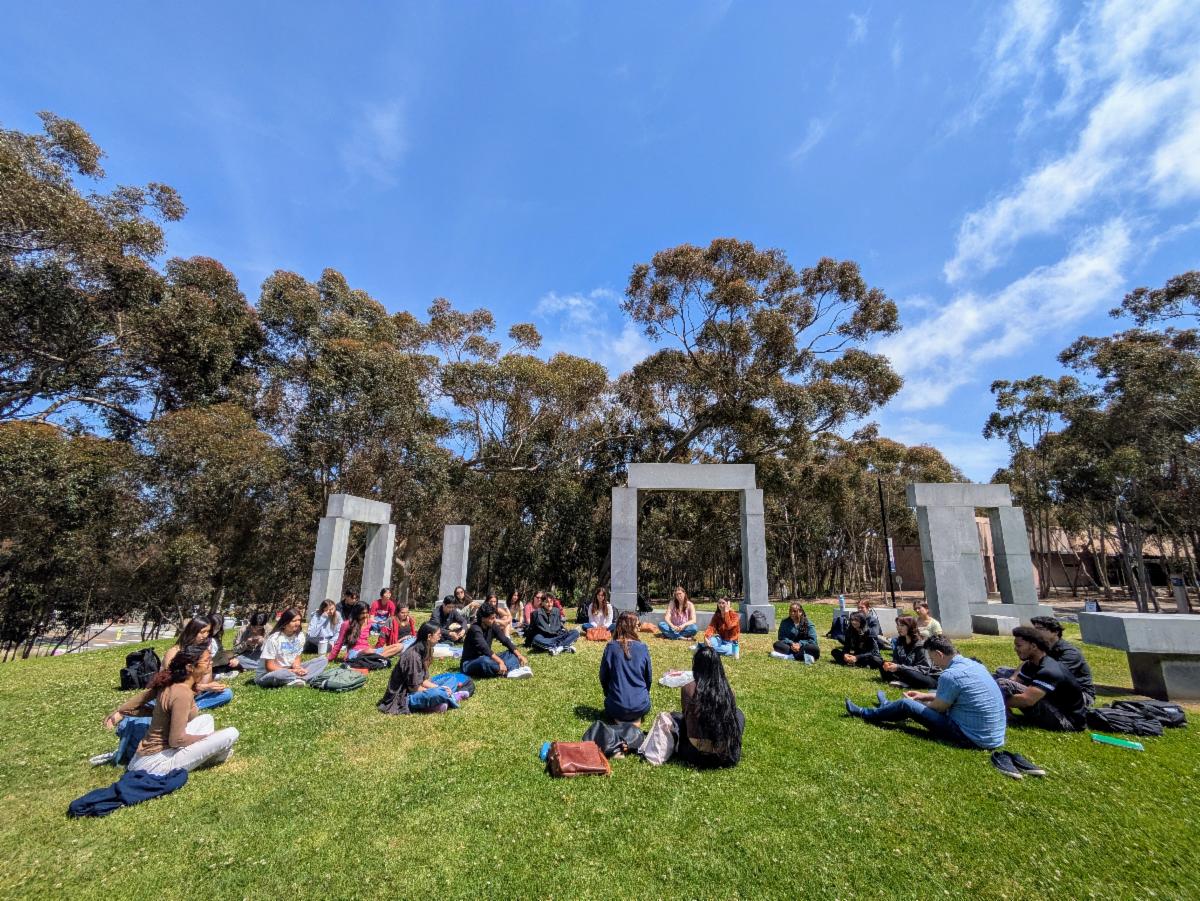
This spring marked the third year of the UC Eco-Resilience course, bringing together students across the UC system. At UCSF, we had a community of postdocs, faculty, and staff join, and over the course of ten weeks, they turned their climate caring and anxiety into real, meaningful agency and action. Students developed practical skills in mindfulness, resilience, and community engagement while pursuing projects aligned with their passions and expertise. The results were inspiring!
From launching a Climate Café at Crissy Field that has already trained 17 facilitators and brought together UC and National Park communities for nature-based conversations about climate emotions, to exploring the mental health and environmental impacts of AI data centers, to creating a "Kids Climate Club" at UCSF that connects children with nature and climate awareness, participants demonstrated the power of turning climate concern into agency, leadership, and positive change.
A majority of the class completed facilitator training through the Climate Psychology Alliance, learning how to lead Climate Cafés- supportive, nonjudgmental spaces where people can explore and process their feelings about the climate crisis. One project team partnered with class members who are leaders within the Golden Gate National Parks Conservancy to create a new collaboration that combines deep climate dialogue with immersive experiences in nature at Crissy Field.
Participants with backgrounds in pediatrics are now developing a "Kids Climate Club" at UCSF Benioff Children's Hospitals, creating opportunities for young patients to engage with nature, build environmental awareness, and practice wellbeing skills that support resilience in a changing world.
Another team investigated the growing footprint of AI data centers and their implications for both environmental sustainability and mental wellbeing, producing an educational infographic that highlights these interconnected challenges. Follow their journey as they bring their project to life throughout the class and make a meaningful impact in their community, as captured by class member and mediamaker Sami Schilf in this mini-docuseries. She highlights voices from UCSF and UC Davis staff and students as her own class project, which she hopes to soon expand into a full documentary showing how mindful community action drives real, measurable impact on local climate health.
We are excited to continue this work in next year's UC Eco-Resilience course and to welcome members of the broader community to participate. If you know UC students who are interested in climate action, resilience, wellbeing, or community-building, please encourage them to enroll for course credit at any UC campus. Stay tuned for publications and findings from the course coming soon. In the meantime, explore more at our website and follow us on Instagram for updates.
| | | |
Political Repression & Health
AME Alumnus, Ruth Marheinecke, MSc. (read more about her work here), published the first study examining how "soft" political repression - like government surveillance and workplace harassment - affects health decades later.
Former East Germans who experienced repression showed higher anxiety, depression, and trauma symptoms, plus elevated systemic inflammation. Among them, stronger social support was linked to longer telomeres, suggesting it may buffer cellular aging.
Read more here.
| |  | |
New Research on Telomeres
The postpartum period is a major stressor - and new research suggests your closest relationship may shape how that stress affects your cells.
In a collaboration with a cohort of first-time mothers in Israel, AME researchers found that higher marital satisfaction predicted telomere lengthening over the first year postpartum, pointing to relationship quality as a buffer against cellular aging.
Read the publication here.
| | | |
AME Staff Spotlight!
Lucy Kho, Study Coordinator
Looking back on your time at UCLA, what stands out as your most memorable experiences or highlights?
My undergraduate years at UCLA were a mix of challenging academics, extracurricular opportunities, and fun social experiences in one of the greatest (and sunniest!) cities in the world. One of the highlights of my time was joining the UCLA Pediatric AIDS Coalition, a student-run nonprofit dedicated to raising awareness and support for children affected by pediatric HIV/AIDS. Every spring we held a 26-hour Dance Marathon to fundraise and educate the UCLA community about the cause - it was exhausting, but always the most inspiring and rewarding day of the year.
What initially sparked your interest in becoming involved with the AME Center?
I was particularly drawn to the biopsychosocial nature of Drs. Epel & Prather’s research, which explores how biological, psychological, social, and environmental factors interact to shape health and disease. As an undergraduate searching for research opportunities during the COVID-19 pandemic, I came across the AME Center’s BOOST Study. I was immediately fascinated by the study's interdisciplinary nature and its exploration of how factors we can "see" in our everyday lives, such as daily stress, social connection, and sleep, might influence immune responses to the COVID-19 vaccine. The study highlighted the connections between everyday experiences, our environment, and our physical health, and sparked my interest in better understanding the pathways through which environments and behaviors influence our well-being.
What aspects of your work with the Center do you find most rewarding or enjoyable?
I'm excited to have the opportunity to contribute research in women's health, which has been historically understudied. At AME, I am a Study Coordinator for the National Growth and Health Study (NGHS), a longitudinal study of stress across the life course in a biracial cohort of women. We hope to elucidate how stress might affect biological aging and metabolic health outcomes in both the women and their children. We are re-engaging the cohort this summer, and I'm excited to meet the participants & dig into the many possible research questions the study poses.
What do you enjoying doing outside of work?
I love to travel, go to music festivals and concerts, cook, do yoga, learn new languages, and get outdoors! This spring, I completed the Camino de Santiago and hiked 75 miles across the northern coast of Spain. It was such an incredible experience and I’m grateful to have met so many kind people on the trail, brushed up on my Spanish, and seen a new part of the world.
| | |
| |
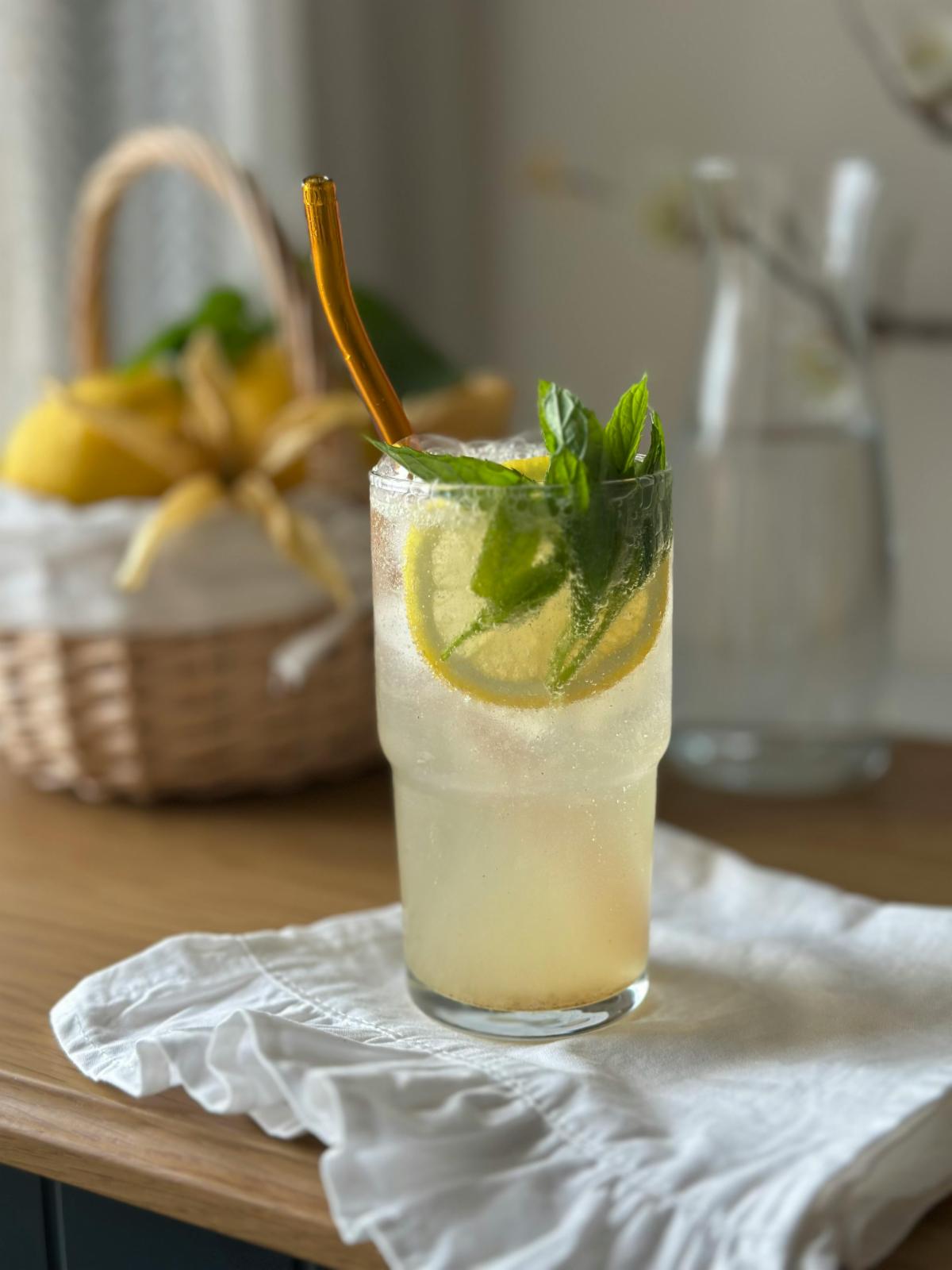
Summer Wellness Drink: Lemon Creatine Spritzer
Creatine is a well-researched supplement that can support muscle strength, exercise recovery, and increasingly, cognitive function and energy, especially under stress or sleep deprivation. It is typically safe in healthy individuals (note: do not take if you have liver or kidney disorders, and consult your doctor for other health issues or if you are pregnant.)
To make the spritzer:
- One teaspoon of creatine monohydrate powder (3 - 5 grams)
- Bubbly water, or flat water with ice cubes
- A squeeze of lemon or half a teaspoon of CALM magnesium powder for flavor and a magnesium boost
A simple, refreshing way to get your creatine in this summer! 🍋
| | | | | | |