|
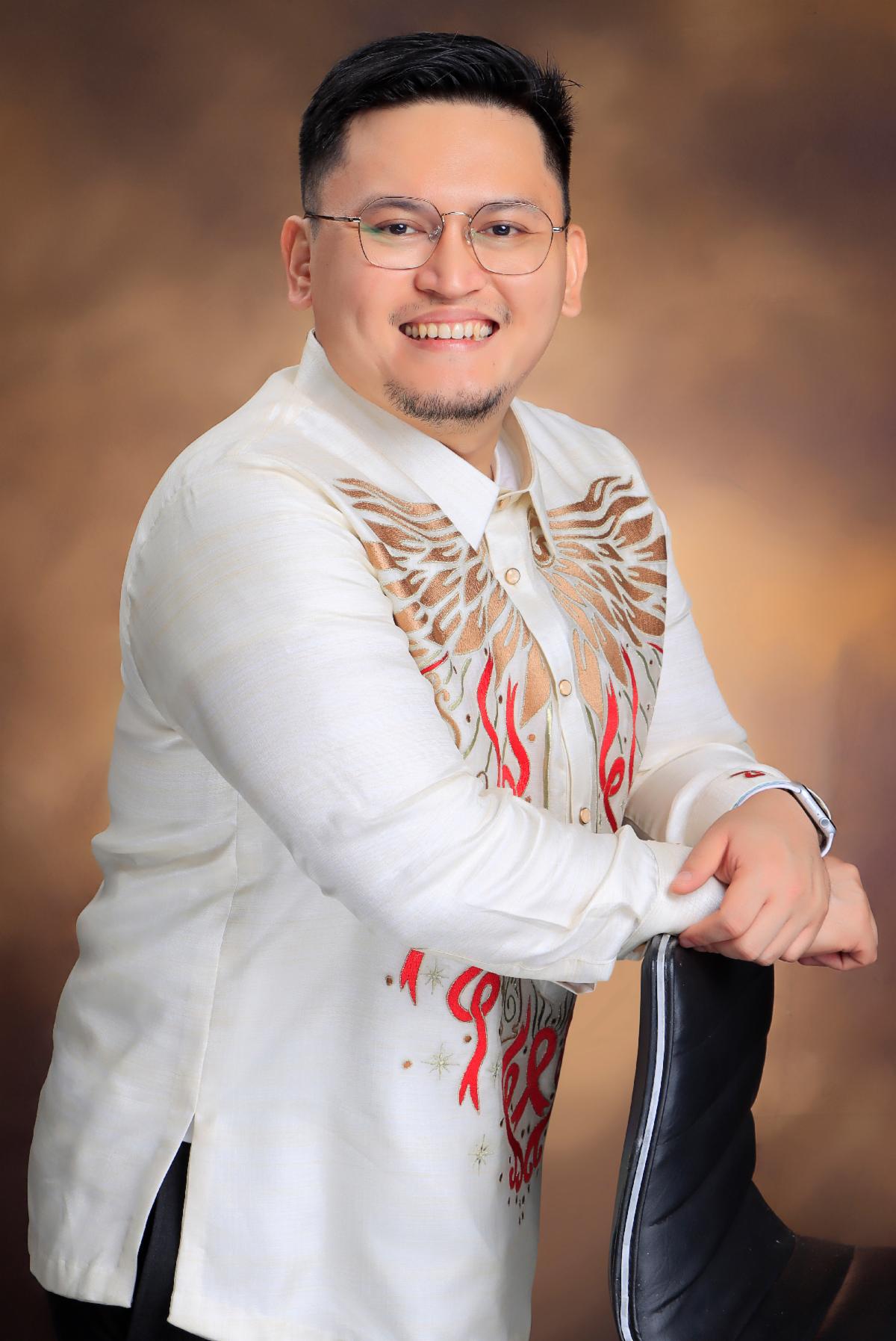
Noriel P. Calaguas, PhD, MSHSA, RN, ACRN (He/Him/siya)
Associate Professor & Former Head, Center for Teaching and Learning, Holy Angel University – School of Nursing and Allied Medical Sciences (Philippines)
Years as an ANAC member: 4
Local ANAC chapter: Global Member
ANAC committees: Global Committee co-chair
What does National Gay Men's HIV/AIDS Awareness Day (NGMHAAD) mean to you?
For me, NGMHAAD is both a day of remembrance and a call to action. As a gay Filipino nurse who entered HIV care after losing friends to AIDS-related complications, the day is profoundly personal. It reminds us of the stigma, discrimination, and inequities that continue to shape the epidemic, particularly in contexts like the Philippines where cultural and religious conservatism still silence open conversations about sexuality and HIV. At the same time, NGMHAAD is about hope. It is a moment to affirm the resilience of gay men living with HIV and to highlight the role of nurses, communities, and allies in reimagining care that is not only clinically competent but also culturally safe and inclusive. To me, the day underscores that the fight against HIV is inseparable from the fight for dignity, justice, and equity for gay men everywhere.
Why did you join the fight to end HIV/AIDS?
I joined this fight because HIV has never been abstract in my life. In the early 2010s, I lost friends to AIDS-related complications at a time when testing, treatment, and compassionate care were scarce in the Philippines. Their absence left both grief and conviction in me: no one should die because of who they are or who they love. As a nurse, I realized I could do something about it… not only by caring for people living with HIV but also by working to dismantle the stigma and systemic barriers that keep them from care. The fight is both professional and deeply personal. It is about transforming mourning into meaning, and loss into leadership.
What does ANAC mean to you?
ANAC is more than a professional association to me… it is a global community where nurses and allies come together with a shared vision of ending HIV through compassionate, evidence-based, and equitable care. As someone practicing in the Philippines, ANAC represents solidarity across borders. It reminds me that even when resources and policies differ, the values of dignity, justice, and person-centered care remain universal. ANAC is a space where my identity as a gay man, my role as a nurse, and my advocacy as an educator all find resonance and affirmation.
What’s your favorite aspect of ANAC membership?
My favorite aspect of ANAC membership is the sense of belonging and collective purpose. Whether it is through the Global Committee or at the annual conference, ANAC creates spaces where diverse voices are not only welcomed but celebrated. I value how ANAC bridges science, policy, and lived experience—reminding us that HIV care is as much about relationships and advocacy as it is about clinical excellence. The opportunities to collaborate with colleagues from across the world who share this passion continually renew my energy for the work.
Do you have a mentor or mentors who have been instrumental to your career and, if so, whom and how?
Yes, I have been fortunate to walk this path with mentors who shaped both my practice and my courage. In the Philippines, HIV nursing—and by extension the unique role of nurses in the care of people living with HIV—has not been clearly defined. Many of my earliest mentors were not nurses but physicians, social workers, psychologists, peer counselors, and para-professionals who volunteered their time and energy toward advocacy. Their example taught me that HIV care is always interdisciplinary and rooted in compassion. Today, I see it as part of my responsibility to mentor those who wish to develop competence in HIV nursing care, particularly my colleagues in the Philippine Society of SRH Nurses (PSORHN).
From ANAC, I am grateful to be connected with my ate (big sister) Dalmacio Dennis Flores and Roque Anthony Velasco, as well as my Global Committee “girlies,” Ellen Schell and Mwikali. I am also thankful for the encouragement and generosity of mentors such as J. Craig, Vera Caine, and of course, Carole Treston. Their kindness and guidance have affirmed not only my work but also the importance of amplifying voices from the Global South in HIV nursing.
What words of wisdom might you pass on to those entering the field?
HIV nursing is not just about pharmacology, protocols, or lab results. It is about listening deeply, honoring stories, and walking with people in some of the most vulnerable moments of their lives. My advice to those entering the field is this: lead with compassion but anchor yourself in evidence. Be courageous enough to challenge systems that perpetuate stigma, and humble enough to know that resilience often comes from the very communities we serve. The fight to end HIV is long, but each conversation, each act of advocacy, and each moment of care brings us closer to justice.
Who/what inspires you?
I am most inspired by the resilience of my clients and communities. I think of gay men living with HIV in the Philippines who continue to thrive despite stigma, systemic neglect, and social invisibility. I am also inspired by the mentors and colleagues I have found through ANAC , who remind me that HIV nursing is a global movement that transcends borders. Finally, I draw strength from the younger generation of LGBTQ+ people in the Philippines who are demanding a future where healthcare, dignity, and equality are not privileges but rights.
|