|
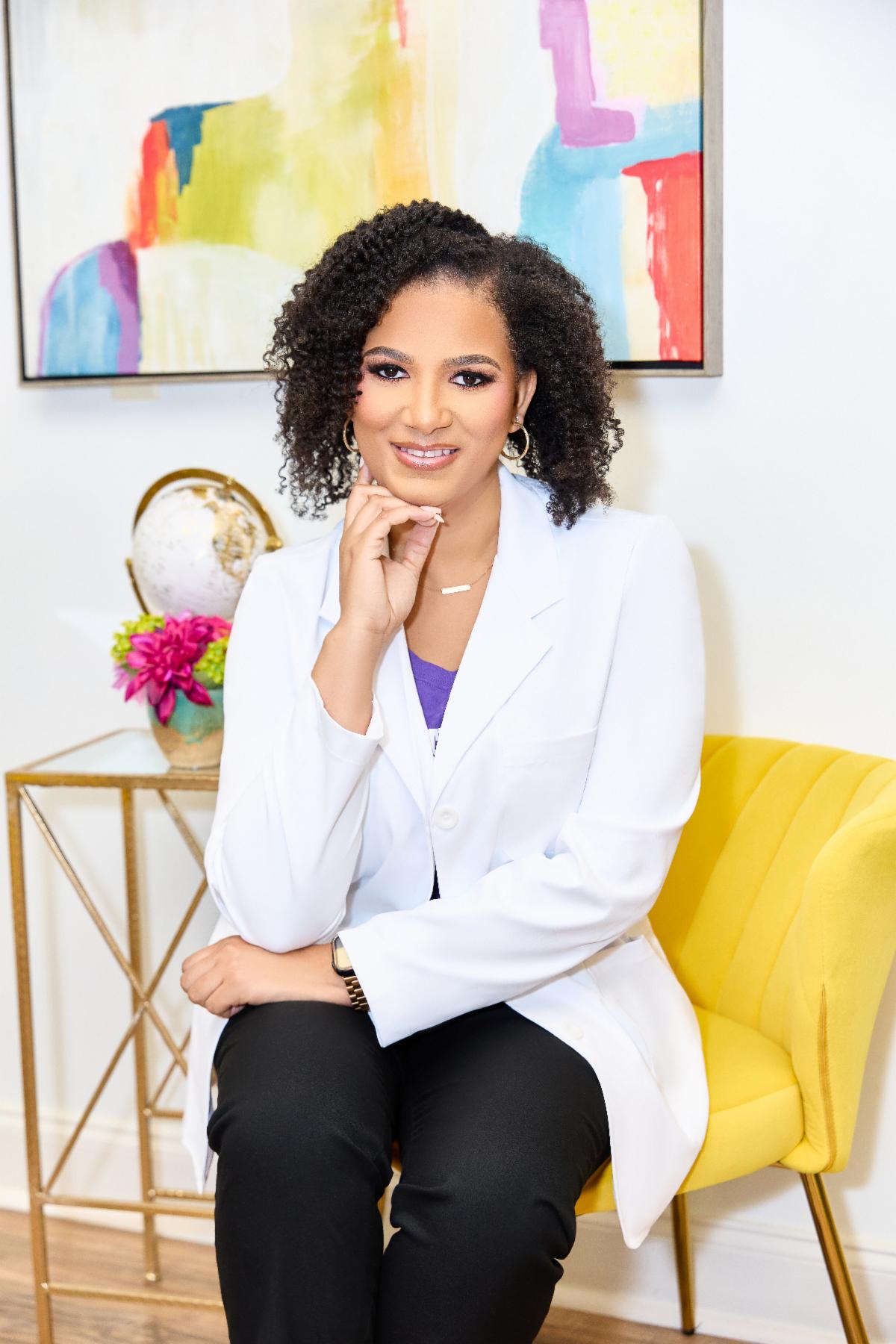
Jessica Wells, PhD, RN, WHNP-BC, FAAN (She/Her)
Associate Professor, Nell Hodgson Woodruff School of Nursing, Emory University
Years as an ANAC member: 10
Local chapter: Atlanta Chapter
LinkedIn
What does National Women and Girls HIV/AIDS Awareness Day mean to you?
National Women and Girls HIV/AIDS Awareness Day is a day to bring awareness to women, trans women, and girls who are often left out of the HIV conversation. Women make up about 19% of new HIV diagnoses in the US. Of particular concern, Black women make up 49% of new HIV diagnoses among women, followed by Hispanic women who represent 24% of new HIV diagnoses. HIV is up to 99% preventable via pre-exposure prophylaxis (PrEP). However, less than 10% of women are prescribed PrEP—and only 1% of Black women are prescribed PrEP—all suboptimal rates.
As a Women’s Health Nurse Practitioner, I am a champion of incorporating HIV testing and HIV prevention via PrEP into annual well-woman exams. Given the highest prevalence of new HIV diagnoses occurs among women 24-34 years of age, it is important to establish trust with women through open and honest conversations about HIV, which will also help de-stigmatize HIV, a significant barrier for many to get tested and treated. I never underestimate the power of a single honest conversation — it can be the difference between a woman walking away uninformed or walking out knowing her status, with a PrEP prescription, and/or empowered with a plan.
National Women and Girls HIV/AIDS Awareness Day is an opportunity to recognize and reaffirm the importance of equitable access to HIV prevention, testing, treatment, and care for women, trans women, and girls worldwide. I appreciate the ANAC community because it brings together diverse professionals and advocates to ensure the fight to end HIV/AIDS is representative of all communities and all voices are amplified, including women affected by HIV. I leave this advice to the next generation of HIV professionals and advocates entering the field: center the communities most impacted—Black women, Hispanic women, trans women—not as an afterthought, but as the foundation of your work.
Resources:
https://www.cdc.gov/hiv/group/gender/women/diagnoses.html
https://aidsvu.org/resources/toolkits/national-women-and-girls-hiv-aids-awareness-day-toolkit-2026/
|