News & updates from your ANREP colleagues |
|
In This Issue:
President's message
ANREP Updates
Conferences
- National Extension Energy Summit + National Sustainability Summit
Featured Articles
- Online firescaping training now available
- Plant biotechnology at GA 4-H summer camps
- UN decade of ecosystem restoration
- Poolside pests program in NC
- GA master gardener training success
- FL Flip My Yard
- Input sought from NECI and Ext Foundation
Retirements
ResourceExchange
- Urban sustainability subgroup
- Farmer attitudes towards nitrates in groundwater
- Living With Fire podcast
IdeaExchange
Editor's comments
|
|
2021 ANREP President
(305) 453-8747
County Extension Director & Community Development Agent
UF/IFAS Extension Monroe County
|
|
Well, fall in Florida means we keep a watchful eye on the tropics and welcome students back to school.
There is a lot going on in your association this season. But first I want to say WELCOME to our new ANREP members! As ANREP family we are here to help you, however you need.
While we really looked forward to resuming in person programming this summer that didn’t quite happen for many of us. But we optimistically look forward to seeing you all in person next year May 31st to June 3rd so we say… Kalamazoo in 2022!
I would like to thank the members that stepped forward to run for officer positions please make sure you vote in the upcoming officer election.
Just last week a call for proposals went out to host the 2024 conference. If you are considering hosting and have any questions, please contact any of the current board members.
Planning is underway for both the Joint Council for Extension Professionals (JCEP) conferences; Extension Leadership Conference, February 9-10, 2022 at the Kansas City Marriott Country Club Plaza, Kansas City, MO and Public Issues Leadership Development Conference, April 3-6, 2022 at the Hyatt Regency Crystal City, Washington, DC. Both are excellent professional development conferences. As an umbrella organization from all Extension disciplines, JCEP provides a unifying voice at the state and national level representing Extension to policy makers and partner organizations. Find out more here.
Do you want to start your own state chapter? Just contact your regional representative to get started: Holly Abeels for the South, Erika Lyon for North-Central, Danielle Rhea for Northeast, and Lauren Grand for the West. you can find contact information for the entire executive committee on the ANREP website.
The ANREP board is in the process of updating our “backend” systems to better serve your needs. We hope to have fresh new capabilities for you to do things like; renew your membership, apply for awards, network with other members and collaborate so stay tuned!
You can help our organization by serving on committees. Contact me if you would like to serve. See you all in K’Zoo 2022! |
|
Your Regional Reps Are Listening – Here’s What You Had to Say |
|
It was great to see everyone during the virtual ANREP conference in May. We look forward to seeing you all in-person in Kalamazoo in 2022! During the virtual conference, each region held a regional meeting to get input on what you all would like to see happening in your regions and throughout the ANREP network. Here are some of the highlights.
Northeast
The Northeast Region meeting discussed getting more people involved in committees and initiatives. It seems like there is a small pool of people doing much of the work, so we discussed lightening the load and thoughts on getting more people involved.
We discussed possibly reallocating tasks of some committees to required committees. We discussed making more committees “ad-hoc” and call for volunteers as needed around committee tasks that way people will know exactly what they will be working on and the time commitment needed. Overall, we would like to see a better description of each committee along with outlines of the tasks and time commitment.
Another idea was to create a designated committee meeting time at Conference. This would give people time to learn about what committees do, how to help with tasks, and join. We discussed that many people do not understand what the ANREP initiatives do or the benefit to participating in an initiative. It would be helpful to have clearer descriptions of initiatives so members would have a better understanding of why they should get involved.
Southern
The South Region discussed what ANREP does well, could do better, and professional development ideas. ANREP does a good job at connecting people, communicating with members, conferences, and celebrating and supporting colleagues. ANREP could improve by reaching out to more Extension professionals to have them learn about ANREP and join especially in areas where we don’t have any or few members. They also thought regional connections could be stronger and more diversity is needed in our network.
The professional development ideas members had were to have quarterly regional networking meetups, an in-person regional meeting, and increase diversity at regional meetings. The first quarterly regional networking meetup is scheduled for August 25, 2021 at 2:00pm ET. We are working on planning a regional meeting for either fall of 2022 or early 2023. Stay tuned for a survey to ask you about your preferences for timing and location of the south regional meeting and if you’d like to help organize the meeting.
North Central
The North Central Region mostly spent time discussing professional development ideas. We discussed expanding natural resources programming and funding and how to advance equity and inclusion in Extension natural resource programs. The latest tools and technology for program delivery were ranked the highest for professional development. We are in the process of planning a diversity, equity and inclusion webinar in November based on conversations during the meeting.
Western
The Western Region met and discussed what was going well with top responses including networking, professional development, collaboration and conferences, communication and keeping members well informed. We also discussed what we could do better, which included professional development, diversity, outside expertise, and encouraging Extension leadership. Our group likes smaller meet-ups in between conferences and we are planning a meeting in Idaho for 2023. We also as a group want to work on opportunities to collaborate on programing/publications/process with Extension colleagues from other states.
If you have any suggestions on how to make ANREP the best it can be or about opportunities you’d like to see in your region please reach out to us anytime!
|
|
National Extension Energy Summit & National Sustainability Summit |
|
The 2021 National Extension Energy Summit & National Sustainability Summit, a joint effort of the National Extension Energy Initiative (NEEI), National Network for Sustainable Living Education (NNSLE), and National Extension Climate Initiative (NECI), will take place October 4-6, 2021 at the Penn Stater Hotel and Conference Center on the campus of Penn State University. |
|
New Online Version of Firescaping Training Now Available for Southeastern US States |
|
Wildfires have increasingly impacted communities the last many years. Though wildfire is a natural part of the environment, many of the recent large wildfires have been devastating to lives, community infrastructure, and natural environments. Protecting communities from wildfire requires a multi-faceted approach, involving a variety of partners, emergency response plans, fuels management, and more.
Community members also play an important role reducing wildfire risk through home/business maintenance, improved emergency access, and fire-resistant landscaping or firescaping. Firescaping is a type of landscape design and maintenance that reduces the potential of structural ignition by modifying fuels around the structure, such as a house. Fuels modification helps limit a fire burning towards a structure and ignition by embers. For example, in a firescape vegetation is not recommended within five feet of a house since this is the most vulnerable area around the structure to wildfire ignition. Increasing the number of community members carrying out actions like firescaping helps reduce the overall community wildfire risk but increasing firescaping implementation requires education at the community level.
Master Gardener Volunteers play an important role in community education on various gardening topics and can be a valuable conduit of firescaping information. Several years ago, a USDA-NIFA funded project on firescaping was developed to train Southeastern U.S. Master Gardeners and Extension Agent Master Gardener Coordinators on firescaping, which includes a toolbox of resources to support an in-person firescaping training.
With in-person training events stalled from COVID and a desire to increase the reach of the firescaping training, project partners developed an online version of the Master Gardener training. The 6- week, asynchronous training requires an Extension Agent to guide a cohort of Master Gardeners (or other interested community groups and individuals) through the training. The training includes units on Southeastern fire history and fire behavior, plant flammability, firescaping, home wildfire risk assessment, combining firescaping with other landscape objectives, and sharing firescaping with communities. Units are taught through videos, with five of the units including homework assignments to help participants gain "experience" in better understanding wildland fire and risk reduction activities. The training also includes handouts, a pre and post-test, and certificate of completion. Support resources also are available to support Extension Agents in offering the training, including planning steps, marketing and registration materials, a step-by-step guide for signing up participants for the training, tracking participant progress, handouts, and more. The online training is free to use.
The goal of this project is increasing Southeastern U.S. wildfire preparedness and, though firescaping is only one aspect of wildfire preparedness, increased implementation of firescaping through this training can help decrease the region's wildfire risk. For more information about delivering this training in your county or state, please contact the Firescaping Project Manager, Holly Campbell, Public Service Assistant, University of Georgia Warnell School of Forestry and Natural Resources.
Submitted by:
University of Georgia
|
|
Georgia 4-H Summer Campers Learn about Plant Biotechnology |
|
|
|
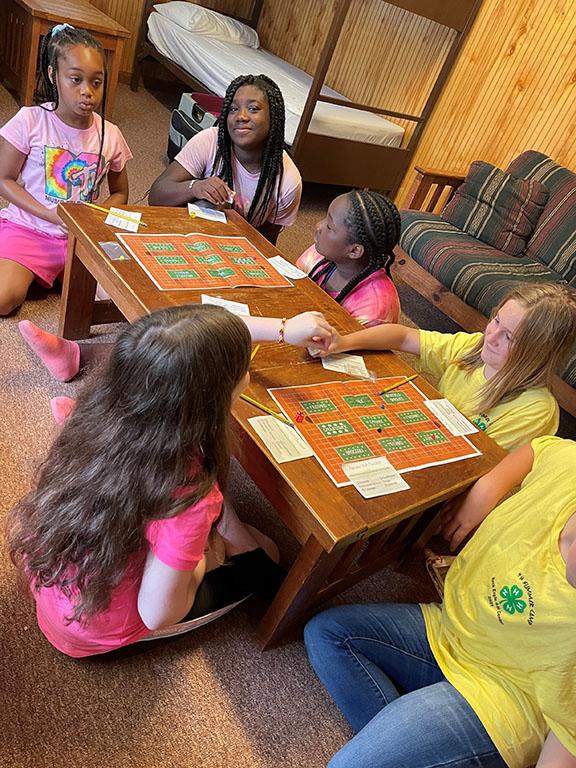
Left: Summer campers from Liberty County play a boardgame to learn more about plant biotechonology.
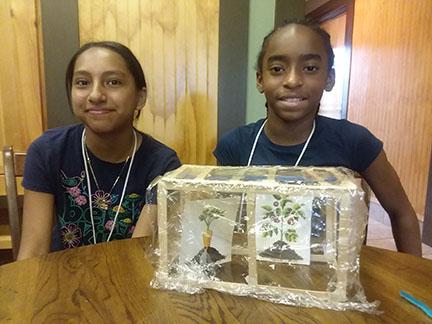
Right: Engineering a greenhouse prototype is one of the activities from the Plant Biotechnology curriculua.
|
|
|
Plants are the key to a healthy and sustainable food system. In addition to providing oxygen, plants supply 90% of human calorie intake and 80% of human protein intake. Animal products are the remainder of these intakes; it is important to note that animals must derive their nutrition from plants (Chawla, 2009). As the world population continues to expand, there is a critical need to address food supply concerns. Kalia (2018) explains that plant biotechnology “encompasses a multitude of scientific tools and techniques for screening and genetic manipulation of plants to develop beneficial or useful plant/plant products.” Plant breeding and biotechnology assist in the developing of new varieties and traits, leading to higher-yielding crops and food with improved nutrition, taste, and storage life.
While 4-H is certainly rooted in agriculture production, there are no curriculum sets offered by National 4-H Council related to plant breeding and biotechnology. Furthermore, while traditional in-school science education teaches biology and genetic content to youth, it is estimated very few formal science programs teach plant biotechnology to students before college.
Georgia 4-H was awarded funding by National 4-H Council to create a series of lesson plans about plant biotechnology. The lessons introduce the 4-H participants to basic plant biotechnology information, allow them to engage in activities related to applying plant biotechnology content, gauge their knowledge through formative assessments and reflection questions, and be exposed to a variety of careers related to plant biotechnology.
To ensure high-quality, interactive, and fun lessons, Georgia 4-H piloted three of the activities during 4-H Summer Camp offered at Rock Eagle 4-H Center. Each cabin was provided a STEM kit with lesson plans are resources for youth to engage in three activities: (a) designer plant genetics, (b) engineering a greenhouse, and (c) mustard mania board game. “These are great lessons for any time, but It’s always a plus when outstanding curriculum can meet a very practical need,” said Georgia 4-H camping specialist Charlie Wurst. “COVID restrictions made us restructure our plans for rainy day activities, and it was great to have top-notch programming available to our leaders in each of our 45 cabins in the event inclement weather disrupted the regular camp schedule.”
Program evaluation results will not be reviewed and analyzed until after the camping season concludes, but 4-H adult leaders have responded positively to the materials. One 4-H leader commented before camp, “Thank you! I really appreciate this resource. These activities are much better than what I have in my bag right now for camp. I thought of a few things but they are not as in-depth with learning objectives.” While another leader shared, “the STEM kits were great! At first I was a little reluctant because I didn’t want them to feel like they were doing school work, but the activities were so much fun that the kids asked to do one every day! I look forward to using the resources with my county program.”
Submitted by:
University of Georgia Extension
|
|
International Year of Rangelands & Pastoralists Effort Supports UN Decade on Ecosystem Restoration |
|
|
|
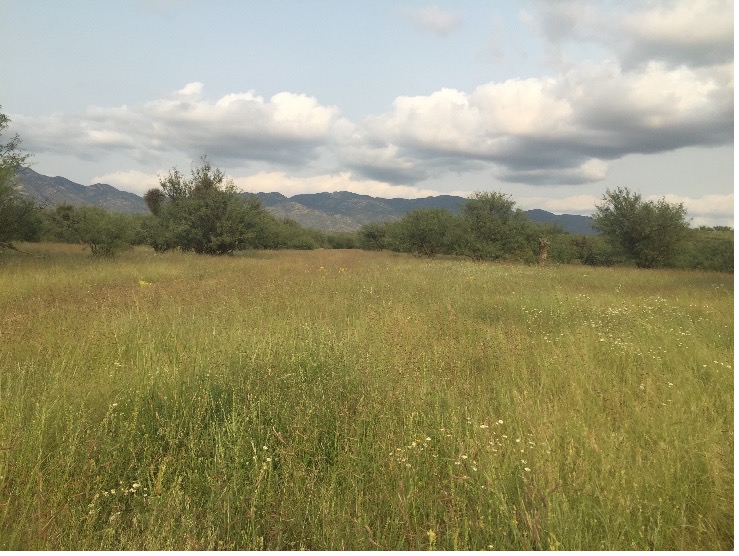
Rangelands, Humberto de Hoyes Ranch, Mexico (Photo credit Elena Dosamantes) |
|
On June 5, 2021, World Environment Day, the United Nations launched the UN Decade on Ecosystem Restoration (UN-DER) alerting people around the world to common issues related to halting and reversing ecosystem degradation. This is one of the many themes also being addressed by a global effort to gain a designation for an International Year of Rangelands and Pastoralists (IYRP) in 2026.
Nearly half of the Earth’s land surface is classified as rangeland, and its health is critical to the wellbeing of more than 500 million people. Pastoralists and others who derive their livelihoods from rangelands are both users and stewards of the land. This stewardship is critical for achieving food and water security, resilient economies, and improved environmental conditions. However, many forces threaten the productivity and ecological integrity of these lands and their caretakers. Rangeland degradation
increases conflicts over diminishing natural resources, endangers national security, compromises economic productivity, and robs our youngest generation of opportunities for a prosperous future. Yet, rangeland systems remain subject to widespread misperceptions, biases, and knowledge gaps. These landscapes and livelihoods therefore need urgent attention from many sectors and many stakeholders.
An IYRP could provide the impetus and momentum necessary for realizing an ambitious agenda. It would increase worldwide understanding of the importance of rangelands for global food security and environmental services. By focusing attention on the need for enlightened policies that foster innovation toward sustainability, it could help overcome regional poverty and boost efforts for investment in restoring degraded rangelands. Countries could improve access to multilateral funding that will increase scientific capacity to monitor and predict trends in rangelands and exchange experiences and best practices, resulting in a global community working toward the sustainability and well-being of rangelands and livestock producers well beyond the IYRP.
Building on support from over 50 countries, led by the Government of Mongolia, and 275 non-governmental partners worldwide, the IYRP proposal has been endorsed at three levels of the UN Food and Agriculture Organization (FAO Committee on Agriculture, FAO Council, and FAO Committee). For more information, please visit the IYRP online booth and the IYRP Archive Website.
The final vote for the proposed IYRP will be held in the Fall of 2021 during a meeting of the UN General Assembly. In preparation for the vote, the Society for Range Management and the North American IYRP Support Group sent a joint letter to the Secretaries of Agriculture, Interior, and State requesting their support for the IYRP. The letter was signed by 50 important stakeholder groups including the American Forage and Grassland Council, the Ecological Society of America, the Public Lands Council, and more (See: https://iyrp.info/resources/322). Please consider adding your organizational logo to the “ Friends of the IYRP” page to show support for an IYRP in 2026. In addition, if you are interested in helping with this effort, please contact Barbara Hutchinson. There are active Support Groups at the global and regional levels engaged in awareness raising campaigns through social media and events, as well as outreach to gain additional letters of support. You can make a difference!
Submitted by:
University of Georgia Extension-Camden County
|
|
North Carolinians Encouraged to be Vigilant for ‘Poolside Pests’ |
|
Invasive forest pests are notorious for causing widespread tree mortality. In the Southeast, emerald ash borer, Dutch elm disease, and hemlock woolly adelgid are a few that have forever changed our landscapes and cause lasting economic impacts. International trade continues to rise, unfortunately providing increased entry opportunities for non-native species. The need for management is clear.
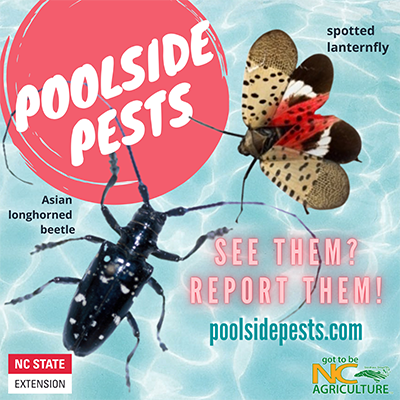
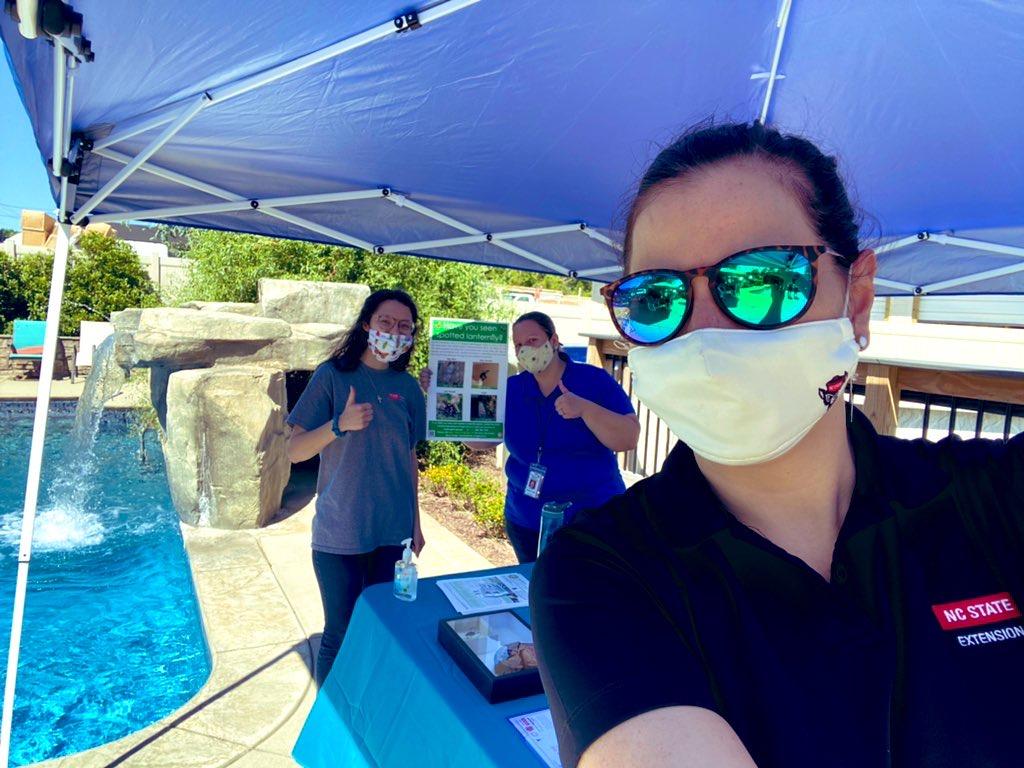
The good news is that chances of eradicating invasive species greatly increase if it is detected quickly. Faced with the reality that forest resource professionals can’t be everywhere, a need for raising citizen awareness became apparent. That’s why NC State Extension Forestry partnered with the NC Department of Agriculture & Consumer Services Plant Industry Division and the N.C. Forest Service to create ‘Poolside Pests’, an educational program to increase awareness and encourages reporting of two invasive pests poised to invade North Carolina.
The spotted lanternfly and the Asian longhorned beetle have already invaded two states neighboring North Carolina: Virginia and South Carolina, respectively. The Asian longhorned beetle threatens at least 29 tree species and favors red maple, the second most populous tree in North Carolina’s forests and a popular ornamental planting. The spotted lanternfly attacks many plants, including grapevines, fruit trees, and woody trees. It is a significant threat to agriculture and is already a major nuisance pest in areas where it is established. If either insect is detected in North Carolina, government agencies are prepared to respond quickly.
Remarkably, both species are attracted to water and could therefore end up in pools or skimmers/filters. This angle is central to Poolside Pests, which targets private pool owners, pool supply companies, and pool maintenance companies. The team partnered with more than 50 pool supply companies across the state to distribute magnets to pool owners when purchasing pool supplies. Informational flyers and keychains were distributed to pool maintenance companies for their employees and one company inserted flyers in customers’ monthly bills. Magnets were also sent to hotels and apartments with outdoor pools with a request to place in a place where those who serviced the pool might see it. The goal was to get the information out to as many people in the pool industry as we could!
While our program’s target audience is the pool industry, the reality is these insects can be found anywhere so we didn’t want our reach to end there. Each collaborating agency published press releases and posted to social media accounts. Nearly 20 media pieces across the state aired or were published, social media posts reached more than 40,000 North Carolinians, and the program website (poolsidepests.com) has more than 6,000 views.
|
|
In addition, two virtual trainings were held for extension agents, agricultural specialists, and N.C. Forest Service personnel. Often, they are the first to be asked so it’s critical they are familiar with the pests and the program.
Ultimately, it’s challenging to measure “success” for programs like this when a positive report would be bad news. More people are aware of these pests and submissions of suspect insects via the state reporting tool increased. If the arrival of these pests in North Carolina is “only a matter of time”, then quick detection will be the best measure of success. When and if that day comes, you better believe I’ll ask the person who reported it how they knew to report it!
Submitted by:
North Carolina State University
|
|
The Poolside Pests team engaged pool owners at a local pool supply company event. |
|
Teacher’s Master Gardener Training a Success in Gwinnett County, Georgia |
|
Gwinnett County, GA, is home to the largest and most culturally diverse school district in Georgia, with 141 schools with an estimated 180,000 students. As the population increases, environmental awareness and education have increasingly become part of educational curricula in county schools. UGA Extension Gwinnett receives many requests from educators for assistance in developing educational programs in horticulture, the environment, and the construction of school gardens.
Since 2017 the UGA Extension Gwinnett County office, under Timothy Daly, County Extension Agent, and Kim Fritz, Extension Program Assistant, has offered a Master Gardener Extension Volunteer Program specifically designed for educators, which are in public and private schools in the county in addition to homeschoolers. It differs from the standard Master Gardener Extension Volunteer Program because it is specifically for educators. The subject matter presented will assist them in their teaching efforts at local schools.
With the onset of COVID-19, we have had to go virtual for most of the program. This summer, we used an online format developed with the assistance of the State Master Gardener Extension Volunteer office for 22 interns. The program consists of a series of 30 modules that address many subjects such as botany, vegetable gardening, soil science, and other pertinent ones. The modules consist of several prerecorded one-hour-long videos, handouts, and online activities. They are grouped into seven cluster areas: horticulture basics, ornamental plants, edibles, turfgrass, pest management, landscaping with a purpose, and a Master Gardener Extension Volunteer. Each module has an exam that the interns must take and pass with 70% of the correct answers. They can access the modules and complete the exercises at their own
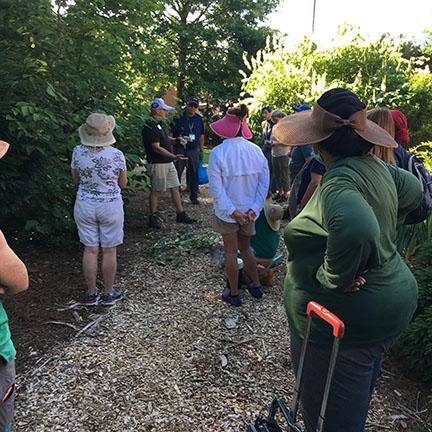
The program also had three in-person, hands-on outdoor labs to put what they have learned into practice. The one on vegetable gardening was held at the Rhodes Jordan Park Community Gardens, one of nine the county has in its parks. The interns put into practice the necessary steps for starting, growing, and harvesting vegetable plants so they can teach the process to others in their outreach activities. Another hands-on lab was on the planting and maintenance of ornamental plants, held at Gwinnett Technical College in Lawrenceville, GA. Interns installed some trees and shrubs and learned the correct methods of pruning. A lab on turfgrasses was held at the same location a couple of weeks later. They learned about the various types of turfgrasses, their positives and negatives, and correct maintenance procedures. They installed a few pieces of bermudagrass sod at the school to learn how to prepare the soil and plant the sod where it will survive. The lab also covered the use of mechanical equipment for lawn maintenance, such as lawnmowers and weed eaters, and how to use and take care of it properly.
The students found this format to be beneficial in learning the subject matter. They could access the material at their convenience.
The participants took a pre-class and a post-class test. On average, they scored 12% on the post-class test than on the pre-class one. The participants must complete 50 hours of volunteer service in conducting outreach programs for UGA Extension. They have started numerous projects in the schools. Examples include Harbins Elementary School in Dacula, GA, which has begun an afterschool program with the Master Gardener Sprouts program, horticulture training for elementary school children. Another volunteer has started planning and constructing a school garden consisting of vegetables and herbaceous annuals and perennials at Twin Rivers Middle School in Buford, GA.
UGA Extension Gwinnett will continue to offer the Teacher’s Master Gardener program during summers for educators. We will encourage and assist the participants in implementing school horticultural and environmental education programs and installing school gardens.
Submitted by:
University of Georgia Extension, Gwinnett County
|
|
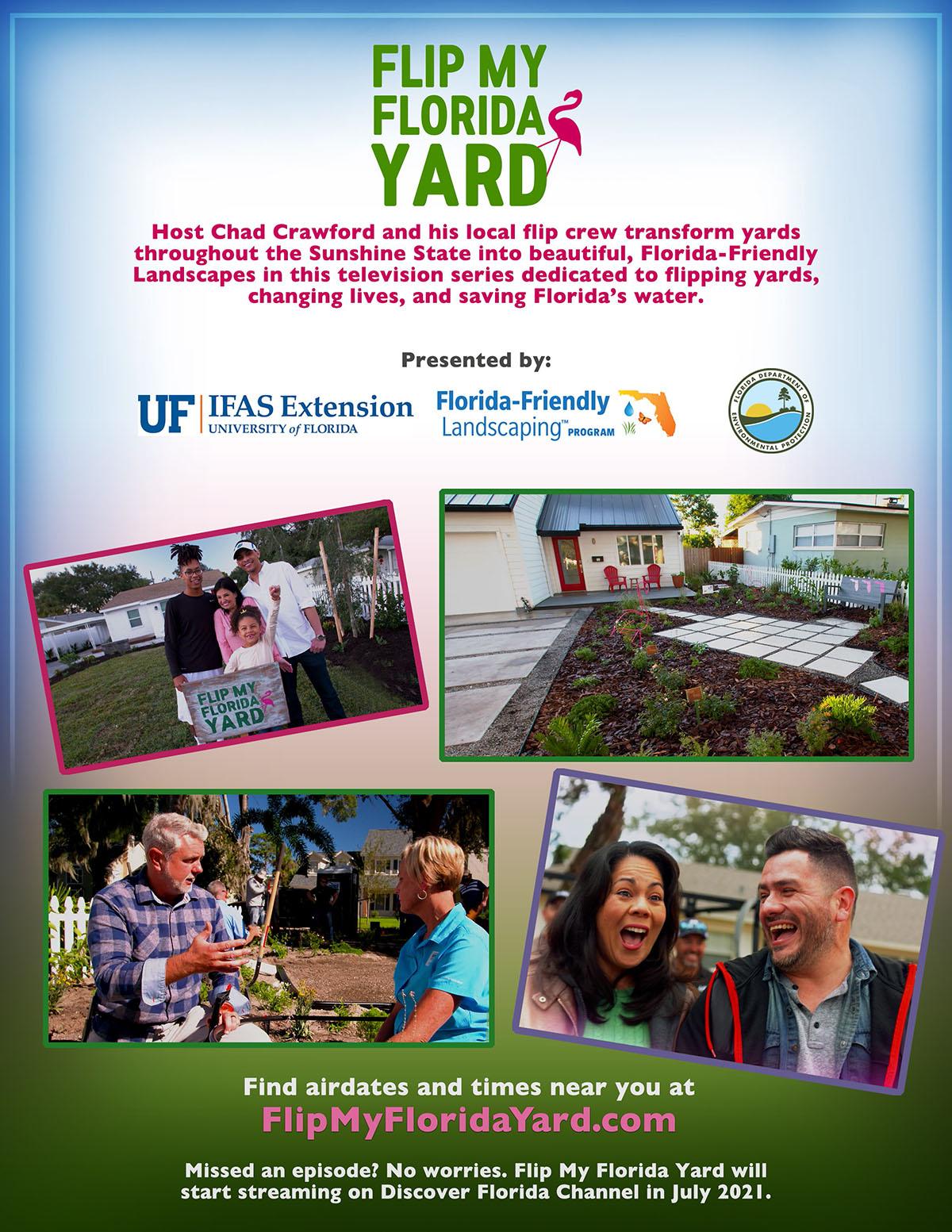
‘Flip My Florida Yard’ Show Features Local Extension Agents |
|
One year ago, 10 homeowners across eight Florida counties were chosen to have their yard “flipped” into a water-wise, Florida-Friendly paradise — three of them were in Seminole County.
The show, ‘Flip My Florida Yard” has aired on television channels throughout the state and is now available for free to watch through the Discover Florida network!
The Florida-based gardening show traveled to yards around the state and give them the ultimate Florida-Friendly Landscaping makeover. Using the nine principles of Florida-Friendly Landscaping™ (FFL), the transformation created yards that protect and conserve Florida’s natural resources through science-based landscape practices.
“It is truly an honor to be a part of these great landscape transformations that highlight our home county!” said Tina McIntyre, UF/IFAS Extension Seminole County Florida-Friendly Landscaping Agent. “Each transformation was led by an Extension agent. I led one project and we had two agents from neighboring counties who supported the other two flips. We are excited to team up on this project and bring FFL principles to yards in Seminole County, and we’re thankful to our neighboring Extension offices for supporting the project.”
Italis and Manuel Ocampo were one of the lucky winners located in the county.
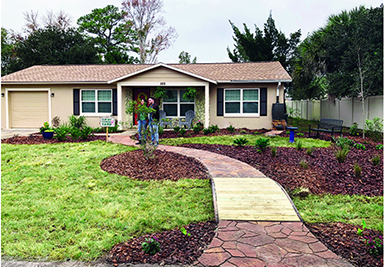
Their Sanford front lawn now offers a visual feast of bee-attracting flowers in van Gogh colors of yellow, orange, and green. A small pedestrian bridge greets visitors, and a cobalt-blue birdbath makes for a striking visual contrast.
However, it wasn’t always this way. When the Ocampos bought their home, the front yard was wet mowed weeds. They learned about the show through UF/IFAS Extension’s social media and discovered they were competing against 1,500 applicants for a spot.
Each makeover is intense. Homeowners are sent to a state park for the day while a crew of some 30 people gather together to accomplish the makeover in just seven or eight hours.
“That’s the chaos and entertainment part of the show,” says Chad Crawfors, the show’s producer. He means, of course, a good kind of chaos.
“It was a blast,” Tina says. “The day of the shoot was such great energy. It was amazing to see the various teams working together.”
|
|
Having such a good time while also promoting an important Florida-Friendly message, Tina says, “was a true highlight of my career.”
FFL, based at UF/IFAS and led by Esen Momol, is a 26-year partnership between UF/IFAS and the Florida Department of Environmental Protection (DEP), which is the sole sponsor of the series.
“DEP is proud of its long-standing partnership with UF/IFAS and its Florida-Friendly Landscaping™ program,” said DEP Secretary Noah Valenstein. “Over two decades, DEP has provided approximately $12.5 million in grant funding to administer this successful statewide program. By encouraging more Floridians to use low-maintenance plants and environmentally sustainable practices in their yards, we are all part of the solution to protect our waterways and ecosystems.”
Submitted by:
UF/IFAS Extension
|
|
|
National Extension Climate Initiative & Extension Foundation Seek Input |
|
This tool not only assists in cataloging Cooperative Extension efforts and programs system-wide, but also provides an opportunity for you to share and utilize digital assets from other Extension programs. Program assets include evaluation tools, infographics, videos, and other resources you think could be helpful to your Extension Colleagues.
In partnership with NECI, the Extension Foundation has integrated specific questions for climate and extreme weather programs in the National Registry.
Most importantly, this tool enables real-time access to a landscape assessment of Extension climate and extreme weather programs, which in turn enables Extension leaders to rapidly respond to system-wide funding opportunities.
Registering your program is quick and easy - it should take only 10 minutes to do so. If you need to save your submission at any point and resume later, there is an option to do that. Additionally, after submitting your program to the National Registry, you will receive a link that will enable you to edit any details in the future as needed.
If you have any questions, please do not hesitate to reach out to us.
Submitted by:
Partnership Development Specialist, Extension Foundation
|
|
Editor's note: This is a new feature in the newsletter where we can honor the retirements of our ANREP members. You can submit 3-4 sentences and we'll post those announcements here. |
|
Join the Urban Sustainability Subgroup |
|
The new Urban Sustainability Subgroup on Connect Extension is a place for Extension professionals working on urban natural resources, building resilience to extreme events, and related issues to come together to share information, hear about conference and professional development opportunities, and generate collaborative projects and funding proposals. Join us!
Submitted by:
University of California Cooperative Extension
|
|
Survey of Farmers Related to Nitrate Contamination of Groundwater |
Researchers from the University of Wisconsin–Madison Division of Extension recently produced a report about farmers’ attitudes toward nitrate contamination of ground water and the agricultural practices required to address this type of contamination. The report includes topics such as barriers to adopting behaviors that will reduce the use of nitrogen on the landscape, who farmers want to hear from and social norms about adopting best agricultural practices. The report, which summarizes the results of a survey taken by farmers in Wisconsin’s Pepin County, can serve as a model for Extension educators in other regions for planning their own programming for working with farmers to reduce nitrate contamination of ground water.
Submitted by:
University of Wisconsin-Madison Division of Extension
|
|
New Living With Fire podcasts dig deeper into today’s wildfire challenges |
- dig deeper into the issues surrounding our wildfire challenges,
- share personal accounts from those have battled the fires and those who have been impacted by them,
- and provide insight from those who research the topic and try to manage our lands and wildfires to prevent catastrophic loss of lives and property.
The first two episodes are available now on Apple Podcasts, Spotify, Stitcher and other platforms.
Submitted by:
University of Nevada, Reno Extension
|
|
There was no content submitted for this category.
This want-ad type space is where you can solicit your colleagues for help or their expertise. Developing a presentation and need some ready-made slides? Ask here. Considering a new programming effort and looking for ideas or for expertise from those that have already gone down that path? Ask here.
|
|
Summer is starting to wind down and as I reflect back on what was again a few months that flew by way too quickly, I can't help but consider how relatively uneventful life has been in my little corner of the world. We had some warm weather but nothing like the incredible heat waves that seemed to repeatedly hit both coasts. We have had several weeks of hazy, smoke filled air which just underscores how bad the western fire season has been. As hurricane season ramps up, I'm thankful that even the recent severe weather in Wisconsin has mostly bypassed us. The crops surrounding my house look fantastic for the first time in several years but I was struck this morning by how localized that is as I was looking at the crop condition reports. While corn and soybean crops in Wisconsin are doing really well, just to our west in Minnesota, the story is completely reversed as they endure serious drought conditions. The mosquito population in my yard has been very healthy recently but that's been my biggest worry this summer!
As you can see from the sharing in this newsletter issue, great Extension work continues to happen in all corners of the country. I'm always happy to share that work through this platform and encourage you to keep sending me your articles and updates.
The next newsletter will arrive in your inboxes around November 15. You can send content any time. Please try to keep articles to 600 words or less and the more complete/formatted (i.e. in a Word document) the better. If you're sending photos, attach those separately to your email, don't just embed them in the document. And please send captions and photo credits if you have them.
Chad Cook | University of Wisconsin-Madison Division of Extension
|
|
|
|
|
|
|