|
- AOK celebrates 25 years of support for conservation
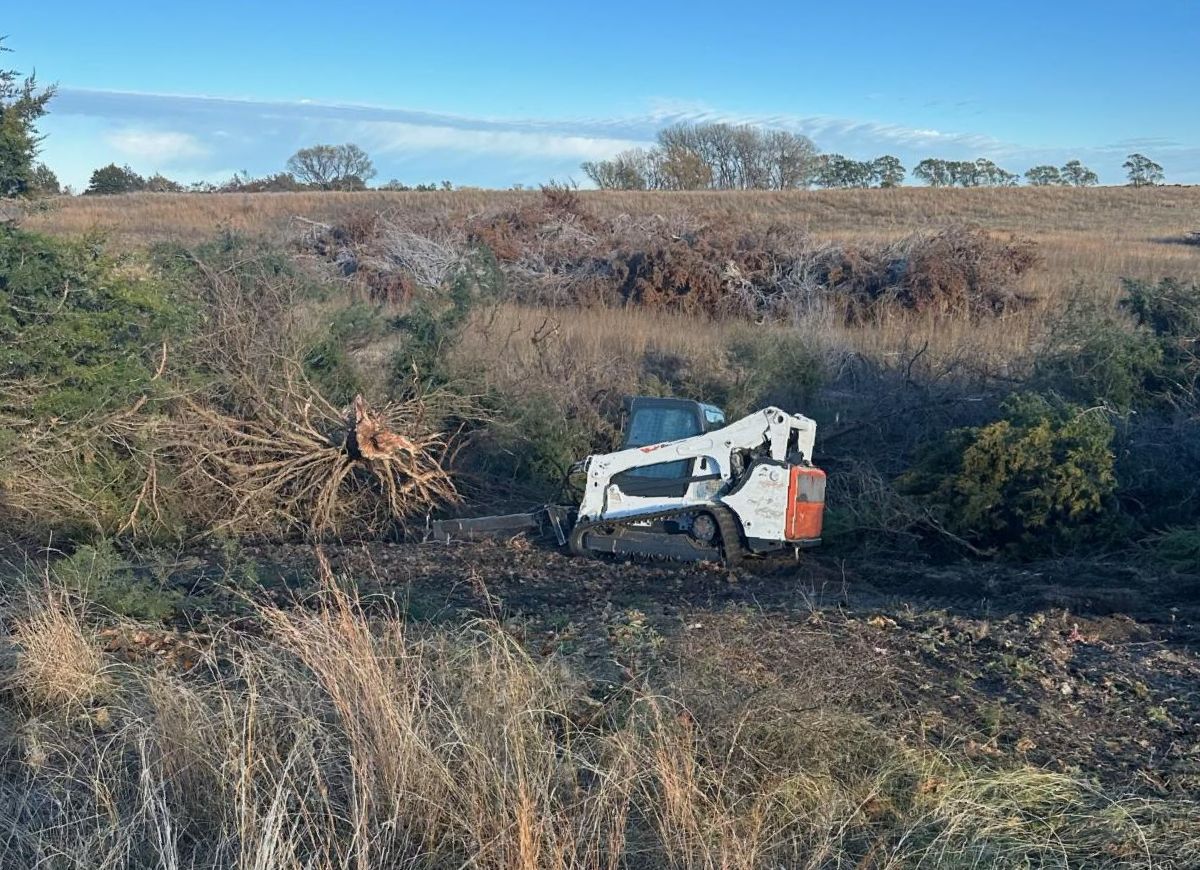
- Cedar removal continues at Hutton Niobrara Ranch Wildlife Sanctuary
- Be a "Voice for Wild Kansas"
- Celebration of Cranes attendees connected with cranes and each other
- Registration for the Kansas Lek Treks Prairie-Chicken Festival will open in December
- Jodie Provost from the North American Grouse Partnership will be the banquet speaker
- Join a Christmas Bird Count
- Philanthropy Corner: Thank you!
-
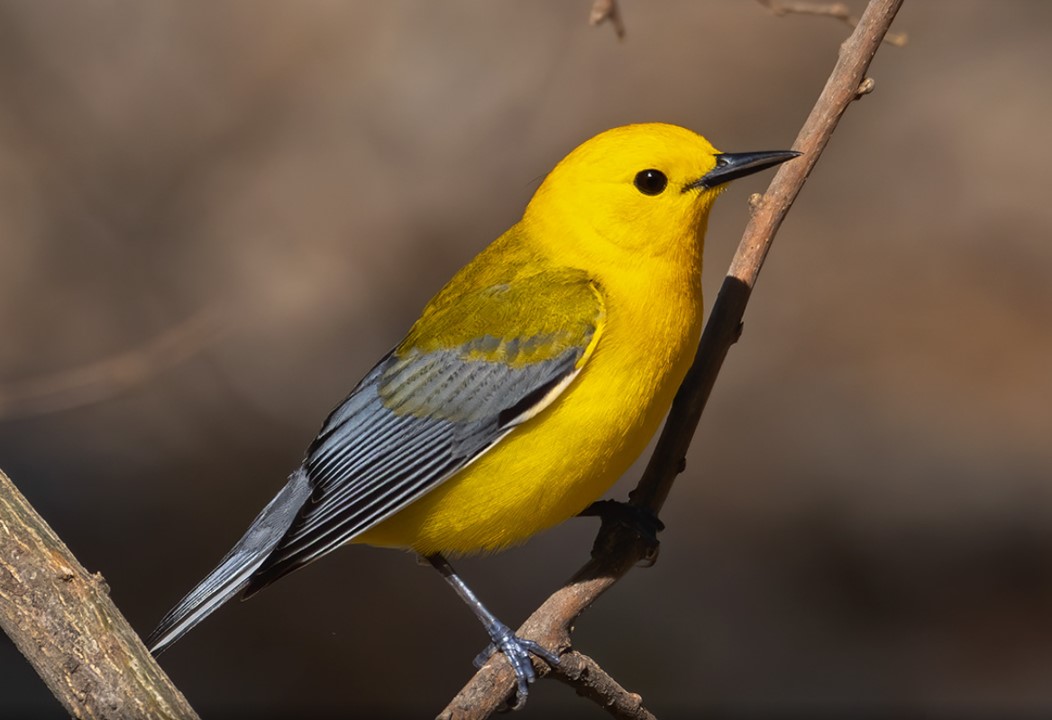
Chapter Spotlight: Burroughs and Sperry-Galligar chapters are promoting Prothonotary Warbler research and conservation
-
AOK Nature Spot Recommendations: Hiking Trails now open in Cassoday
| |
AOK celebrates 25 years
of conservation support
“One of the penalties of an ecological education is that one lives alone in a world of wounds. Much of the damage inflicted on land is quite invisible to laymen. An ecologist must either harden his shell and make believe that the consequences of science are none of his business, or he must be the doctor who sees the marks of death in a community that believes itself well and does not want to be told otherwise.”
― Aldo Leopold, A Sand County Almanac
This quote resonates with me. Four years ago, I was an academic ecologist studying the behavior of prairie-chickens. As I was documenting the intricacies of their ritualized displays, I was also watching leks shrink and disappear. Now, having been the Executive Director of Audubon of Kansas (AOK) for four years, I am living up to my 'Doctor' honorific as Aldo describes, diagnosing the decline in our ecological communities, and delivering the bad news to lawmakers and communities who only see the symptoms and not the root cause of the disease.
Although this work is still relatively new for me, AOK has been sounding the alarm about a myriad of ecological threats for the past 25 years. Our voice for conservation is critically needed now—our rivers and wetlands are running dry, charismatic prairie species are disappearing, invasive species are turning our diverse ecosystems into monocultures, and the political climate makes it challenging to build consensus around conservation priorities.
I’m often asked how I keep from getting discouraged. It is because at AOK, I am surrounded by supporters, board members, and staff who enthusiastically defend AOK’s mission and work.
Like me, I'm sure you see the 'world of wounds' in our environment. In this season of giving, please consider lending your support to AOK so we can heal our environment through advocacy, conservation, and education.
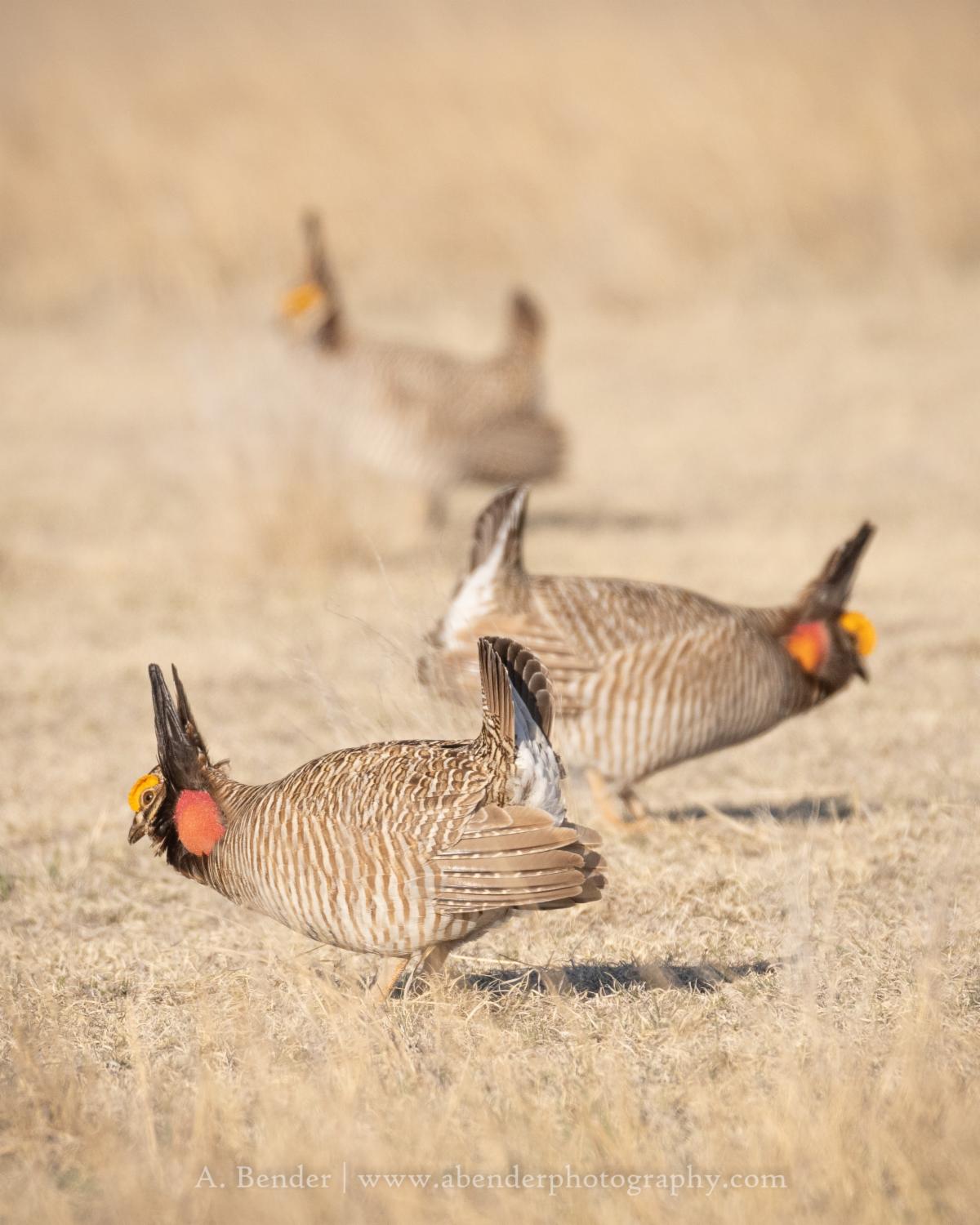
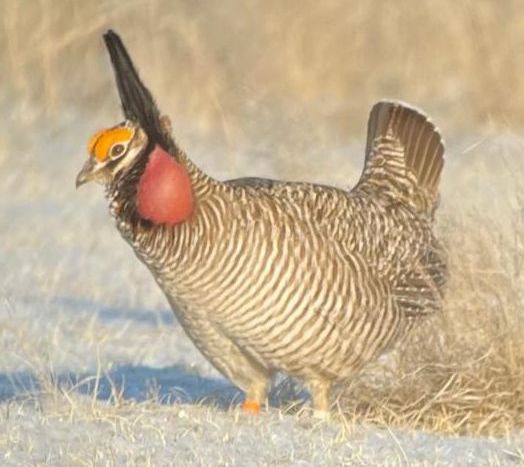
Text by AOK Executive Director Jackie Augustine, PhD Biology. Photo: Lesser Prairie-Chickens by A Bender Photography.
Three Ways to Give
| |
Join "Voice for Wild Kansas"
One of the ways to make a lasting change for conservation is to be involved in the formation of laws and policies that govern conservation. In 2025, AOK is starting a new "Voice for Wild Kansas" Advocacy group.
The main goal is to share information about legislation and to empower those that want to do more to protect wildlife. The focus will be on state issues but federal bills may be discussed periodically. This group will receive emails weekly during the legislative session (mid-January through mid-May) regarding bills that affect wildlife. I also envision a weekly virtual meeting where the group will discuss bills that are of interest to the members present. Each individual or group can decide whether they want to support, oppose, or remain silent for each issue. I do not anticipate joint letters at this time, but that may be considered in the future.
As bills arise daily, and the opportunity to comment is short, this group will help make sure bad legislation doesn't slip through the cracks unchallenged.
Please join if any of the following apply to you:
- you want to learn more about advocacy and being a "Voice for Wild Kansas"
- you are a member of a group that is concerned about environmental issues
- you want to connect with other individuals and organizations that care about wildlife
- you want to do more for wildlife
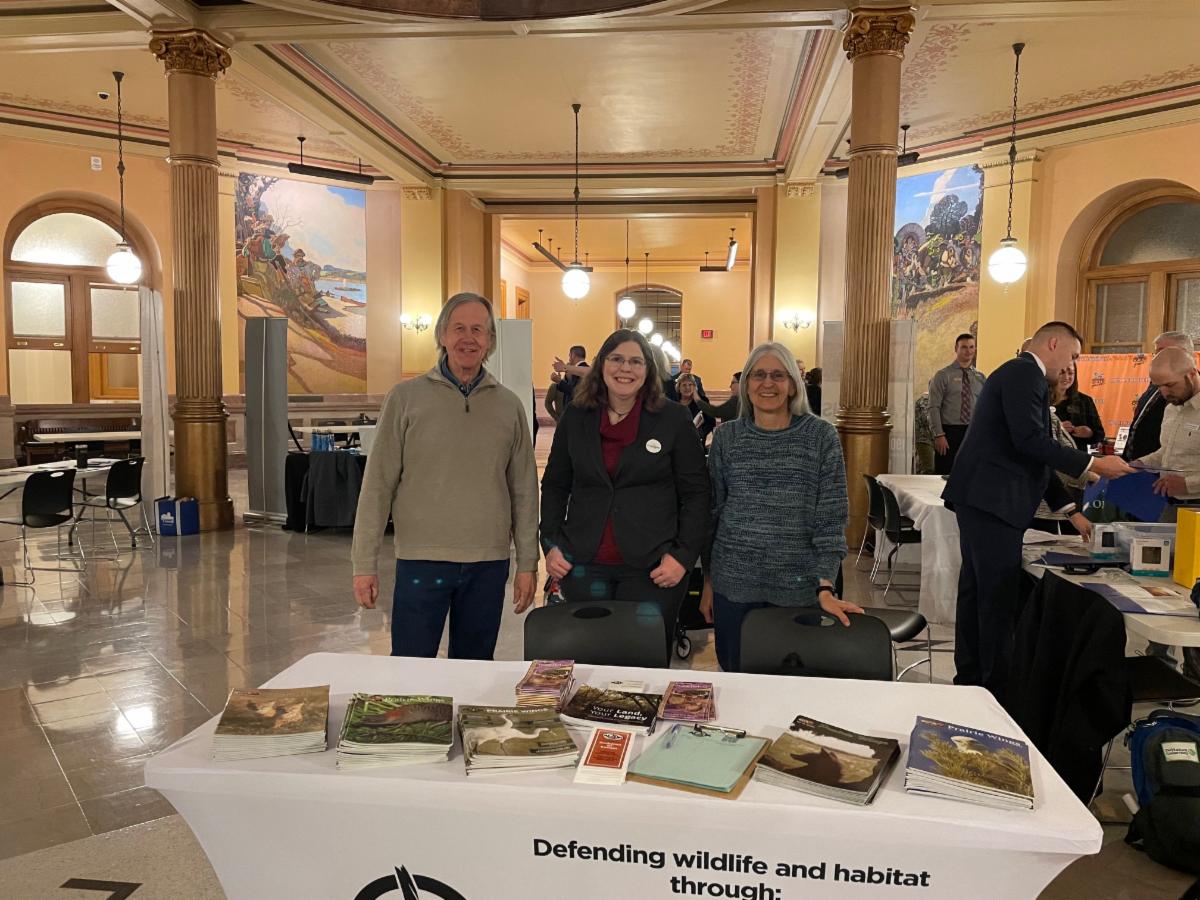
Photo: AOK Board Members and Executive Director participating in a legislative day at the Kansas Capitol.
| |
Registration for the
Kansas Lek Treks
Prairie-Chicken Festival
will open in December
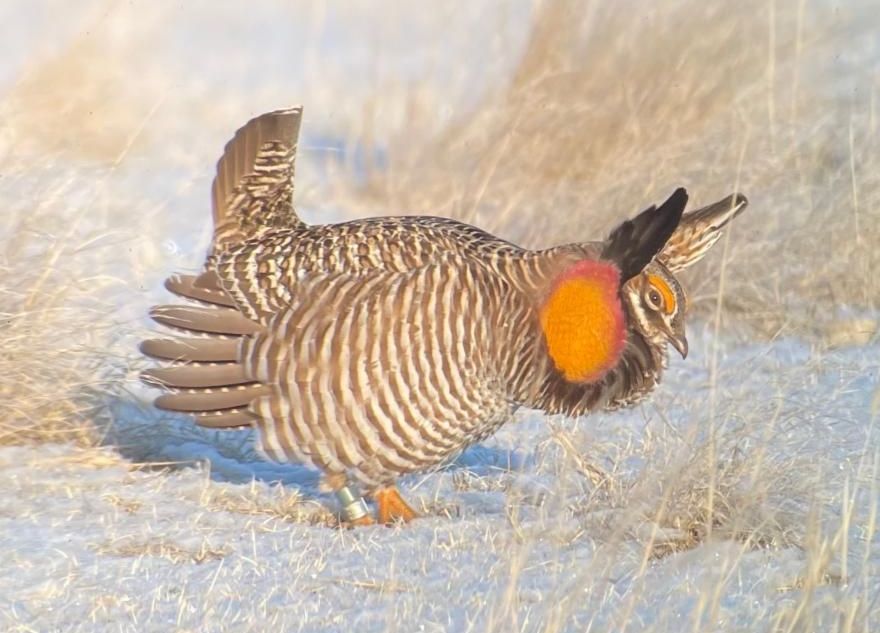
Audubon of Kansas will hold its fourth annual Kansas Lek Treks Prairie-Chicken Festival from April 10-13, 2025 in Hays, KS. Hays offers opportunities to see both Greater and Lesser Prairie-Chickens within an hour’s drive. An additional post-festival trip will offer the opportunity to view Sharp-tailed Grouse at AOK’s Hutton Niobrara Ranch Wildlife Sanctuary in northern Nebraska. There are also social events and field trips focusing on wetlands, geology, or prairie grouse habitat management.
This year's banquet speaker is Jodie Provost, North American Grouse Partnership's Communications Director. During her talk, entitled, "A Prairie Gal’s Tale of Grasslands and Grouse," she will share her story of farm kid becoming a prairie grouse conservationist. Learn what inspires her to action, how the North American Grouse Partnership is working to save grasslands and their charismatic grouse ambassadors, and how you can act too.
Note: We will have options for people with mobility challenges to participate. There is an opportunity on the form letting us know how we can make your experience as enjoyable as possible.
If you are considering attending, I encourage you to sign up for notifications. You will be alerted when the website has new information and when registration opens. The festival attracts around 130 people from all over the United States, and registration fills quickly. Registration will open some time between Dec 15-20.
Photo of Jodie Provost provided by Jodie.
| |
|
Philanthopy Corner: Thank you!
As we enter the Holiday gauntlet, I want to say a few sincere words of thanks to you, the AOK community. It’s only been two short months since you’ve very generously welcomed me into your world, and I couldn’t be more grateful. I’ve been fortunate to meet quite a few of you and hope to meet many more soon. Hearing your stories, your motivations, and your desires (and meeting your pets) has solidified my belief in the power of this community.
Thank you for standing with us. Here’s to the next 25 years of impact—and beyond!
—Kathryn
| |
Chapter Spotlight:
Burroughs and Sperry-Galligar Audubon chapters are promoting Prothonotary Warbler research and conservation
Prothonotary Warblers are large warblers that breed in Kansas in summer and migrate to central and northern South America to spend the winter. Of the 56 warbler species in North America, Prothonotary and Lucy's Warblers are the only ones that nest in tree cavities and nest boxes. Their nickname "Swamp Candles" eludes to their bright yellow plumage that seems to glow in wet woods where they breed. You can often find them along the edge of large rivers or lakes.
Burroughs Audubon Society of Greater Kansas City and Sperry-Galligar Audubon Society of Pittsburg, KS are both contributing to Prothonotary Warbler research and conservation. Burroughs members are giving presentations to libraries and other public groups talking about the biology and conservation of these magnificent birds. Sperry-Galligar members found a donor willing to provide free wood for the the construction of nesting boxes. Pittsburg State students and Sperry-Galligar members plan on making 200-300 boxes for these birds! Both chapters are supporting Prothonotary Warbler research. Local researchers are putting small transmitters on the birds to document their migration routes and patterns.
| |
|
Contact Us
Jackie Augustine—Executive Director
General Questions, Programs, Future Protected Areas
jackie@audubonofkansas.org
Kathryn Chambers—Director of Philanthropy
Gift Planning, Membership, Endowments, Events Management
kathryn@audubonofkansas.org
Amy Meyer—Protected Areas Manager
Questions about AOK protected areas and habitat management
amy@audubonofkansas.org
| | |
|  |
|
Audubon of Kansas
PO Box 1106
Manhattan, KS 66505-1106
785-537-4385
| | |
| | | |