Newsletter


May, 2024

ABOUT US
CONTACT US
WAYS TO GIVE


In this newsletter

  • AOK Celebrates 25 years of support - Thank you!
  • What good is a cow?
  • New law supports conservation of migratory birds
  • Long-term study shows why prairie restoration is so difficult
  • AOK in the news
  • AOK Events
  • June 22: AOK to give a bird banding demonstration at Smoky Hills Audubon Society's Prairie Days in Salina
  • Chapter Spotlight: Topeka Audubon Society connects people and birds
  • AOK Nature Spot Recommendations: Gurley Salt Marsh is an unexpected oasis for migrating waterbirds in Lincoln County

AOK Celebrates 25 years

of grass roots support


We are thrilled to share the exciting news that we *exceeded* our fundraising goal for our 2024 Earth Day campaign. Because of dedicated supporters just like you, our community came together and raised over $70,000 to defend habitat and wildlife in the central Great Plains. We'd like to extend a heartfelt THANK YOU for making a difference for environmental conservation. 


Our most recent campaign shows that support for AOK remains strong after 25 years. AOK started when the Audubon chapters in Kansas decided the Kansas Audubon Council was ready to make a larger impact throughout the state. Our first major gift was from Harold and Lucille Hutton in the form of the 5,000-acre Hutton Niobrara Ranch Wildlife Sanctuary and an endowment for its upkeep. Since then, AOK has been supported through additional land donations, personal gifts, and volunteer efforts. We truly appreciate all the ways people contribute - whether that be through annual memberships, monthly giving, estate gifts, or hours of volunteering to make our events successful or to restore native habitat at our sanctuaries. Thank you for your past and future support!

Donate to AOK

What good is a cow?


Many environmentalists are disgusted by cows. They are not native to North American prairies. They are the largest producers of methane, a greenhouse gas. The odor and filthy appearance of cattle at some feedlots gives the impression that the animals are being mistreated or that the feedlot is contributing to pollution. Others think that eating meat is a waste of resources. It is easy to understand why these views are so prevalent – they are based on facts. 


Yes, cows are NOT native to North American prairies, but cows are now filling the niche vacated by bison. Bison and cattle have different grazing patterns. Bison create ‘grazing lawns’ by concentrating grazing in certain areas, and leaving other areas lightly grazed. Cattle graze grass to a uniform height, so there is not the diversity in grass height as is seen in pastures grazed by bison. Ranchers take this into account when grazing cattle – many employ a system where cattle are rotated through a series of pastures, so that only one pasture is grazed at a time while the other pastures ‘rest’; this approximates the variable pattern of grazing of bison. More progressive ranchers employ a patch-burn/patch-graze system. Instead of physically moving cattle throughout the summer, they burn a portion of a pasture. Cattle naturally graze more intensively on the recently burned pasture as the grasses are reinvigorated by the release of nutrients, higher soil temperatures, and abundant sunlight created by the lack of dead thatch following the fire. They leave unburned portions of the pasture lightly grazed. The rancher rotates burning each year, so the grasslands rotate through a natural sequence from burned/heavily-grazed to unburned/lightly-grazed. 


Prairies NEED grazers like cattle and bison. They naturally recycle plant material back into the nutrients to support more plants. Without grazing, grasses are more competitive and push out wildflowers. With grazing, the grasses are pushed back, allowing wildflowers to flourish.


But why not graze bison instead of cattle? Cattle are a lot easier to work with. Bison require more robust fences and equipment. As a graduate student, I helped with a bison round-up at Konza Prairie near Manhattan, KS. Bison were run through chutes, given ear tags and vaccines, and sorted into those that were going to stay and those that were being sold. It was my job to prep the new ear tags, and to use a permanent marker on old ear tags (still attached to the bison!) so the number could easily be read. The sides of the bison corral were hard steel, but I can still remember poking a stubborn bison with an electric prod on full strength through a narrow slit in the steel. That bison kicked the steel with more force than I thought possible - making a deafening noise, but the bison looked as if it were merely shooing away a pesky fly. I have the utmost admiration for those who work with bison.


Yes, cattle are the largest producers of methane, producing 25% of the methane in the United States with another 9% coming from manure management. In comparison, natural gas and petroleum produce 28% of methane emissions. (Statistics from https://www.epa.gov/ghgemissions/overview-greenhouse-gases). Research is being conducted to determine how animal feeding and manure management practices can be modified to reduce methane emissions.  


Yes, feedlots emit unpleasant odors, but they have become a part of the rural lifestyle and economy. Dodge City even has a feedlot overlook with interpretive signage explaining the history of the cattle industry in Kansas. There are strict regulations in place for pollution control and ethical treatment of animals. In fact, all cattle ranchers I have met would take immediate action if one of their cows were suffering. 


Yes, we could feed more people if they ate a plant-based diet rather than one with large quantities of meat. Generally, about 10% of the energy in plants is transferred to the cows that eat them, and 10% of the cow’s energy is then transferred to humans. In other words, only 1% of the energy in plants is transferred to humans if they eat meat. If humans ate plants, 10% of energy would be transferred to humans. However, not many humans eat grass, although we eat a lot of other fruits and vegetables. Eating beef allows some of the unpalatable (to humans) grass to be transferred to humans. 


Most of our remaining prairies in North America are cattle-grazed ranchlands. If it weren’t for cattle grazing and the passion people have for the rural lifestyle, who knows what these areas would be today? The ranchlands that remain are often unsuitable for growing crops due to soil or slope. We need to thank ranchers for preserving the prairie, and using best management practices so that cattle supports the prairie and the prairie supports cattle. If prairie and cattle thrive, so do a host of other wildlife species like prairie-chickens, meadowlarks, badgers, butterflies, and turtles. 


What you can do to support sustainable grasslands is to look for grass-fed, grass-finished beef in supermarkets – or better yet, at a farmers market. Get to know the rancher who provides the food for your table. Ask them about their grazing practices and prairie management. You will be glad you did. 


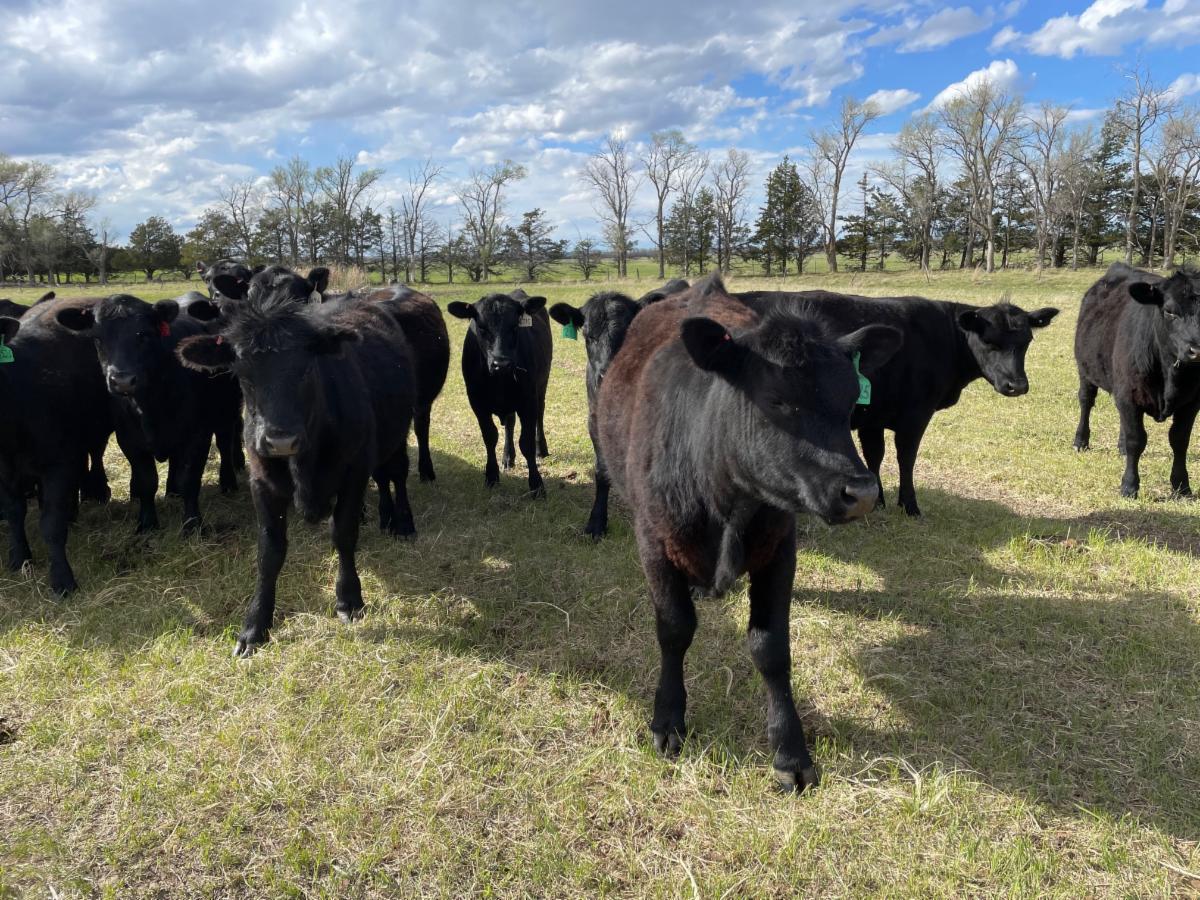
Photo of Brush Creek Ranch’s foundation angus cattle in the Sandhills of Nebraska.


New Law Supports Conservation of Migratory Birds


We have lost 28% of our migratory birds in North America since 1970. A new federal law, passed with bipartisan support, will help reverse this trend by providing funding for conservation. The Migratory Birds of the Americas Conservation Enhancements Act of 2023 (H.R.4389) revises and reauthorizes the Neotropical Migratory Bird Conservation Act through FY2028. The bill increases the cap on the federal share of project costs. Funding supports research and restoration throughout the Western Hemisphere. Since 2002, grants from a previous version of this bill have supported over 700 projects in 43 countries, with 400 migratory bird species benefiting from the funding. 


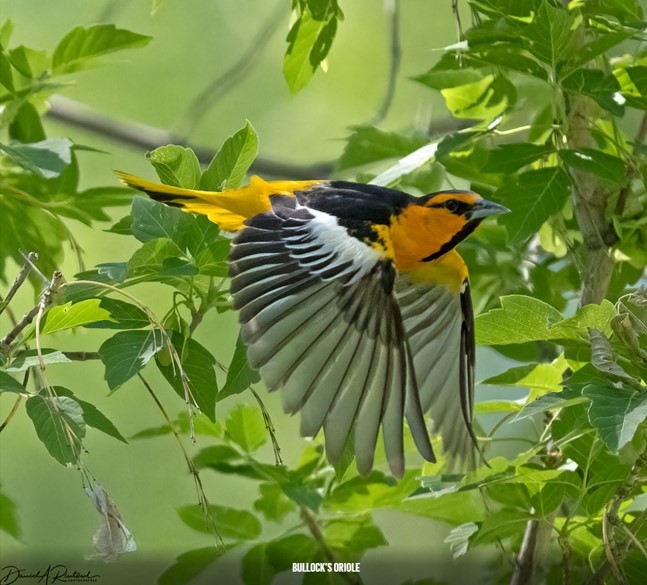
Photo: Bullock's Oriole by David Rintoul

Long-term study shows why prairie restoration is so difficult


Biologists at Kansas State University conducted an experiment at Konza Prairie Biological Station to examine the effectiveness of the removal of woody vegetation in the restoration of grassland streams. We are losing grasslands as they are taken over by woody plants resulting in a decline in streamflow (less water in creeks), loss of grassy plant species, increased rates of erosion, and other ecosystem-scale impacts. The researchers wanted to know how long it would take for the stream to recover if woody species were removed.


The researchers physically removed all woody vegetation with chainsaws and brush mowers in the winter of 2010-2011 and cut resprouting vegetation in half of the watershed, alternating each year, from 2011-2020. The dominant species removed included hackberry, redbud, locust, elm, and oak as well as shrubs including dogwood, plum, and sumac. No herbicides were used on the woody vegetation, but some plots were reseeded with native grasses and wildflowers.


Their results are depressing. Over the 10 years of the study, they were unable to restore the diverse grassland vegetation along the stream with or without reseeding, nor did they see any increase in streamflow. Shrubs expanded rapidly in the areas where trees were removed allowing woody vegetation to remain dominant despite repeated cutting. The researchers concluded that they were seeing an "inexorable movement toward a new ecosystem state" where a handful of woody species are replacing the scores of grasses and forbs.


This is why AOK, and other conservation organizations, work so hard to protect our last remaining pristine habitats. Study after study has shown that restored areas only approximate those that have never been destroyed. In the case of woody vegetation encroaching on our prairies, we must do everything we can to stop woody encroachment now and keep our prairies pristine, or we risk losing them forever.


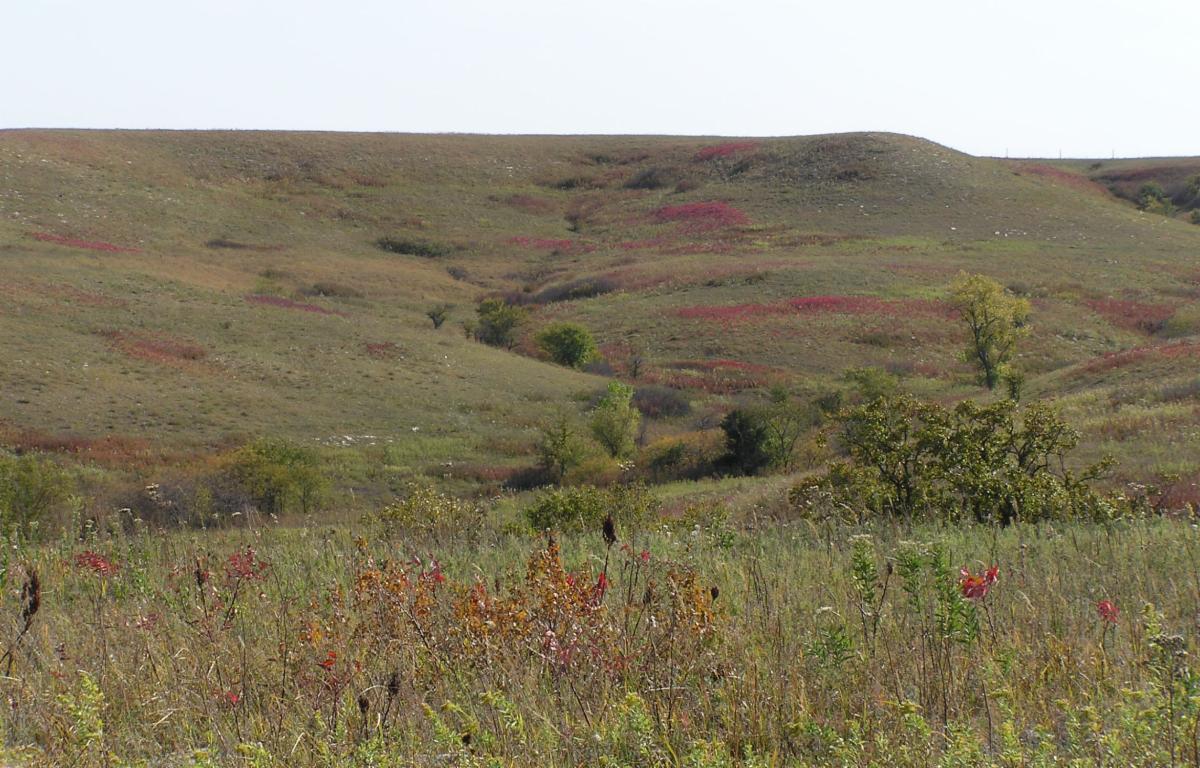
Photo of a drainage at Konza Prairie in fall. Red areas are patches of sumac. Photo by JK Augustine.

Learn more
Read the scientific article

AOK in the News


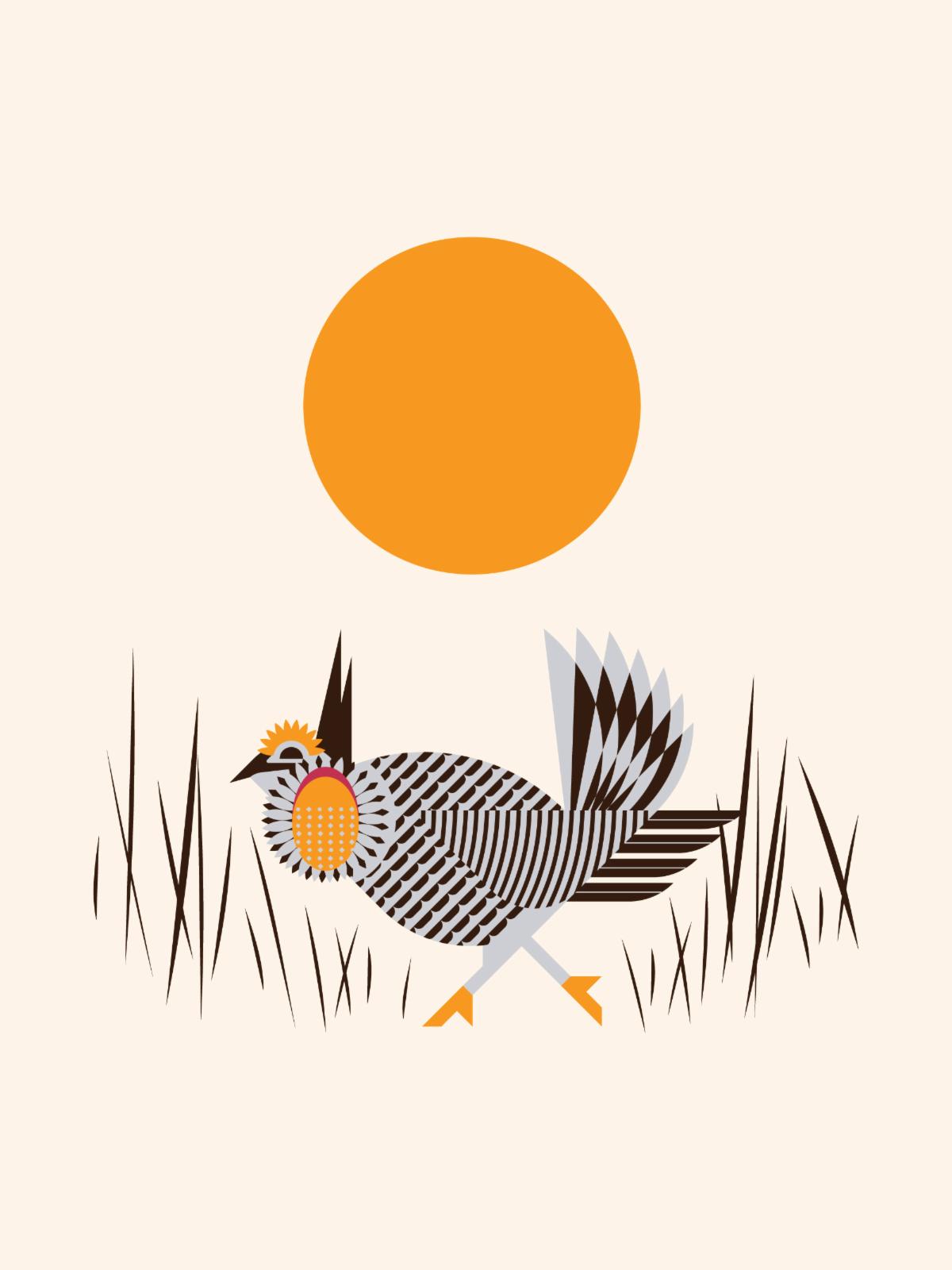
Lesser Prairie-Chickens are federally threatened in Kansas and endangered in other portions of their range. AOK's expertise in prairie-chicken conservation is critical to bringing attention to the plight of these charismatic icons of the prairie.


Artwork by Tom Bates

The lesser prairie chicken is dying. Kansas experts say the last of the prairie will go with it.

Kansas Reflector

By Rachel Mipro - May 5, 2024

Read the article

Make Plans to See the Lesser Prairie Chicken Now... While You Still Can

Kansas Public Radio

By Rex Buchanan - May 15, 2024

Listen to the Commentary

AOK Events


June 22, 9am-noon

2500 W Stimmel Rd., Salina

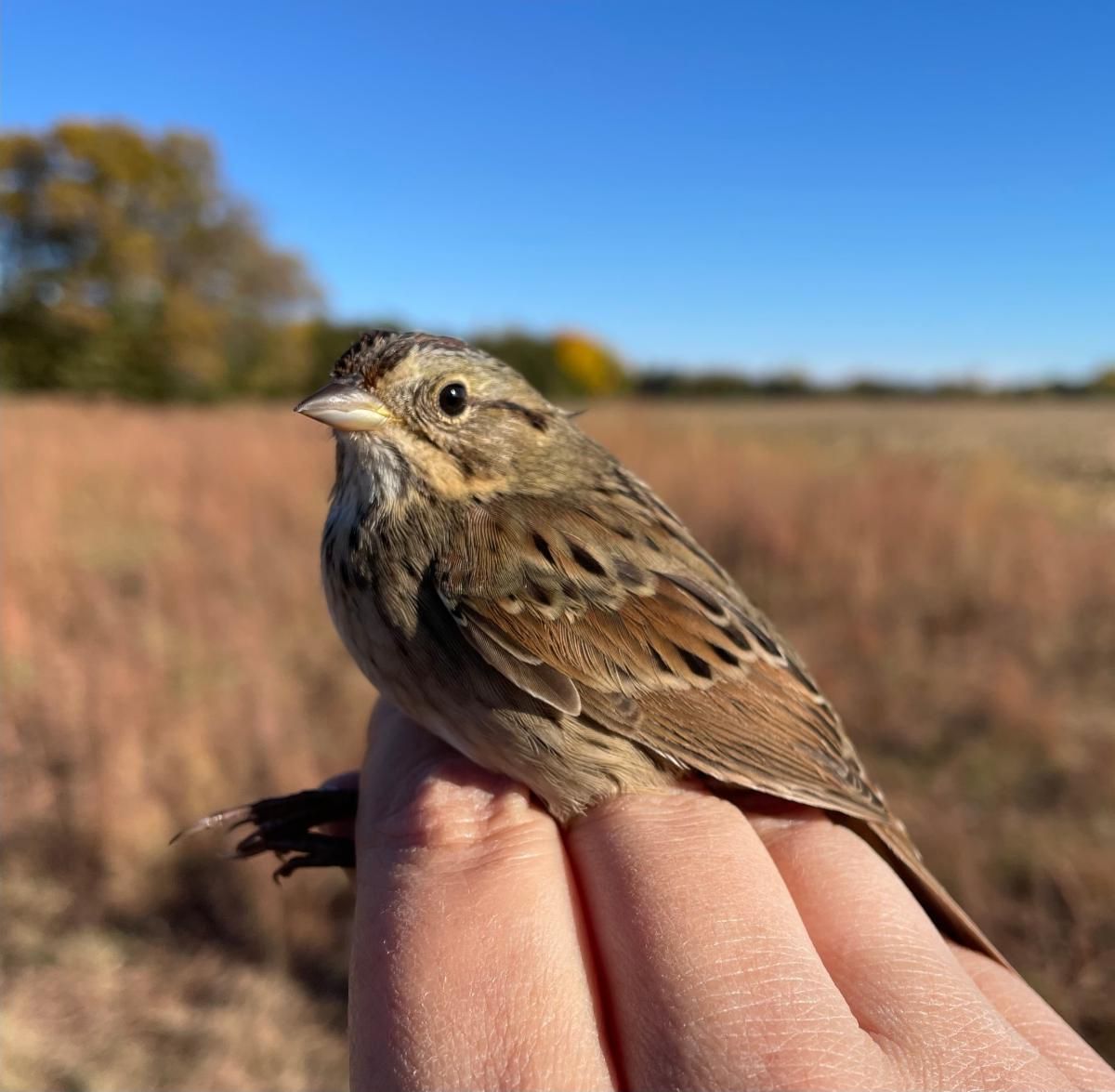
AOK's Executive Director, Jackie Augustine, will give a bird banding demonstration during Smoky Hills Audubon Society's Prairie Days in Salina. Jackie is a master bird bander with over 20 years of experience. She is licensed to catch wild birds, band them, and release them. This technique has been used by ornithologists to learn about birds. Who knows? She might even give you the opportunity to release one!


There will also be hayrides with wildflower and bird ID, self-paced hiking trails, and a native plant sale!

The event is free and all ages are welcome.

Come out and meet us at the Little Pond on the Prairie! 


See the event notice HERE.


Photo: A Lincoln's Sparrow captured at a bird banding demonstration at Achterberg Wildlife-Friendly Demonstration Farm last fall.


October 3-7

Work Fun! Week at Hutton Niobrara Ranch Wildlife Sanctuary, Bassett, NE


October 6

Open House at Hutton Niobrara Ranch Wildlife Sanctuary, Bassett, NE


November 1-2

Celebration of Cranes at Sterling/Quivira National Wildlife Refuge


December

Registration opens for Kansas Lek Treks Prairie-Chicken Festival


April 10-13, 2025

Kansas Lek Treks Prairie-Chicken Festival, Hays, KS

Chapter Spotlight:

Topeka Audubon Society

connects people and birds


Although meetings with guest speakers are suspended in the summer for Topeka Audubon Society, their calendar is still full of events. They have three bird walks in June - June 1 to Echo Cliff and Skyline Drive, June 8 on the Shunga Trail starting at McDonald Field, and June 22 at Dornwood Park. If you think their field trips are great, you should also attend their infamous 'Birds & Beer' dinners. Occurring monthly on the third Tuesday of each month, a group meets at Blind Tiger Brewery to enjoy beer, dinner, and conversation about birds. More details about all of these events can be found HERE or at the link below.


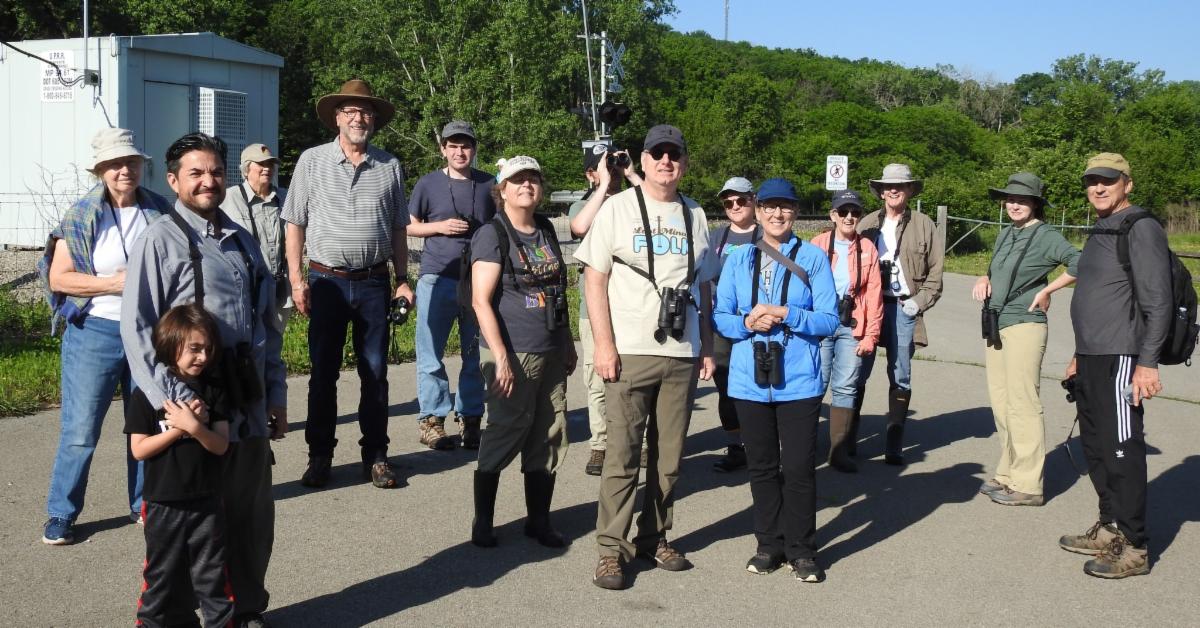
Photo: Birdwatchers on a May 18 field trip to Kaw River State Park taken from Topeka Audubon Society's Facebook page.

Visit Topeka Audubon's Website
See Topeka Audubon's Calendar of Events

AOK Nature Spot Recommendations:

Gurley Salt Marsh is an unexpected oasis for migrating waterbirds


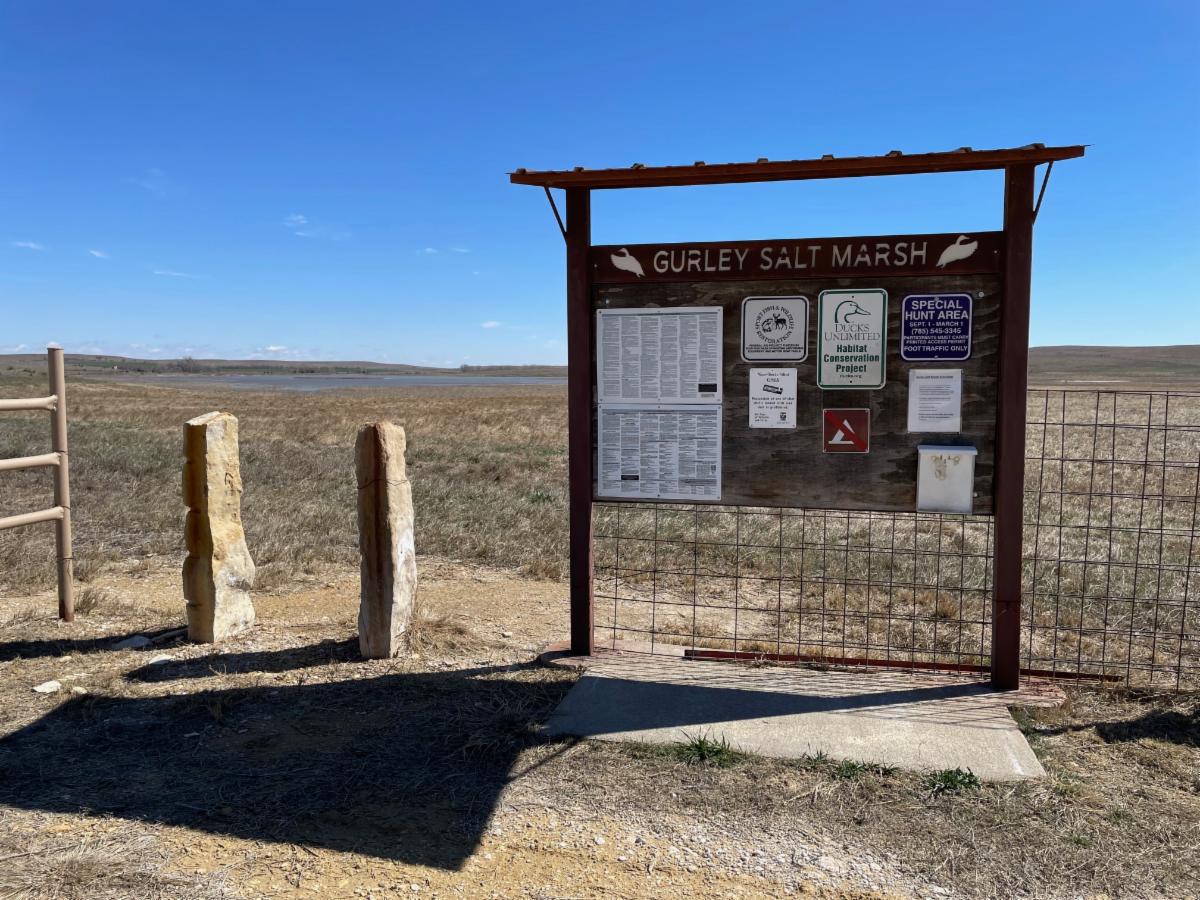
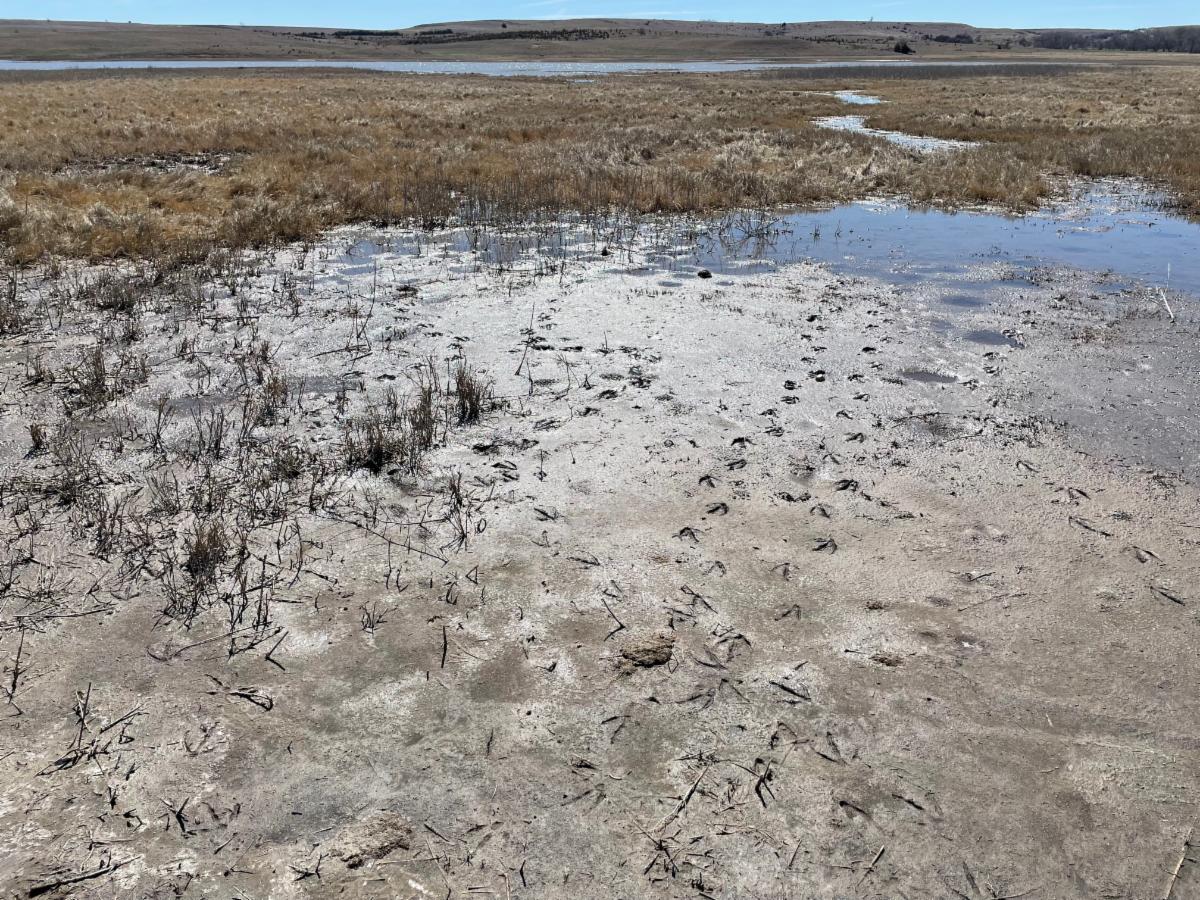
The Gurley Marsh is a natural wetland located in northern Lincoln County approximately where Highways 14 and 284 meet. The area, locally referred to as ‘the salt marsh’, is home to a variety of wildlife of all sizes. Recently, a pull-off stop was added along Highway 14 for visitors to get a closer look. There are no trails, but visitors are free to roam the property. I decided to walk around the marsh last March. Luckily, the water was low, so I was able to complete the circle, but I still had to use clumps of vegetation to transverse small, shallow water inlets.


39.200437, -98.153574

10.5 miles north of the intersection of Highways 14 and 18 on Highway 14 in Lincoln, KS

Signage near the parking lot

Waterfowl prints in the mud


Contact Us


Jackie Augustine - Executive Director - General Questions, Programs, Sanctuaries Management jackie@audubonofkansas.org


Ellen Johnson Mosley - Director of Philanthropy - Gift Planning, Membership, Endowments, Events Management - ellen@audubonofkansas.org


Amy Kucera - Sanctuary Manager - Questions about AOK sanctuaries and habitat management amy@audubonofkansas.org


Audubon of Kansas

PO Box 1106 - Manhattan, KS 66505

785-537-4385

 
Facebook  X  Instagram  LinkedIn