|
- AOK Celebrates 25 years of Endangered Species Conservation
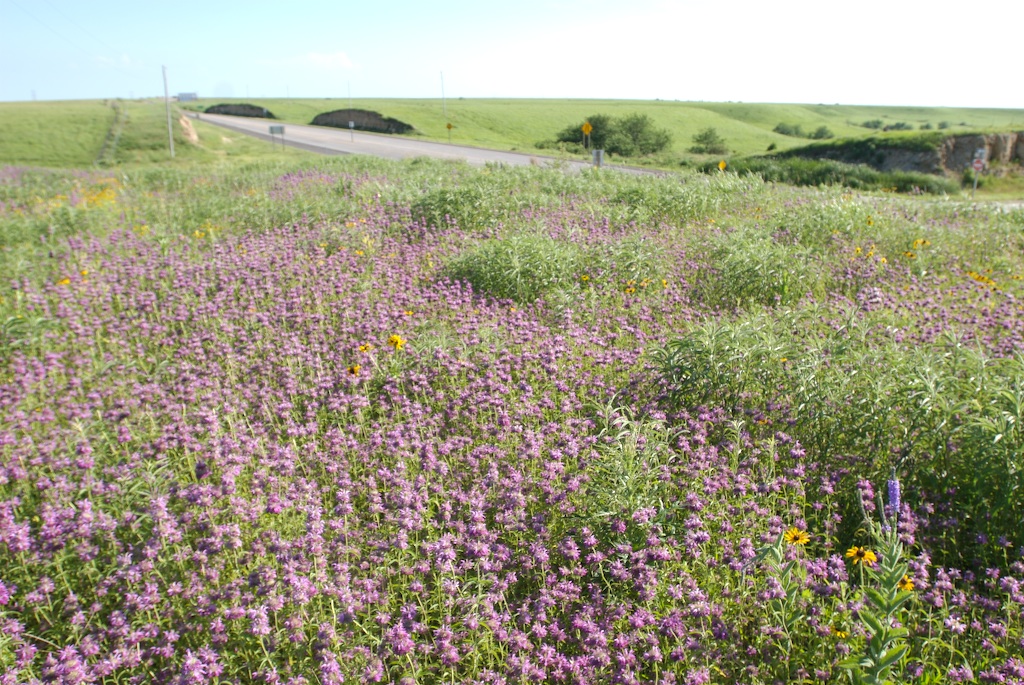
- Roadside Management Update - How you can help!
- Over 1000 people attended AOK programs so far this year - a new milestone!
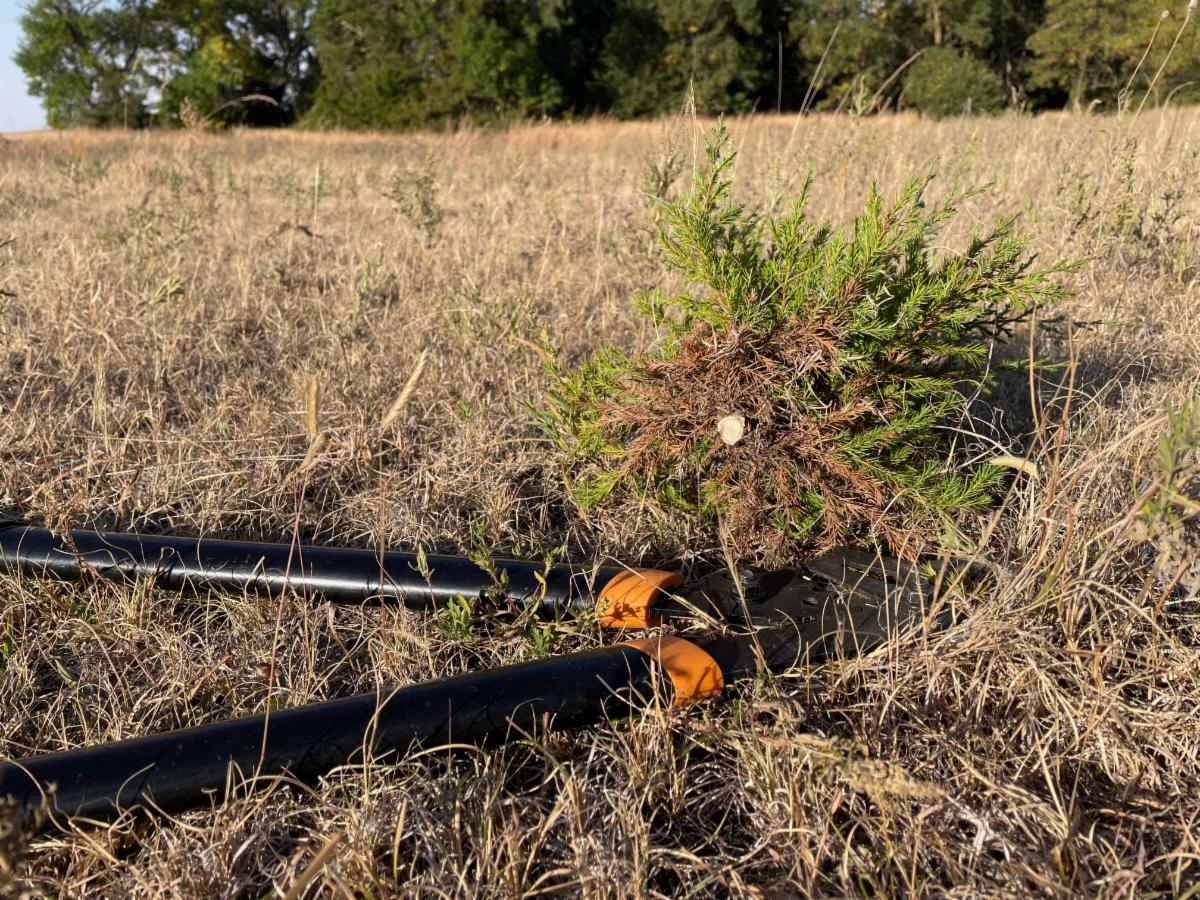
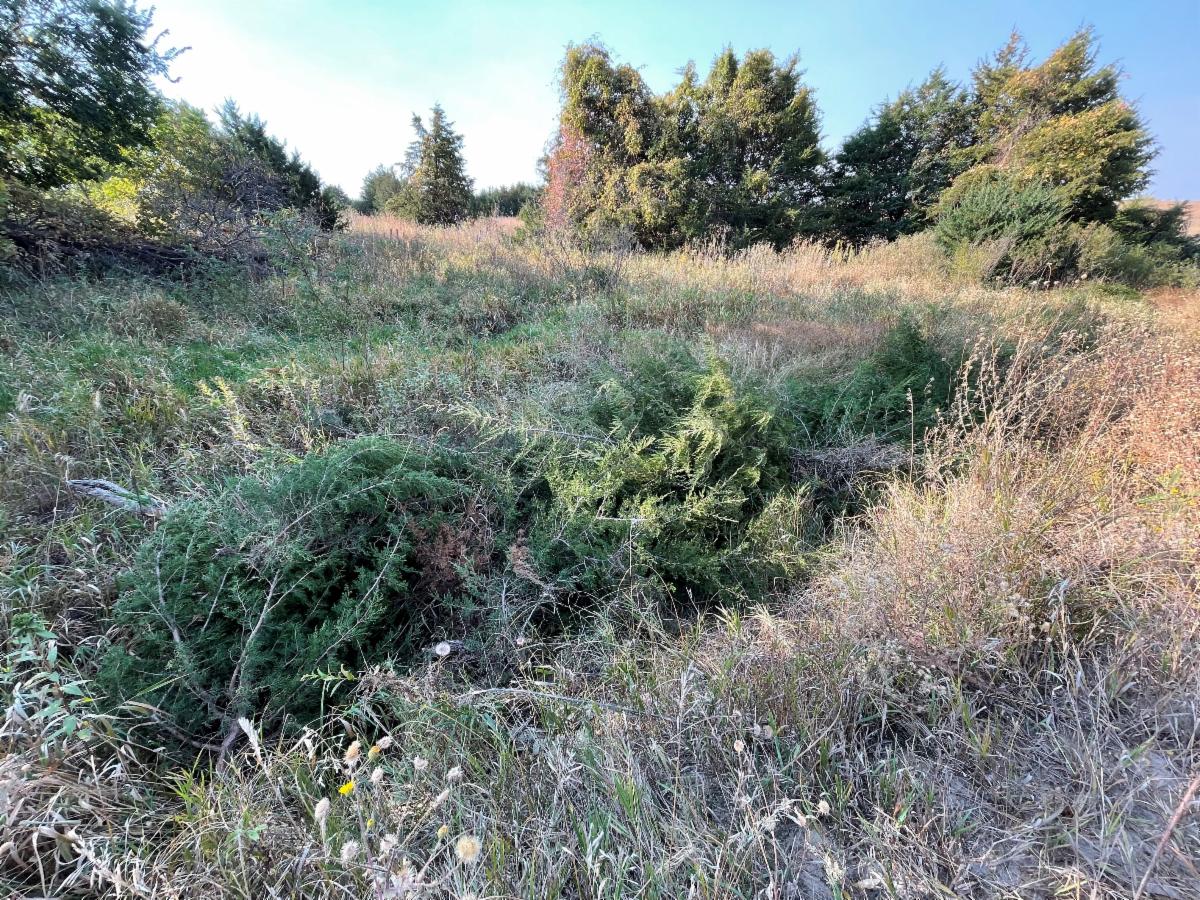
- What good is a cedar?
-
Audubon of Kansas and Pass It On Outdoor Mentors Join Forces to Empower Youth with Conservation and Hunting Experiences
- AOK Events
-
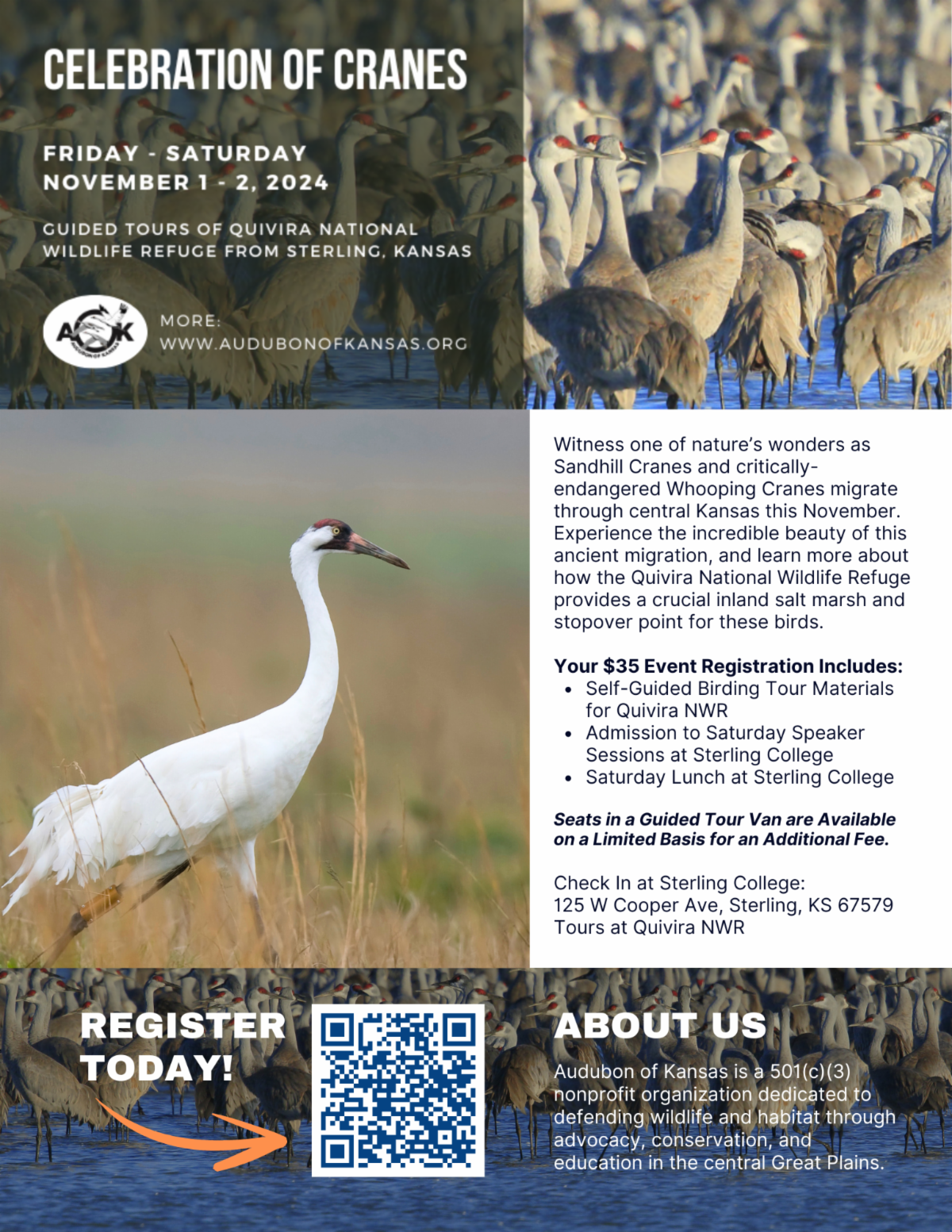
Nov 1-2: AOK's Celebration of Cranes, Sterling, KS
-
Philanthropy Corner: Don't miss the next Prairie Wings! Update your address today
- Chapter Spotlight: Northern Flint Hills Audubon Society needs volunteers for sanctuary management
-
AOK Nature Spot Recommendations: Coronado Heights is a fun place to explore (central Kansas)
| |
AOK Celebrates 25 years
of Endangered Species Conservation
Twenty-five years ago, the Kansas Audubon Council became Audubon of Kansas (AOK). AOK has always been a strong voice for the rarest species in the Great Plains. In our February newsletter, we discussed our work to preserve Cheyenne Bottoms Wildlife Area and Quivira National Wildlife Refuge for endangered Whooping Cranes. In our April newsletter, our work with prairie-chickens was featured. In this newsletter, we want to talk about the other important work we are doing.
AOK is a watchdog for threatened, endangered, and declining species in Kansas and the Great Plains. We provide science-based support for conservation at the county, state, and national level. We testify on behalf of Whooping Cranes, prairie-chickens, American Burying Beetles, and native prairies when wind, solar, and transmission line energy development threatens those habitats. When there are public comment periods regarding changes to endangered and threatened status at either the federal and state level, such as the Regal Fritillary (a butterfly), Black Rail, or freshwater molluscs, we provide written testimony backed by the latest research. When our comments are not heeded, we do not back down from advancing litigation, such as our historical efforts regarding Black-footed Ferrets, or our current efforts to support Quivira and Whooping Cranes.
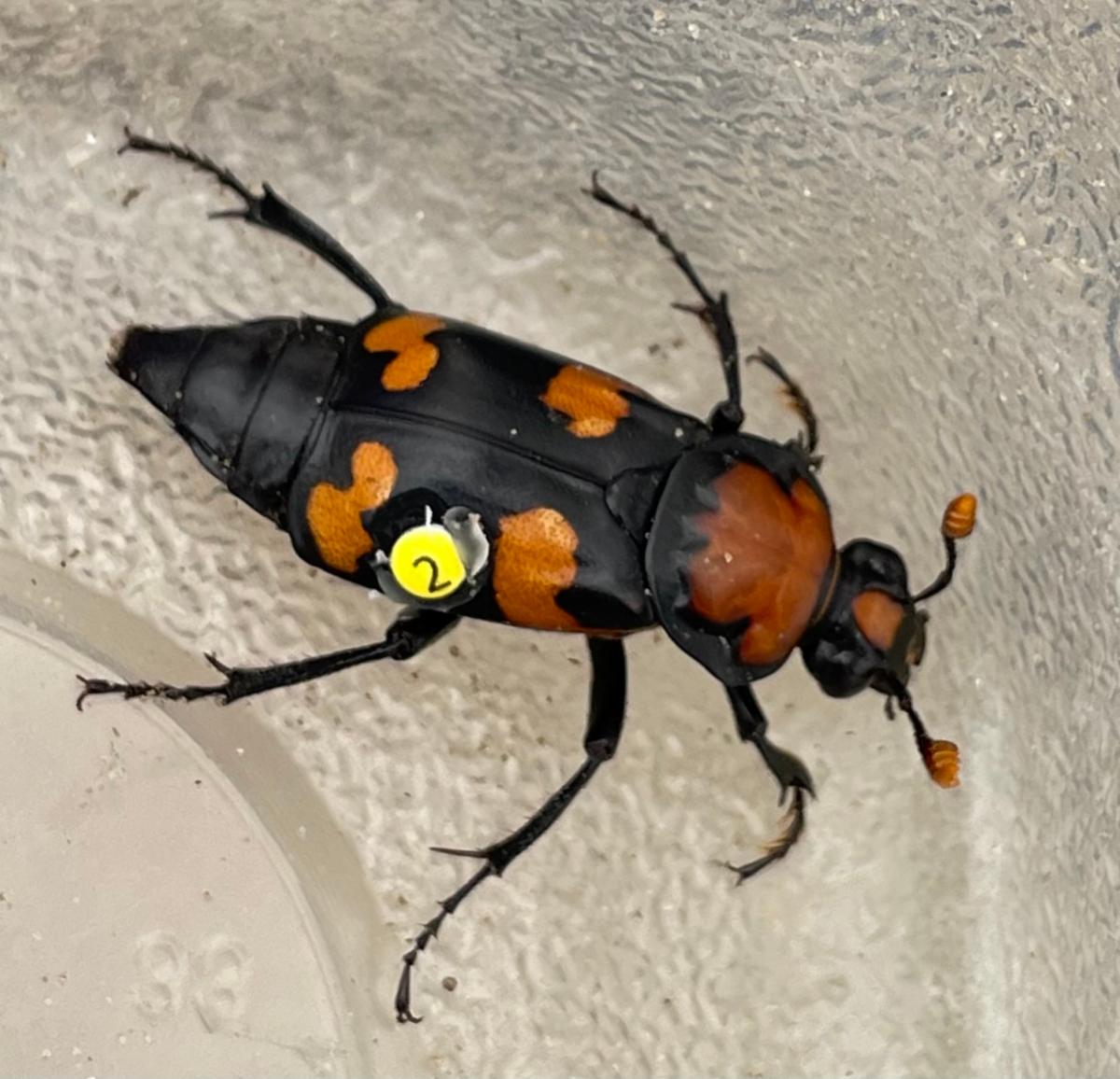
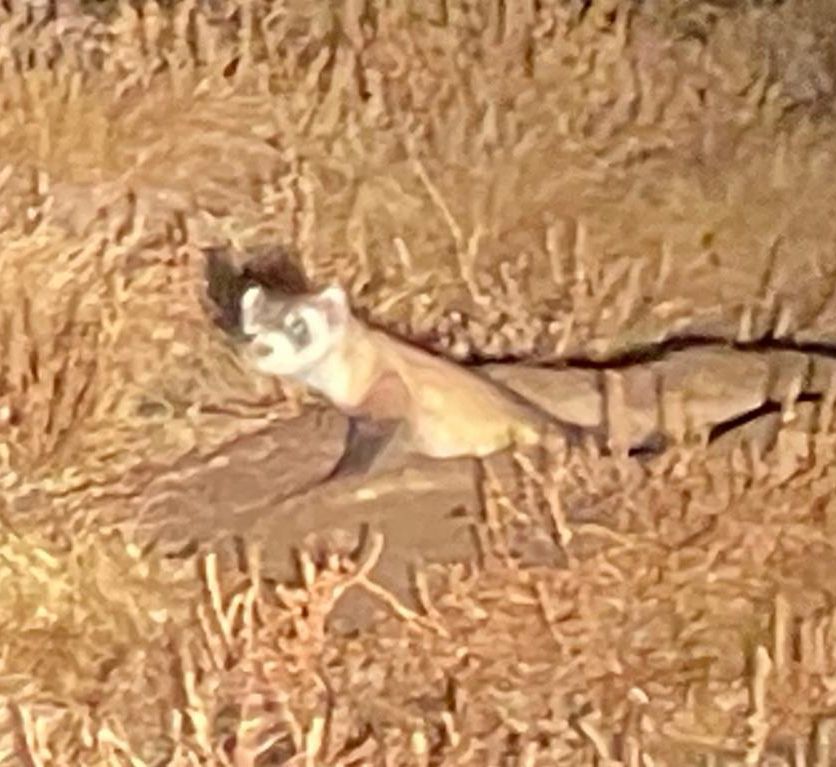
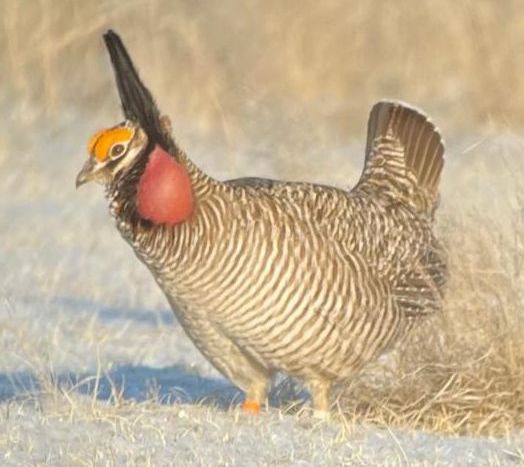
Not only do we advocate on behalf of endangered species, we also assist with surveys. These surveys are document whether populations are healthy and guide future conservation efforts. This year, Jackie Augustine, AOK's Executive Director, has assisted with surveys for American Burying Beetles, Black-footed Ferrets, and Lesser Prairie-Chickens. Lesser Prairie-Chicken surveys are conducted in the mornings from mid-March through mid-May. She drives public roads, stopping at the tops of hills adjacent to prairie habitat to listen for the birds. She reports the numbers of birds seen to both the state and to federal agencies. American Burying Beetles are surveyed by setting traps with dead rats for bait. In August, Jackie assisted Nebraska Game and Parks employees in monitoring the traps, sorting through hundreds of carrion beetles to find the American Burying Beetles, and assisting with the measuring, marking, and release of captured beetles. In October, she assisted the Topeka Zoo, the Sedgwick County Zoo, and other volunteers to survey for Black-footed Ferrets in western Kansas. Surveys are conducted at night, and spotlights are used to observe the ferret's green eye shine.
At AOK, we are proud that we are not only being the voice for wildlife through out advocacy efforts, but we are also able to contribute to the scientific understanding of abundance and distribution of species, and share our observations with you.
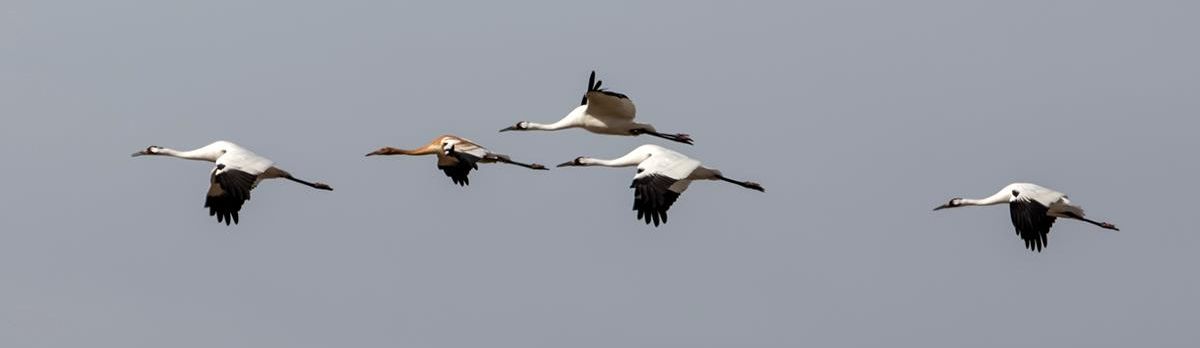
Top photo: Whooping Cranes (endangered) photographed by David Rintoul. Essay and photos below by Jackie Augustine: Left: American Burying Beetle (threatened) after tagging west of Hutton Niobrara Ranch Wildlife Sanctuary; Center: Black-footed Ferret (endangered) in western Kansas; Right: Lesser Prairie-Chicken (threatened in Kansas) in Gove County, KS.
| |
Over 1000 people attended AOK programs so far this year - a new milestone!
AOK provides presentations to Audubon chapters, community service organizations, church groups, garden clubs, libraries, and various other groups. We offer a range of topics from Plants for Birds, Prairie-Chicken biology, Wetland Conservation, 3 Billion Birds Gone and What To Do About It, and others. We can also provide guided bird hikes.
Last year, we gave presentations to 42 different groups totalling 652 people. This year, we presented to about the same number of groups, but were able to interact with 1129 people so far! That just goes to show how many people care about nature in Kansas!
We are starting to schedule programs for 2025. To get your preferred date, contact Jackie now!
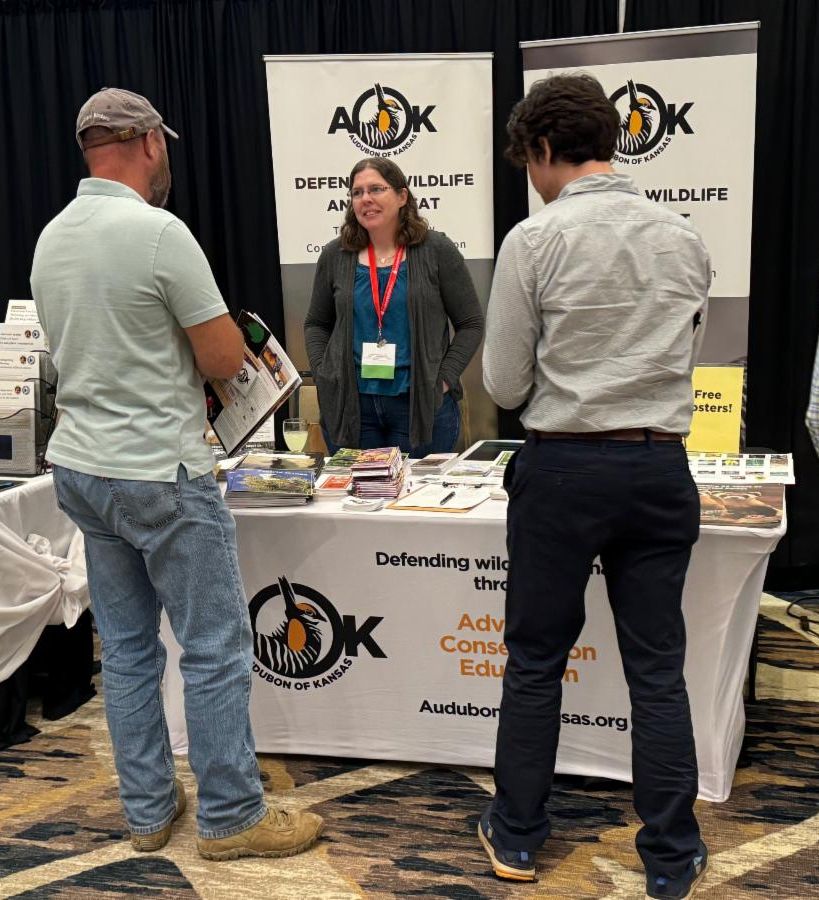
Photo taken by Amy Meyer of Jackie talking with Natural Areas Conference participants.
| |
Audubon of Kansas and Pass it On! Outdoor Mentors Join Forces to Empower Youth with Conservation and Hunting Experiences
Pass It On Outdoor Mentors and Audubon of Kansas have teamed up to create a unique opportunity for Kansas youth to experience hunting while learning about conservation practices that are essential to sustaining our natural environment.
Pass It On Outdoor Mentors is committed to empowering young people through outdoor experiences and mentorship. To offer thousands of youth each year the chance to learn hunting, fishing, and shooting skills, partnerships with organizations like Audubon of Kansas are essential. These collaborations create a “win-win” by allowing us to pool resources for maximum impact. Audubon of Kansas has access to many stunning properties in Kansas that require deer population management. With our network of vetted, volunteer mentors, we can connect hunter-education-certified youth with opportunities to engage in responsible wildlife management through hunting.
Our hunts are designed to teach the next generation not only how to hunt but also to provide an educational foundation in wildlife management, habitat preservation, and ethical hunting practices. "We’re thrilled to partner with Audubon of Kansas, adding a strong conservation perspective to our youth hunting experiences," says Brittany French from Pass It On Outdoor Mentors. "Together, we’re fostering a deep respect for the outdoors that will inspire Kansas's next generation of conservationists."
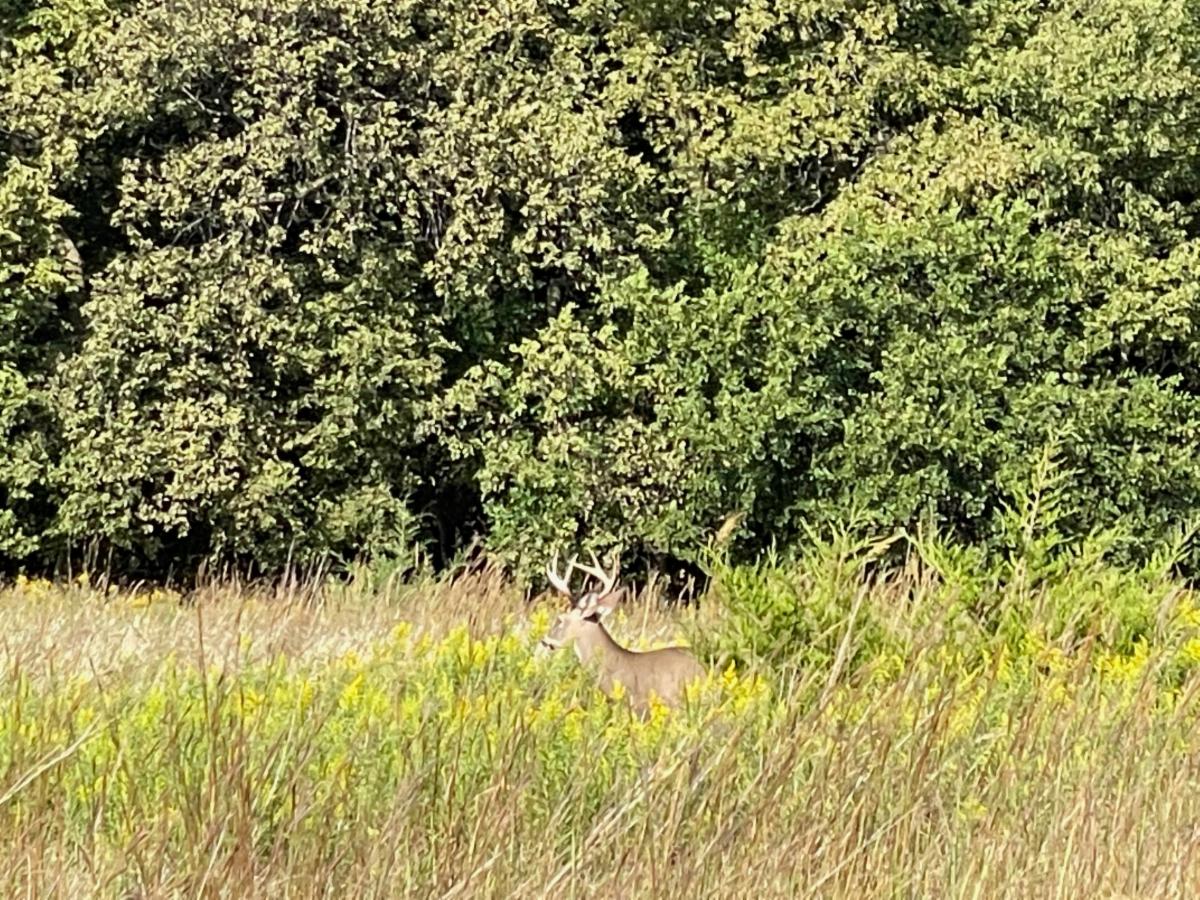
Audubon of Kansas (AOK) manages several protected areas across the state which support excellent habitat for wildlife as well as provide opportunities for people to connect with nature. “At Achterberg Wildlife-Friendly Demonstration Farm near Lincoln, Kansas, we noticed an abundance of deer,” states Jackie Augustine, Executive Director for Audubon of Kansas. “Too many deer can prevent young trees from growing and can have cascading effects for other animals in the community. We are excited to work with Pass It On Outdoor Mentors to manage our deer population while offering another way people can appreciate nature.”
About Audubon of Kansas (AOK): AOK is a conservation organization that defends wildlife and habitat through advocacy, conservation, and education across Kansas and the central Great Plains. For more information about Audubon of Kansas, please visit www.audubonofkansas.org
About Pass It On Outdoor Mentors: Pass It On - Outdoor Mentors’ mission is to provide outdoor experiences and ongoing opportunities to youth and volunteer mentors in order to develop future generations of hunters and anglers, thereby positively impacting the conservation of natural resources and the lives of youth. Our program focus is to bridge the gap between target shooting and outdoor recreation, but will take any youth out hunting and fishing. We take great pride in passing it onto the next generation!. For more information about Pass It On - Outdoor Mentors, please visit www.outdoormentors.org
Photo of a deer at Achterberg Wildlife-Friendly Demonstration Farm by JK Augustine.
| |
|
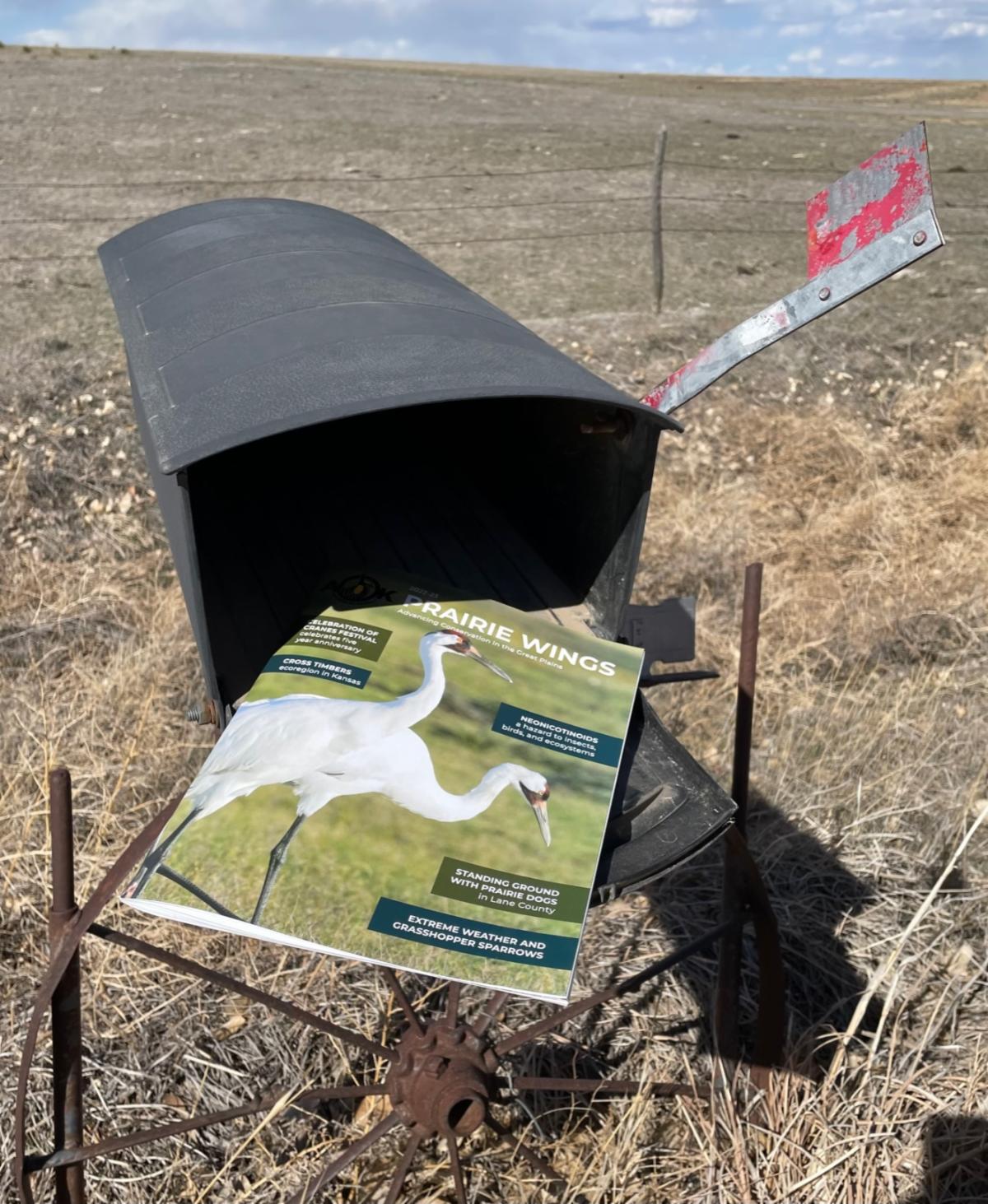
Don't miss the next Prairie Wings! Update your address today!
As the leaves change and the air turns crisp, many of us are enjoying the beauty of migration and those refreshing evening temperatures. It's also a time for reflection and planning—considering what needs to be accomplished before the year wraps up and laying the groundwork for the year ahead.
At AOK, we’re gearing up for the next issue of Prairie Wings, set to be released later this year, and we need your help! If you've moved in the past 12 months or have a new mailing address, please let us know. Update your information by reaching out to Kathryn at kathryn@audubonofkansas.org. Your support helps us keep you connected this season and beyond!
| |
Chapter Spotlight:
Northern Flint Hills Audubon Society needs volunteers for sanctuary management
Not every Audubon chapter in the state is fortunate enough to have a property to manage for wildlife. Northern Flint Hills Audubon Society has three! And they are looking for a few volunteers to help them out with some projects ranging from fixing up informational signs, to picking up trash, to tackling invasive species.
| |
|
Contact Us
Jackie Augustine - Executive Director - General Questions, Programs, Future Protected Areas - jackie@audubonofkansas.org
Kathryn Chambers - Director of Philanthropy - Gift Planning, Membership, Endowments, Events Management - giving@audubonofkansas.org
Amy Meyer - Protected Areas Manager - Questions about AOK protected areas and habitat management - amy@audubonofkansas.org
| | |
|  |
|
Audubon of Kansas
PO Box 1106
Manhattan, KS 66505-1106
785-537-4385
| | |
| | | |