Adirondack Park Invasive Plant Program October 2025 Newsletter

Here at APIPP we spend a lot of time talking about why it’s important to minimize the impact of invasive species in the Adirondacks, but invasive species aren’t the only things that can cause harm to Adirondack ecosystems. That’s why we spent the summer collaborating with staff from the Adirondack Center for Loon Conservation and Adirondack Watershed Institute to develop a new brochure called “Love Your Lakes: Easy Actions for Taking Care of Adirondack Lakes,” which outlines eight easy actions people can take to help protect and maintain the integrity of the waterbodies they love.


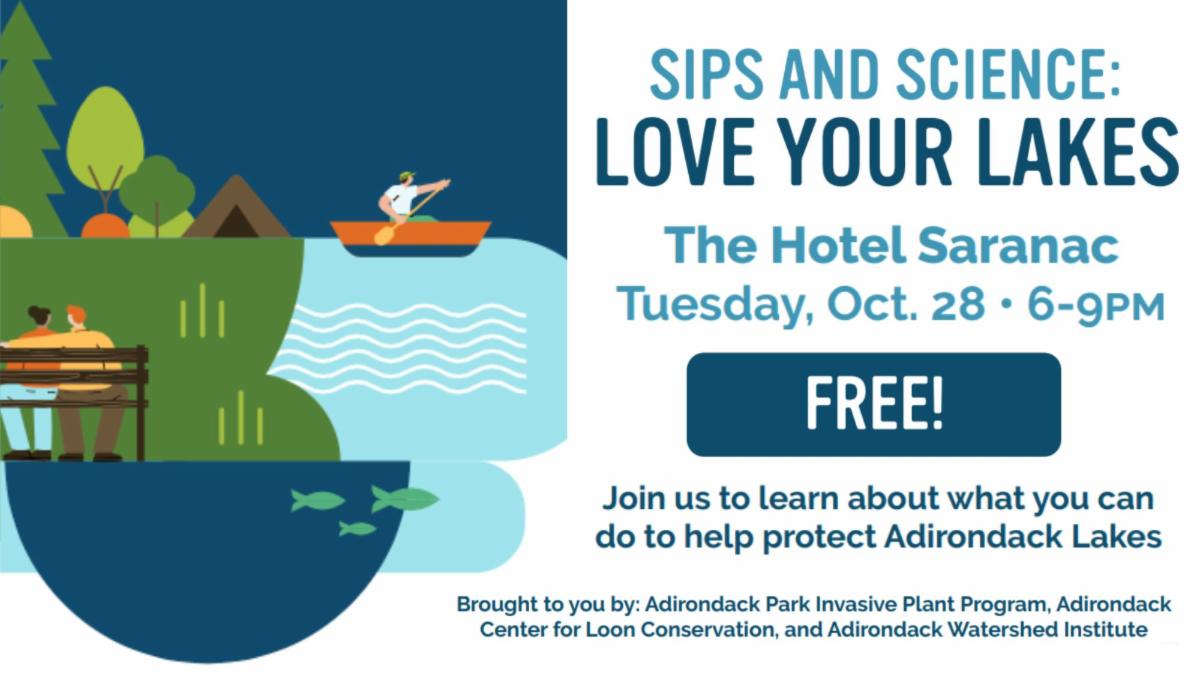
The development of the brochure led to another idea: a brand-new event called “Sips and Science: Love Your Lakes,” which is happening at The Hotel Saranac in Saranac Lake from 6:00-9:00pm on Tuesday, Oct. 28. This fun, free event will feature games for kids courtesy of The Wild Center, three short talks and a Q&A on threats posed to Adirondack lakes, and a bunch of hands-on, educational offerings on topics like invasive species and lake ecology from organizations like Adirondack Lakes Alliance, Lake Champlain Basin Program, and Ausable Freshwater Center. We hope to see all of you there!


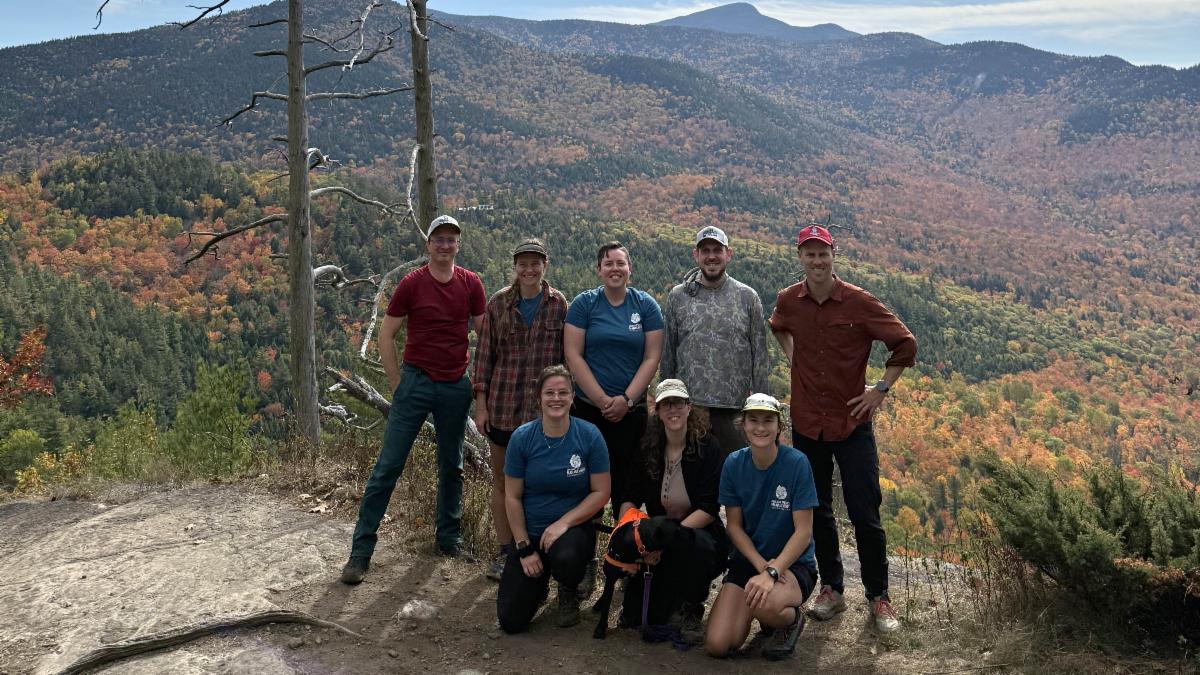
In other APIPP news, our field season has wrapped up and we’re now busy collecting all of the data we’ve gathered. As always, we owe a big thank you to our volunteers, partners, and the general public, who have collectively contributed to APIPP’s mission by reporting invasives species, attending our many workshops and trainings, and amplifying our messaging on how to prevent the spread of invasives.


Lastly, we want to let all of you know that the New York State Department of Environmental Conservation now has $4 million in grants available for invasive species projects across the state. The grants require a 25% match; bids are due by 3:00pm on December 17, 2025. Learn more by clicking the button below.

Species of Concern: Golden Clam

Corbicula fluminea

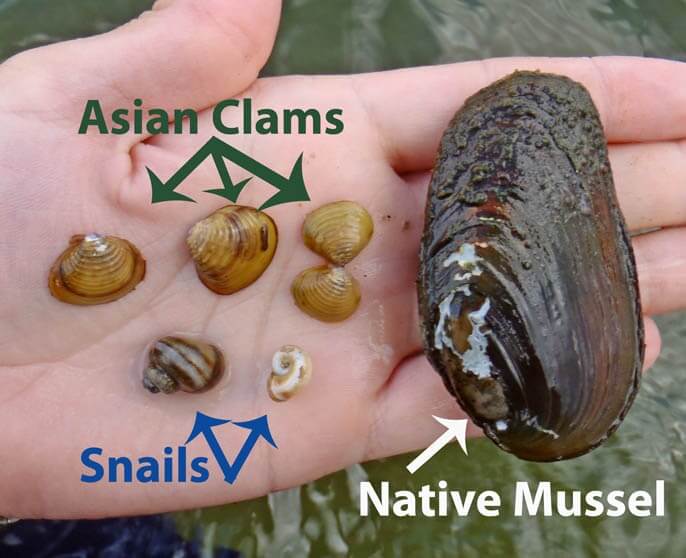
The golden clam is a small, bivalve mollusk that is native to eastern and southern Asia. The outside of their shell has thick, concentric rings and is brown or yellow-green while the inside is smooth with a purple tinge. Golden clams are generally smaller than a penny, but they can reach up to 5 cm in diameter. Unlike zebra mussels, which colonize on hard surfaces, the invasive clams prefer open, sandy bottom areas with limited plant growth where they can form dense, thick mats.  


The golden clam is hermaphroditic, meaning a single individual can reproduce and start a new population once introduced. Golden clams usually reproduce twice annually, with one clam capable of releasing 2,000-4,000 offspring each cycle.  


Golden clams displace highly vulnerable native mollusks that are often already threatened, reduce biodiversity, and alter the food chain. There are also potential water quality impacts and negative impacts to beach areas from excessive dead clam shells. 


In the Adirondack PRISM, there are two waterbodies known to contain golden clam populations. Golden clam was initially discovered in Lake George in 2010 and it was later discovered in Lake Champlain 2024.   

Key Identification Features

  • The outside of the shell is yellow-green to brown. If the color chips away, white spots can be seen underneath
  • Shells have thick, elevated concentric rings
  • Adults are small, usually less than 1.5 inches long

APIPP in the Field

2025 New York State
Invasive Species Expo


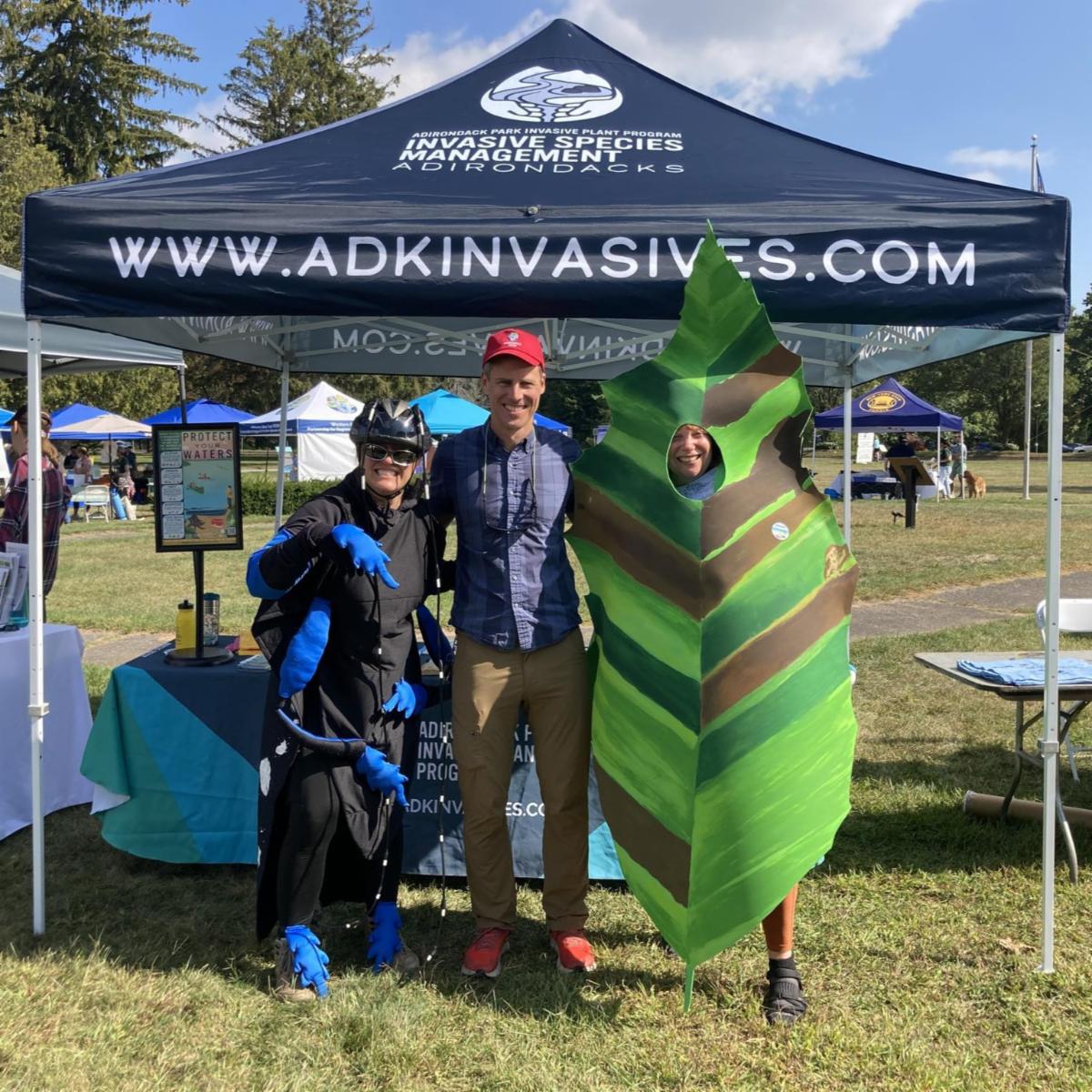
From Sept. 14-16, the New York State Department of Environmental Conservation hosted its biennial Invasive Species Expo in Saratoga. The event drew more than 600 people and featured a wide array of experts on all things invasive-species related—and that included APIPP staff! Program Director Brian Greene led a talk on a water chestnut removal project and Communications Manager Shaun Kittle led a workshop on photographing invasive species and co-led a talk on public engagement. Pictured: APIPP Program Director Brian Greene, center, at the expo with Katie, left, and Caitlin, right, of Hamilton County Soil and Water Conservation District.

Partners in the Field

Lake George Hemlock Coalition


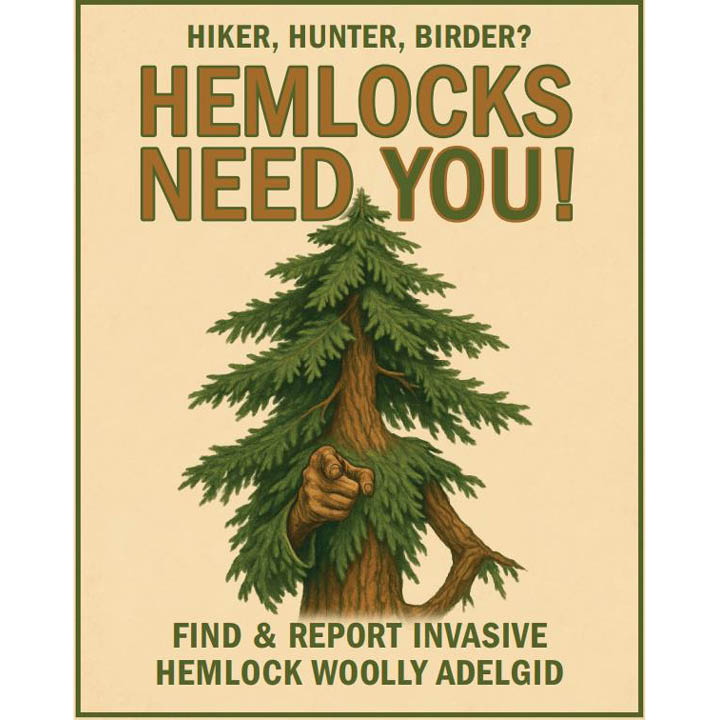
Working across the landscape to manage forest pests is a large task. That’s why APIPP has working groups and brings together partners to collaborate and collectively build on our strengths. The Lake George Hemlock Coalition is made up of 10 partners working in the Lake George watershed to raise awareness, monitor hemlocks, and manage hemlock woolly adelgid (HWA). This time of year, we are actively treating hemlock trees to prevent the small invasive insects from damaging these important giants of the forest. Even with all of these partners, we still need more help. That’s why hikers, hunters, birders, and other outdoor enthusiasts can use our easy See It, Snap It, Send It reporting form to easily report sightings of HWA. If you are in the Lake George watershed and see HWA, please take one minute to help our hemlocks by filling out the form! 

Ask APIPP

Q: With most plants dying off for the winter, are there any invasive species projects people can take on before spring? 

A: Yes! There certainly are invasive species control projects that can continue into winter, as well as other tasks to set you up for success in the next growing season. 


  • Woody invasives control: Late fall and winter are great times to cut and clear woody invasives like bush honeysuckle and barberry. A cut-stump chemical treatment to freshly cut stumps is a chemical option to control resprouting, which is quite vigorous in species like buckthorn. The Buckthorn Blaster is a great application tool – chemical uptake is generally active until the ground is frozen. 


  • Vine control: Cutting "windows" in larger vines can reduce stress and mortality to the tree canopy and can be done anytime. Vines like bittersweet can be cut around head height and also traced back to their roots, which can also be cut to create the window. Freshly cut roots may resprout in future years; cut-stump chemical treatments are effective as well.
    
  • Clearing biomass from last seasons’ phragmites and knotweed stems will allow for easier access to new growth in spring. Timing this after hard winter freezes minimizes the risk of spread from viable root fragments.


Do you have a question for APIPP? Email adirondackinvasives@gmail.com

ICYMI

Hamilton County Soil and Water Conservation District
Conservation Field Day

Upcoming Events

October 28

Sips and Science:
Love Your Lakes 

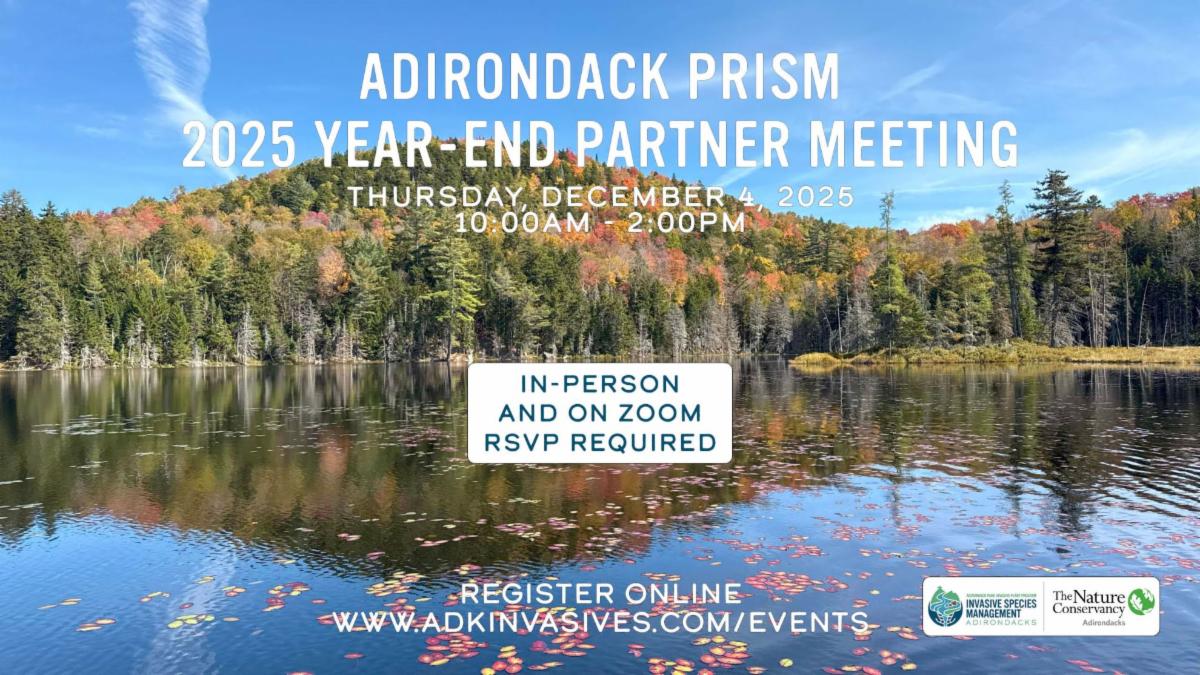
December 4

Adirondack PRISM 
2025 Year-End Partner Meeting

Facebook  Instagram  YouTube