Adirondack Park Invasive Plant Program April 2025 Newsletter

Winter through early spring tends to be a slower time in the invasive species world, with a couple of exceptions. The colder months are actually among the best time to search for hemlock woolly adelgid (HWA) because the invasive insect is lying dormant within white, woolly ovisacs, so it’s relatively easy to identify and there is little risk of transporting it to a new location. Every winter there is a statewide 2025 HWA Winter Mapping Challenge to help scientists track where the forest pest is and isn’t located. The challenge ended last month, and we’re proud to report that volunteers in the Adirondack PRISM contributed 44% (or 258) of the confirmed HWA presence points and 64% (or 724) of the not-detected points across New York state.


Most of the confirmed points in the Adirondacks were in the Lake George region, which is where HWA was first discovered in the region in 2017. A little more troubling were the newly confirmed points along the shore of Stewarts Bridge Reservoir and the northeast tip of Great Sacandaga Lake. While no one likes that HWA is spreading, it is important to know where it is so outreach and management strategies can be discussed. Besides the statewide challenge, APIPP’s volunteer Forest Pest Hunters also did a phenomenal job monitoring for HWA this season—you can read more about their impressive efforts below.


As snowy days continue to be interspersed with warmer, spring-like stretches, most invasive species in our region are still dormant. An exception is our April species of concern, curly pondweed, which has already started growing beneath the surface of our icy waterbodies. Now is a great time to make an account on iMapInvasives and download the app to your smart phone. APIPP’s website is always a fantastic resource for learning about invasive species, and you can also order one of our free Field Guide to Terrestrial Invasive Species of the Adirondacks. If you are a spring paddler, you can be on the lookout and report any curly pondweed that you see!

Order Outreach Materials

Species of Concern: Curly Pondweed

Potamogeton crispus

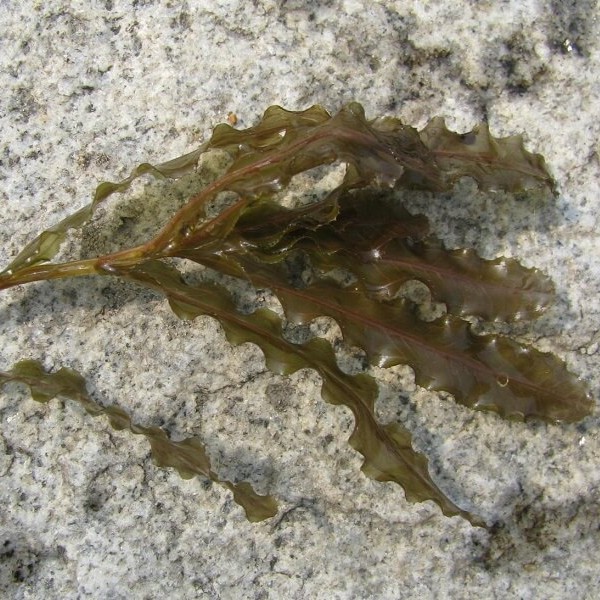
While most of our aquatic plants are waiting patiently for warmer weather, one invasive plant is getting a big head start. Curly pondweed (also called curly-leaf pondweed) has a unique lifecycle where it actually starts growing in the wintertime. This hardy plant can grow up from the lake sediment while ice is still covering the lakes. That gives it a big head start, and once the ice recedes curly pondweed can rapidly grow and reach its full height by April or May. As a result, this plant has already finished its annual lifecycle by June and deposited thick, pinecone-like reproductive structures called turions that sink to the sediment and start regrowing in November and December. This unique lifecycle means that this invasive plant is usually not visible when most people are on the water. If you are an early season boater or angler, please keep as eye out for this species! 

Key Identification Features

  • Wavy leaf margins that give the leaves a lasagna- or bacon-like appearance
  • Small spines along the leaf edges distinguish this species from native pondweeds
  • A small, stiff, pinecone-like turion
Learn More

APIPP in the Field

Out and about in Plattsburgh


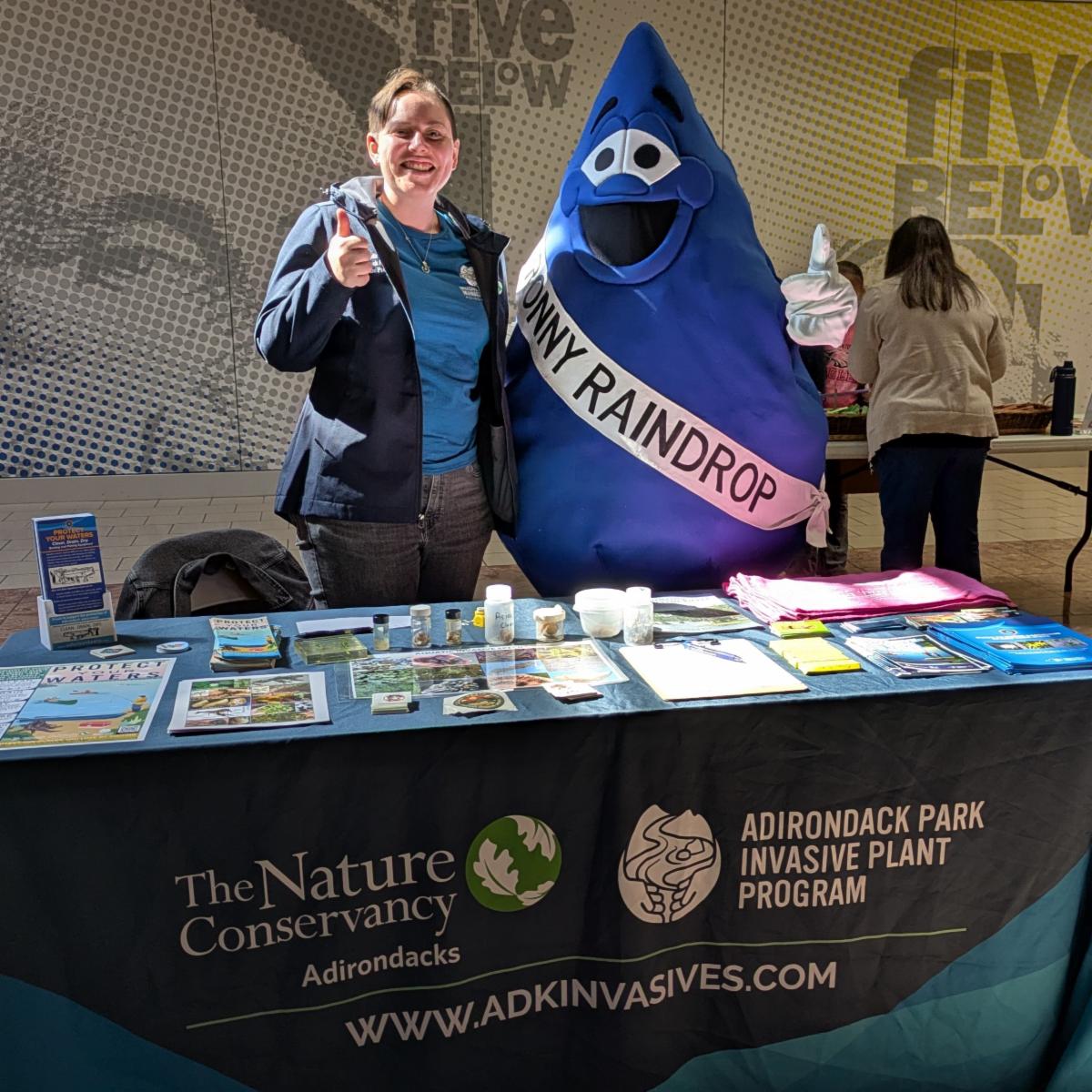
In March, APIPP staff were busy attending several events in Plattsburgh. Our Terrestrial Invasive Species Manager Ari kicked off the month by representing us at the SUNY Plattsburgh Center for Earth and Environmental Science Student/Professional Networking Reception. Then, Conservation and GIS Analyst Carolyn was a part of the Lake Champlain Basin Program’s World Water Day Celebration at the Champlain Centre Mall. Through these events, we engaged over 200 people in the Plattsburgh area – thank you to everyone who participated and attended!  

Volunteers in the Field

Forest Pest Hunters


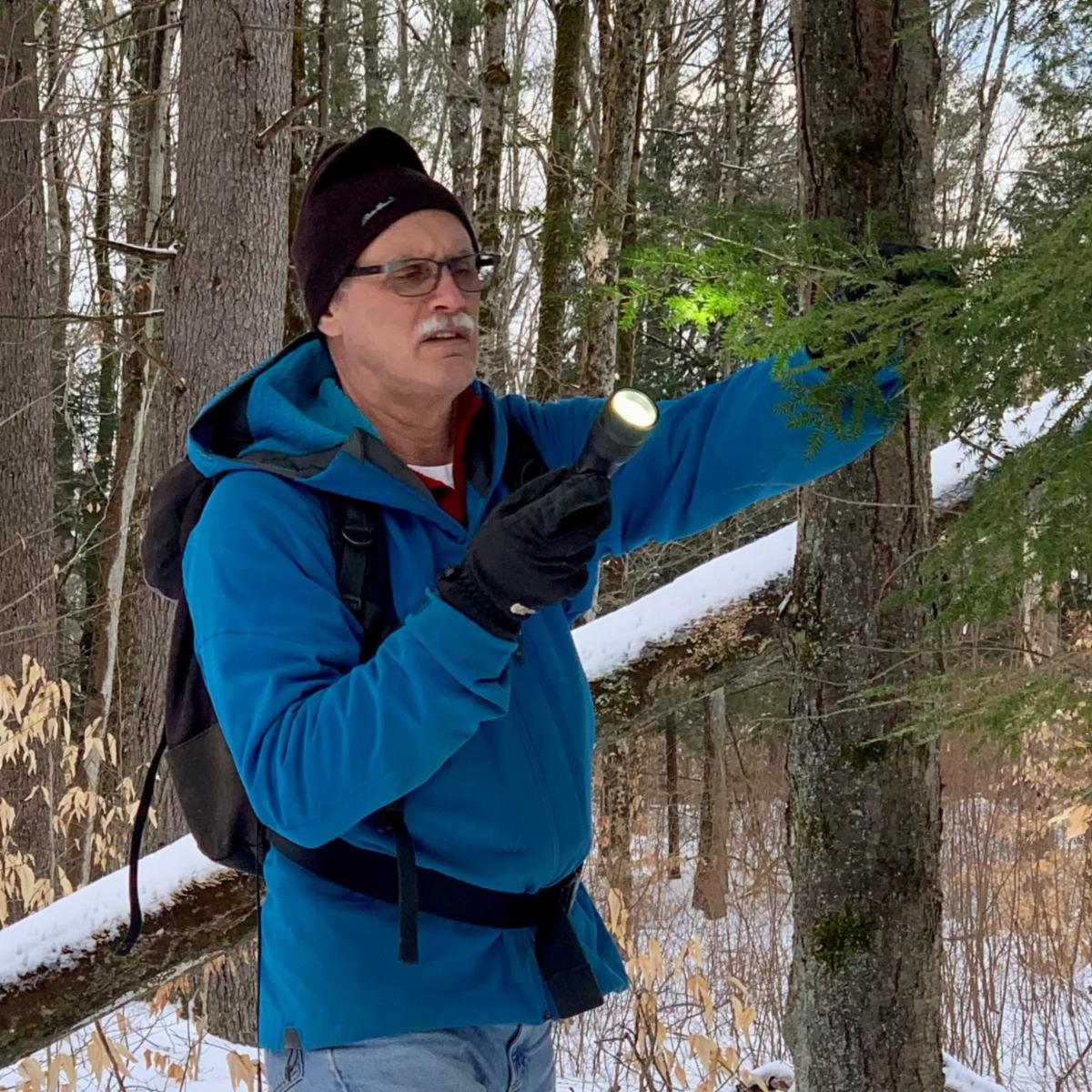
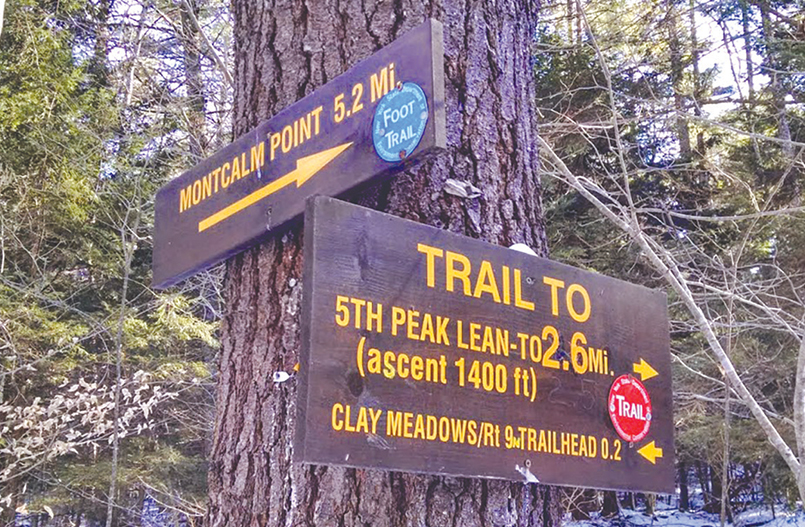
A huge thank you to the intrepid Forest Pest Hunter volunteers, whose survey season for HWA just ended on April 6. A total of 38 trails were adopted on APIPP’s adopt-a-trail map. This information is valuable in keeping up with HWA distribution and informing the best approaches to management. Even though the HWA season has ended, we always appreciate folks keeping an eye out and reporting emerging terrestrial and aquatic invasive species in iMapInvasives, and for volunteering with APIPP both on land and water.

Ask APIPP

Q: Can my fishing gear spread aquatic invasive species?

A: Yes, moving fishing gear from one waterbody to the next is one of the most common pathways for spreading aquatic invasive species. Many aquatic invasive species can be moved via bait buckets, fishing rods, boats, or waders. Species like the fishhook and spiny waterflea are small zooplankton that can attach to fishing lines and reels. The juvenile stages of zebra mussel and golden clam are microscopic and can be in live wells or boat engine intakes. And even fishing waders have been known to transport invasive snails from one river to the next.  


So, what can anglers do to prevent spreading aquatic invasive species? The most important thing is to Clean, Drain, Dry all equipment that touches the water. This means removing any mud or visible plant material, draining all water out before you leave a site, and wiping everything off with a towel or leaving it in the sun to completely dry. If people take these easy steps, we can greatly reduce the spread of invasive species. Starting in late May, you can visit one of the many decontamination stations that will wash your boat and fishing equipment with high pressure hot water to kill and remove invasive species. If everyone, including anglers and boaters, can do these steps then we can protect our lakes and rivers and ensure great fishing opportunities in the years ahead! 


Do you have a question for APIPP? Email adirondackinvasives@gmail.com

ICYMI Lake George Mirror "New Lake George Coalition Treating Hemlock Stands, Mapping Priority Areas"

Read the Story

Upcoming Events

April-July

Aquatic Invasive Species Workshops

Learn more

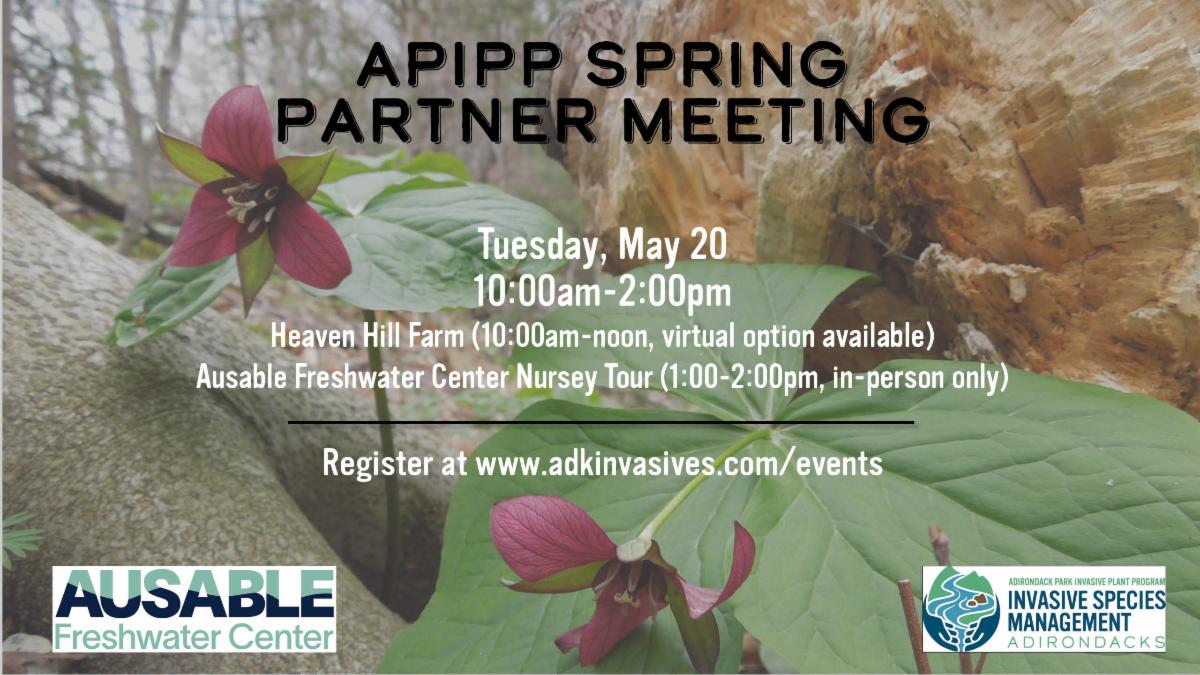
May 20 APIPP Spring Partner Meeting

Learn more

May 2-3 2025 NYSFOLA Annual Conference

Learn More
Facebook  Instagram  YouTube