Adirondack Park Invasive Plant Program June 2025 Newsletter

June is all about New York’s Invasive Species Awareness Week (NYISAW) and APIPP is ready to represent. This year’s NYISAW is June 9-15 and will include a couple dozen webinars, training courses, and workshops taking place in-person and virtually across the state, hosted by all eight Partnerships for Regional Invasive Species Management. APIPP will be hosting three in-person events for NYISAW: an invasive species pull in Saranac Lake and two guided walks in the Champlain Valley.


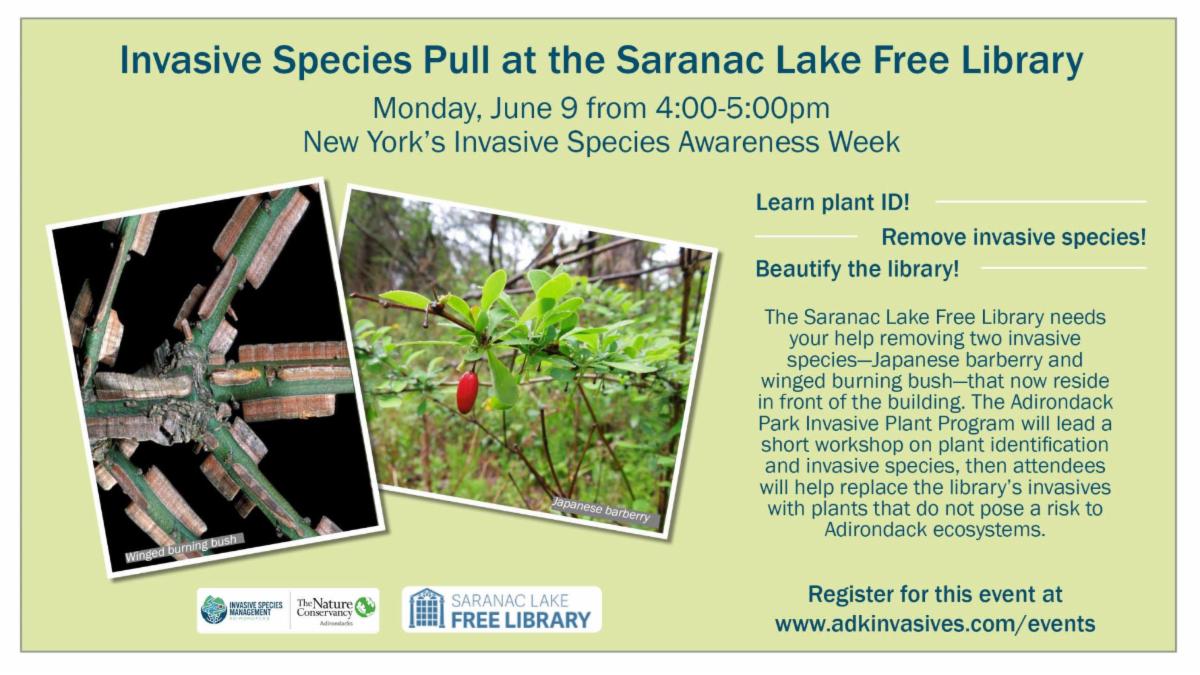
On Monday, June 9, APIPP staff are inviting the community to roll up their sleeves and join them from 4:00-5:00pm to replace two invasive species, Japanese barberry and winged burning bush, from the landscaping in front of the Saranac Lake Free Library. The event will include a brief introduction to invasive species and tools will be provided to anyone who’d like to help.


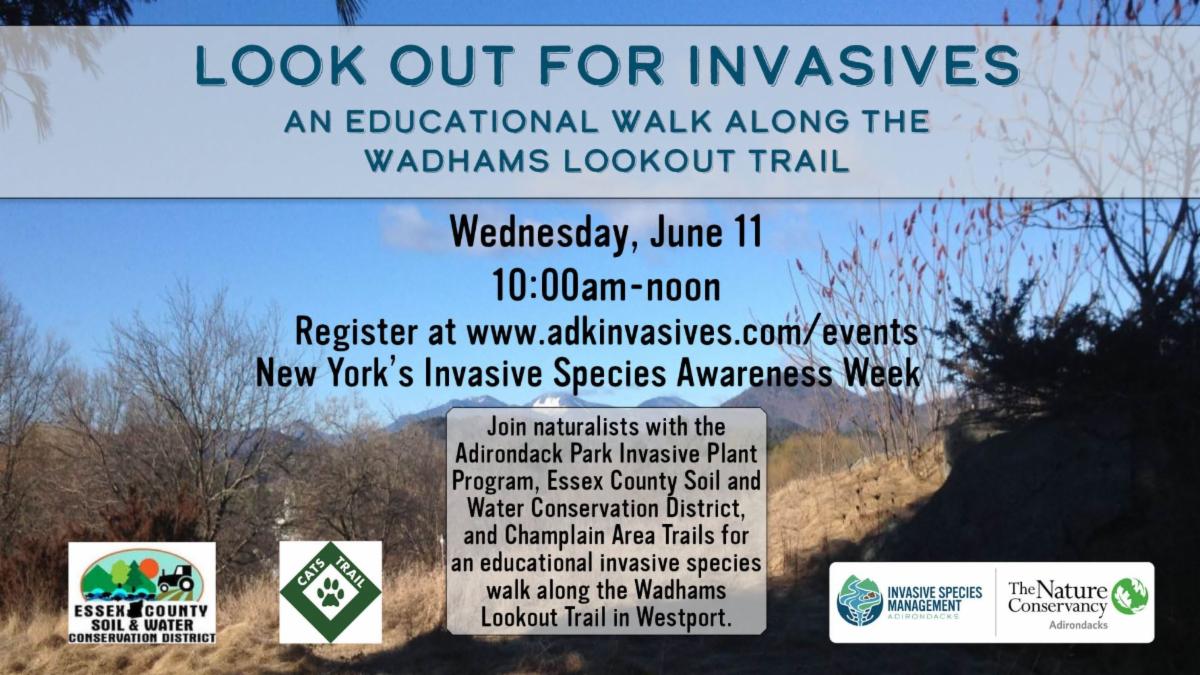
On Wednesday, June 11, naturalists with APIPP, Essex County Soil and Water Conservation District, and Champlain Area Trails will lead an educational invasive species walk along the Wadhams Lookout Trail in Westport. The walk will include a lesson on plant identification followed by a hike, complete with invasive plant identification, to the lookout.


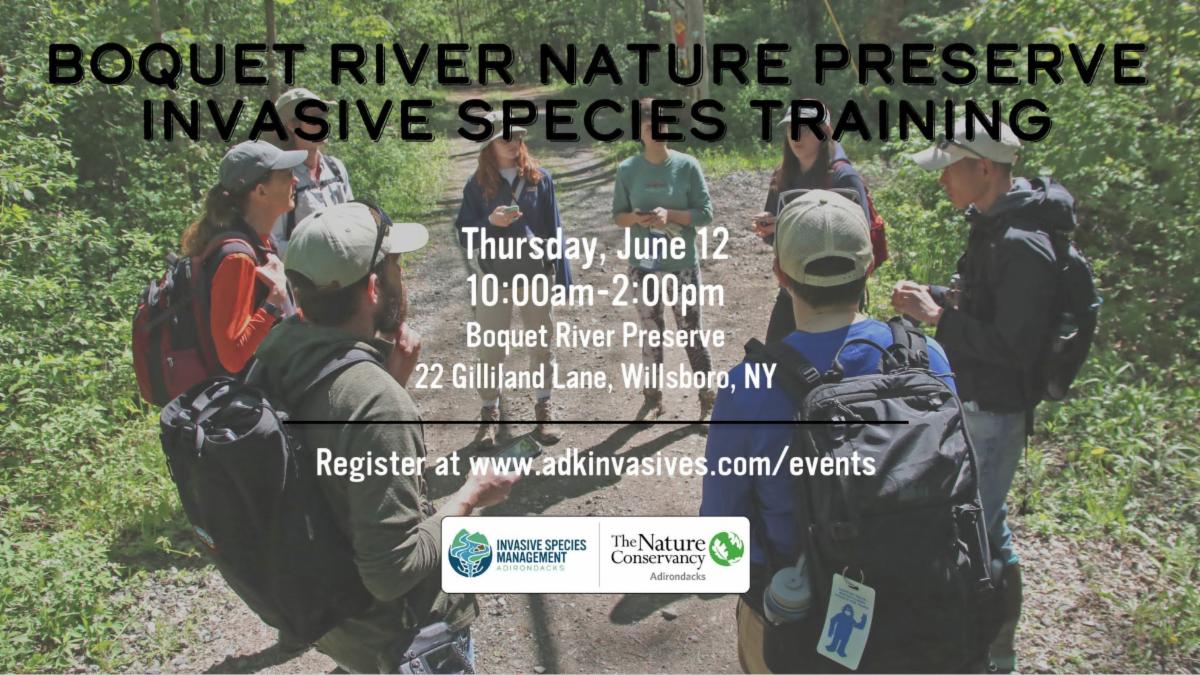
On Thursday, June 12, there will be a longer guided walk at the Boquet River Nature Preserve from 10:00am-2:00pm. Traditionally held as a volunteer training, APPP has opened this event to the public for NYISAW. It is a fantastic option for anyone looking to do a deeper dive into invasive species identification and management.


Lastly, APIPP’s Lake Protectors Virtual Training is scheduled for Tuesday, June 24. This annual webinar will walk participants through how to identify a host of aquatic invasive species and cover the best practices for monitoring a waterbody and for reporting any suspected invasive species that are found.


We hope to see you at one of our upcoming events!

Species of Concern: Hydrilla

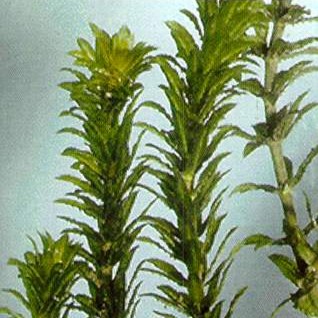
Hydrilla verticillate 

Often called the perfect weed, hydrilla is a submerged aquatic plant that is best kept out of our lakes and streams. Originally from Africa and Asia, this plant came to the U.S. via the aquarium trade. Hydrilla has not been confirmed in the Adirondack PRISM but, in areas where it is present, the invasive plant has severely impacted native plants and it costs millions of dollars to manage—it's a good reminder that aquariums should never be dumped into waterbodies. Once released hydrilla can grow rapidly, forming large mats that displace all native species and make recreation like boating or swimming impossible in infested areas. 


Multiple hydrilla infestations have been confirmed in New York since 2008, all of them located outside of the Adirondacks. Some waterbodies have large hydrilla populations, so boats coming from far away can transport the invasive plant. In fact, boat stewards have successfully intercepted hydrilla from boats attempting to launch in the Adirondacks. This is another reason why we need boat stewards and why all boaters must follow proper Clean, Drain, Dry protocol.

Key Identification Features

  • Whorls of 4-8 leaves; native Elodea species typically have 3  
  • The leaf edges have small serrations; native Elodea species have smooth leaf edges 
  • Grows in dense patches from the sediment up to the water’s surface in areas up to 15 feet deep

APIPP in the Field

Spring Partner Meeting


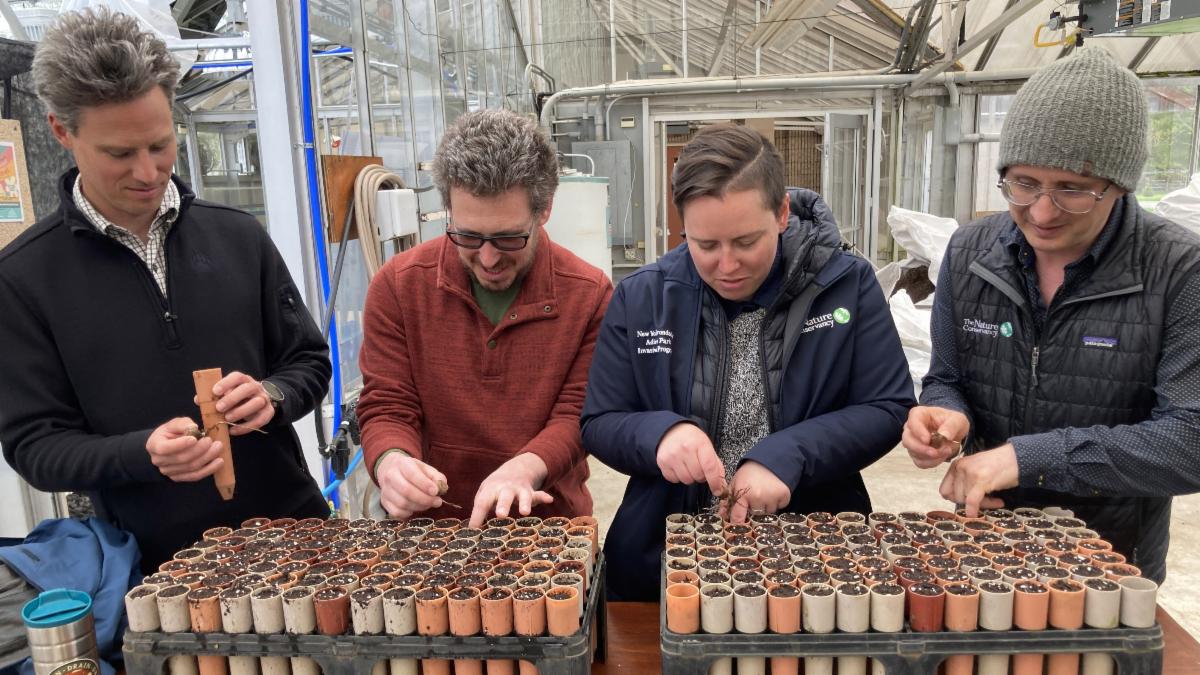
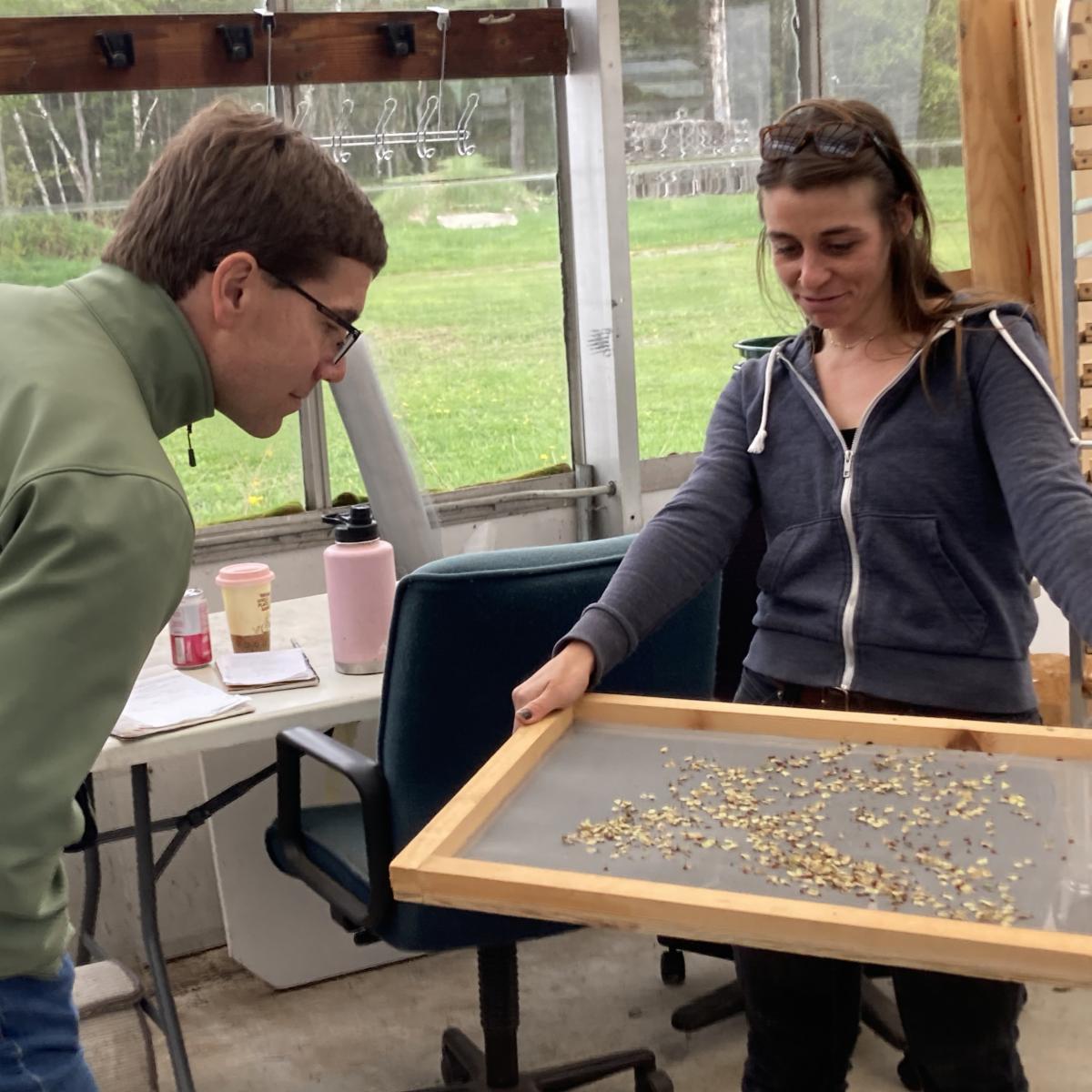
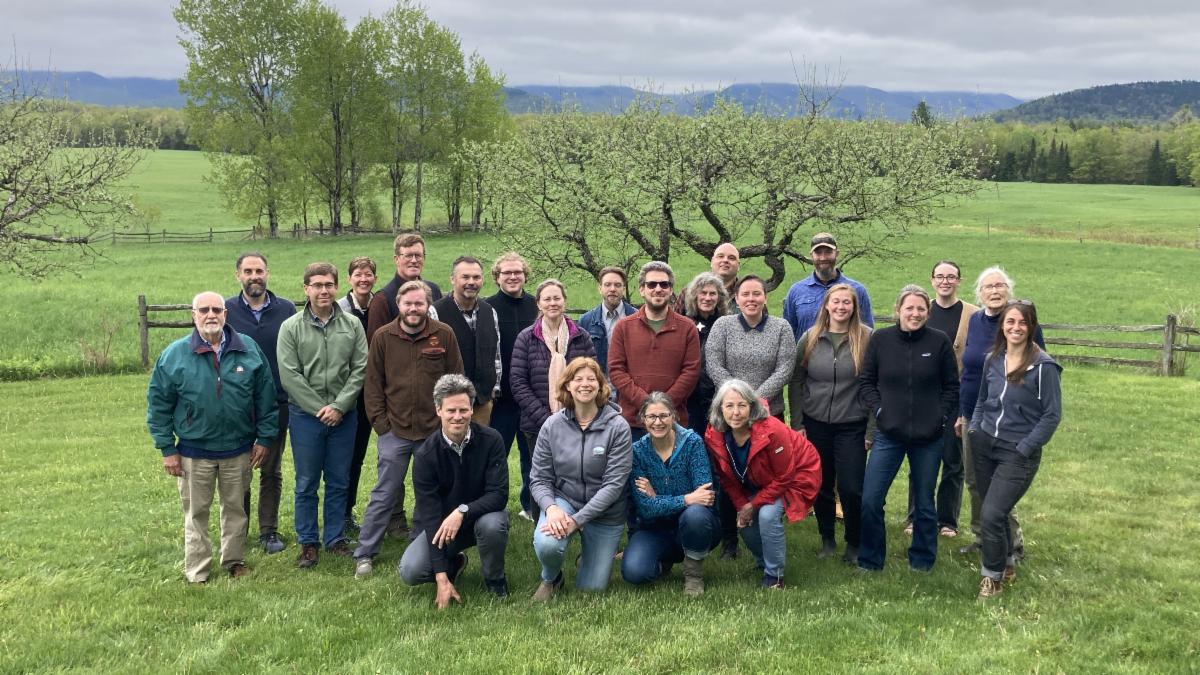
On Tuesday, May 20, partners and volunteers headed to Heaven Hill Farm in Lake Placid for APIPP’s Spring Partner Meeting, which was co-hosted by Ausable Freshwater Center. The morning session included an option for attending virtually and consisted of updates from APIPP staff and a presentation about Ausable Conservation Nursery from Ausable Freshwater Center nursery curator Kiana. After lunch, in-person attendees joined Kiana for a tour of the nursery (pictured), where she explained how native seeds are collected and talked about some of the amazing projects that are happening at the nursery. Kiana then gave everyone a chance to help plant acorns that had newly sprouted roots.  

Partners in the Field

Boat Stewards


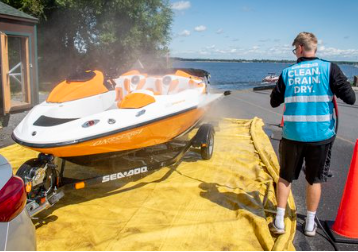
Have you seen people wearing blue vests interacting with boaters and inspecting boats at many of our Adirondack boat launches? These important people are part of a large prevention program called the Watercraft Stewardship Inspection Program. Often called boat stewards, they are on-the-ground resources that help keep out invasive species by checking boats entering and leaving boat launches and by educating the public on the importance of Clean, Drain, Dry. We are lucky in the Adirondacks to have one of the largest programs in the United States for checking boats for invasive species. Partners like the Paul Smith’s College Adirondack Watershed Institute, Lake Champlain Basin Program, the Lake George Park Commission, and others have more than 45 stations and more than 125 staff. Collectively they inspect more than 100,000 boats a summer! Make sure you say hi to them and thank them for their hard work helping to protect our lakes. 

Ask APIPP

Q: I am excited to go boating in the Adirondacks this summer, but I don’t want to spread invasive species. What can I do? 

A: Aquatic invasive species like Eurasian watermilfoil and zebra mussel can be easily spread from one place to another by human activity. The good news is that anyone recreating in the water can greatly reduce the chance of spreading invasives using proper Clean, Drain, Dry techniques and the best part is, it’s easy!  


Here are the steps you should follow: 


Clean: Inspect your boat, trailer, and anything else that came into contact with water (buoys, anchors, ropes, etc.) for attached mud, plants, and debris. Remove and dispose of anything found. 


Drain: Drain any standing water in boat compartments, bilge tanks, motors, or live wells. 


Dry: Let your gear and equipment dry completely for at least 48 hours, but ideally for five days, before your next trip. Canoes, kayaks, and standup paddleboards can be towel dried. 


Please note that New York state requires boaters to practice Clean, Drain, Dry. There are boat stewards at many of the popular boat launches in the Adirondacks who will be happy to assist you with Clean, Drain, Dry and there are even free-to-use boat wash stations located throughout the Adirondack Park. You can learn more by visiting the Department of Environmental Conservation’s website.

Do you have a question for APIPP? Email adirondackinvasives@gmail.com

ICYMI APIPP Spring Partner Meeting

Upcoming NYISAW Events

June 9

Saranac Lake Library Invasive Species Pull

June 11

Wadhams Lookout Trail Invasives Walk

June 12

Boquet River Preserve Invasive Species Walk

Facebook  Instagram  YouTube