Adirondack Park Invasive Plant Program September 2026 Newsletter


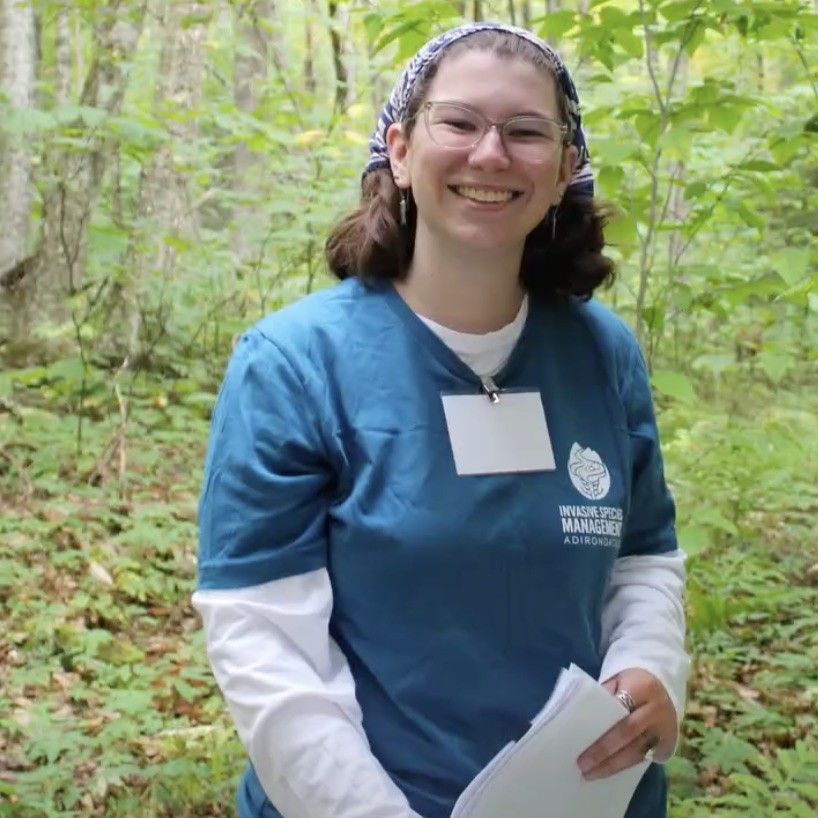
Summer is officially over and the beauty of fall is emerging along our shorelines, valleys, and mountainsides. Autumn is a bittersweet time for APIPP; we catch our breath from the busy summer but have to say goodbye to our three amazing seasonal staff—Alexis, Liv, and Rhoda—and to our seasonal Invasive Plant Control crew. You may have seen our seasonal staff out and about, pulling invasives from a campground, monitoring yellow pan traps, surveying a lake, or managing roadside invasives. The support they provide is as varied as it is invaluable, and it’s fair to say the Adirondacks would not look the same without their hard work and dedication. From all of us in the Adirondack PRISM, thank you to our seasonals!


Of course, the end of summer doesn’t mean invasive species work pauses until next May. Our volunteers are still out there monitoring their favorite lakes and trails for invasive species: the Lake Protectors program will run through Indigenous Peoples Day, the Forest Pest Hunters beech leaf disease season ends Sept. 27, and the Forest Pest Hunters hemlock woolly adelgid season will begin in mid-November. If you’ve participated in any of our volunteer programs, please be sure to submit your reports soon.


As always, it was a pleasure seeing so many partners, volunteers, and members of the public at events, walks, meetings, and trainings this summer. It is humbling and encouraging to know that so many people are willing to do so much to help protect our woods and waters from the worst impacts of invasive species. 

Species of Concern: Milfoils

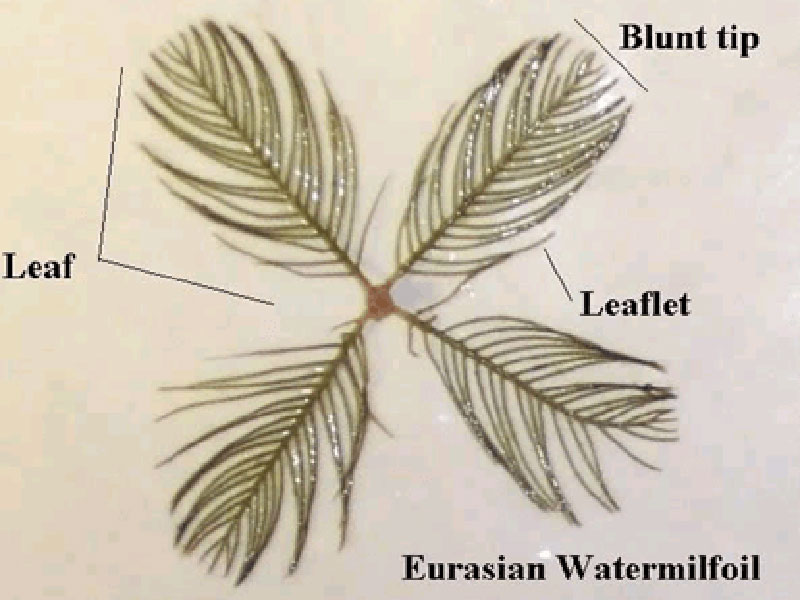
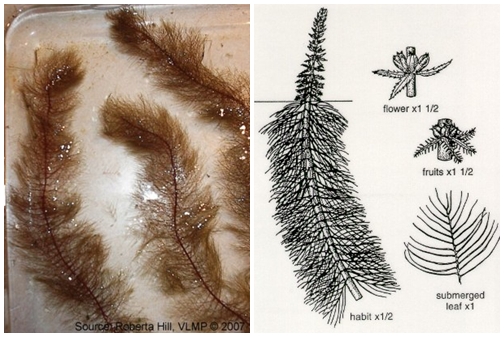
In the Adirondacks, two invasive milfoil species have been introduced. Many folks have either heard about or seen firsthand variable watermilfoil (Myriophyllum heterophyllum) and Eurasian water-milfoil (Myriophyllum spicatum) in Adirondack waterbodies. Both species are known to form dense populations with the potential to degrade habitat and reduce recreational access. Identifying invasive milfoils can be challenging. The images below show some of the distinguishing features of Eurasian water-milfoil (left) and variable watermilfoil (right).

On a more positive note, this region is also home to numerous native milfoil species. These native milfoils include northern water-milfoil, whorled water-milfoil, alternate-flowered water-milfoil, low water-milfoil, Farwell's water-milfoil, and slender water-milfoil. Native milfoils play an important role in the aquatic ecosystem and help to maintain vibrant and diverse communities. They are, however, often tricky to identify! If you ever find yourself looking at a milfoil wondering if it could be a friendly native plant or a potentially problematic invasive species, be sure to reach out to APIPP for identification assistance.

APIPP in the Field
Adirondack Invasive 
Species Summit


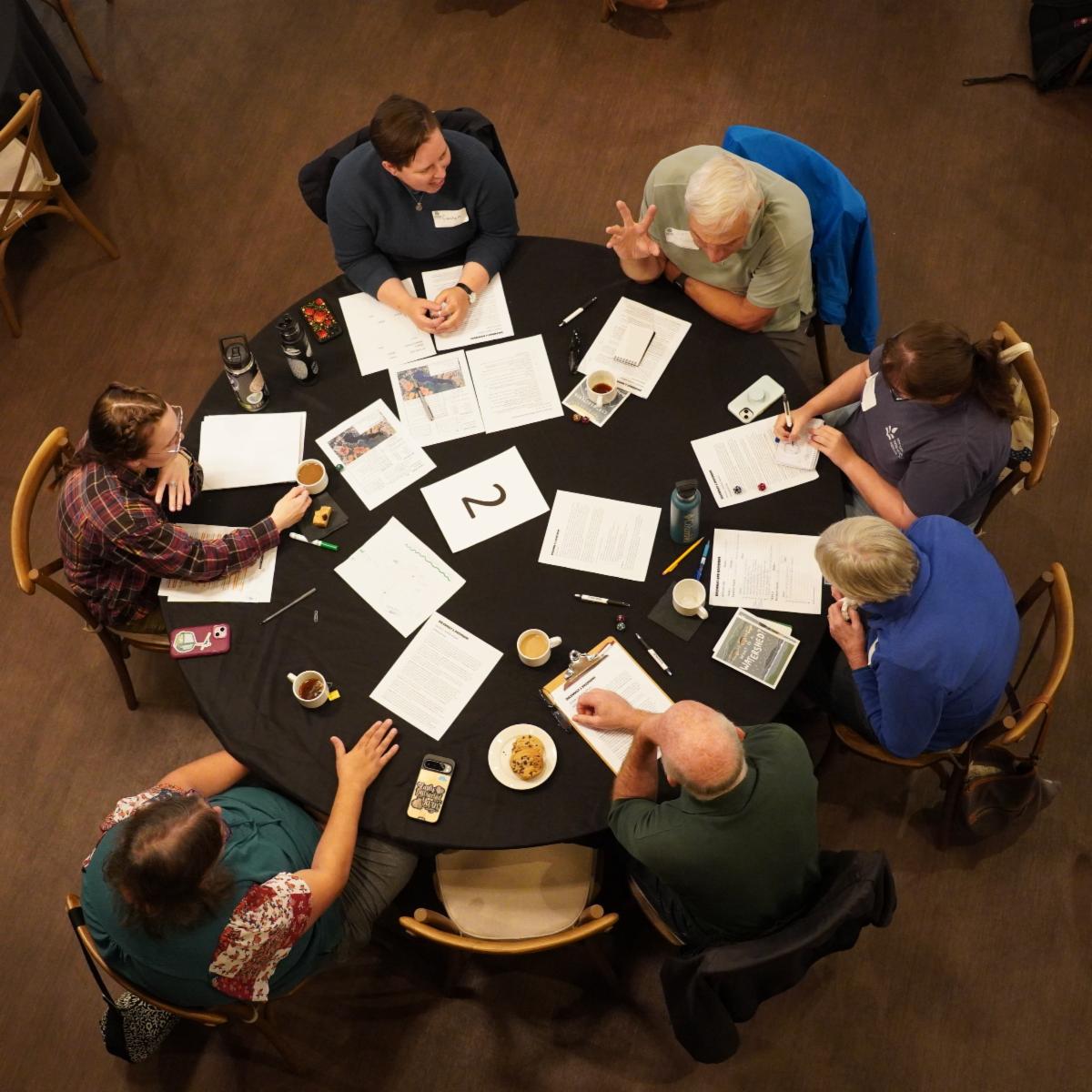
Every two years, APIPP hosts the Adirondack Invasive Species Summit to help educate people on invasive species issues. This year we decided to try a new format and make the summit more engaging, hands on, and split over two days. For the first day we hosted the world premiere of “Decisions and Dilemmas Episode 1: Hydrilla Attacks” a role-playing scenario where small groups worked together to adaptively manage an aquatic invasive species invasion and practice skills they can use in the real world. Five groups worked through two seasons, dealing with unexpected challenges and leveraging their skills to work together to deal with invasive species. It was a unique, fun, and engaging experience where everyone, including the game designers, learned and built skills. The second day of the summit was a plant camp. APIPP staff had collected more than 35 native and invasive plant species so participants could get hands-on experience learning how to identify the species that live in our local lakes. Presentations focused on the difference between native and invasive milfoil species and they also highlighted invasive species that are not yet in our region but are found in other parts of New York. It was a great two days and we appreciate all who joined in!


Image: An enthusiastic group participates in the "Decisions and Dilemmas" role-playing scenario.

Partners in the Field

Soil and Water 
Conservation Districts


Partner organizations all over the Adirondacks are working together on impactful projects, often with additional teammates during the busy field season. County Soil and Water Conservation District (SWCD) teams have been doing incredible work with invasive species and conservation projects like:  


  • Teams with Essex, Clinton, and Hamilton County SWCDs managed expansive emerald ash borer (EAB) traps, leading to detections in new areas like Moriah, Keene, Jay, Ausable Forks, and Lake Pleasant.  
  • Washington County SWCD reported potential beech leaf disease (BLD) in a new area east of Lake George. 
  • SWCDs also provide incredible resources, like Fulton County SWCD's knotweed assistance program and Warren County SWCD's community conservation grant programs.  
  • SWCD teams help with education, conservation projects, tree sales days, and hosting really fun events.  


Image: APIPP Aquatic Invasive Species Assistant Liv Mollo joined Hamilton County SWCD to talk about invasive plants at their annual Conservation Field Day event for area 5th and 6th graders.

Ask APIPP

Q: What activities can I do for invasive species in the fall?

A: Native and invasive species alike are dying back as the seasons change, but there’s still some time left to look out for invasives in the woods and waters of the Adirondack PRISM. As always, if you think you’ve spotted an invasive species then be sure to take a nice, clear photo and submit it using the iMapInvasives app. 


Our beech leaf disease survey season ends Sept. 27, but our Forest Pest Hunters volunteers will soon be busy layering up to monitor trails during the hemlock woolly adelgid survey season, which will kick off in mid-November. This program has traditionally started in late January, so the November start means that volunteers can now participate sooner than ever. Stay tuned for a winter schedule of Forest Pest Hunters webinars and in-person trainings, which will be announced soon. 


In the aquatics world, our volunteer Lake Protectors program will end around Indigenous Peoples Day, so there's still time to adopt a lake and monitor it for invasive species while enjoying a lovely fall paddle. If you need a refresher on identifying aquatic invasive species, check out our 2026 Lake Protectors training webinar.


Fall and winter are also good seasons for looking ahead. If there’s an infestation of an invasive species on your property, you can make a plan for how you are going to manage it when it emerges in spring. Be sure to consider how much time and money you are able to spend as you develop the action steps. Is the goal to eradicate the species, contain it, or slowly beat it back every year? To help, APIPP has management resources available for guidance, just always keep in mind that management plans often take years to complete and persistence is key.


One final thought: The focus doesn’t have to exclusively be on invasive species! Fall and winter are fantastic times to think about which native species you’d like to plant in spring.


Do you have a question for APIPP? Email adirondackinvasives@gmail.com

ICYMI

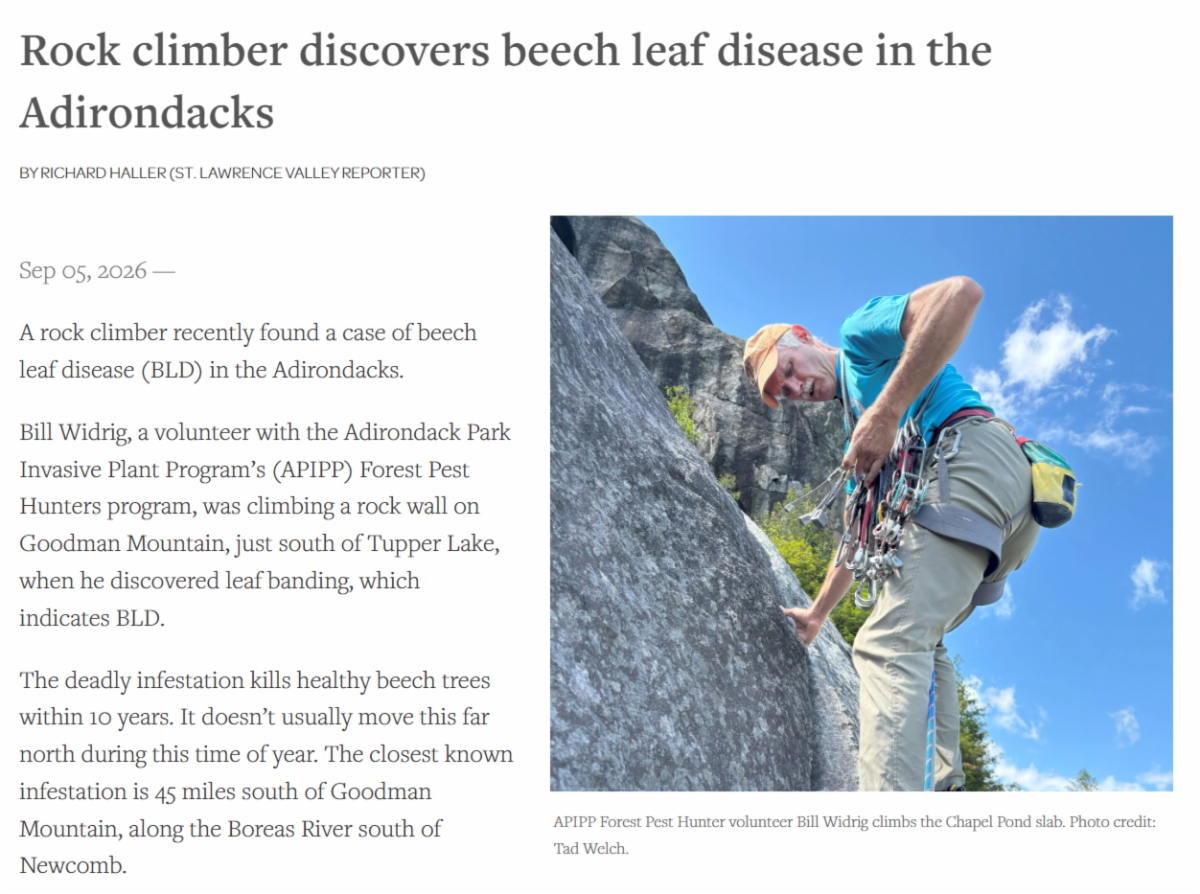
APIPP Volunteer Discovers Beech Leaf Disease 
Near Tupper Lake

Upcoming Events


October 22

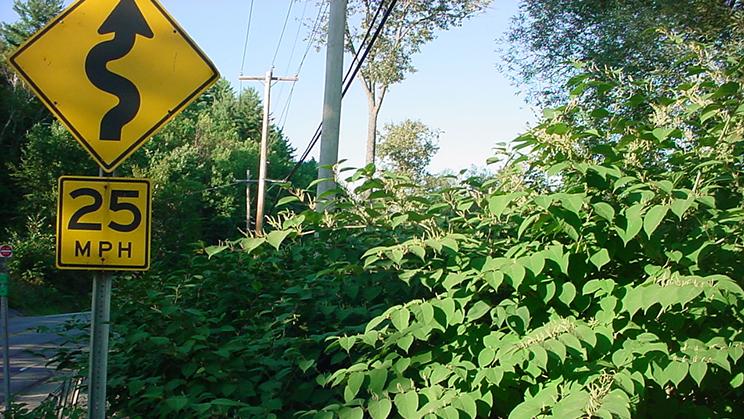
Best Management Practices for Roadside Invasive Species

October 22

Why They're Good at Being Bad 
Plattsburgh Public Library Talk

December 3

Adirondack PRISM Annual Year-End Partner Meeting


Facebook  Instagram  YouTube