Adirondack Park Invasive Plant Program July 2025 Newsletter

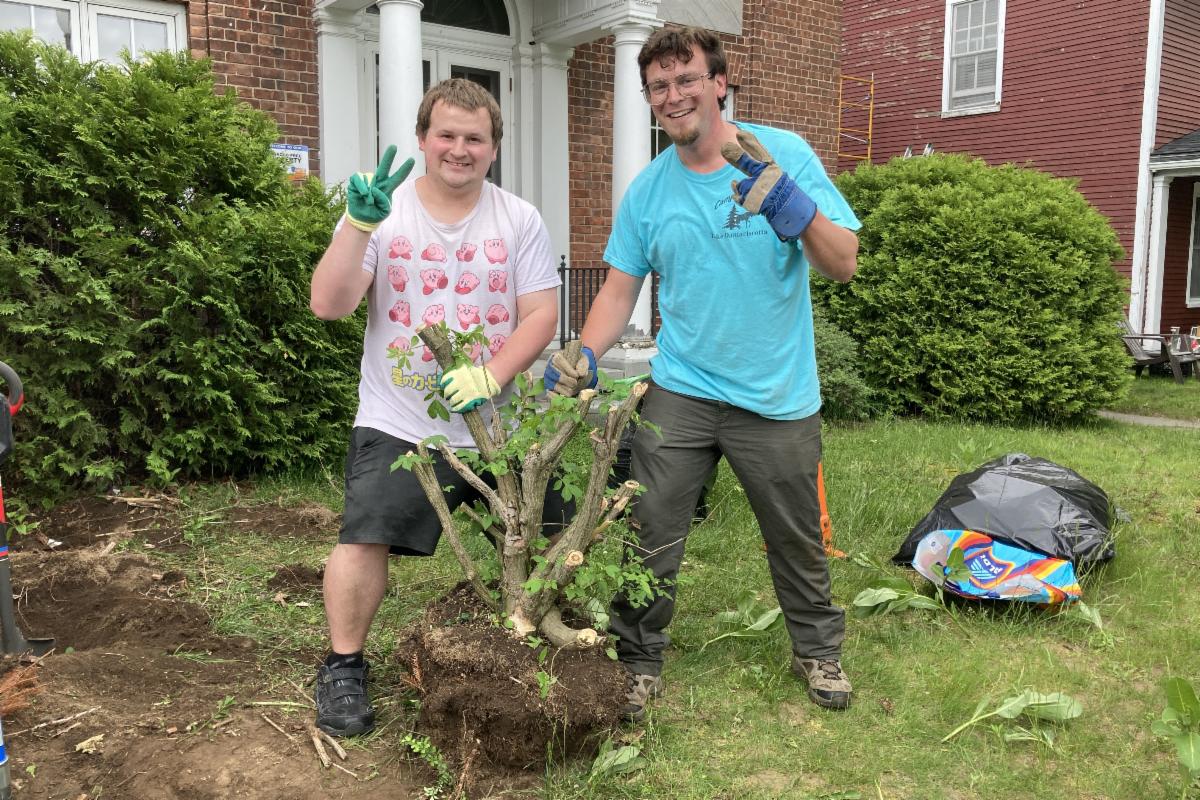
It's already been a busy summer and we're just getting started! APIPP now has a full staff doing invasive species work in the field and we have a number of well-attended events already under our belts, including the invasive species pull in Saranac Lake that is pictured above. The most exciting news is our new Aquatic Invasives Species Manager, Anna Hardiman, recently joined the team and she has already led her first webinar, the virtual Lake Protectors training. You can learn a little more about Anna below—if you see her out and about, be sure to welcome her back to the Adirondacks!


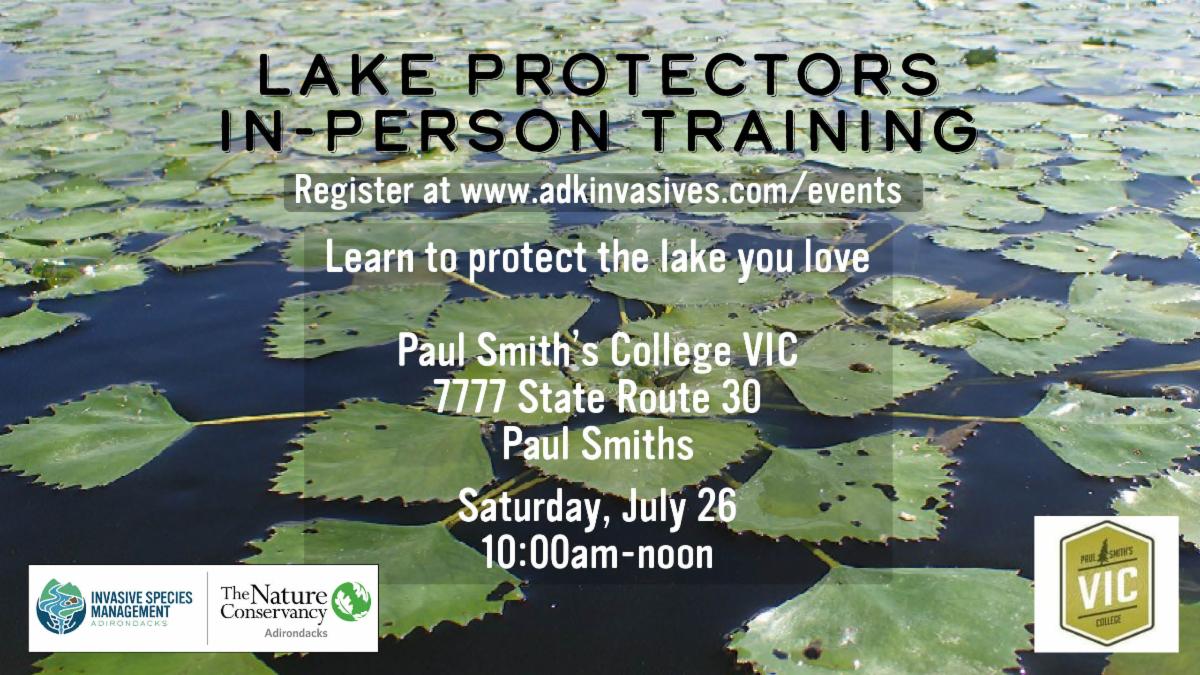
The virtual training is the first of several that APIPP will host this summer including an in-person Lake Protectors training on Saturday, July 26 and another in August, and in-person Forest Pest Hunters trainings in August and September. The trainings will all be added to our events page as dates and locations are confirmed.


Below you will read about this year’s seasonal staff, whose work is essential to monitoring for and managing invasive species in the Adirondacks. But they need your help! Everyone can play a role by reporting invasive species using the iMapInvasives app. Even if you don’t have time to attend a training—we get it, summer is busy for everyone—you can always learn about invasive species by visiting our website or by ordering a free Field Guide to Terrestrial Invasive Species of the Adirondacks. You can also do your part by following proper Play Clean Go techniques, which you can read more about below. It’s often best to learn by doing, so don’t be afraid to get out there and report anything you see that you suspect is an invasive species. And, as always, don’t hesitate to contact APIPP if you have any questions.


We hope to see you in the field or at a training this summer!

Species of Concern: Japanese Stiltgrass

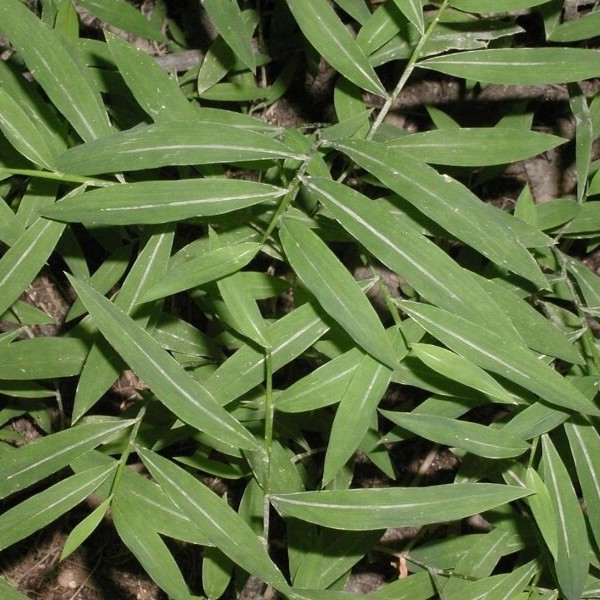
Microstegium vimineum 

Japanese stiltgrass can quickly form dense patches along woodland edges and in disturbed soils and open areas like roadsides, trails, and utility corridors. It has a distinct off-center silver stripe along the top of its leaf. Stiltgrass seeds can be spread in many ways, including being carried in contaminated soil from construction and horticultural projects, carried during flooding events or by wildlife like deer, being mowed when in seed, and by sticking to vehicles and recreational equipment. The shallow roots can be pulled fairly easily, but the seeds can remain viable in the soil for over five years! Stiltgrass grows quickly, forming dense patches that inhibit tree regeneration and alter soil chemistry, reinforcing the need to control emerging populations while they are still small and to plan multiple seasons of control to exhaust the seed bank while native plants reestablish in the area. This species underscores the importance of practicing proper Play Clean Go procedures to reduce the risk of spread via gear like boots and bikes. There are less than 10 known populations of Japanese stiltgrass in the entire Adirondack regionplease help us keep this species at bay by reporting stiltgrass sightings using the iMapInvasives app. 

Key Identification Features

  • Off-center, silver stripe on the top of each leaf
  • Dark green, lance-shaped leaves
  • Forms dense patches on the forest floor 

APIPP in the Field

New York's Invasive Species Awareness Week (NYISAW)


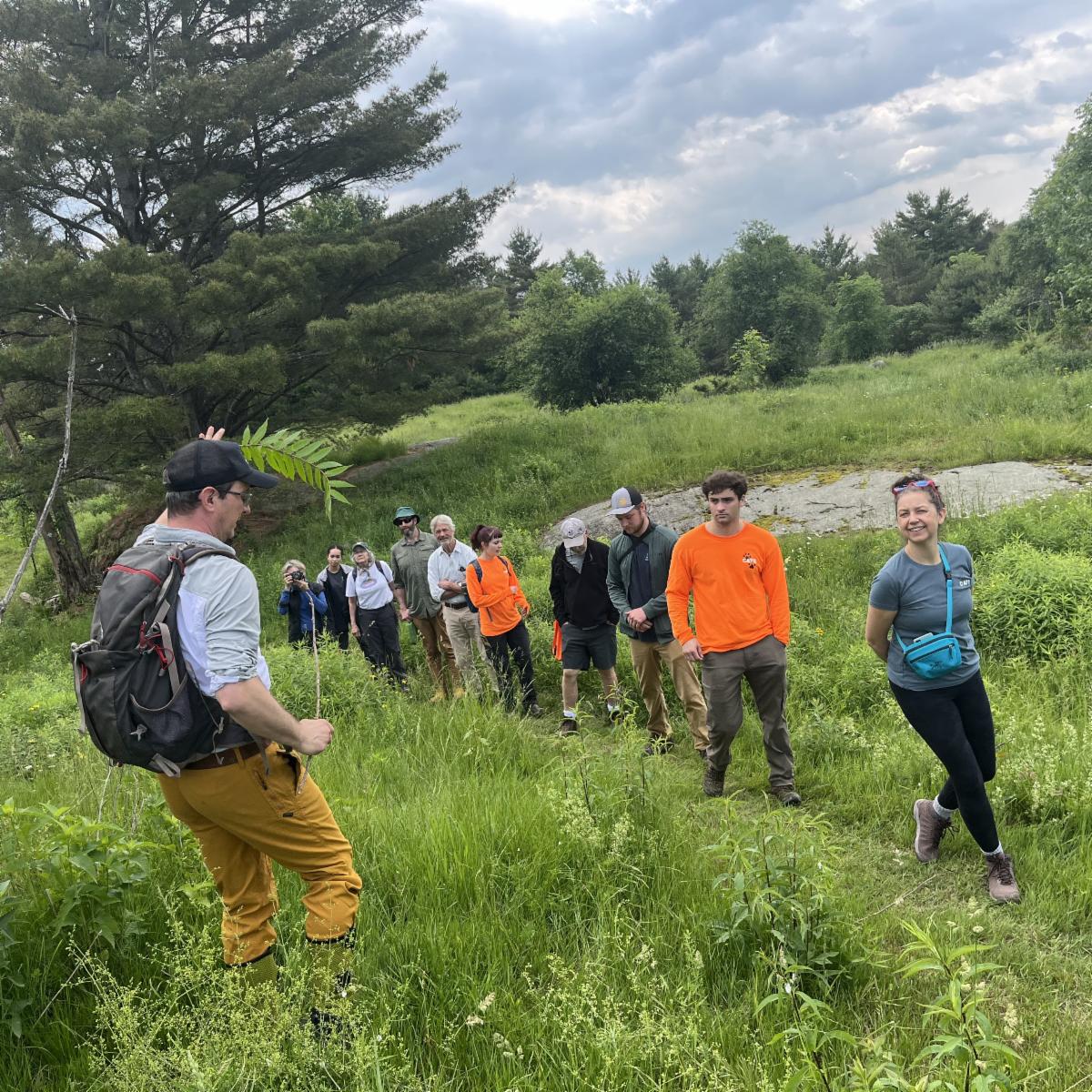
This year’s NYISAW was June 9-15, and APIPP participated by hosting three well-attended events in the Adirondacks: two guided invasive species walks in the Champlain Valley and one invasive species pull in Saranac Lake. The walks provided first-hand experience in identifying invasive species and the invasive species pull gave attendees the opportunity to help APIPP staff remove and replace two invasive species—Japanese barberry and winged burning bush—from the landscaping at the Saranac Lake Free Library. Pictured: APIPP Communications Manager Shaun Kittle, left, leads an invasive species walk on the Wadhams Lookout Trail in collaboration with Champlain Area Trails.

People in the Field

New APIPP Staff


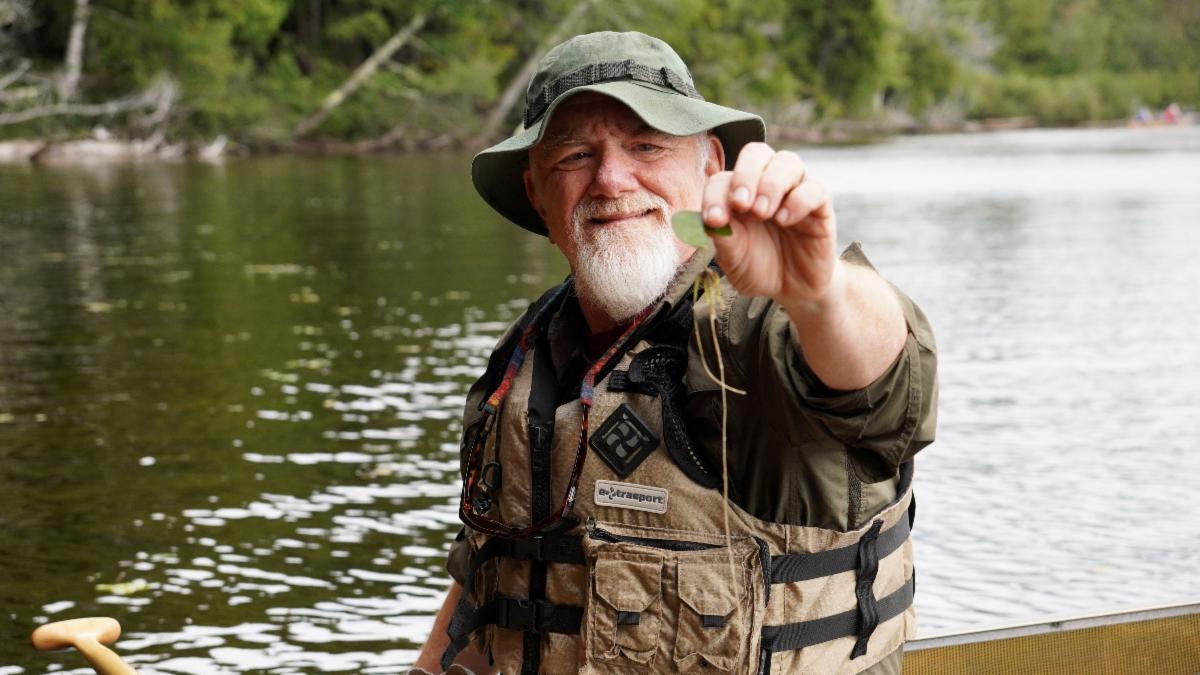
Every summer APIPP hires seasonal staff, who play a crucial role in helping us monitor and manage invasive species in the Adirondacks. On the terrestrial side we have Rhoda Peterson and Becca Tamagna working to remove invasive plants and monitor recreation sites. This is Becca’s fourth summer in a row working with APIPP! On the aquatic side, Elly Smith is surveying for aquatic invasive species and removing water chestnut. These young professionals are building their skillsets while making a big difference in the Adirondacks. APIPP is also thrilled to welcome Anna Hardiman as our full-time Aquatic Invasive Species Manager. A North Country native and Paul Smith's College graduate, Anna is excited to be back working in the Adirondacks. Say hello to these hard-working staff when you see them out in the field this summer! Pictured: APIPP's new Aquatic Invasive Species Manager Anna Hardiman.

Ask APIPP

Q: How can I make sure I am not spreading invasive species while enjoying the outdoors? 

A: No matter what your favorite outdoor activity is, there are always easy steps you can take to help prevent the spread of invasive species. That’s what the Play Clean Go campaign is all about! There is a ton of information on the campaign’s website, including:


  • REMOVE plants, animals, and mud from boots, gear, pets, and vehicle.
  • CLEAN your gear before entering and leaving the recreation site.
  • STAY on designated roads and trails.
  • USE CERTIFIED or local firewood and hay.


Invasive species are often spread when a part of a plant or insect eggs are transported on gear, vehicles, pets, firewood, or clothing. The basic idea is to make sure that you aren’t introducing anything new to a forest or waterbody and that you aren’t taking anything with you when you leave. By checking everything before and after you recreate outdoors, you are greatly reducing the risk of spreading an invasive to a new area. 

Do you have a question for APIPP? Email adirondackinvasives@gmail.com

ICYMI Lake Protectors Virtual Training

Upcoming Events

July 15

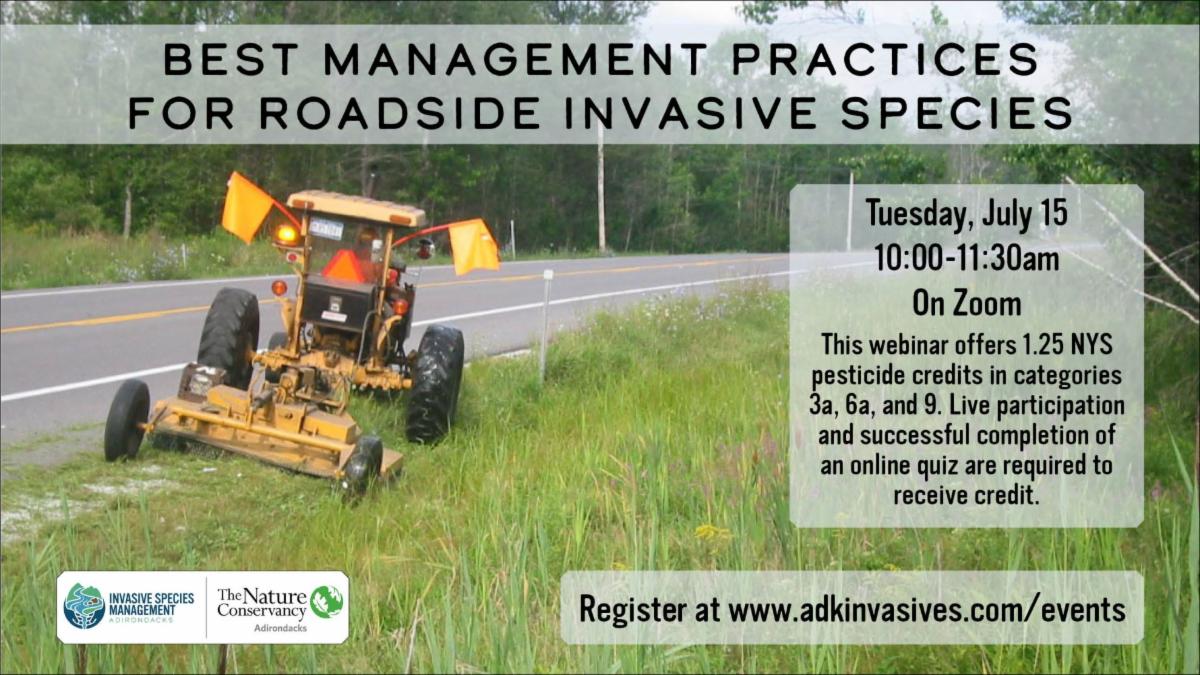
Best Management Practices for Roadside Invasives

July 26

Lake Protectors In-Person Training at the VIC

September 14-16

2025 New York State Invasive Species Expo

Facebook  Instagram  YouTube