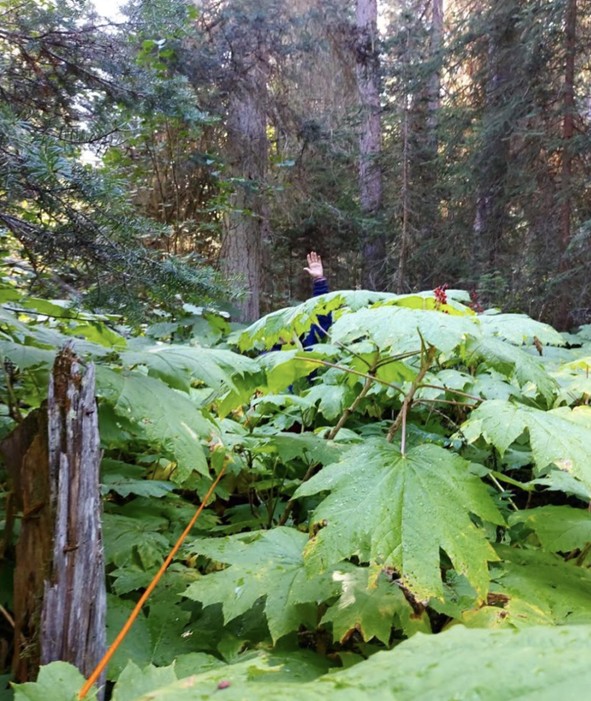
Photo credit: John Prince Research Forest team | | Message from ASCC Network Leads | | |
Greetings ASCC Network,
Wow, what a year it’s been. 2025 brought a fair share of challenges and change, but also marked one of our most expansive and productive years as a Network team. Despite the challenges of this year, ASCC has continued to grow in size and impact, demonstrating that adaptation in the face of uncertainty is more than just a phrase. It’s also an important characteristic of our ASCC Community of Practice.
At the ASCC Network leadership level, we experienced several transitions. Linda Nagel accepted a position as Department Head and Professor in the Department of Forest Resources at the University of Minnesota over the summer. Chris Swanston recently accepted a new role as Director of Science at Save the Redwoods League. We also welcomed multiple new members to our team, including ASCC intern Rylee McMillan, and ORISE fellows Aly Ennis and Lucy Rea.
2025 brought exciting Network endeavors: published and ongoing research efforts, a revamped ASCC website, and new outreach efforts, which we will dive into in more detail later in the Network Impact section below. From virtual workshops and conference panels, to topical work group meetings and field visits, our Network found ways to stay connected and collaborative over the past twelve months.
As we look ahead toward 2026, we’re in the midst of revisiting our Network Roles and Responsibilities to align with our strategic vision and goals. We’re also continuing to reflect and align our future work based on the three major themes we identified in 2024. These three themes are:
-
Sustainable and Vibrant Network: Maintain a highly engaged community of managers and scientists who are working collaboratively to develop, evaluate, and promote climate-informed silvicultural practices.
-
Generate Applied Science: Generate science that is contributing to a growing body of knowledge addressing climate change challenges and developing best practices for implementing climate adaptation strategies in real-world scenarios.
-
Advance Implementation of Climate-Adaptive Silviculture: Apply ASCC lessons learned in on-the-ground implementation of climate-adaptive silviculture practices in forest ecosystems through training with decision-makers.
We look forward to continuing to use these goals as a guidepost heading into the new year. Each site lead, collaborator, partner, and member of this Network has played a critical role in helping us continue to grow in the face of uncertainty, and we are so grateful for the commitment all of you have poured into this shared work. See you in the new year!
-The ASCC Network Leadership Team
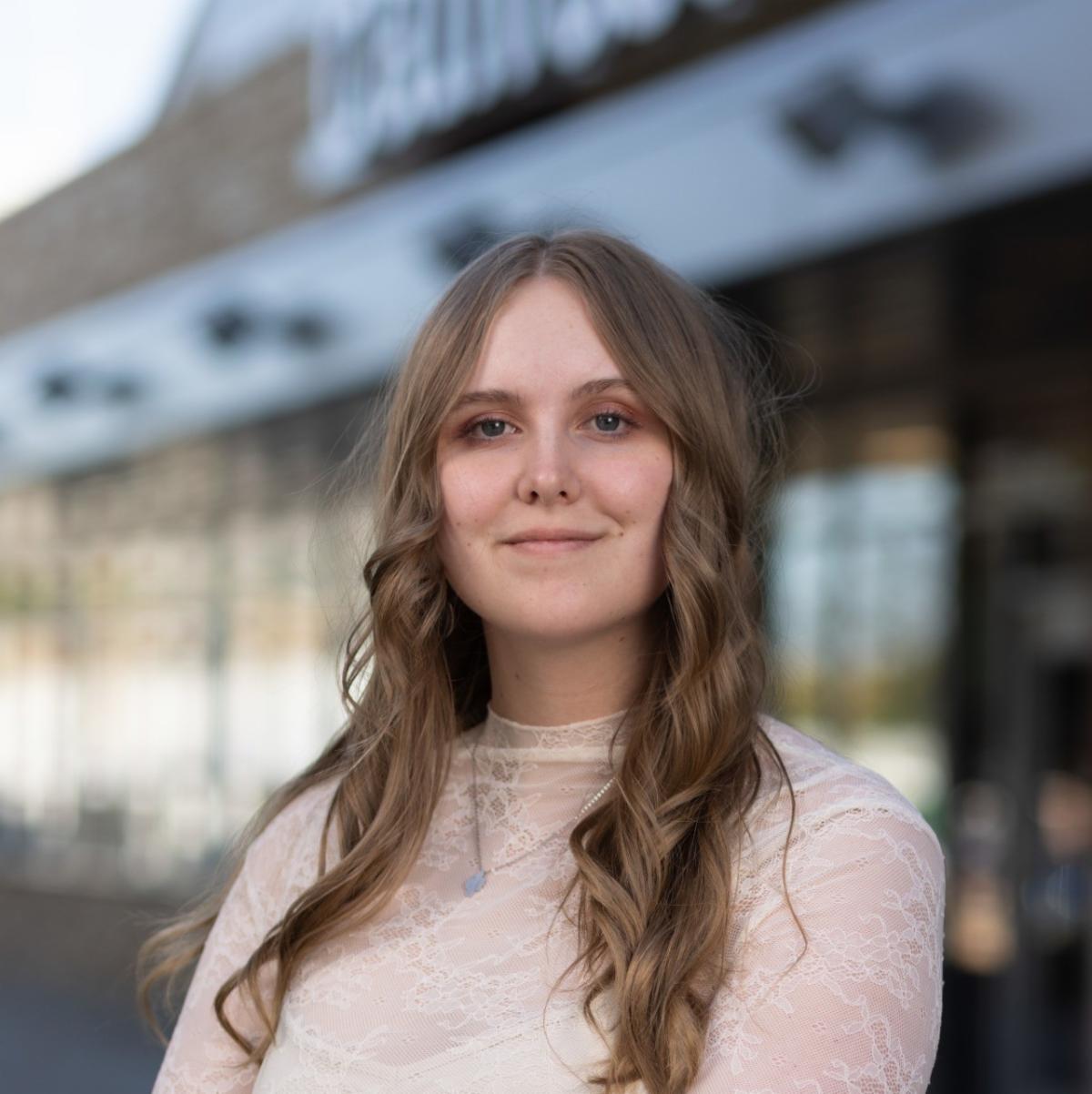
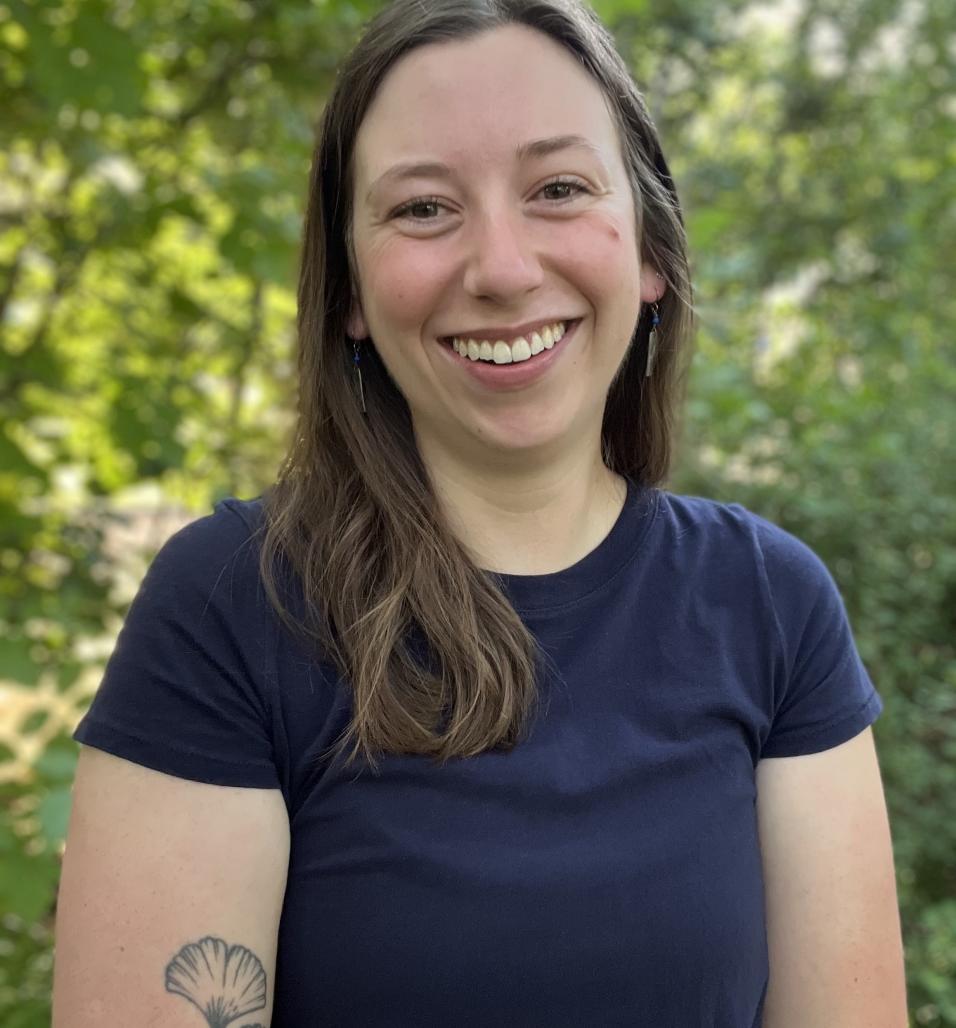
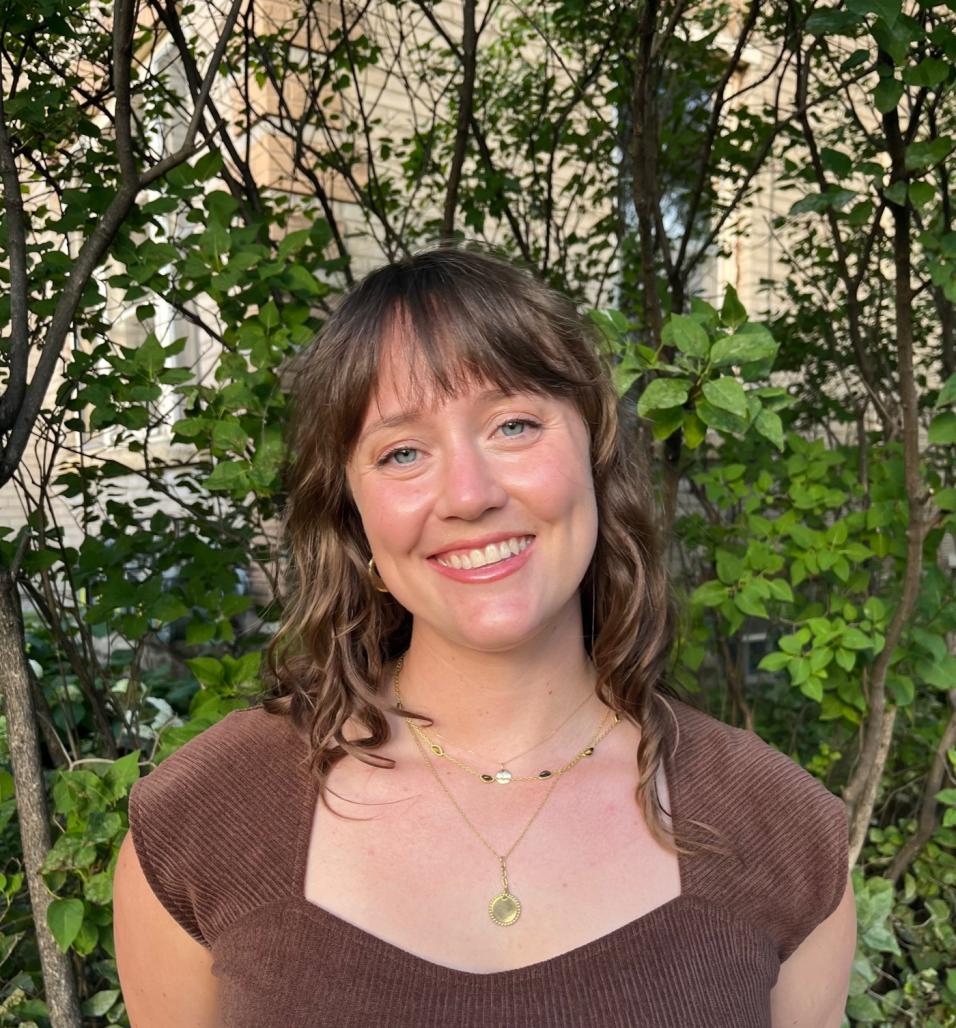
| | New ASCC Team Member Spotlight | | Our team grew in the past year! Rylee, Aly, and Lucy hit the ground running, increasing our team capacity, spearheading new research and outreach efforts, and making invaluable contributions to our collective body of work. | |
| | |
Rylee is an undergraduate student studying Rangeland and Forest Management and Human Dimensions of Natural Resources at Colorado State University in Fort Collins, CO. Since April, Rylee has served as the communications and outreach intern for the ASCC Network. In this position, Rylee has worked to produce informational materials about adaptive silviculture and ecosystem management, including a lesson plan and story map about forest assisted migration, a toolkit about climate adaptive fire management, and the ASCCing the Experts podcast. After graduating, Rylee hopes to continue producing accessible science communication products for the benefit of natural resource professionals and enthusiasts.
| |
Aly is an ORISE Postdoctoral Fellow with ASCC, based in Boulder, CO. She finished her PhD at CU Boulder in May of this year, where she studied the effects of pinyon-juniper removal on understory vegetation on the Colorado Plateau. She is excited to continue working at the interface of science and management, focusing on climate adaptation in our forests. With the ASCC Network, Aly will help support ongoing applied research, coordination, and science communication. She plans to focus on data organization and management, forest and shrub adaptation planting, and promoting cross-site collaboration within ASCC.
| Lucy is an ORISE Fellow with the USDA Forest Service Northern Research Station in St. Paul, Minnesota. She is working with the ASCC Network on research projects that integrate data across sites within the Network. Some of her research interests include carbon tradeoffs and adaptation planting. She received her PhD from the University of Minnesota, where she studied adaptation to climate in bur oak. Prior to that, she work in Carlsbad, NM as a locally adapted seed collector after completing her B.S. in Plant Biology at Michigan State University. When she’s not working, Lucy can be found reading, cooking up new recipes in the kitchen, and spending time outside. | | | | News from Around the Network | | |
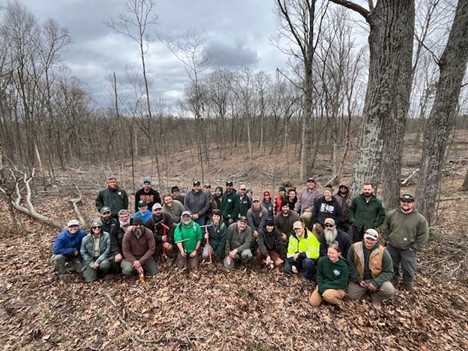
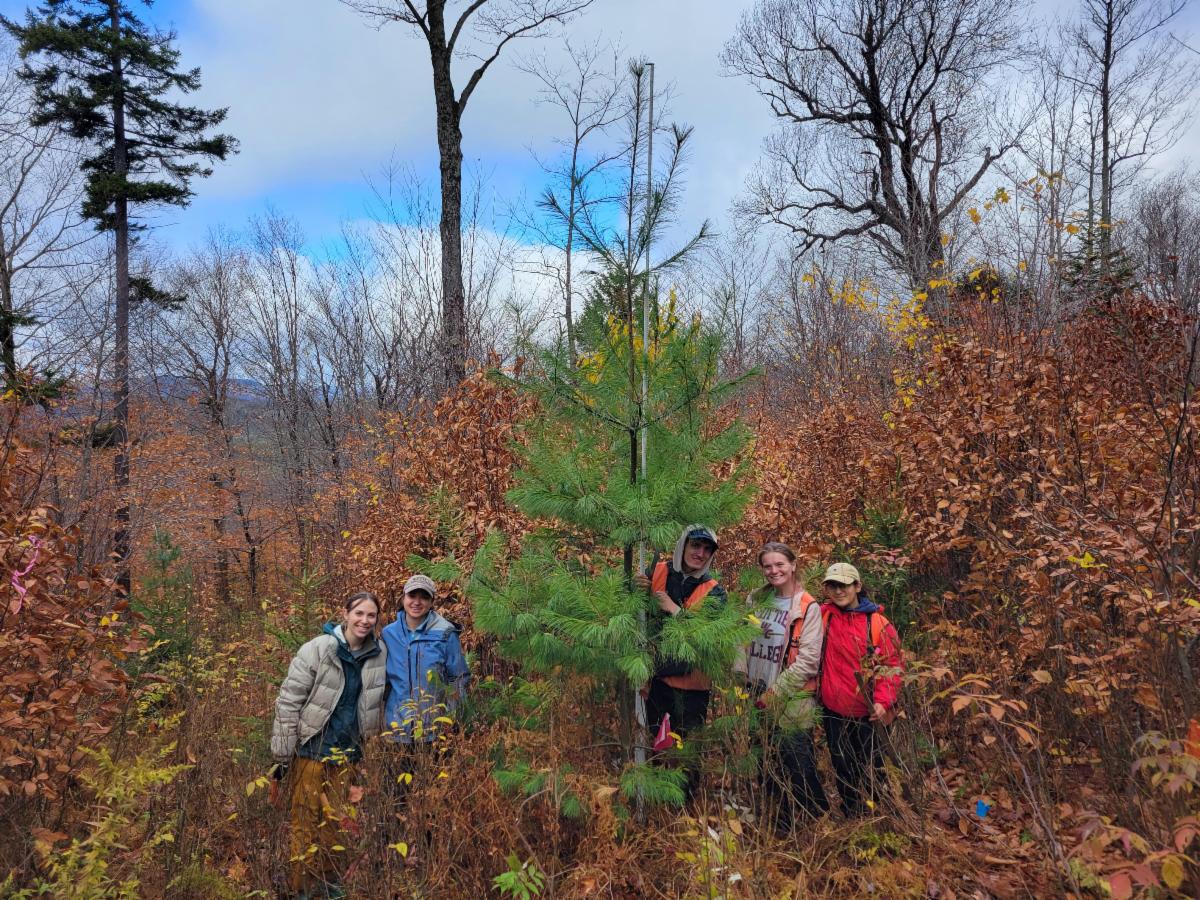
The Ohio Hills’ team, composed of USFS Northern Research Station, Wayne National Forest, Ohio Department of Natural Resources-Division of Forestry, and Ohio University researchers and managers, planted 8,700 seedlings as part of an assisted migration experiment at the site. A total of 10 tree species were selected for their potential climate adaptation traits using the USFS Climate Change Tree Atlas. The seedlings were sourced from Arkansas where current climate conditions resemble the future climate of southern Ohio. The Ohio Hills team is excited to monitor the success of the plantings into the future.
Photo Caption: Ohio Hills’ planting team, composed of USFS Northern Research Station, Wayne National Forest, Ohio Department of Natural Resources-Division of Forestry, and Ohio University researchers and managers
Photo credit: Dave Apsley
| | Driftless Area Affiliate ASCC Site | | |
Our highlights for the year include:
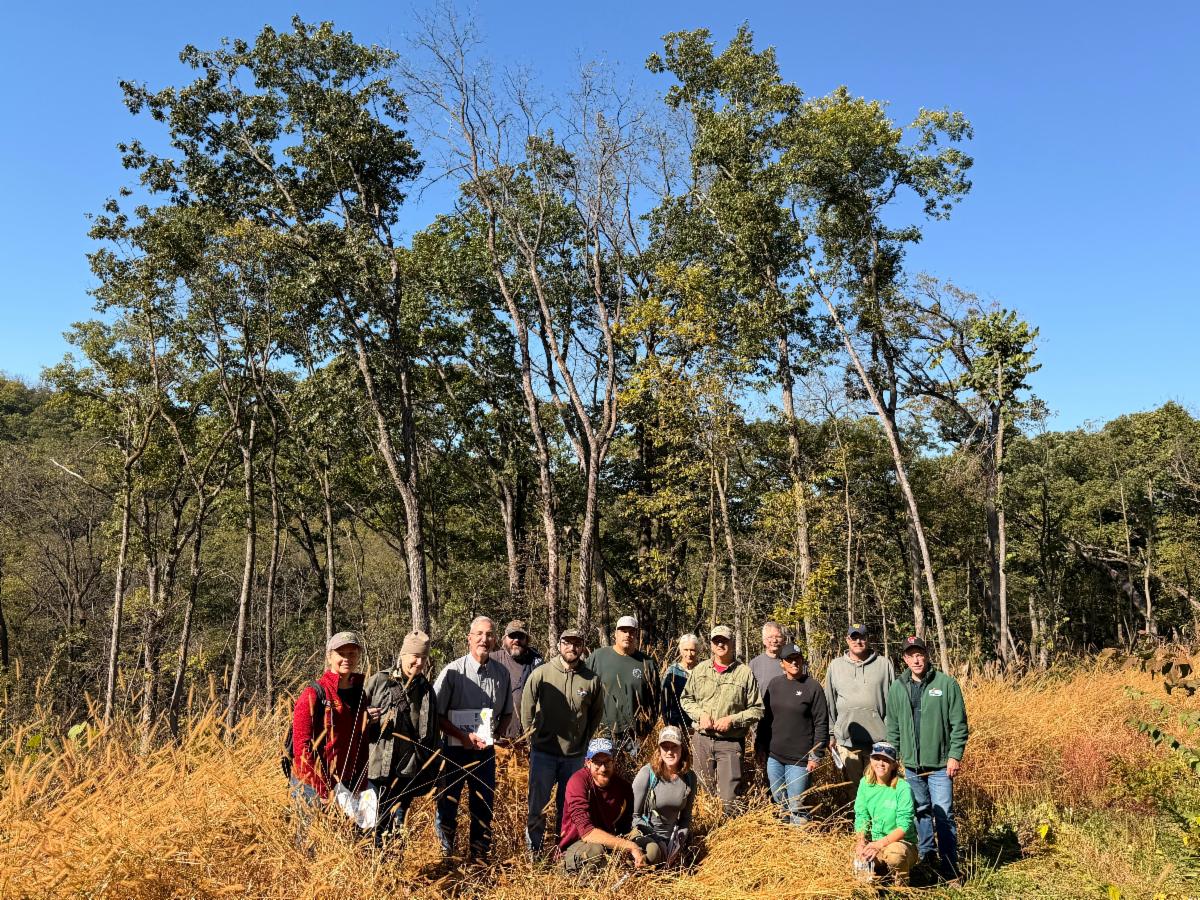
1) Hosting our first post-treatment field tour for the Driftless Area community (led by Brad Hutnick, WI DNR),
2) planting seedlings in the resilience and transition treatments across five blocks, and
3) completing the first season of post-treatment vegetation sampling across five blocks. The three blocks in Minnesota are on a delayed schedule, one year behind the Iowa and Wisconsin blocks. One of those blocks was harvested last month and the other two are under contract and should be harvested this winter.
Photo caption: A site visit to the Driftless ASCC block located at the Hallock Demonstration Forest in Millville, Wisconsin, showing attendees of the October 10 tour: staff with the Ho Chunk Nation Department of Natural Resources, members of the Lower Wisconsin Riverway Board, a local reporter from the Independent Scout, and area foresters and wildlife biologists.
Photo credit: Devesh Bahuguna, Wisconsin DNR
| | Crosby Farm Regional Park Urban Affiliate ASCC Site | | |
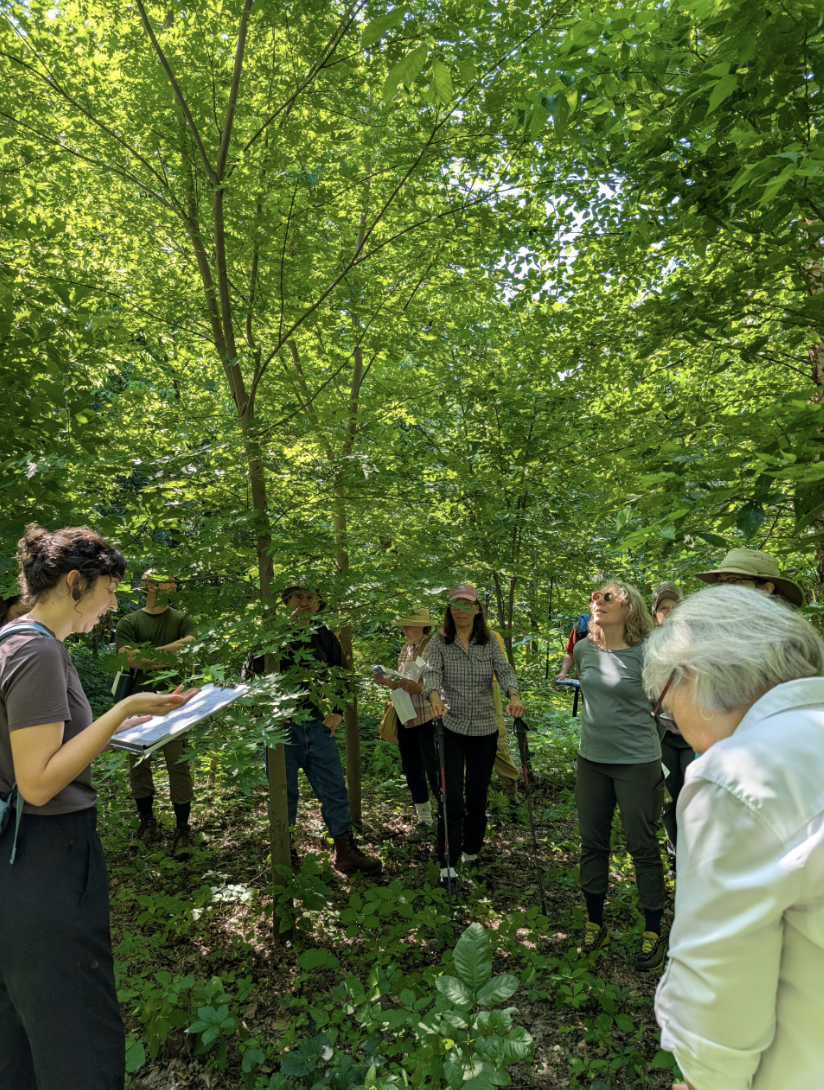
In July 2025, Crosby Farm ASCC hosted a tour of the plots for volunteers to celebrate the start of the 6th year of the experiment and to share 5-year results. Some of the tour attendees were part of the original planting and watering crews. Catherine Glenn-Stone (pictured) and Nick Parrott presented their graduate research that they successfully defended in the spring/summer of 2025.
Photo caption: Catherine Glenn-Stone sharing results on physiology to volunteer tour group
Photo credit: Marielle Mateo
| | | Petawawa Research Forest ASCC Site | | |
2025 was another busy year for ASCC at the Petawawa Research Forest (PRF). A crew of four technicians and six students were dedicated to completing post-treatment understory, coarse woody debris, and seedling assessments, as well as canopy photos. They maintained our network of soil/air/light dataloggers and phenocams.
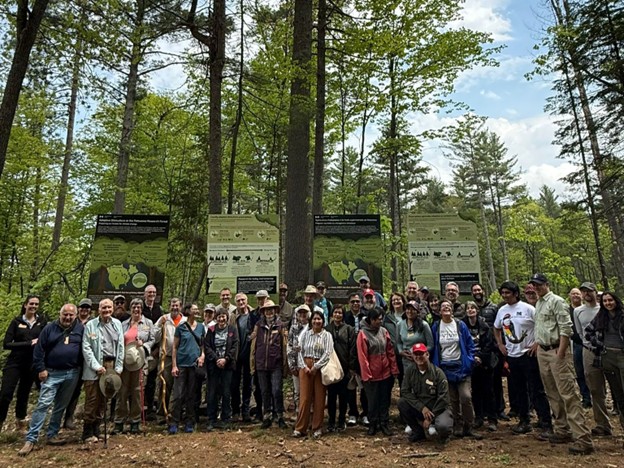
Additionally, our ASCC study was a featured stop in four field tours at the PRF between May and October that brought about 170 new visitors to the site. Tour participants included private land managers, researchers, and even international visitors from the International Model Forest Network. While it seems field work has just ended, planning is already well underway for 2026 for another round of understory and seedling assessments, and soil sampling.
Photo Caption: International Model Forest Network/ Ontario Woodlot Association joint PRF tour, May 31, 2025
Photo Credit: Ontario Woodlot Association
| | Second College Grant ASCC Site | | |
Second College Grant marked eight years of planted seedling measurements with a visit from NIACS/ASCC colleagues Samantha Myers and Maria Vicini to help with field work.
Seedling survival remains high in the Transition treatment, with standout performance from white pine, red oak, red spruce, and American chestnut.
Photo Caption: Field crew measuring seedlings in the fall
Photo credit: Pete Clark
| | The Jones Center at Ichauway ASCC Site | | |
Site-lead Josh Puhlick presented approaches for adapting longleaf pine ecosystems to climate change at the Biennial Southern Silviculture Research Conference in Greenville, SC. The presentation highlighted approaches used at the Ichauway ASCC site.
Avery Holbrook and Josh Puhlick published an article in Forests about forestry assisted migration with a focus on survival and density of turkey oaks six years after planting at Ichauway. You can read the publication here.
There were also field tours of the Ichauway ASCC site during the Longleaf Pine Management Course and the Ecological Forestry Workshop hosted by The Jones Center at Ichauway. Graduate students from the University of Georgia and University of Florida attended the week-long course, and managers from various public and private organizations attended the week-long workshop. One of the transition stands was featured during field tours for the International Conference on Forest Carbon and Resilience. Josh Puhlick was also part of a panel session with other ASCC site leads and leadership at the Society of American Foresters National Convention.
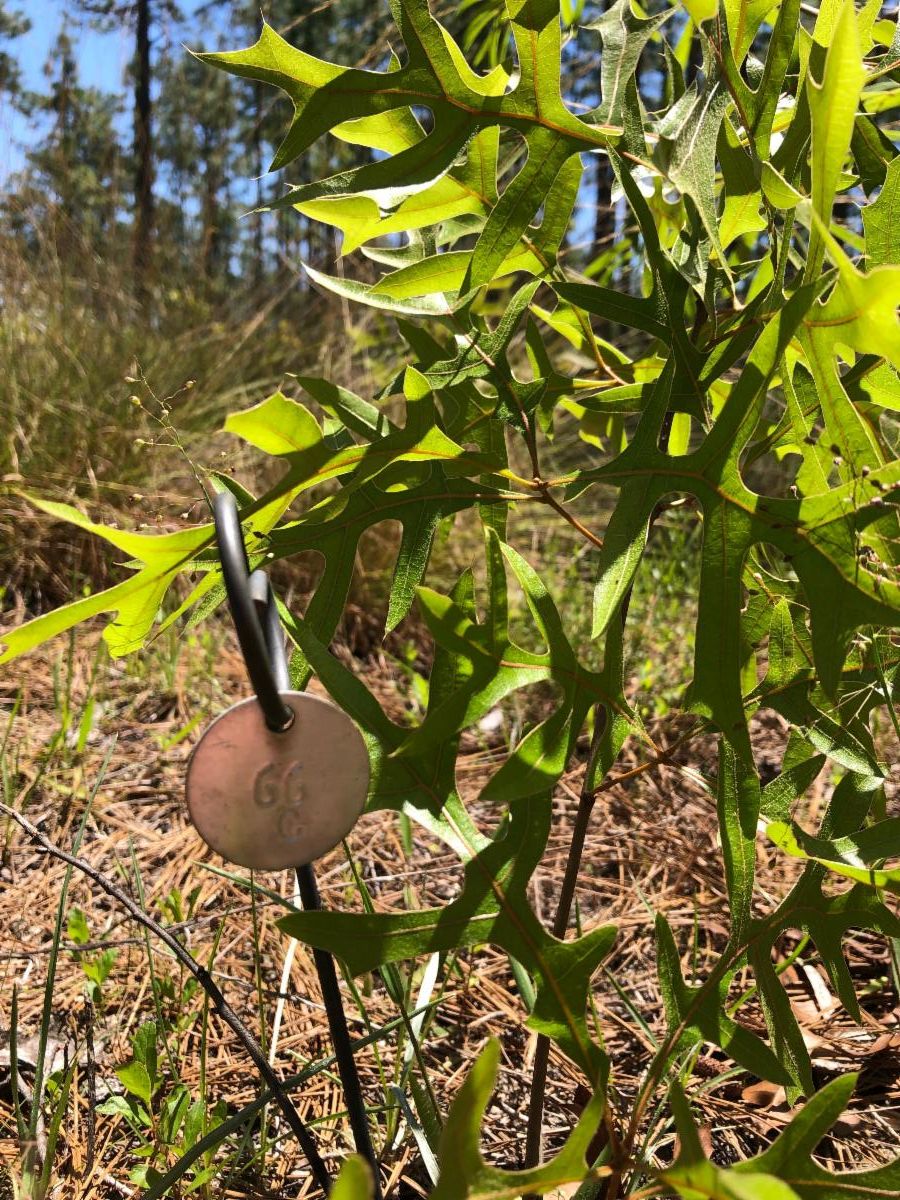
Photo caption: A photo of turkey oak
Photo credit: Josh Puhlick
| | Cutfoot Experimental Forest ASCC Site | | |
2025 brought some personnel changes to Red Pine Cutfoot ASCC with Brian Palik retiring and the addition of Catherine Glenn-Stone and Lucy Rea. In 2025 we resampled hemispherical photographs and LAI (last in 2016), along with collection of micro-site variability in soil moisture and above and below ground temperatures (annually since 2016).
We also have a manuscript in preparation evaluating 8 years of forest assisted migration in the Transition treatment, and began investigation of planted seedling performance and growth related to artificially created drought conditions.
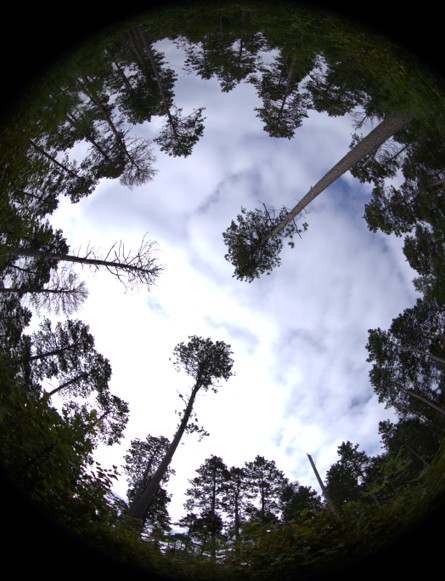
Photo Caption: Hemispherical photograph taken in 2025 at Red Pine ASCC Cutfoot Experimental Forest, transition gap
Photo Credit: Doug Kastendick
| | |
Across the Network, we’ve made strides in communication and outreach, launched work groups, pursued research, and presented on various site initiatives. Here are some of the major highlights from 2025, and some of what’s coming next in the new year.
Topical Working Groups
Adaptation Planting Group: We convened a cross-site ASCC Adaptation Planting working group to advance practical guidance on tree planting for adaptation, including forest assisted migration. The group, led by Pete Clark and our ASCC leadership team, is developing shared best practices via research and outreach products from across the Network.
Student and Early Career Group: We launched an ASCC student and early career working group, with a kick-off meeting in late October. The group is designed to foster meaningful connections across people involved in the ASCC Network by linking current, past, and future students and early career professionals, and to encourage collaboration across members. The group will also aim to support professional and academic growth opportunities.
The working group will meet bi-weekly beginning in January 2026, and is open to members of our broader ASCC adaptation community. If you know of someone who might be interested in joining, contact maria.vicini@colostate.edu for more information!
| | |
Research, Science Delivery, and Outreach
A New ASCC Manuscript: Our research manuscript, titled Ten Years of Adaptive Silviculture for Climate Change: An Applied, Coproduced Experimental Framework was published in Bioscience this fall! You can read it here.
This manuscript is a follow-up to the Nagel et al., 2017 paper, highlighting our work to advance the field of climate-adaptive silviculture. The manuscript covers the unique role of silviculture in climate change adaptation, how and why ASCC emerged at a crucial time in this space, and how our findings will continue to directly inform management action into the future.
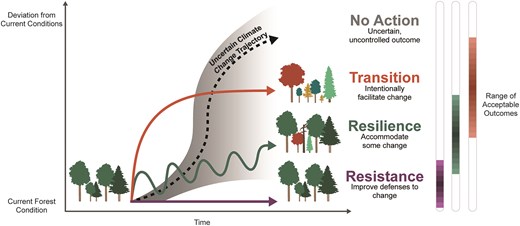
We also showcase the characteristics of ASCC that set us apart and act as core principles over the course of our Network history. These guiding principles include co-production to leverage place-based knowledge, using the resistance-resilence-transition framework to assess adaptation actions, ensuring treatments are representative of operational scales, establishing baselines and benchmarks for change, using desired future conditions as thresholds for success, incorporating climate novelty and testing of extreme scenarios, and finally, planning for flexible management and communication to build capacity and foster knowledge exchange.
As part of the manuscript, we also have an updated conceptual figure:
| | |
Conceptual diagram of the resistance–resilience–transition framework applied to the ASCC Network, positioned vertically along a spectrum of ecological persistence to change (i.e., adaptation). The y-axis presents the degree of alignment with current conditions relative to the future range of acceptable outcomes (i.e., desired future conditions). Graphic: Kailey Marcinkowski.
Indigenous Fire Research: University of Minnesota researchers Joshua Friedlein, Rebecca Montgomery, and Mike Dockry have been pursuing an Indigenous fire research project. The goal is to advance understanding of the barriers and approaches to Tribal co-production of climate-adaptive silviculture knowledge at research sites across North America. In the fall, their team led a tour at the Cutfoot with community members, including elders, knowledge holders, youth, and other interested community members, facilitating a conversation around their experiences and possibilities for future engagement with ASCC.
| | |
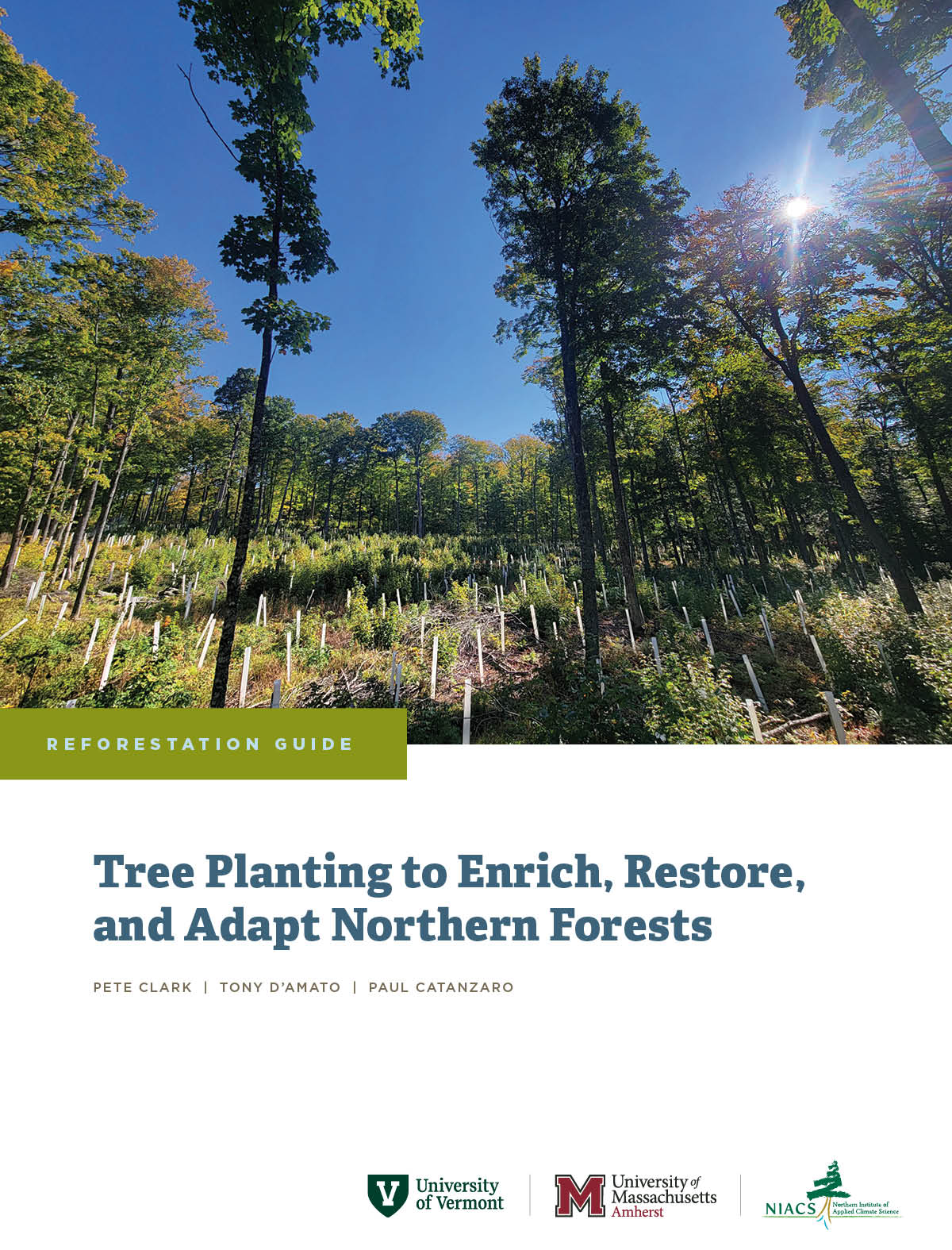
Reforestation Guide: Collaborators at the Second College Grant ASCC site recently released a new resource, Reforestation Guide: Tree Planting to Enrich, Restore, and Adapt Northern Forests. The guide is a practical resource for foresters, landowners, and managers interested in using tree planting as a forest management tool. It draws heavily on lessons from ASCC and on stakeholder requests for a practical reference on tree planting in an era of global change.
It was strengthened through review and input from many across the ASCC network, including Maria Janowiak, Greg Edge, Mike Reinkainen, and Christopher Riely. Read the guide here.
| | | |
Carbon Management and Climate Adaptation: For her ORISE fellowship, Lucy Rea is developing a research project to examine trade-offs in carbon storage with climate-adaptive silvicultural approaches. She will examine carbon storage across treatments in different sites, and compare trade-offs with resistence, resilience, and transition treatment goals. She also plans to project the future implications of climate adaptive silviculture on forest carbon.
Network Metadata: Thank you all for providing information earlier this year about the data variables being collected at your sites. Aly Ennis is currently working on organizing and summarizing this network metadata in order to identify opportunities for cross-site synthesis and collaboration. She may be reaching out to folks for more information about the research going on at your sites, so look out for those emails in the new year.
Forest Assisted Migration at the Colorado ASCC Sites: During Rylee McMillan's internship with us, Rylee designed a StoryMap that describes forest assisted migration as an adaptation strategy and its application at the Colorado ASCC Sites. The goal is for this product to be updated as additional treatments are performed at the sites. Check out the StoryMap on our website.
Updated ASCC Website: Over the summer, Rylee McMillan and our team updated the ASCC website to incorporate the latest site updates and modernize the site layout. Thank you to everyone who provided site updates throughout early 2025. We’ve recently created updated news and publications pages, where we plan to share regular content, events, and research updates beginning in 2026. Check out the updated website here.
| | ASCC’ing the Experts Podcast: Rylee launched an ASCC podcast, ASCCing the experts! Our first episode was released in December, featuring an interview with Linda Nagel. You can find future episodes on our website at this link, and through major podcast platforms. Stay tuned for future episodes which will be released bi-weekly. | | | |
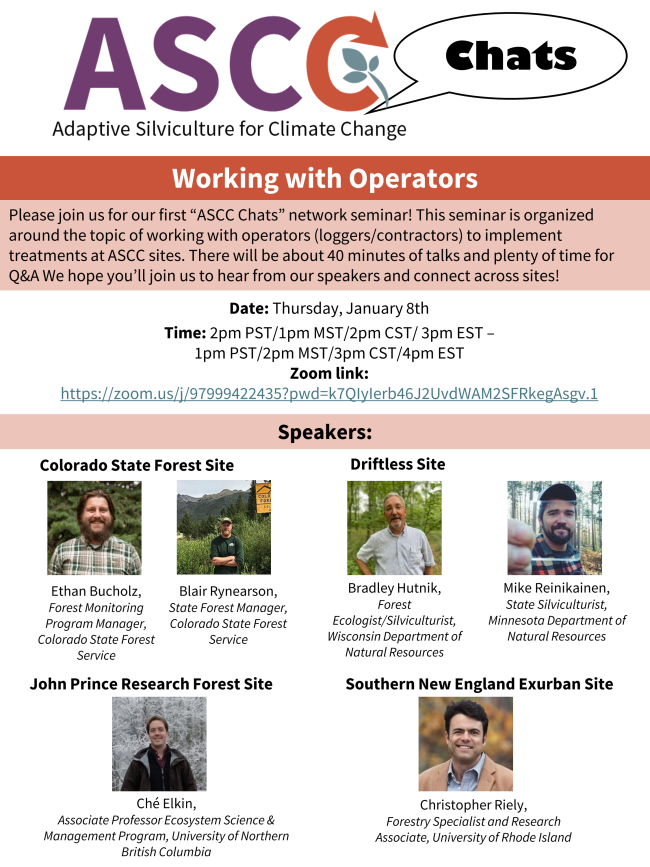
ASCC Seminar Series: We’re also launching an ASCC seminar series in 2026, ASCC Chats, with our first series coming up on January 8th around the topic of working with operators. Each seminar will be oriented around a topic and will feature short talks from speakers working at sites in the ASCC Network.
Our goal with this series is to offer more opportunities for connection within the ASCC Network, for sites to learn from each other, and to foster cross-site collaborations. Keep an eye out for news about this and upcoming monthly ASCC seminars! For those who are interested in attending, here is the Zoom link for January 8th.
| | |
Capturing Network Impact
Reporting Form: To streamline efforts related to quantifying our network impact, we will launch an updated reporting form in January. This will allow us to more effectively communicate the story of our Network, stay up-to-date on all the great work sites are doing, and share this impact with our broader community.
Convening In-Person & Virtually
ASCC at SAF: In October, we hosted an ASCC Network Panel at the Society of American Foresters National Convention (SAF) in Hartford, CT, titled: Creating Forests for the Future through Climate-Adaptive Management. The panel was moderated by Maria Vicini, with speakers including Joshua Puhlick, Kristen Waring, Pete Clark, and Christopher Riely. The panel discussion provided lessons learned from implementing climate-adaptive forest management practices utilizing the Adaptive Silviculture for Climate Change framework. Speakers highlighted examples of regionally-specific management strategies intended to promote long-term forest adaptation while balancing multiple-use objectives.
Fall 2025 Virtual Workshop: Our Network also convened in September, where we brought sites together virtually to share updates on progress since fall 2024, articulated our goals for the coming year, and continued to explore opportunities for cross-site research and sharing of lessons learned. Ideas for collaboration were wide-ranging, encompassing everything from collating ASCC lessons learned into a playbook for others in the adaptive silviculture space, to working through funding challenges together, pursuing cross-site research related to fuels, economic trade-offs, wildlife, and assisted migration.
| | In 2026, we will continue to build upon these initiatives and expand our Network impact and outreach efforts. Keep an eye on our website in the new year for periodic updates on our progress. Have a wonderful holiday season, and see you in the new year. | | | | |