U.S. Scrapie Case Confirmed. ASI Working with Local and National Animal Health Officials. | |
On July 31 the U.S. Department of Agriculture’s (USDA) Animal and Plant Health Inspection Service (APHIS) confirmed classical scrapie in a sheep slaughtered in an Oregon facility. APHIS and state animal health officials recently initiated an investigation to determine the flock of origin.
Scrapie is a neurodegenerative and chronic disease that affects small ruminants with a fatal outcome. The affected animal did not have an ear tag, which may limit traceability. Scrapie is typically contracted during pregnancy and newborn lamb periods, which is why locating the flock of origin is so essential to the investigation.
This case highlights the critical importance of strong animal identification practices nationwide. “The importance of official scrapie tags cannot be understated,” said Cindy Wolf, DVM and American Sheep Industry Association’s (ASI) Animal Health Council co-chair. “These tags have made trace back to the flock of origin possible in order to stop further spread,” added Roselle Busch, DVM and ASI Animal Health Council co-chair.
ASI will continue working with APHIS and the Oregon Department of Agriculture to support the investigation. Finding this case demonstrates the strength and ability of this program to detect such rare disease and highlights the exceptional progress made possible by producer participation.
| |
A Note from ASI’s Animal Health Committee Co-Chairs
The Value of Official Identification Ear Tags
As sheep producers, we are responsible for officially identifying cull ewes and rams, breeding stock of all ages being sold, sheep going to shows, and, in some states, lambs sold through auction markets. Requirements vary depending on the animal and state regulations, but official identification remains an important part of protecting our industry’s markets. This requirement has been in place since 2001, when the National Scrapie Eradication Program was launched. Although most of the industry follows these regulations, there is still room to improve compliance. Recent events highlight why official ID is so important. With New World Screwworm (NWS) detections affecting animal movement, states without NWS cases are requiring and inspecting official identification on sheep moving from affected states. These states are working to protect their livestock industries by verifying where incoming animals originate. In addition, the recent detection of scrapie in ewe at a slaughter facility in Oregon through routine slaughter surveillance is a reminder that disease traceability is essential. Official USDA-approved ear tags are available in several types, and the costs are quite reasonable. Tags can be applied at any point in an animal’s life. Some operations find it easiest to tag lambs at birth and use those tags for management purposes, while others tag sheep in chutes or trailers as animals leave the ranch of origin. Sheep may also be tagged at auction markets. Official identification, along with producer and sale records, help keep market channels open for our industry giving animal health officials the ability to respond quickly when disease is detected while minimizing disruptions to producers. We should be proud of these efforts because they have helped protect our industry and will continue to do so in the future.
| | FSIS Updates Veterinary Drug Residue Surveillance in Response to New World Screwworm | | |
In a constituent update published on July 31, the U.S. Department of Agriculture's Food Safety and Inspection Service (USDA-FSIS) announced that it is enhancing its veterinary drug residue surveillance program under the National Residue Program, in response to the New World screwworm (NWS) fly moving into the U.S.
FSIS is targeting increases in sampling and has updated its laboratory analysis methods in an effort to strengthen its ability to detect potential residues from veterinary drugs used to treat or prevent NWS in livestock. USDA's Animal and Plant Health Inspection Service (APHIS) confirmed the first positive detection of NWS in the U.S. on June 3, 2026. The pest was previously declared eradicated in the U.S. in 1966.
NWS does not pose a food safety risk in edible meat or poultry products.
| | |
ASI continues to be in regular communications with federal leaders at USDA's Animal and Plant Health Inspection Service (APHIS) and the FDA's Center for Veterinary Medicine (CVM) regarding issues that have arisen since the first detection.
ASI developed a NWS sheep producer guide and treatment info resource that you may access here. The guide is also available in Spanish.
All of ASI’s resources and links to additional information at USDA and FDA can be found on our website here.
Current Status (as of August 5):
- 5 active cases
- 40 inactive cases
- Most recent detection: August 5, 2026
Find more information at screwworm.gov.
| | Collaboration Drives the Future at ASI Small & Midsize Mill Meetup | | |
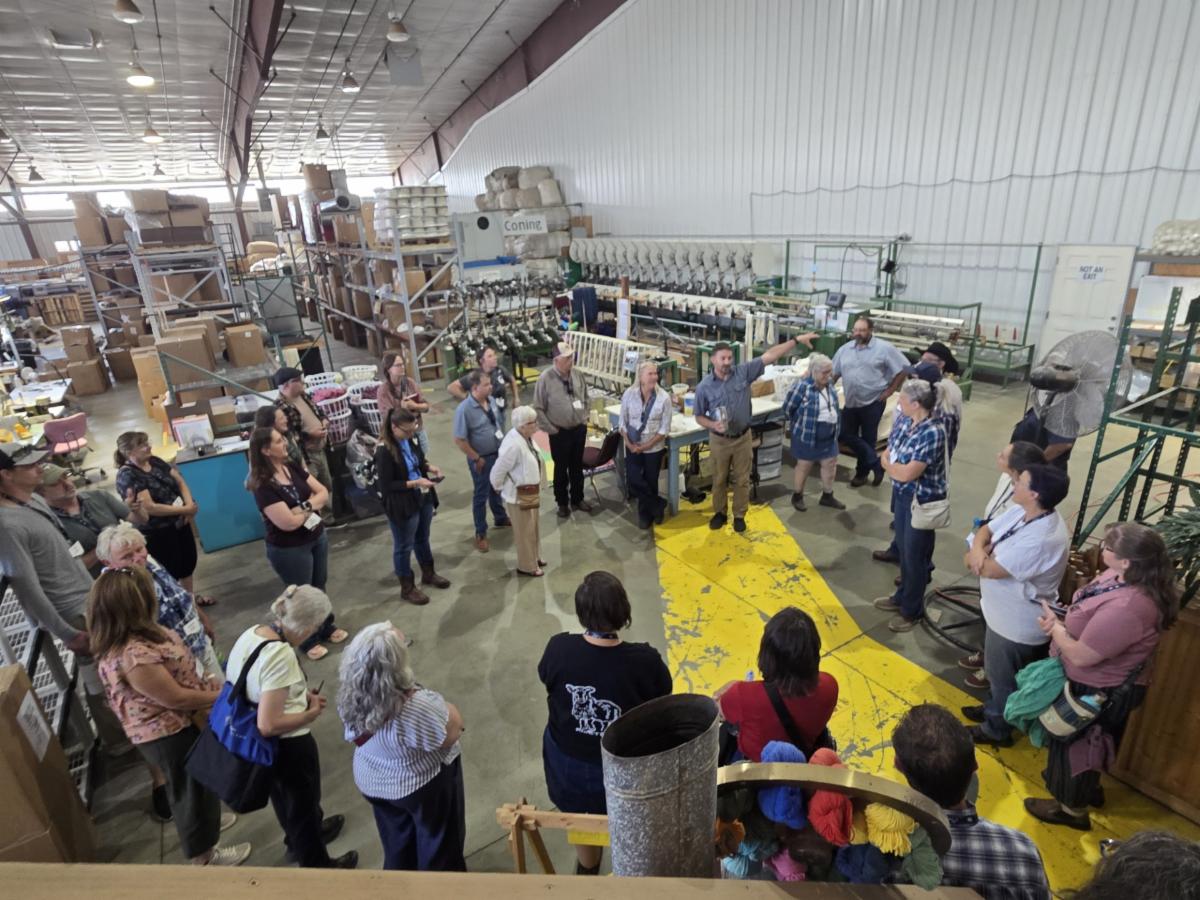
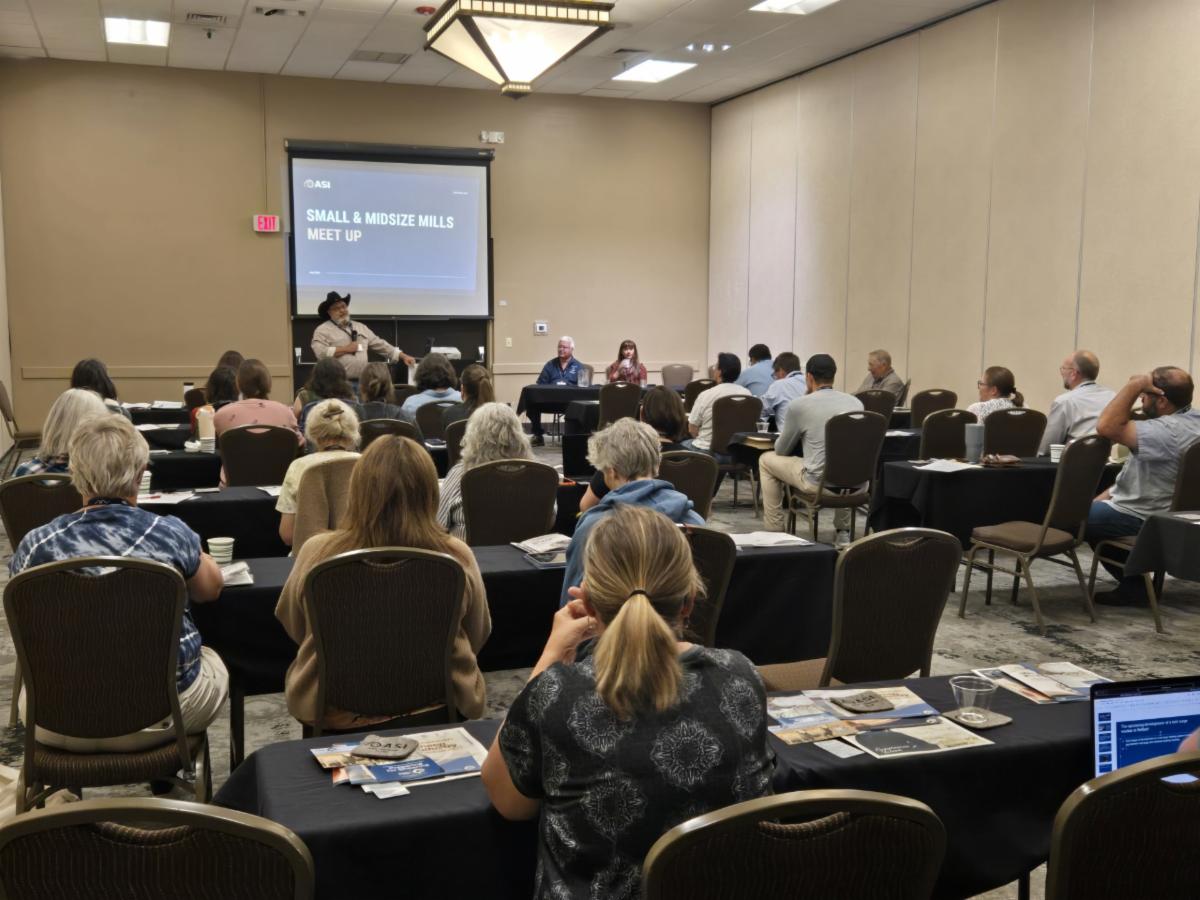
From marketing strategies and workforce development to equipment innovations and scouring solutions, one message echoed throughout the American Sheep Industry Association's (ASI) Small & Midsize Mill Meetup: the future of American wool custom processing depends on collaboration.
Held July 28-29 in Sheridan, Wyoming, the event brought together 25 owners and operators of small and midsize wool mills from across the country, along with equipment manufacturers and members of the ASI Wool Council.
Organized by ASI Wool Council member Mary Jeanne Packer, Ben Hostetler of Mountain Meadows Wool, and ASI staff, the event was the culmination of an industry-wide effort launched in 2025 to strengthen domestic small & mediums size mill wool processing and address the unique challenges facing America's mills.
| | ASI Executive Director Visits Wyoming Wool Growers
and U.S. Sheep Experiment Station | |
American Sheep Industry Association Executive Director Mike Michener traveled to Wyoming and eastern Idaho last week to meet with producers and researchers, continuing ASI’s commitment to strengthening ties across the sheep industry.
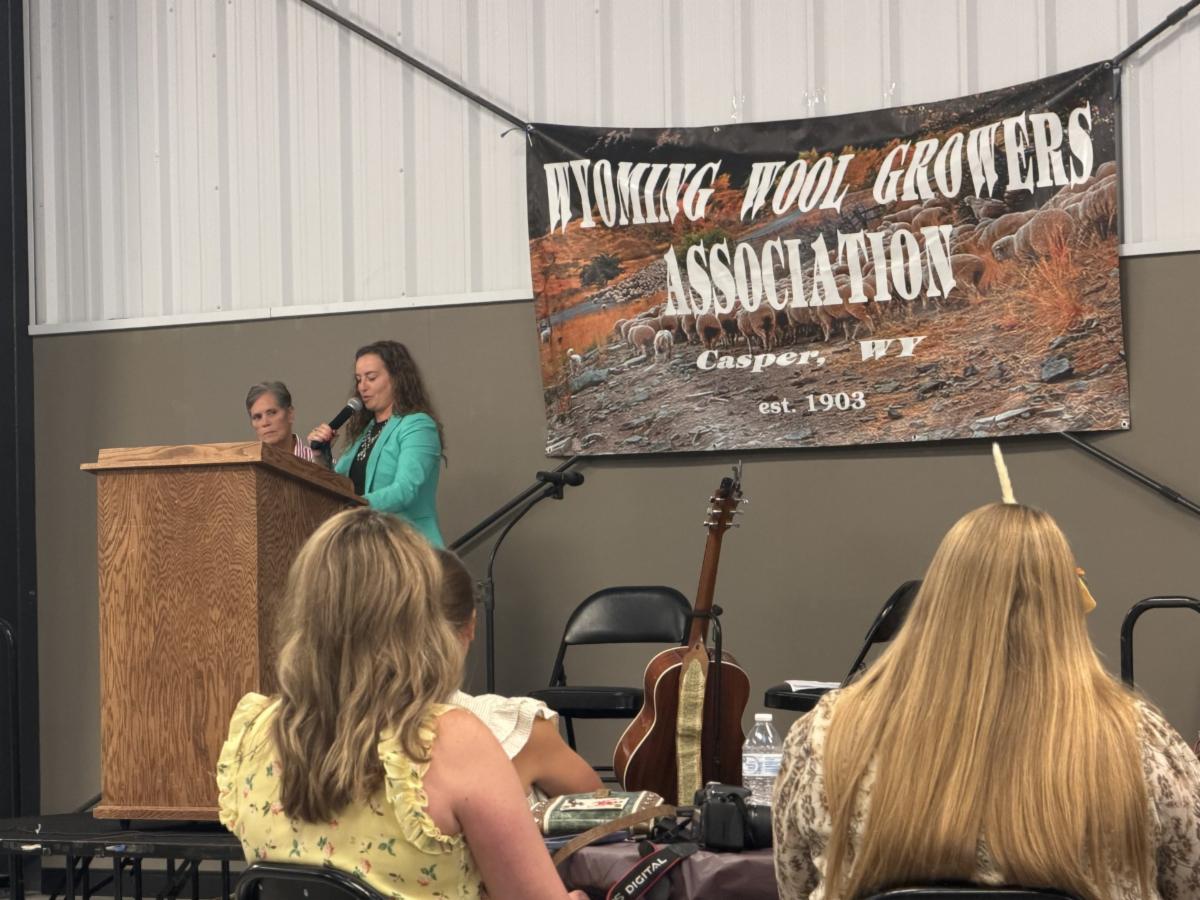
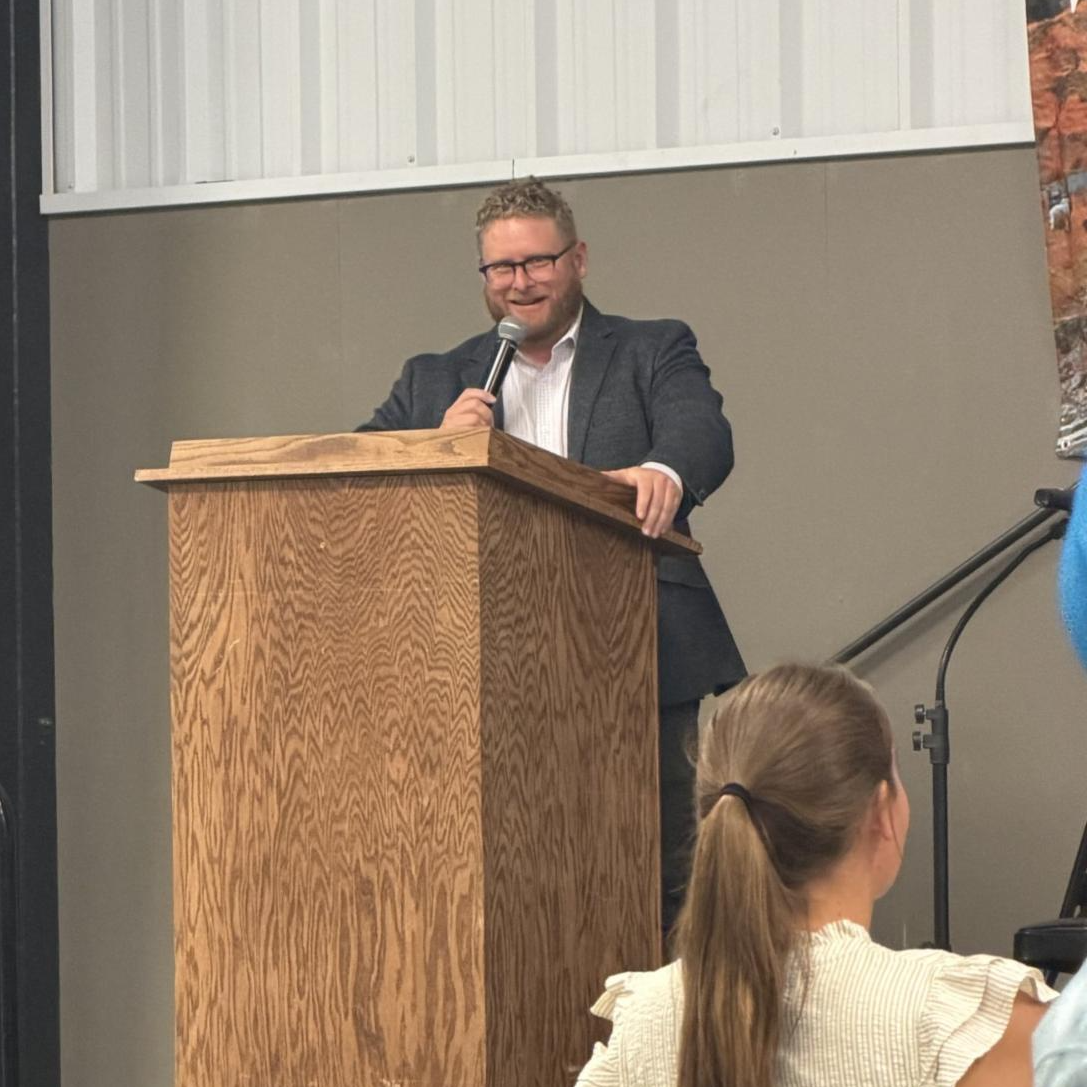
On Saturday, August 1, Michener attended the Wyoming Wool Growers Association annual meeting and banquet. The event provided an excellent opportunity to visit with producers from across the state, discuss the opportunities and challenges facing the industry, and share updates on ASI’s strategic priorities. Conversations throughout the meeting highlighted the importance of maintaining strong partnerships between state associations and the national organization as the industry works together to address animal health, predator management, wool markets, trade, and public lands issues.
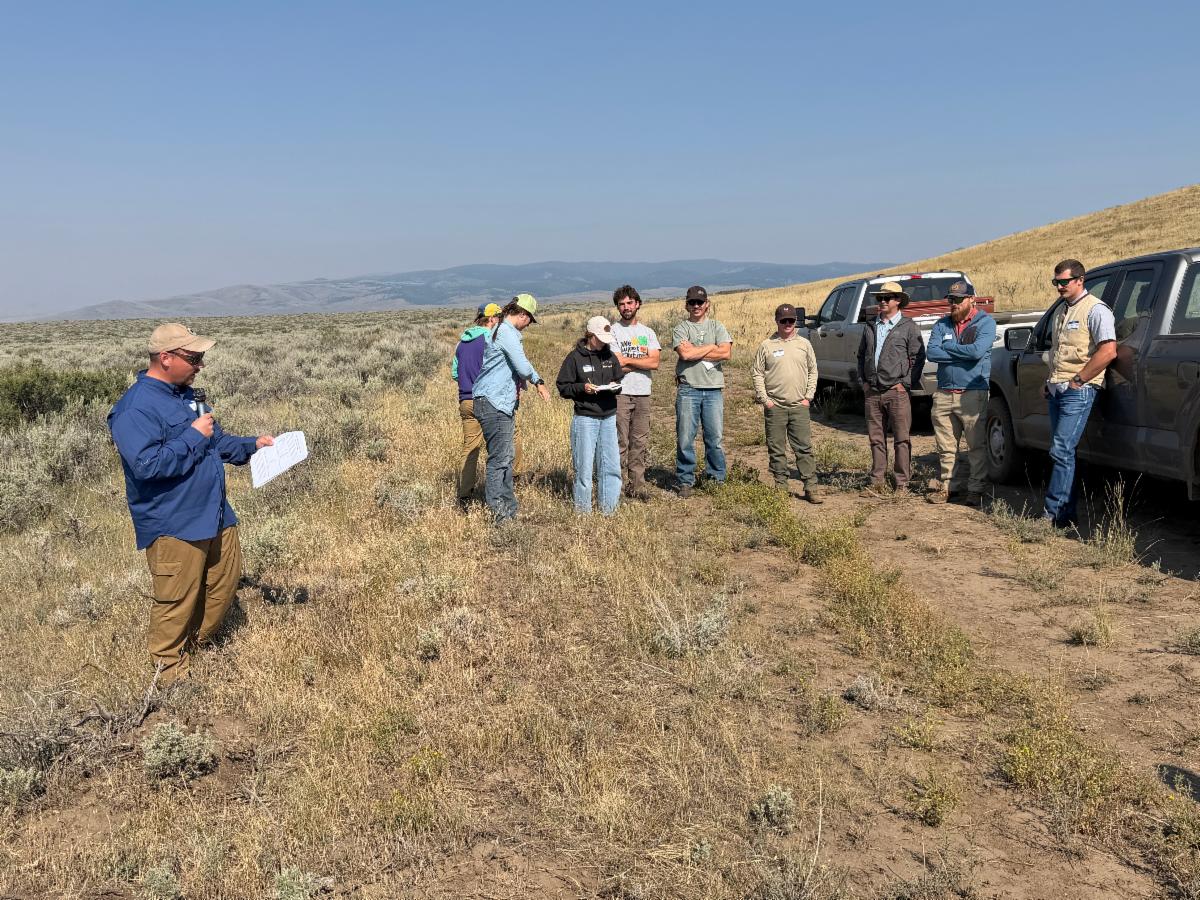
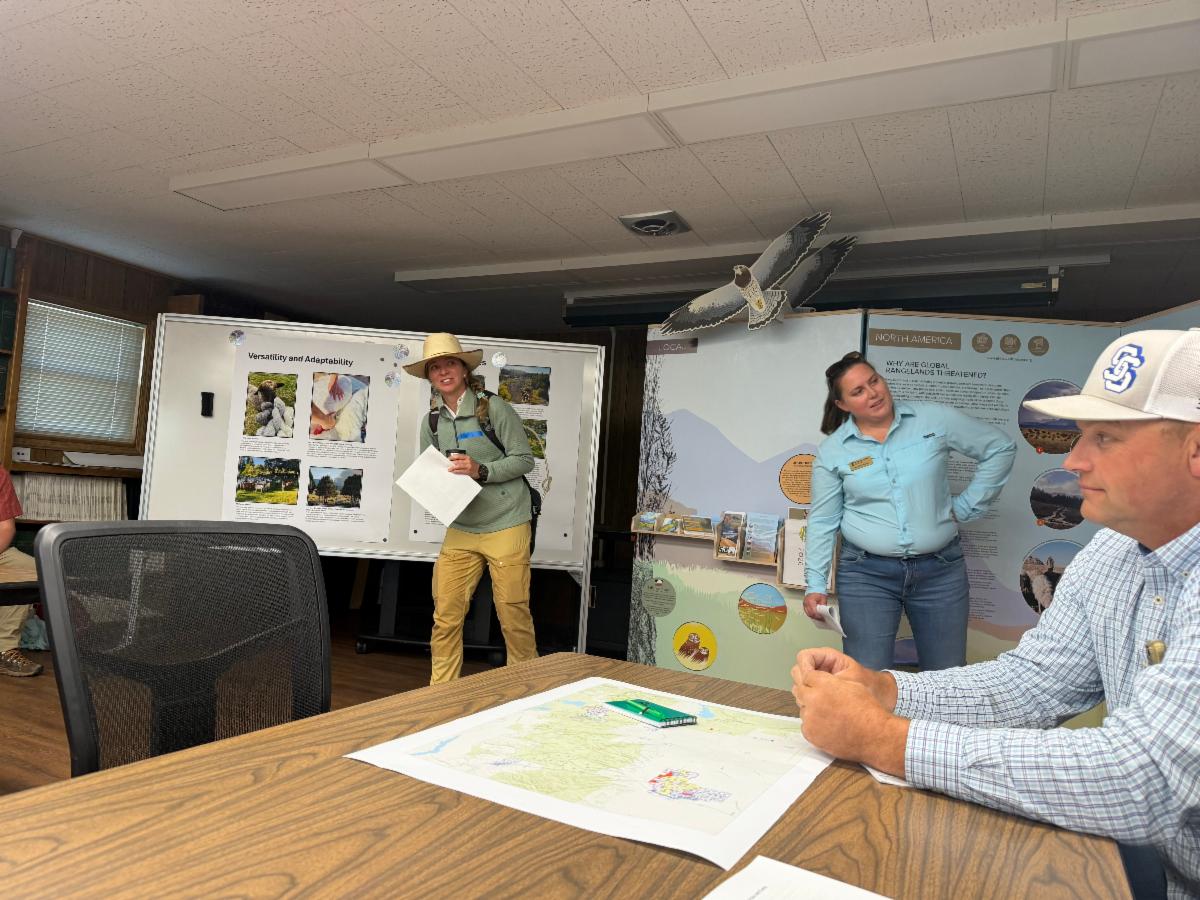
| | Michener then joined researchers, extension specialists, and producers at the U.S. Sheep Experiment Station (USSES) near Dubois, Idaho, for the annual Rangeland Collaboratory tour. Participants visited research sites and observed the Collaborative Adaptive Management Project, which is evaluating management strategies for sheep grazing under changing environmental conditions. Discussions focused on early weaning systems, drought impacts, water availability, grazing management, and how observations from this year’s research will shape future study designs. The collaborative approach—bringing together researchers and producers to evaluate results in the field and adapt future management practices—provides an excellent model for applied research that directly benefits the sheep industry. | | |
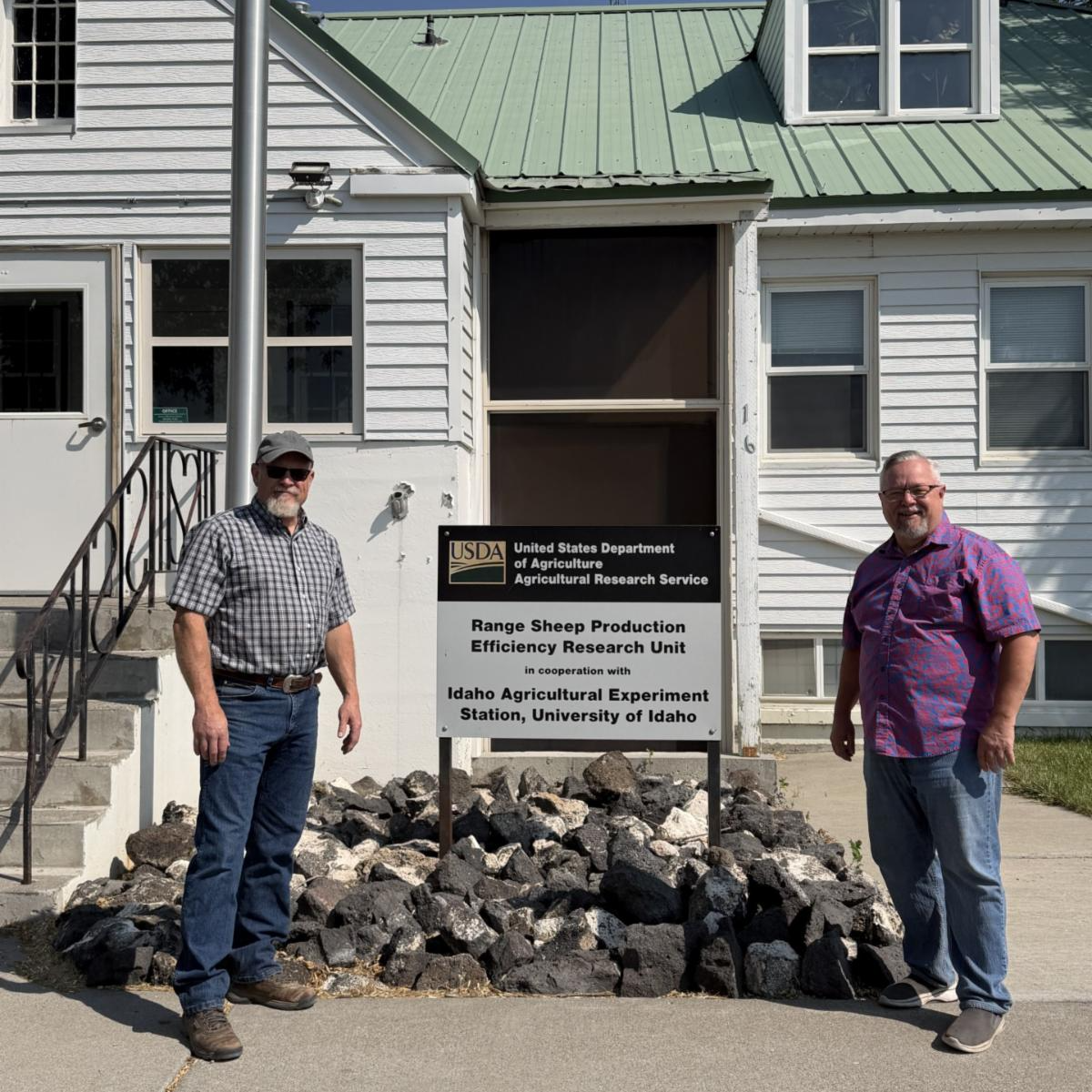
The following morning, Michener toured the USSES headquarters and facilities with Station Director Dr. Brett Taylor. Their discussions covered the station’s long history of serving the U.S. sheep industry through research on genetics, range management, nutrition, predator interactions, and flock production systems. They also explored opportunities for continued collaboration between ASI and the station to ensure research priorities remain closely aligned with the needs of America’s sheep producers.
“The U.S. Sheep Experiment Station is an invaluable national resource,” Michener said. “Seeing the research firsthand and discussing it directly with the scientists and producers involved reinforces the importance of investing in science that delivers practical solutions for sheep operations across the country. ASI looks forward to continuing to strengthen our partnership with Dr. Taylor and the entire USSES team.”
ASI appreciates the hospitality of the Wyoming Wool Growers Association, Dr. Taylor, and the USSES staff for an informative and productive visit.
| |
Public Lands Grazing Council Grant Applications | |
Applications for the first funding cycle of FY2027 PLC grant funding must be submitted no later than September 1, 2026. The next application period will open shortly thereafter.
Before applying, please review the following program materials:
Projects should serve the purpose of maintaining, protecting, enhancing, and preserving public lands grazing and be focused on improving the conditions for those engaged in the livestock grazing industry on public lands. Past funded projects have included scientific research, communications initiatives, and business development efforts that advance PLC's mission of defending and advancing the future of grazing on public lands.
Applications should clearly demonstrate how the proposed project supports PLC's mission and contributes to the long-term success of public lands grazing. Applicants are encouraged to provide enough detail for reviewers to understand the project's goals, expected outcomes, timeline, budget, and overall value to producers and the public lands grazing community.
| | NCAT Wool Quality Improvement Program | The Wool Quality Improvement Program is a multi-state initiative designed to strengthen U.S. wool markets by supporting sheep producers with direct funding, technical assistance, and market-building resources. The program helps producers improve wool quality, implement on-farm conservation practices, and access new and expanded markets for American wool and wool products. NCAT and its partners, Fibershed and New York Fibershed, will be working to expand wool markets in California, Colorado, Idaho, Montana, Nevada, New York, South Dakota, Utah, and Wyoming. | | USDA Disaster Assistance Tool | |
Have you experienced disaster related losses due to wildfires or drought this year? The USDA is offering disaster assistance programs to help eligible producers recover. Visit the USDA Disaster Assistance Discovery Tool to learn more about how the USDA can support you.
| | ASI is working year-round to advance producer priorities across the country. Here’s what’s happening, what it means, and what’s next. | | Farm Bill Fails in Senate Ag Committee Markup | | |
On the morning of Thursday, August 6, the Senate Agriculture Committee began marking up its long-awaited Agricultural Act of 2026. The updated legislation largely reflected the text that was introduced in early June, however it added language that would permit year-round, voluntary sales of E15, and a one-year delay of the Supplemental Nutrition Assistance Program (SNAP) benefit cost-sharing requirement. On Tuesday evening, over 200 amendments were submitted by members of the Committee, and of that, 34 were passed in the managers' amendment by voice vote during the markup. Of note, included in the legislative text is a study for a risk management tool for the domestic sheep industry, among other initiatives to support the livestock industry. Ultimately, the bill failed along party lines, with a 10-11 vote. While the fate of the farm bill moving forward in this Congress is currently unknown, Senator John Boozman (R-AR) has committed to bringing the Committee back after the August recess to reconsider passing the bill. At the end of this week, the Senate will leave town for August recess, with hopes of rallying support for other must pass packages like a continuing resolution funding bill, the National Defense Authorization Act, and perhaps other initiatives like the farm bill before November elections.
-
Click here for revised legislative text
-
Click here for a title-by-title summary
-
Click here for a section-by-section
-
Click here for an overview
-
Click here for the link to watch the Committee markup
| | Senate Appropriations Committee Introduces Stopgap Funding Bill | | |
On Sunday, August 2, the Senate Appropriations Committee Chair Susan Collins (R-ME) released text of a continuing resolution (CR) to extend government funding past the September 30 fiscal year-end deadline. It is worth noting that the Senate has yet to introduce any of its FY27 appropriations bills at this point in time. The Senate's CR would fund federal agencies through December 11 and delay the November effective date of the ban on most hemp products. Senate leaders have set a procedural vote for this evening and are aiming to pass the stopgap measure by the end of the week, as legislators are scheduled to leave Washington for a five-week recess starting Friday. This follows the House of Representative's July 21 passage of its own CR, which would fund the government through December 4, just before lawmakers left for their five-week recess. You can find a copy of the Senate's proposed CR and supporting materials below:
-
Click here for the Division A Continuing Appropriations Act of 2027
(Appropriations Committee)
-
Click here for the Extensions Divisions (Authorizing Committees)
-
Click here for a Section-by-Section
| | USDA Announces Investment in New Sterile Fly
Dispersal Facility | | |
Last week, Agriculture Secretary Brooke Rollins announced a $25 million investment toward the opening of a new sterile fly facility in Douglas, Arizona to strengthen the U.S. Department of Agriculture’s (USDA) response to the New World screwworm (NWS). While the exact location and operation plan for the new facility have yet to be determined, construction is not expected to be a long process. The investment comes as USDA has taken steps to mitigate the spread of the pest since its presence in the U.S. starting earlier this summer. This announcement comes in addition to last week’s announcement on the phased reopening of southern livestock ports contingent upon Mexico’s continued adherence to the Joint Action Plan to combat NWS, set to begin on Monday, August 24.
See the announcement regarding the investment here.
| USDA Clarifies Wetland Mapping Rule | |
Last week, USDA announced a new rule on wetland determinations, ending more than two years of legal uncertainty for producers planning drainage or land cleaning. A federal judge in 2024 found that the Natural Resources Conservation Service (NRSC) violated the Administrative Procedure Act by changing how it handled wetland determinations made before 1996 without explaining the shift. Under the rule, farmers will not lose eligibility for commodity programs, farm loans, or crop insurance subsidies if the determination, which must have been issued after November 28, 1990, shows the area is not a wetland. USDA also said NRCS will not replace prior certified wetland determinations unless the producer requests a review. While the regulation took effect last Wednesday, USDA will take public comments for 60 days.
Read the interim rule here.
| |
|
Wrap Up Summer Strong with American Lamb Promotions
As summer winds down, farmers markets, county fairs, harvest festivals, retail promotions, and community events continue to provide excellent opportunities to introduce consumers to the outstanding flavor and versatility of American Lamb. Whether shoppers are stocking up for Labor Day cookouts or looking ahead to hearty fall meals, educational resources and promotional materials can help inspire confidence and increase purchases.
Read the American Lamb Board’s newsletter here: https://lambboard.com/
| | | | Your weekly snapshot of key market rates and reports (U.S. and global) to help you stay ahead of pricing and demand shifts. | | |
Wool Market Recess
The market will now pause for a three-week recess, with reports resuming the week of August 17.
About the EMI: The AWEX Eastern Market Indicator (EMI) is the key benchmark index of Australian wool auction prices and is widely used as a global wool market indicator.
| | LDP Payments Available This Week | | Graded Wool, Clean Prices in $ Per Pound | | | Micron | LDP Available | | >29 micron | No LDP Available | | | Ungraded Wool, Grease Prices in $ Per Pound | | | Ungraded Wool | $0.2668 LDP Available | | | Unshorn Pelts, Prices in $ Per Pelt | | | Unshorn Pelt | $1.831 LDP Available | | | Note: Producers must visit their Farm Service Agency office and fill out the appropriate paperwork before the wool or unshorn lambs are sold to claim the Wool LDP (when available). | |
|
USDA Weekly Sheep, Lamb, & Wool Market Summary
The report is generally updated on Friday afternoon.
| | |
ASI Wool Calculator
Adjust micron, yield and quality of wool percentage with ASI's Wool Calculator to estimate the value of your wool today, or the potential value of wool if genetics or management practices were changed.
| | |
Aug 13: Hand Dyeing Wool & Other Fiber, Claremore, OK - More info
Aug 13: Washing Fiber Class, Claremore, OK - More info
Aug 22: 51st Annual Virginia Performance Tested Ram Lamb & Ewe Lamb Sale and Sheep Field Day, VA - More info
Sep 8: Virginia Tech 27th Annual NSIP Production Sale (online) - More info
| |
| |
|
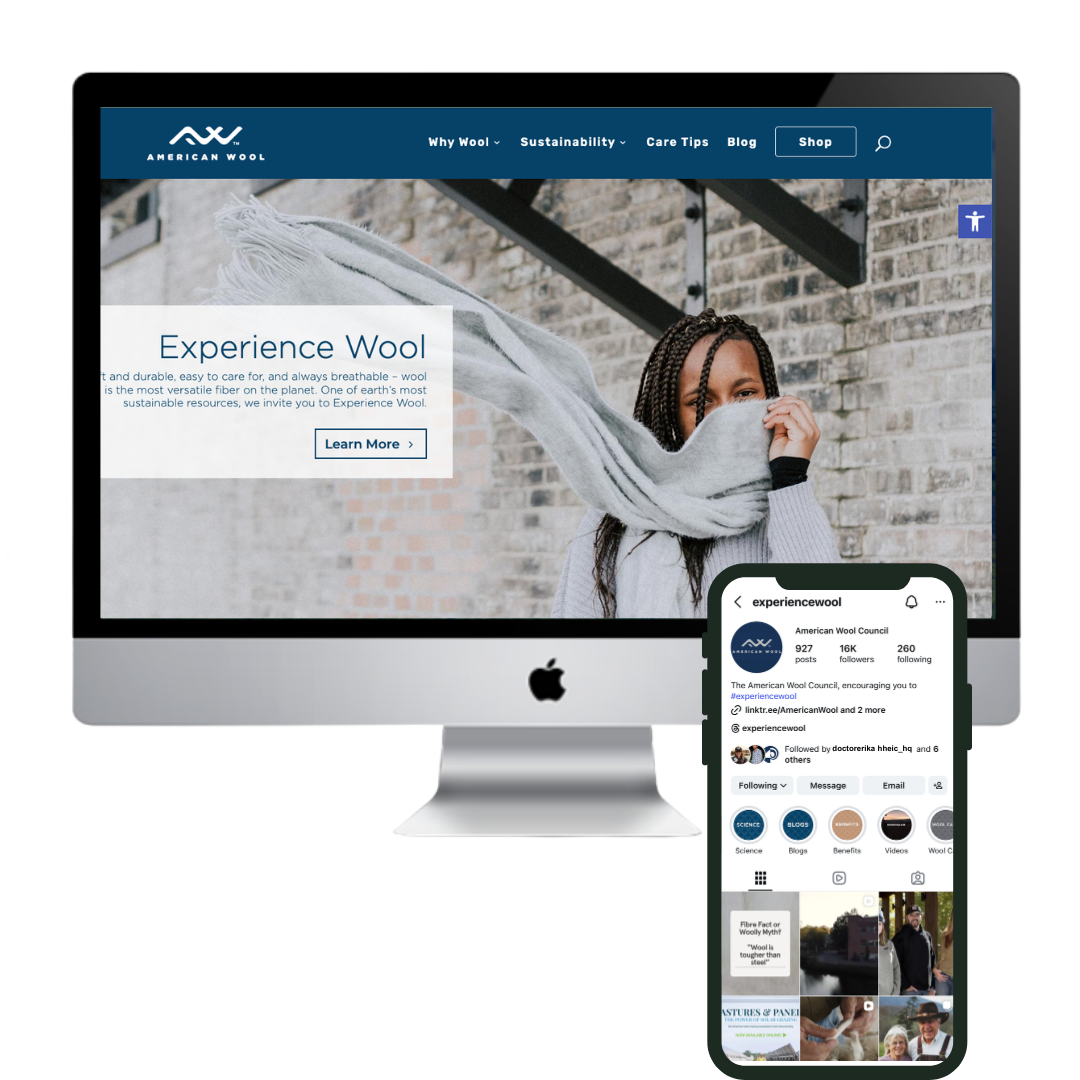
Experience Wool is ASI’s consumer hub: wool education, product inspiration, and American wool stories in one place.
Explore at americanwool.org and follow @experiencewool.
| | | | | | |
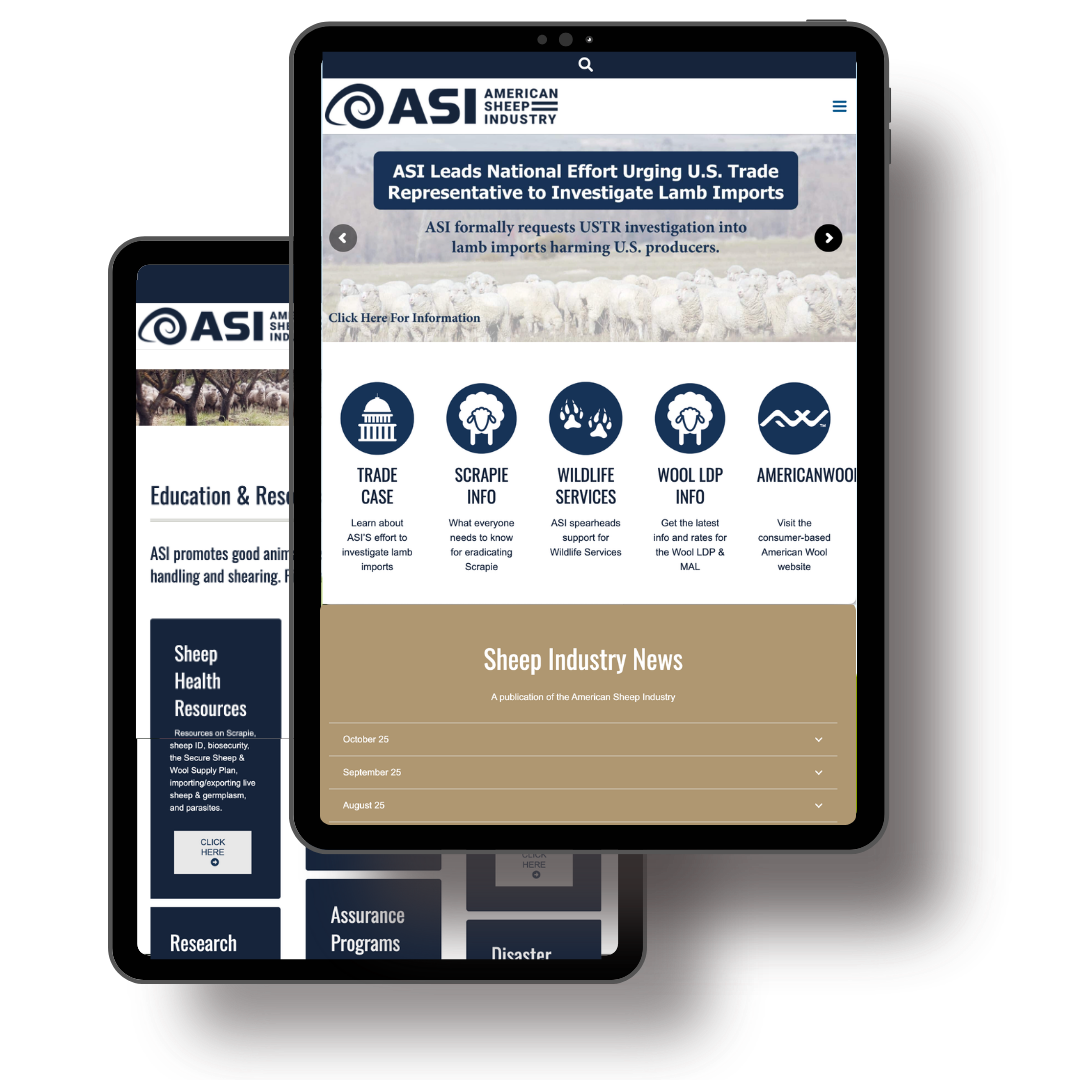
Get educational info, industry contacts, policy updates, breeder information, and more at sheepusa.org
| | | ASI operates in accordance with Federal civil rights law and U.S. Department of Agriculture civil rights regulations and policies, and complies with all equal opportunity, non-discrimination and affirmative action measures applicable to it under these. ASI is an equal opportunity employer and provider. |
| | | |