|
Dear ASL Friends,
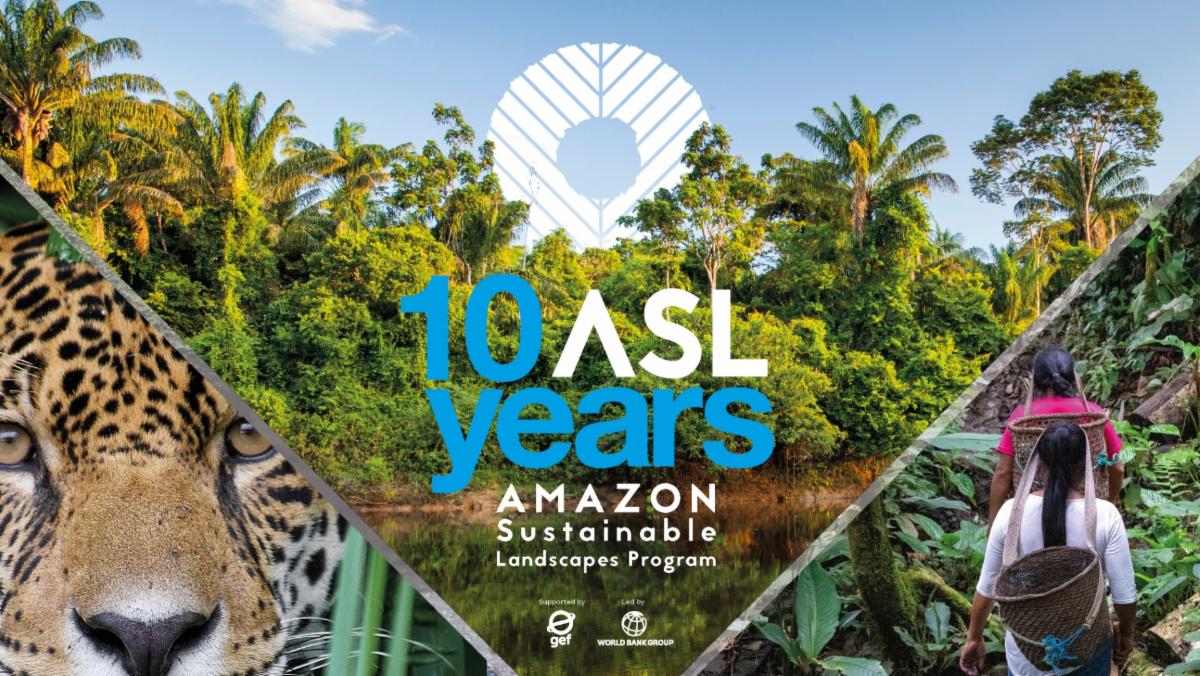
Over the past few months, the Amazon Sustainable Landscapes Program (ASL) has reached several major milestones—from the release of the 2025 ASL Progress Report to a new World Bank results story on a decade of transformational change in the Amazon.
We’re especially thrilled to share the launch of the Amazon Food Atlas together with the Amazon Conservation Team (ACT). This collective effort brings traditional foodways and community stewardship to the forefront of Amazonian conservation. In this issue's Echoes from the Amazon, we feature Maria Oliveira, a young riverine leader from Brazil whose work on the Atlas bridges ancestral culinary wisdom with digital storytelling.
We’re also pleased to announce the winning shots from our regional "Amazon Through Our Eyes" photo contest, alongside updates on park ranger capacity, river dolphin protection, and high-level finance dialogues in Lima and Paris.
Thank you for being part of this ongoing journey. As always, we welcome your insights and contributions to enrich our community and encourage you to contact us via email or through our website.
Warm regards,
The ASL Regional Team
| | News from the ASL regional project | | Meet the winners of the Amazon Through Our Eyes photo contest | | |
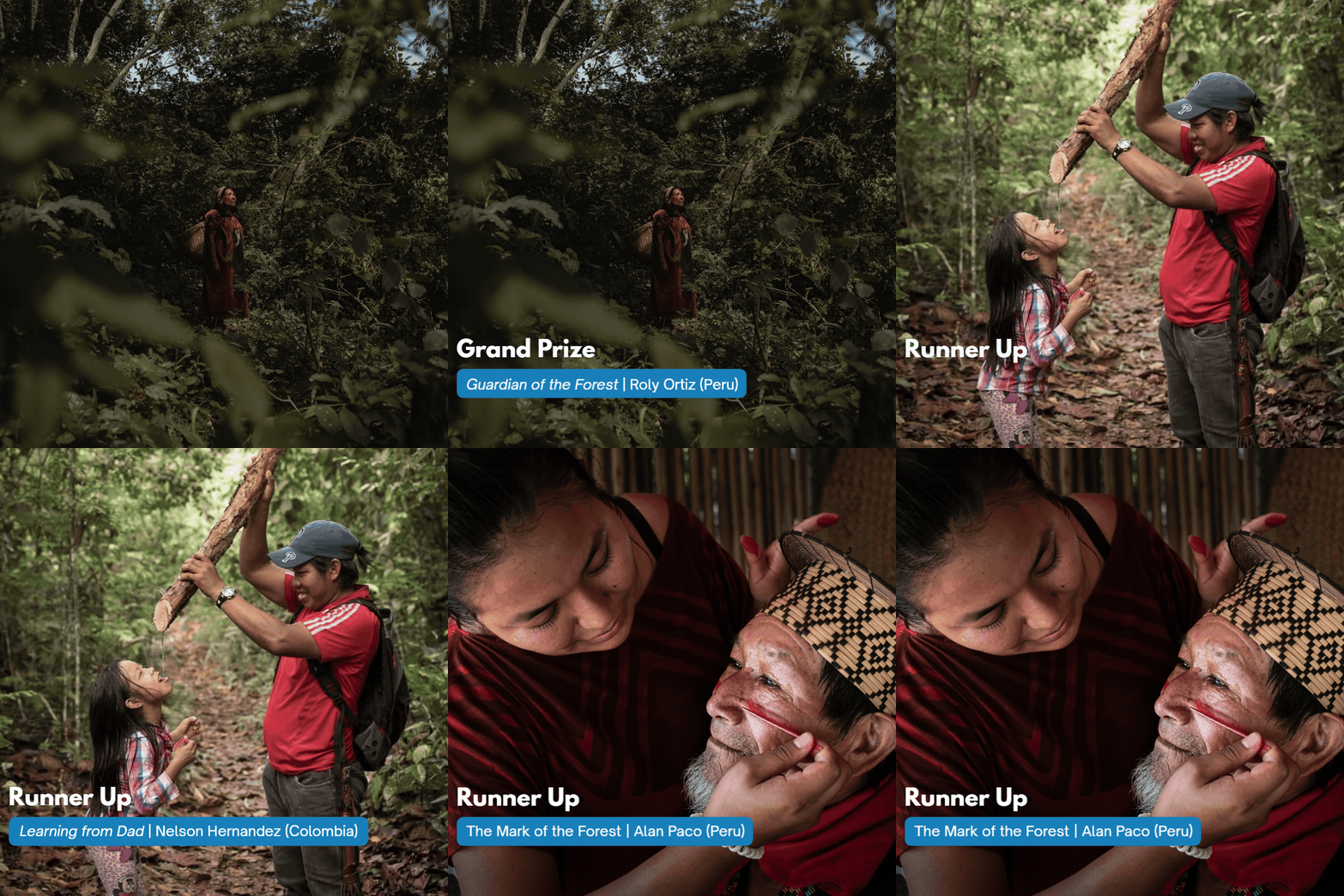
Following inspiring entries from across the region, we are thrilled to announce the winners of our regional photo contest! Selected by our panel of expert judges, these evocative images highlight the deep connections between local communities, biodiversity, and sustainable landscapes in the Amazon.
Grand Prize Winner: Guardian of the Forest by Roly Ortiz (Peru)
Runner Up: Learning from Dad by Nelson Hernandez (Colombia)
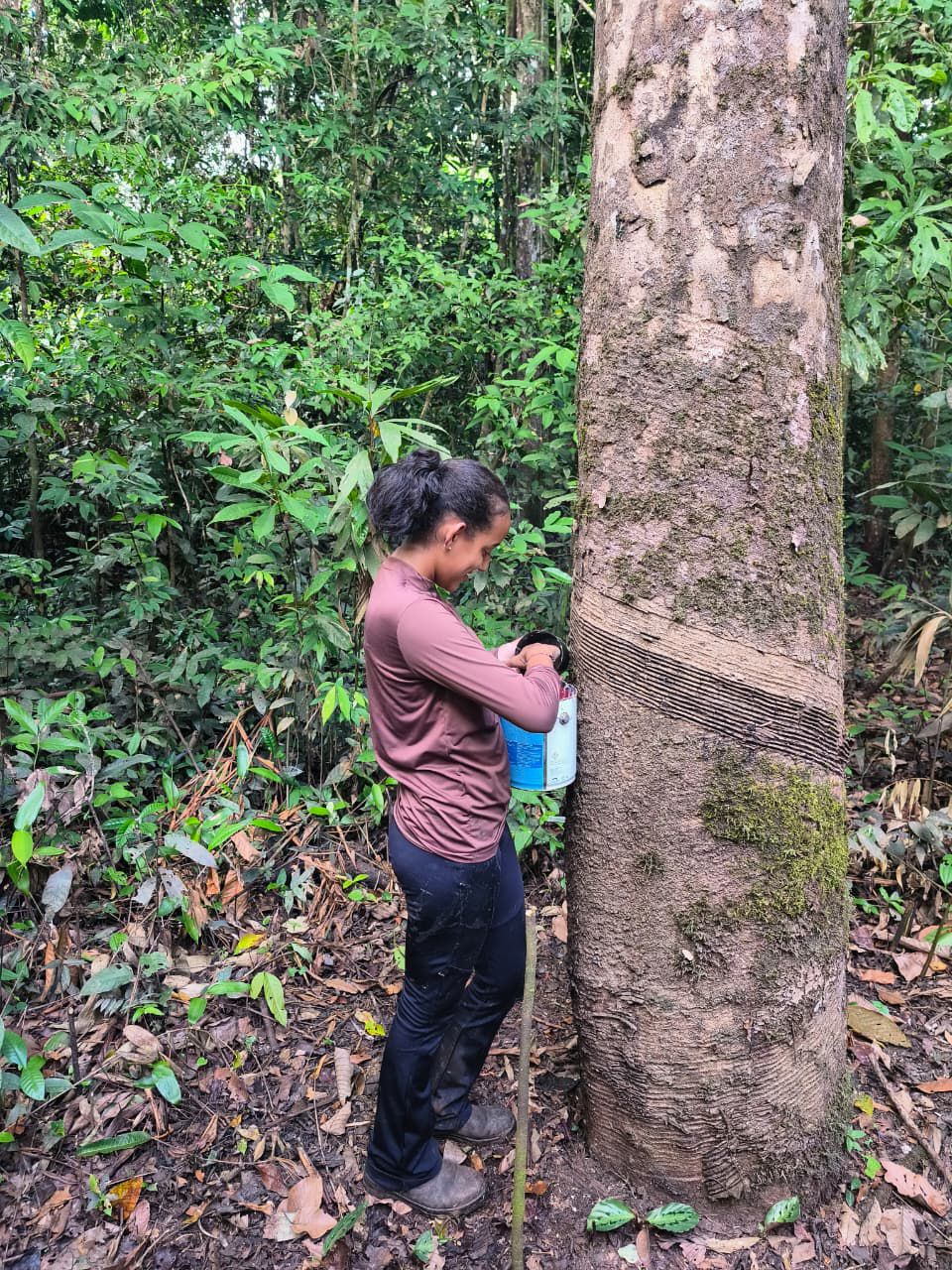
Runner Up: The Mark of the Forest by Alan Paco (Peru)
Thank you to everyone who captured and shared their vision of the Amazon. We invite you to explore all winning images, as well as other standout images in our interactive gallery.
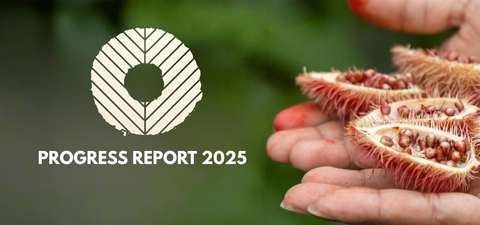
| | New publication: ASL 2025 Progress Report | | The ASL's 2025 Progress Report presents key milestones achieved across our eight-country program, including the strengthened management of over 90 million hectares of protected areas, expanding ecosystem restoration, and scaling sustainable land-use practices. Explore how our joint efforts, regional collaboration, and community-led solutions are delivering measurable impact across the basin. | | Second twining exercise: Connecting landscapes, knowledge, and governance for the Amazon | | |
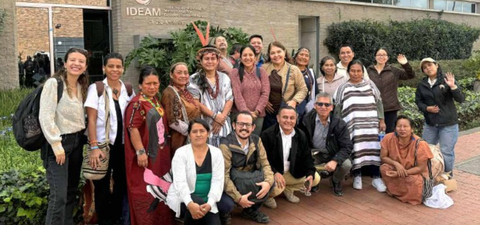
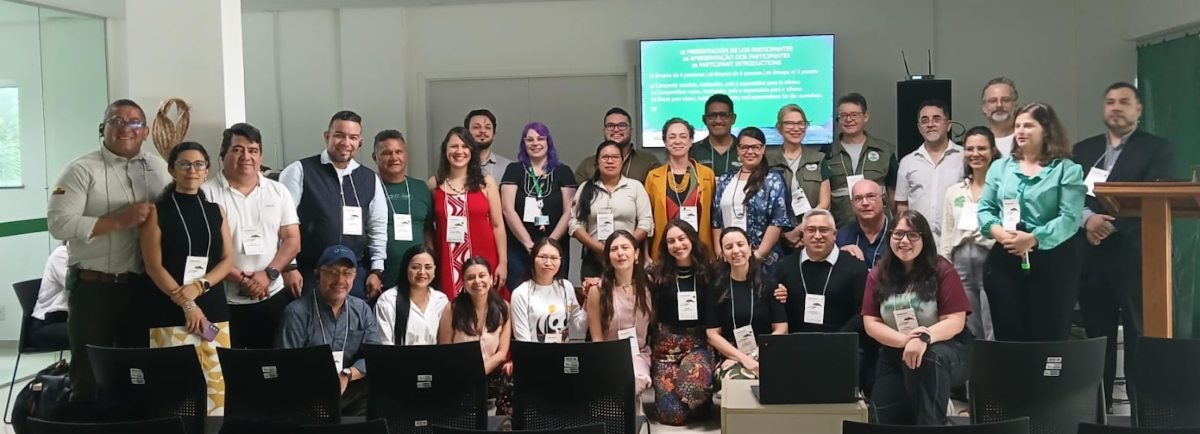
Building on the first gathering in Satipo, Peru, the Heart of the Amazon and Amazonian Forests projects convened in Bogota and Putumayo, Colombia, from July 13–18 for their second twinning exchange. Bringing together environmental ministries, protected area agencies (SERNANP, Parques Nacionales Naturales), technical institutes (IDEAM, SINCHI, Corpoamazonia), and local authorities alongside Indigenous leaders from the Asháninka, Ashéninka, Matsigenka, Cofán, Emberá, and Tuyuca peoples, the encounter focused on peer-to-peer learning to strengthen landscape connectivity, territorial governance, and joint binational action plans for sustainable forest management. By directly addressing cross-border conservation challenges, the delegation established concrete commitments and a joint binational roadmap to safeguard shared Amazonian landscapes while supporting local community livelihoods. Photo: Profonanpe
Read the article and post
| | Blog: How Amazonian rangers are building better jobs on the frontline of conservation | | |
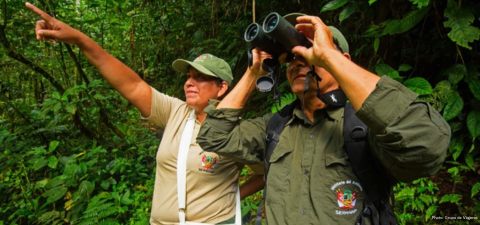
Park rangers are the frontline guardians of the Amazon, but their impact extends far beyond protection. This blog post explores how investments in training, capacity building, and improved working conditions for Amazonian park rangers are creating better green jobs while safeguarding vital ecosystems, drawing directly on key lessons and experiences from this ASL-supported initiative.
| | World Bank results feature: A Decade of Transformational Change in the Amazon | | |
This World Bank results story highlights how integrated conservation strategies, sustainable bio-businesses, and community stewardship have driven lasting environmental and economic impact across the basin and are protecting vital rainforest ecosystems while creating sustainable green jobs for local populations.
| | Strengthening emergency response for Amazon river dolphins | Co-organized by the ASL regional project and the South American River Dolphin Initiative (SARDI) in Manaus, Brazil, this three-day regional workshop held May 26–28 convened 35 technical experts and government focal points from six Amazonian countries (Bolivia, Brazil, Colombia, Ecuador, Peru, and Venezuela). Sparked by the 2023 climate-driven mass mortality event in Lake Tefé, Brazil, participants aligned national legal frameworks, standardized field protocols for rescue and carcass management, and explored machine-learning and satellite-based early warning platforms to protect vulnerable dolphin populations across shared watersheds. Park rangers are the frontline guardians of the Amazon, but their impact extends far beyond protection. | | Advancing bioeconomy & regional finance at Amazon Week | The ASL participated in "Amazon Week in Paris," hosted by the Embassy of Brazil. Bringing together civil society, public institutions (AFD, CGEE), and private sector actors, the event focused on bridging the gap between bioeconomy policy and ground-level implementation. Discussions highlighted innovative financing mechanisms like the Tropical Forests Forever Facility (TFFF), capacity building for regional banks, and strategic opportunities to scale sustainable Amazonian supply chains. | |  | Conservation Finance for Amazonia workshop | |
In early July, this three-day event brought together experts to advance Amazonia Bonds, debt-for-nature swaps, and high-integrity nature markets. Co-supported by the ASL Program and Conservation International, it included discussions that underscored that closing the Amazon’s financing gap requires an integrated financial architecture where Indigenous Peoples and local communities serve as genuine governance partners rather than just beneficiaries.
| |
Content Spotlight: Amazon Food Atlas | |
The Amazon Food Atlas is a regional set of knowledge products that places traditional food systems, local gastronomy, and community stewardship at the heart of conservation. Commissioned by the ASL Program and developed by the Amazon Conservation Team (ACT), it brings together 14 Indigenous and traditional communities across seven countries (Bolivia, Brazil, Colombia, Ecuador, Guyana, Peru, and Suriname) to document ancestral foodways, protect local biodiversity, and strengthen climate resilience. The Atlas is an interactive, multi-format experience designed to bring Amazonian foodways to life through a book, podcasts, short videos, and an educational game.
In early July, the ASL team, national project partners, and community representatives met in Leticia, Colombia, for a regional exchange to share knowledge and finalize this collaborative effort ahead of its public launch. Explore this living tool to discover the recipes, wisdom, and conservation practices shaping the future of the Amazon basin.
| | | | Stories from our active national projects | | Communities Restoring Life – Heart of the Amazon, Colombia | | |
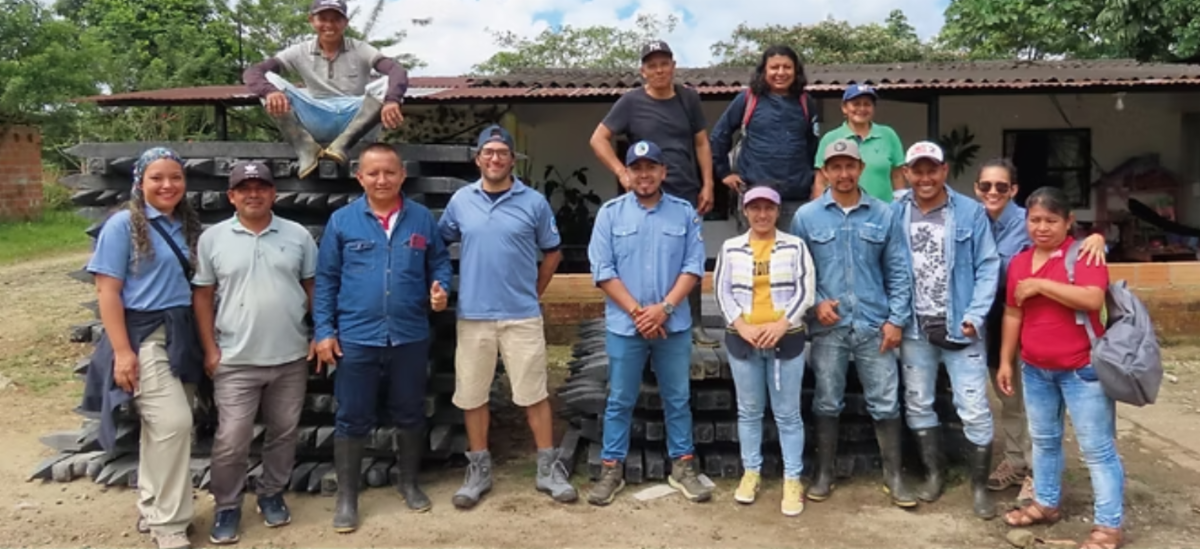
Under the Heart of the Amazon project, collective agreements for participatory ecological restoration were signed between the Orito Ingi-Ande Medicinal Plants Flora Sanctuary and Community Action Boards (Juntas de Acción Comunal) across eight villages. Targeting 100 hectares for restoration, the initiative equips local communities with key tools and hardware to directly restore degraded ecosystems, protect biodiversity, and strengthen regional landscape connectivity. Photo: Heart of the Amazon project.
| | Official recognition of the Yasuní-Limoncocha-Cuyabeno Corridor – Amazon Connectivity Corridors, Ecuador | | |
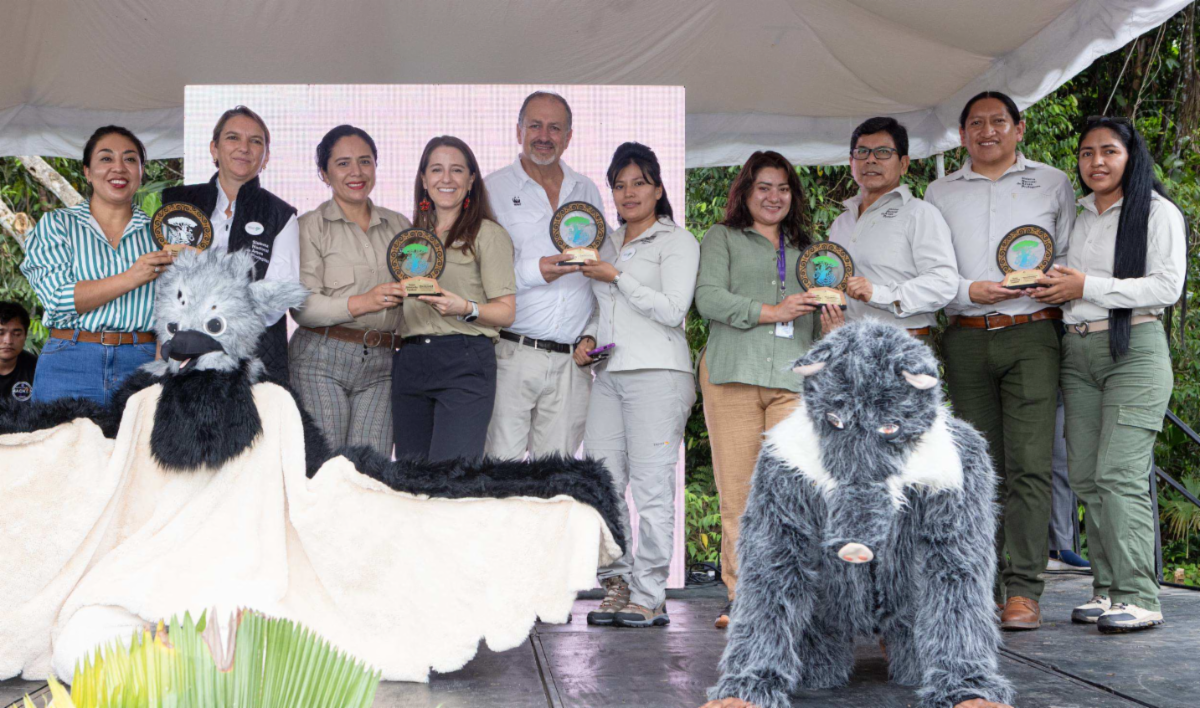
On July 23, in the Kichwa community of Parutuyacu, Ecuador officially recognized the Yasuní-Limoncocha-Cuyabeno Connectivity Corridor, spanning nearly 173,340 hectares of high-biodiversity forest. Connecting Yasuní National Park, the Limoncocha Biological Reserve, and the Cuyabeno Fauna Production Reserve, this new conservation status prevents habitat fragmentation while integrating Kichwa, Siona, and Siekopai Indigenous territories into a unified landscape conservation model. Photo: CI Ecuador
| | Conservation of Ramsar sites across Amazonian lakes – Amazonian Forests, Peru | | |
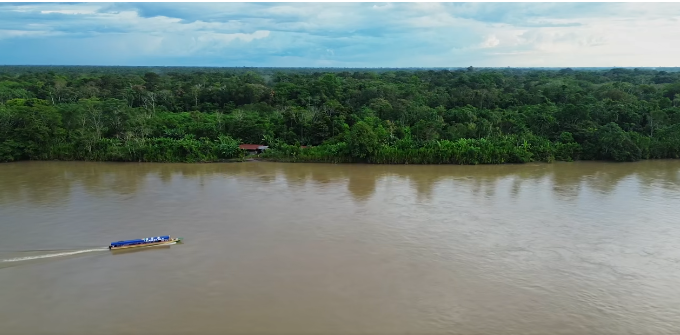
The ASL Peru project “Amazonian Forests” launched an initiative focused on strengthening protection, local governance, and community stewardship across designated Ramsar Sites of International Importance in the Amazonian lakes system in Peru. By integrating local monitoring with wetland conservation strategies, the project safeguards critical aquatic biodiversity and supports sustainable fisheries for local communities.
| Strengthening bio-business chains through mycoculture and eco-design – Amazonas Biome project, Venezuela | |
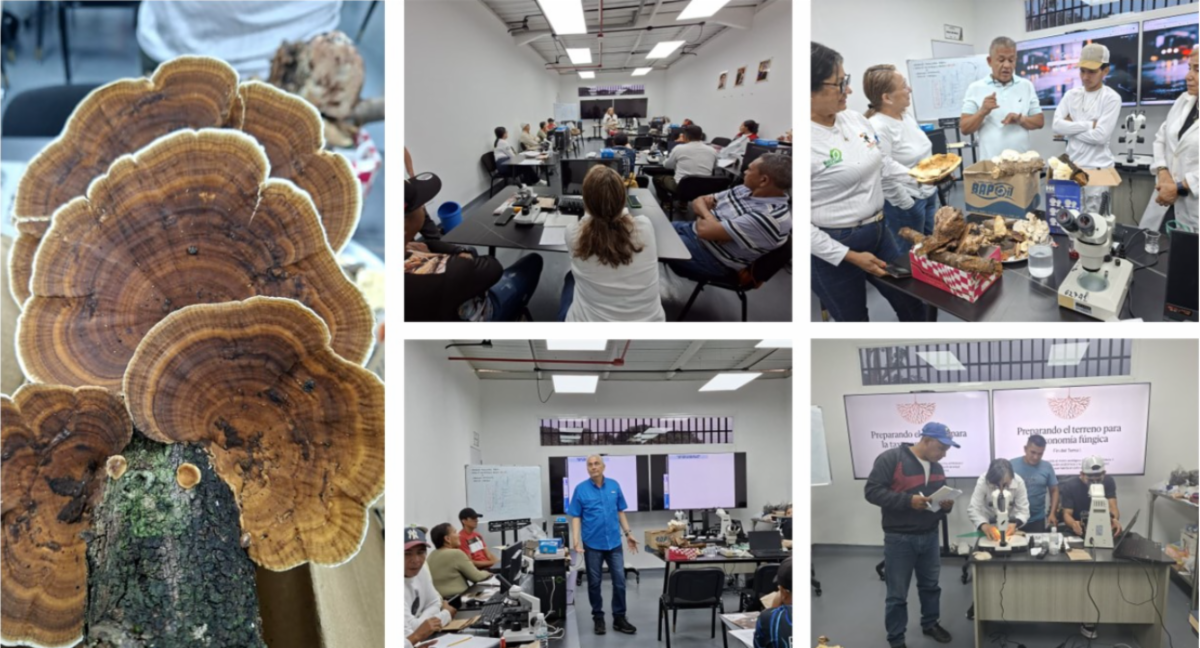
The Amazonas Biome project partnered with the Ministry of People's Power for Science and Technology, University of the Andes, and local authorities to launch a 120-hour diploma program on mycoculture, eco-design, and bio-business value chains. The hands-on training brought together 23 leaders from institutional partners and six Indigenous Peoples (Jivi, Huottöja, Baré, Yanomami, Kariña, and Baniva) to bridge scientific research with traditional knowledge. By focusing on sustainable mushroom cultivation and circular economy models, the initiative strengthens local capacities to safeguard biocultural heritage and drive sustainable economic alternatives in the Venezuelan Amazon.
| | This edition highlights inspiring youth leadership from the Amazon, showcasing stories of stewardship, traditional knowledge, and the deep connections between local communities and the forest. | | |
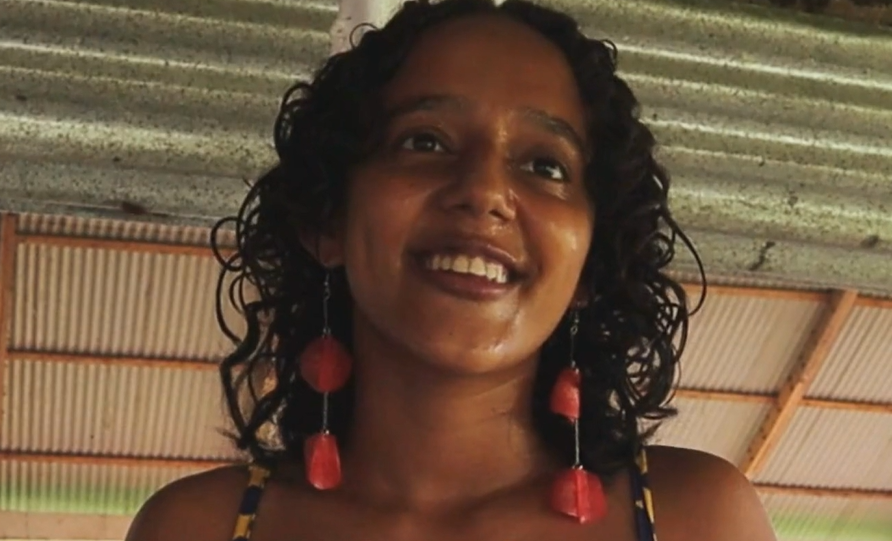
Maria Oliveira, an 18-year-old youth leader, digital communicator, and social mobilizer from the São Raimundo community along the Médio Juruá River in Carauari, Amazonas, Brazil, is helping bridge ancestral wisdom and digital storytelling. During the mapping process for the Amazon Food Atlas, Maria helped mobilize her community—especially local youth—to document traditional food sources, including mandioca (cassava for making farinha), pirarucu fish, and quelônios (freshwater turtles).
| | "For us riverine people, food is an essential part of life. Mapping our traditional ingredients in the Amazon Food Atlas helped our community realize the extraordinary richness and diversity of what we have right in our territory." | | |
Today, she is part of the Women's Network of the Central Amazon Biosphere Reserve (RBAC), which connects artisans, extractivists, educators, and young leaders across Amazonian territories. She dreams of one day opening a collaborative space in Manaus where women’s forest products can be sold in the same space, letting each piece tell the story of its territory.
"Youth are the most important pillars to carry conservation forward as our elders pass. We use technology—photos, archives, and mini-documentaries—to capture and protect our elders' knowledge so that traditional wisdom isn't lost."
By blending digital tools and video interviews with the deep knowledge passed down by community elders, Maria engages young people and women to safeguard their cultural heritage, strengthen social movements, and lead ongoing conservation across the Médio Juruá territory.
| | The Amazon Sustainable Landscapes Program (ASL), funded by the Global Environment Facility (GEF) and led by the World Bank, adopts an integrated regional approach across Bolivia, Brazil, Colombia, Ecuador, Guyana, Peru, Suriname, and Venezuela. Its primary objective is to enhance integrated landscape management and ecosystem conservation in priority areas of the Amazon. | | | | | |