|
Dear ASL Friends,
2026 has so far been a year of reflection and celebration for the ASL. As we step beyond our first decade, we are inspired by the resilience, innovation, and dedication of the people and communities working to protect the Amazon.
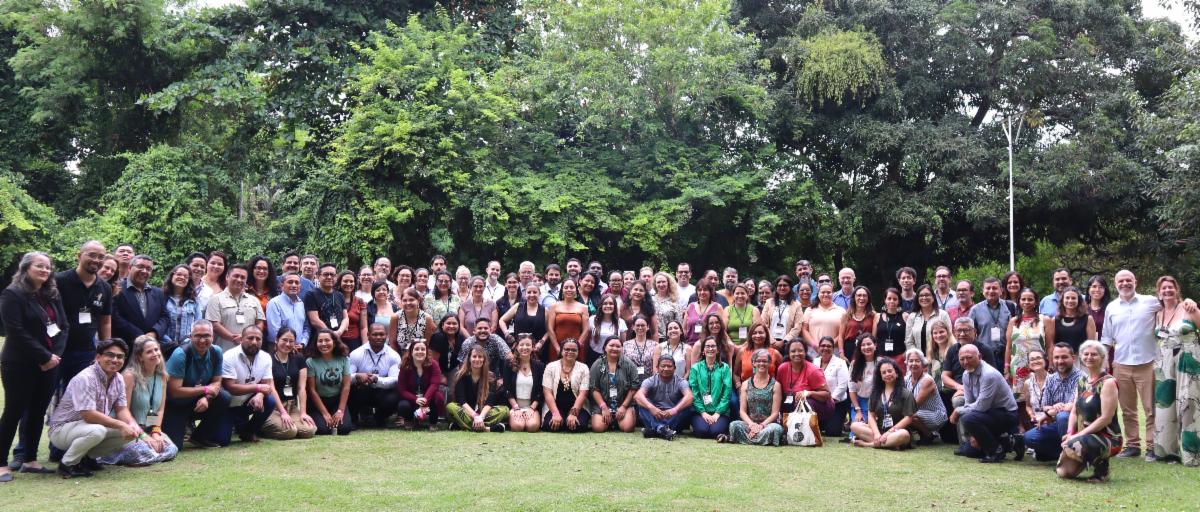
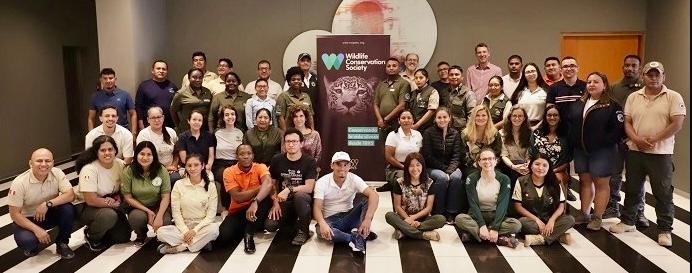
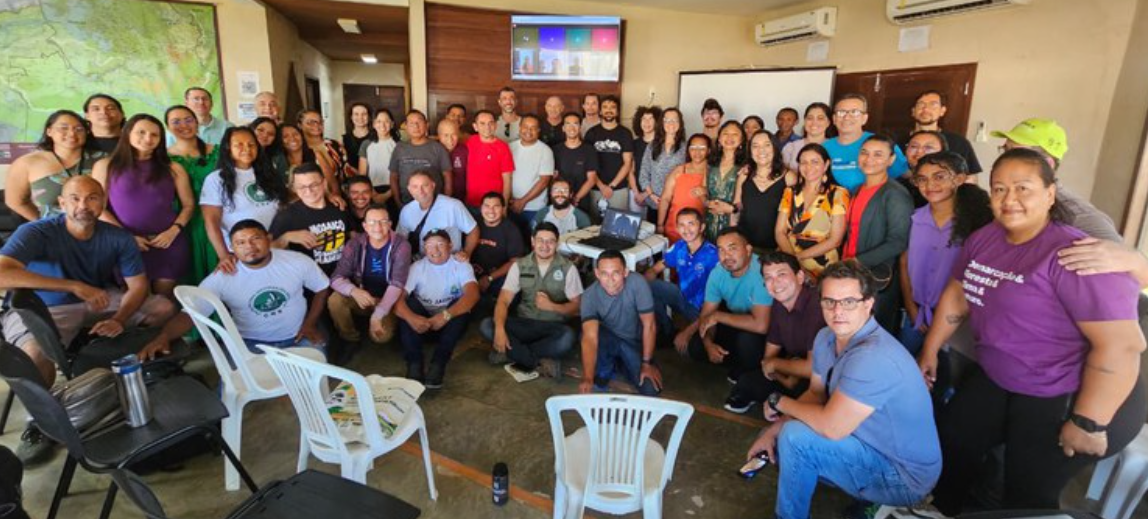
This newsletter highlights key moments from recent months. In January, 40 park rangers from six Amazonian countries—Bolivia, Brazil, Colombia, Guyana, Peru, and Suriname—gathered in Lima for a regional workshop on communication, leadership, and community engagement in the framework of the ASL park ranger initiative. In March, over 100 members of the ASL community came together in Manaus for our Annual Conference—a moment to reconnect, share progress, and look ahead. We were especially pleased to welcome representatives from the ASL Venezuela project, marking the country’s first time participating in the conference. We also marked World Wetlands Day and the International Day of Forests.
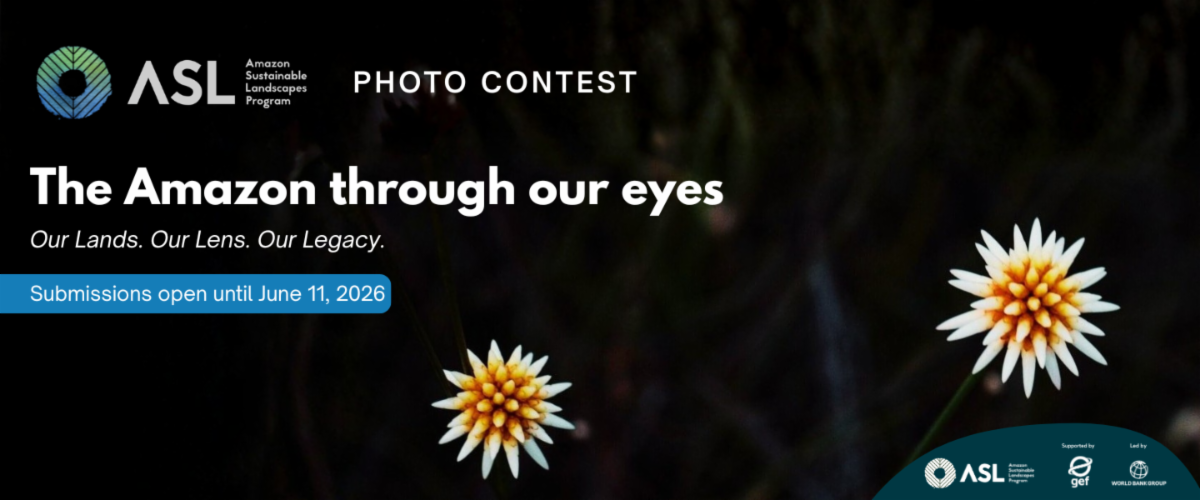
We are also excited to launch our Guyana video series, which brings to life the stories of communities and landscapes at the heart of ASL's work in the country. And, through June 11th, we invite photography enthusiasts to submit up to three original photos that capture the region's biodiversity, landscapes, and people as part of the ASL photo contest. See below for more info on this exciting opportunity—the winning photo will appear on the cover of the next ASL brochure!
As we look ahead, we remain committed to fostering inclusive leadership, supporting local communities, and promoting solutions that balance conservation and development.
As always, we welcome your insights and contributions to enrich our community and encourage you to contact us via email or through our website.
Warm regards,
The ASL Regional Team
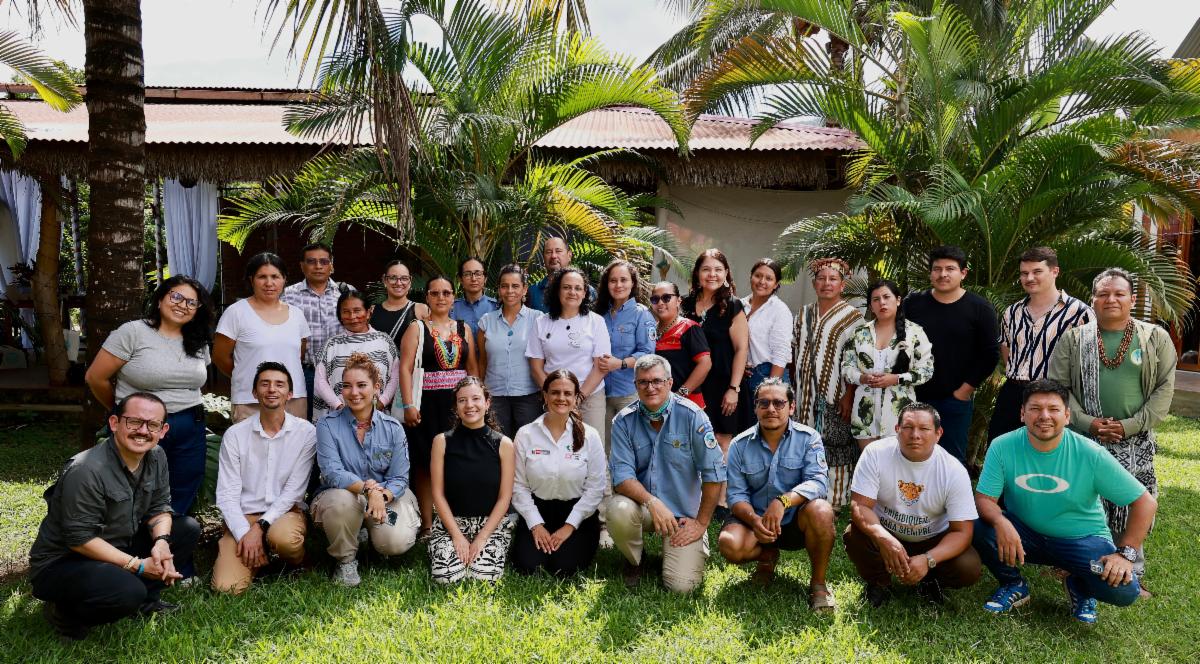
| | Products from the ASL regional program | | ASL's 8th Annual Conference brings the Amazon region to Manaus | | In March, the ASL Program held its 8th Annual Conference in Manaus, Brazil—a city shaped by the Amazon's rivers and forests and home to some of the world's leading Amazonian research. The event brought together over 100 participants, including government officials, Indigenous leaders, youth voices, and GEF and World Bank representatives, reflecting the full human and regional breadth of a program spanning eight countries. Together, we explored a central question: how can the ASL move beyond project-level results to drive systemic, lasting change in how the Amazon is valued and protected? | | Twinning exercise: Strengthening Amazonian governance | | Last December, the ASL Colombia and Peru projects convened in Satipo, Peru, for a twinning exercise designed to strengthen territorial governance. This gathering united Indigenous leaders from the Ashaninka, Asheninka, and Matsigenka peoples of Peru with representatives from the Inga, Cofán, and Tuyuca peoples of Colombia to exchange critical insights on territorial management. Together, they are forging strategic alliances for conservation that ensure a cross-cutting gender approach across all shared development processes. Photo: Profonanpe | | The ASL empowers Amazonian rangers | | In late January, park rangers from six Amazonian countries convened in Lima to complete a regional training initiative designed to fortify the skills needed to address complex, evolving conservation challenges. The gathering fostered essential cross-border connections, emphasizing that strong regional networks are vital for tackling shared threats like climate change. The event also served as a milestone for gender inclusivity, celebrating the growing number of female rangers who are leading conservation efforts on the frontlines. Photo: WCS | |
ASL on the global stage!
This quarter, our team provided technical support and observation for key regional and global policy milestones:
| | | |
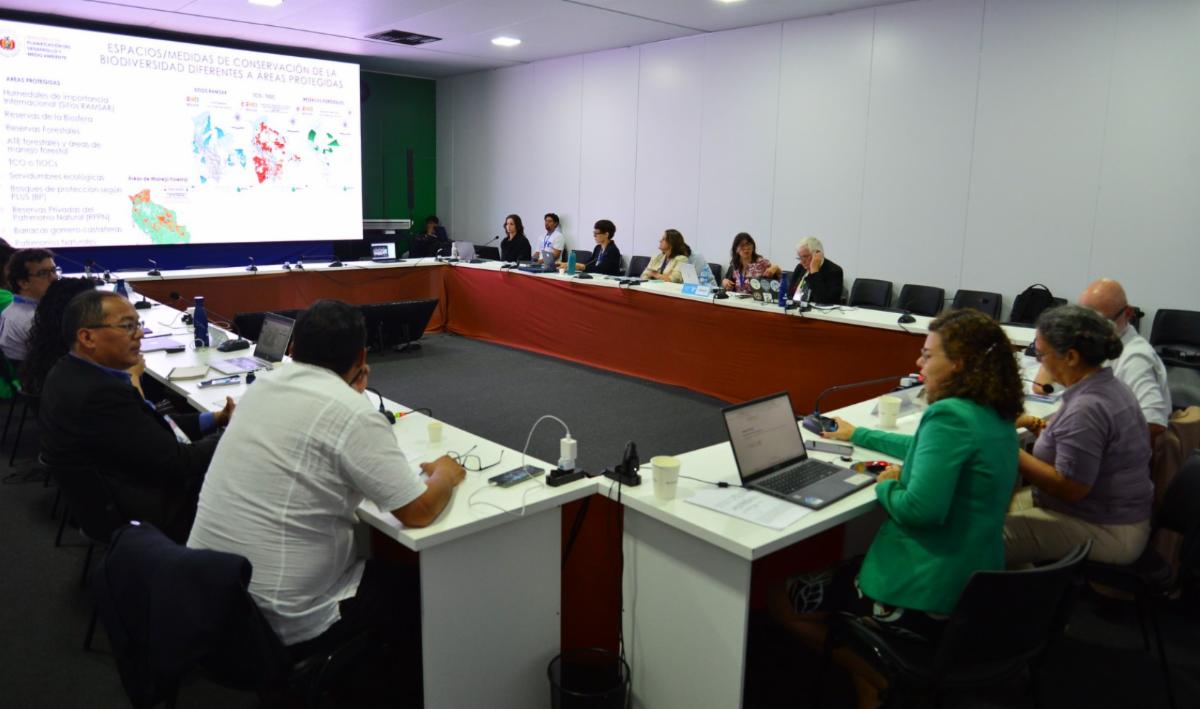
– At COP15 (March 24) in Campo Grande, Brazil, we shared an overview of our work on socioecological corridors. Alongside representatives from the Amazonian countries, we supported the roadmap for a joint financing proposal to protect regional connectivity.
| | | |
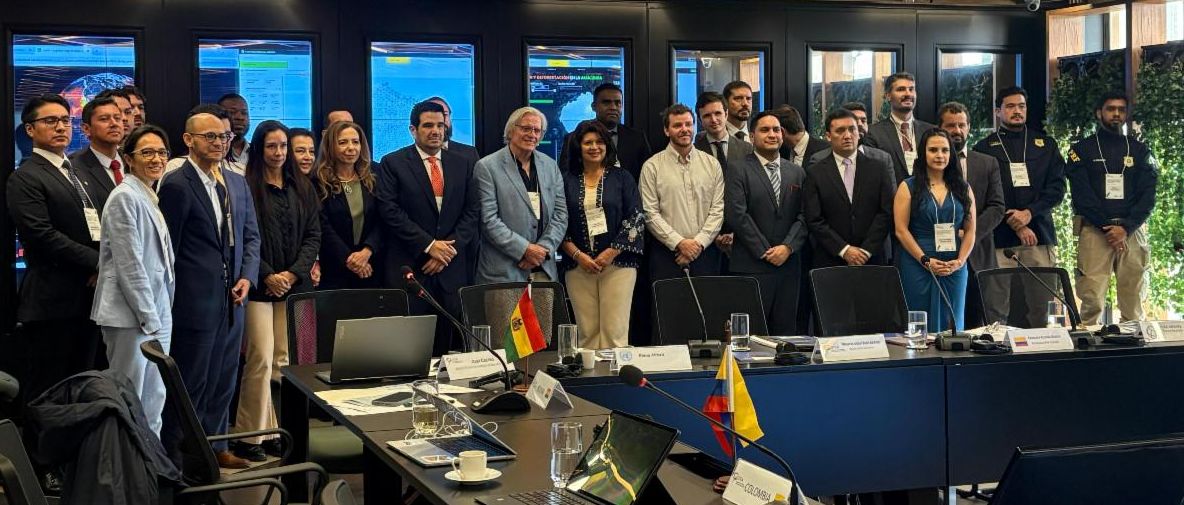
– At ACTO’s Commission on Public Security and Transboundary Illicit Acts (March 26–27) in Brasilia, we provided technical and logistic support as member states transitioned toward execution-phase action plans to collectively combat environmental crimes.
| | | | | |
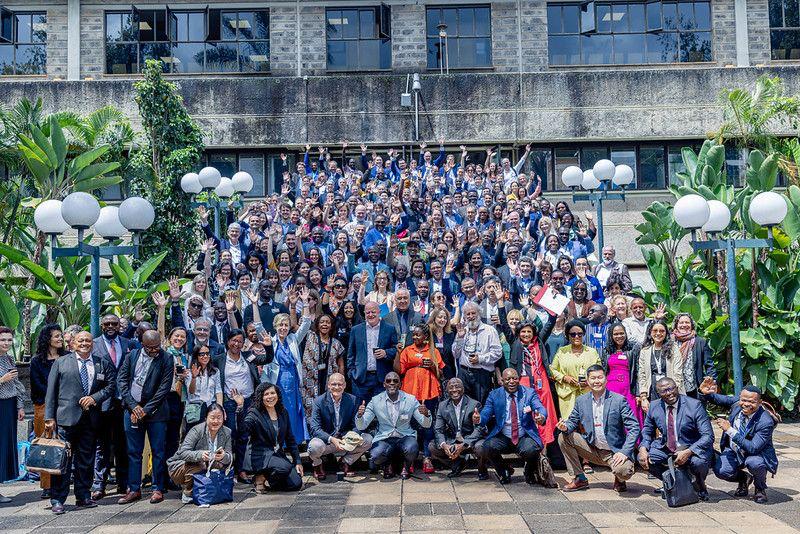
– At the GEF Integrated Programs Forum (April 13–17) in Nairobi, we had the opportunity to demonstrate how the Mining Impacts Calculator continues to serve as a judicial standard for valuing damages from illegal gold mining.
| | | |
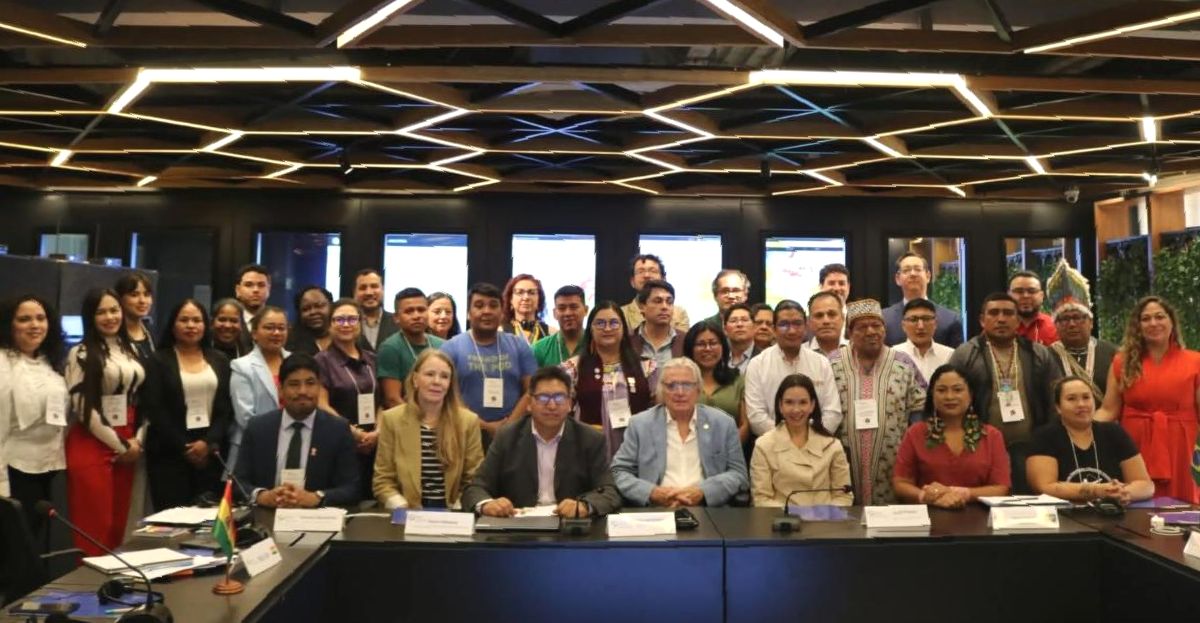
– At the MAPI – First Extraordinary Meeting of the Amazonian Mechanism of Indigenous Peoples of ACTO (April 14–15), we observed the first meeting of the MAPI in Brasília, supporting the formal approval of 11 strategic axes to protect territorial rights through 2027.
| | |
Launching our photo contest! | |
We're inviting photography enthusiasts living or working throughout the Amazon region to share their vision through evocative images that capture the region’s biodiversity, landscapes, and the ingenuity of its people. Submit up to three original photos by June 11th, 2026.
Winning photographs will gain visibility across our platforms, with the Grand Prize winner featured on the cover of the upcoming ASL Program Brochure.
| | | | |
Series: Guyana's Amazon Landscapes: Protecting People & Nature
The ASL launched a new video series spotlighting the "Securing a Living Amazon through Landscape Connectivity in Southern Guyana" project. This series captures the project’s holistic approach to conservation, featuring insights into project design informed by local voices, the essential work of community rangers, and our efforts to maintain critical water connectivity.
| |  | |
In the Amazon, a living forest is a working economy
For the International Day of Forests on March 21st, the ASL recognized that in the Amazon a living forest is a working economy. Restoration workers and seed collectors serve as proof that conservation creates sustainable livelihoods. We invite you to learn how these local leaders keep the forest standing.
| | |
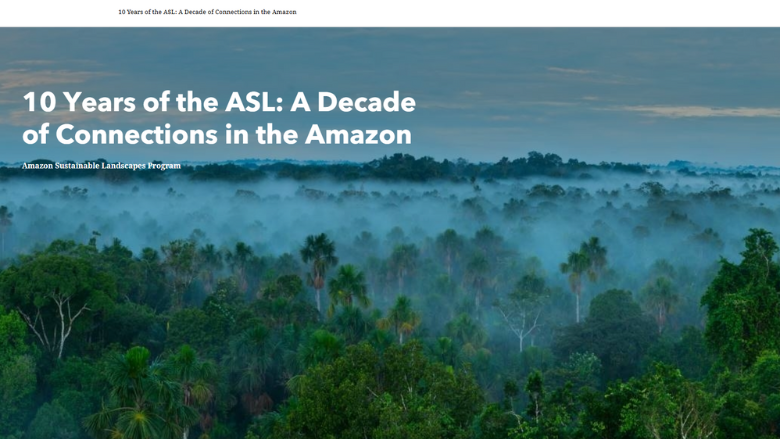
Photo Exhibition: A Decade of Connections in the Amazon
Celebrate 10 years of conservation progress with a curated collection of visual moments from national projects across the Amazon. This exhibition highlights the program's core work and the lasting impact of collaborative action on the ground.
| | | |
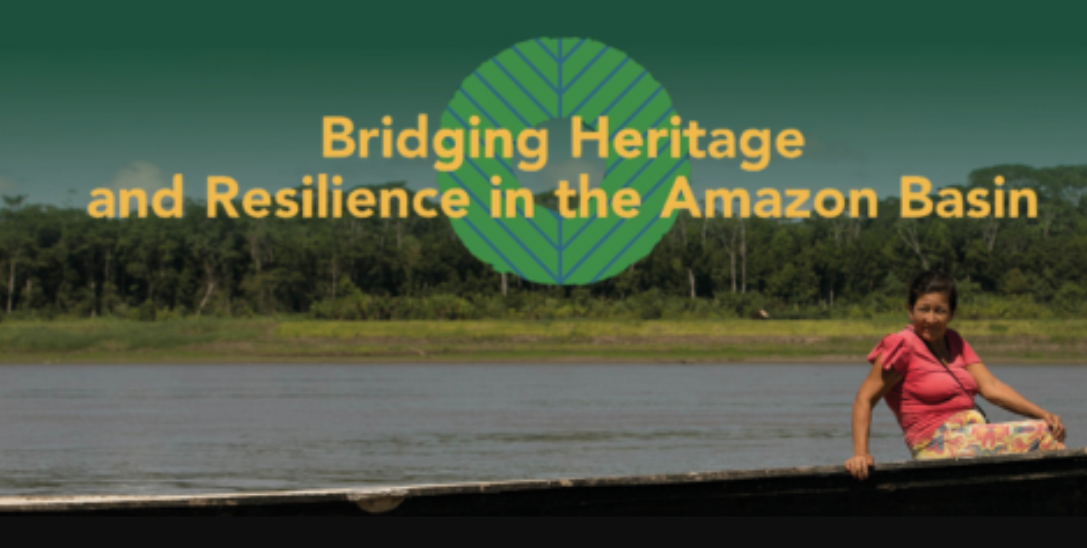
Infographic: Bridging Heritage and Resilience in the Amazon Basin
In honor of World Wetlands Day February 2nd, this infographic explores how Amazonian wetlands have sustained communities for millennia. It highlights the traditional knowledge used to live in harmony with these ecosystems and why their protection is essential.
| | Stories from our active national projects | | Experience exchange strengthens integrated landscape governance – Amazon Sustainable Landscapes Brazil | | |
The ASL Brazil project facilitated a knowledge exchange between the Baixo Rio Negro and Baixo Rio Madeira Mosaics to bolster integrated landscape governance. This collaboration enables public managers, civil society, and local communities to align territorial strategies, share successful participatory management practices, and build collective solutions for conservation. Photo: MMA
| | Community monitoring in the territory – Heart of the Amazon, Colombia | | |
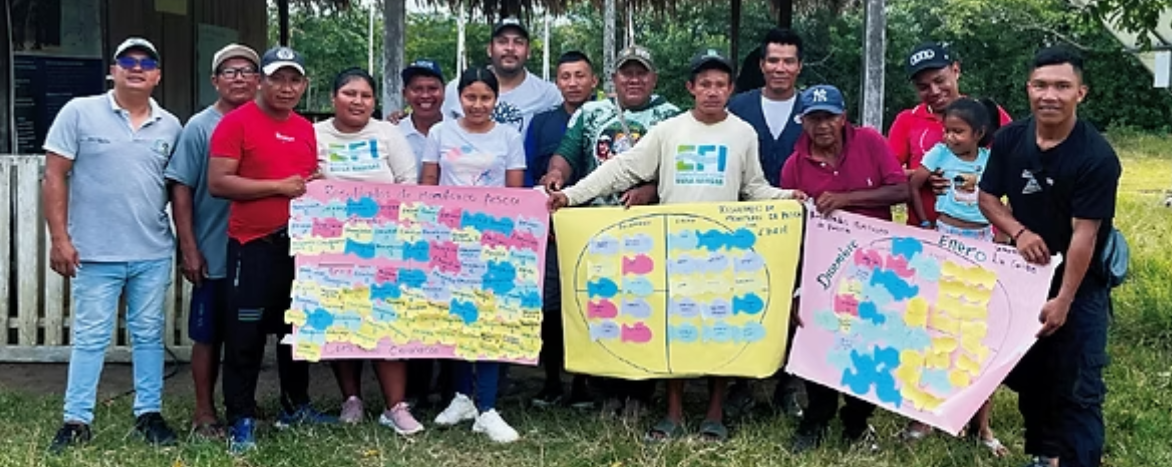
The Heart of the Amazon project is strengthening community monitoring in the Estrella Fluvial de Inírida wetland. By analyzing data on fishing resources alongside local communities, the initiative integrates traditional knowledge with technical tools to build sustainable conservation strategies directly from those who inhabit the territory. Photo: Heart of the Amazon
| | Palora–Pastaza Symposium: Driving sustainable finance – Amazon Connectivity Corridors, Ecuador | | |
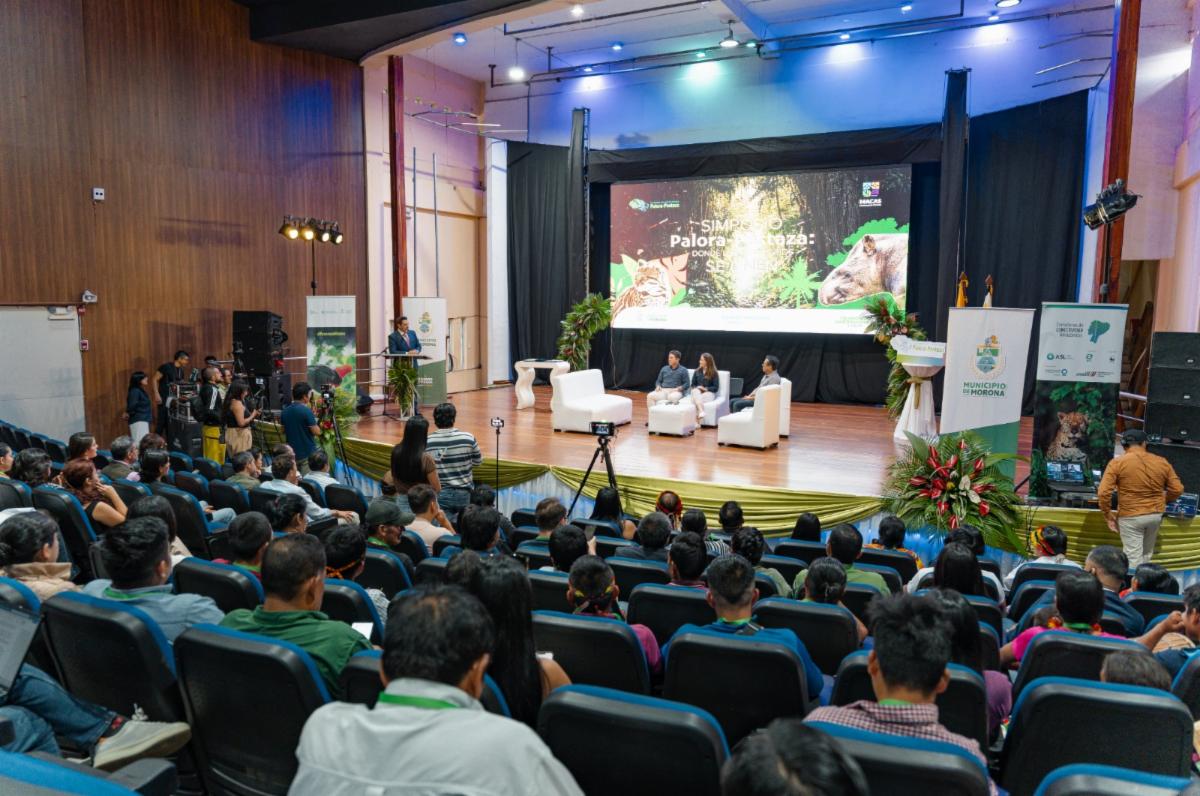
The Connectivity Corridors project convened key partners in Macas April 22–23 for the Palora–Pastaza Symposium to map out strategic financing options. The session focused on identifying sustainable pathways to secure long-term investment for conservation and development across the Ecuadorian Amazon. Photo: CI Ecuador
| | "Frutos de la Amazonía" competitive fund open for applications – Building Human Well-being and Resilience in Amazonian Forests, Peru | | |
The "Frutos de la Amazonía" fund is accepting applications through May 27th for bio-businesses in Loreto-Nauta, Atalaya, and Satipo. This Amazonian Forests project initiative supports eligible ventures—such as those in native cacao, fishing, sustainable tourism, and gastronomy—with investments ranging from S/100,000 to S/300,000, plus technical assistance. Video: Profonanpe
| | ASL-recommended publications, news & resources | | * ASL partners and teams: Please share with us your publications to showcase in future newsletters. | | |
New GEF publication: A Decade of ASL
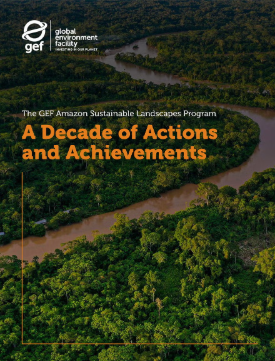
Explore the evolution of our program in the new GEF report: “The Amazon Sustainable Landscapes Program: A Decade of Actions and Achievements.” This publication highlights our growth into an eight-country, basin-wide initiative that has mobilized $314 million in GEF grants. Discover the milestones that define our collaborative impact on conservation and sustainable bioeconomies across the Amazon.
| | | |
Amazon Food Atlas: Uncovering the untold flavors of the Amazon
The Amazon is a vast, infinite mosaic of flavors and knowledge, where every seed holds a possible world and every dish tells a unique story across eight countries. This social media series serves as a prelude to the upcoming Amazon Food Atlas, an ASL publication executed by the Amazon Conservation Team (ACT) designed to document these resilient food systems. We invite you to follow along as we uncover the culinary heritage that sustains the heart of the rainforest.
See more in this post and follow along with #AmazonFoodAtlas
| | | |
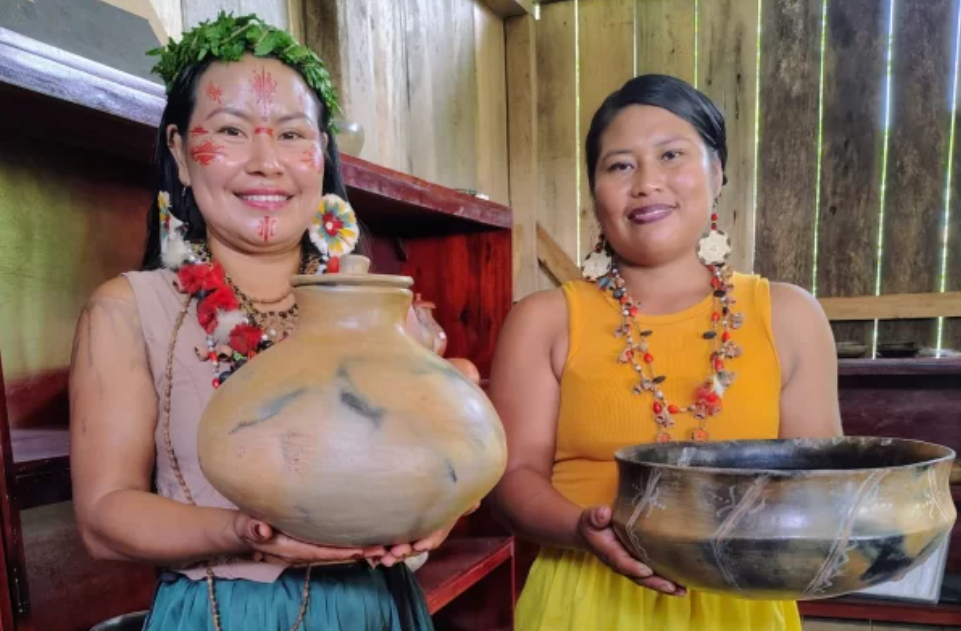
Strength in Solidarity: The Women of Keñao
In Ecuador, the Siekopaai nation’s "Keñao" association is revitalizing ancestral traditions through collective action. This movement of women is reclaiming pottery and traditional agriculture to safeguard their heritage and foster economic independence, proving that cultural resilience is the backbone of a sustainable future.
| | | |
A new identity for the Amazon
Brazil has unveiled the new official Amazon brand, designed to unify and promote the region on the global stage. This initiative marks a strategic shift in how the world perceives the Amazon: moving beyond the perspective of preservation alone to highlight the region as a hub of bioeconomy, cultural heritage, and sustainable innovation.
| | | This edition highlights inspiring leadership from Brazil and Peru, showcasing stories of stewardship, resilience, and the deep connections between people and the forest. | | |
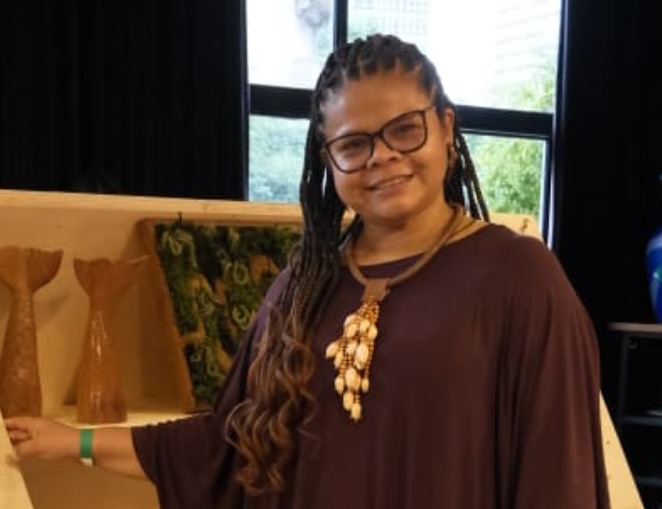
Regina Ramos is a riverside artisan and forest entrepreneur from the Carão community, about 72 kilometers from Manaus, within the Rio Negro Sustainable Development Reserve. Since the age of nine, she has crafted biojoias — jewelry made from seeds and natural materials that carry traditional knowledge and the value of a standing forest.
After leaving her community to study in Manaus and later returning, Regina found in her craft not just a cultural practice but a path to rebuilding her livelihood. She now advocates for valuing forest-based productive chains so that families can live with dignity in their own territories — without being driven to the cities.
| | "Each piece I make carries a message: the forest has value when it's standing, and so does the work of the people who live in it." | | Today, Regina is part of the Women's Network of the Central Amazon Biosphere Reserve (RBAC), which connects artisans, extractivists, educators, and young leaders across Amazonian territories. With support from the ASL Brazil project, she dreams of one day opening a collaborative space in Manaus where products from different women of the forest can be sold together, letting each piece tell the story of its territory. | | |
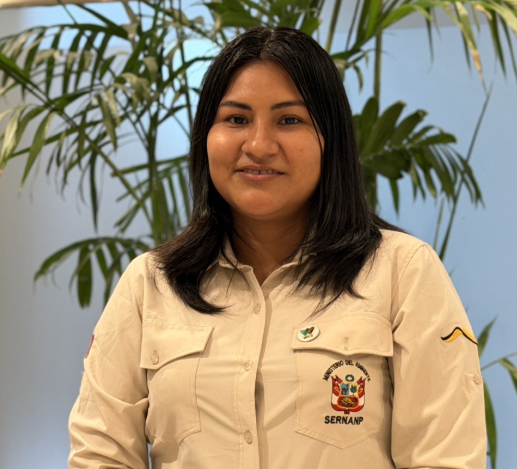
Luz Zúñiga is a park ranger in the El Sira Communal Reserve, in the Peruvian Amazon, where her work requires constant adaptation to a dynamic and changing environment. During the rainy season, she conducts patrols by boat as rivers expand significantly; in the dry season, she monitors land shifts, covering vast areas using motorcycles and vehicles. She also responds to forest fires, working in coordination with communities and institutions.
| | “Being a park ranger means learning to adapt to the territory and working together to protect it.” | Through her participation in the ASL Park Rangers training program, Luz strengthened key skills in communication, leadership, and conflict management — essential for her daily work. She values the importance of building empathy and connecting with park rangers across the region. | | The Amazon Sustainable Landscapes Program (ASL), funded by the Global Environment Facility (GEF) and led by the World Bank, adopts an integrated regional approach across Bolivia, Brazil, Colombia, Ecuador, Guyana, Peru, Suriname, and Venezuela. Its primary objective is to enhance integrated landscape management and ecosystem conservation in priority areas of the Amazon. | | | | | |