|
Recognizing Invasive Species in Canaveral National Seashore
Story and Photos by Jimi Sadle
Biologist, Canaveral National Seashore
When you visit Canaveral National Seashore, have you ever noticed rooting damage by feral hogs on the roadsides? Have you ever spied a brown anole perched on a branch or watched an armadillo digging in the leaves?
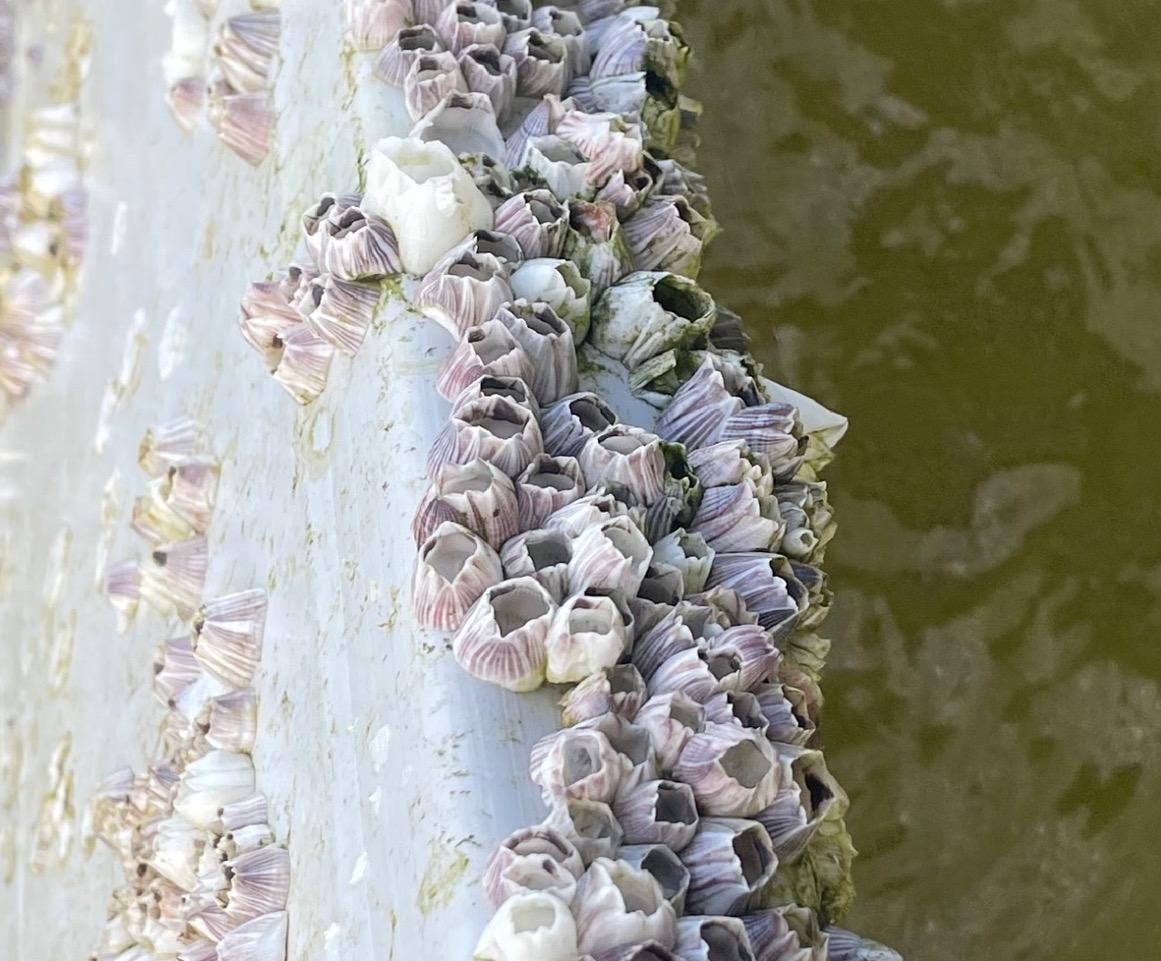
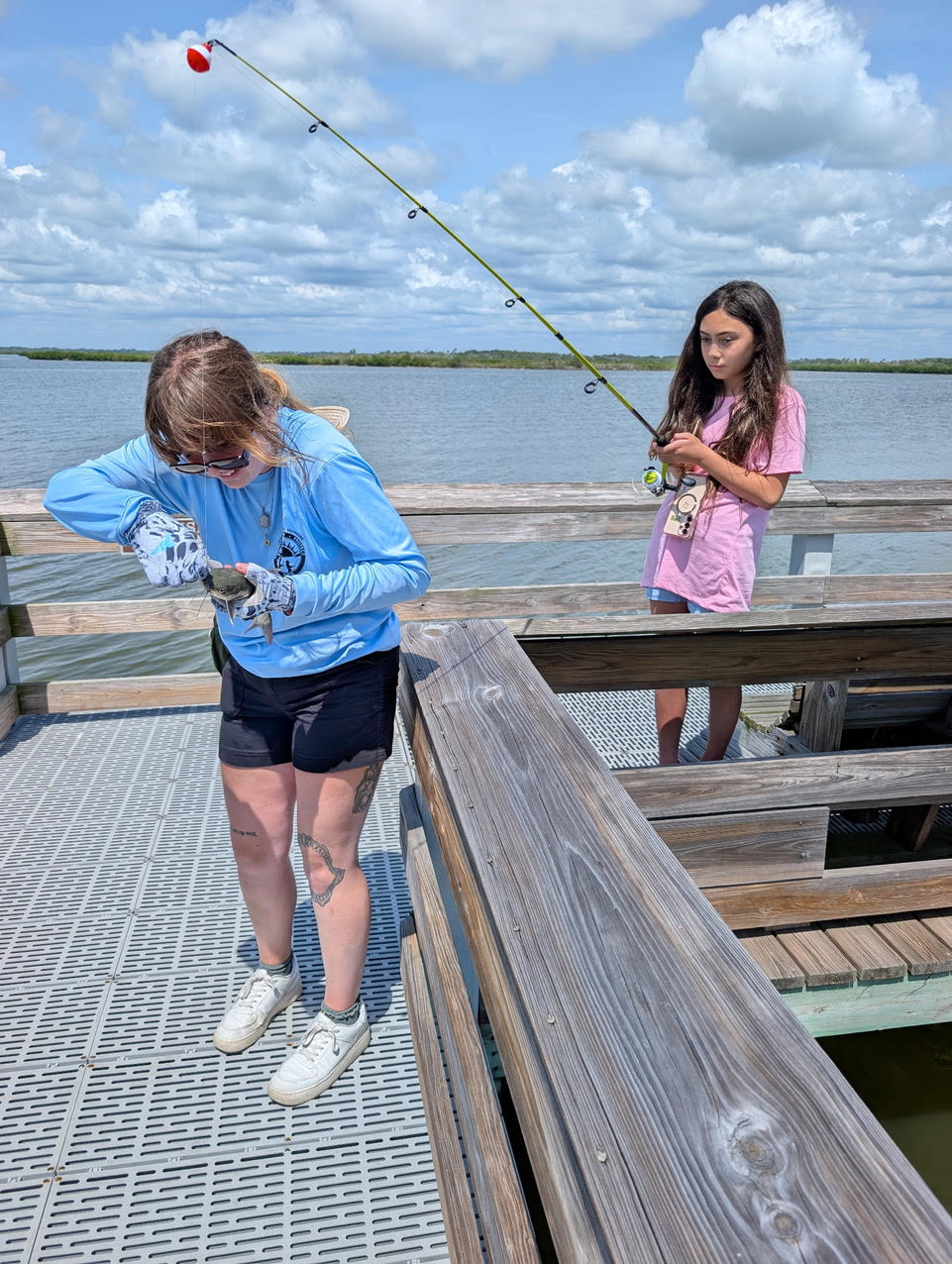
These are all non-native animals that have found their way into the park and have become established there. Other invasive animals established in the National Seashore include a wild array of creatures, such as the Cuban tree frog, walking catfish, striped acorn barnacle, wharf louse (also called a sea roach or wharf roach), imported fire ants and the bathroom moth fly (also known as drain flies or sink flies), to name a few. Many of these species have impacts on the natural ecosystem -- some large, some small – but most are unknown and go unnoticed.
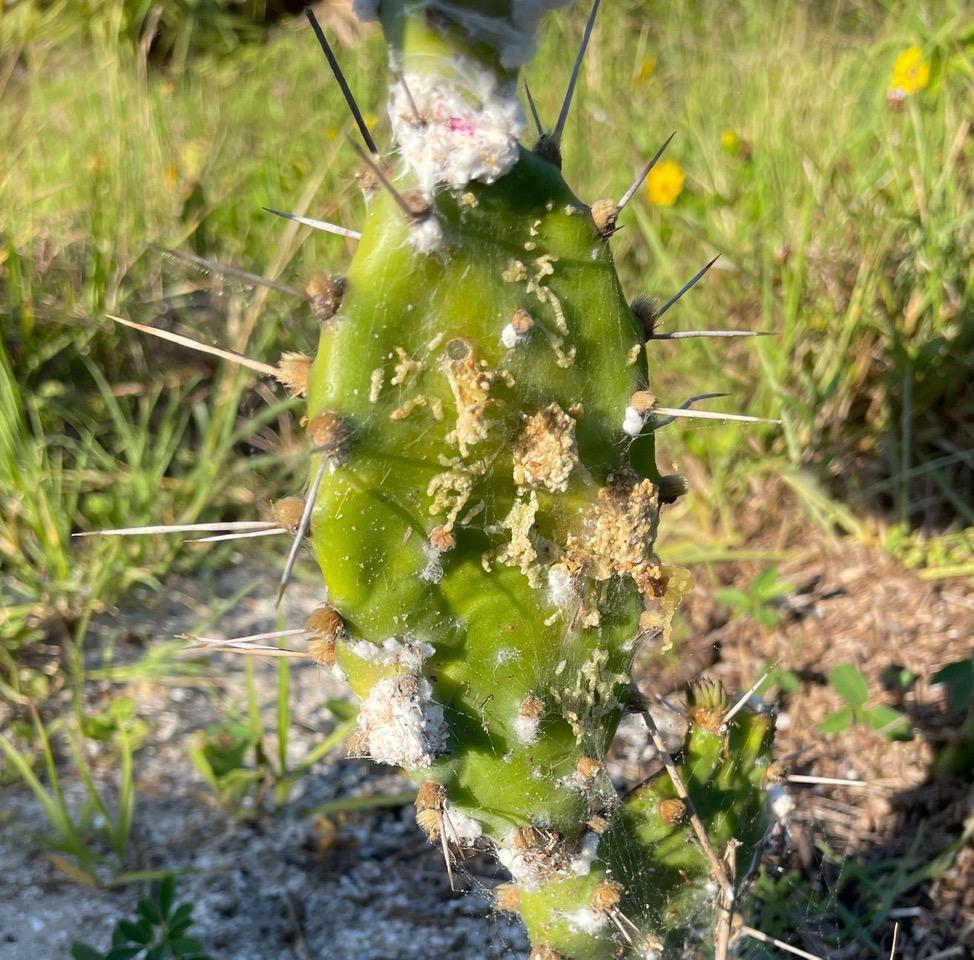
While hog and armadillo may be the most readily recognized non-native animals in the park, invasive insects and other invertebrates are also common and may cause large-scale disruptions to natural communities. Laurel wilt, a fungal disease transmitted by the introduced ambrosia beetle, led to a massive loss of red bay trees throughout coastal hammocks in the National Seashore. Larva of the cactus moth damage native prickly pear, while Mexican bromeliad weevil larvae feed on and can destroy native air plants.
|