Vol. 50 | September 2025 – 7 minute read | | Sequencing Populations to Accelerate Research and Care | | |
UT Southwestern has launched the Sequencing Populations to Accelerate Research and Care (SPARC) program, a transformative initiative designed to create an institutional biobank and perform whole-exome sequencing on up to 150,000 patients across our Health System.
In collaboration with our biotechnology partner Regeneron Inc., SPARC will generate a library of linked genetic and clinical data to support a wide variety of research projects, improve disease screening, and advance population health and precision medicine at scale. It will be housed within the Eugene McDermott Center for Human Growth and Development.
Similar to the Dallas Heart Study, SPARC will facilitate the alignment of clinical and sequencing data and make it possible to identify new genetic drivers of disease and response to therapies. SPARC will also accelerate use of genetic data to improve screening for important genetic risk factors and help advance application of these data back into practice to improve the care of patients and their families.
All patients seen within UT Southwestern or Children’s Health are eligible to enroll and contribute a blood sample, which is often drawn as part of routine clinical care. In return, participants can receive genetic insights, risk assessments, and genetic counseling upon request.
Under the leadership of Eric Peterson, M.D., M.P.H., Vice Provost and Senior Associate Dean for Clinical Research, and Ralph DeBerardinis, M.D., Ph.D., Director of the McDermott Center, SPARC builds on our institution’s legacy of translating research into positive patient outcomes and supporting population health. For more information, email sparc@utsouthwestern.edu.
| | |
In compliance with new state and federal requirements, the institution has launched a Research Security Program and appointed Rhonda Oilepo, M.S., CIP, Associate Vice President of Research Regulatory Affairs, as the UT Southwestern Research Security Officer.
Research Security refers to the protection of research activities – including data, intellectual property, and personnel – from theft, misuse, or exploitation by foreign or domestic threats. The Research Security Program is designed to protect our faculty’s research funding, scholarly work, and collaborations. It includes four core elements: Cybersecurity, Foreign Travel Security, Research Security Training, and Export Control Training.
Faculty must disclose all foreign interests, collaborations, and activities, certify nonparticipation in Malign Foreign Talent Recruitment Programs (MFTRP) at multiple points during an award’s life cycle, and complete required training in Taleo Learn. By integrating security into every phase of the research timeline, we not only safeguard our intellectual assets but also demonstrate to sponsors our commitment to responsible stewardship – an increasingly critical factor in maintaining and securing funding.
Detailed guidance and frequently asked questions are available on the Research Security website (VPN required). If you have further questions, contact Research Security.
| |
Joy in Medicine Program Honors UT Southwestern
| | |
UT Southwestern received gold status as part of the American Medical Association (AMA) Joy in Medicine Health System Recognition Program, which honors health care organizations that prioritize the wellness of their medical workforce.
While the well-being of all caregivers and staff is important, this program specifically assesses the processes and programs that are in place to enhance the physician work environment, improve operational efficiency, and support physician well-being.
Out of the 164 institutions receiving this accolade from the AMA, only 20 earned the highest level, including UT Southwestern, which is the only Texas institution to maintain this tier since 2023. AMA honorees will be recognized during an award ceremony on Sept. 12.
To learn more about programming designed to empower you to reach your full professional and personal potential, visit the Office of Faculty Wellness.
| | Search Committee for Internal Medicine Chair | | |
As announced over the summer, Thomas J. Wang, M.D., will step down from his position as Chair of the Department of Internal Medicine to become Dean of the University of Michigan Medical School, effective Sept. 15. Herbert Zeh, M.D., Chair and Professor of Surgery, will serve as chair of the committee that will conduct a national search for the next department chair of Internal Medicine. Other members of the committee are:
-
Carlos Arteaga, M.D., Director of the Harold C. Simmons Comprehensive Cancer Center
-
Jorge Bezerra, M.D., Chair and Professor of Pediatrics
-
Ralph DeBerardinis, M.D., Ph.D., Director of the Eugene McDermott Center for Human Growth and Development, Professor of Pediatrics
-
Deborah Diercks, M.D., Chair and Professor of Emergency Medicine
-
Helen Hobbs, M.D., Professor of Internal Medicine and Molecular Genetics
-
Lora Hooper, Ph.D., Chair and Professor of Immunology
-
Hicham Ibrahim, M.D., Professor of Psychiatry, Vice President and Senior Executive Officer of Ambulatory Services
-
Elan Louis, M.D., M.S., Chair and Professor of Neurology
-
Joseph Merola, M.D., M.M.Sc., Chair and Professor of Dermatology
-
Saad Omer, M.P.H., Ph.D., M.B.B.S., Dean of the O’Donnell Jr. School of Public Health
-
Martin Pomper, M.D., Ph.D., Chair and Professor of Radiology
-
Eric Peterson, M.D., M.P.H., Vice Provost and Senior Associate Dean for Clinical Research, ex-officio
| |
In Memoriam: William Barlow Neaves, Ph.D.
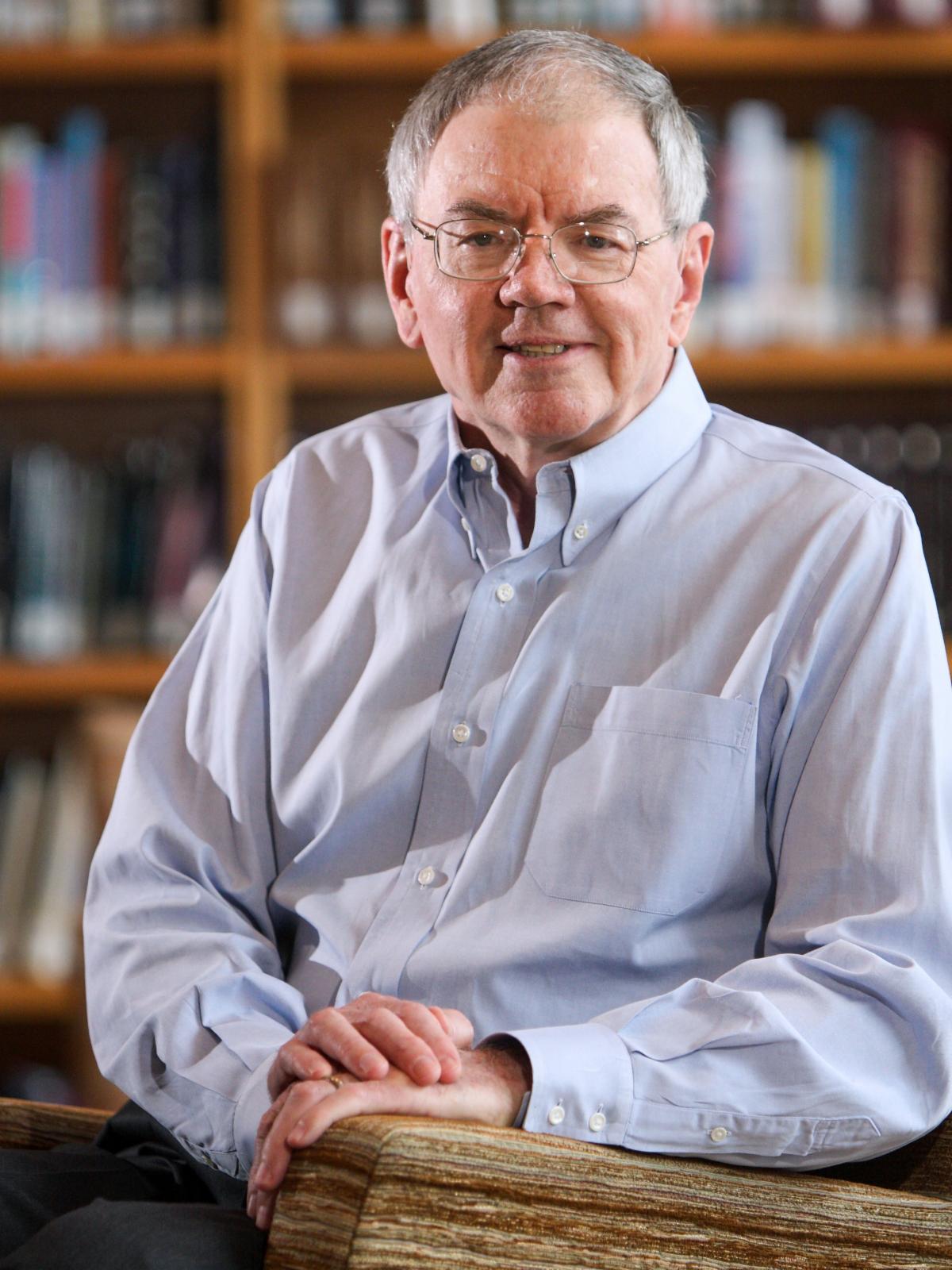
| | Dr. William Barlow Neaves (1943-2025) | | |
William Barlow Neaves, Ph.D., former Dean of UT Southwestern Medical School and Executive Vice President for Academic Affairs, who left a lasting mark on our institution and on biomedical research nationally, passed away last month.
He joined UTSW in 1972 and quickly earned a reputation as a gifted reproductive biology researcher, engaging teacher, and thoughtful academic leader. Dr. Neaves was appointed Dean of the Medical School in 1989. In that role, he guided curricular innovations, furthered clinical and research programs, and helped recruit and mentor faculty, including Nobel Laureates Johann Deisenhofer, Ph.D., and Alfred Gilman, M.D., Ph.D. Under his leadership, UTSW was selected as a research site for the Howard Hughes Medical Institute, North Campus expanded its research facilities, Zale Lipshy University Hospital opened, and the Endowed Scholars Program in Medical Science was established.
In 2000, he left our institution to become founding President and Chief Executive Officer of the Stowers Institute for Medical Research in Kansas City, Missouri.
| | Photo Credit: Stowers Institute for Medical Research | | Dr. Neaves was last on our campus in 2018 as an inspiring commencement speaker for our Graduate School. He will be remembered for his visionary leadership, unwavering dedication to academic excellence, and deep belief in the transformative power of science. Read more. | | HHMI Gilliam Fellows Program 2025 Cohort | | |
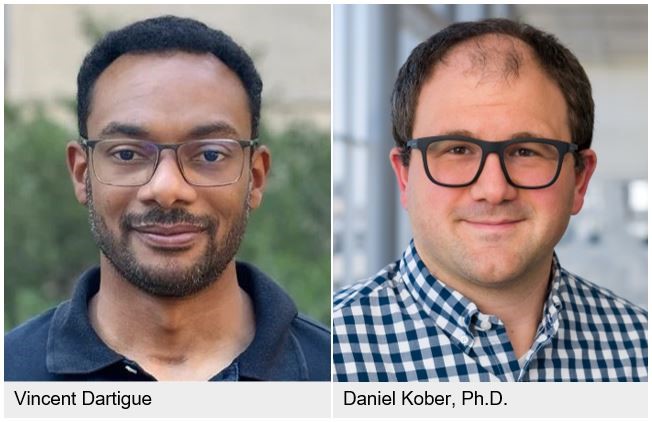
UT Southwestern Graduate School student Vincent Dartigue and his adviser, Daniel Kober, Ph.D., Assistant Professor of Biochemistry, were named to the 2025 cohort of the Howard Hughes Medical Institute’s (HHMI) Gilliam Fellows Program, which recognized 50 student-adviser duos from 43 institutions across the U.S.
As a graduate student in the Biological Chemistry program, Dartigue is interested in using biochemistry to better understand the mechanism of diseases in metabolic disorders. Dr. Kober, who joined UTSW in 2022 as an Endowed Scholar, focuses his research on the biochemical and biophysical basis for the regulation of lipid metabolism through targeted protein degradation.
Since 2020, five pairs of students and advisers from UT Southwestern have been awarded the HHMI Gilliam Fellowship – a testament to our faculty’s commitment to nurturing the next generation of researchers.
| | 2025 Texas State Employee Charitable Campaign | | |
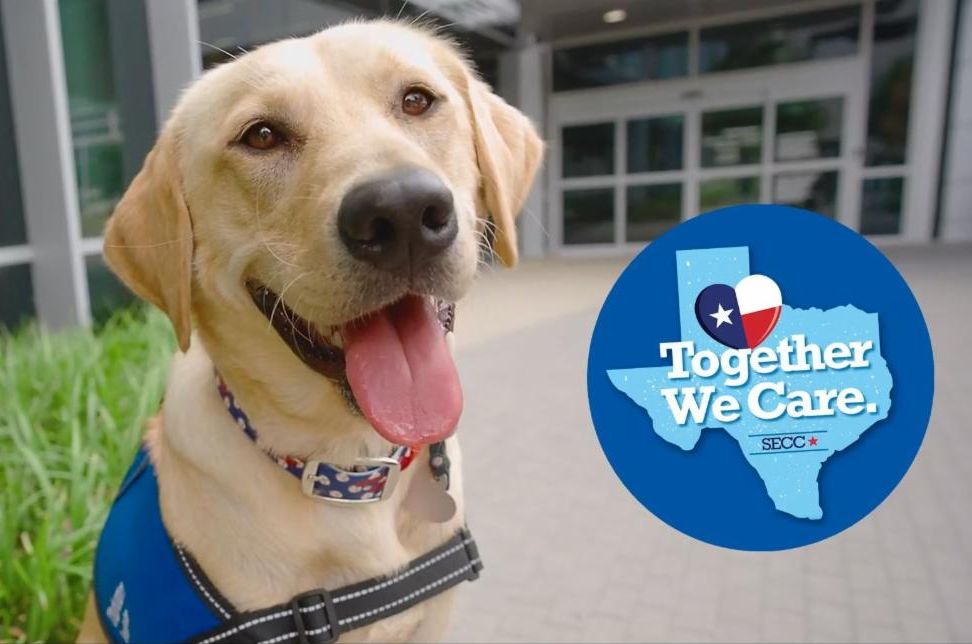
The 2025 State Employee Charitable Campaign (SECC) – the only authorized workplace giving campaign for state agency and higher education employees in Texas – is underway.
This initiative empowers you to support causes close to your heart – from local groups to global humanitarian missions. Every participating organization is carefully vetted, ensuring your donation will create real and lasting impact.
Visit the SECC website to learn more about how your contribution can help improve lives, find a cause that matters to you, plan to attend a campus event, and decide the most convenient way to donate. While you are on the site, don’t miss a special message from Tia, the facility dog at the Harold C. Simmons Comprehensive Cancer Center.
| | Important Dates and Upcoming Events | | |
Campus Briefing
Listen to the first briefing of the new academic year from UT Southwestern President Daniel K. Podolsky, M.D.
Health Disparities Research Lecture Series
Tom Frieden, M.D., M.P.H., President and CEO of Resolve to Save Lives, and former Director of the Centers for Disease Control and Prevention (CDC) presents “Health Progress Despite Barriers.”
Beth Levine, M.D. Prize in Autophagy Research Ceremony
The event will feature a lecture by this year’s recipient Andrea Ballabio, M.D., an Italian medical geneticist who has devoted his career to explaining the mechanisms underlying genetic diseases.
National Postdoc Appreciation Week
The Postdoctoral Association at UTSW is hosting a panel discussion with National Academy Members followed by a poster session, as part of the National Postdoc Appreciation Week, Sept. 15-19.
The Scholar’s Edge Workshop Series
Maureen A. Gannon, Ph.D., Professor of Medicine at Vanderbilt University Medical Center, presents “The Imposter Syndrome: Guidance for You and Those You Mentor.”
LEAD Application Period
The Leadership Emerging in Academic Departments (LEAD) program is designed for junior faculty who aspire to develop their leadership skills.
UT Southwestern Medical School New Faculty Research Forum
Members of the Medical School research community are invited to exchange innovative ideas and contribute to shaping the future of research at UT Southwestern. Don’t miss this opportunity to meet the newest members of our research community.
Writing Accountability Group (WAG)*
A boot camp-style series designed to make scholarly writing a habit, WAG will help you develop your own scientific proposal with support and feedback from a cohort.
*Sponsored by the UT Southwestern Clinical and Translational Science Award Program
| | | | |