|
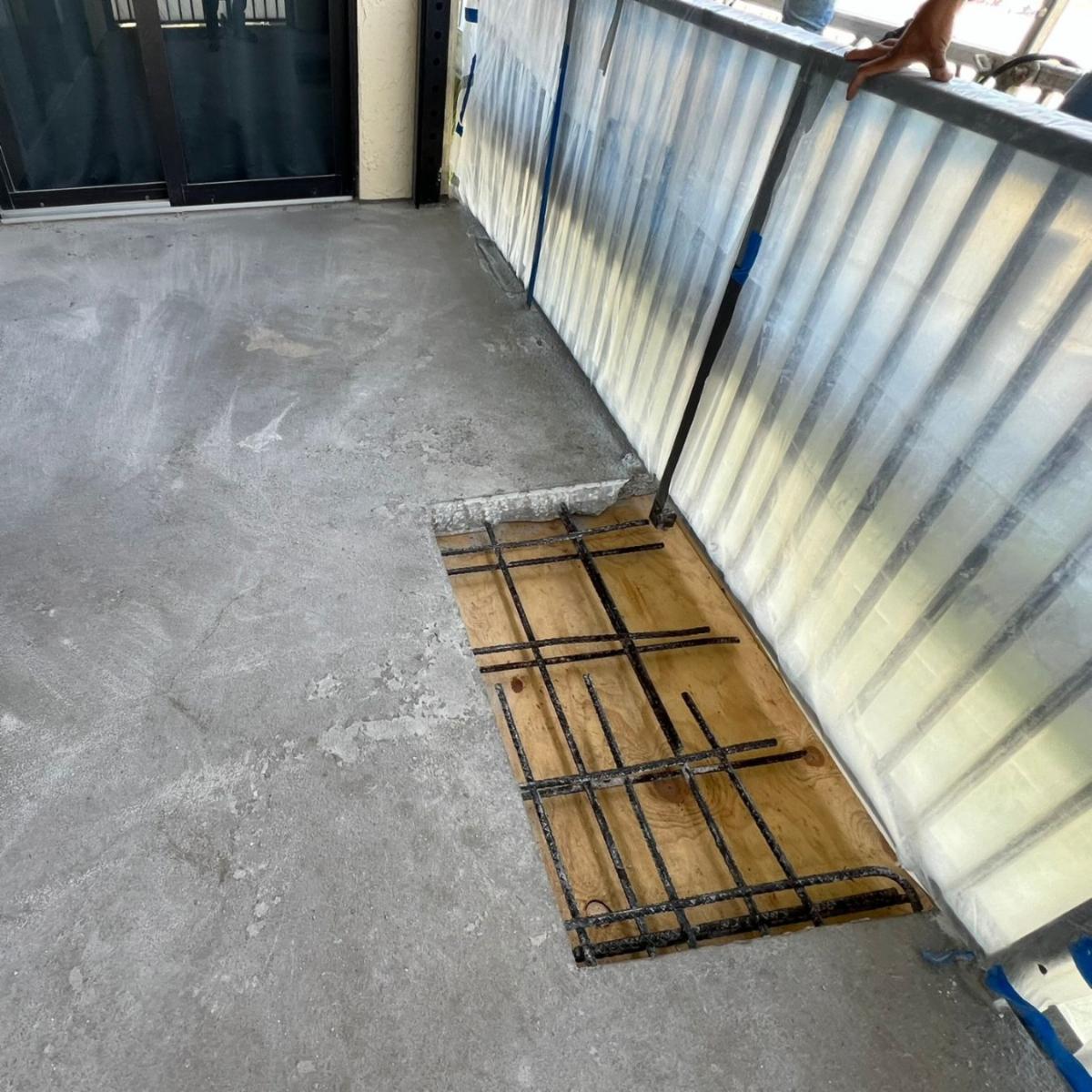
When it comes to evaluating the condition of a coastal building, a thorough concrete assessment is one of the most critical steps in ensuring safety, longevity, and smart planning for repairs. At Keystone Engineering, we use both visual and acoustic inspection methods to understand the full picture of a building’s structural health – because relying on just one can leave hidden issues undetected.
Here’s why both matter, how they work, and what HOAs and property managers should know.
1. Visual Inspections: Identifying What You Can See
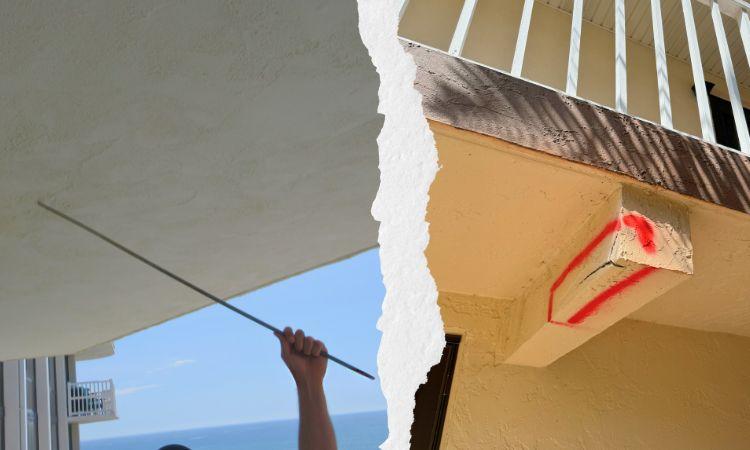
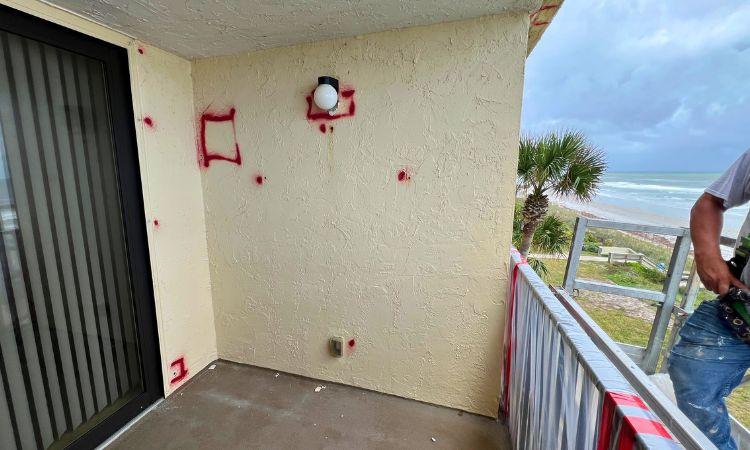
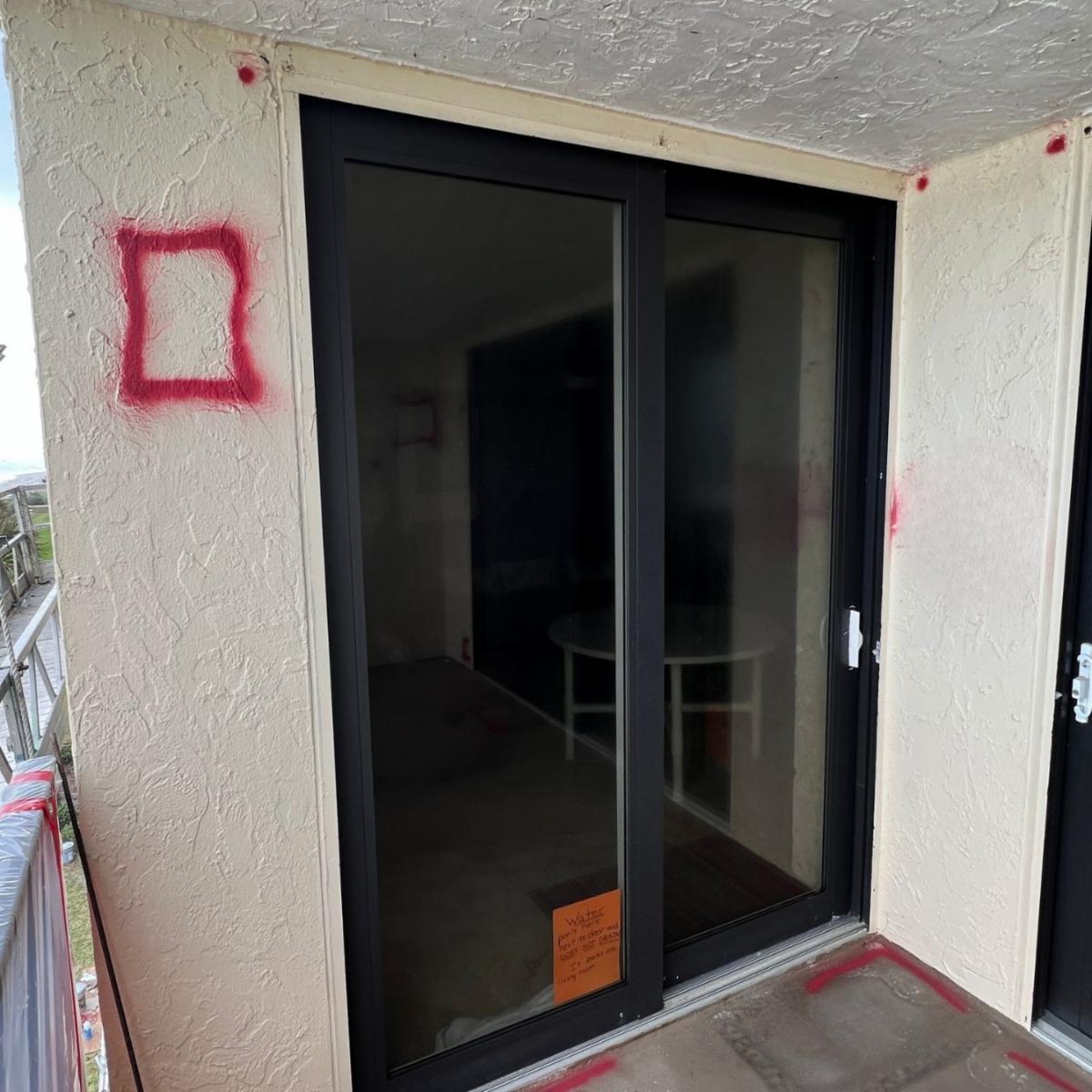
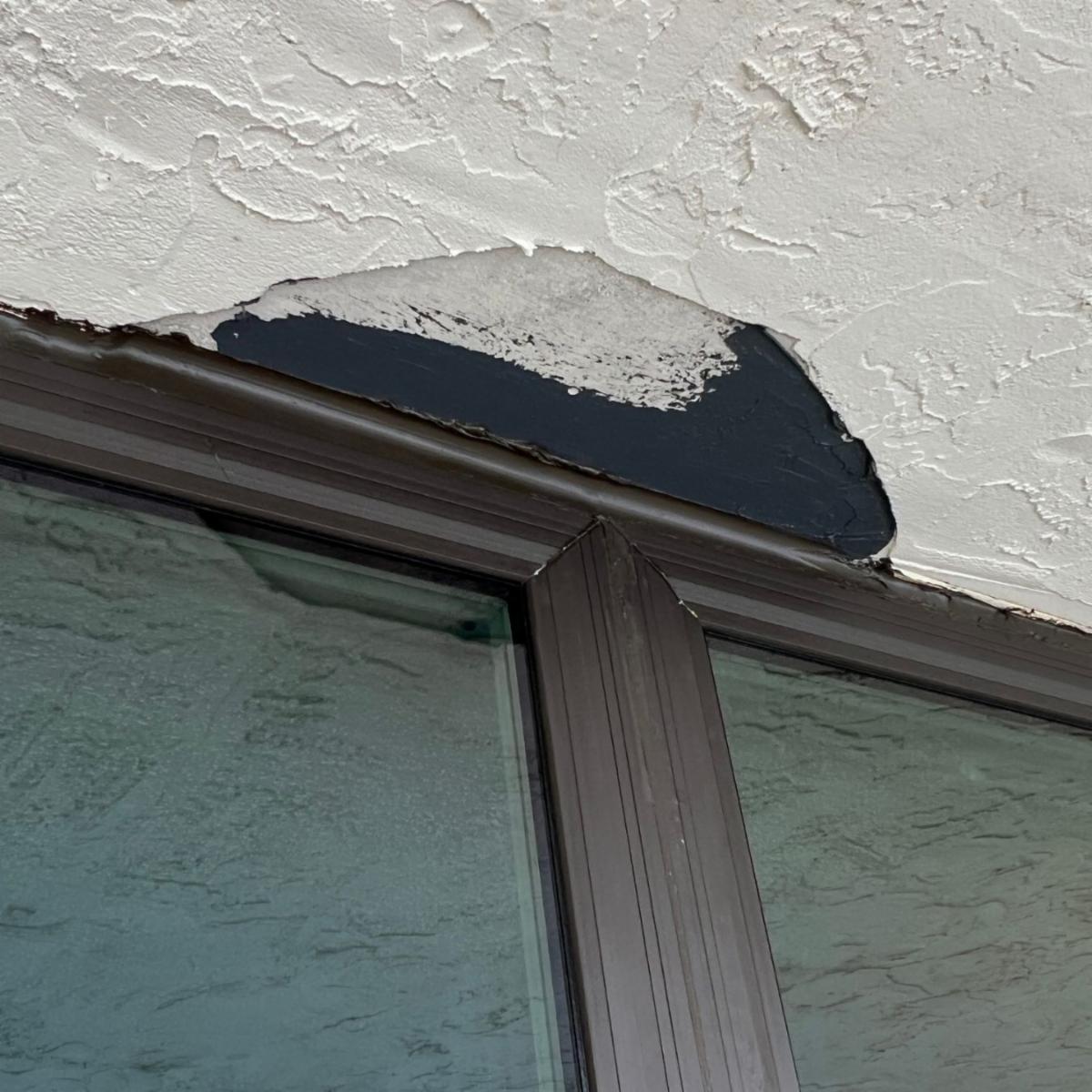
A visual inspection is the most familiar and immediate form of assessment. Our project engineers look for signs of deterioration on exposed surfaces.
2. Acoustic Inspections: Detecting What You Can’t See
Many of the most serious structural issues occur beneath the surface. That’s where acoustic inspections come in. Using a small metal rod or hammer, our engineers tap the concrete and listen for changes in sound. A solid, healthy section of concrete will produce a consistent ring. A delaminated or compromised area will sound hollow or dull.
3. Why Both Methods Are Essential
A visual inspection is the essential first step, but visual findings alone can’t detect subsurface issues, and that’s where acoustic testing becomes critical. Acoustic tapping helps confirm what the eye can’t see, allowing engineers to pinpoint hidden delamination or corrosion.
4. Real-World Application in Coastal Properties
Florida’s coastal condominium buildings face constant exposure to:
- Salt-laden air
- Moisture
- Chloride intrusion
- High humidity
- Storm-related stress
When it comes to concrete assessment, seeing isn’t believing – listening is just as important. That’s why Keystone combines visual expertise with acoustic evaluation to deliver the most accurate, comprehensive and cost-effective inspections possible.
Need a condition assessment of your building? Contact us today to help you through the process from start to finish.
|