|
NOAA has opened a review of the 2008 vessel speed rule – and the marine industry has a chance to be heard before the June 2 deadline.
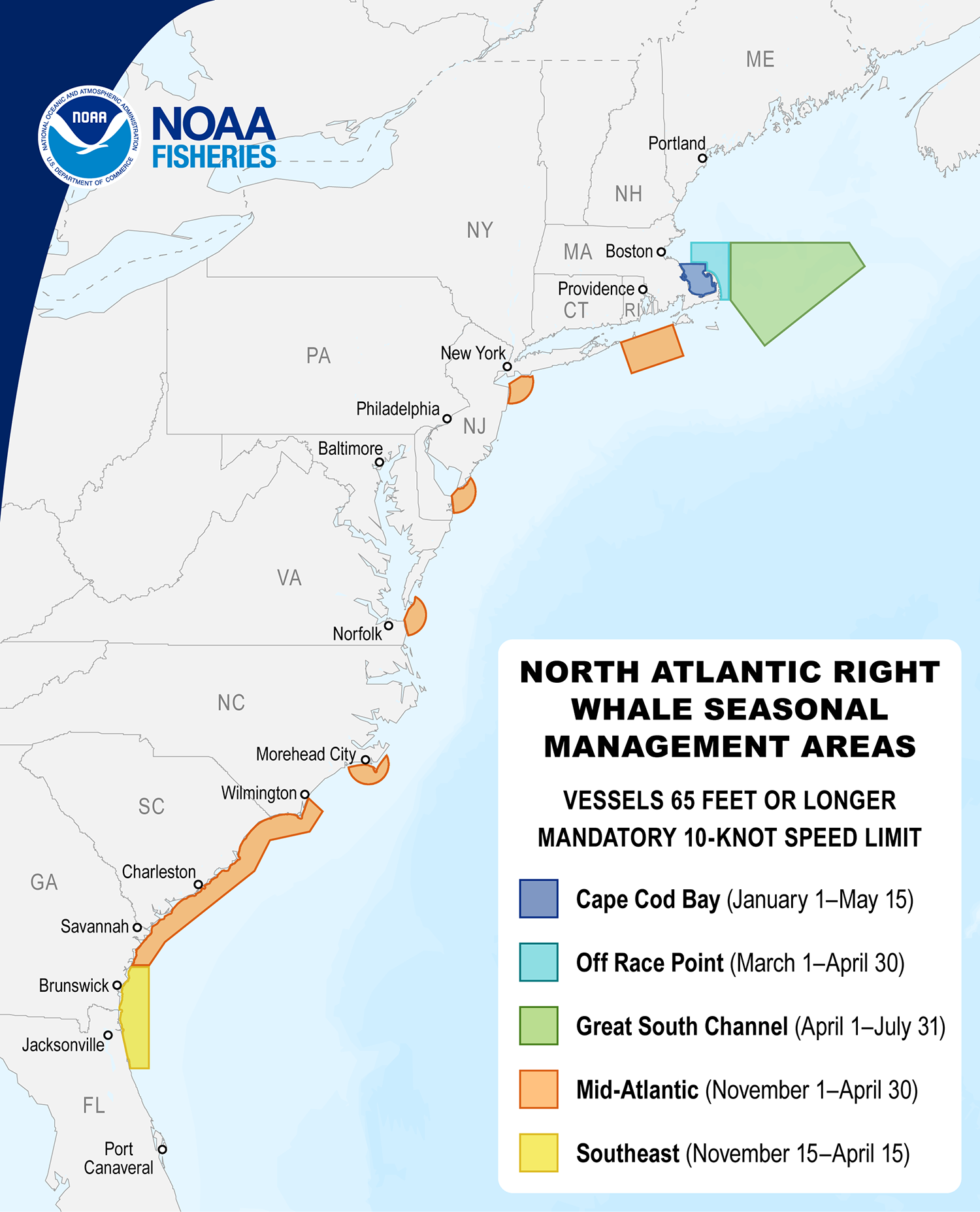
The current rule limits operators of most vessels 65 feet or longer to 10 knots in designated seasonal areas along the East Coast.
The rule also carries real enforcement consequences, including nearly $1 million in civil penalties across 56 vessel-speed cases in 2022 and 2023.
It was created to help protect the endangered North Atlantic right whale. Viking supports that goal. We also believe the rule should reflect today’s technology, vessel-specific risk and how modern recreational boats are built, equipped and operated.
This is not the 2022 proposal for boats 35 to 64 feet, which was withdrawn in January 2025. The current review focuses on the existing 2008 rule.
If that rule is not amended, the same framework could support broader restrictions in the future. That is why this review matters beyond the vessels covered today.
“This review is long overdue, and now is the time for the marine industry to act,” said Viking President and CEO Pat Healey. “We need to put real-world information into the record – vessel technology, navigation tools, offshore operating conditions, vessel-size risk, safety concerns and the economic impact on coastal businesses. That is how we help make sure the rule protects whales while reflecting today’s technology, safety and access.”
NOAA has identified technology as a preferred way to reduce vessel-strike risk and is considering updated approaches, including alternative management areas and advanced detection and avoidance tools.
Viking is working with the National Marine Manufacturers Association and encourages owners, captains, operators, marine businesses and coastal communities to use NMMA’s Boating United call to action.
If you own or operate a boat, your input matters. Tell NOAA about your boat, your equipment and how this rule affects your ability to operate safely offshore.
|