| | Spotlight on COP 30 adaptation related outcomes | | | |
YOUNGO on the Adaptation Action Newsletter
In the context of the launch of the Adaptation Action Newsletter, YOUNGO shared its perspective on where the Newsletter could add value – by providing updates on adaptation across the UNFCCC process and improving access to key information and resources.
One such resource highlighted by YOUNGO is the 30 years of adaptation report published by the Adaptation Committee.
Watch our interview with Gail Bize, YOUNGO.
| |  | |
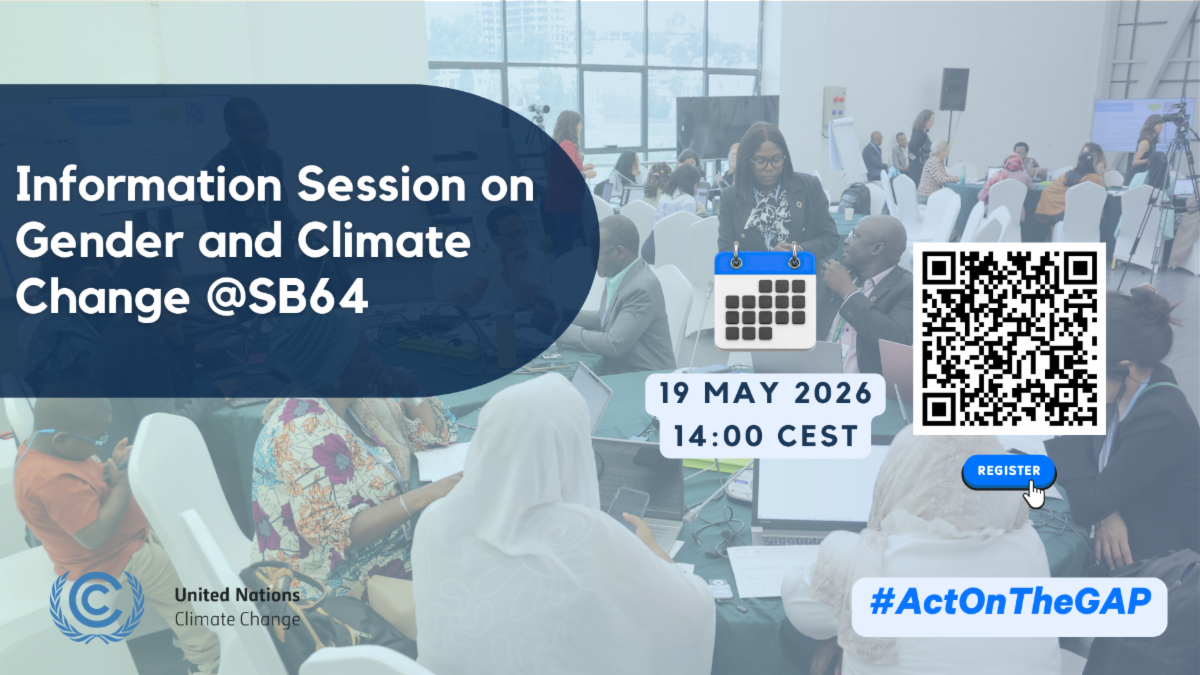
#I_ActOnTheGAP: Adaptation Committee contributes to the 2026 International Women’s Day digital campaign
To mark International Women's Day 2026, the Adaptation Committee (AC) shared a video message as part of the #I_ActOnTheGAP initiative.
Featuring AC's gender focal point, the video highlights how gender considerations are integrated across the Adaptation Committee’s work, including in supporting Parties to design and deliver inclusive, locally led adaptation. The video underscores the importance of inclusive, gender-responsive adaptation and the role of diverse stakeholders in advancing climate action.
| | | Spotlight on COP 30:
Key adaptation related outcomes | |
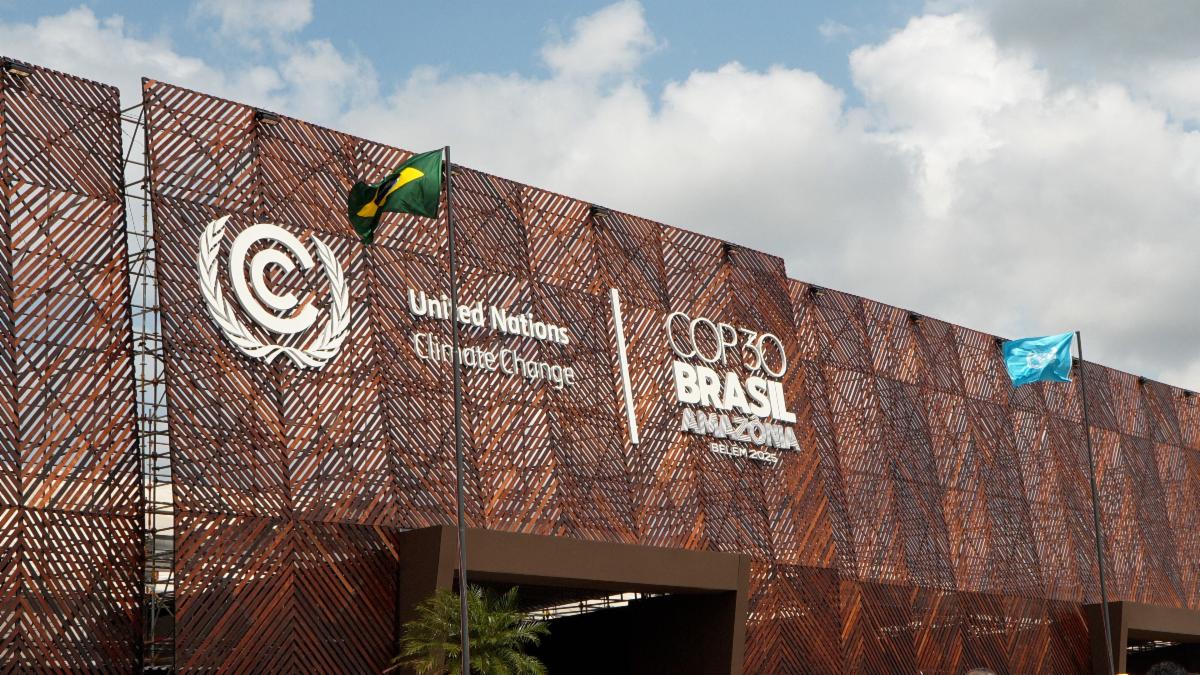
Framed as the “implementation COP”, the 2025 UN Climate Change Conference (COP 30), held in November 2025 in Belém, Brazil, reaffirmed continued cooperation by Parties and a shared commitment to accelerate climate action towards inclusive, climate-resilient development.
Adaptation was in the spotlight at COP 30 and featured prominently across COP 30 outcomes.
| | |
Global Mutirão: In its overarching decision, decision 1/CMA.7, the Conference of the Parties serving as the meeting of the Parties to the Paris Agreement (CMA) launched the Global Implementation Accelerator aimed at enabling ambition and accelerating implementation of nationally climate commitments and national adaptation plans, and further called for efforts to at least triple adaptation finance by 2035 in the context of decision 1/CMA.6, including paragraph 16 thereof.
| | |
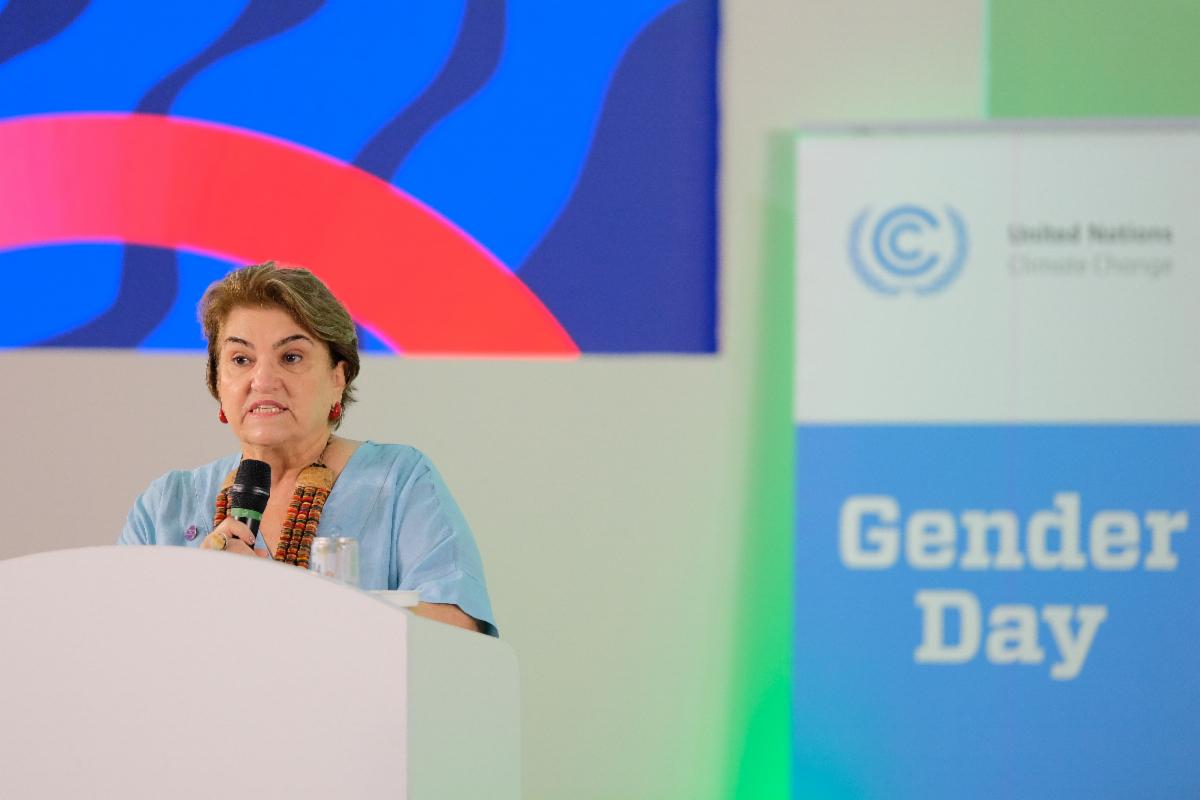
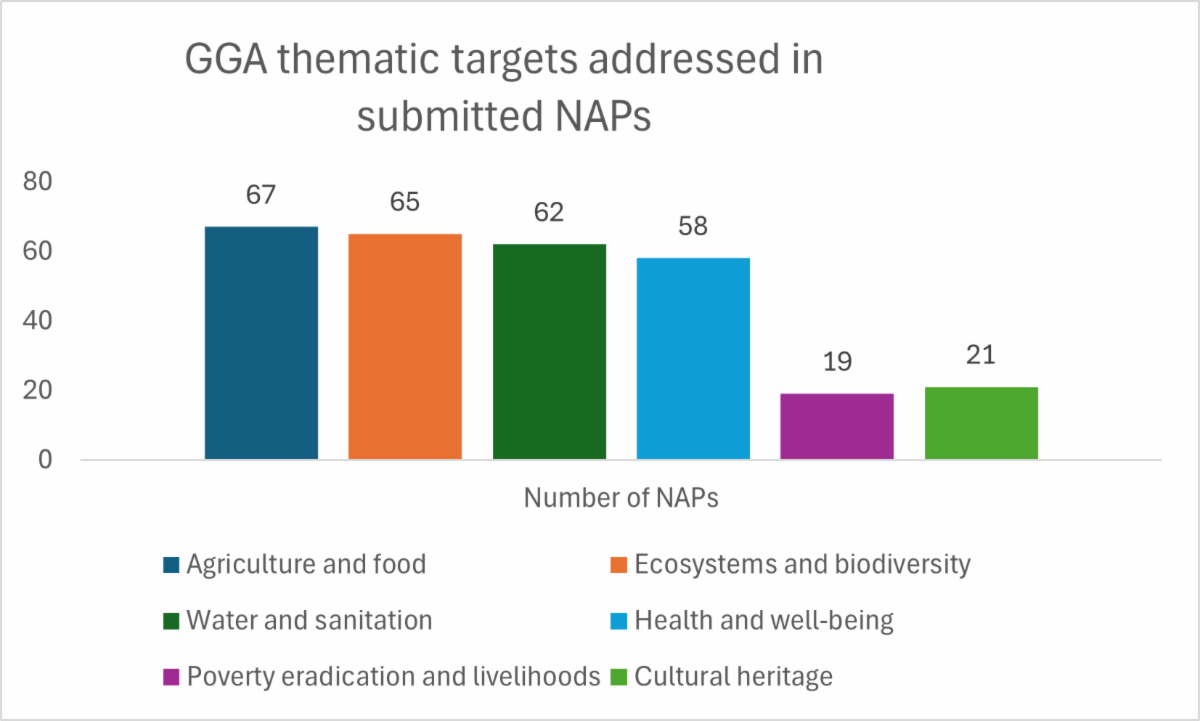
Global Goal on Adaptation (GGA): A central adaptation outcome was decision 12/CMA.7 on the GGA. Parties adopted a set of 59 Belém Adaptation Indicators to help measure progress toward the targets referred to in paragraphs 9–10 of decision 2/CMA.5. These indicators are voluntary, non‑prescriptive, non-punitive, and are designed to respect national sovereignty and national circumstances.
| | |
Guidance relating to adaptation communications: Decision 4/CMA.7 recognized the value of the supplementary guidance for voluntary use by Parties in communicating information in accordance with the possible elements of an adaptation communication, prepared by the Adaptation Committee, and requested the UNFCCC secretariat to make the guidance available in all official UN languages.
The translated versions are now available online.
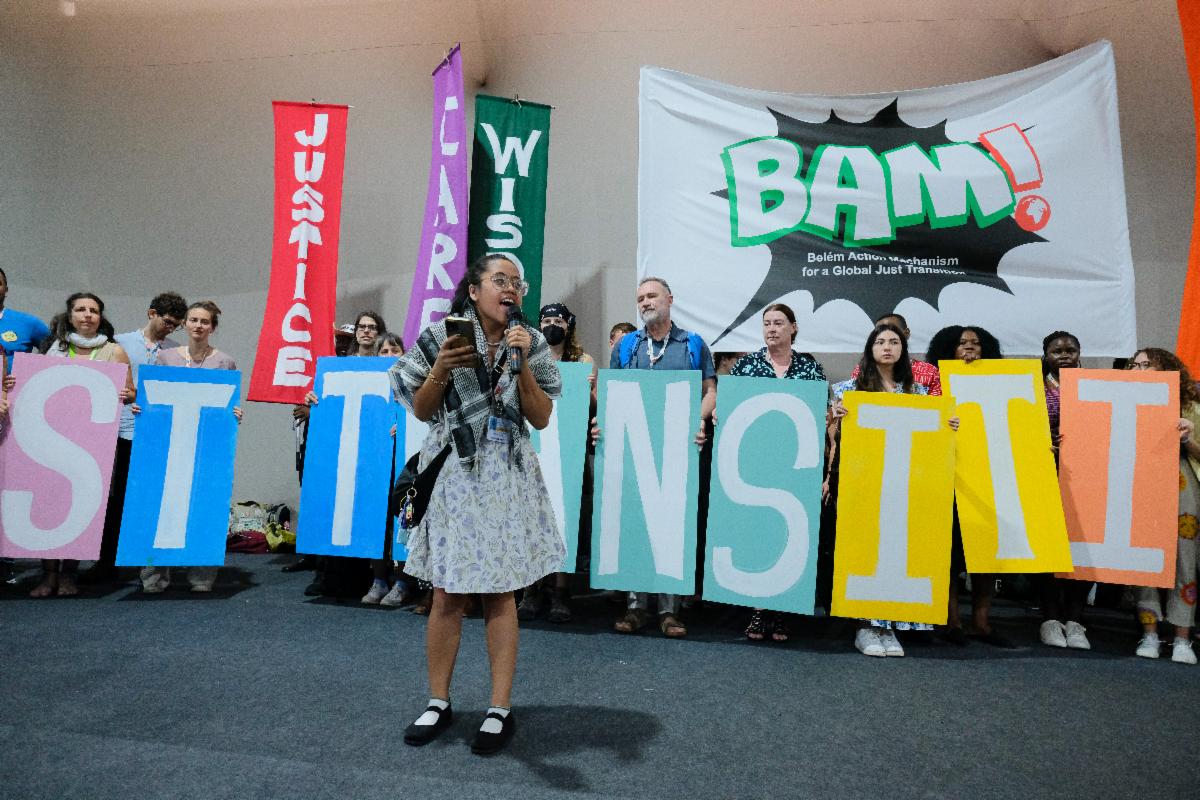
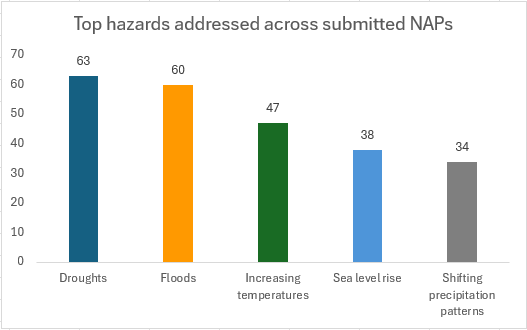
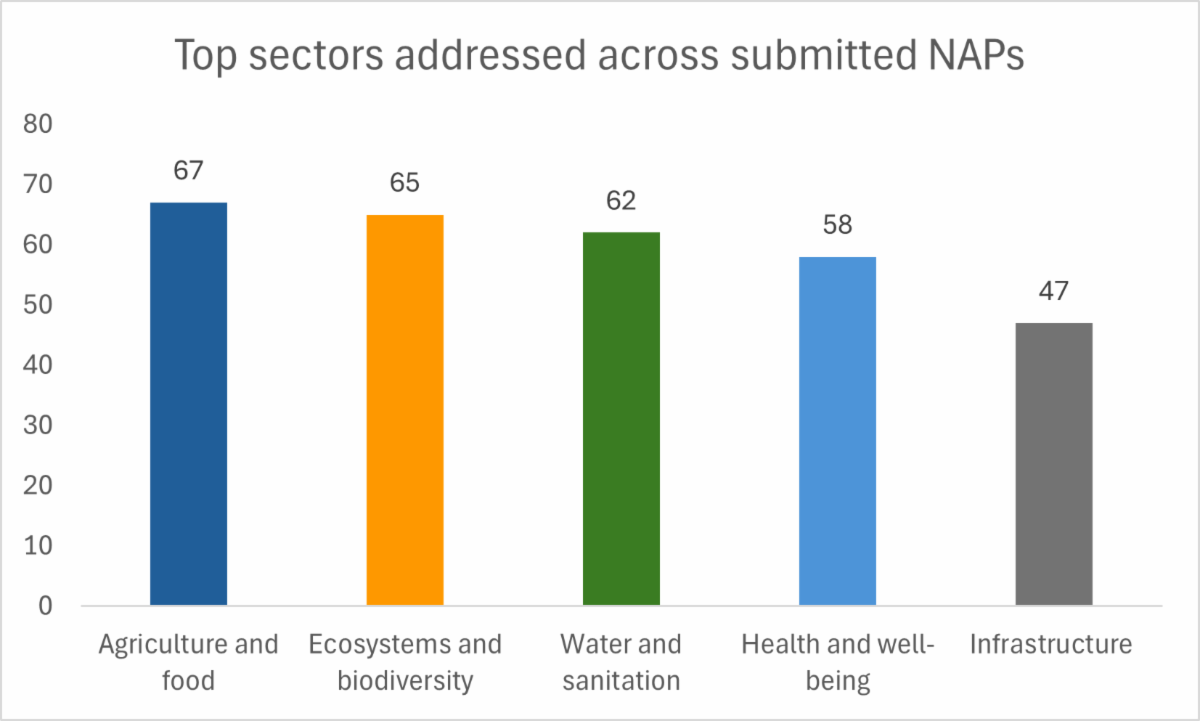
| | National adaptation plans: In decision 8/CP.30, the Conference of the Parties (COP) recalled that national adaptation plans (NAPs) are one of the important vehicles for achieving the targets referred to in paragraphs 9–10 of decision 2/CMA.5. The COP noted continued gaps and needs faced by developing countries in formulating and implementing NAPs, and requested the Adaptation Committee and the Least Developed Countries Expert Group, in line with their mandates, to enhance work on addressing them. | | United Arab Emirates just transition work programme: In decision 2/CMA.7, the CMA recognized relevance of just transition pathways in the context of mitigation, adaptation and responding to loss and damage, and decided to develop just transition mechanism to enhance international cooperation, technical assistance, capacity-building and knowledge sharing, with a view to enabling equitable and inclusive just transitions. | | Belém Gender Action Plan: In decision 7/CP.30, the COP adopted the Belém Gender Action Plan for 2026–2034, which strengthens integration of gender considerations across climate policy and action, including in the context of adaptation. | | Photos 1,3,4: UN Climate Change - Kiara Worth. Photos 2,5,6: UN Climate Change - Diego Herculano | | Advancing adaptation:
Snapshots from the 2025 NAP progress report | | |
I. Burkina Faso became the first LDC to submit an updated NAP
I. 119 countries now have multi-hazard early warning systems, more than double the 2015 figure
| | | | | | | |
Finance
I. USD 6.91 billion in GCF financing approved across 116 NAP-aligned projects
I. USD 320 million in GCF Readiness funding approved across 121 countries
I. USD 277 million+ approved by the Adaptation Fund for 37 NAP-related projects
| |
Financing climate action in water and ocean systems*
| |
Country‑driven approaches
Morocco: Drip irrigation expansion
Kiribati: Multi‑layered water security
| | |
Morocco has transformed its agricultural water landscape through long‑term national programmes. By 2019, nearly 800,000 hectares were equipped with irrigation systems. The shift to drip irrigation systems increased from 9 per cent in 2008 to 37 per cent in 2019. This has reduced pressure on scarce water resources while strengthening resilience in farming communities.
Facing acute freshwater scarcity, Kiribati has implemented a multi‑layered approach. In Betio and South Tarawa, monitoring boreholes were installed to observe the groundwater level and quality. Outdated water pipelines were also replaced to ensure a continuous clean water supply. More rain gauges and monitoring stations were constructed to cover all inhabited islands, improving rainfall forecast accuracy.
| | | |
Integrating water finance into national plans
Madagascar: Quantified adaptation finance needs
Chile: Improved budgeting and fiscal policy
| | |
Madagascar's second nationally determined contribution (NDC) quantifies its adaptation finance needs at approximately 11.6 billion USD for adaptation, with its water strategy aiming to reduce evapotranspiration and run-off by 2030 through reforestation and increasing water storage through infiltration basins on the slopes of catchment areas. By committing to provide about 3–4 per cent of these needs from its internal resources, Madagascar provides a transparent roadmap for mobilizing resources and aligning partners around priority actions.
Chile embeds water and ocean adaptation into a broader climate finance strategy. The country released a climate financing strategy aiming to improve budgeting and fiscal policy to increase the flows of private and public capital towards mitigation and adaptation, while technology transfer priorities for adaptation include water resources (urban and rural drinking water).
| | | |
Innovative finance mechanisms
Marshall Islands: MIRA Trust Fund
Oman: PPP‑ready climate finance strategy
| | |
The Marshall Islands has created a direct link between its national adaptation plan (NAP) and national finance through the MIRA Trust Fund, designed to be a single port-of-call for donors seeking to support Marshall Islands' climate adaptation efforts. Projects to be financed by the Fund will be selected by the NAP Oversight Board through a prioritization exercise based on the NAP Sectoral and Community Action Plans, ensuring alignment with national needs.
Oman's climate finance strategy assumes a pivotal role in attracting external investments, offering a fertile ground for partnerships between public and private stakeholders. At the same time, the country maintains a national computerized well and Aflaj inventory to assess the quantity and quality of groundwater and its use – a culturally significant, community‑managed water source. This dual approach protects heritage infrastructure while enabling modern adaptation investments.
| | | | | | |
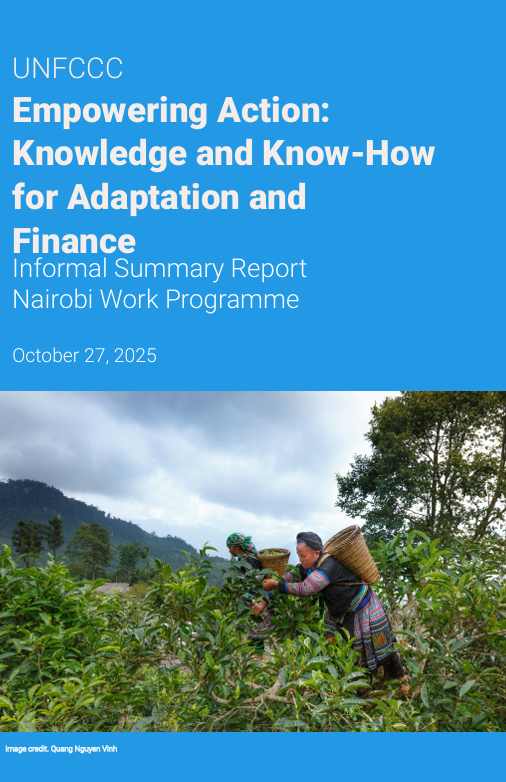
Generating practical insights and exploring pathways for financing adaptation
The Nairobi work programme has brought together diverse knowledge holders in co-creating and synthesizing practical knowledge to inform adaptation financing at different levels for addressing current and future climate change impacts.
This work included identification of practical options for financing adaptation, including promoting community-based adaptation; building an open data architecture for resilience to facilitate investment; establishing a collaborative pipeline development platform for matching projects with finance; and aggregating small-scale projects to unlock large-scale finance.
| | | | |
UNEP Knowledge Repository is an open access platform providing trusted scientific and policy resources on environment-related challenges.
| | |
The UN Climate Change Universities Partnership Programme is a mandated initiative under the Nairobi Work Programme that provides graduate students from accredited universities with opportunities to address real-world priorities related to climate change adaptation identified by communities and countries, in response to UNFCCC mandates.
Partner universities of the partnership programme have the opportunity to respond to targeted curated questions for the purpose of addressing knowledge and know-how needs of Parties within the UNFCCC process.
| | | | | |
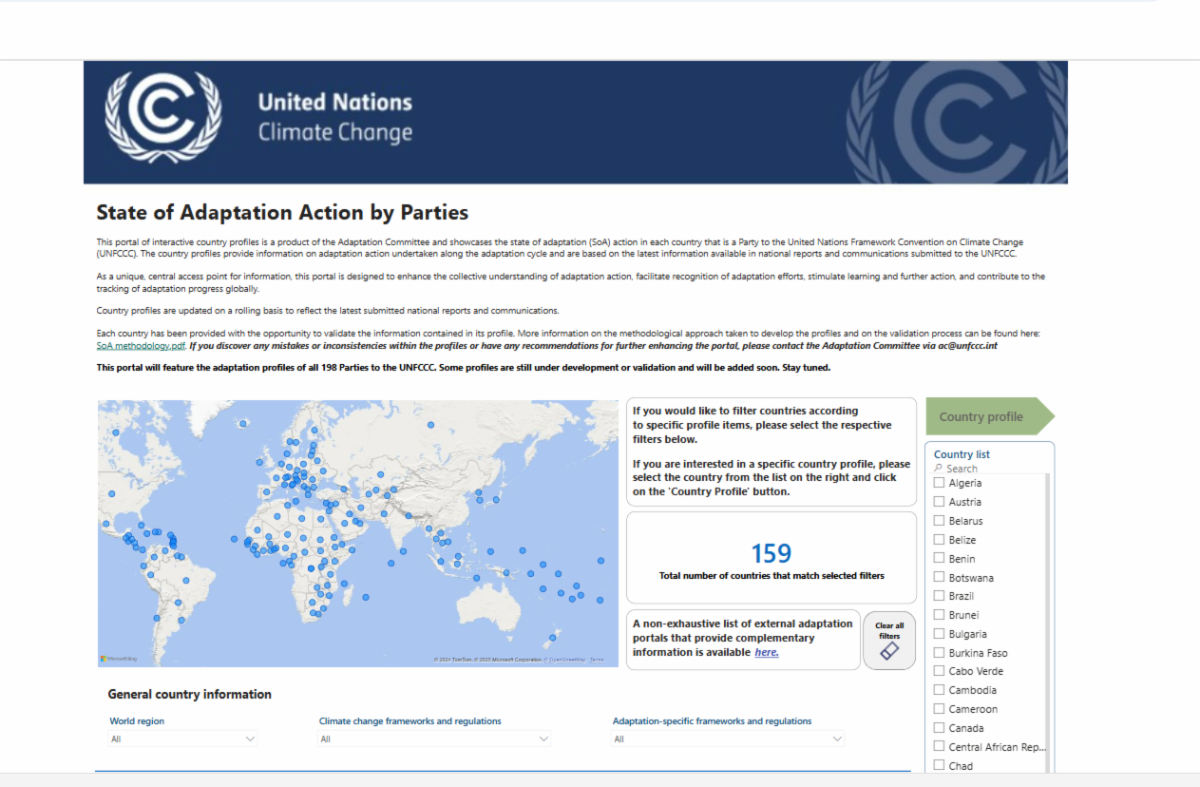
Supplementary guidance for voluntary use by Parties in communicating information in accordance with the possible elements of an adaptation communication are now available in all official UN languages, available here.
| | | | |
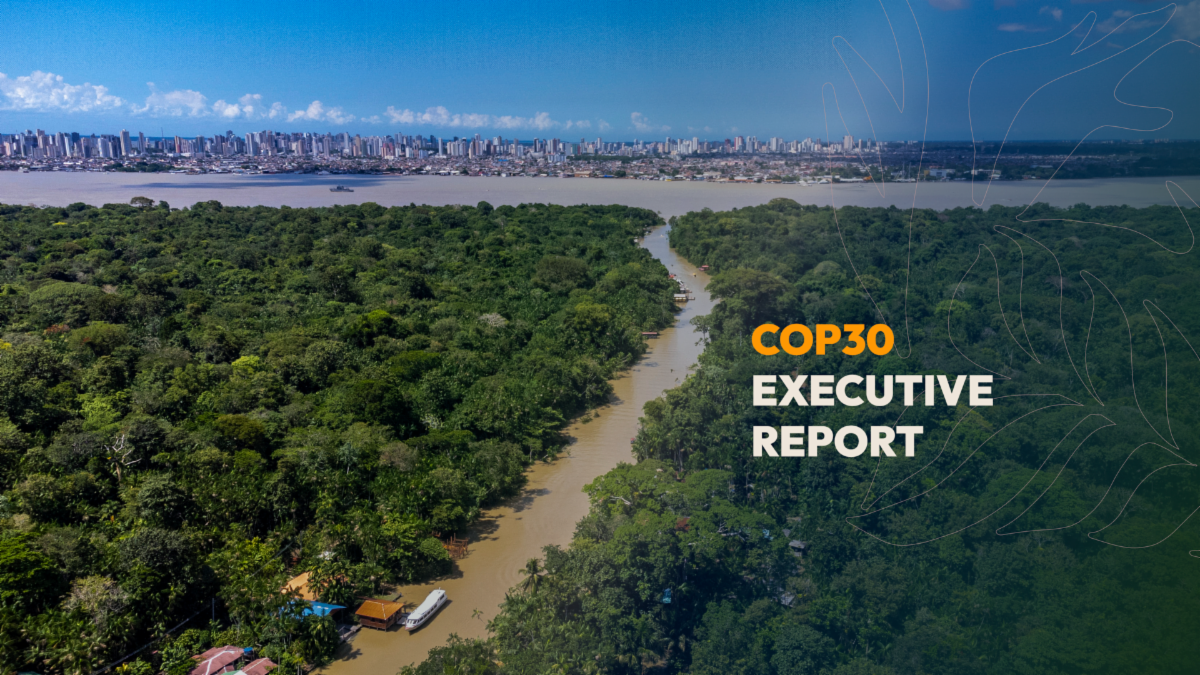
COP 30 Presidency’s Executive Report outlines the key political, normative, and implementation outcomes of the 2025 UN Climate Change Conference, as well as the commitments that will guide the Presidency’s work in the months ahead to sustain momentum for global climate action.
Photo by Alex Ferro/COP 30
| | |
|
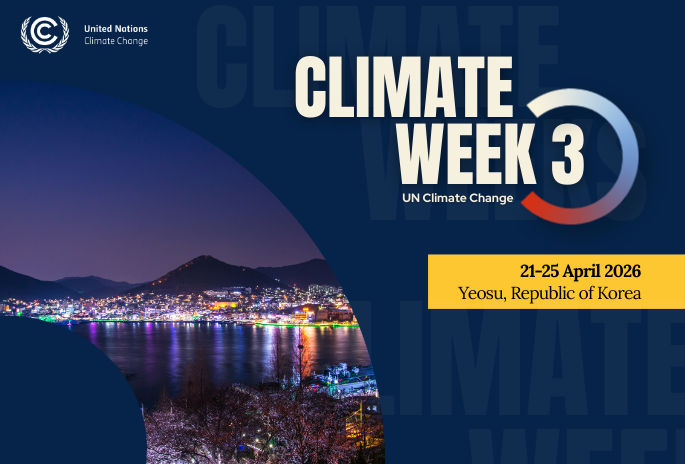
Events in Yeosu, 21–25 April
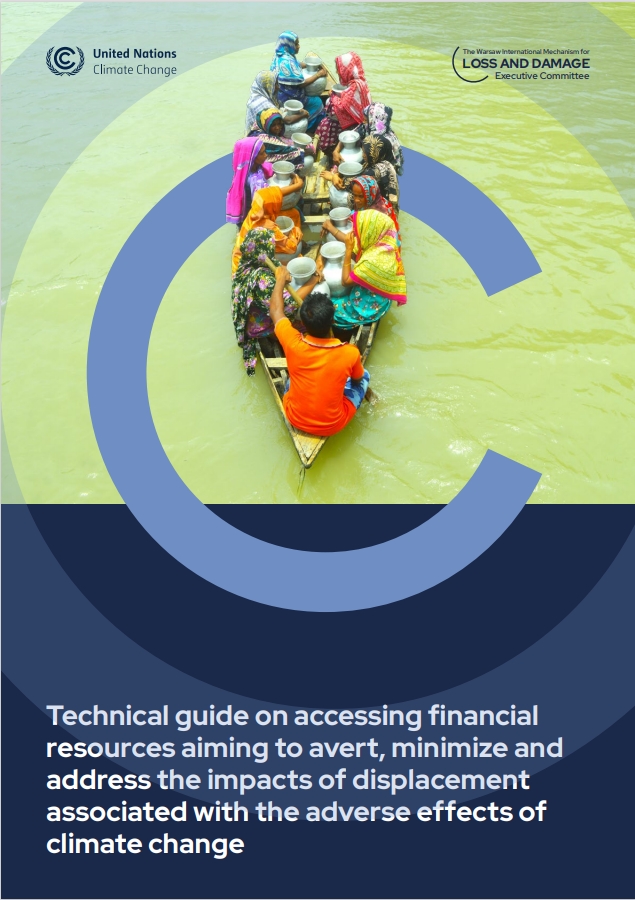
Addressing Critical Loss and Damage Challenges: Human mobility, slow onset events, and non-economic losses, organized by the Executive Committee of the Warsaw International Mechanism for Loss and Damage (ExCom) on 23 and 24 April, will highlight practical challenges and emerging responses to loss and damage issues across regional, national and local contexts. For more information, visit the event webpage here.
From data to decisions: How Monitoring, Evaluation and Learning (MEL) systems inform policy, investment and adaptive management for climate resilience, organized by the Adaptation Committee on 25 April, will bring together policymakers, practitioners, and experts to exchange experiences and lessons learned on designing and implementing MEL systems that inform adaptation policy, investment and adaptive management. For more information, visit the event webpage here.
Knowledge and Foresight on Adaptation Finance, organized by the Nairobi Work Programme on 24 April, will convene diverse knowledge holders and adaptation finance actors to refine and prioritize practical finance options and to explore pathways to facilitate country-driven application. For more information, visit the event webpage here.
Local Communities and Indigenous Peoples Platform’s biregional gathering for Asia, and Central and Eastern Europe, Russian Federation, Central Asia and Transcaucasia regions, organized by the Facilitative Working Group from 21 to 24 April, will bring together Indigenous Peoples and local communities, Parties and other stakeholders to exchange experiences and co-create ways to incorporate diverse knowledge systems to scale up climate action. For more information, visit the event webpage here.
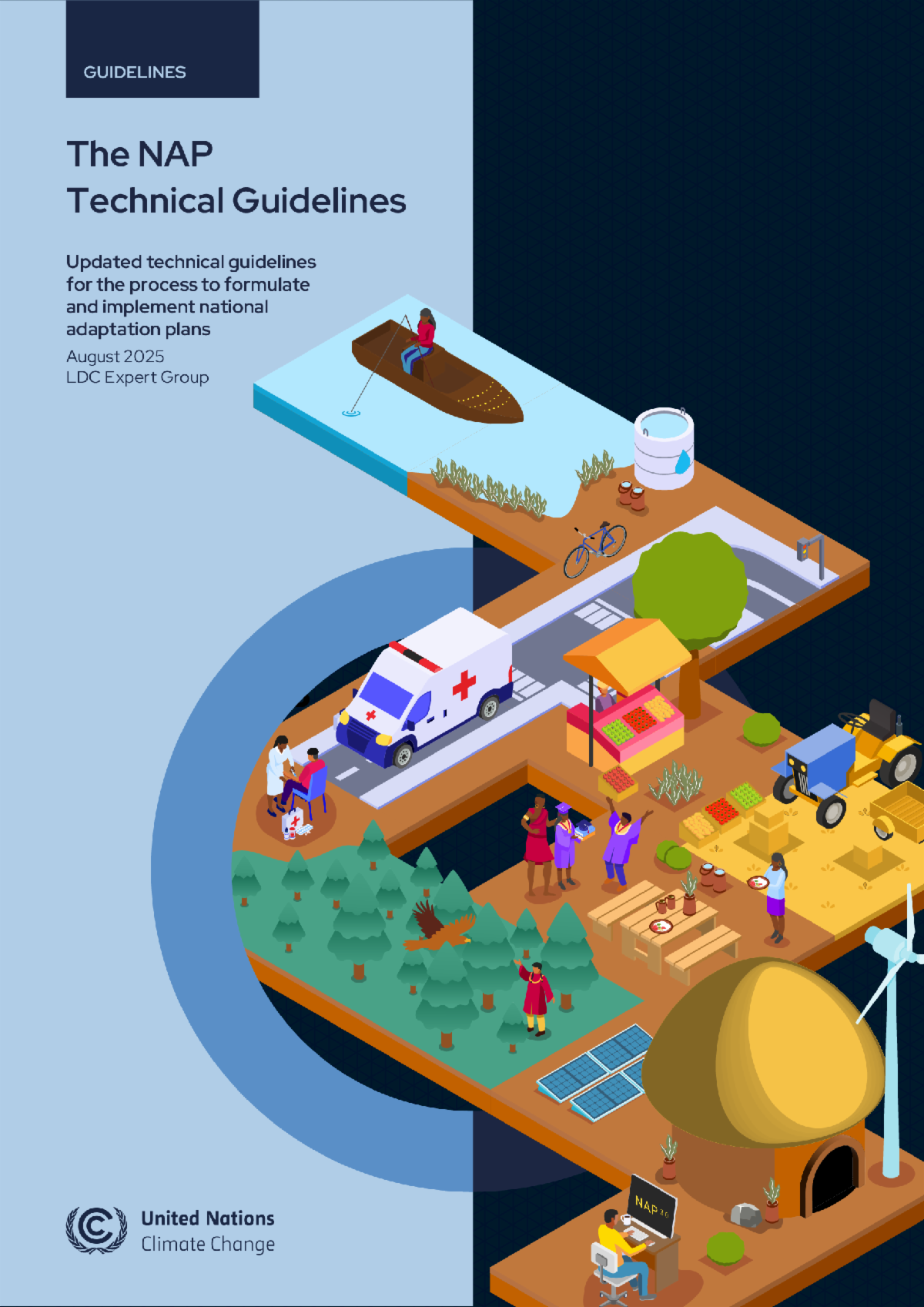
Regional NAP Expo: Advancing financing and implementation of GGA-aligned NAPs, organized by the Least Developed Countries Expert Group on 21, 22, and 25 April, will showcase how to apply the updated UNFCCC technical guidelines for the process to formulate and implement national adaptation plans (NAPs), how the GGA framework can be integrated into NAPs, and how financing and implementation can support resilience-building by 2030 and beyond. For more information, visit the event webpage here.
| | | | |
The economics of climate adaptation: Investing in a resilient future
The 2026 OECD Green Growth and Sustainable Development Forum focuses on the economics of climate adaptation. The event will take place from 1 to 2 July 2026 in Paris, France, and online. For more information, visit the event page here.
NAP Expo 2026: Climate resilience by 2030 and beyond
The Least Developed Countries Expert Group is organizing the 11th NAP Expo, which will take place from 18 to 21 May in Kigali, Rwanda. The theme for this year is “Climate resilience by 2030 and beyond”. The event will include a meeting to facilitate an exchange of views among relevant organizations and other stakeholders on enhancing the provision of support to the least developed countries for implementing national adaptation plans as requested by COP 30. For more information, visit the event webpage here.
Thematic dialogue on opportunities for accessing adaptation finance from the operating entities of the Financial Mechanism and the Adaptation Fund; June 2026 (date tbc); information will be
available here.
Annual dialogue among Indigenous Peoples, local communities, Parties and other stakeholders; June 2026 (date tbc); information will be available here.
In-session workshop on ways to enhance the engagement of local communities in the UNFCCC process; June 2026 (date tbc); information will be available here.
| |
| How did you like this email? | | | | Do you have more feedback for us? We'd love to hear your thoughts: | | |
The Adaptation Action Newsletter is a new communication product of the Adaptation Committee. It aims to disseminate adaptation-related updates and developments from constituted bodies and entities under the Convention and the Paris Agreement. While primarily intended for Parties, it also serves policymakers, UN entities, and other interested stakeholders engaged in adaptation action.
This newsletter complements the Adaptation Committee’s existing Adaptation Finance Bulletin, which provides regular updates and insights on adaptation finance matters from funds, bodies, and negotiations under the UN Climate Change process. Subscribe to the Adaptation Finance Bulletin here.
| | | | |