Addressing Our Legacy of Racial Injustice
|
|
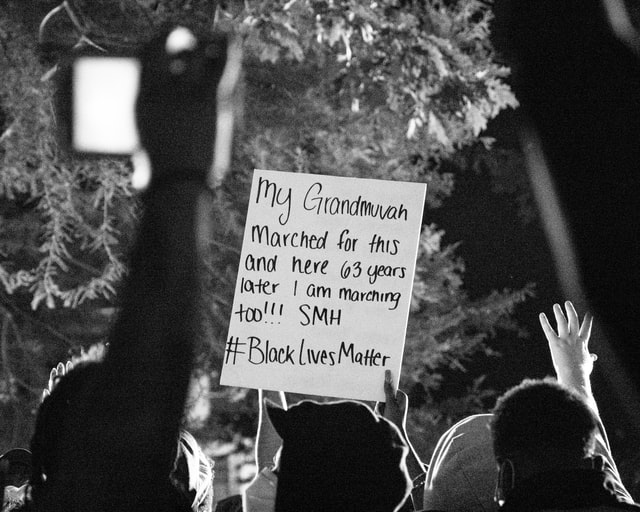
I think America must see that riots do not develop out of thin air. Certain conditions continue to exist in our society which must be condemned as vigorously as we condemn riots. But in the final analysis, a riot is the language of the unheard.”
-Rev. Martin Luther King Jr.
|
|
|
Somava Saha, MD, MS
Executive Lead, Well Being In the Nation (WIN) Network and WE in the World
|
|
Addressing Our Legacy of Racial Injustice
|
Like many of you, we are devastated by the brutal deaths of George Floyd, Breonna Taylor, Ahmaud Arbery and countless others before them at the hands of police. Our hearts go out to their families and communities.
The WIN Network stands in solidarity with the Black community and other communities of color in this painful time of injustice, racism and inequity with a commitment to working together for racial justice.
|
|
"Connecting in the Time of Corona":
WIN Network Virtual Meetings
June 1st - 7th, 2020
During
WIN week 2020 (June 1-7),
we have created spaces for listening, reflection and solidarity related to this week's killing of Black lives against a backdrop of a week of events aimed at addressing well-being and equity in the time of Corona. We hope you will join us in dialogue and community in this legacy moment in our nation’s history.
Register here.
|
|
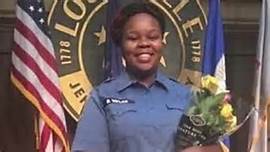
Breonna was an emergency room technician in Louisville, KY who wanted to be a nurse. She was shot and killed in her bed by police who broke in without warning because they believed her boyfriend might be using her apartment to receive drugs..
|
|
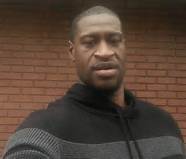
George was a father and restaurant worker who recently lost his job in the context of Corona. He was killed by police at a grocery store over a $20 bad bill.
|
|
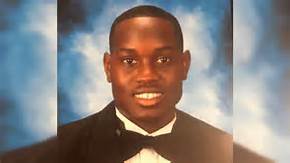
Ahmaud had managed to escape the school to prison pipeline and was enrolled to go to college as an electrician, like generations of his family before him when he was shot by civilians while jogging based on racial profiling.
|
|
|
|
The Police Can Still Choose Nonviolence
The use of force by police can’t pacify protests responding to the use of force by police
By David A. Graham
"When rioting breaks out, it’s common for the press and politicians to call on protesters to observe nonviolence, usually with rote reference to Martin Luther King. But in these cases, the community has been brutalized by the state in the first place, and so the police are the ones with the ability to break the cycle of violence.
To expect that protesters are going to react well when police, many of the officers
dressed head-to-toe in military gear,
start corralling them or blocking them off or pinning people to the ground with their knees, is delusional.
This isn’t a case where the cops can present themselves as a disinterested third party
simply keeping the peace
between the protesters and their targets. They
are
the targets, not only because police violence is what sparked the protests, but also because the reforms the protesters demand, from
ending qualified immunity
to abolishing police altogether, will affect those officers."
|
|
It Does Not Matter If You Are Good
On Omar Jimenez, George Floyd, Christian Cooper and the myth of being non-threatening.
By Eric Thomas
"At some point you learn to speak clearly and slowly, to widen your eyes a bit, perhaps to smile, in situations where the underlying danger of everyday existence races to the surface like an air bubble in murky water. Of course you do this with law enforcement, at a traffic stop or in a random encounter on the street, but you do this also in the most anodyne situations—with the train conductor when your ticket won’t scan, with the concierge at an apartment building, with the random white stranger who suddenly wants to know what you’re doing, where you’ve just come from, where you think you’re going. You learn to perform harmlessness, not as a way of selling yourself out—though it often feels like that—but as an attempt at heading off a conflict that seems to always be brewing. You learn—or, at least I, a black, cisgender man, learned—that there will be moments, random and unbidden, where to save your life you must convince a stranger that you are in some amorphous way good. And at the same time you learn that it probably will not make a difference."
|
|
There seems to be nothing our black sons and daughters can do to remain alive
By Donna F. Edwards
Since my son was in middle school, I have counseled him about how to interact with law enforcement and how to avoid those interactions.
My son is exhausted of this burden and angry that it has happened yet again.
How many stories can we count in just the past decade of black people doing ordinary things that result in their harassment, detention, restraint and death?
George Floyd is the latest in a too-long list of black men and women who have died at the hands of white police officers.
|
|
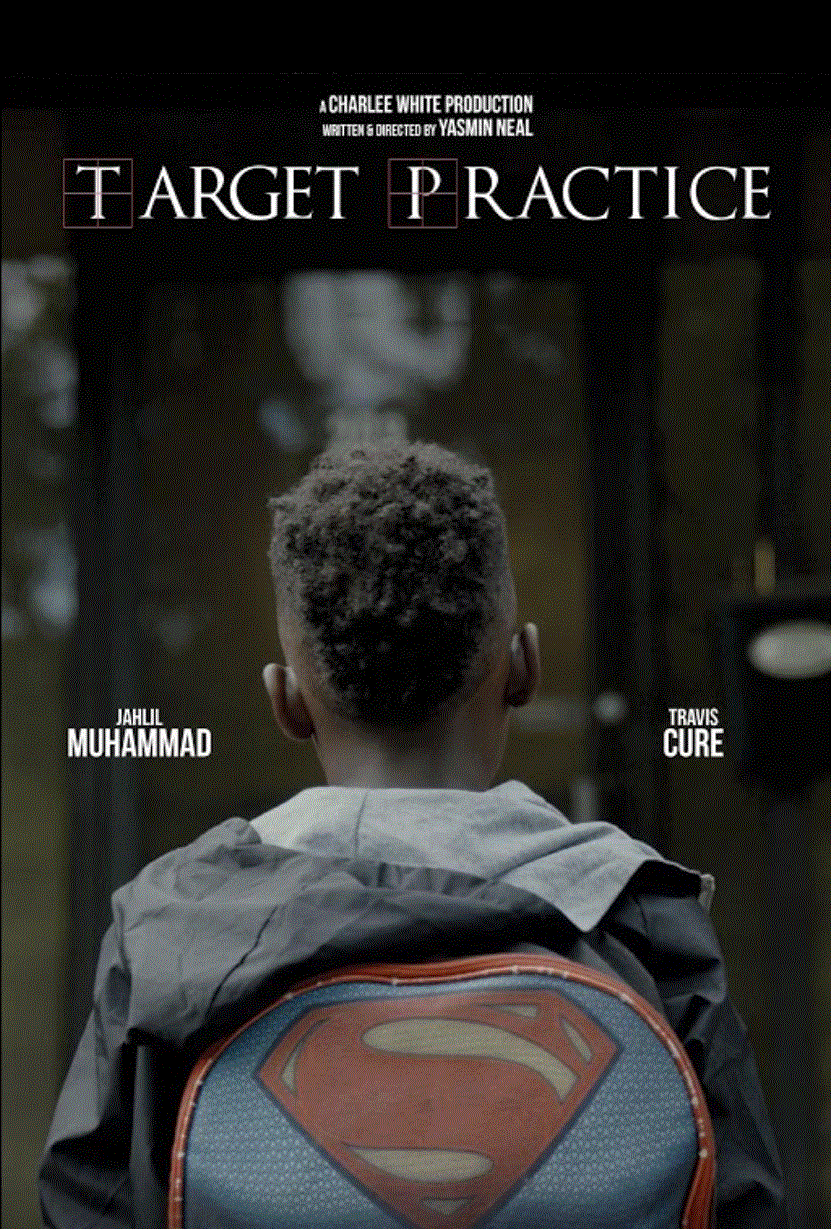
Last year, we wanted to tell a particular story... In light of yet another recent release of video of unarmed
#AhmaudArbery
being shot and killed, we hope our film Target Practice resonates with you.
|
|
|
|
How Amy Cooper and George Floyd represent two versions of racism that black Americans face every day
by Michele Norris
These two storylines — the black man confronted by white fragility in Central Park and the black man confronted with police brutality in Minneapolis — will forever be in conversation with each other.
Few would call themselves racist, and yet we see the inequality all around us — in disproportionately aggressive policing, disproportionately high rates of
covid-19 illness and death
, disproportionately low allocation of pandemic relief funds — the list goes on and on.
These outcomes are not accidental. They are the result of 100 million little individual actions and decisions that intersect and interlock to create the scaffolding for structural racism.
|
|
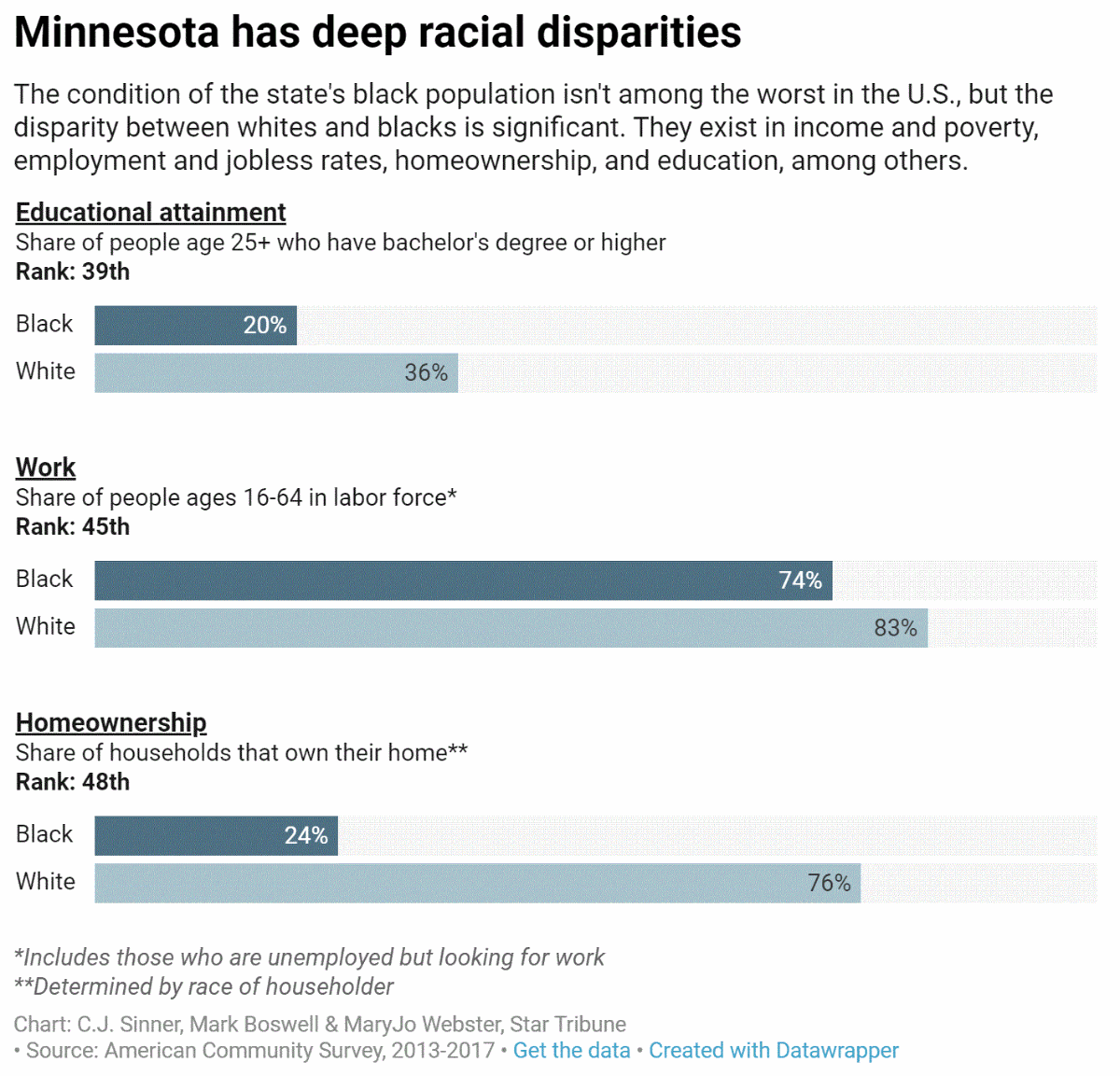
How did Minn. become one of the most racially inequitable states?
By almost any measurement, Minnesota is plagued by racial disparities. In unemployment statistics. In the percentage of people in poverty. In homeownership. And in other areas as well. While conditions of blacks are frequently no worse in Minnesota than in other states, the disparity — the gap between whites and blacks — is among the largest in the country. For example, poverty among whites in Minnesota is about 7%, while the rate is more than four times higher at 32% for blacks, the third biggest gap in the country.
It is referred to as “the Minnesota paradox” in a 2018 book co-authored by Prof. Samuel L. Myers - Myers contends that the large gap is largely due to special benefits- bank loans - made available over time to the white population that’s led to substantially higher wealth than blacks."
|
|
The Daily Show with Trevor Noah
Born in South Africa during Apartheid - Trevor Noah speaks on what he sees as the dominos of racial injustice. Here he talks both about the social contract that has been broken by society and about the principles of legitimacy:
“...legitimacy is based on three things. First of all, the people who are asked to obey authority have to feel like they have a voice--that if they speak up, they will be heard. Second, the law has to be predictable. There has to be a reasonable expectation that the rules tomorrow are going to be roughly the same as the rules today. And third, the authority has to be fair. It can't treat one group differently from another.”
- Malcom Gladwell
|
|
|
Minneapolis businesses, including some that were damaged, are standing in solidarity with protesters
By Alaa Elassar, CNN
|
|
Hundreds of
businesses
in the state's Twin Cities -- Minneapolis and St. Paul -- were damaged or looted during four days of unrest. Yet some of those business owners are still
voicing their support
for protesters.
In the midst of the protests and violence in Minneapolis stood a popular local restaurant: the Gandhi Mahal.
Ruhel Islam, the business owner who immigrated from Bangladesh 24 years ago to escape state violence, started his business nearly 13 years ago. It burned to the ground during the unrest Thursday night. When he found out, Islam said he only had one response: "Let my building burn. Justice needs to be served and those officers need to be put in jail."
|
|
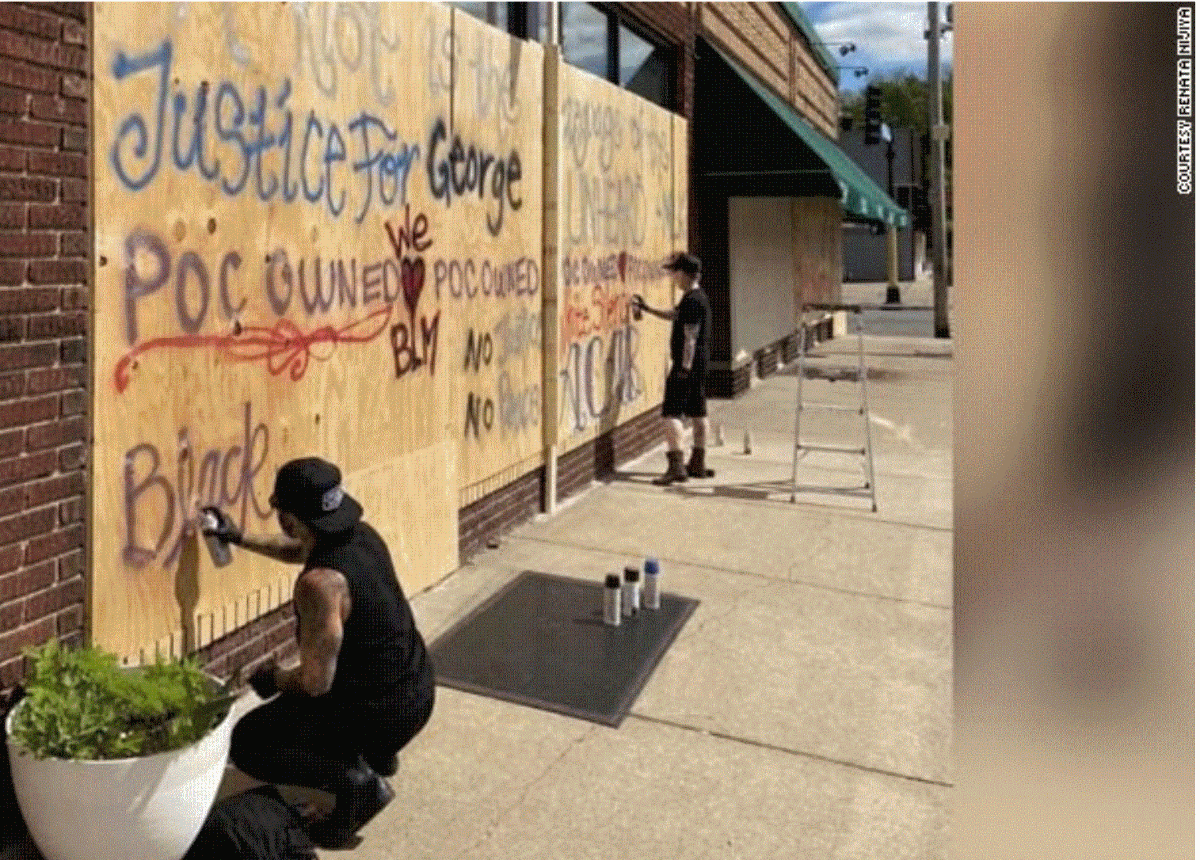
They're using their tattoo parlor to inspire protesters
A tattoo parlor in Minneapolis did not waste any time to show its support for protesters.
Emi Nijiya, the owner of
Jackalope Tattoo
, told CNN they decided to board up the shop on Friday and spray supportive messages across the storefront.
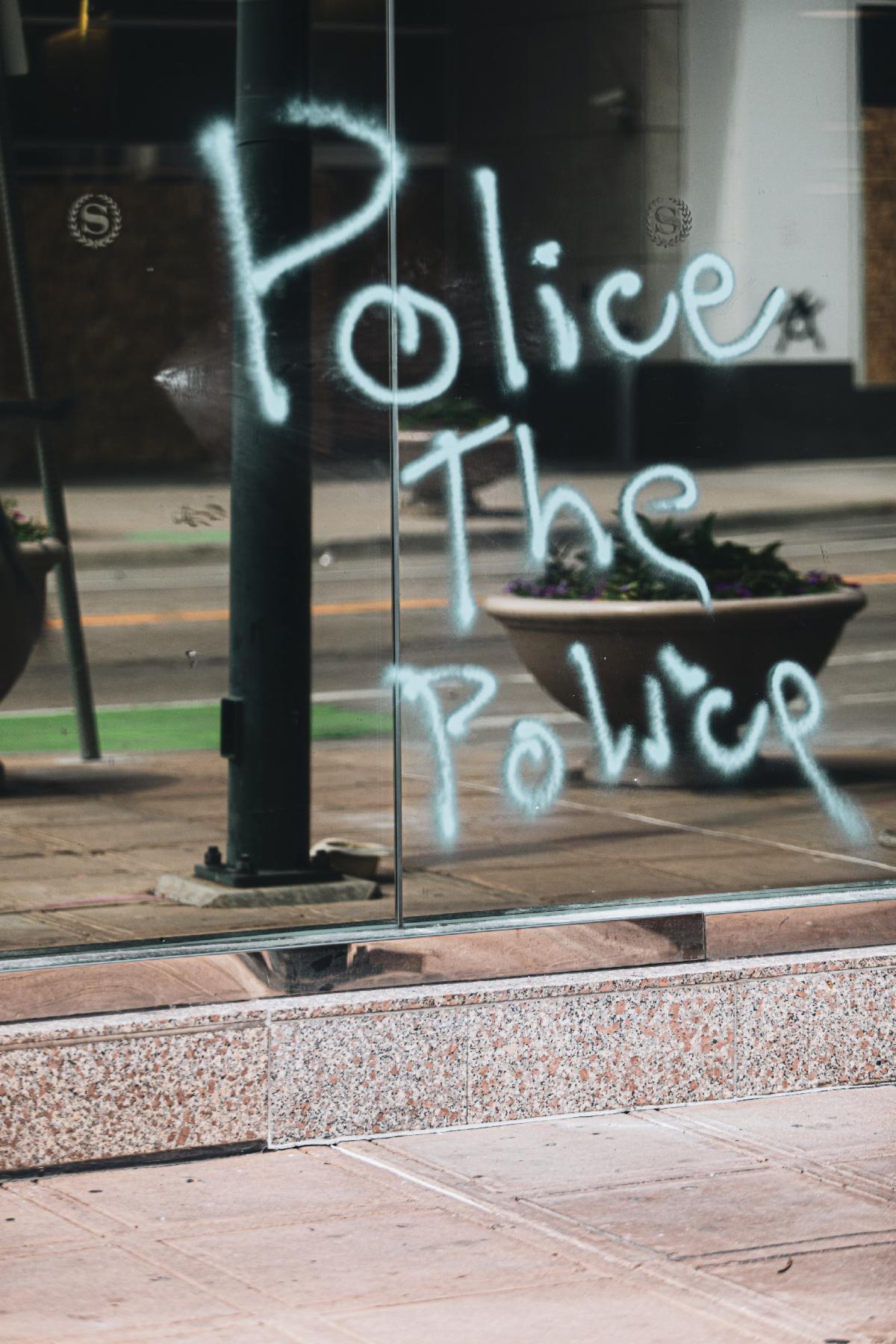
Using spray paint, Nijiya, their wife, and coworkers covered the shop with slogans and quotes to inspire protesters. Among them was Martin Luther King Jr.'s famous words: "A riot is the language of the unheard."
"I think a lot of people think that these riots are not part of our history and that they don't do anything," Nijiya said. "This was our way of saying yes, this is justified and it is something we should be fighting for. We need to be fighting for change."
|
|
TOOLS TO BUILD WELL BEING
|
|
|
|
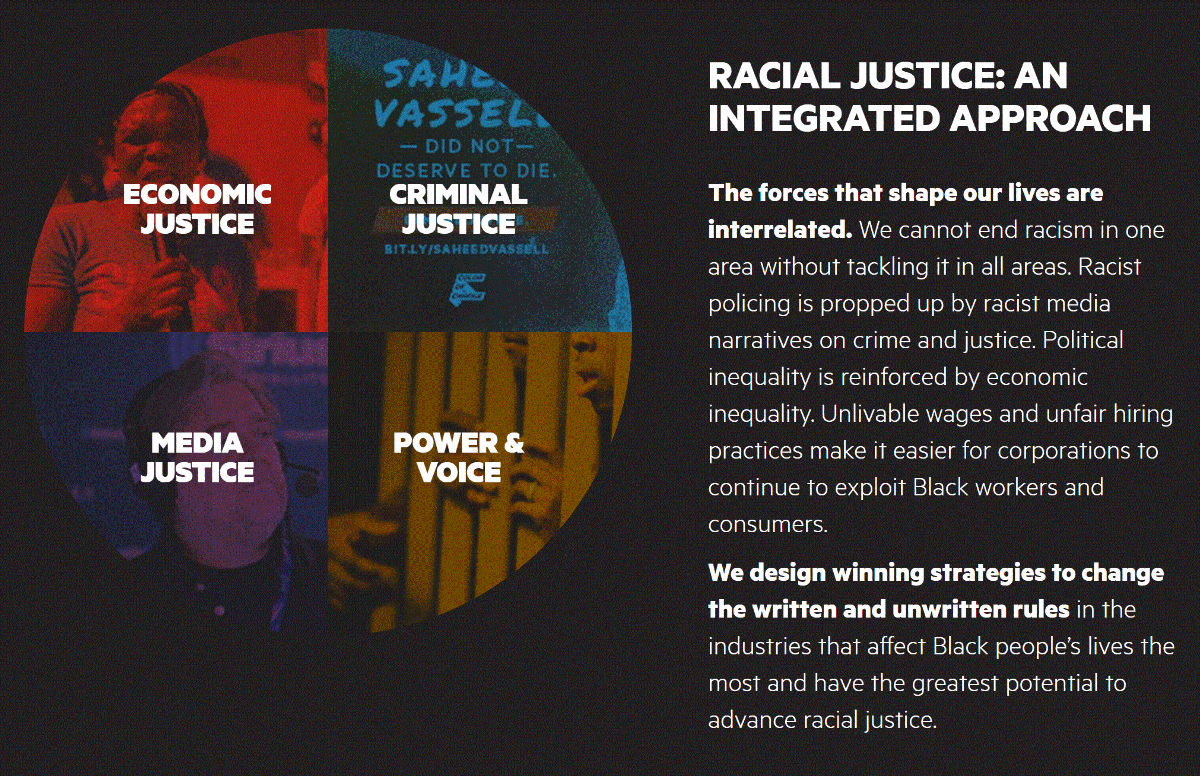
Racial Justice: An Integrated Approach
The forces that shape our lives are interrelated. We cannot end racism in one area without tackling it in all areas. Racist policing is propped up by racist media narratives on crime and justice. Political inequality is reinforced by economic inequality. Unlivable wages and unfair hiring practices make it easier for corporations to continue to exploit Black workers and consumers.
We design winning strategies to change the written and unwritten rules in the industries that affect Black people’s lives the most and have the greatest potential to advance racial justice.
|
|
What Matters
combines documentary narrative with interviews to illuminate specific, timely issues, aiming to create safe dialogue to promote freedom, justice, and collective liberation. What Matters is a salve and a safe place where we can connect, learn, think freely, and transform the world. New and upcoming episodes include interviews with Rep. Karen Bass, BLM South Bend, Donna Brazile, Dr. Cedric Dark, Jane Fonda, and Marc Lamont Hill.
|
|
NEW ERA OF PUBLIC SAFETY -
A GUIDE TO FAIR, SAFE, AND EFFECTIVE COMMUNITY POLICING
Policing has laid bare the fault lines in America — and our report, New Era of Public Safety, is about the possibility of healing and transformative reform. In 2014, the police shooting of Michael Brown in Ferguson, Missouri, renewed a necessary national conversation about racial justice, policing, and public safety. As awareness and activism increase, so too must our commitment to realizing a vision for public safety that honors the dignity of all people.
|
|
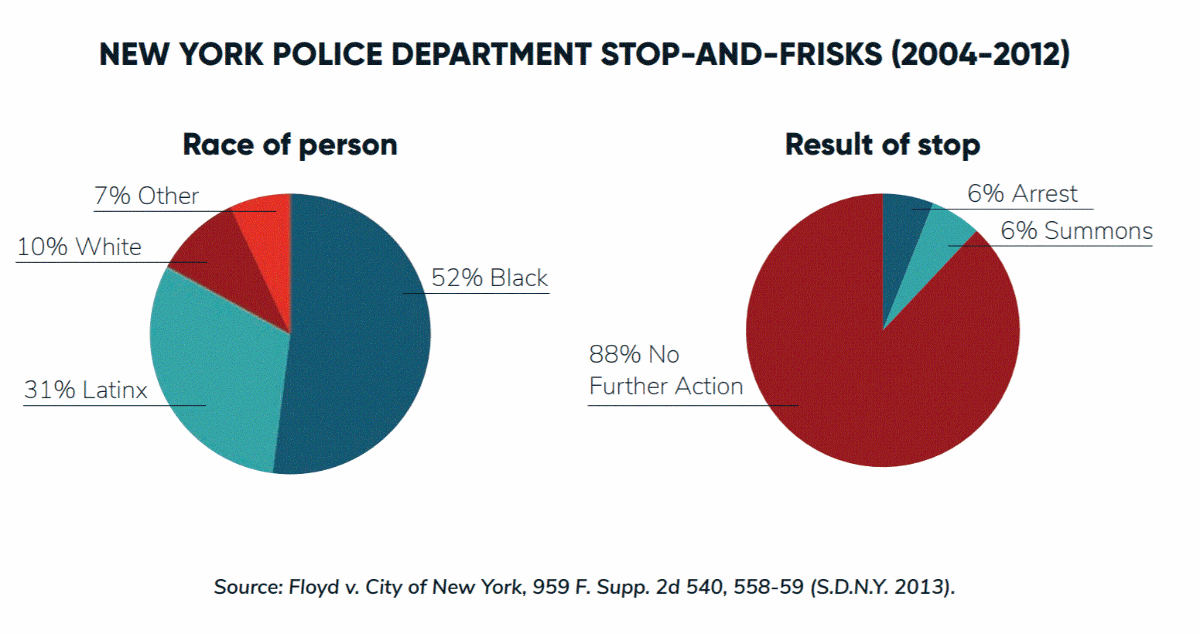
New York City officials have claimed that its stop-and-frisk policies were needed to curb crime. But the numbers tell a different story. By May 2017, NYPD stops and frisks had dropped from 686,000 in 2011 to under 11,000. During this same period, crime rates declined.
|
|
JOIN THE CONVERSATION THIS WEEK!
|
|
WIN Network
Thursday, June 4, 2020
3:15 - 4:00pm (EDT)
|
|
WIN Network
Saturday, Jun 6, 2020
11:00 - 1:00pm (EDT)
|
|
|
|
Policy and Tools Corner
- Policy Platform to Reform Policing from Color of Change
- Poor People's Campaign Platform to Address COVID resilience and response with a moral stimulus package for communities of color experiencing inequities.
- Coronavirus Response Collection from Community Commons - a curated collection of resources from change-makers across the country. To contribute to this page, suggest a resource here and select the "Coronavirus Pandemic" topic.
|
|
Taking Action through the WIN Network
Click on each cooperative below to learn what they're up to and how you can get involved.
Follow us
@network_win
to get the latest news from around the country across sectors!
|
|
|
|
|
|
|
|