|
"Bread for Our Journey" is a new approach to faith development you can do as an individual, in informal small groups, or as a family. This is a weekly collection of curated and original material.
These reflections are intended to deepen our understanding of scripture,
to open our awareness of different voices and wisdom,
and to introduce spiritual practices that bring creativity and justice to our world.
| |
|
Wherever you see this "For All Ages" icon,
consider inviting your children to connect and reflect in these ways with you.
| |
|
December 5th, 2021
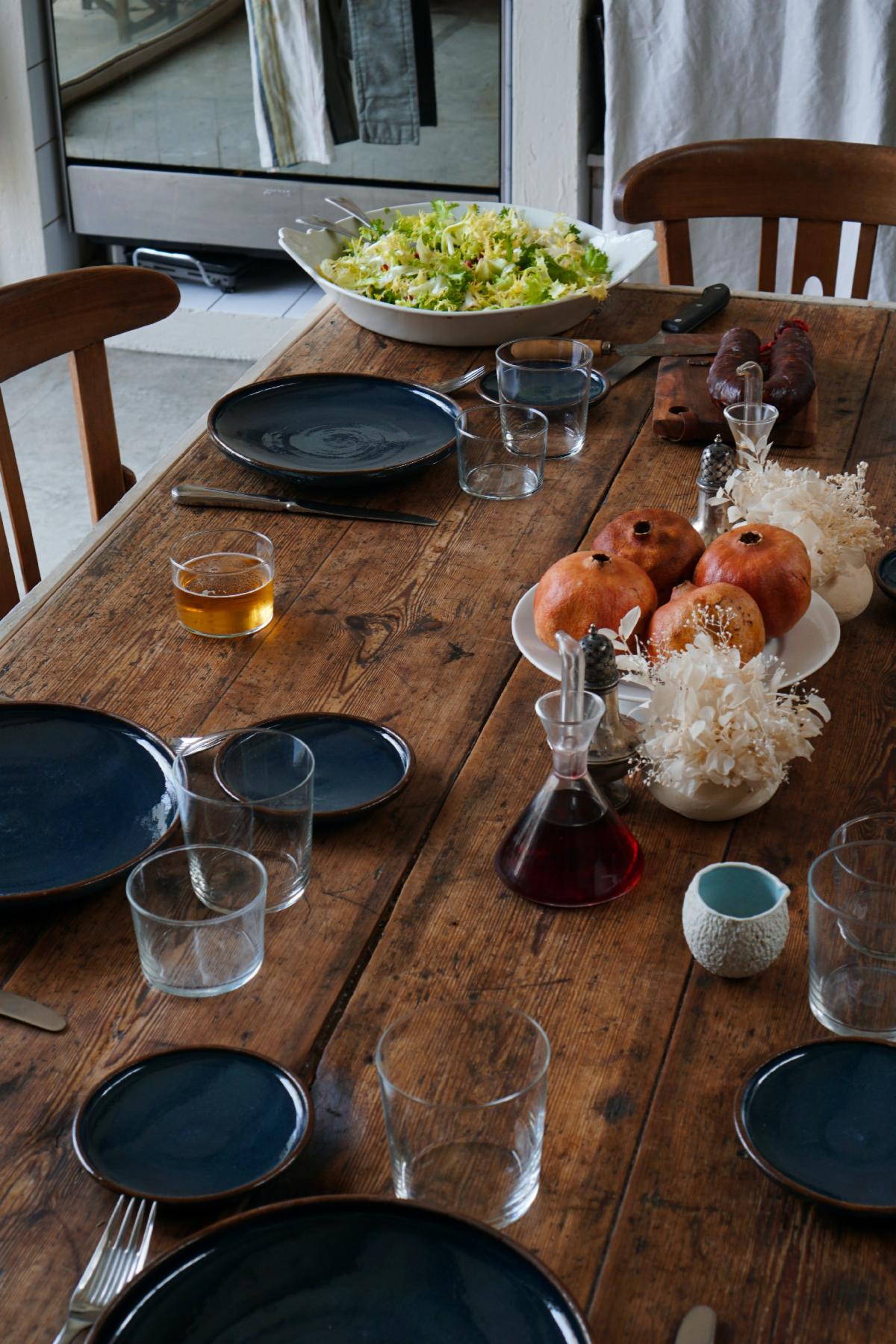
"Place at the Table"
This is the Second Sunday of Advent.
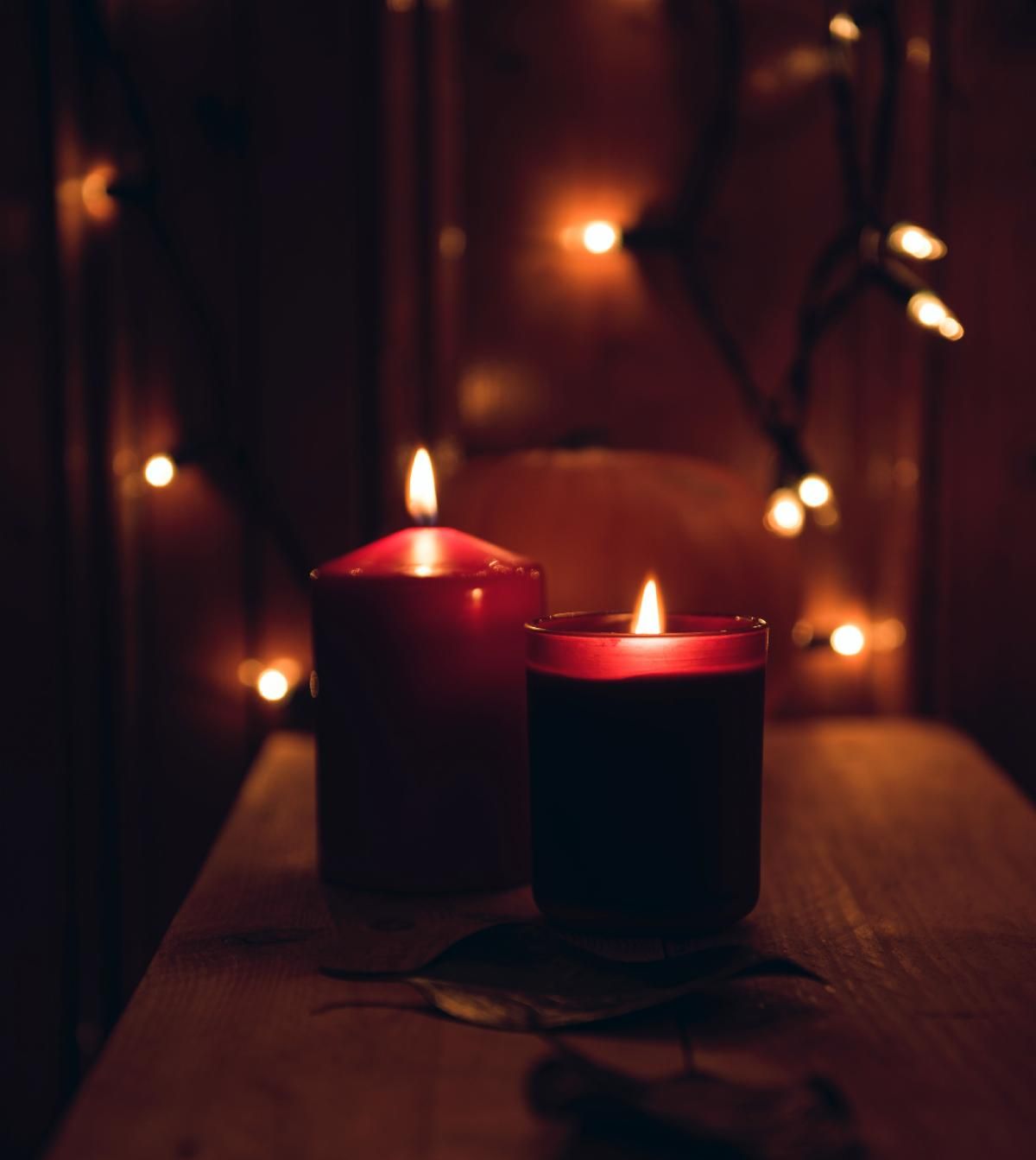
We light the Candles of Hope and Peace.
As we prepare for the birth of Christ, how can our church become a house where the Holy will be born anew–offering respite, sustenance and care, opening the doors ever wider to those seeking shelter from the onslaught of life? No one church can do it all, but each can do something. As we study the biblical prophets that call us to care for our neighbors and “make room in the inn,” the lonely and frightened spaces within us are filled with the light of Hope, Peace, Joy, and Love.
Today we offer the Light of Peace to illumine the Door of Welcome. May this light shine in our hearts, in our lives, and in our church. May Peace awaken us to possibilities and lead us to greater hospitality. There IS room in this Inn, a House for the Holy.
~ Dr. Marcia McFee, Worship Design Studio
Click here to view a trailer about our Advent journey through this series
| |
|
READ THE WORD
Our scriptures for today are taken from the worship readings for this Sunday.
Baruch 5:1- 5
Take off your mourning clothes and oppression, Jerusalem!
Dress yourself in the dignity of God’s glory forever.
Wrap the justice that comes from God around yourself like a robe.
Place the eternal one’s glory on your head like a crown.
God will show your brilliance everywhere under heaven.
God will give you this name by which to be called forever:
The Peace That Comes from Justice, The Honor That Comes from Reverence for God!
Get up, Jerusalem! Stand on the high place, and look around to the east!
See your children gathered from the west to the east by the holy one’s word,
as they rejoice that God has remembered them.
Philippians 1:9-11
And this is my prayer, that your love may overflow more and more with knowledge
and full insight to help you to determine what is best, so that in the day of Christ
you may be pure and blameless, having produced the harvest of righteousness
that comes through Jesus Christ for the glory and praise of God.
Common English Bible
| |
|
PONDER THE TEXT
Use these questions as prompts to journal on your own or to reflect in discussion with family, friends, or in a small groups.
The Book of Baruch is part of the Apocrypha, a collection of ancient texts not canonized in the Old or New Testaments, yet included in the Revised Common Lectionary and would have been well known in Jesus' time. Baruch is said to have been written a few years after Jerusalem was destroyed and the Israelites were forced into exile in Babylon.
In our reading today, the author uses poetic language and encourages the exiled people to claim a peace that would have been hard to imagine in their circumstances as refugees.
Reread the Baruch passage with the exile experience in mind. What in the text takes on different meaning if read by people who were forced from their homeland?
What does the name "The Peace That Comes From Justice" mean to you?
This week we also look at a reading from Philippians, a letter Paul wrote to the church in Philippi when he was imprisoned.
In Paul’s prayer for the Philippians in the text, where do you see Paul calling for peace?
How can you make room for peace in your life?
In what ways are you inviting all people to the table of peace? What acts of justice and mercy could serve as invitation?
| |
A great way to engage with all ages today is to talk about peace. Wherever you have conversation with your family today - around the dinner table or in the car - ask these questions.
What does peace feel like in your heart?
What does peace look like in your home? In your school?
What are some ways that you can help make room for peace in the world?
| |
|
REFLECT ON OUR WORLD
As theologian Karl Barth asked preachers to preach with "a Bible in one hand and a newspaper in the other" so, too, are we called to reflect on what is going on in the world and how it intersects with our faith.
In reflection on today's text, Jon Berquist shares,
"If we are caring for women, children, and immigrants and planting justice and peace for them, we're creating a community that will care for everyone and bringing new life wherever we go. And so the East and the West is a reminder, I think, of the biblical call to justice for immigrants of every generation. And that again is one of these Advent themes where Joseph and Mary become immigrants that are going to
become refugees. And God in Jesus will grow up as a homeless immigrant."
In today's news, we do not have to look far to find refugees and immigrants seeking shelter, safety, sustenance, and peace.
How are we, as the Church, making a place at the table for immigrants?
Click here to hear a story of welcome in Maine.
Click here to listen to a refugee family's peace and gratitude found in a new home.
Click here to find many ways to care for refugees.
Click here to watch a recent presentation by Dr. John Berquist on The Bible and Immigration.
| |
|
LIVE IN WONDER
Through this series we will explore stories of hope, peace, joy, and love that evoke our sense of wonder and awe.
Visio Divina, "divine seeing" shares roots with the ancient practice of Lectio Divina, "divine reading".
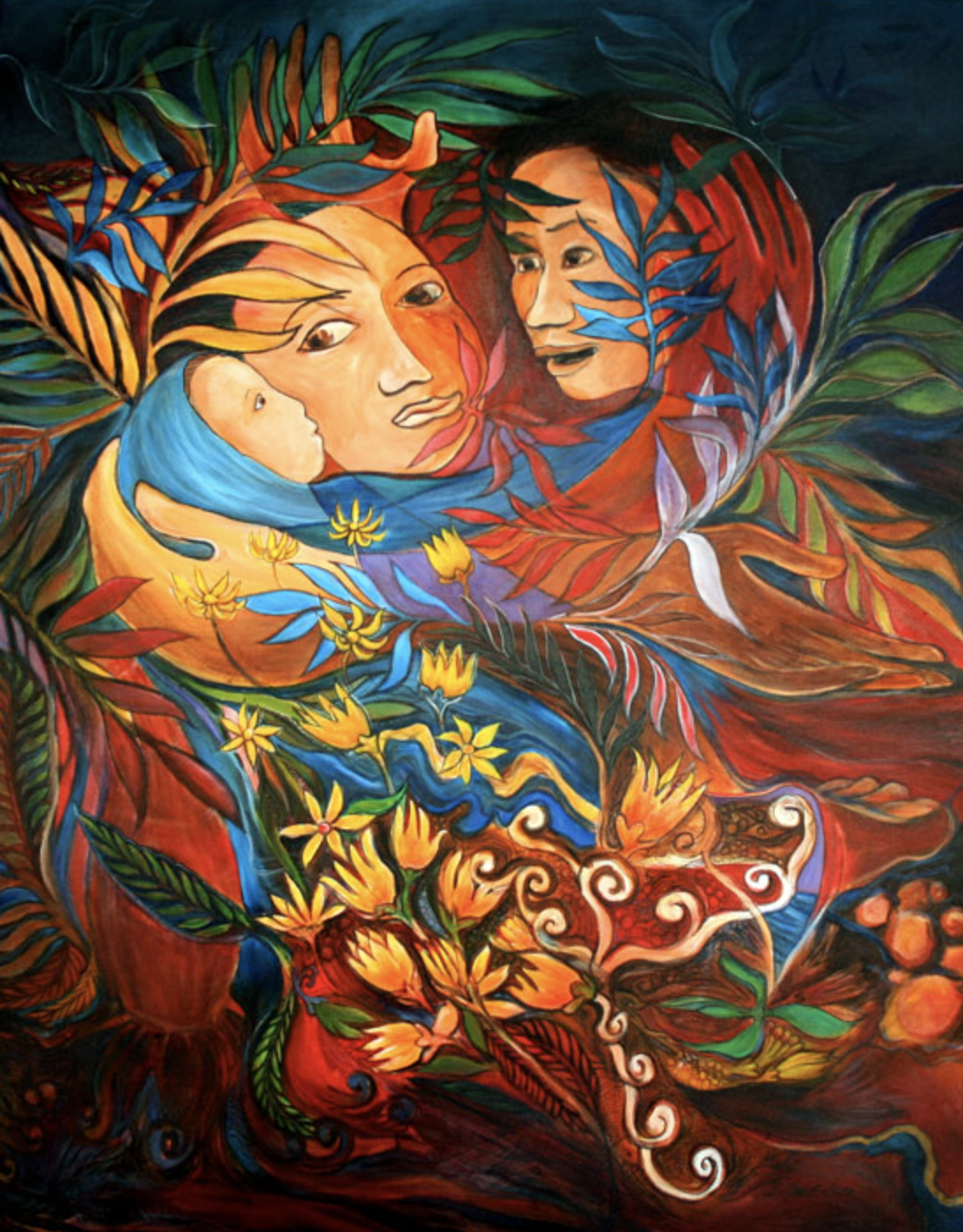
The Upper Room explains this practice as an invitation one to encounter the divine through images. A prayerful consideration of and interaction with a photograph in the magazine, icon, piece of art, or other visual representation allows the viewer to experience the divine in a unique and powerful way.
To practice Visio Divina:
- Pick out an image from a website, a photograph, painting, or icon.
- You may want to choose a nativity paintings from around the world. Click here for a collection of nativity paintings.
- Look at the image and let your eyes stay with the very first thing that you see. Keep your attention on that one part of the image that first catches your eye. Try to keep your eyes from wandering to other parts of the picture. Breathe deeply and let yourself gaze at that part of the image for a minute or so.
- Now, let your eyes gaze at the whole image. Take your time and look at every part of the photograph. See it all. Reflect on the image for a minute or so.
- Consider the following questions:
- What emotions does this image evoke in you?
- What does the image stir up in you, bring forth in you?
- Does this image lead you into an attitude of prayer? If so, let these prayers take form in you. Write them down if you desire.
- As you close, offer your prayers to God in a final time of silence.
Image: Erland Sibuea, Nativity, 2008. Indonesia
| |
|
Look through the nativity paintings from around the world with your children. After spending time with the pictures, ask these wondering questions:
I wonder which painting you liked the best?
I wonder which painting you saw God in?
I wonder which painting you see yourself in?
| |
|
LOVE IN BELOVED COMMUNITY
Each week let us explore ways to love our neighbors and help build God's kin-dom on earth together.
| |
|
|
In her TED Talk, Priya Parker shares, "When I was a child, every other Friday, I would leave my mother and stepfather's home -- an Indian and British, atheist, Buddhist, agnostic, vegetarian, new age-y sometimes, Democratic household. And I would go 1.4 miles to my father and stepmother's home and enter a white, Evangelical Christian, conservative, Republican, twice-a-week-churchgoing, meat-eating family. It doesn't take a shrink to explain how I ended up in the field of conflict resolution."
Parker goes on to share three key steps in creating transformative gatherings:
When we make a place at the table, are we inviting people with purpose and intention?
What kinds of gatherings could create peace in our communities?
| |
|
REST IN GOD
In this section we invite you to explore practices that center and ground us in Divine presence.
Many things in our lives that give us peace can also rob us from it as well.
In her Advent blog a few years ago, Traci Smith wrote about how the cell phone both gives her peace and takes peace away.
She writes: When I’m in the store and I don’t remember what the recipe calls for, I look it up. Peace. When I am standing in line and wanting to pass the time, I flip through the photos of Clayton and Sam from earlier in the day. Peace. A friend calls unexpectedly on her commute home . Peace. (And joy, too, but that’s for another day.) A prayer request from a parishioner. Peace.
Oh, but then, I’m working on my sermon, deep in thought. It buzzes. Email. I catch the first line and realize it’s something that can wait, but now it’s the only thing I can think about it. No peace. Later I’m waiting to get a text message back from someone who seems to be avoiding the question. No peace. Constant buzzing and alerts during meetings, even though I’ve pared them down to the “essentials” of texts and emails. No peace. Flipping through it mindlessly “just to check” and spending 30 minutes that could have been using the time to read, or meditate, or pray or (heaven forbid) clean the house. No peace.
In your own life, think of objects, activities, or people that give you peace. Now think of the things that take peace away.
With these in mind, how could you make room for peace?
What boundaries could you set to create peace?
Where can you invite God into these times and places?
| |
|
Make yourself a cup of tea, a hot chocolate, or other beverage of choice. Find a comfortable area in your home and play some quiet, classical music.
You can find a Spotify playlist of mindful music online at bit.ly/adventmindfulmusic and enjoy the breathing exercise below as you listen.
Breathing Exercise:
-
Sit in a relaxed position.
-
Slowly inhale through your nose, silently counting to four.
- Let the air out through your mouth, silently counting to eight as it leaves your lungs.
-
Repeat several times.
| |
|
|
Pray
This week's prayer is adapted from a prayer by Bishop Desmond Tutu.
Disturb us, God,
when we are too well-pleased with ourselves
when our dreams have come true because we dreamed too little
because we sailed too close to the shore.
Disturb us, God,
when with the abundance of things we possess,
we have lost our thirst for the water of life
when, having fallen in love with time,
we have ceased to dream of eternity
and in our efforts to build a new earth,
we have allowed our vision of your eternity to grow dim.
Stir us, God,
to dare more boldly, to venture into wider seas
where storms show your mastery,
where losing sight of land, we shall find the stars.
In the name of the One who pushed back the horizons of our hopes
and invited the brave to follow.
Amen
| |
|
Like to know more? Email us at breadforourjourney@gmail.com
Stay tuned for more from Bread For Our Journey as we launch our website and weekly curriculum in the Spring of 2022.
| | | | |