Under Advisement

Charitable Advice for

Professional Advisors 

August 2023 

Structuring the multi-generational philanthropy plan, tapping charitable giving to motivate clients, and eye-catching news stories

Hello from the Community Foundation! 


It’s August, and many of you have reported that you are already getting questions from clients about how to get organized this fall. In this edition, we offer a few suggestions for how you might support your clients as they dust off those charitable giving plans.

Helping your clients get organized: Structure is a critical step in multi-generational philanthropy

Structuring a philanthropy plan is especially important for families who want to involve their children and grandchildren. A family donor-advised fund at the Community Foundation can provide that much-needed structure and organization to help a family advance its philanthropic purposes for years to come. 


When your client organizes charitable giving through a Community Foundation fund, the client can make a large transfer of cash or marketable securities that is immediately eligible for a charitable deduction. Your client then can recommend gifts to favorite charities from the fund when the time is right. This is especially useful in the case of clients who sell a business or for another reason experience a large influx of taxable income in a single tax year. 


The Community Foundation can work with a client and the client’s family on a charitable giving plan that extends to multiple future generations. That is because the experienced team at the Community Foundation supports strategic grant-making, family philanthropy, and opportunities to gain deep knowledge about issues and nonprofits making a difference here in our communities.

Legacy giving: A conversation that’s full of opportunity

It's National Make-A-Will Month. Charitable giving is an important part of any estate planning conversation. Your clients may not realize that nearly anyone can leave a legacy to support favorite charitable causes. Here’s a primer to help you simplify key principles as you convey to your clients what they need to know:


Q: What assets can be used to make a legacy gift? 

A: Like the gifts to charity that your clients are already making during their lifetimes, cash, stock (especially highly appreciated stock), real estate, life insurance, and an IRA beneficiary designation (which is extremely tax effective), are examples of assets that can be the subject of a legacy gift. A legacy gift can be expressed in a client’s estate planning documents as a dollar amount, a percentage of the whole, or a legacy gift of the assets themselves.


Q: How is a legacy gift made? 

A: Legacy gifts are typically spelled out in detail in a client’s will or trust documents. This is especially important because after the client is gone, too much is otherwise potentially subject to hearsay or conflict. Do not overestimate your clients’ understanding of estate plans and how they work. A surprising 2 out of 3 Americans have no estate planning documents!


Q: What are some particulars to be aware of?

A: Most legacy gifts can be revoked or altered through beneficiary or will changes while the client is alive. This is an important feature to mention to clients who want to include charitable giving in their estate plans but like the idea of flexibility as the overall family and financial picture changes over the years. 


Q: What tools does the Community Foundation offer to help?

A: A particularly useful technique is for a client to establish a fund at the Community Foundation that spells out the client’s wishes for charitable distributions upon death to specific organizations. The client’s estate planning documents can, in turn, simply name the fund as the beneficiary of charitable bequests. The client can adjust the terms of the fund anytime during the client’s lifetime to reflect evolving charitable priorities. 


We look forward to working with you and your charitable clients as they firm up their legacy giving plans, whether in August or any time of year! 

Stories that caught our attention  

Emojis are fun, but... Words matter, and apparently, emojis do, too. At least in Canada, where a judge recently ruled that a thumbs-up emoji within a text message qualified as acceptance of a contract despite the sender’s alternate intentions stated later—and at an eventual cost to him of more than $60,000. The treatment of emojis may be a trend to keep an eye on.


Yikes! As a trusted advisor, you may wish to consider sharing with clients the cautionary tale of the late singer Aretha Franklin’s estate. A story like this might be the motivation it takes for resistant clients to finally implement estate planning! In a recent court decision, a jury found that the remnants of a 2014 will found in a sofa superseded Franklin’s earlier-stated intentions—and over which family members argued for years. 

We welcome the opportunity to work with you and any of your philanthropic clients to establish an enduring and rewarding family philanthropy program that is customized to meet each client’s unique purpose. Please don't hesitate to reach out for support.


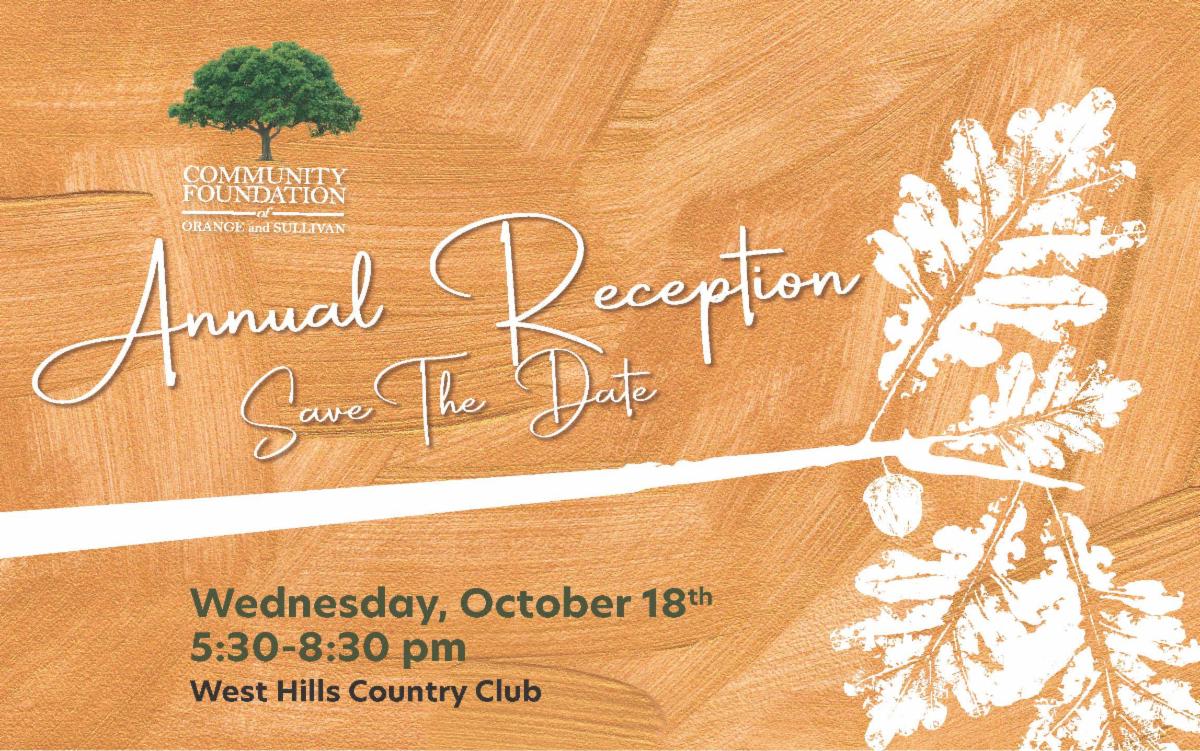
We also hope to see you in October at the always highly anticipated CFOS Annual Reception!


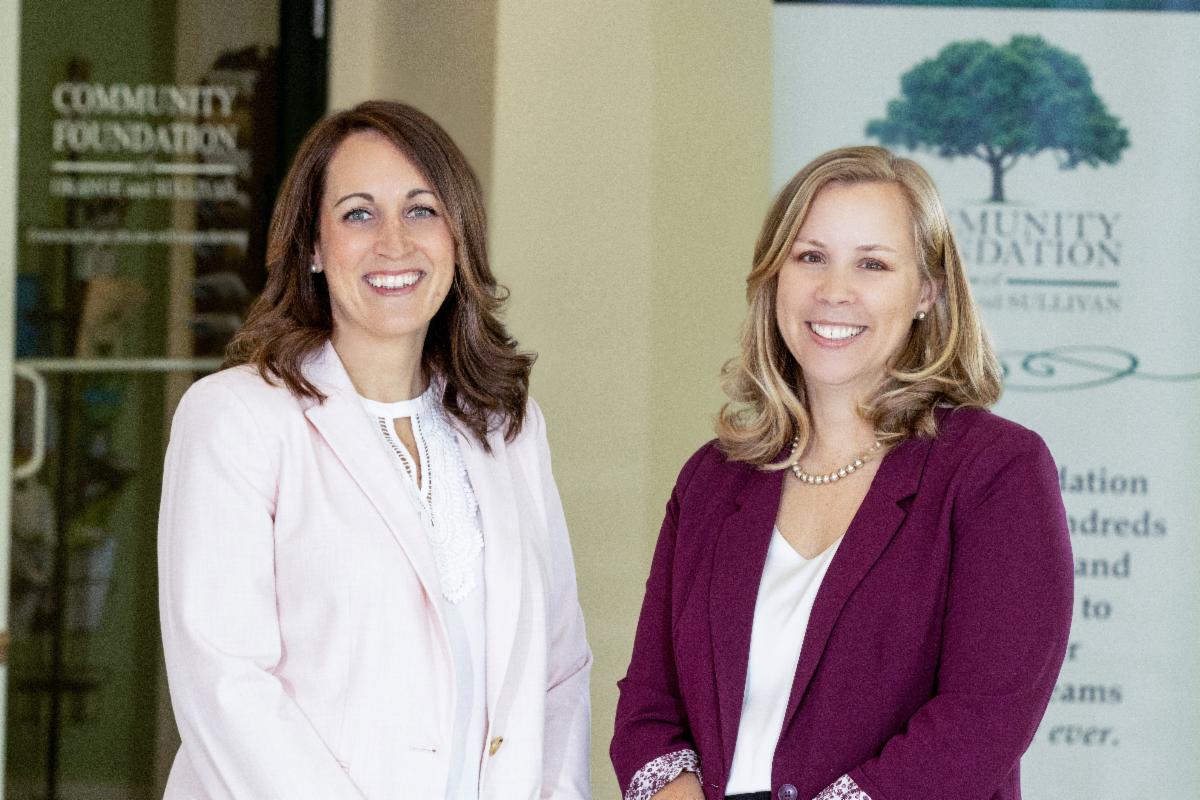
Megan@cfosny.org

Elizabeth@cfosny.org

The team at the Community Foundation is a resource and sounding board as you serve your philanthropic clients. We understand the charitable side of the equation and are happy to serve as a secondary source as you manage the primary relationship with your clients. This newsletter is provided for informational purposes only. It is not intended as legal, accounting, or financial planning advice.  

 
Community Foundation of Orange and Sullivan cfosny.org
 
Facebook  Instagram  YouTube